The Messy Part, Then The Magic
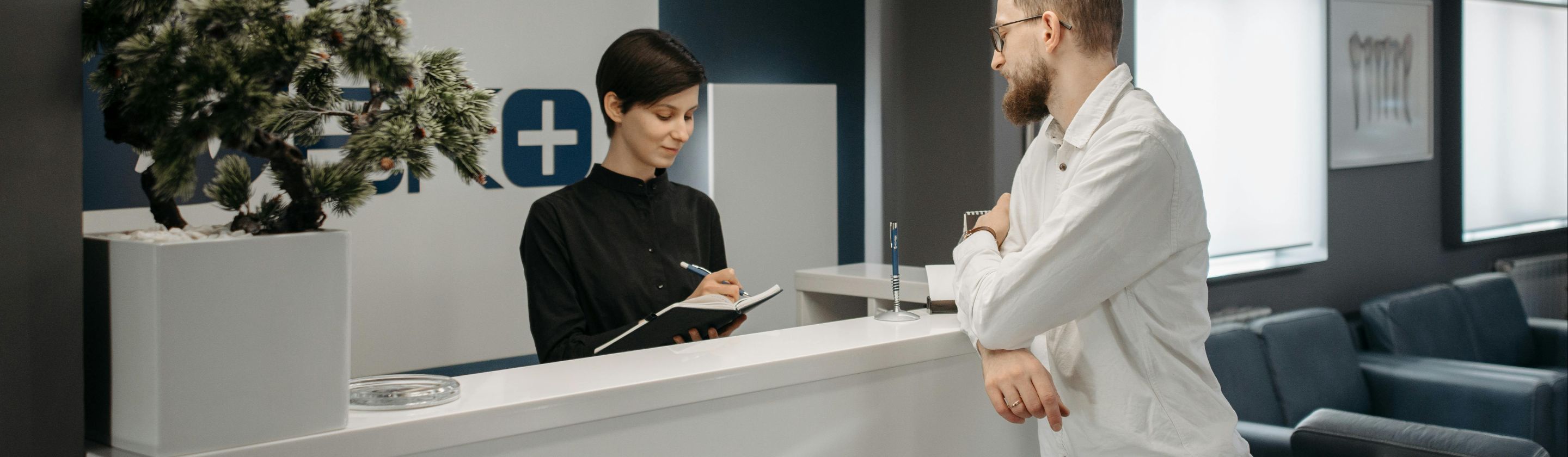
A reception desk looks simple until you spend a day sitting behind it. Phones ring at the wrong moments, people arrive with expectations already formed, and small choices carry more weight than anyone admits. Some personalities wear down faster than you'd think, while others settle in and shine—that difference matters. Let's take a look at whether you're actually cut out for a career behind the desk!

1. Discomfort With Unpredictability
Front desks rarely respect calendars. Walk-ins arrive early, deliveries interrupt calls, and urgent requests stack up without warning. Over time, unpredictability becomes the job, and people who depend on structure often feel worn down quickly because the pace never settles.
 Karolina Grabowska www.kaboompics.com on Pexels
2. Avoidance of Small Decisions
Reception roles require continuous micro judgment, including prioritization and redirection. Research even shows that hesitation at early contact points can lead to broader workflow slowdowns. Because decisions happen publicly and immediately, avoidance creates visible bottlenecks that shape visitor perception more than large errors.

3. Emotional Reactivity Under Mild Stress
Receptionists encounter frustration early and often, which places emotional regulation at the center of the job. This is because visible stress, even subtle, changes how the space feels and shapes first impressions in ways that are difficult to reverse.

4. Difficulty Switching Between Tasks Quickly
Reception work demands rapid attention shifts between phones, screens, visitors, and deliveries. Slower transitions increase message errors and missed context. Because interruptions overlap rather than queue neatly, difficulty switching focus also causes confusion, even when effort remains high.

5. Discomfort Enforcing Boundaries
Receptionists protect order by controlling access and timing, often without formal authority. When setting limits feels uncomfortable, interruptions increase since focus slips across the office. Stress also spreads outward quickly because the desk determines whether the daily flow holds together or gradually falls apart.
6. Needing Constant Direction
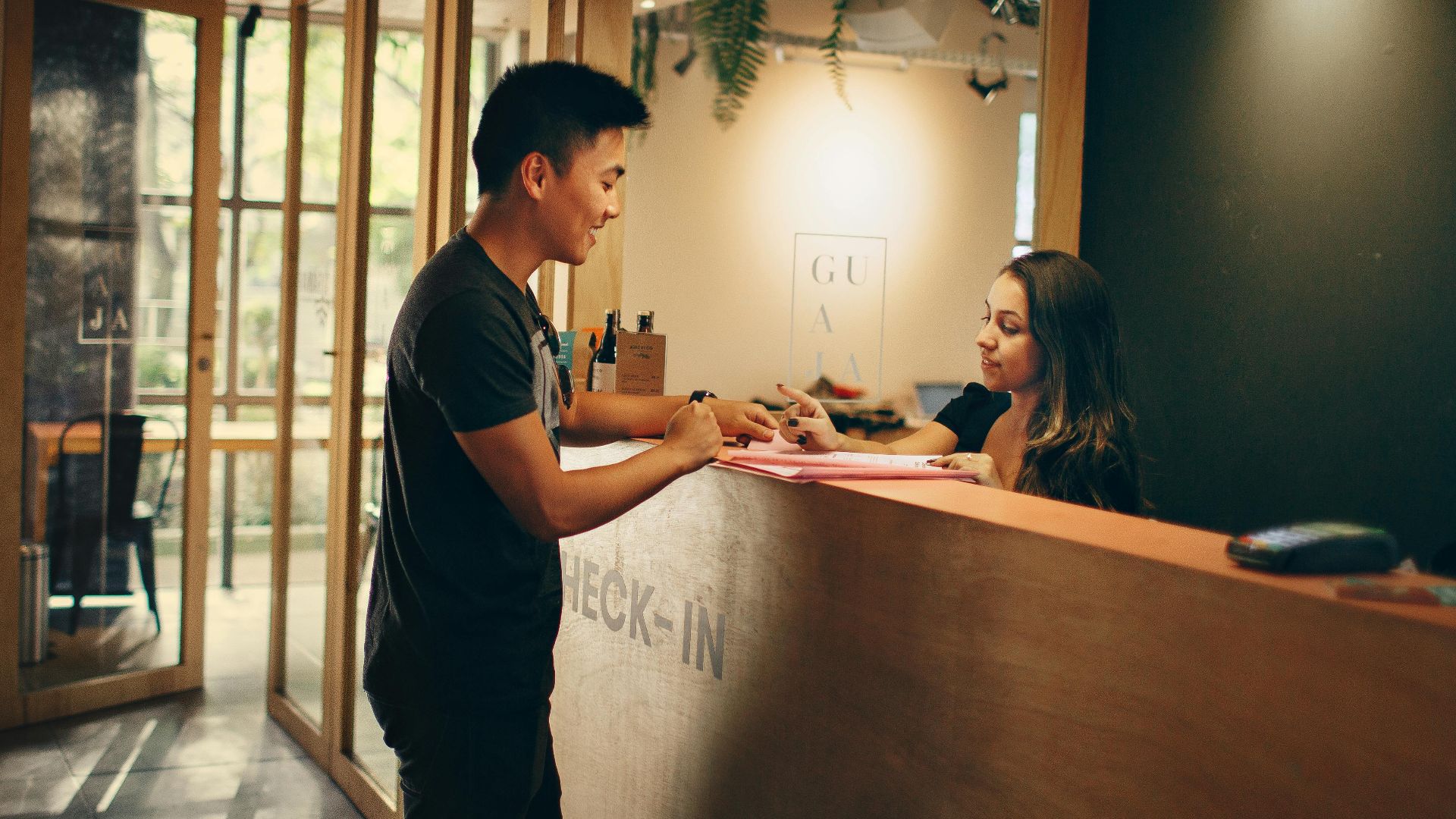
Reception does not pause to explain itself. Therefore, the desk expects initiative, especially during busy stretches. When someone waits for instructions before acting, momentum slows. Visitors also notice the hesitation, and coworkers quietly compensate, which adds pressure instead of clarity.

7. Trouble Staying Neutral
The front desk hears frustration before anyone else has context for it. After a while, that weight shows through tone and posture. Visitors sense the shift quickly, and the space feels tense even though nothing specific has gone wrong yet.

8. Poor Memory For Faces and Names
Reception depends on recognition more than most people expect. This is why familiar faces returning without acknowledgment create awkward moments. Trust also weakens slowly; the office still functions, but interactions lose ease, and visitors stop feeling like they belong there.
 Karolina Grabowska www.kaboompics.com on Pexels
9. Resistance to Repetitive Interaction
Many reception questions repeat throughout the day, often minutes apart. As patience wears down, delivery changes first. Visitors pick up on that shift right away, and the desk starts becoming less welcoming without anyone ever saying so aloud.
 Antoni Shkraba Studio on Pexels
10. Difficulty Staying Present
Quiet moments often lower alertness at the desk, and that problem becomes apparent the second someone arrives. A delayed greeting signals inattention. When that happens repeatedly, visitors start assuming the desk is unreliable, even though the issue is focus rather than effort.

Flip those struggles around, and a different picture emerges of what actually makes reception work well. Let's dive into a few key traits every good receptionist needs.
1. Comfort Reading the Room
Strong receptionists notice shifts when interacting before words explain them. A pause, a tone change, a glance toward the door all signal what needs attention next. Acting on those cues keeps situations calm and prevents small issues from turning into disruptions that require explanation later.

2. Natural Pattern Recognition
Offices run on repetition, and good receptionists spot patterns early. Recognizing peak arrival times or recurring questions allows subtle preparation. As a result, responses become faster and smoother without anyone noticing the planning that goes into them.
3. Comfort With Being the First Impression
Some people shrink from visibility. Others handle it easily. However, enjoying that role helps the desk project confidence without effort. Since visitors decide how organized a place is within seconds, that steady presence quietly sets expectations for everything that follows.
4. Quiet Authority
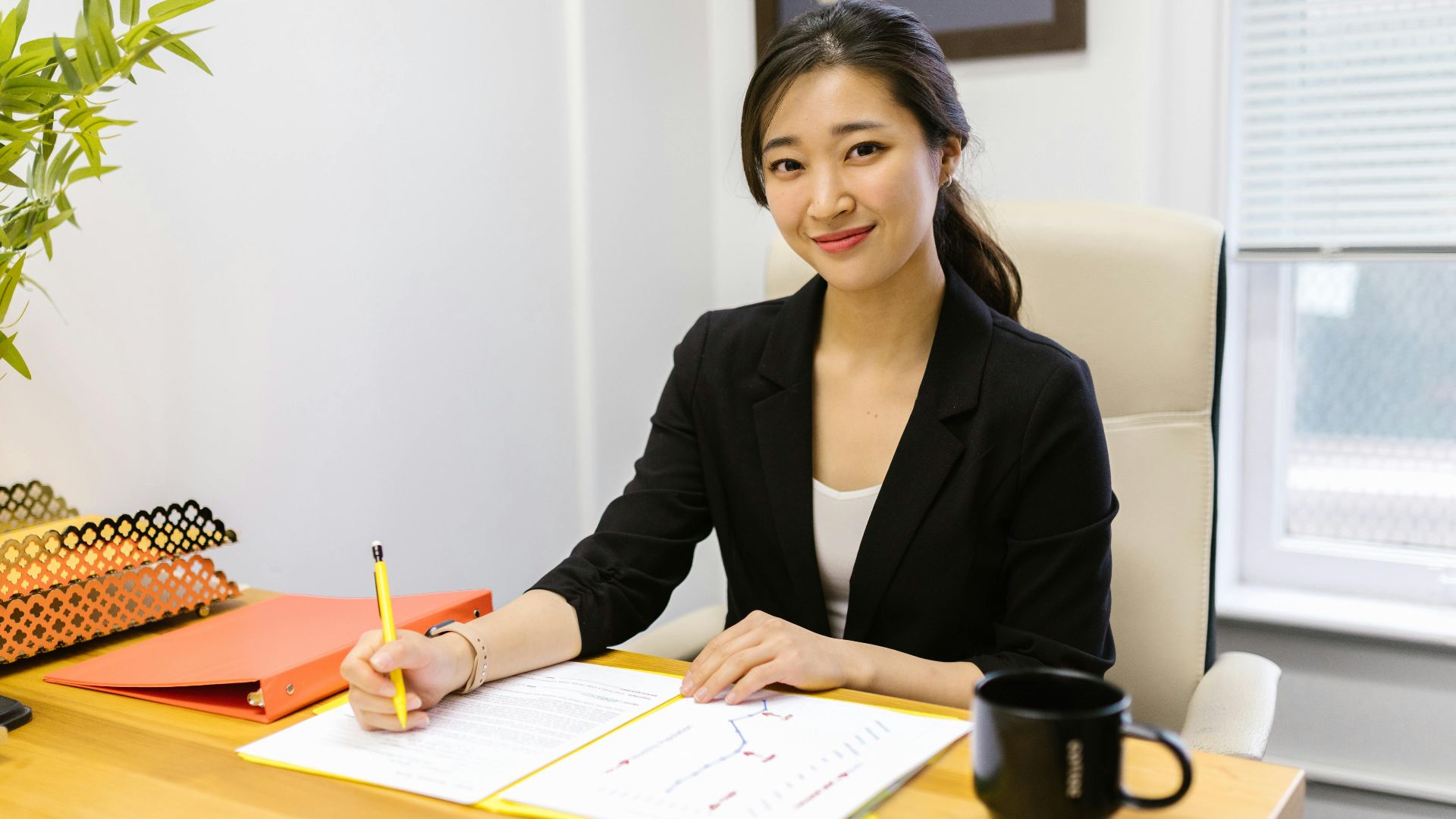
Effective receptionists guide traffic without raising their voice or asserting rank. Direction comes through clarity and timing. When someone naturally takes charge of small moments, others follow easily, and the space stays organized without visible effort or constant correction.

5. Comfort Holding Information Briefly
Reception requires remembering details just long enough to act on them. Names, instructions, and timing matter in short bursts. Managing that mental load well prevents mistakes and reassures visitors that their presence is handled with care and accuracy.

6. Discretion With Sensitive Information
Front desks handle private details without drawing attention to them. Knowing what not to repeat matters as much as knowing what to pass along. Such restraint builds trust quietly, where one protects staff and visitors alike by preventing casual oversharing from turning into serious workplace problems.

7. Recovery After Small Mistakes
Errors happen at reception because the pace leaves little margin. Strong performers, however, correct quickly without defensiveness or panic. Moving on smoothly matters more than apology length, since visible recovery reassures everyone nearby that the desk remains reliable under pressure.
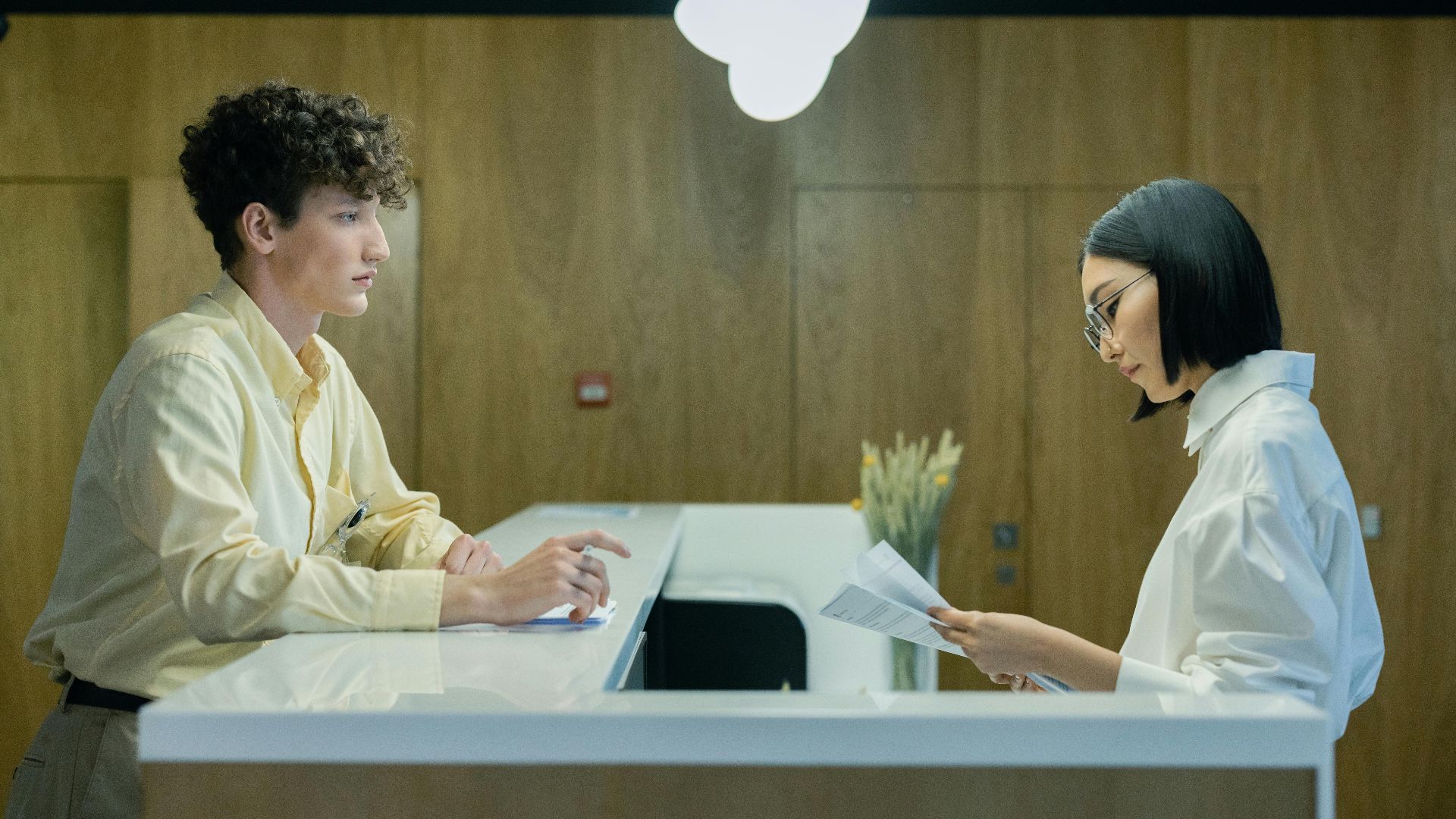
8. Technical Ease With Office Systems
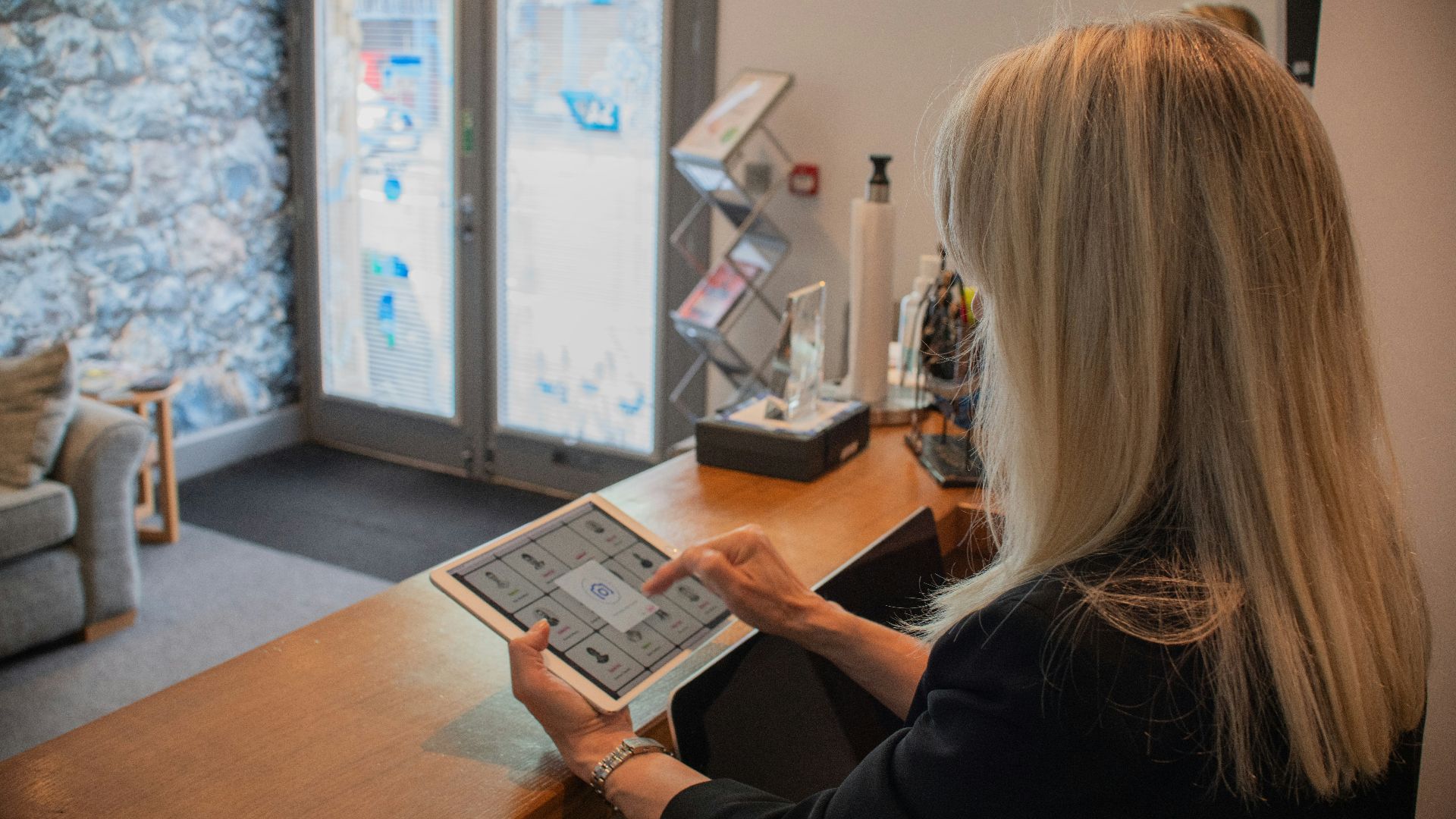
Phones ring while calendars update and access tools blink for attention. Handling those systems smoothly prevents interruptions from colliding. When tools work together through one steady hand, the rest of the office moves without needing backup explanations.
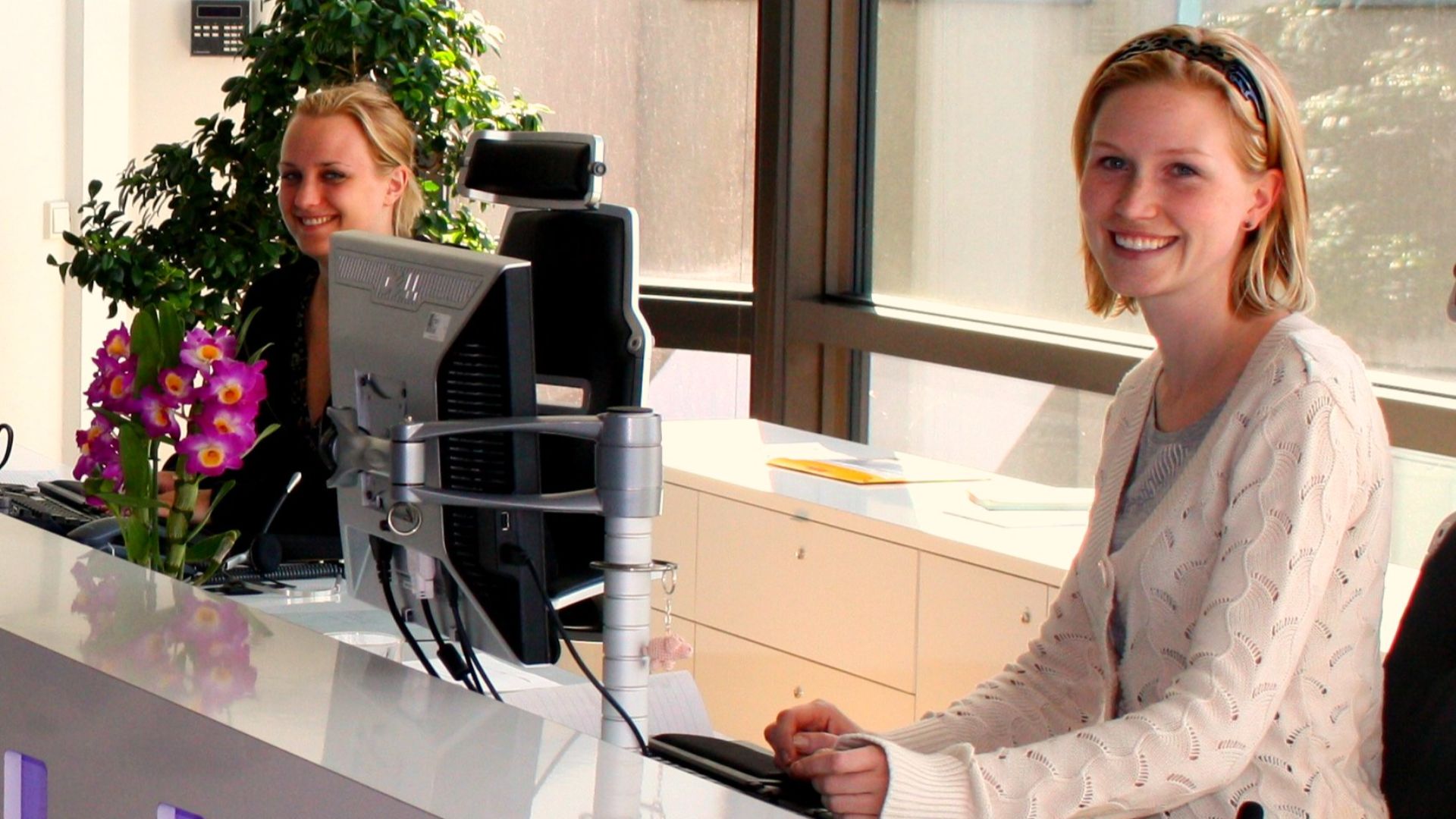 Evan Bench from paris, france on Wikimedia
9. Comfort Managing Waiting Without Escalation
Waiting rarely causes problems on its own. Uncertainty does. Acknowledging time without making promises steadies the room and reduces repeated check-ins. That calm handling also keeps pressure from building, even when delays stretch longer than anyone planned.

10. Alignment With Workplace Culture
Workplaces operate on shared norms that don’t always get written down. Reflecting those cues at the desk communicates expectations quickly. When tone and pace align internally, interactions settle faster, and staff spend less time correcting misunderstandings or redirecting behavior.