
Mental Space Matters
The calendar flips, but your baggage doesn't automatically disappear. That's the uncomfortable truth most people ignore when they're busy making resolutions and buying new planners. Real change requires intentional work—the kind that makes you decide what actually deserves space in your future. You need strategies that address both letting go and moving forward. To start with, let's look at how to leave the past year behind.

1. Reflect Intentionally On Lessons Learned
Before you rush into the new year, pause and think about what the past twelve months taught you. Reflection helps identify patterns in past decisions, giving you clarity on what worked and what didn't. Many leaders keep yearly journals to track lessons learned.
 Thought Catalog thoughtcatalog on Wikimedia
2. Release Unresolved Emotional Baggage
Some cultures practice symbolic rituals to release emotions at year's end, understanding that carrying old wounds into fresh beginnings weighs you down unnecessarily. Holding onto resentment increases stress. It affects both your mental and physical health in measurable ways.

3. Let Go Of Goals That No Longer Fit
Olympic athletes often reset goals after each season to stay relevant. Well, releasing them frees energy for new priorities that actually align with who you've become. Adjusting goals aligns with current values, ensuring your efforts reflect your authentic self rather than an outdated version.

4. Forgive Yourself For Unmet Expectations
Accepting imperfection supports resilience. It teaches you that falling short doesn't define your worth or potential. Many mindfulness practices include self-forgiveness exercises because this skill is fundamental to emotional health and growth. Self-forgiveness reduces guilt and shame.
 Laurenz Kleinheider on Unsplash
5. Create Physical Space By Decluttering
Removing unused items creates calm environments where your mind can breathe and focus without constant visual noise. The Japanese art of "danshari" emphasizes decluttering for mental peace. It treats physical organization as spiritual practice. Decluttering reduces distractions that fragment your attention throughout the day.
 Roman Bozhko romanbozhko on Wikimedia
6. Close Unfinished Personal Conversations
Some people write letters they never send to gain closure. They find that simply articulating their feelings provides the resolution they need. Closure strengthens relationships by removing the awkward tension that makes future interactions feel forced or uncomfortable.

7. Update Routines That No Longer Serve You
Morning routines are often redesigned by entrepreneurs for productivity. They treat daily habits as strategic tools rather than mindless repetition. Outdated routines can block progress by keeping you stuck in patterns that served old goals but hinder current ones.

8. Reframe Past Failures As Completed Chapters
Many bestselling authors faced multiple rejections before success. It proves that failure is often just a prerequisite for a breakthrough rather than a permanent verdict. Reframing failure reduces negative self-talk that erodes confidence and makes you hesitant to try again with a renewed strategy.

9. Disconnect From Environments Tied To Negativity
Negative environments drain emotional energy that could fuel your growth and ambitions instead of just surviving daily toxicity. Some retreats are designed specifically to help people reset away from negativity. Sometimes physical distance results in necessary psychological space.

10. Acknowledge Growth You May Have Overlooked
Many people discover hidden growth when reviewing old journals or photos, suddenly recognizing how far they've actually traveled despite feeling stagnant. Small achievements accumulate into major growth, though in the daily grind, these incremental wins often go unnoticed and uncelebrated.

Now that you've cleared the slate, here's how to fill it intentionally.
1. Set Clear Boundaries With People And Habits
Saying "no" is often cited as a powerful self-care tool, yet most people struggle with it until exhaustion forces the lesson. Clear limits reduce stress because you're no longer overextending yourself to meet everyone else's expectations while neglecting your own needs.
 Francisco De Legarreta C. on Unsplash
2. Document The Year And Symbolically Archive It
Time capsules are a popular way to archive personal years, turning memories into tangible artifacts you can revisit decades later. Documentation preserves memories that would otherwise fade into vague impressions, capturing specific details that tell the real story of your journey.

3. Make A Conscious Mental Decision To Move Forward
Mental shifts influence behavior change more powerfully than most people realize, since your internal narrative shapes external actions in predictable ways. Athletes often use visualization to mentally commit to future goals, training their minds to treat success as inevitable.

4. Create A Vision Board With Goal Images
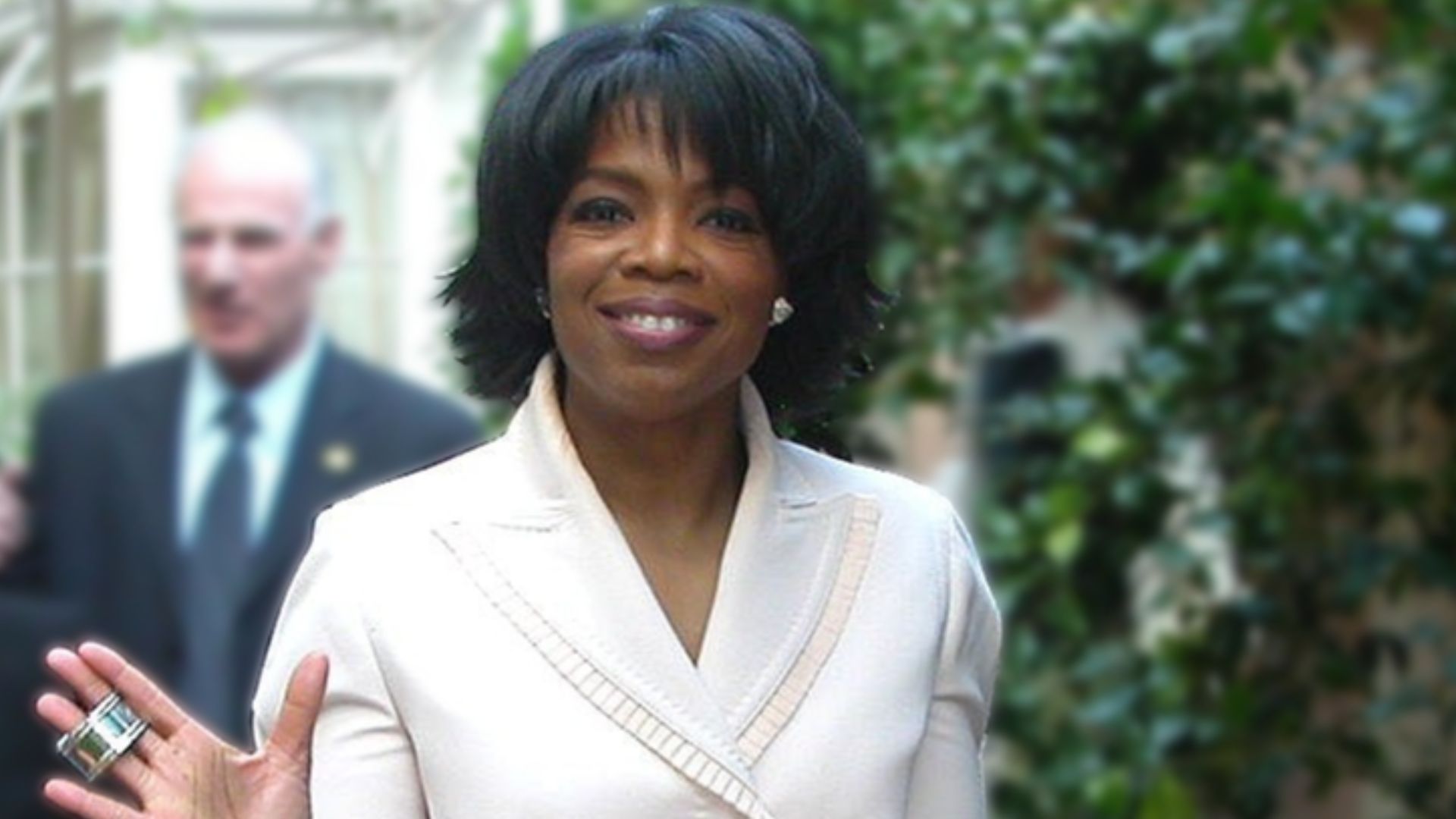
Oprah Winfrey credited vision boards for helping her manifest career milestones, though the real magic lies in daily visual reinforcement rather than mystical attraction. Vision boards visually reinforce personal goals by keeping aspirations in your peripheral awareness instead of buried in forgotten notebooks.
5. Write A Detailed Five-Year Personal Plan
Many Fortune 500 companies use five-year strategies to guide growth. Written plans clarify priorities and timelines, turning vague hopes into specific targets with actual deadlines attached. Long-term plans provide direction and structure that prevent you from wandering aimlessly.
 Marcos Paulo Prado on Unsplash
6. Set Three Specific Quarterly Milestones Yearly
Milestones allow regular progress checks that catch problems early rather than discovering at year's end that you've been off track for months. Quarterly goals break larger objectives into manageable steps. This makes intimidating annual targets feel less overwhelming when divided.
 Glenn Carstens-Peters on Unsplash
7. Practice Daily Morning Journaling On Intentions
Famous authors like Mark Twain practiced daily journaling for creativity, using the blank page as both a mirror and a laboratory for ideas. Journaling improves focus and clarity by forcing scattered thoughts into coherent sentences that reveal patterns you'd otherwise miss.

8. Schedule Recurring Sunday Evening Calendar Reviews
Many CEOs dedicate Sunday evenings to planning their week ahead. People treat this ritual as a non-negotiable preparation rather than an optional organization. Reviewing calendars reduces scheduling conflicts that create chaos and stress when double-bookings or forgotten commitments suddenly surface.

9. Declutter Your Physical Space Completely
Marie Kondo's decluttering method became a global trend because people everywhere recognized how suffocating excess possessions had become in their lives. Organized spaces improve productivity by eliminating the friction of searching for things, creating smooth environments where work flows naturally.

10. Forgive Grievances Through Closure Letter Ritual
Some people burn closure letters as a symbolic act of release, watching smoke carry away resentments that have poisoned their peace. Closure rituals reduce lingering resentment by giving unresolved emotions a structured outlet instead of letting them fester in your subconscious.