
Meeting Language Matters
One careless sentence can derail an entire meeting before anyone notices it happening. Words shape perception to decide whether ideas gain traction or zap the energy out of the room. Come with us as we explore how everyday meeting language can either stall progress or move teams forward, often in subtle ways we underestimate.

1. “That’s Not My Job”
Here's the thing—when you utter these words, you're basically slamming the door on teamwork. It makes you look avoidant, and by refusing to pitch in beyond your strict role, you're stalling problem-solving or offending teammates who actually expected your support.

2. “This is Impossible”
Corporate setups actively avoid this phrase as it completely ruins innovation. You're shutting down brainstorming without offering an alternative or proof. Basically, you torpedo the exact breakthrough thinking your team needs to succeed in the moment!

3. “We’ve Always Done It This Way”
Sure, tradition feels comfortable, but professionally speaking, it's actually dangerous territory. This is a classic failure phrase, as it screams resistance to change while dodging responsibility. If a colleague or boss shows you a new way to explore things, you need to be open to it.

4. “It’s Not Fair”
Playing the victim card? That's a fast track to destroying your professional credibility. Crying unfairness without proposing solutions, only wrecks constructive dialogue. It also shows that you have a problem adjusting to teamwork.
 ANTONI SHKRABA production on Pexels
5. "You're Wrong"
Being right doesn’t guarantee being effective, especially against your boss. When criticism lacks constructive direction, it strains relationships and shifts attention away from the problem, leaving teammates focused on defending themselves rather than improving outcomes.

6. "I Don't Have Time For This"
Talk about sending the wrong message! This little sentence essentially tells colleagues their concerns don't matter, which is classic relationship-destroying behavior. Beyond that, it deflects engagement with the team when they need you to step up.

7. "This May Be a Silly Idea, But..."
Congrats—you just told everyone not to take you seriously. Apologetic qualifiers like this damage perceived competence, especially in competitive environments. What's worse, they create permission for others to overlook your contributions. Instead of protecting yourself from criticism, you're guaranteeing your ideas won't receive the attention.

8. "That's Someone Else's Fault"
Nothing screams "blame-shifter" quite like this phrase. People who use this kind of language often look out for themselves instead of thinking about the team's growth. It sends a wrong message to your seniors who want a collaborative effort.

9. "I Told You"
Oh no, you've just prioritized being right over being helpful! The statement drips with condescension, immediately alienating colleagues who need support. It creates resentment that lingers long after meetings end.
 Antoni Shkraba Studio on Pexels
10. "How Old Are You Anyway?"
This question is a minefield of age discrimination issues that can land you in serious trouble. Beyond being potentially illegal in workplace contexts, it also dismisses someone's contributions based on age rather than merit, which HR experts flag as creating hostile environments.

Avoiding the wrong phrases is only half the equation—the real impact comes from knowing what to say to keep discussions productive!
1. "I Completely Agree, and Here's How We Can Build on That"
With this, you're not only boosting the confidence of the person with the idea, but also pitching in to collaborate. Despite the competitive environment in corporate cultures, the management loves people who can work in teams.

2. "What Do You Think About This Proposal?"
Not every leadership moment requires a declaration. Asking instead of telling surfaces ideas you might miss and encourages participation. Teams tend to perform better when people feel their perspectives are genuinely welcomed.
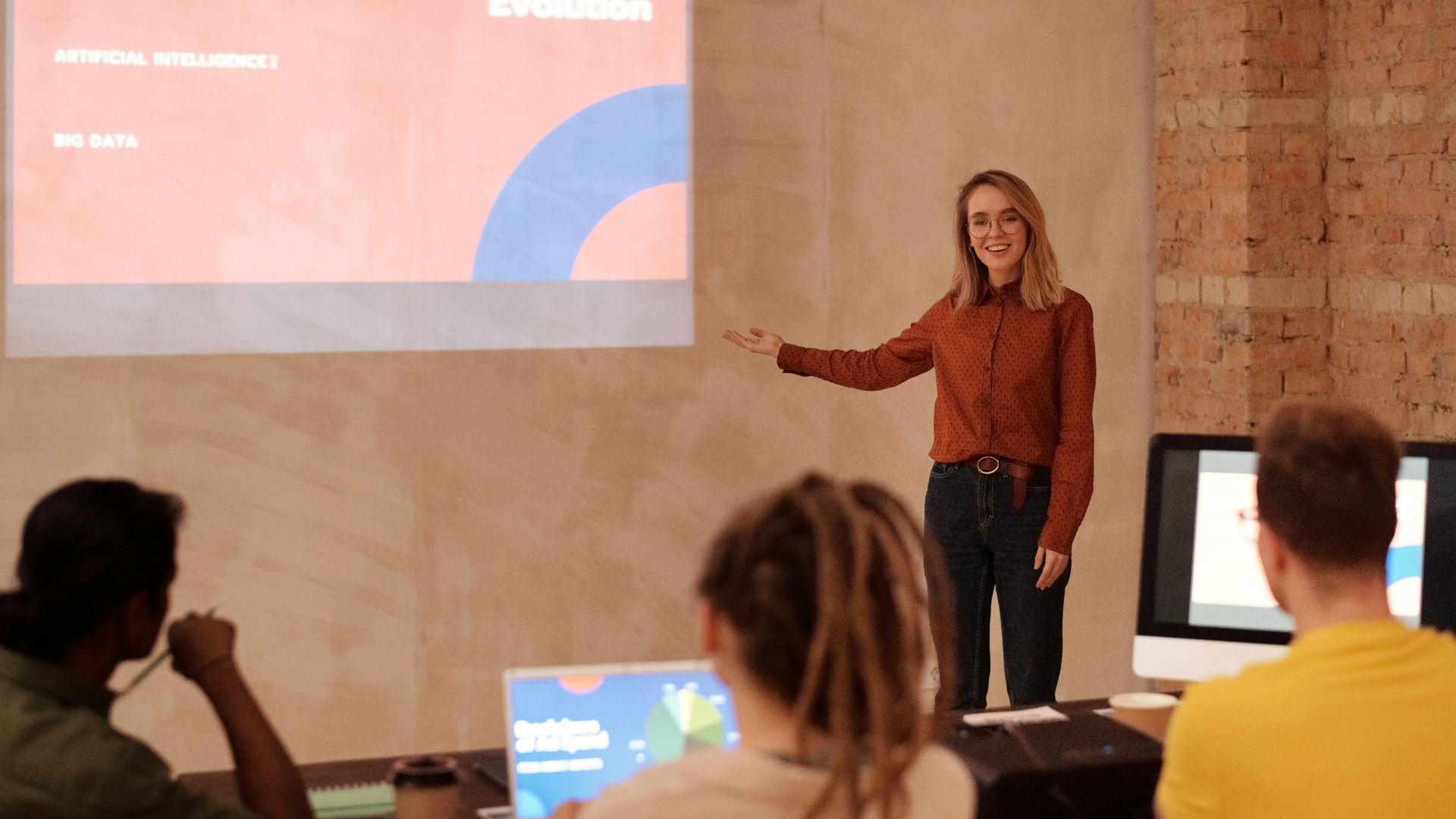
3. "I'd Like To Suggest We Try This Approach—Here's Why"
This one's a perfect mix of balance and collaboration. By pitching in your ideas with a hint of suggestion, you're going to naturally move to the reasoning bit of it, and strong reasoning helps get your idea approved.

4. "That's a Great Point—How Can We Apply It Here?"
This phrase validates colleagues publicly, transforms abstract ideas into concrete applications, and maintains forward momentum in discussions. Basically, you're proving you're focused on outcomes rather than just talking for the limelight in the meeting.

5. "I Can Take the Lead on This Action Item"
Few things signal accountability more clearly than stepping up voluntarily. Offering to take ownership shows initiative, which links to faster career growth. It avoids awkward task gaps and proves you’re invested in results beyond the meeting room, too.

6. “Is There Anything Else Anyone Would Like to Share?”
Before closing the discussion, the question slows the rush to wrap up. Quieter perspectives often emerge here, uncovering risks or ideas previously missed, and many teams find their strongest insight appears right at the end of the meetings.

7. “Based On My Research, I Recommend We Proceed This Way”
Leading with evidence immediately raises credibility. Preparation shifts the conversation from opinion to evaluation, which gives colleagues something concrete to assess! Decisions can move faster when recommendations arrive backed by clear reasoning.

8. “How Can I Support You On This?”
Rather than directing next steps, it opens the door to partnership between people with varied roles in the hierarchy. If you offer help, it builds trust and clarifies expectations—execution tends to improve when support is invited instead of assumed.

9. “Thank You For Your Input—It’s Valuable”
Recognition lowers defensiveness and keeps people engaged. Validation also encourages continued participation, even during disagreement. Over time, consistent acknowledgment strengthens psychological safety across the team.

10. “I’m Open to Other Ideas On This”
After presenting your ideas, if you can invite an open dialogue on them, it shows confidence. Welcoming alternatives keeps discussions dynamic and encourages refinement. Strong solutions often emerge when viewpoints are allowed to evolve together.