Relationships 101
Your first relationship and your first stretch of marriage can feel like two different courses with the same instructor: love. The lessons overlap, sure, but the stakes, routines, and expectations change in ways you don’t fully understand until you’re living them. If you’ve ever wondered why the same feelings can produce totally different decisions later on, it’s usually because the learning is happening in real time. Here are 10 things you learn from your first relationship, and 10 you learn after you tie the knot.
1. What You Actually Want
It’s easy to think you know your “type” until you’re spending real time with someone who has habits, opinions, and a schedule. Then you start noticing which traits are truly important and which ones were just nice on paper. By the end, your preferences get more specific in a way that feels surprisingly practical.

2. How You Show Affection When You’re Not Trying
Early on, you might perform what you think love looks like because you’re excited and a little nervous. But over time, your natural style shows up through the small choices you make without being asked. That’s usually when you understand whether you’re more verbal, more thoughtful, or more consistent than flashy.

3. How Quickly Assumptions Create Problems
At first, you may assume the other person knows what you mean, what you want, or why you’re upset. But those guesses tend to fall apart the moment feelings get involved. The experience pushes you toward stating what's on your mind clearly, even when it’s awkward.

4. Your Conflict Habits, Including The Ones You Don’t Like
A first relationship has a way of revealing whether you shut down, over-explain, get defensive, or try to “win.” You can’t really hide from your patterns when someone else is reacting in real time, and that can be a real eye-opener.

5. Boundaries Aren’t Rude, They’re Necessary
In the beginning, it’s tempting to be agreeable just to keep everything smooth-sailing. Then you notice how resentment builds when you keep saying "yes" when you really mean "no." It helps you realize that setting boundaries is less about being strict and more about being honest.

6. The Difference Between Being Private and Being Secretive
There’s a point where “I’m just not ready to share” can drift into “I’m avoiding something.” A first relationship teaches you how openness affects trust, even in small situations. You also learn that protecting your independence doesn’t require hiding your life.

7. How Your Friends and Family Influence Your Decisions
You might notice yourself filtering choices through other people’s reactions more than you expected. The pressure can be subtle, like wanting approval, or loud, like constant commentary. Either way, you start separating your relationship from the audience around it.
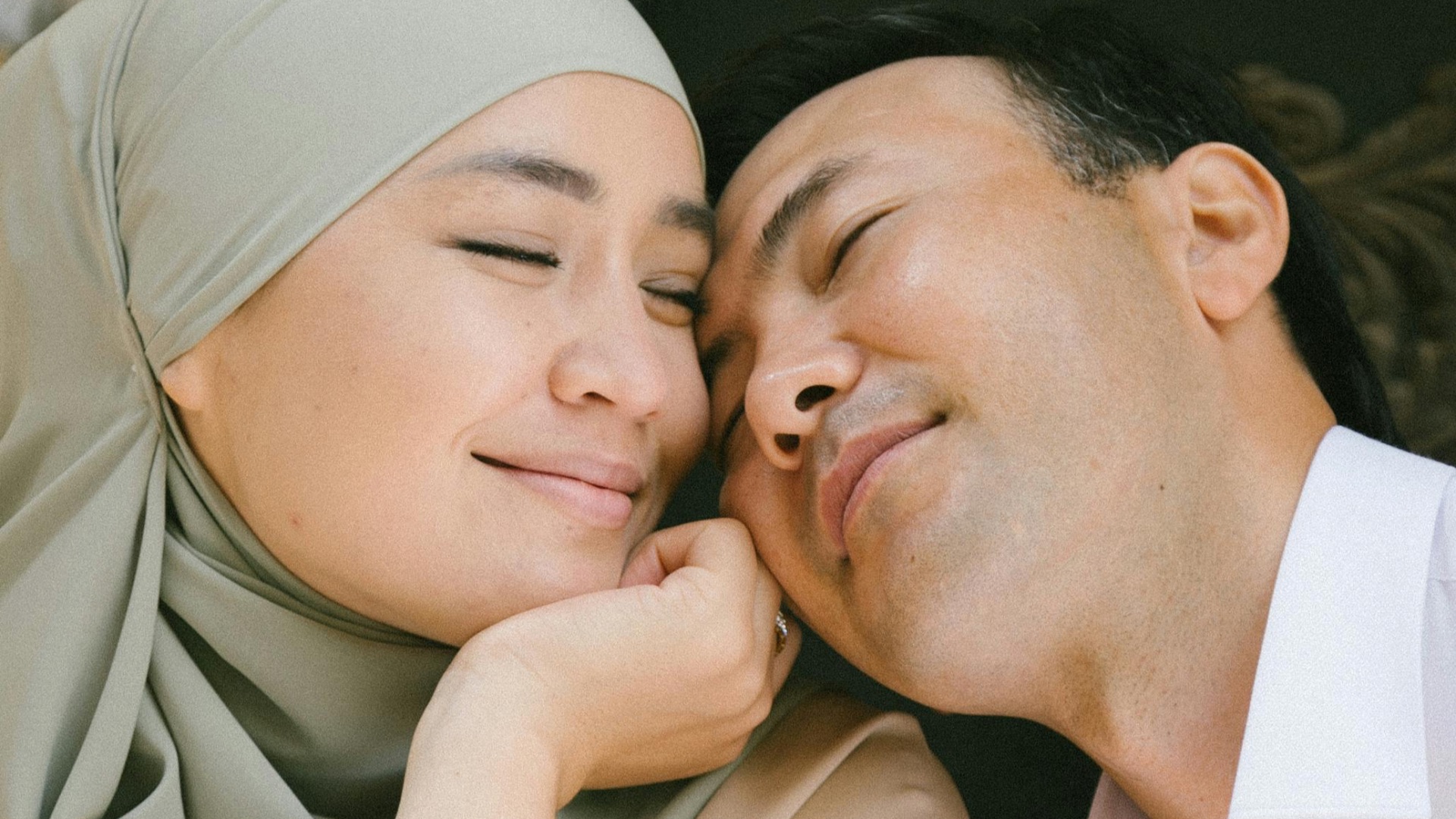
 Karolina Grabowska www.kaboompics.com on Pexels
8. How Much Emotional Work You’re Willing to Do
At first, you may go all-in, thinking effort is the same as love. Eventually, you see that effort isn't just a one-person thing, but needs to be mutual to feel good over time. This lesson teaches you to look for consistency, not just intensity.

9. What Jealousy Does to Your Behavior
Even if you don’t see yourself as the jealous type, new feelings can bring out new reactions. You may catch yourself checking, questioning, or comparing when you’re anxious or stressed. The relationship becomes a mirror for insecurities you didn’t know were still hanging around.

10. Ending Something Can Be the Most Respectful Choice
A first relationship often teaches you that staying isn’t automatically the kinder option. If you keep forcing a mismatch, both of you end up paying for it. Leaving can be a way of admitting and accepting the truth without dragging it out.
You might learn a lot from your first real relationship, but it isn't until marriage that you realize that all the lessons from before were just the beginning. Here's what you learn after you tie the knot:

1. Logistics Matter More Than You Expected
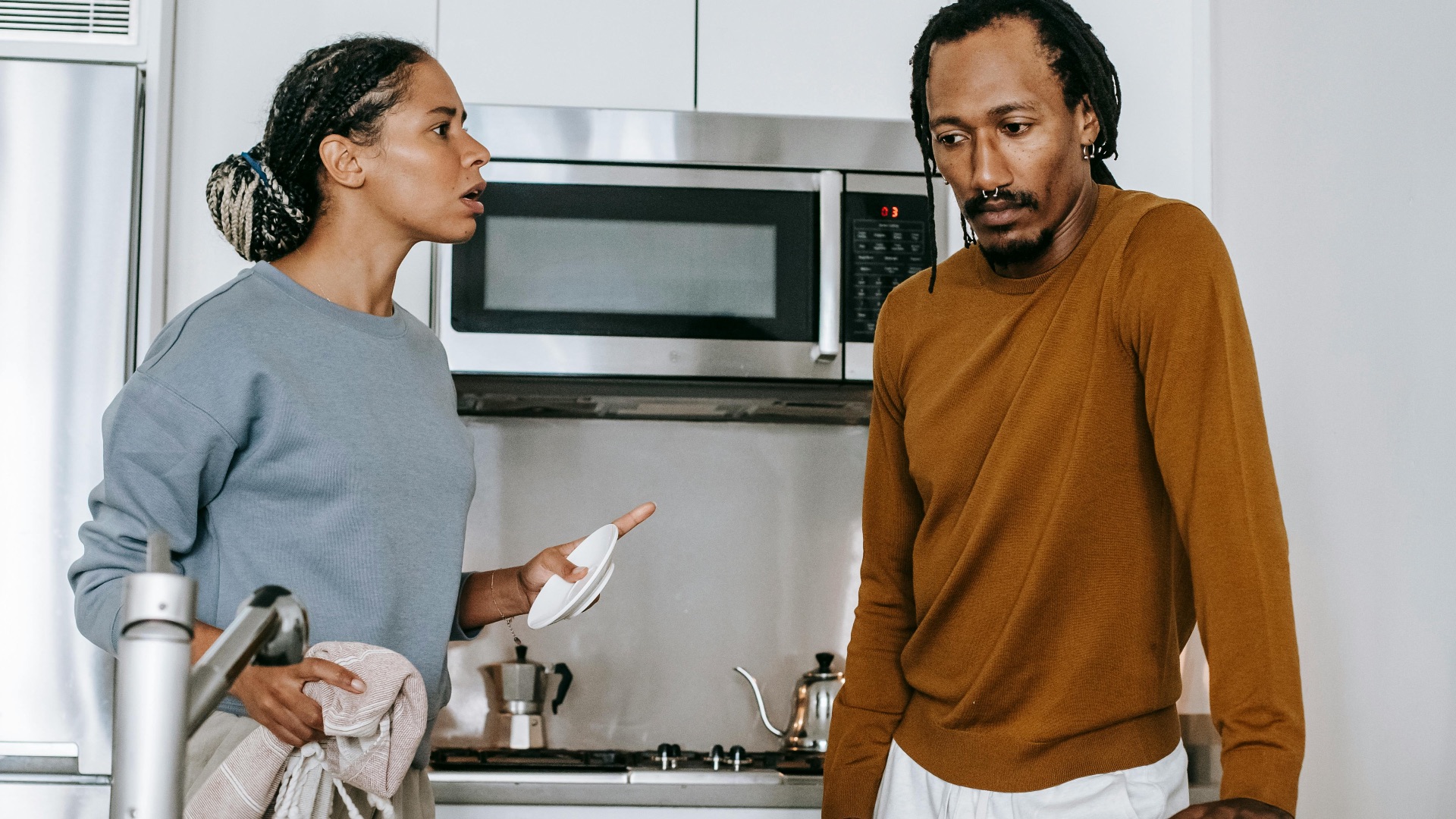
After marriage, you realize love has to share space with schedules, budgets, errands, and just about everything else. These details can either become constant friction or a teamwork project you both take seriously. It’s not always romantic, but it’s essential.

2. How To Communicate When You’re Tired, Not Just When You’re Calm
Marriage doesn’t wait for perfect timing, so you end up talking through issues when you’re stressed and low on patience. You learn to choose your words more carefully because you can’t rely on charm to smooth everything over. The best conversations often happen after you’ve both cooled down and still decide to show up.
3. “Fair” Isn’t Always “Equal”
Splitting everything 50/50 sounds neat until real life gets complicated. Sometimes one person takes more because the other can’t, and sometimes the balance flips for a while. What matters is whether both of you feel respected and supported over time.

4. How to Make Decisions as a Unit Without Losing Yourself
Marriage invites a lot of “we” language, but you still have a personality and priorities that deserve space. You get better at sharing a plan while keeping personal goals alive. That balance takes practice and a surprising amount of direct conversation.

5. How Money Matters
Finances aren’t just numbers; they can bring up discomfort, control, and fear. After marriage, you see how spending and saving habits can trigger big reactions over small purchases. You learn how to budget and talk about money early and often so it doesn’t turn into a running argument.

6. Apologizing Well Is a Real Skill
A quick “sorry” doesn’t count if it comes with excuses or a tone that says you’re annoyed but "had to" say it. In marriage, you learn to name what you did, acknowledge the impact, and adjust next time. That kind of apology builds safety and trust instead of just ending the conversation.

7. Routines Can Either Connect You or Separate You
Marriage creates default patterns, like who cooks, who cleans, and who does the laundry. If you don’t split the roles, you can end up creating friction and feeling like you're just roommates and not a married couple. Learning how to support each other in your routines signals that you're willing to show up, time and time again.

8. How to Handle Disagreements
It’s tempting to vent to everyone when you’re frustrated, especially if you want validation. Over time, you learn that constant outside commentary does little to solve the problem and may only make things worse. Keeping most conflicts between the two of you, on the other hand, protects the relationship and makes resolution easier.

9. Intimacy Requires Intention, Not Just Opportunity
In marriage, closeness doesn’t always happen automatically because the days fill up fast and other responsibilities get in the way. That's how you learn to create space for time together rather than waiting for the “right moment” to appear. Intimacy improves when you treat it like a priority instead of a leftover.

10. Commitment Is an Ongoing Practice, Not a One-Time Promise
After marriage, you realize the vows you both made were just the start, not the finish line. You keep choosing how you show up, even when it’s inconvenient or you’re irritated. The stability comes from repeated decisions that say, clearly and consistently, “I’m still here, and I'm not going anywhere.”
 Roxanne Andrea Dychengco on Unsplash