
10 Things About The American Workday That Shock Other Countries & 10 Better Habits Worth Copying
10 Things About The American Workday That Shock Other Countries & 10 Better Habits Worth Copying
Working to Live, or Living to Work?
The American workday is known worldwide for long hours, a fast pace, and a full-throttle mentality, and to outsiders, some of these practices are simply astounding. While citizens of other countries often gasp at certain aspects of U.S. work culture, they have habits of their own that Americans could learn from. With that in mind, here’s what surprises foreigners about American work, and how to make it better.

1. Email Culture
In a typical U.S. workplace, employees often need to check messages and respond outside official hours. Smartphones and remote-work tools extend the office day into evenings and weekends. This lack of separation shocks people from countries where after-hours communication is legally limited. They think Americans never really punch out.

2. Minimal Parental Leave
The U.S. is one of the few developed countries without mandated paid parental leave. New parents must figure things out at the last minute. Visitors from countries with generous maternity and paternity policies are stunned to see American parents return to work in just a few weeks. It can seem emotionally and physically punishing and highlights stark cultural differences in work-life expectations.

3. Long Hours
Visitors are often shocked to discover that a 45–50 hour workweek is typical for full-time employees in the U.S., well above the international average. Sixty-hour workweeks are common and sometimes even boasted about in certain sectors. This hustle-and-grind mentality can be hard to comprehend for those from countries that emphasize shorter, more balanced workweeks. To them, the American workday appears less productive, and far more exhausting.

4. Limited Protection
At-will employment is standard in the U.S.: most workers can be fired without warning for almost any reason. This can shock foreigners from countries with strong labor protections and even induce anxiety. Job security is rare, highlighting how unequal the U.S. is compared to other developed nations in worker protections.

5. Work as an Identity
Perhaps the most bizarre cultural shock is Americans’ strong personal identification with work. “What do you do?” is often the first question in a conversation, and success is defined primarily through professional achievement. For many immigrants, such a work-based identity seems strange and unhealthy. Work here is not just a task, it’s an identity.

6. Limited Vacation Time
Americans receive an average of 10–15 vacation days per year, but most don’t even use them. By contrast, European or South American workers expect four to six weeks of paid holiday as standard. “Vacation guilt” is considered normal in the U.S., and the idea that time off must be “earned” or “justified” seems shockingly draconian.

7. Minimal Breaks
American employers offer shorter and less frequent breaks than the global standard. Long stretches of work without pauses are considered a sign of diligence, while breaks are viewed as laziness. Visitors from cultures with required rest and tea breaks find this shocking. It contributes to burnout and a culture that glorifies constant activity.

8. Lunch at the Desk
In many U.S. workplaces, lunch is eaten while checking emails or working on spreadsheets. A proper break is considered indulgent or unproductive, especially in fast-paced corporate environments. In countries where meals are social and leisurely, this habit seems extreme, reinforcing the stereotype of Americans as perpetually overworked and under-rested.

9. Multiple Jobs to Stay Afloat
Working two or three jobs simultaneously is almost unheard of in countries with generous social programs and higher minimum wages. Foreigners are often stunned that so many Americans, particularly younger and lower-income workers, must juggle multiple jobs just to survive, and even then, financial security is not guaranteed.

10. Not Enough Public Holidays
The U.S. has fewer national holidays than other Western countries, and not all are guaranteed days off. Many people must work on holidays due to retail schedules, service industries, or staffing shortages. Outsiders find it jarring, and depressing, how little collective downtime is honored, reinforcing the sense that rest isn’t valued in American culture.
Now that we talked about 10 American work habits that shock other countries, here are 10 examples to take from them.

1. Work-Life Balance
In Sweden and Norway, employees value the end of the workday, and employers respect it. Productivity is measured by results, not hours at a desk. Practicing this teaches workers that rest is not laziness; it’s fuel for better performance.

2. Giving Space
French professionals treat lunch as a dedicated, unhurried ritual. Stepping away from the desk refreshes employees, improving mental clarity and energy. This practice encourages sustainable productivity rather than short-term overperformance followed by burnout.

3. Flexibility
Spain’s work culture accounts for varying energy levels throughout the day. Flexible schedules allow employees to work when they are most active, ensuring efficiency and comfort.

4. Craftsmanship
Japan’s culture of craftsmanship, or shokunin, emphasizes pride, patience, and mastery, even in small tasks. Focusing on doing things right rather than rushing fosters skill development and meaningful pride in work.

5. Team Solidarity
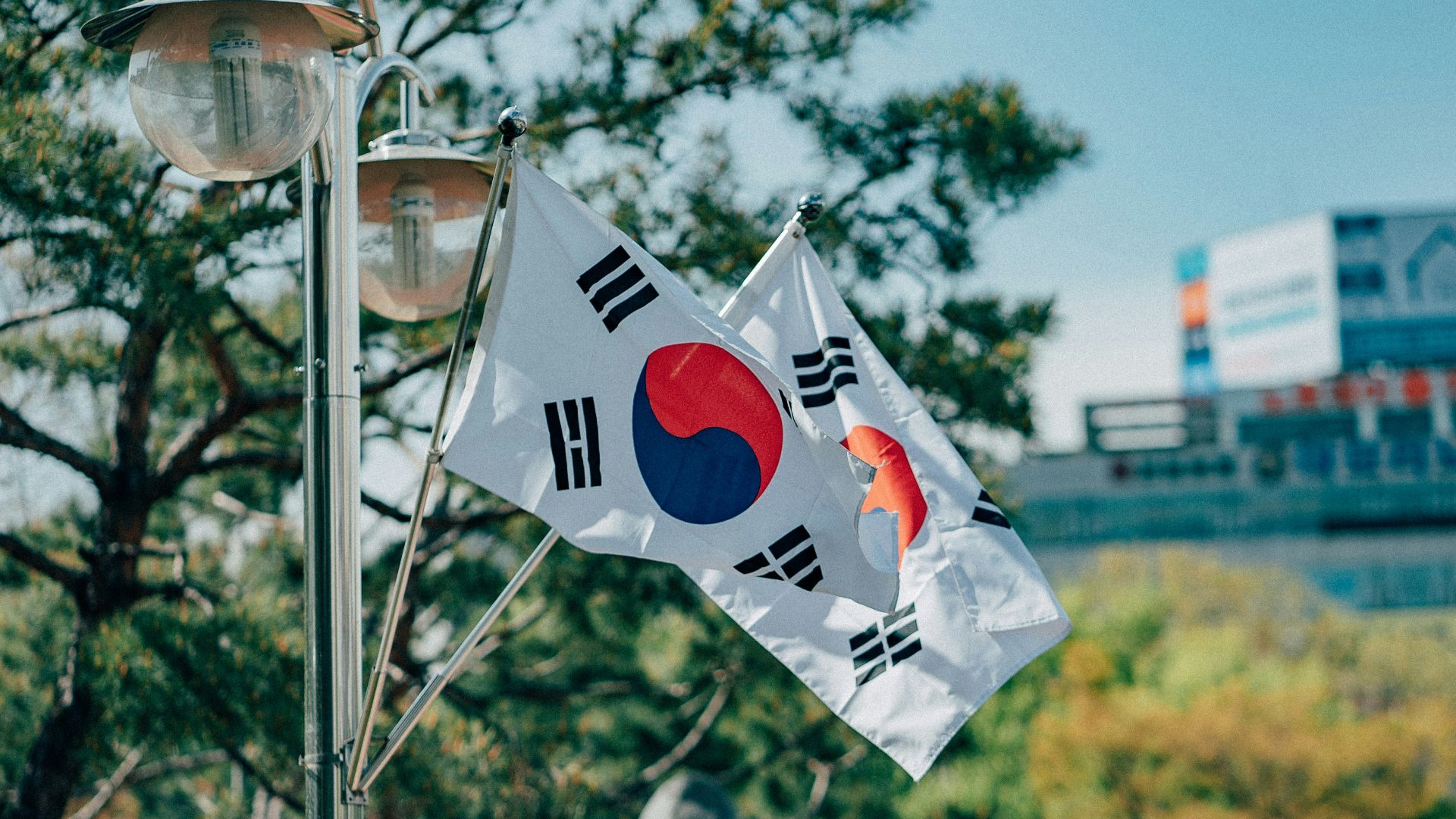
Korean work culture is grueling, but its focus on unity is powerful. Teams celebrate wins together and align around shared goals. This collective approach can boost morale and loyalty.
6. Precision and Planning
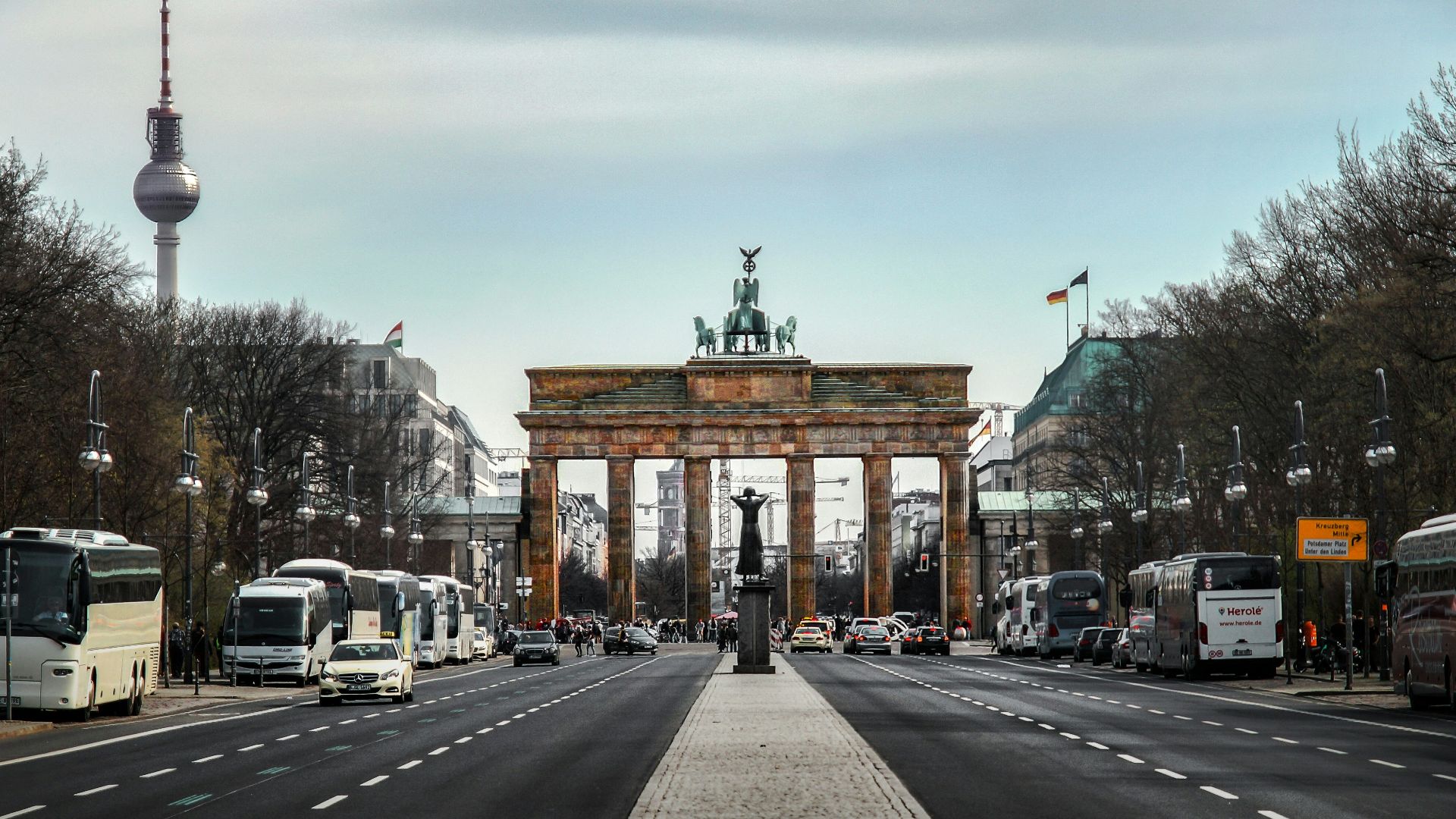
German business culture prioritizes upfront planning, reducing confusion and errors later. Clear structure and expectations create smoother workflows and more predictable outcomes.
7. Trust-Based Management
Danish workplaces often rely on trust rather than micromanagement. Employees are given freedom to manage time and decisions, fostering motivation and ownership of work.

8. Psychological Safety
Many Australian workplaces cultivate an approachable, easygoing environment. Employees feel safe to share ideas, ask for help, and voice concerns. This improves collaboration, problem-solving, and overall team happiness.

9. Direct Communication
Dutch workers value frankness and transparency, even if feedback is blunt. Open communication prevents misunderstandings and speeds problem-solving. Embracing direct-but-respectful dialogue reduces office politics and improves teamwork.

10. Focusing
Swiss offices often have “do not disturb” rules, shorter meetings, and minimal chatter. Uninterrupted concentration is considered essential for productivity. Adopting this approach in U.S. workplaces, where constant updates and meetings dominate, is crucial.