
10 Signs You’re The Weak Link In Your Friend Group & 10 Signs You’re The One Holding It Together
10 Signs You’re The Weak Link In Your Friend Group & 10 Signs You’re The One Holding It Together
Two Roles Nobody Applies For
Every friend group has a quiet operating system. Most of the time, nobody is the villain. People get busy, people get broke, people get weird, and we all cycle through seasons where we’re a delight and seasons where we get on everybody's nerves. Still, groups tend to drift toward invisible roles, and once those roles set, everyone starts reacting to the role instead of the person, which is when things get tense even if nobody says anything out loud. Here are ten signs you may be dragging the group down and ten signs you may be quietly keeping the whole thing upright.

1. You Cancel Late Like It’s A Personality Trait
Plans get made, confirmations roll in, and then the day of, you send the classic message: something came up, sorry, rain check soon. After a while, people stop building around you, because reliable friends get tired of holding a spot that turns into dead air at the table.

2. You Always “Forget” The Part Where You Contribute
Someone books the Airbnb, someone brings the wine, someone handles the tip, and you float through the weekend without adding your share to the pile. Even when nobody calls it out, it changes the mood, because resentment has a long memory and Venmo requests have a short fuse.

3. You Treat The Group Chat Like A Streaming Service
You pop in when you want entertainment, attention, or a ride, and you disappear when the conversation is about someone else’s rough week. Friendships can handle a little selfishness, yet the pattern of taking without noticing starts to feel like unpaid labor for everyone else.

4. You Only Show Up For The Highlight Reel
Birthdays, rooftop parties, wedding weekends, and anything with photos and suddenly you're available. The quiet stuff like hospital visits, moving days, or the nights when someone just needs a walk around the block and a steady voice and you're nowhere to be seen.

5. You Bring A Low-Grade Storm Wherever You Go
Every hang has a subplot where you’re irritated at a coworker, a sibling, or a stranger who breathed wrong in the grocery aisle. Emotional contagion is a real phenomenon in psychology, and groups pick up on mood faster than anyone wants to admit, especially when one person keeps setting the temperature.

6. You Collect Secrets Like They’re Trading Cards
Someone tells you something private, and somehow the information becomes a group topic by Sunday night. Trust breaks in tiny ways first, and once friends start editing what they tell you, you end up with a shallower version of the group while wondering why things feel different.

7. You Turn Every Story Into Your Story
A friend mentions a breakup, and you respond with your own, bigger breakup, with extra details. People can handle a little relating, yet constant one-upping makes others feel like a supporting cast in your ongoing series.
 Priscilla Du Preez 🇨🇦 on Unsplash
8. You Make Everything A Debate
Someone says they’re tired, and you interrogate their sleep hygiene like you’re running a podcast. A group hang is not a courtroom, and when every opinion gets cross-examined, people start choosing silence over connection.

9. You Depend On Friends To Regulate Your Whole Life
You need a pep talk before every hard email, you need a debrief after every date, and you need someone to tell you you’re fine on a loop. Support is part of friendship, and it turns lopsided when your needs become the main event and everyone else’s needs become a footnote.

10. You Treat Repair Like Someone Else’s Job
When you hurt someone, you wait for time to erase it, or you act like the tension is proof that everyone is dramatic. Repair takes specific effort, and groups remember who shows up with a real apology versus who shows up pretending nothing happened.
And now, here are ten signs you may be the glue holding your friend group together.

1. You’re The One Who Turns “We Should” Into “It’s Booked”
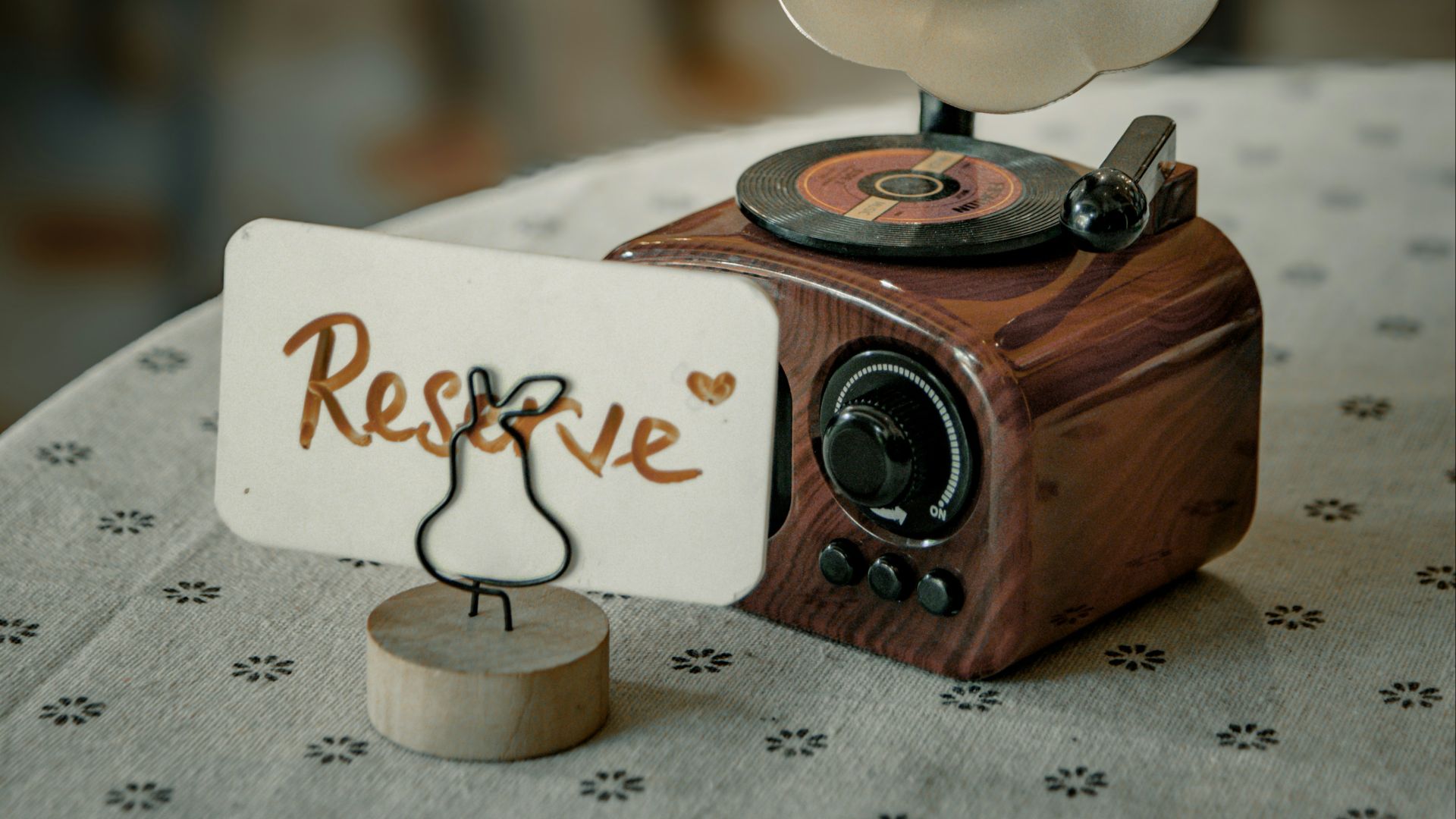
Someone mentions dinner in passing, and you’re the one who actually checks the calendar, picks a place, and makes a reservation that doesn’t require a 45-minute wait. Over time, that small competence becomes the backbone of the group’s social life, even if nobody says it directly.
2. You Remember The Details That Make People Feel Seen
You know who hates cilantro, who’s anxious about flying, and who gets a little quiet around the anniversary of a parent’s death. Social support is consistently linked with better mental and physical health in public health research, and this is what it looks like in real life: not speeches, just remembering.

3. You Notice The Person Who’s Drifting To The Edge
At parties, you clock who’s standing by the chips pretending to text, and you walk over like it’s normal. That’s not charisma, it’s care, and it often keeps people connected during the exact moments when they’re most tempted to slip away.
 Priscilla Du Preez 🇨🇦 on Unsplash
4. You Handle The Awkward Logistics
You’re the one who asks about splitting costs before the bill lands, or who suggests a cheaper plan without shaming anyone. Groups stay healthier when practical stuff is handled early, because money tension is a silent friendship killer and nobody wants to admit they’re stressed.

5. You Keep Conflicts From Turning Into Group-Wide Wildfires
Two friends have tension, and you don’t fan it into a spectacle. You help people speak plainly, you discourage side-taking, and you don’t reward dramatic storytelling with applause, which is basically friendship crisis management in street clothes.

6. You Show Up In The Unphotogenic Moments
You’re there for the airport pickup that happens at an hour no one should be awake. You’re there when someone needs help carrying a couch up stairs, and you’re there when they’re crying in a parked car, because you understand that closeness is built in the boring, inconvenient places.

7. You Make Space For Everyone Else’s Wins
A friend gets a job, finishes a degree, or finally runs a mile without stopping, and you celebrate like it matters. Groups thrive when success doesn’t create competition, and your steady enthusiasm keeps people from shrinking their joy to make the room comfortable.

8. You’re The Reliable “First Call” Without Being A Savior
People call you because you’re calm, and you answer because you care, yet you don’t turn someone else’s chaos into your identity. That balance is rare, and it’s what keeps support from sliding into codependence, where everyone feels stuck and nobody feels free.

9. You Keep Traditions Alive Without Making Them Mandatory
You suggest the annual lake weekend, the winter movie night, or the birthday breakfast, and you accept that people miss sometimes. That flexibility matters, because friendship isn’t a contract, and traditions only work when they feel like a warm invitation instead of a guilt trap.

10. You’re Usually The One Doing The Emotional Follow-Through
After the hang, you check in on the friend who got quiet. After the argument, you reach out to clear the air. After the breakup, you keep showing up two weeks later, when the casseroles are gone and the reality hits, because you understand that care is a long game.