
Clues Hidden In Everyday Moments
There's a language in moments spent around your neighbors, subtle yet telling, that reveals how they feel about you. Over time, your exchanges gather meaning, painting a picture of connection or distance. Here, we'll point out signs that are indicative of whether your neighbors like you or not. To recognize them is to better understand how to relate to them. Let's start with those that usually mean they like you.

1. Warmly Greeting You Whenever You Meet
Greeting someone warmly signals recognition and acceptance, which are fundamental aspects of any positive social relationship. Neighbors who greet consistently help reduce social isolation, especially among older adults, and create a welcoming community atmosphere.
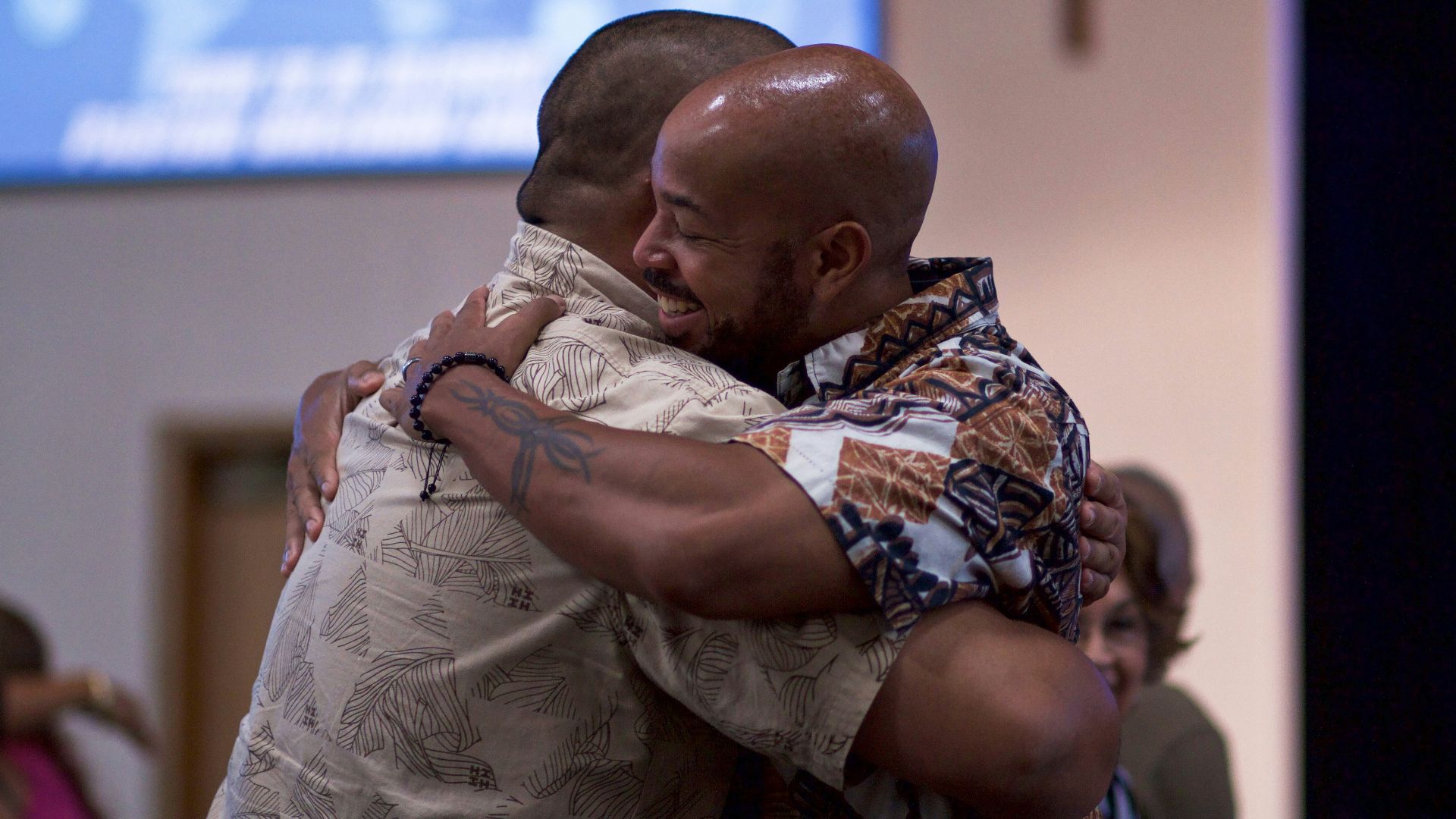
2. Starting Meaningful Conversations
Meaningful conversations indicate that neighbors care about understanding you. When you engage in deeper dialogue, it fosters emotional support and reinforces social bonds. Such talks can also reveal common goals and offer opportunities for mutual help.

3. Remembering And Caring About Your Personal Details
You feel valued when someone remembers your personal details. That’s because it shows attention and interest—emotional engagement, not just superficial acquaintance. Knowing your neighbors notice what's important to you can also encourage a deeper friendship with them.
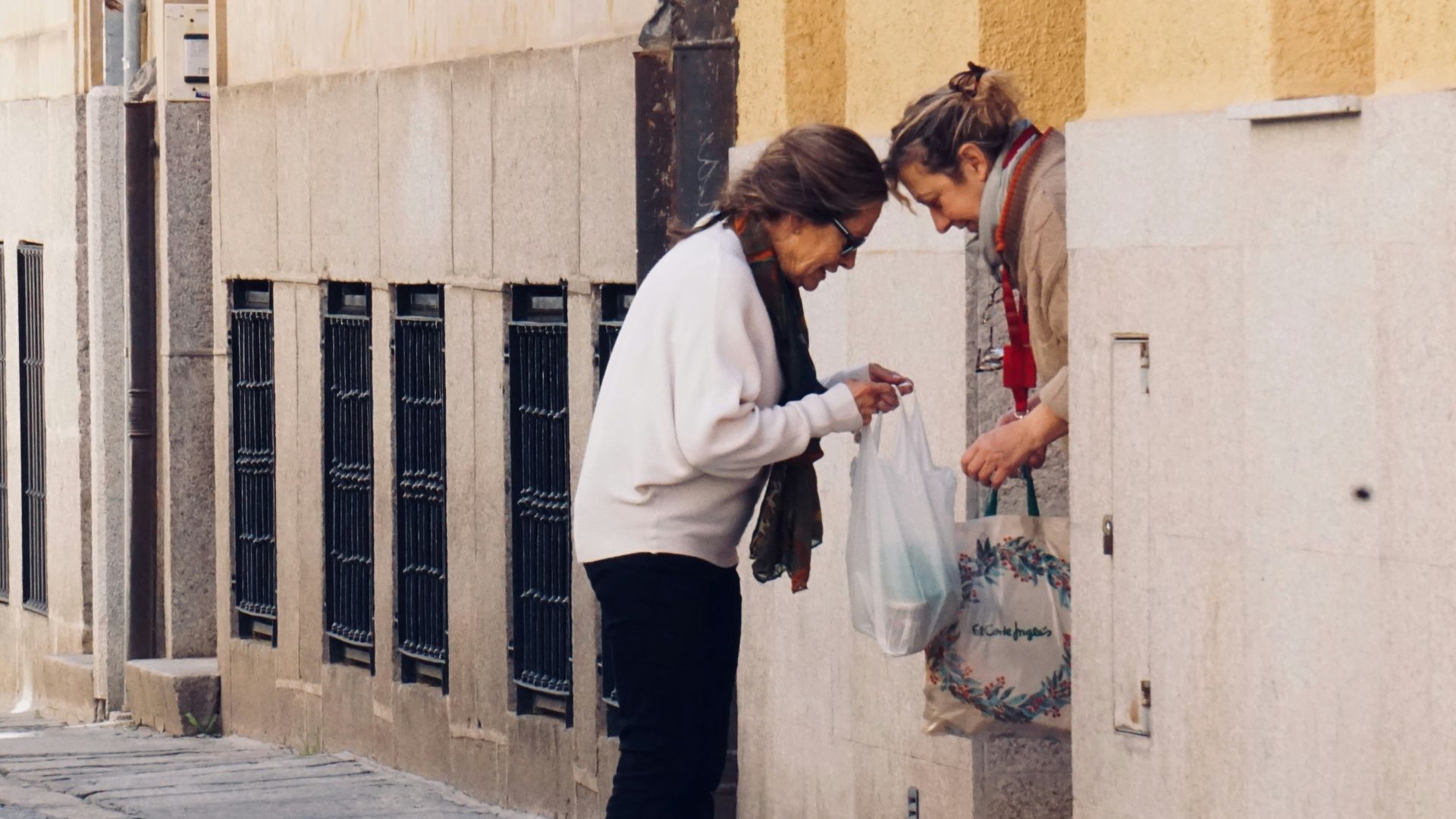
4. Offering Practical Help Without Being Asked
Not only does offering help proactively reflect genuine concern, but these acts create reciprocal relationships and strengthen trust. When you get such support from your neighbors, it improves the quality of your life, and it can be helpful in emergencies.
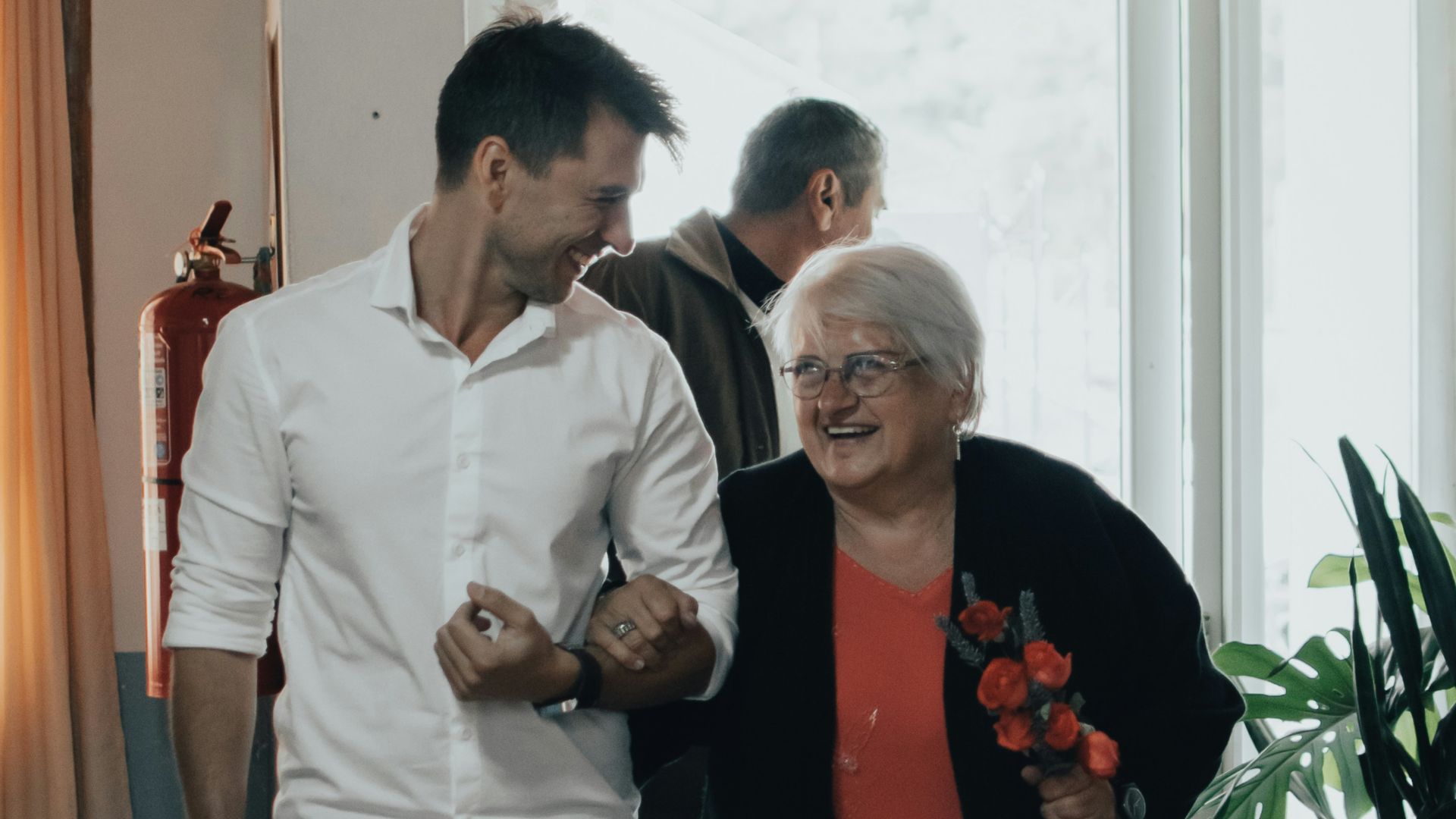
5. Inviting You To Their Home Or Events
Being invited helps neighbors feel connected and less socially isolated. It signals a willingness to include you in their social circle. Such gestures promote a sense of community and trust, and the social events can lead to stronger neighborhood networks.

6. Surprising You With Thoughtful Gifts Occasionally
Gift-giving is a universal gesture of goodwill and appreciation. Plus, when presents reflect attention to your likes and personality, it strengthens emotional connection and mutual friendliness. Receiving gifts can reinforce positive neighborly relations, and that may be the aim.

7. Checking In On You During Absences Or Illness
Checking in shows concern for your well-being and safety, and this responsiveness builds a safety net and community care system. It can prevent loneliness, enhance trust, deepen social ties, and provide essential support—especially in emergencies.

8. Showing Patience And Understanding
Yes, patience during conflicts can mean respect, but it can also mean a willingness to preserve good relations. Plus, this behavior could mean emotional maturity and conflict management skills, which are things you want to see in your neighbors.
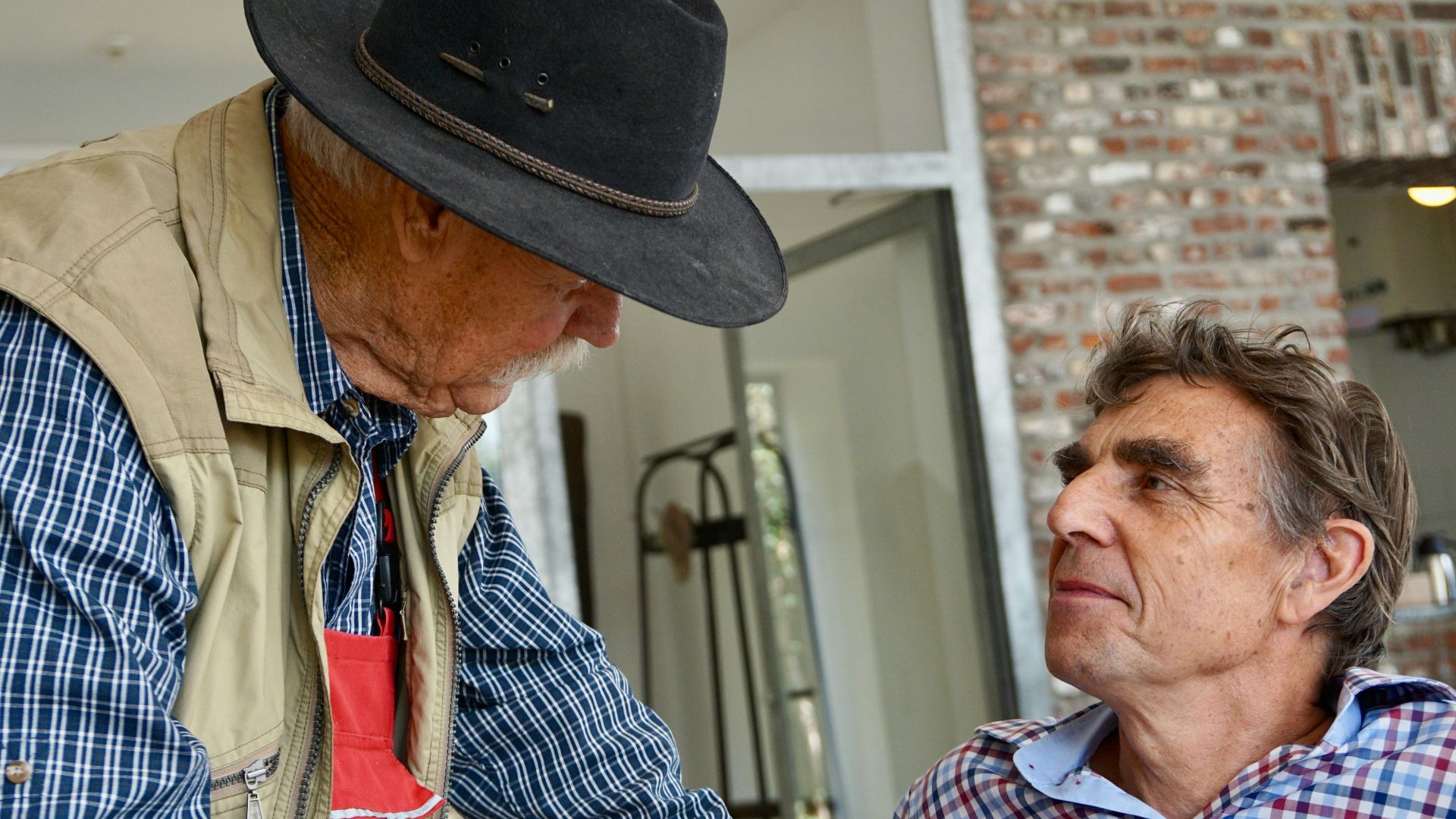
9. Giving Genuine Compliments Or Encouragement
When neighbors give compliments, it not only affirms your value but also makes you feel good. Encouragement also strengthens neighborly goodwill and even builds emotional bonds and trust. If both are common in your neighborhood, then you're living in a supportive and uplifting one.

10. Responding Quickly And Thoughtfully To Your Communication
It's one thing to reply and another to respond promptly. The second one shows respect for your time and concerns. Quick replies also facilitate efficient problem-solving, and when it's consistent, it builds reliability and trust.

Now, let's go over to the signs that your neighbors don't like you.
1. Avoiding Eye Contact
When someone dislikes another person, they tend to avoid eye contact with them. Yes, it often happens subconsciously, but it also reveals true feelings more honestly than words. You might notice they look busy or distracted when you enter the scene.
2. Cold Or Forced Greetings
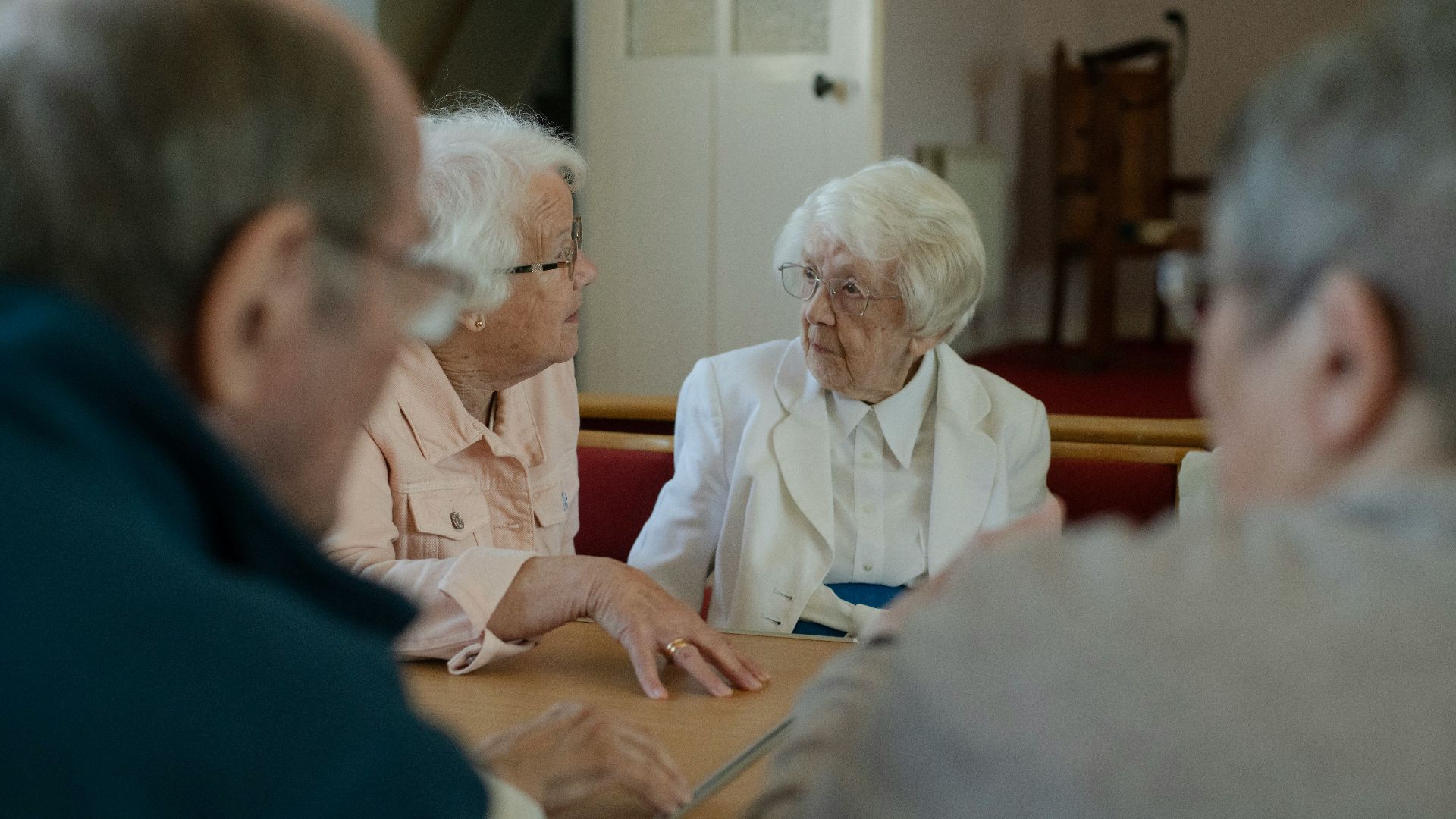
The tone and body language during greetings can convey more than the actual words spoken. Forced pleasantries usually serve as a polite mask to hide underlying irritation or dislike. People who dislike you might use very brief or clipped greetings to avoid conversation.

3. Short, Awkward Talks
When neighbors don’t like you, they tend to limit conversation length to minimize interaction. They may avoid personal topics, sticking only to necessary or superficial comments, and conversations often feel scripted or repetitive, lacking genuine engagement.

4. Frequent Complaints
Persistent complaining about your noise, pets, or lifestyle often signals underlying annoyance or resentment. These complaints might be used to express dissatisfaction indirectly rather than confronting issues openly. They may even complain to others, spreading discontent in the community.
5. Excluding You Socially
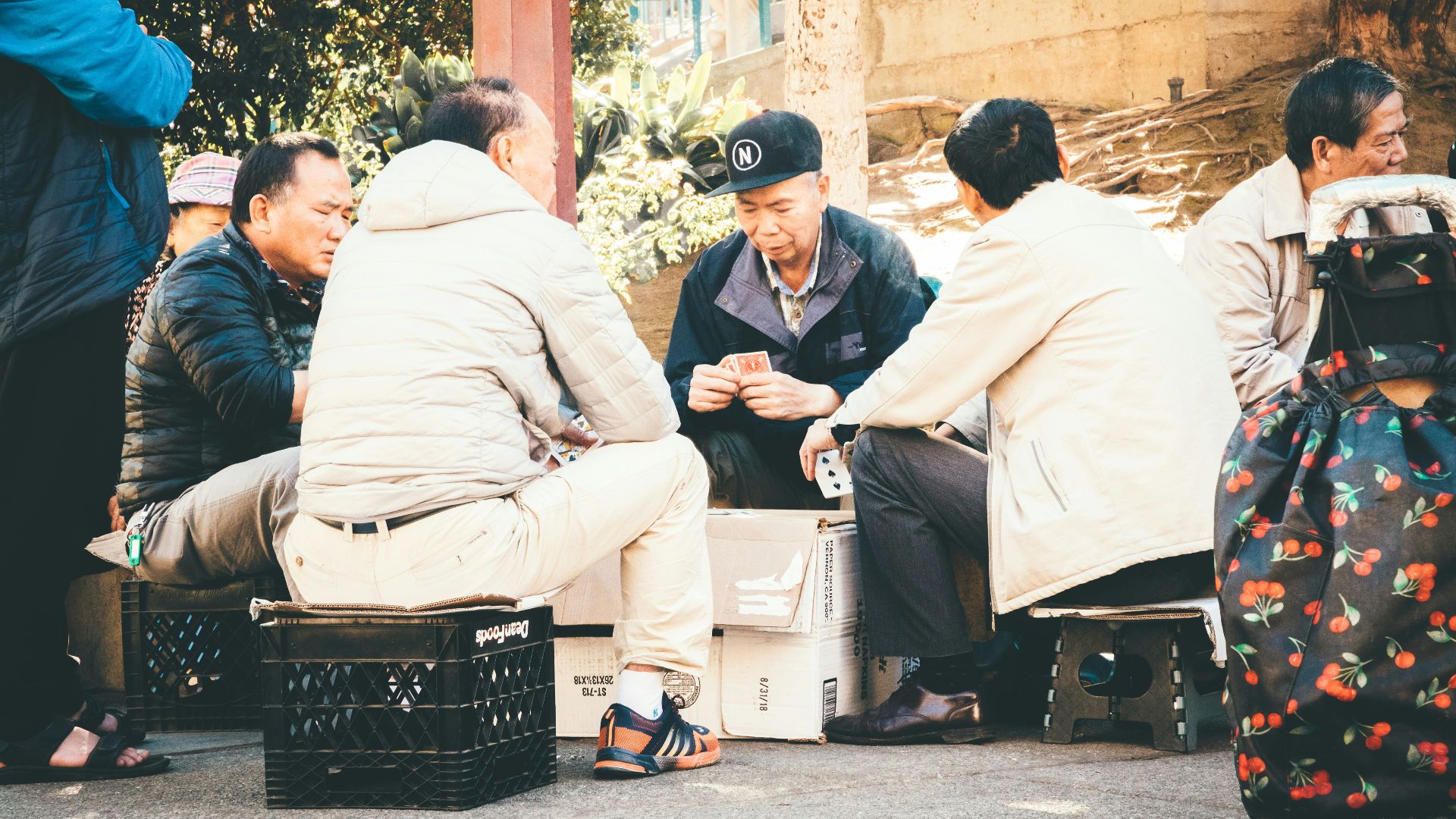
Being left out of social gatherings can mean intentional distancing or discomfort. Sometimes neighbors exclude others unknowingly, but if you're repeatedly excluded, then chances are that it is intentional. Even exclusions from group chats count too.
6. Passive-Aggressive Notes
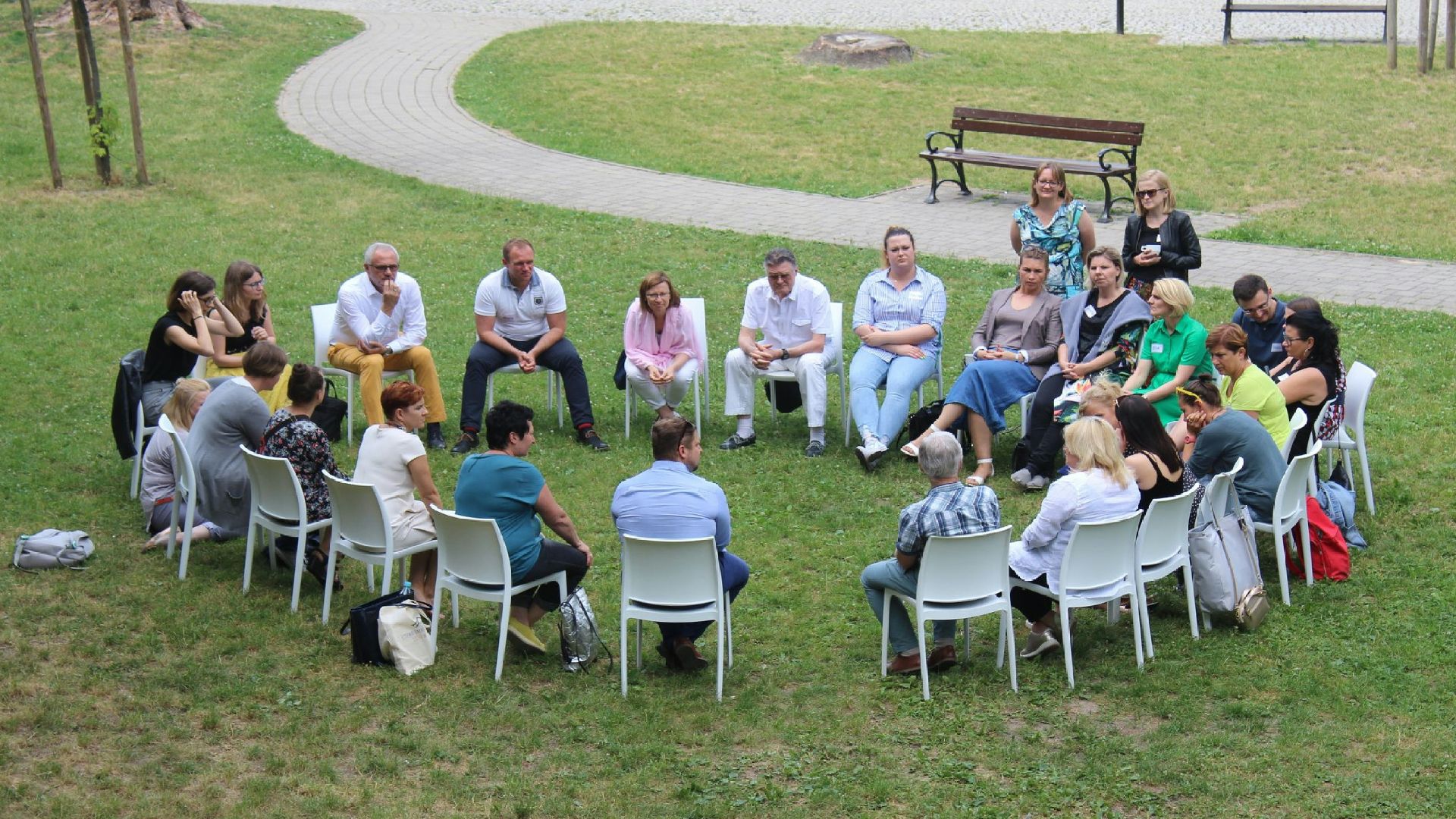
When communication shifts to notes instead of conversation, it may signal avoidance. These messages may carry veiled criticisms or sarcastic humor, masking deeper frustration. While seemingly harmless, they can feel impersonal and hurtful and escalate tensions instead of resolving them.

7. Avoiding Shared Spaces
It’s not always accidental when neighbors steer clear of common areas while you’re around. This deliberate avoidance often signals discomfort or unwillingness to interact with you. Over time, such distancing creates an atmosphere of coldness, which makes shared spaces feel tense and unwelcoming.
8. Unfriendly Body Language
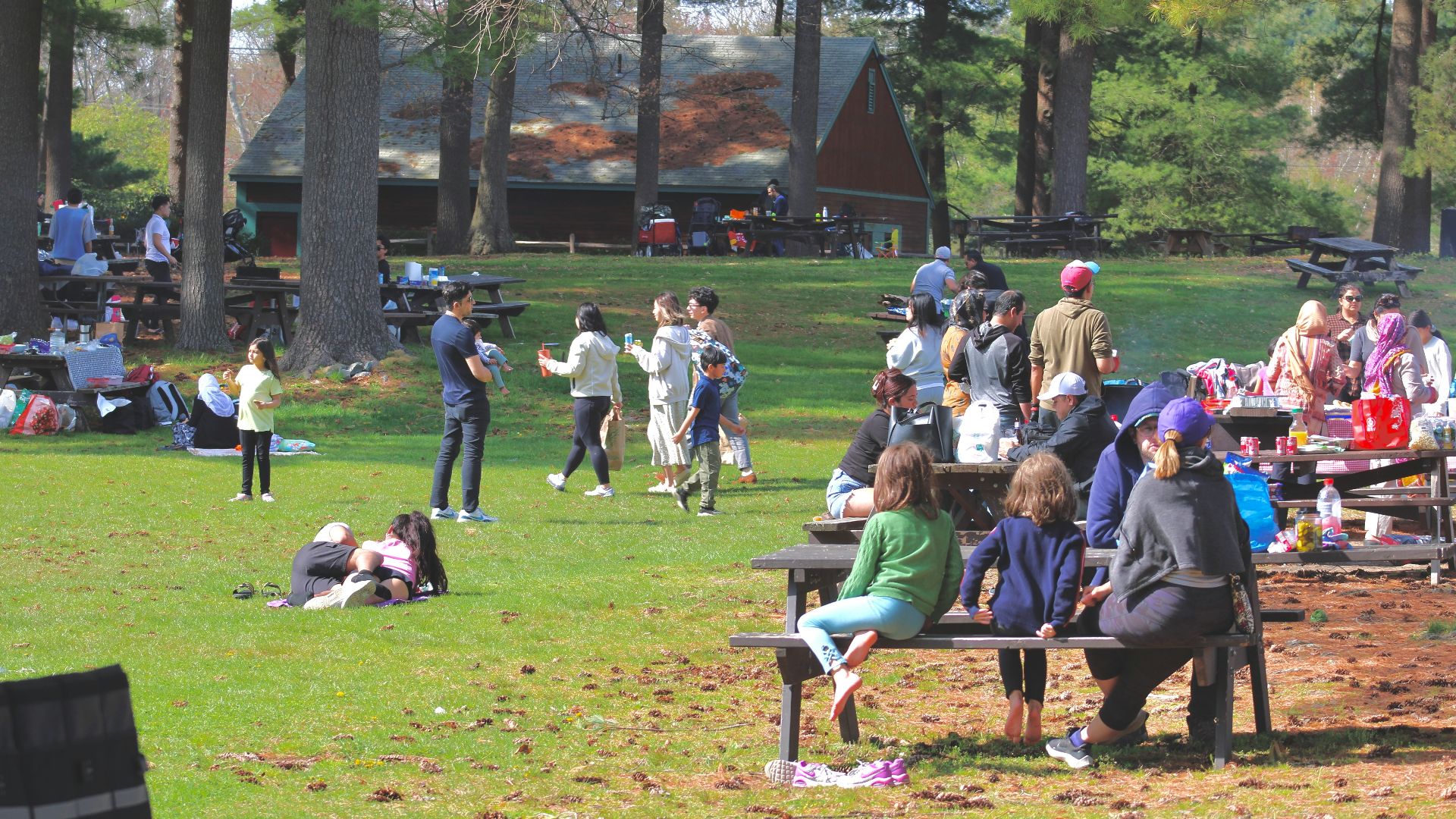
Crossed arms, turned backs, and minimal facial expression can quietly convey hostility. These subtle nonverbal cues—when repeated—paint a clearer picture than words and reveal feelings a neighbor won’t admit openly. Over time, the pattern becomes hard to ignore and misinterpret.

9. Putting Up Physical Barriers
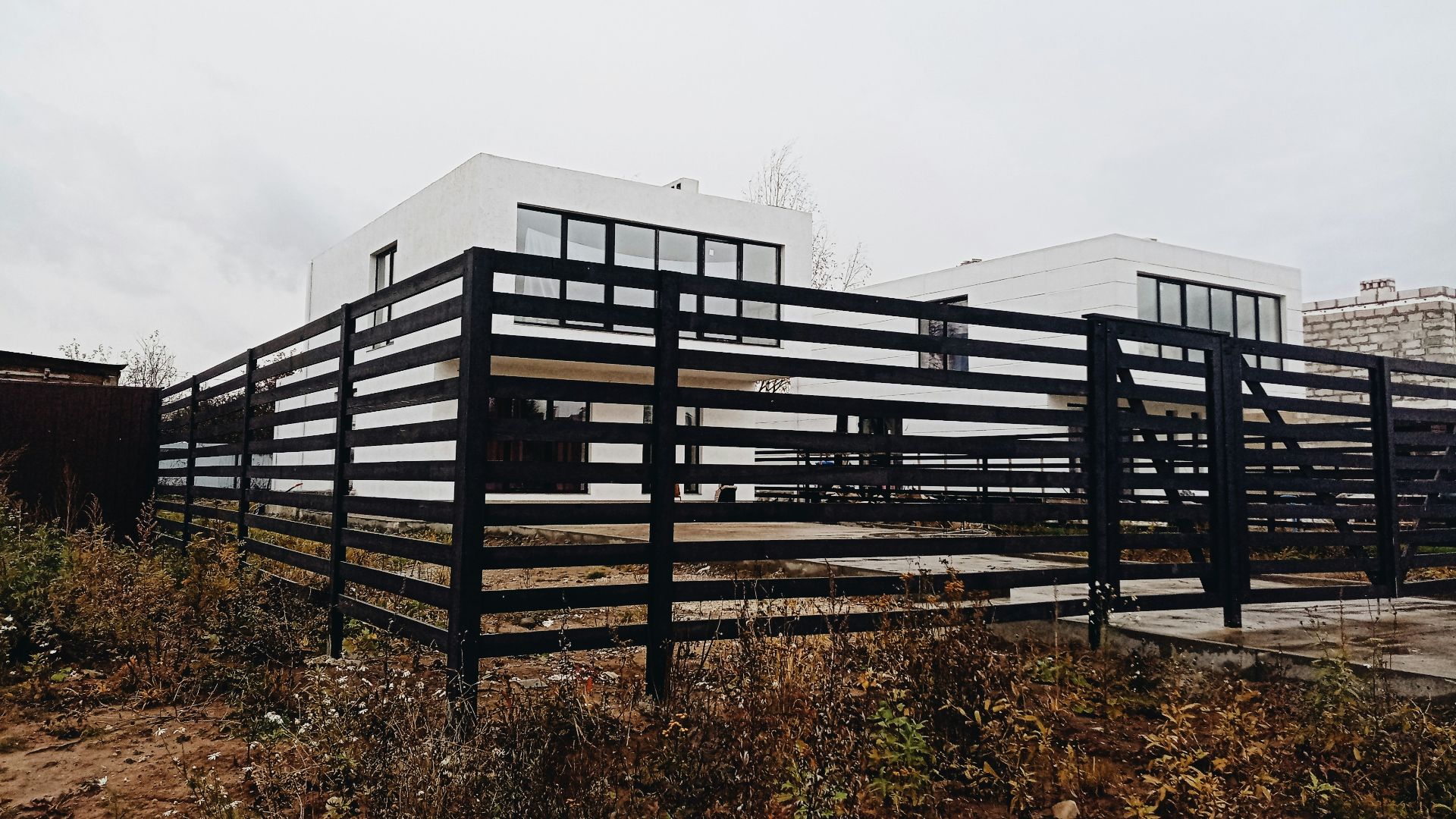
Beyond privacy, tall fences or other physical barriers may mean social or emotional withdrawal. Often arising after conflicts, such barriers reduce interaction and weaken neighborhood cohesion. While physical separation may protect boundaries, it can also make repairing strained relationships far more difficult.
10. Ignoring Your Gestures
Few things sting like having your kindness ignored. Whether it’s an unreturned wave or an unanswered greeting, this dismissal can undermine trust and goodwill. When repeated, it discourages further friendly outreach, replaces warmth with confusion, and leaves you questioning if you’ve wronged them.