How Height Preferences Shape the Dating Pool
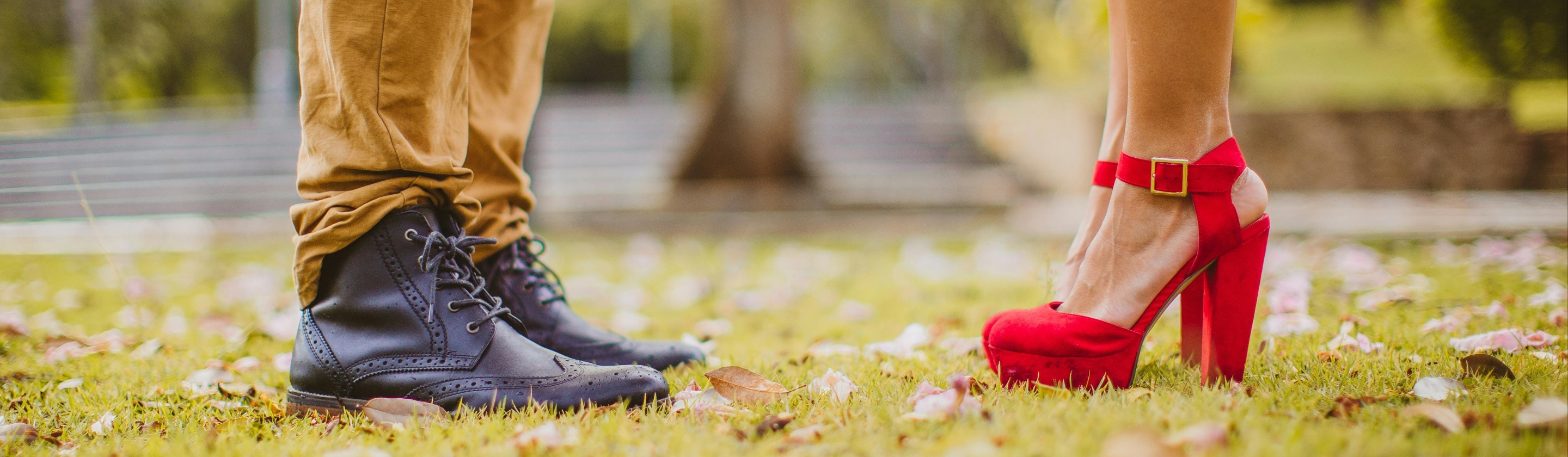
Unfortunately, not everyone can be the next Zendaya and Tom Holland. For most men and women, they prefer dating someone shorter and taller than them, respectively, and it doesn't seem like many are willing to challenge the status quo. But why is that? Does height really matter that much, to the point that it's the number one determinant in whether you'll say yes or no to someone? As you'll see, how much taller or shorter your partner is does seem to spark a lot of debate.

1. The Influence of Social Conditioning
From a young age, women are surrounded by cultural messages that frame taller men as more desirable, dominant, and protective. These messages show up everywhere, whether in movies, books, or fairy tales, shaping what feels "right" in a partner before a woman has ever gone on a first date. By adulthood, many women have internalized these standards so thoroughly that they don't even question them.
2. The "Feeling Protected" Factor
A lot of women describe wanting to feel physically secure with a partner, and for many, that sense of safety gets tied to a man's stature. It's not necessarily a logical calculation; it's more of an emotional response rooted in how protection has been portrayed throughout history and pop culture. When a man is shorter, some women find that feeling harder to access, even if the man is physically fit or otherwise confident.

3. The Heel Situation
For women who love wearing heels, dating a shorter man can create a practical dilemma they'd rather avoid. Standing taller than a partner in public can feel awkward to navigate, especially in social settings where they're conscious of how the couple appears together. It's a superficial concern, sure, but it's a real one that comes up more often than people might expect.
 The Paris Photographer on Unsplash
4. Peer Pressure and Social Judgment
Women sometimes worry about how a shorter partner will be perceived by their friends, family, or social circle. There's a lingering cultural stigma that treats height as a proxy for masculinity, and some women don't want to deal with the unsolicited opinions that can come with dating someone who doesn't fit the conventional mold. The fear of judgment, however unfair, is enough to take a shorter man off the table entirely.

5. Incompatibility with a Personal "Type"
Many people develop a physical type over time, and for some women, height is simply a non-negotiable part of that picture. It's less about bias and more about knowing what they're consistently attracted to, the same way someone might have a firm preference for eye color or build. While preferences can evolve, a woman who has always been drawn to taller men isn't likely to override that attraction just because she's told she should.

6. Online Dating Filters Do the Work
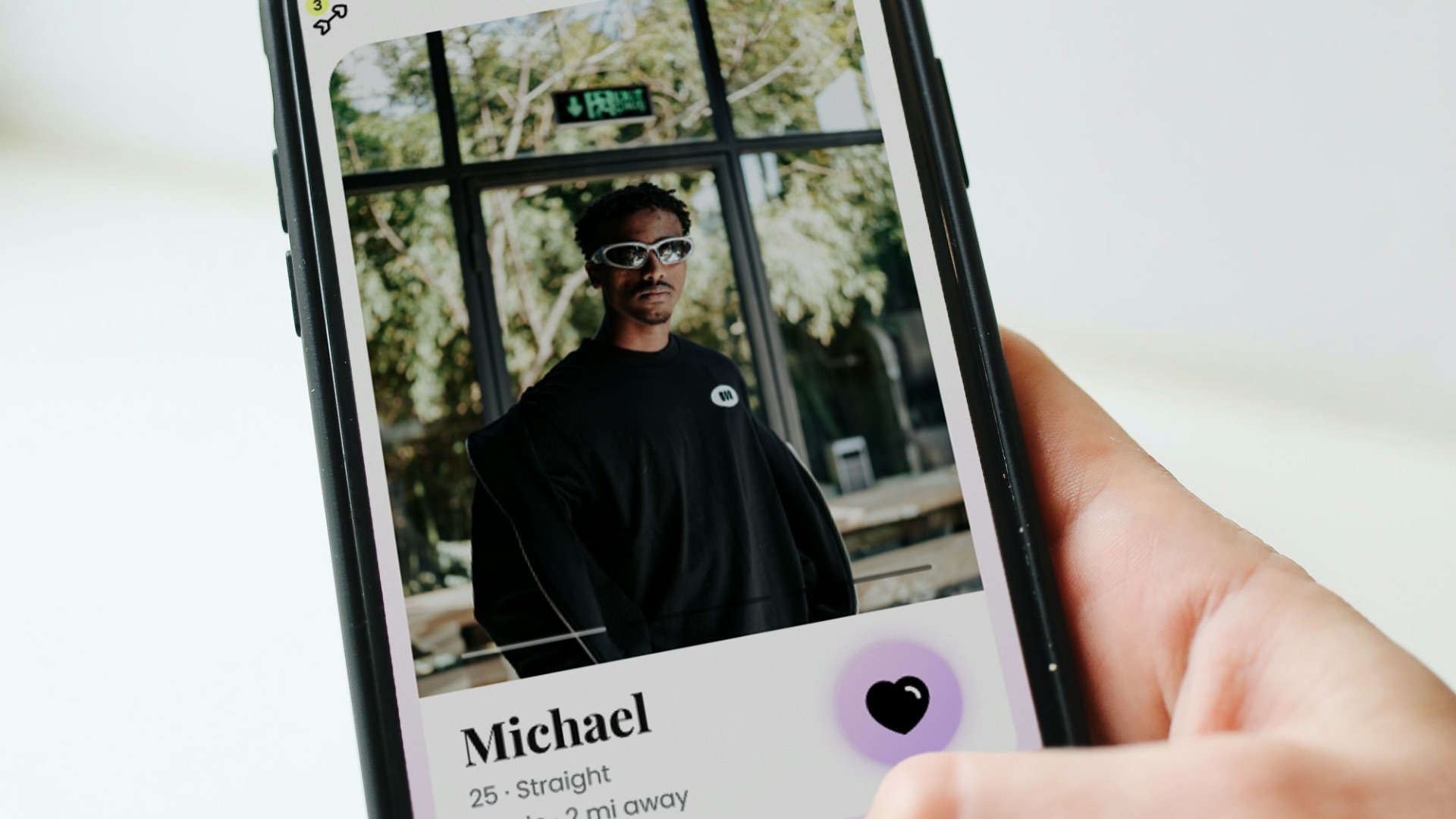
Dating apps have made it easier than ever to filter potential matches by height, which means shorter men can get screened out before a woman even sees their profile. This isn't just anecdotal; studies have shown that height is one of the most commonly used filters among women on dating platforms. The problem with algorithmic sorting is that it removes the chance for chemistry, personality, or humor to make up for what a number on a profile doesn't capture.
7. The Perceived Confidence Issue
Some women associate shorter stature with insecurity, particularly if they've dated shorter men who were sensitive about the height gap or overcorrected with aggressive behavior. That association, even when it's based on a handful of experiences, can color how a woman approaches the idea of dating a shorter man in the future. It's an unfair generalization, but it's one that does influence decision-making for a portion of women in the dating pool.

8. Family Expectations and Cultural Norms
In certain cultural contexts, a man's height carries significant social weight, and families can be quite vocal about what they consider an acceptable match. Women who come from backgrounds where taller men are strongly preferred may feel external pressure that makes it harder to pursue someone shorter, even if they're personally open to it. Cultural expectations don't always align with individual feelings, and that tension often resolves itself in favor of convention.

9. Physical Comfort During Intimacy
Height differences can affect how comfortable physical closeness feels, from hugging to dancing to more intimate moments, and some women factor this into their dating decisions. When there's a significant height disparity where the man is shorter, certain physical dynamics shift in ways that some women find awkward or unappealing. It's a personal comfort issue rather than a moral stance, but it's one that does play a role in attraction.

10. Worrying About Future Children
Some women think ahead to what their children might look like, and a partner's height can factor into those considerations. If a woman is already on the shorter side, she may worry that pairing with a shorter man reduces the chances of her kids having the height she'd want for them. It's speculative and scientifically oversimplified, but the thought process is common enough to influence how some women approach partner selection.
Now that we've unpacked why some women hesitate to date shorter men, let's take a look at the other side. Here are 10 reasons why some men won't pursue women who are taller than they are.

1. Ego and the Need to Feel Dominant
For many men, the idea of being shorter than a female partner feels like a threat to their sense of masculinity. Society has long tied male dominance to physical presence, and a taller woman can trigger insecurities that a man hasn't fully worked through. Rather than confront those feelings, it's often easier to simply avoid the situation altogether.

2. The Fear of Looking "Less Than" in Public
Men are often acutely aware of how their relationship looks to outsiders, and standing next to a woman who's visibly taller can make some men feel self-conscious in social settings. The concern is less about the woman herself and more about how the pairing reads to others, which says a lot about how much men internalize external validation. It's a confidence issue dressed up as a preference.
 Mike van Schoonderwalt on Pexels
3. Internalized Masculine Ideals
From sports culture to action movies, men are bombarded with images of physically imposing figures as the standard for what a "real man" looks like. When a woman is taller, it can disrupt the mental image a man has built of himself as the physically dominant presence in a relationship. Some men struggle to let go of that internalized standard, even when they're intellectually aware that it's outdated.

4. Feeling Physically Outmatched
Beyond ego, there's a practical discomfort some men feel when their partner is physically larger or stronger than they are. For men who already struggle with body image or physical confidence, dating a taller woman can amplify those existing insecurities in ways that feel difficult to manage. It's not a reflection of the woman's behavior; it's more about the man's unresolved relationship with his own self-image.

5. Assumptions About the Woman's Preferences
Some shorter or average-height men preemptively assume that a tall woman wouldn't be interested in them anyway, so they don't even try. This assumption becomes a self-fulfilling prophecy, where a man rules himself out before giving either person a chance to connect. In reality, plenty of tall women have no strong preference either way, but they never get the opportunity to show it.

6. Awkwardness Around Physical Affection
Men who are self-conscious about height differences may find everyday gestures like kissing, hugging, or walking side by side feel logistically uncomfortable when their partner is taller. While these are adjustments that couples figure out quickly, the anticipation of that awkwardness can be enough to discourage a man from pursuing a tall woman in the first place. Discomfort with the unfamiliar is often more powerful than the reality of the situation.

7. Concern About Appearing Less Attractive to Others
Some men worry that being with a taller woman signals to other men that they couldn't attract someone within a more "conventional" pairing. This ties back to social comparison, where a man measures his desirability based on how his relationship is perceived by his peers. It's a deeply insecure position to hold, but it's also a surprisingly common one.

8. Cultural and Family Pressures
Just as women can face family pressure around a partner's height, men aren't immune to it either. In cultures where the man is expected to be the physically larger presence in a relationship, bringing home a taller partner can invite criticism or even ridicule from family members. Men who are sensitive to familial approval may find it easier to avoid the conversation entirely by sticking to partners who fit within expected norms.

9. Heightened Awareness of Certain Disparities
This one's less emotional and more logistical: some men find that dating a significantly taller woman creates small but persistent practical challenges, from how they're photographed together to whether physical spaces like cars or furniture feel comfortable for both. These aren't dealbreakers on their own, but they can add to an already heightened awareness of the height gap. When a man is already insecure about the disparity, even minor inconveniences can feel magnified.
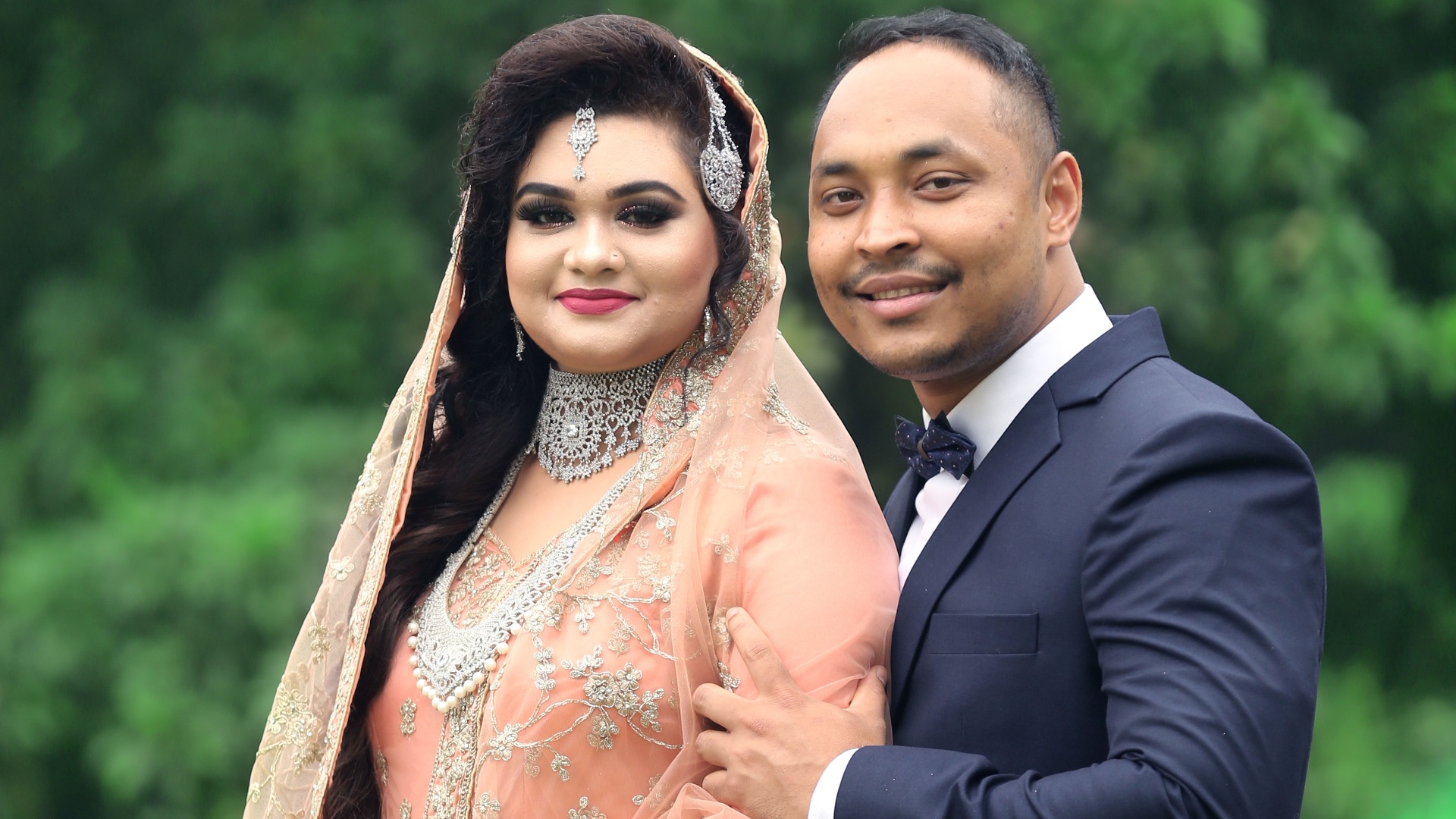
10. They Simply Haven't Challenged the Preference
At the end of the day, a lot of men won't date tall women because they've never stopped to question whether height should matter as much as they've always assumed. Preferences left unexamined tend to persist, and if a man has never had a compelling reason to reconsider his stance, he probably hasn't. Sometimes the most honest explanation isn't complicated; it's just a bias that was never challenged.