
The Decision That Shapes Your College Experience
Should you or should you not move out for college? The consensus often seems to lean toward the former; after all, living on or near campus means you'll get a taste of independence and the true college experience. But moving into a cramped, shared dorm isn't always the best choice for everyone, and as you'll see, it might sometimes actually be better to stay at home. Here's a closer look at the arguments for both sides to help you make your decision.

1. You Learn How to Be Independent
Moving out gives you a chance to handle everyday responsibilities without relying as much on your family. You’ll have to manage laundry, groceries, bills, cleaning, and your schedule in a more direct way. These tasks may seem small, but they teach practical skills that make adulthood feel less overwhelming. By the time you graduate, you’ll likely feel more prepared to live independently.

2. You Get More Space to Build Your Routine
When you live away from home, you have more control over how your days are structured. You can decide when to study, cook, rest, socialize, and handle errands based on what works best for you. That freedom can help you understand your natural habits and what kind of schedule helps you succeed. It also gives you a chance to develop discipline without someone else constantly checking in.

3. You May Feel More Connected to Campus Life
Living near or on campus can make it easier to attend events, join clubs, study with classmates, and participate in activities after class. You’re more likely to say yes to opportunities when you don’t have to factor in a long trip home. This can make college feel more immersive and socially active. For many students, that sense of involvement becomes one of the most valuable parts of the experience.

4. It Can Help You Form Stronger Friendships
Being close to other students gives you more chances to connect outside the classroom. Friendships often grow through casual moments, such as grabbing dinner, working on assignments together, or spending time in shared spaces. When you live at college, those moments can happen more naturally. Over time, your social circle may become a source of support and belonging.

5. You Gain Practice Making Independent Decisions
College already comes with a lot of choices, and moving out puts more of those decisions in your hands. You’ll have to think through your spending, time management, priorities, and personal boundaries. Making those decisions yourself helps you build confidence, even when you don’t get everything right the first time. That kind of growth can be just as important as what you learn in class.

6. You Create Some Healthy Distance from Family Expectations
Living at home can sometimes make it harder to separate who you are from what your family expects of you. Moving out gives you space to explore your preferences, values, and goals without as much daily influence. That doesn’t mean you’re rejecting your family; it means you’re learning how to become your own person. For some students, that distance creates a more balanced relationship with home.

7. You May Have Better Access to Campus Resources
When you live close to campus, it’s easier to use academic support, office hours, libraries, study spaces, fitness centers, and career services. You don’t have to plan your entire day around being on campus because you’re already nearby. That convenience can make you more likely to take advantage of what your school offers. It can also help you feel more invested in your education.
 Priscilla Du Preez 🇨🇦 on Unsplash
8. You Experience a New Environment
Moving out can expose you to different people, neighborhoods, cultures, and ways of living. Even if your college is not far from home, the change in environment can still feel meaningful. You may discover new interests or become more open to perspectives you hadn’t considered before. That kind of exposure can broaden your sense of what life after college might look like.

9. It Can Strengthen Your Problem-Solving Skills
When you live on your own, you’ll run into problems that require you to take action. Maybe your meal plan runs low, your roommate habits clash, or your schedule becomes too packed. Handling those issues helps you learn how to assess a situation and respond instead of waiting for someone else to fix it. Over time, you become more capable and resourceful.

10. You Get a More Traditional College Experience
For students who want the classic college lifestyle, moving out can make that experience feel more complete. Dorm life, late-night study sessions, campus traditions, and spontaneous plans are often easier to enjoy when you live nearby. While not every part of that lifestyle is perfect, it can create memories that feel unique to this stage of life. If that matters to you, moving out may be worth considering.
While moving out can offer independence, connection, and personal growth, it’s not automatically the best choice for every student. Let's jump into the perks of living at home instead.

1. You Can Save a Lot of Money
Living at home can greatly reduce the cost of college, especially if you don’t have to pay for rent, utilities, or a full meal plan. Those savings can help you avoid debt or give you more flexibility after graduation. You may also be able to use the money for books, transportation, internships, or future goals. For many students, this financial breathing room is the strongest reason to stay home.

2. You May Feel More Emotionally Supported
College can be stressful, and being around family can make that transition easier. Having familiar people nearby may help you feel steadier during exams, social changes, or difficult days. You don’t have to handle every challenge alone just because you’re in college. For students who value family support, living at home can make school feel more manageable.

3. You Can Keep Familiar Routines
Staying home allows you to continue habits that already work for you. You may sleep better in your own room, eat meals you’re used to, and maintain a daily rhythm that feels comfortable. That consistency can be helpful when college itself brings new academic demands. Instead of adjusting to everything at once, you can focus more energy on your classes.

4. You Avoid Some Housing Stress
Campus housing can come with roommate conflicts, shared bathrooms, noise, limited space, and unexpected rules. Living at home may spare you from many of those frustrations. You can study, rest, and recharge in an environment you already understand. That stability can be especially helpful if you’re someone who needs a dependable home base.

5. You May Be Able to Work More Easily
If you already have a job near home, staying there can make it easier to keep earning money during college. You won’t have to start over in a new place or compete for campus jobs with other students. A familiar work schedule can also help you balance income with school responsibilities. That extra money may reduce pressure on you and your family.

6. You Can Stay Close to Family Responsibilities
Some students help care for siblings, support parents, or contribute to household responsibilities. Living at home can make it easier to stay involved in those commitments while attending school. This can be important when family obligations are part of your everyday life. Choosing to stay home doesn’t mean you’re less independent; sometimes it means you’re being thoughtful about what your family needs.

7. You May Eat Better and Spend Less on Food
Food costs can add up fast when you live away from home. Staying with family may give you access to regular meals, shared groceries, and a kitchen you’re already comfortable using. This can help you save money and avoid relying too much on takeout or convenience food. It can also make your daily life feel a little less stressful.

8. You Can Focus More on Academics
For some students, living at home removes distractions that might come with dorms or campus social life. You may find it easier to study when your living situation is familiar and predictable. Staying home can also help you build a routine centered on classes, assignments, and long-term goals. If your main priority is academic success, this option may support that focus.
9. You Don’t Have to Adjust to Roommates
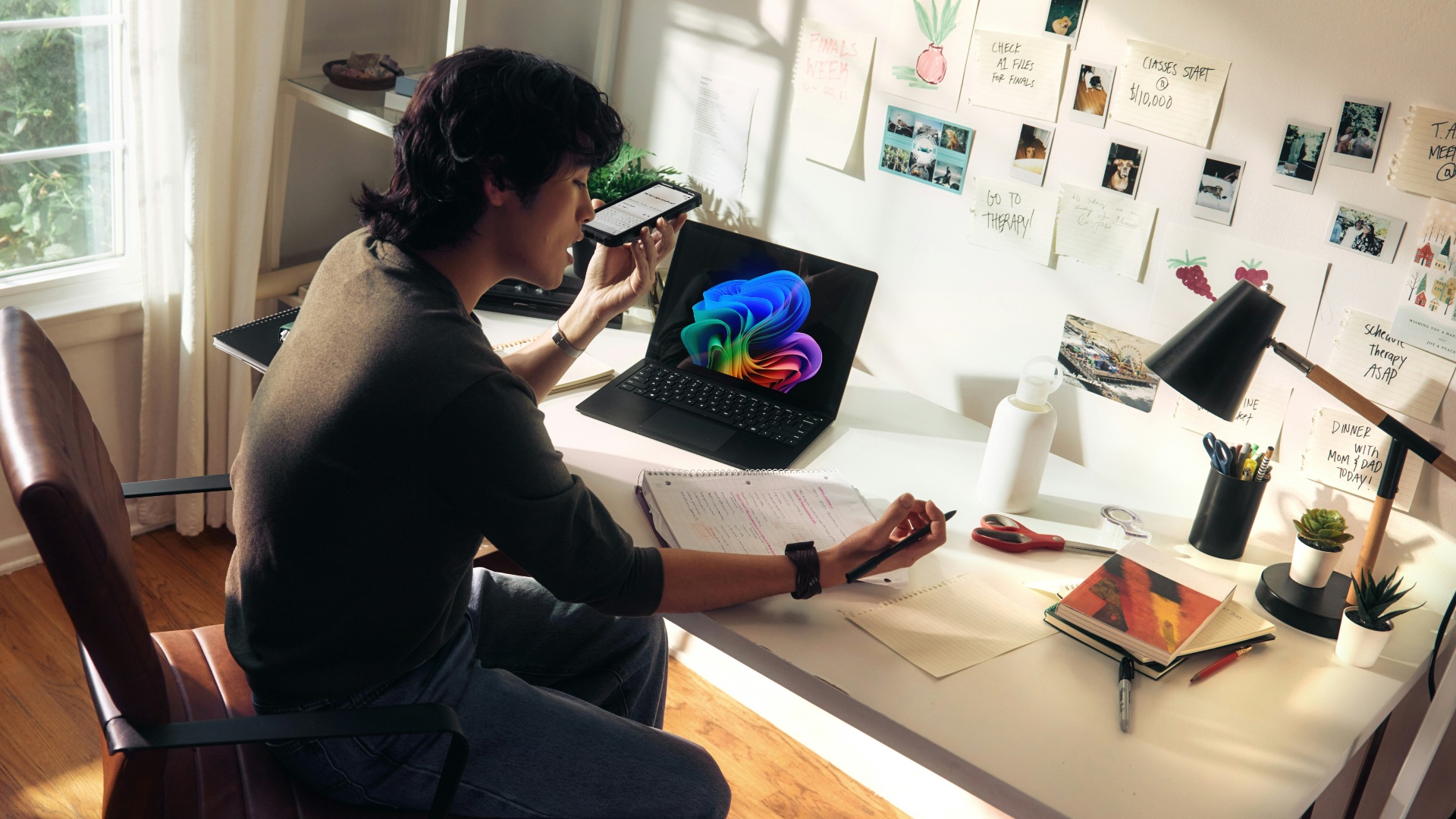
Roommates can be fun, but they can also be complicated. Living at home means you’re less likely to deal with disagreements over cleaning, guests, sleep schedules, or shared belongings. You may have more privacy and fewer daily compromises than you would in a dorm or apartment. For students who value personal space, that can make a big difference.

10. You Can Transition Into Adulthood More Gradually
Not everyone needs to become fully independent the moment college starts. Living at home can give you time to build adult skills while still having support nearby. You can learn how to manage money, school, work, and responsibilities without taking on every pressure at once. For many students, that slower transition leads to a healthier and more confident path forward.