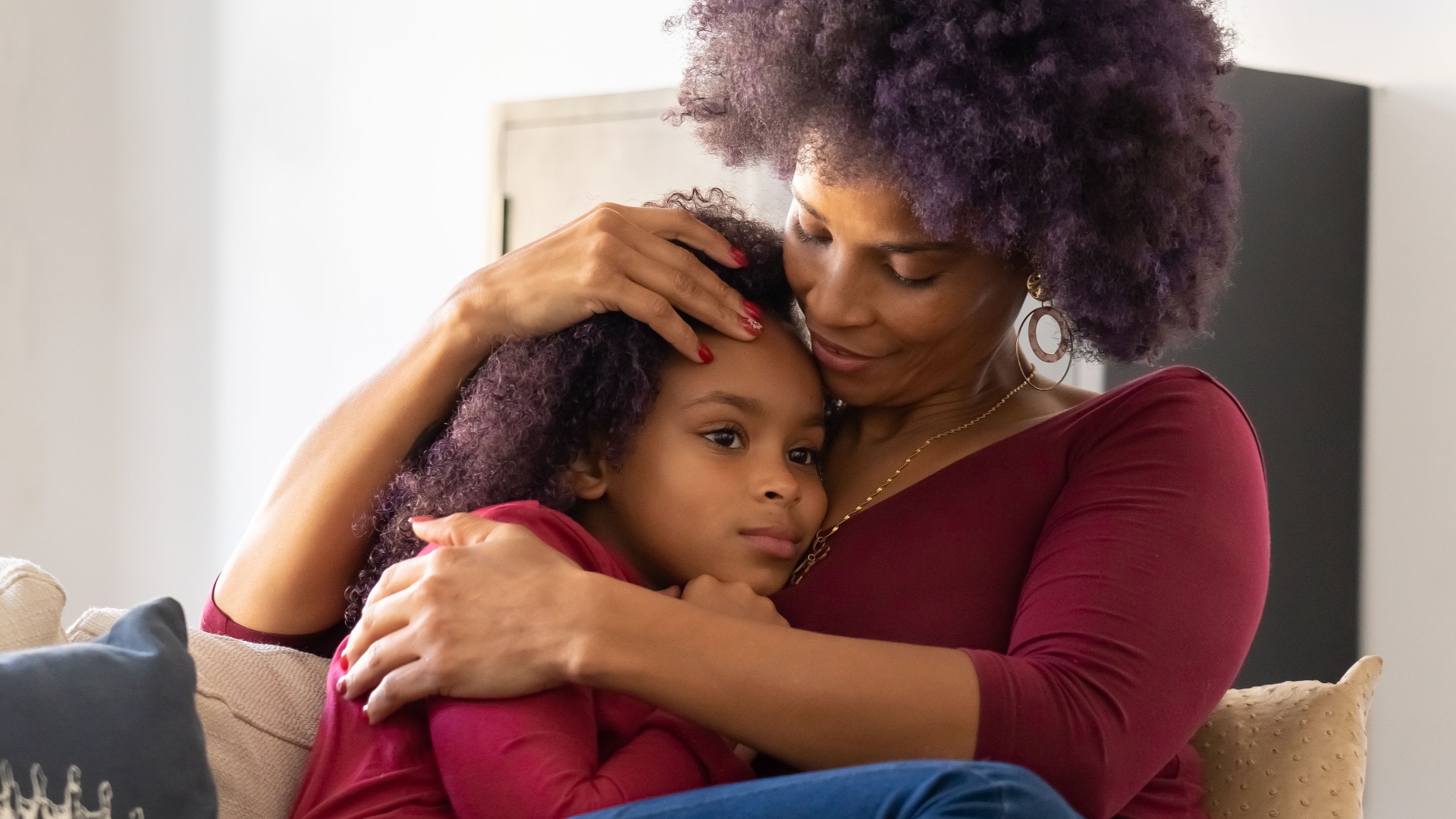
Parenting Needs to Change
Many adults raise their children using the same lessons they learned from their own parents, but these techniques aren’t always the most effective ones. In fact, they're most likely sorely outdated. If you're still scolding your kids after every minor mistake, comparing them to their other siblings or relatives to "motivate" (read: shame) them, or outright dismissing their emotions as "overreactions," we've got news for you. Here are 10 archaic parenting methods you need to drop, and 10 better ones to adopt that will help your children form a healthier relationship with you.

1. Demanding Obedience Without Explanation
Expecting children to follow every instruction without asking questions may create immediate compliance, but it doesn’t help them understand why rules exist. A child who’s never allowed to question an adult may also struggle to speak up when a situation feels unsafe or unfair. Parents can still hold firm boundaries without treating curiosity as disrespect.

2. Using Shame to Correct Behavior
Calling a child lazy, selfish, dramatic, or embarrassing turns one poor choice into a judgment about who they are. Shame may stop the behavior temporarily, but it can also damage self-esteem and make children hide future mistakes. Correction works better when it focuses on the action, its consequences, and what should happen differently next time.

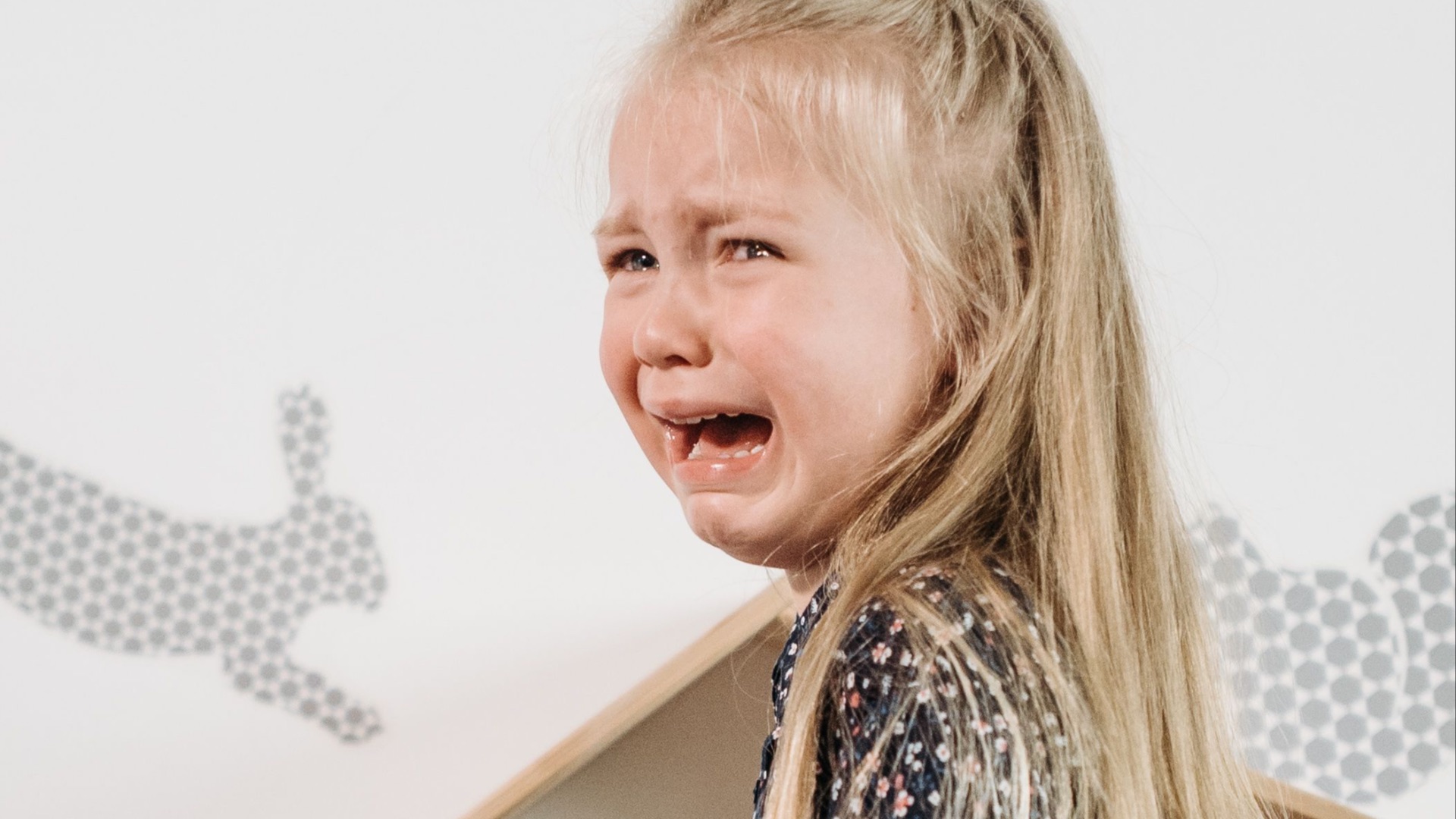
3. Treating Crying as Manipulation
Children often cry because they don’t yet have the language or emotional control to express what’s happening inside them. Assuming every tear is an attempt to get their way can cause parents to overlook fear, exhaustion, frustration, or sensory overload. You don’t have to reverse a decision just because your child is upset, but you can acknowledge the emotion while keeping the limit in place.
4. Expecting Physical Affection on Command
Requiring children to hug, kiss, or sit on a relative’s lap for the sake of politeness sends the wrong message about bodily autonomy. They should know that they’re allowed to decline physical contact, even with people they love. A wave, verbal greeting, or high-five can still show good manners without overriding personal boundaries.
 https://kaboompics.com/ on Pexels
5. Comparing Siblings to Motivate Them
Pointing out that one sibling gets better grades, behaves more responsibly, or makes friends more easily rarely produces healthy motivation. Instead, comparisons can fuel resentment and make children feel that affection depends on outperforming someone else. Each child benefits more from feedback based on their own effort, progress, and individual needs.
 Juliane Liebermann on Unsplash
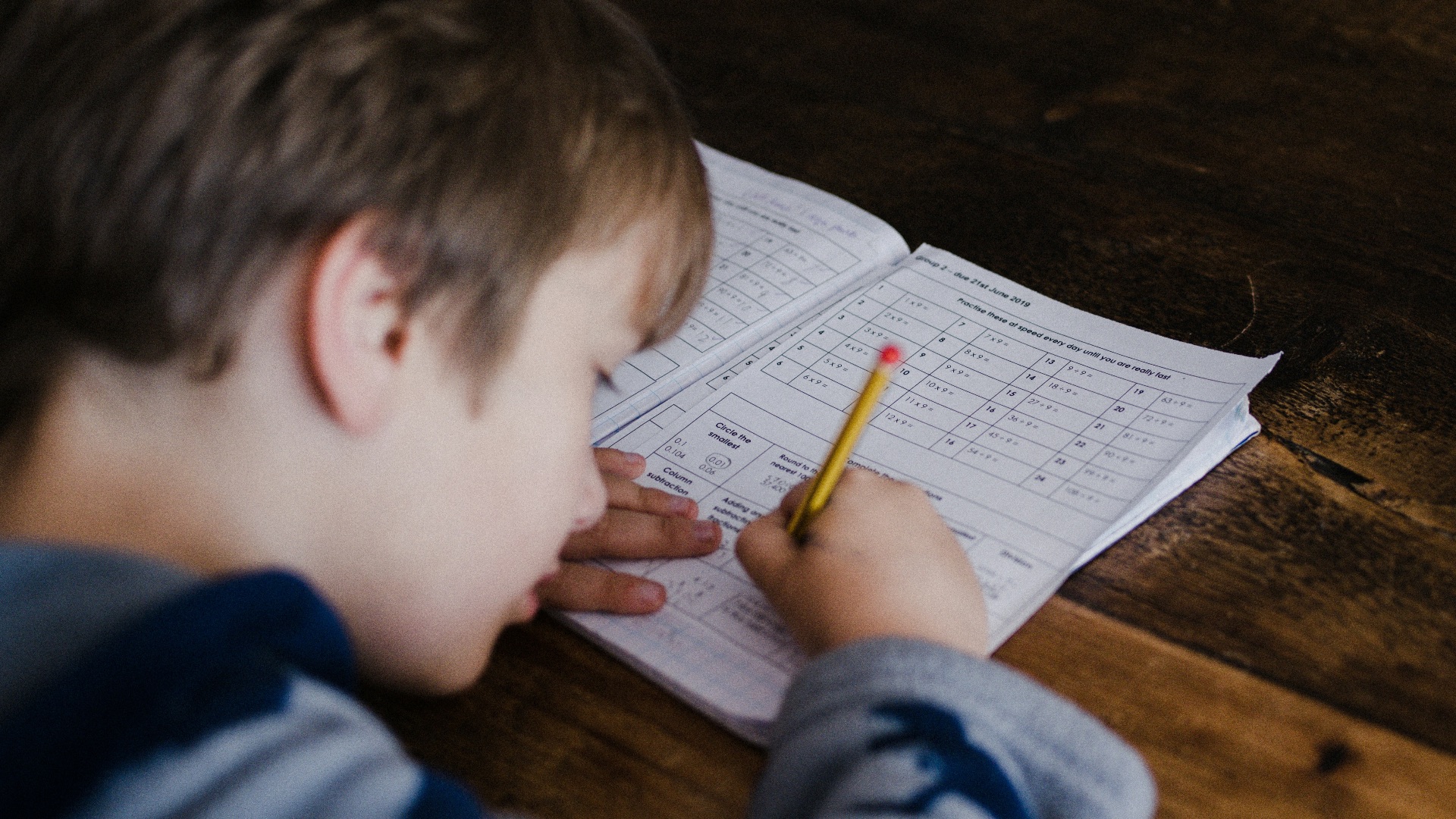
6. Solving Every Problem for Them
Stepping in whenever a child forgets an assignment, argues with a friend, or encounters a difficult task may feel supportive, but constant rescuing limits independence. Children need manageable opportunities to experience frustration, make decisions, and recover from mistakes. Taking over too quickly can leave them less prepared when the stakes eventually become higher.

7. Dismissing Emotions as Overreactions
Telling children they’re being ridiculous or have nothing to be upset about doesn’t make the feeling disappear. It may instead teach them that their emotions are unacceptable or unworthy of attention. Even when a reaction seems disproportionate, parents can recognize the feeling before helping the child respond more appropriately.

8. Relying on “Because I Said So”
There will be moments when a parent needs immediate cooperation, especially when safety is involved. However, using authority as the only explanation for every decision can prevent children from developing judgment and understanding consequences. Age-appropriate reasoning makes boundaries easier to respect because children can see the purpose behind them.

9. Using Fear as the Main Tool
Threats, intimidation, and unpredictable punishments may make children behave when an adult is watching. They don’t necessarily teach self-control, empathy, or responsible decision-making when that adult isn’t present. Discipline should provide structure and accountability without making children feel emotionally or physically unsafe.

10. Expecting Perfection from Everyone
Some parents believe they must always have the right answer, while their children must constantly behave, achieve, and cooperate. Those expectations create unnecessary pressure for everyone in the household. Mistakes are unavoidable, and acknowledging them openly gives children a healthier example of responsibility than pretending they never happen.
Now that you know which parenting habits to drop, let's flip the script. Here are 10 better, fairer parenting methods to adopt:
1. Explaining the Reason Behind Boundaries
Children are more likely to internalize a rule when they understand what it protects or prevents. Instead of offering a lengthy lecture, give a clear explanation that matches their age and attention span. The final decision can still belong to the parent, but providing context helps the child develop reasoning rather than simply avoiding punishment.
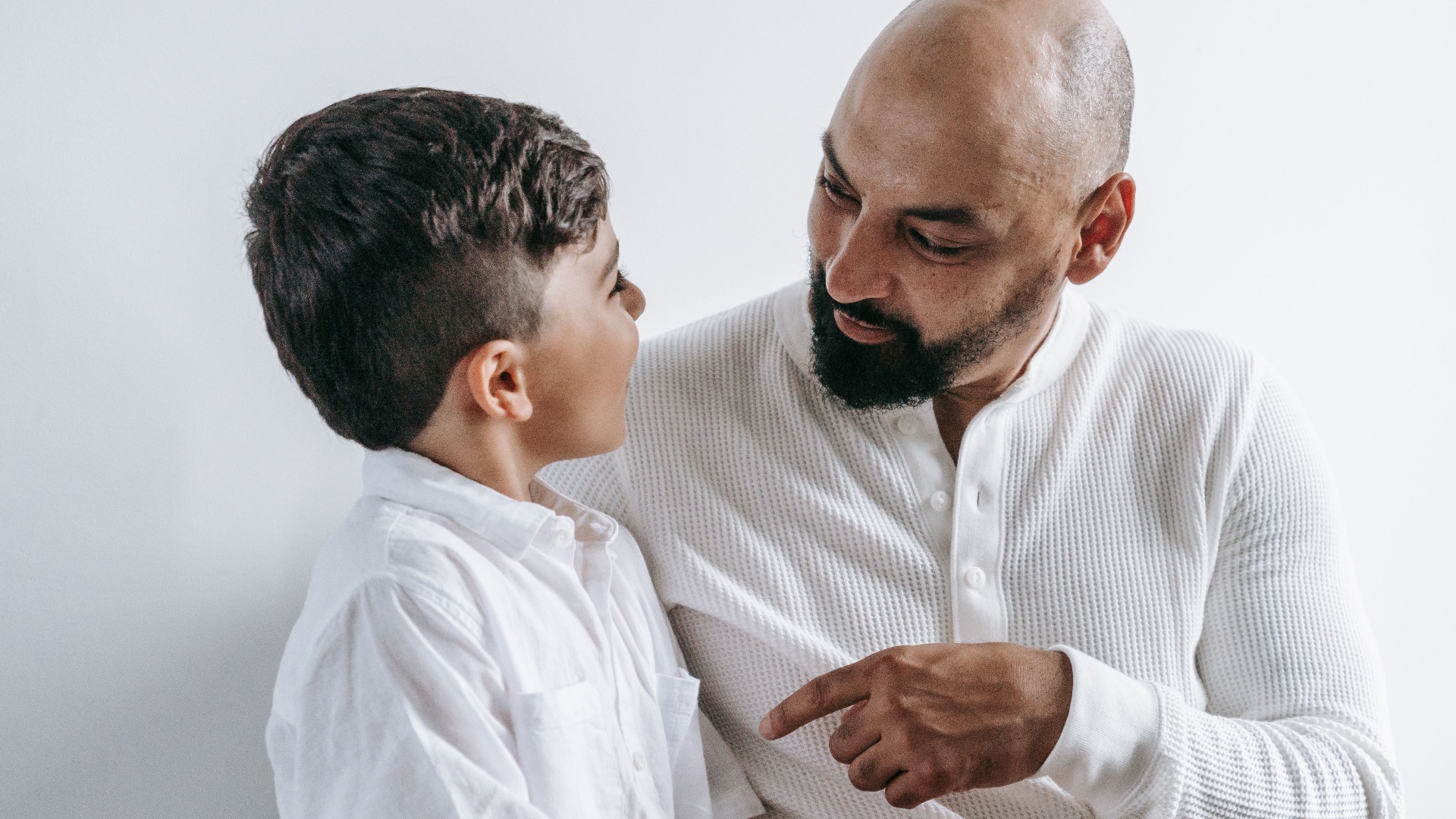
2. Validating Feelings Without Allowing Every Behavior
Emotional validation doesn’t require agreeing with a child’s interpretation or giving them whatever they want. You can recognize that they’re angry while still refusing to let them hit, insult, or damage something. This approach teaches that all emotions are acceptable, but not every reaction is.

3. Setting Consistent and Predictable Consequences
Children handle limits better when expectations don’t change according to a parent’s mood. Consequences should relate to the behavior, be reasonable in size, and be explained before problems arise whenever possible. Consistency allows children to make informed choices because they know what will follow.

4. Offering Limited Choices
Giving children some control can reduce power struggles without handing over authority entirely. A parent might let a child choose between two outfits, decide which homework task to complete first, or select one of two acceptable snacks. Carefully limited options support independence while keeping the situation manageable.
 https://kaboompics.com/ on Pexels
5. Teaching Children How to Repair Mistakes
A forced apology doesn’t always mean a child understands the harm they caused. Help them consider what happened, how another person may have been affected, and what action could improve the situation. Repair might involve replacing an item, trying the conversation again, helping with cleanup, or offering a sincere apology in their own words.
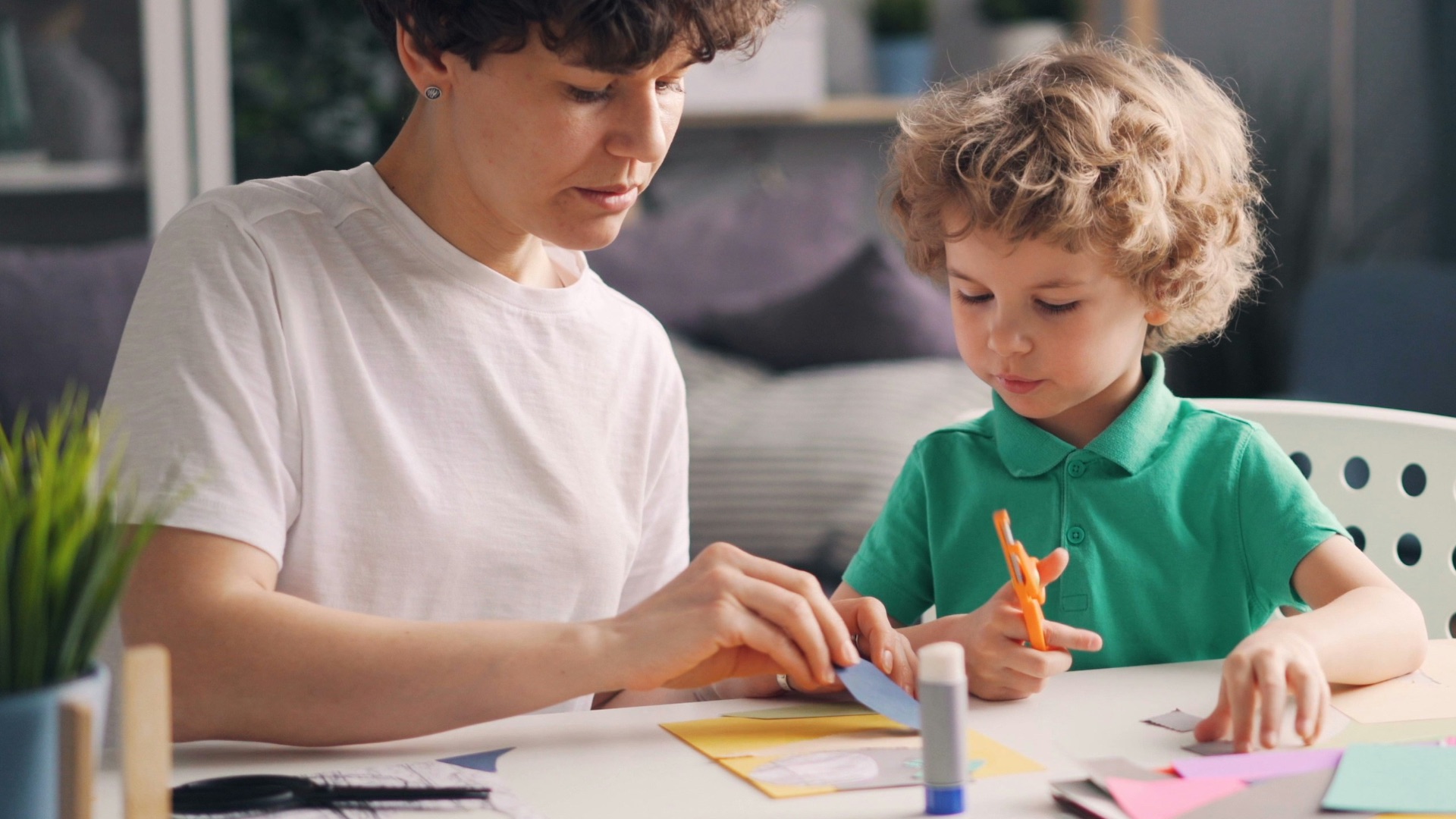
6. Modeling the Behavior You Expect
Children pay close attention to how adults manage anger, admit fault, speak about other people, and handle disappointment. Instructions lose credibility when parents demand respect while regularly yelling, mocking, or refusing to apologize. Demonstrating the behavior yourself gives children a concrete example they can follow.

7. Allowing Age-Appropriate Natural Consequences
Not every mistake requires a separate punishment from a parent. Forgetting a jacket may mean feeling cold for a short time, while failing to pack sports equipment may mean sitting out part of practice. As long as the outcome is safe and reasonable, experiencing the result can be more effective than receiving a lecture.

8. Creating Space for Honest Conversations
Children are more likely to share difficult information when they believe their parents will listen before reacting. That doesn’t mean overlooking harmful behavior or avoiding consequences, but it does mean controlling the initial response. Staying approachable helps parents learn about problems early enough to offer guidance and protection.

9. Praising Effort with Specific Feedback
General praise can feel pleasant, but specific recognition gives children useful information about what they did well. Mentioning their patience, preparation, persistence, or thoughtful decision helps them connect the outcome to an action they can repeat. This encourages growth without making approval depend solely on winning, grades, or flawless performance.

10. Apologizing When You Get It Wrong
Parents sometimes lose their temper, make unfair assumptions, or enforce a decision they later realize was mistaken. A direct apology doesn’t weaken authority; it shows children how mature people take responsibility. Naming what went wrong and explaining what you’ll do differently also proves that respect should move in both directions.