They Earned It. They Also Blew It.
The term "Greatest Generation" was popularized by Tom Brokaw in 1998, and it stuck because it captured something real. These were Americans born roughly between 1901 and 1927 who survived the Depression, fought the deadliest war in human history, and came home and built the most prosperous middle class the world had ever seen. The case for their greatness is genuine. But greatness and goodness are not the same thing, and a full accounting requires sitting with both. Here's 10 reasons they earned the name, and 10 ways the history is more complicated than the legend.
1. They Endured the Depression Without a Net
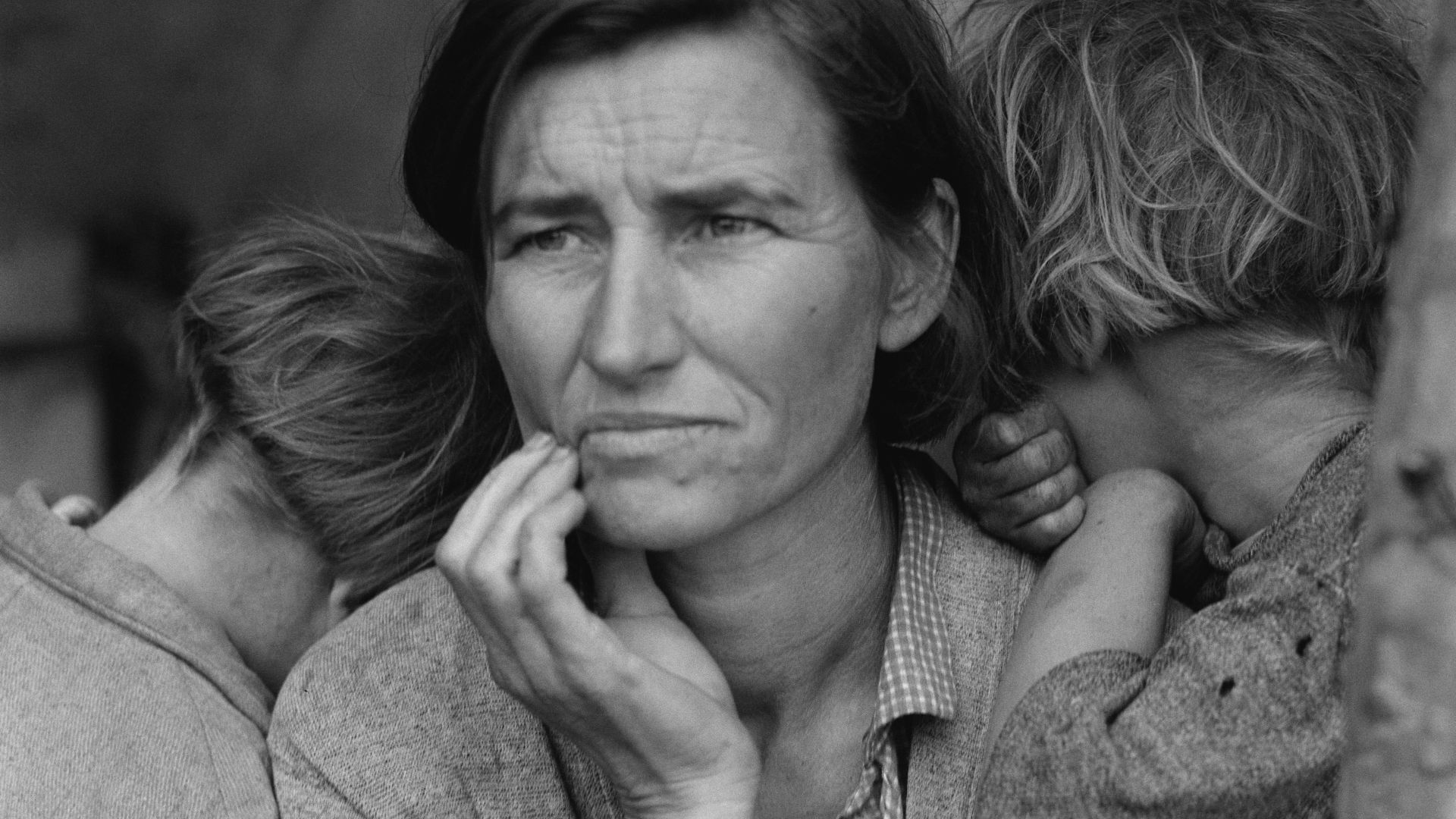
At its worst, the Great Depression saw unemployment hit 25 percent and banks fail by the thousands. There was no safety net. People grew food, repaired what broke, shared what little they had, and kept moving. The endurance that experience forged shaped everything that came after.
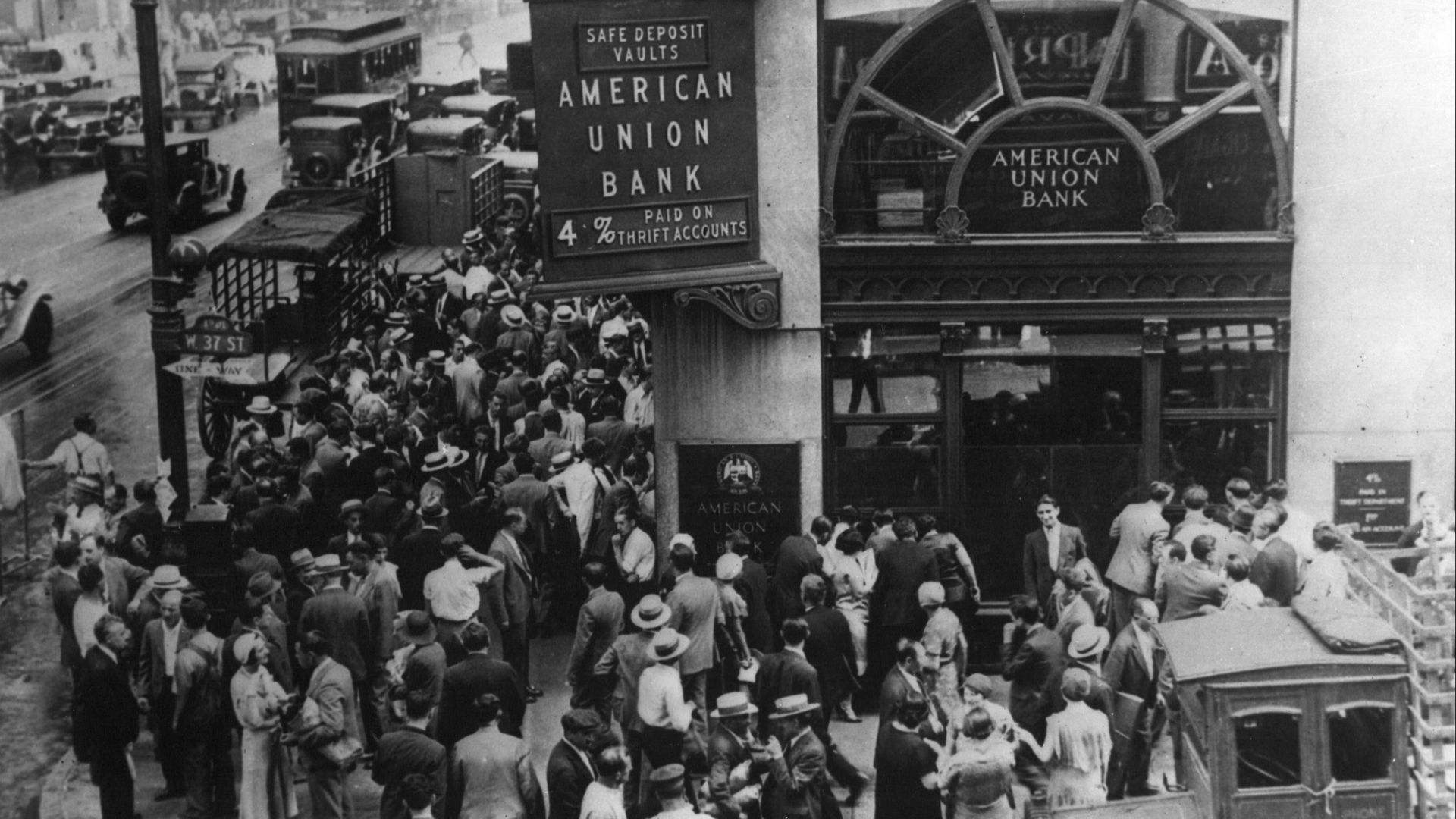 National Archives Photo on Wikimedia
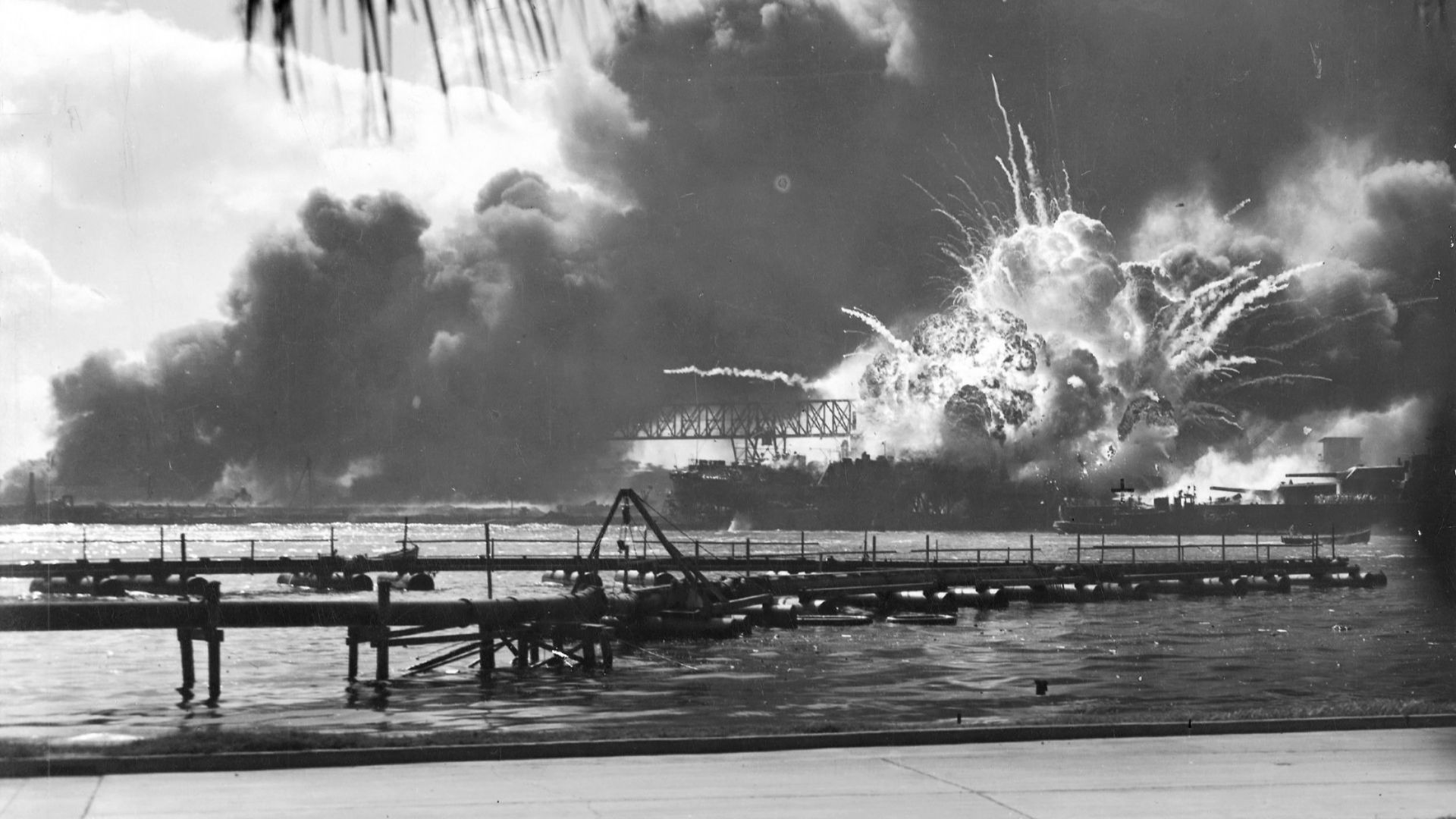
2. They Answered the Call After Pearl Harbor
When Japan attacked in December 1941, recruitment offices were flooded within days. Roughly 16 million Americans served in World War II, most without serious resistance. Many lied about their age to enlist. The speed of that mobilization remains one of the most striking collective responses to crisis in American history.
 Unknown navy photographer on Wikimedia
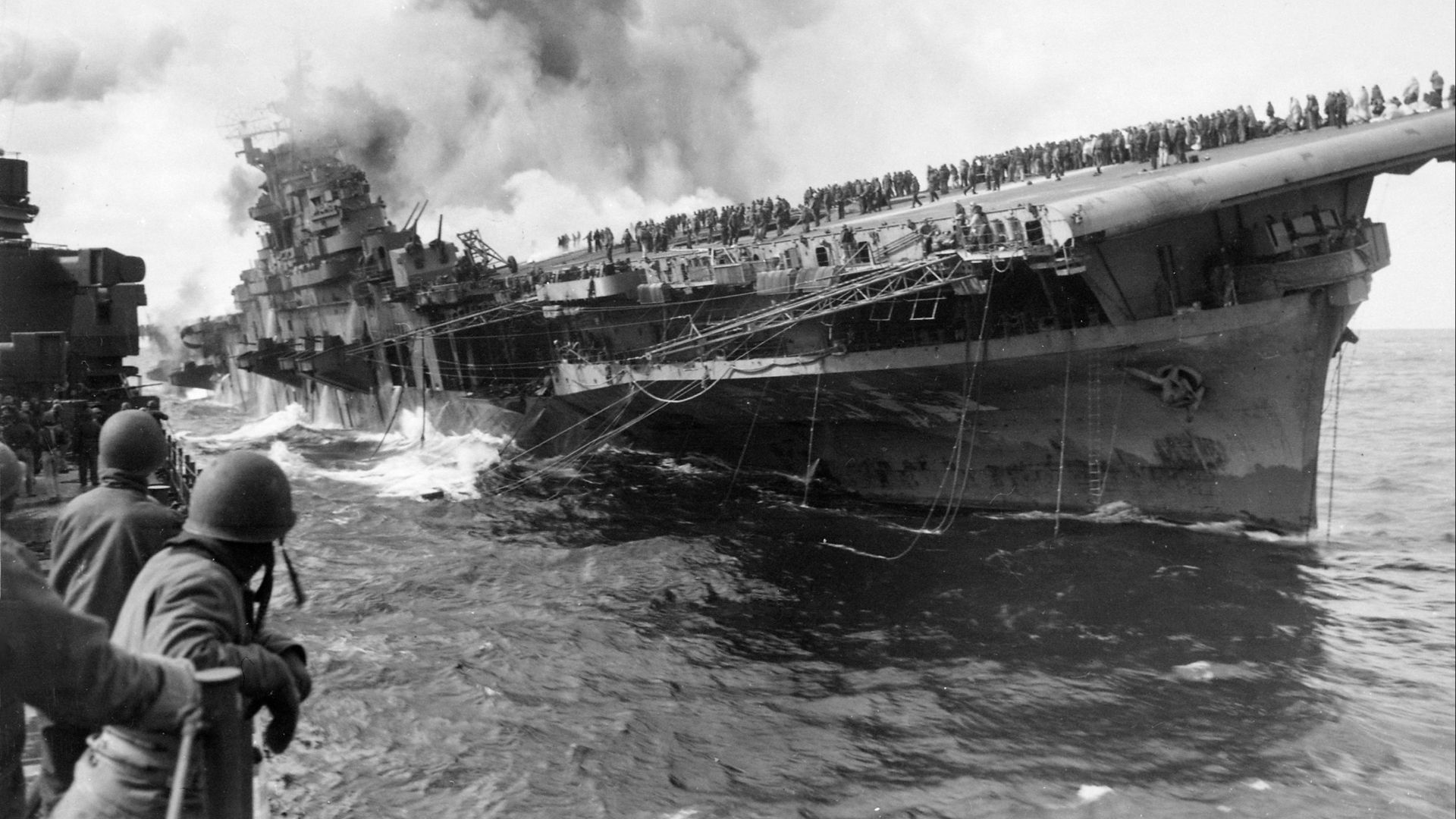
3. They Fought a War on Two Fronts
The United States fought Germany and Japan simultaneously, across two oceans, in conditions ranging from North African desert to Pacific jungle to the frozen forests of Belgium. Sustaining that effort required logistical ingenuity on a scale that had never been attempted, without the communications technology modern militaries depend on.
4. The Home Front Held
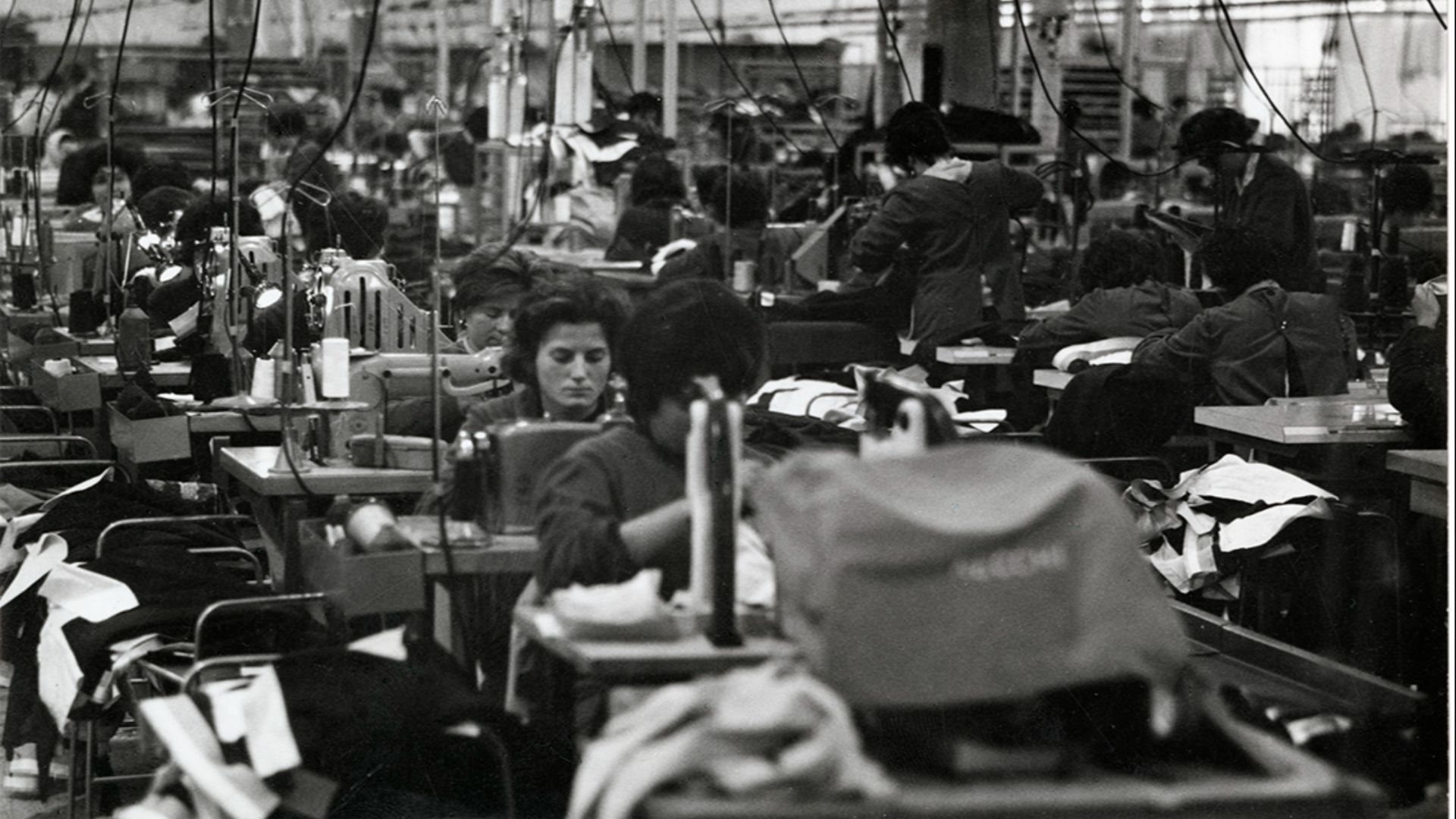
Women filled factory jobs that had been exclusively male. Families rationed food, rubber, and gasoline. War bond drives raised billions. The collective willingness to sustain sacrifice over years wasn't something any government could manufacture. It came from the people themselves.
 Unknown authorUnknown author on Wikimedia
5. They Built the American Middle Class
The GI Bill sent millions to college and helped millions more buy homes. Wages rose, union membership grew, and for roughly two decades the American working class experienced economic mobility that was genuinely without precedent.

6. They Rebuilt Their Former Enemies
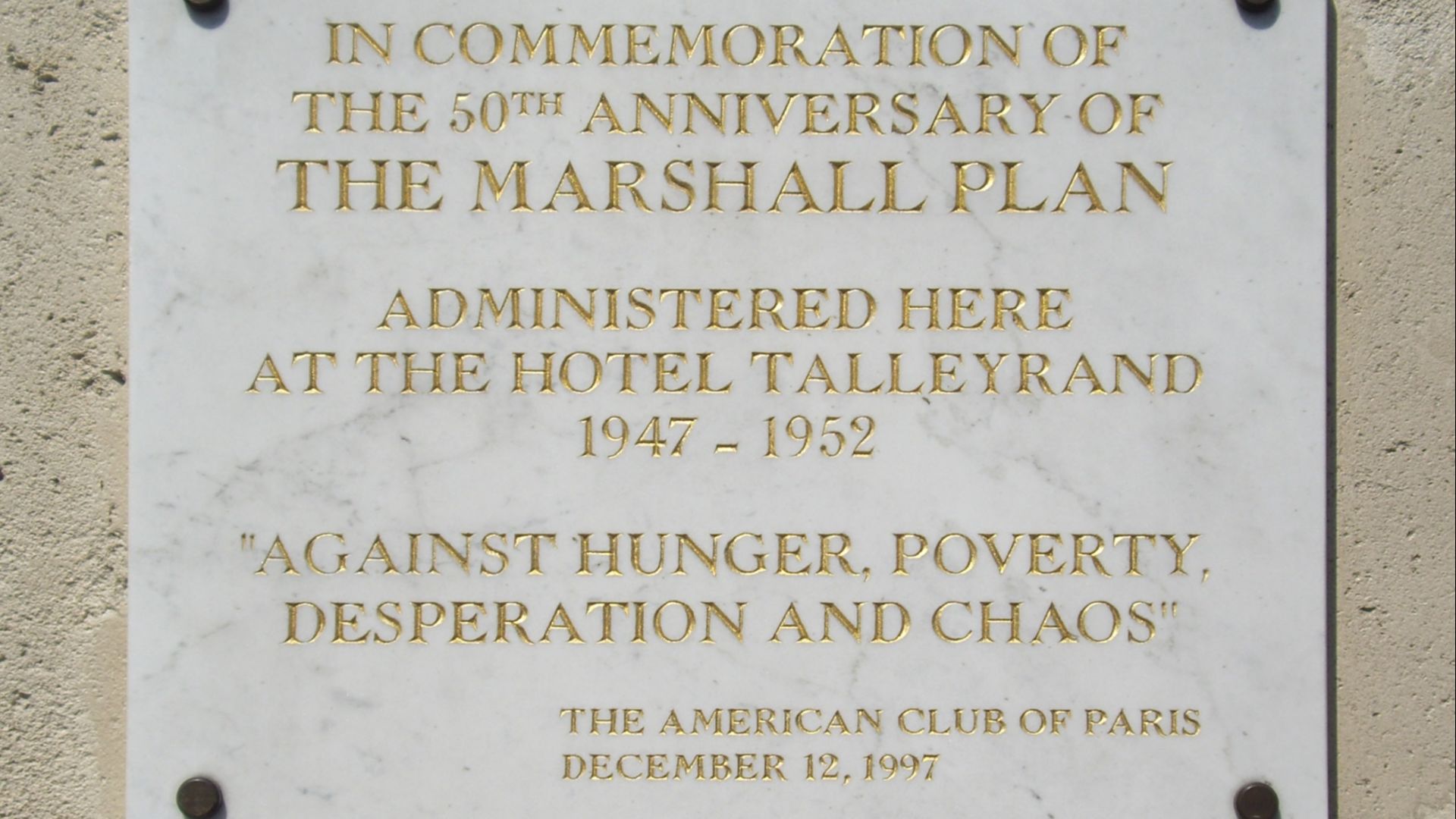
The Marshall Plan committed roughly $13 billion, around $150 billion today, to rebuilding Western Europe. The United States had just spent years and hundreds of thousands of lives defeating Germany, then turned around and funded its reconstruction. The scale of that commitment was historically unusual.
 Wikimedia Commons / Mu on Wikimedia
7. They Produced Leaders Under Pressure
Eisenhower coordinated the largest amphibious invasion in history while managing the competing egos of Churchill, de Gaulle, and Patton. George Marshall rebuilt the U.S. Army from near nothing and became the architect of both the war effort and the postwar recovery. The quality of leadership produced under those conditions was remarkable.
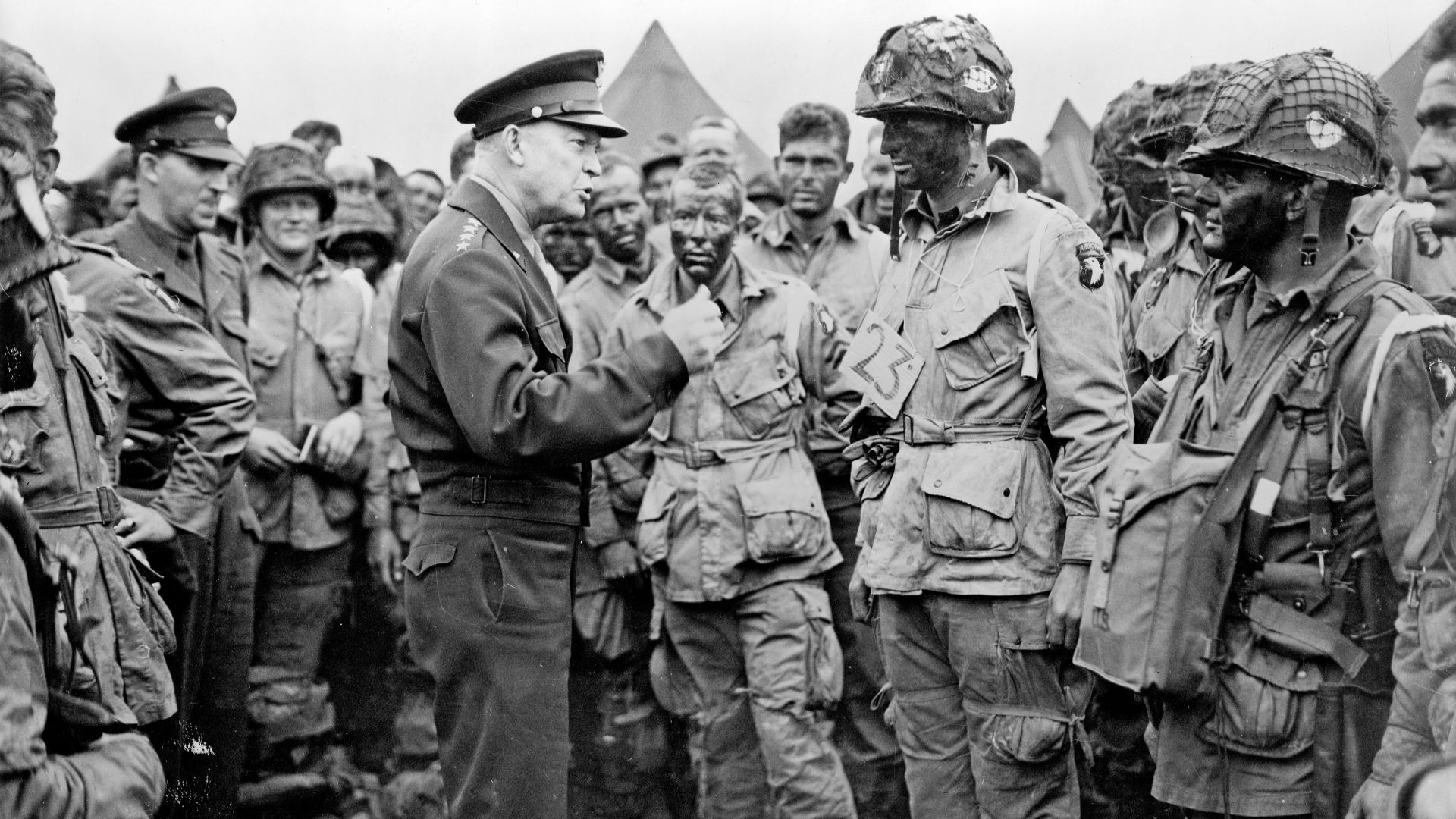 Unknown U.S. Army photographer on Wikimedia
8. They Defeated Fascism
Fascism in the 1940s was not an abstraction. It had seized major industrial nations and was actively exterminating populations. Its defeat was not inevitable. It cost somewhere between 70 and 85 million lives worldwide, and the generation that helped end it did something that genuinely mattered.
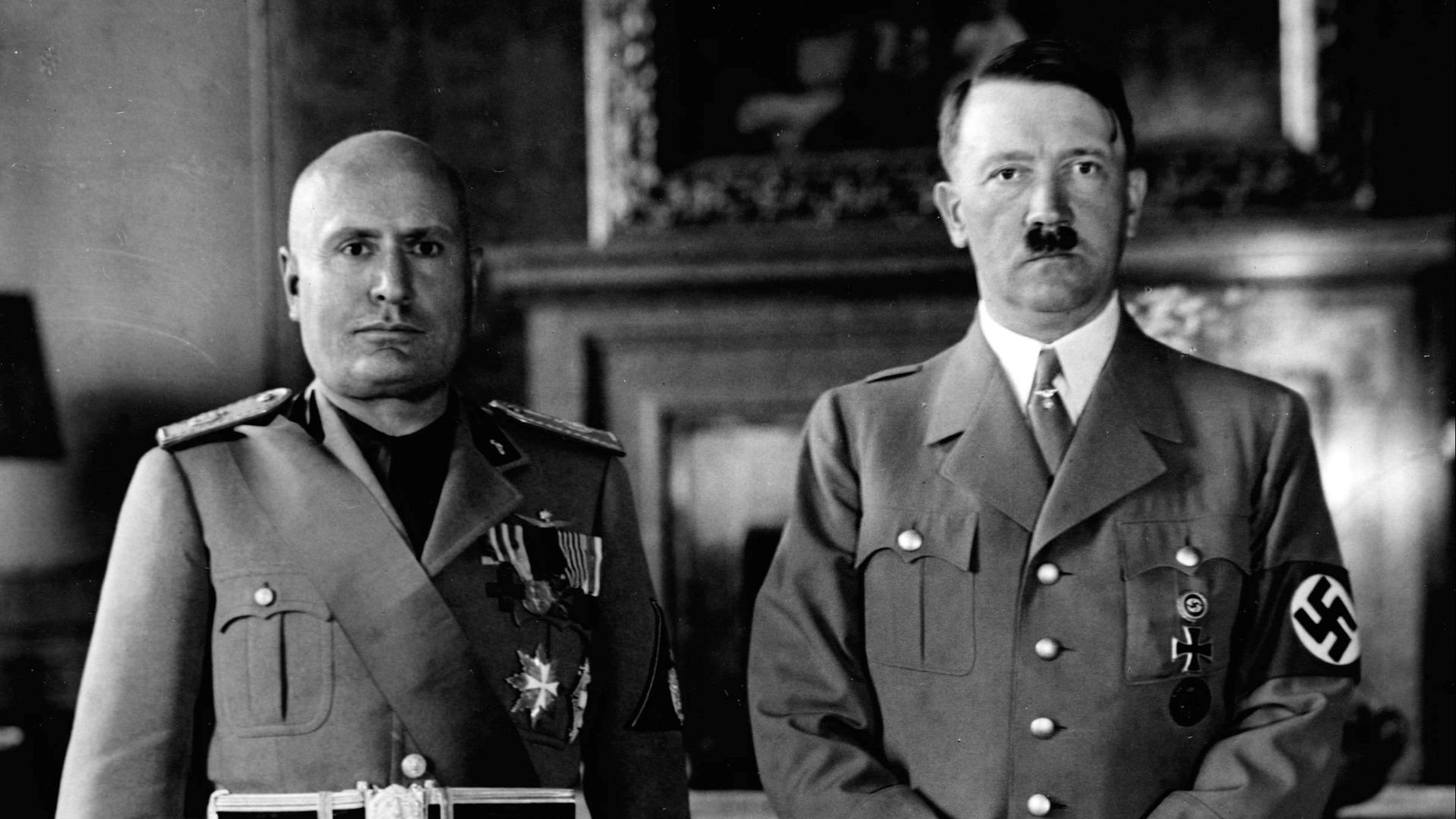 Unidentified photographer on Wikimedia
9. They Worked Without Asking for Credit
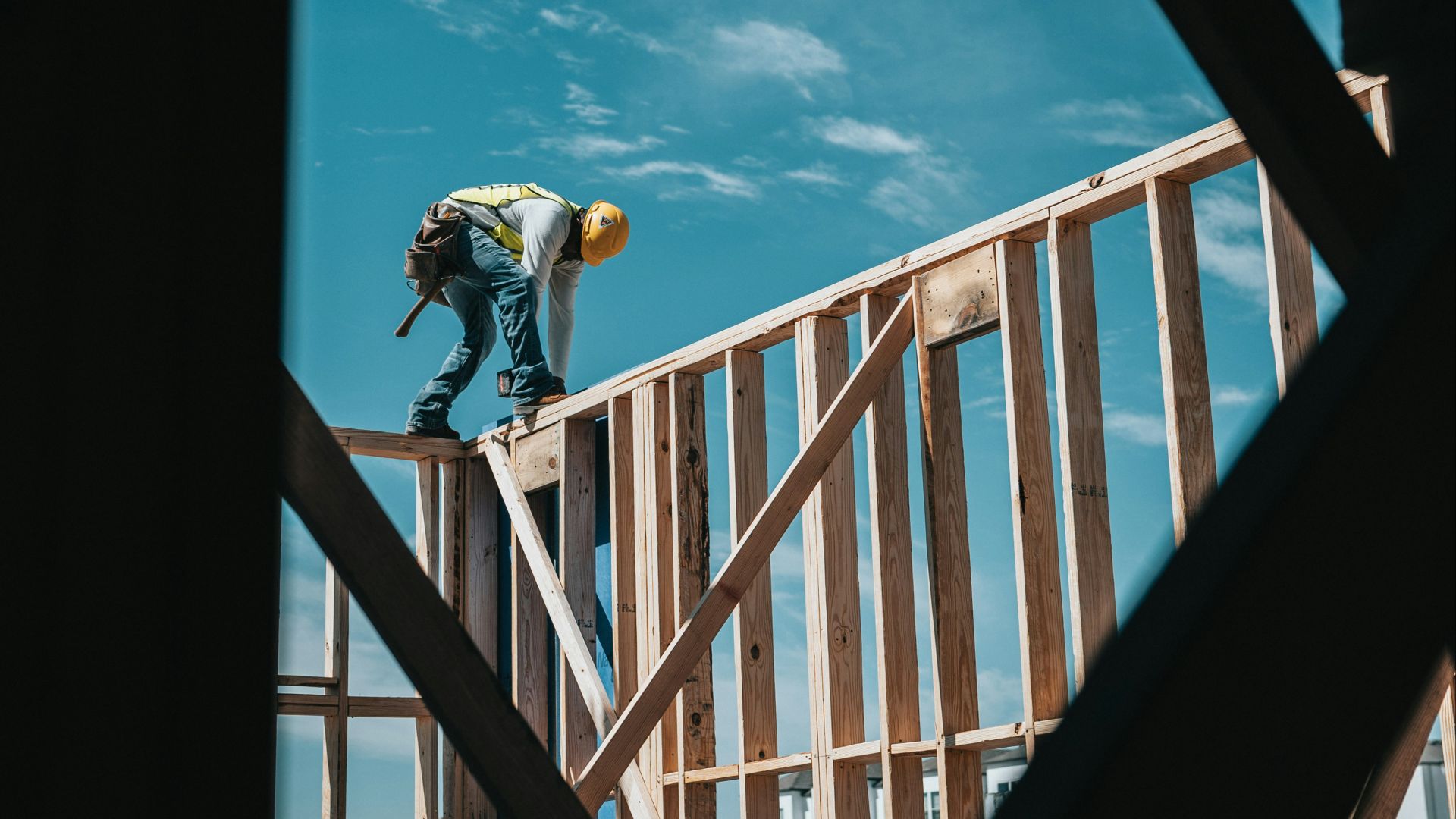
People who had grown up poor and then served in uniform came home with a relationship to work that was less philosophical than survival instinct. They built houses, businesses, and institutions because they remembered when there was nothing, and because building something felt like proof the worst was behind them.
10. They Came Home and Got Quiet About It
Men who had landed at Normandy came home, went back to work, and mostly didn't discuss it. That silence had real psychological costs. But there was also something in it worth noting: they didn't require acknowledgment to keep going.
Here's 10 ways the history is harder to defend.
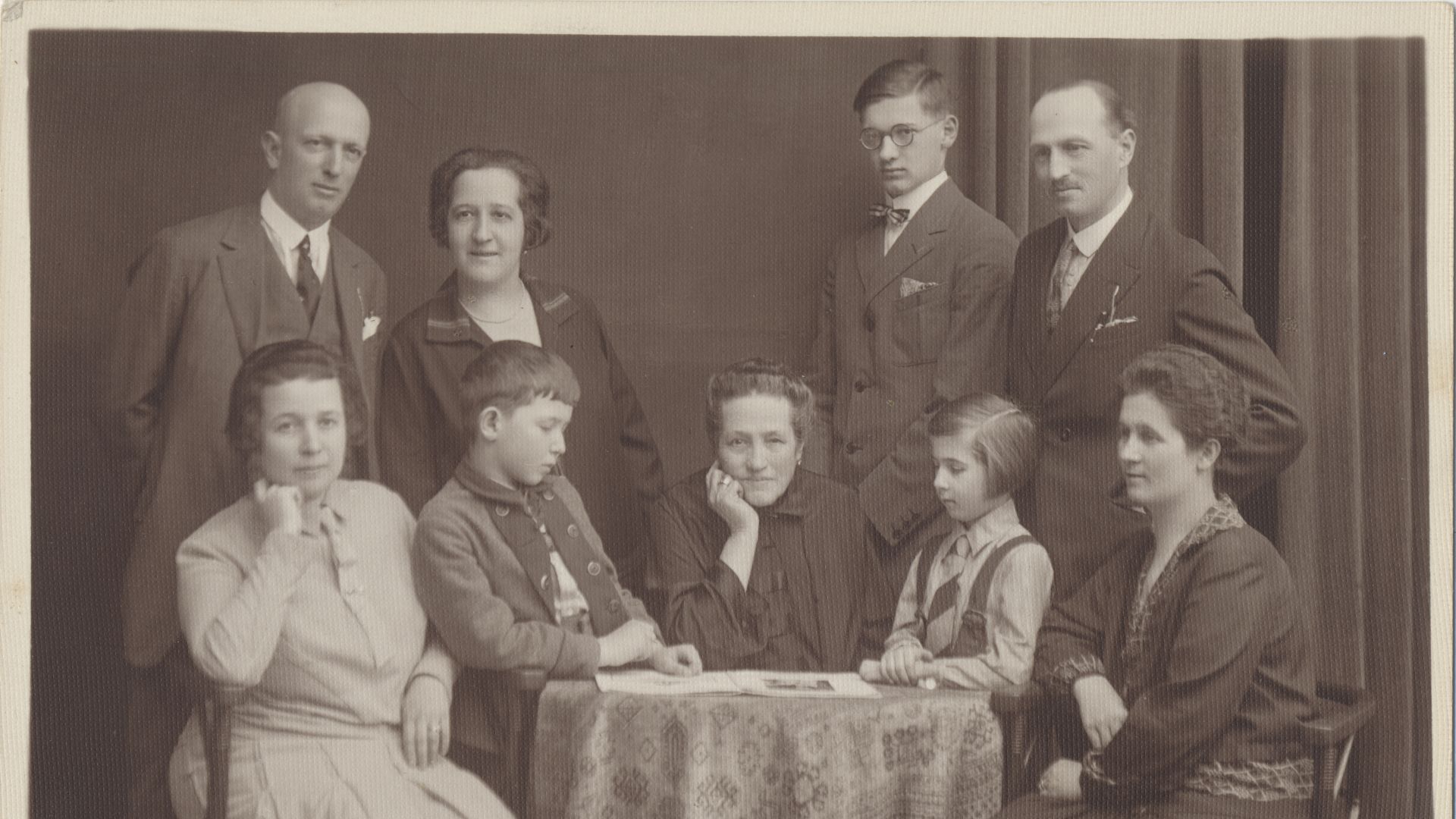 Stojkovits és Békés on Wikimedia
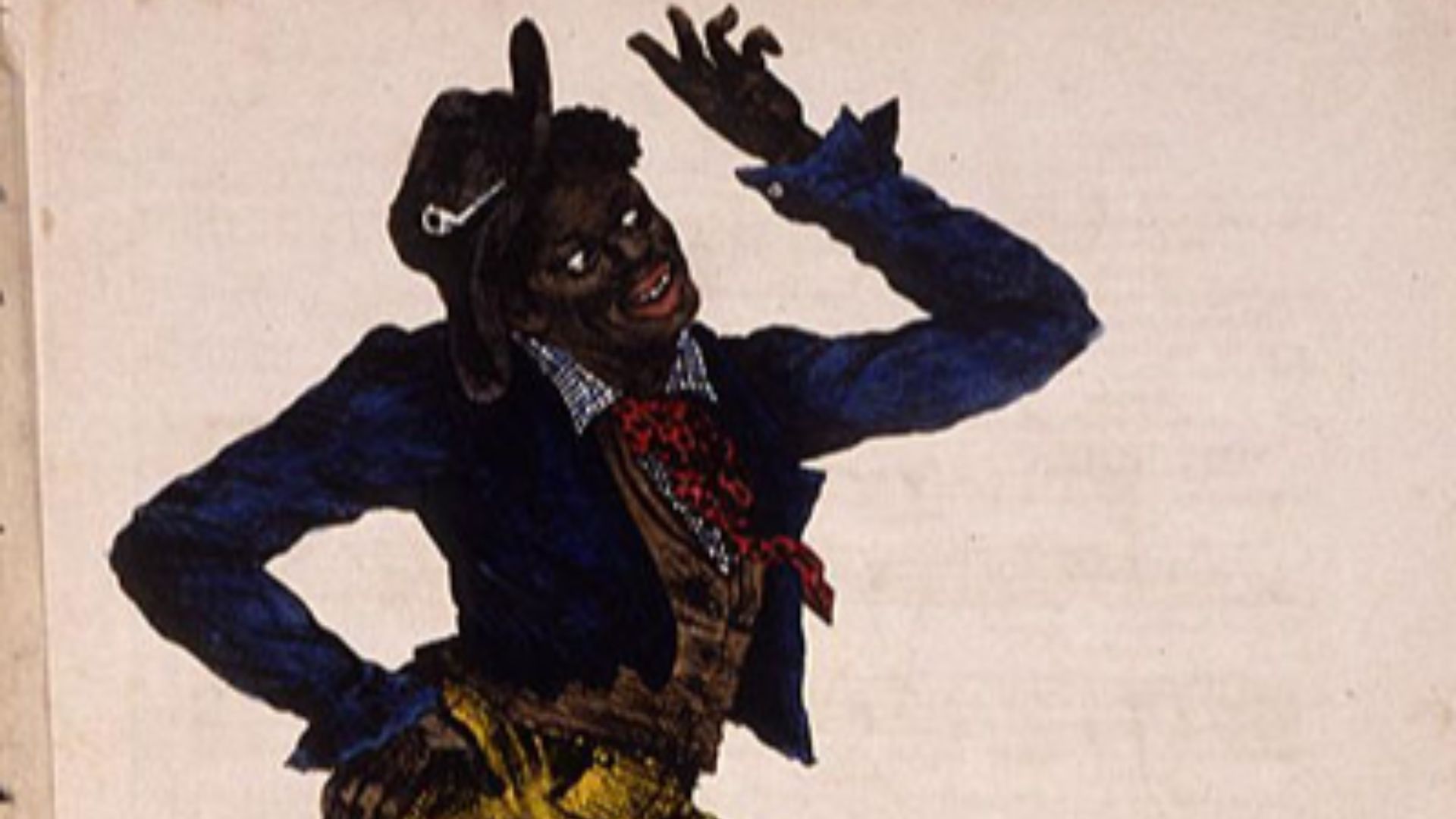
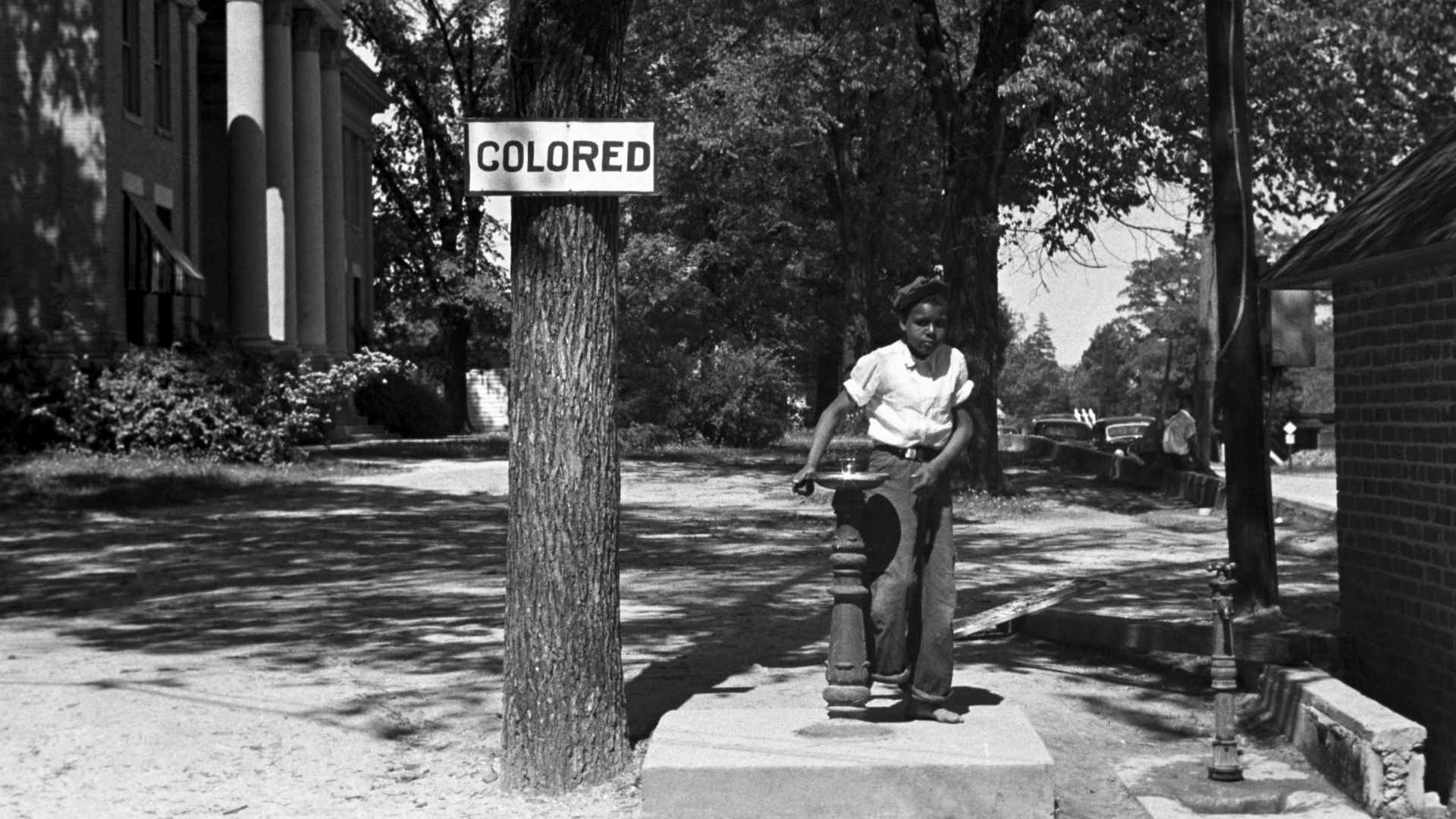
1. They Enforced Jim Crow
The same generation that fought fascism abroad returned home to maintain and often actively defend a system of racial apartheid. Black veterans who had risked their lives for their country came home to segregation, disenfranchisement, and violence. The contradiction between what the country said it was fighting for and what it practiced at home was not subtle.
 Edward Williams Clay on Wikimedia
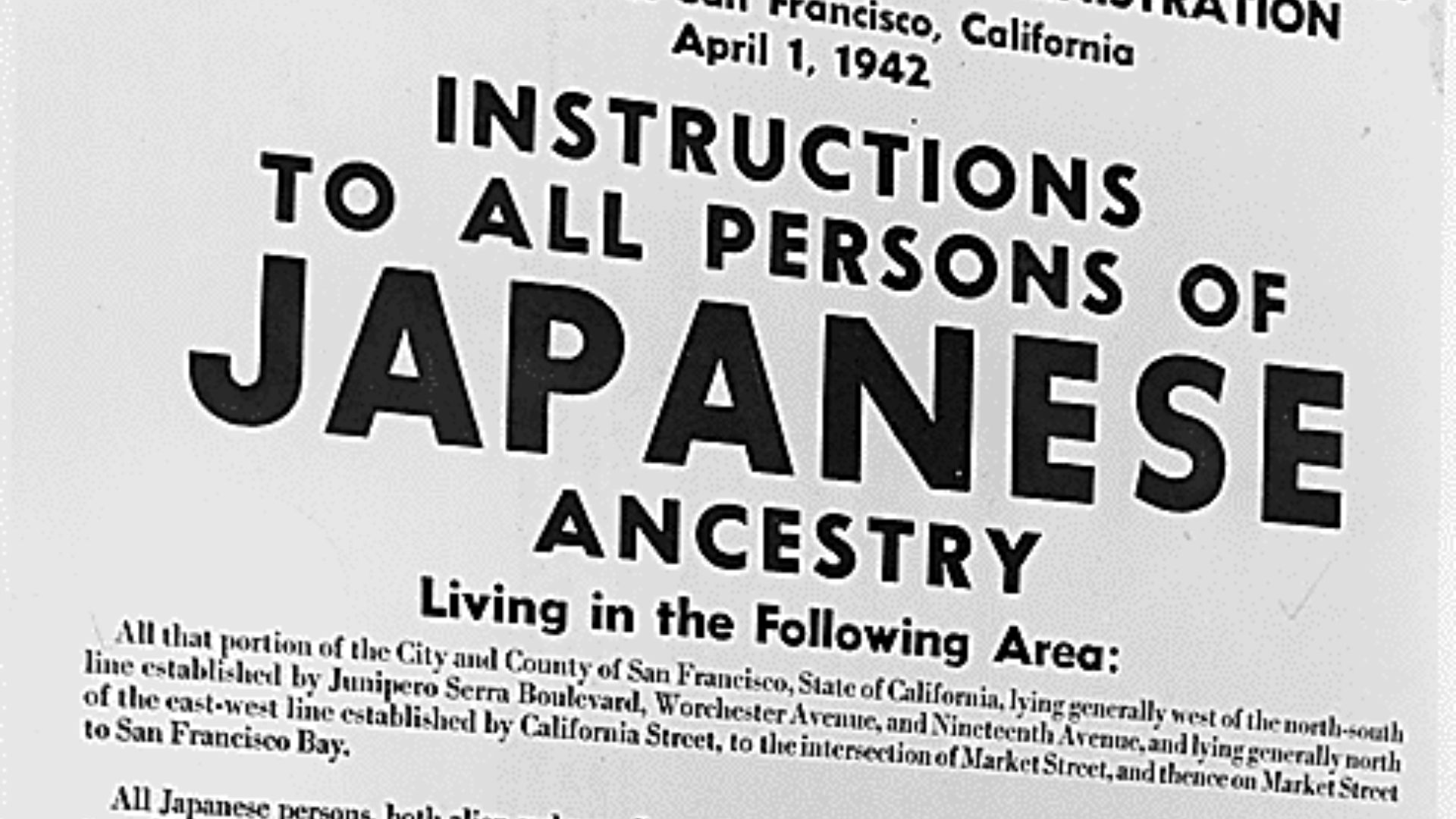
2. They Incarcerated Japanese Americans
Executive Order 9066 authorized the forced removal and imprisonment of roughly 120,000 Japanese Americans, most of them citizens. Their property was seized or sold at a loss. Almost no one in the mainstream resisted it. The Greatest Generation built those camps and accepted them as reasonable.
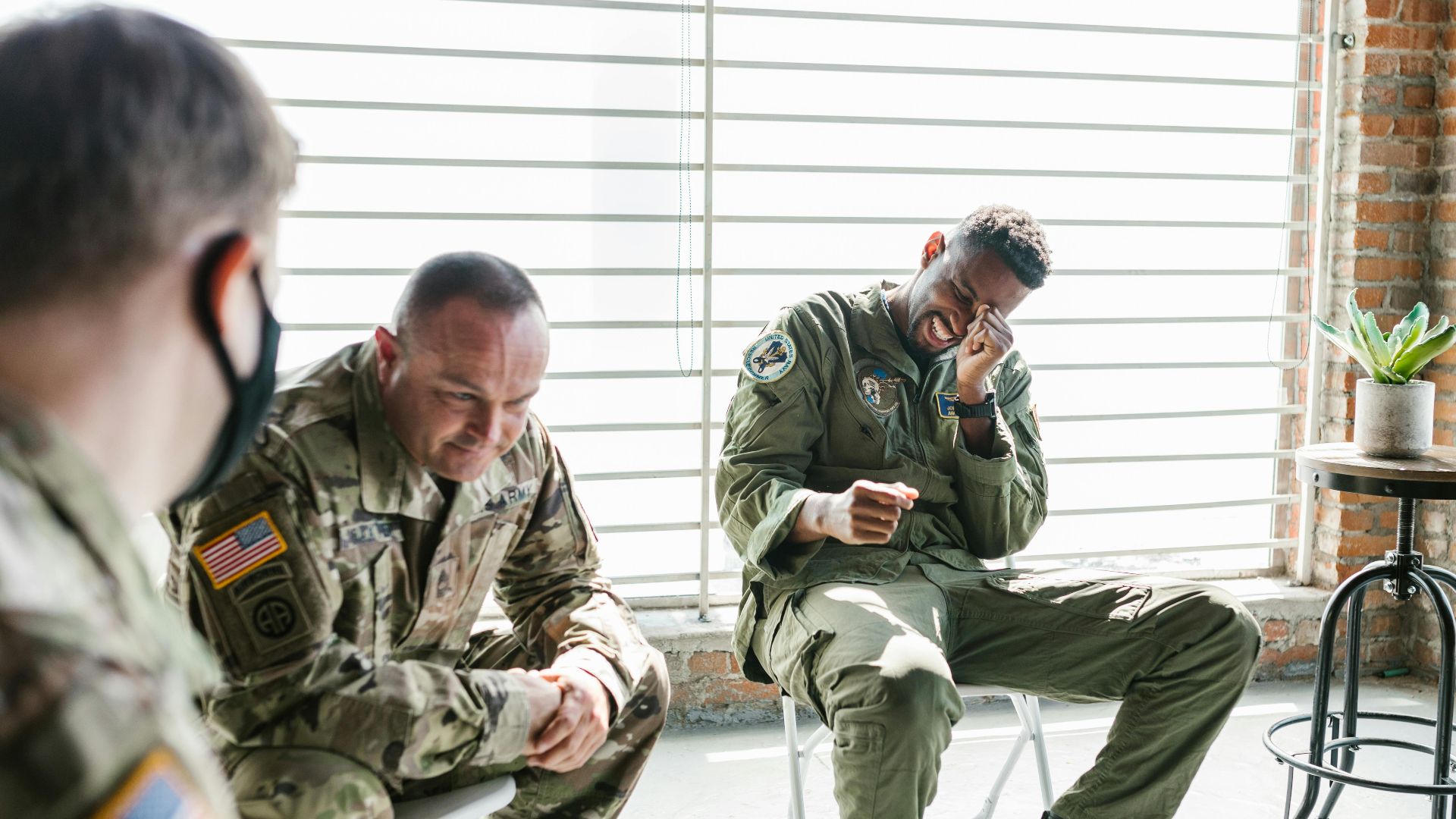
3. They Left the War's Trauma Unprocessed
Hundreds of thousands of veterans came home with what we now recognize as PTSD and received almost no treatment. Men self-medicated, withdrew from their families, or carried the weight of what they had seen in ways that damaged everyone around them. The culture actively discouraged seeking help, and the costs were borne quietly for decades.
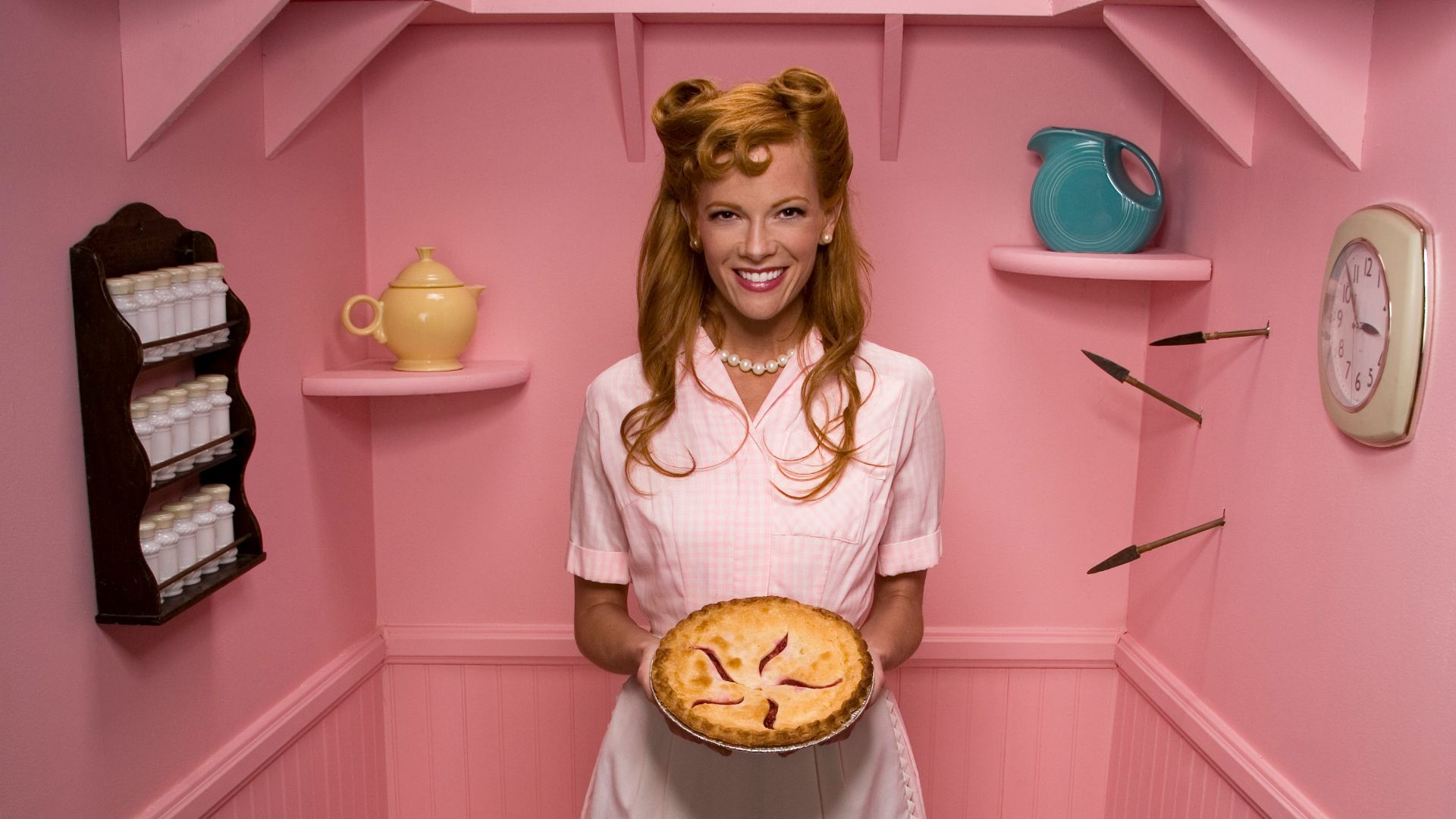
4. They Pushed Women Back Out
When the men came home, the women who had spent years demonstrating competence across every sector of the economy were largely pushed back out of their jobs. The generation that celebrated women's wartime contribution treated it as temporary the moment it was no longer convenient.
5. They Built Segregated Suburbs
The postwar housing boom was systematically closed to Black Americans. The FHA routinely refused to back mortgages in integrated neighborhoods, and developers included racially restrictive covenants in their contracts. The wealth-building opportunity that defined white middle-class prosperity was denied to Black families by policy, not accident.
6. They Enabled McCarthyism
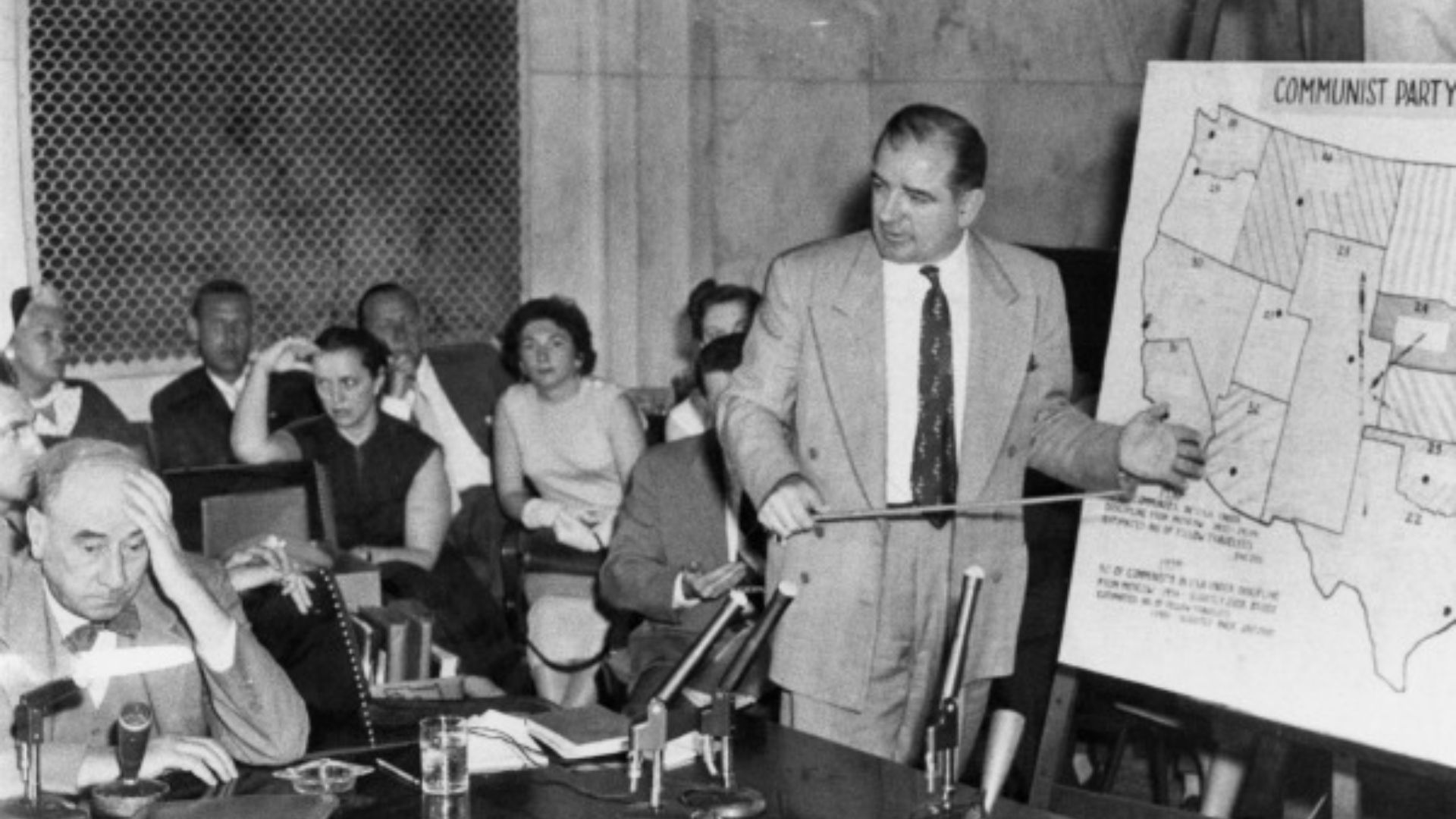
Joseph McCarthy destroyed careers with accusations that were frequently baseless, and he did so with broad public and press support. The generation that had just fought totalitarianism abroad proved willing to embrace something uncomfortably close to it when the target was domestic dissent.
 United States Senate on Wikimedia
7. They Dropped the Atomic Bomb
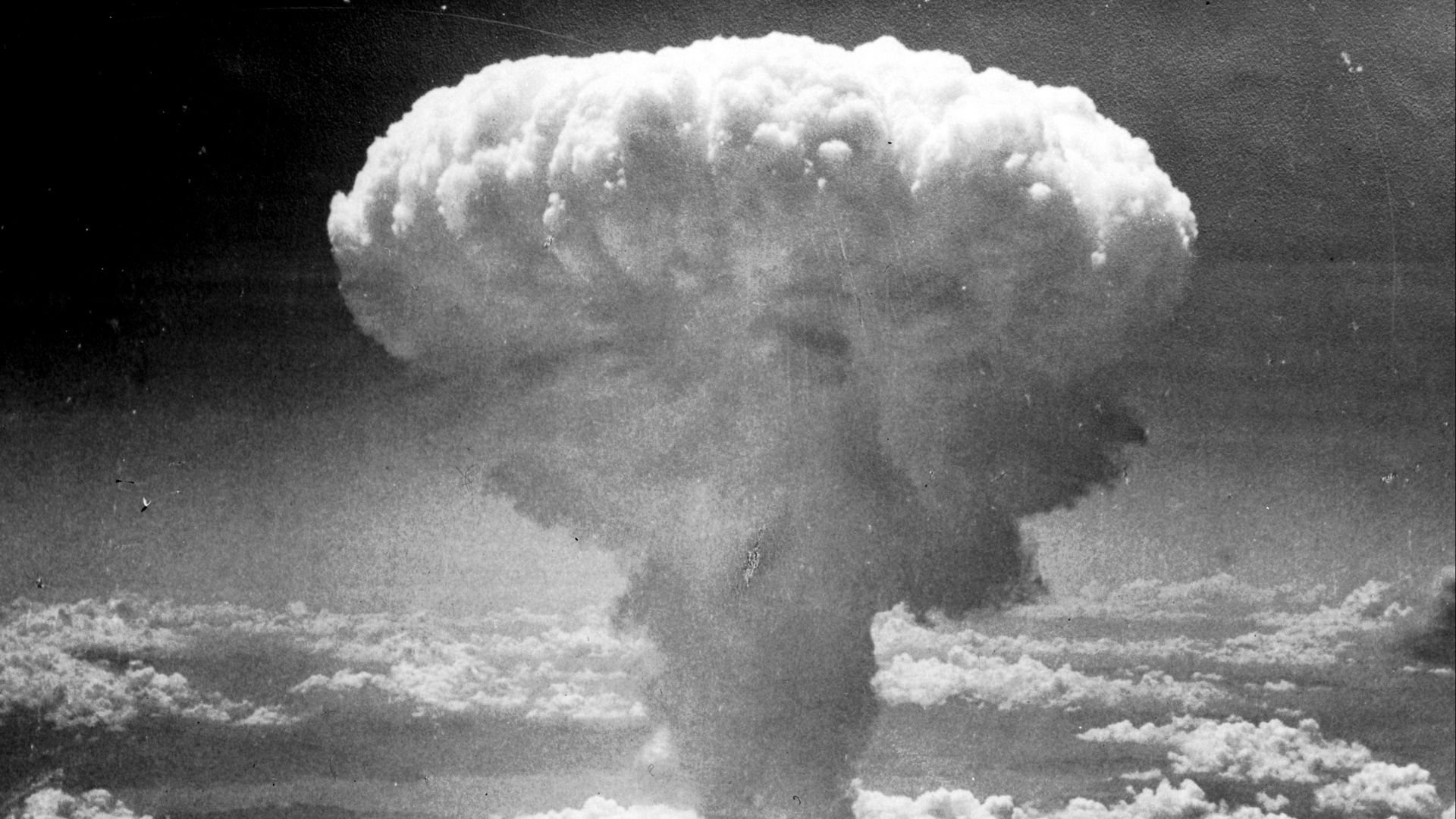
The bombs dropped on Hiroshima and Nagasaki killed between 130,000 and 226,000 people, most of them civilians. The strategic arguments have been debated for eighty years. What isn't debatable is the scale of civilian death, and the fact that the United States remains the only country to have used nuclear weapons in war.
8. They Looked Away From the Holocaust
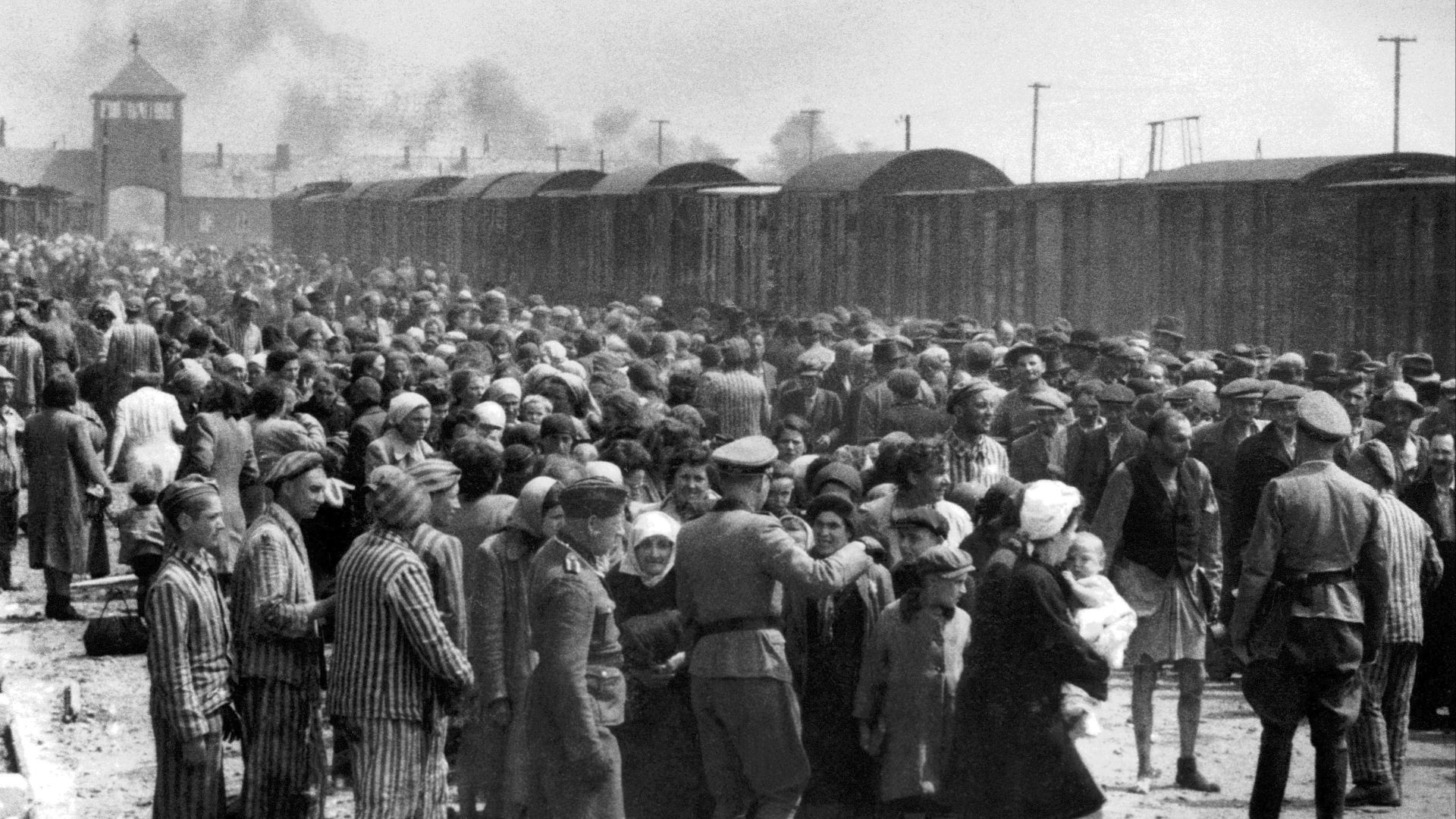
The U.S. government had substantial intelligence about the extermination of European Jews well before it became a priority. Refugee ships were turned away from American ports. Proposals to bomb the rail lines to Auschwitz were rejected. The liberation of the camps has been used retroactively to frame the war as a crusade against genocide. The historical record is more complicated than that.
9. They Passed the Silence On
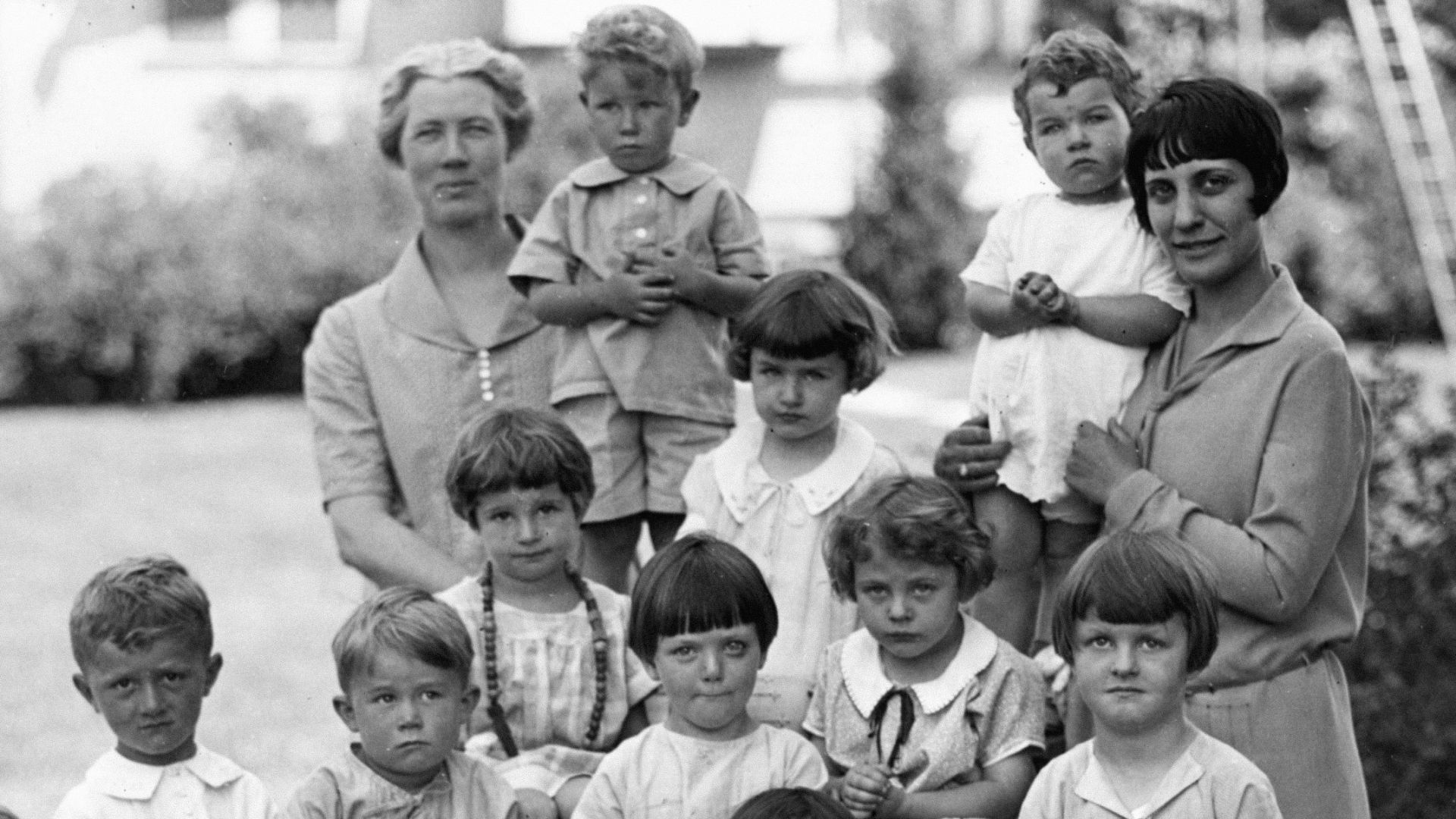
The emotional repression that defined Greatest Generation culture became the dominant mode of parenting through the 1950s and 1960s. Feelings were not discussed, trauma was not acknowledged, and a child's inner life was rarely treated as something worth serious attention. The costs showed up a generation later in ways still being sorted out.
 The Oregon State University Collections and Archives on Unsplash
10. They Resisted Civil Rights
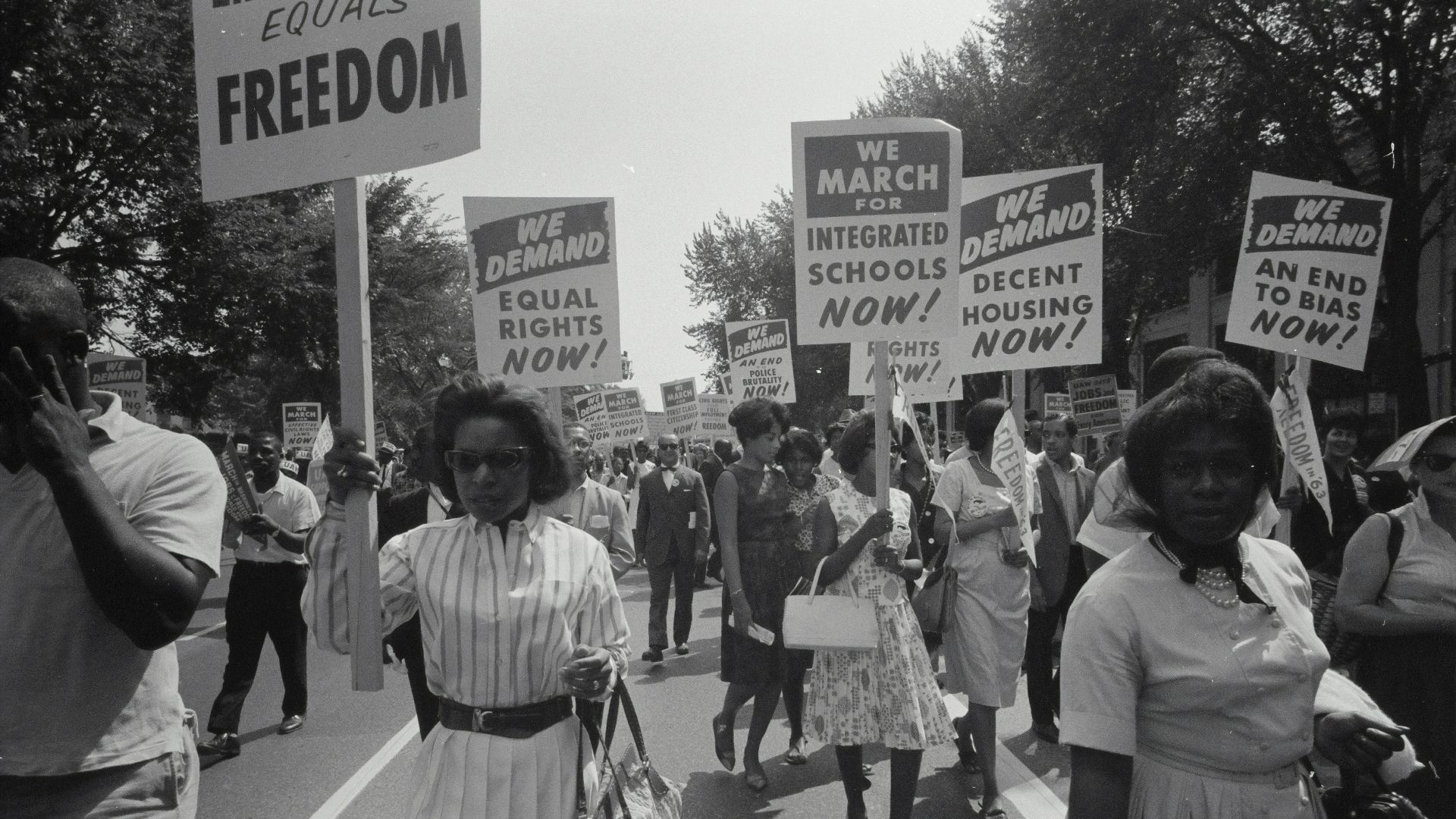
The generation celebrated for defeating Hitler also turned fire hoses on children in Birmingham, murdered Emmett Till, and blocked schoolhouse doors to prevent integration. These were not fringe actors. Massive resistance to civil rights was a mainstream position, with significant sympathy outside the South as well.
 Library of Congress on Unsplash