The Painful Truth About Why Listings Don’t Convert
eBay is a numbers game, even if it doesn’t seem that way at first glance. You can have great items and still watch buyers scroll right past you—and your strategy is probably to blame. Tiny details quietly decide whether someone clicks “Buy It Now” or bails for another seller. The good news is that most mistakes are fixable once you spot them, so let’s get you back to making steady, predictable sales!

1. Vague Titles That Don’t Match How Buyers Search
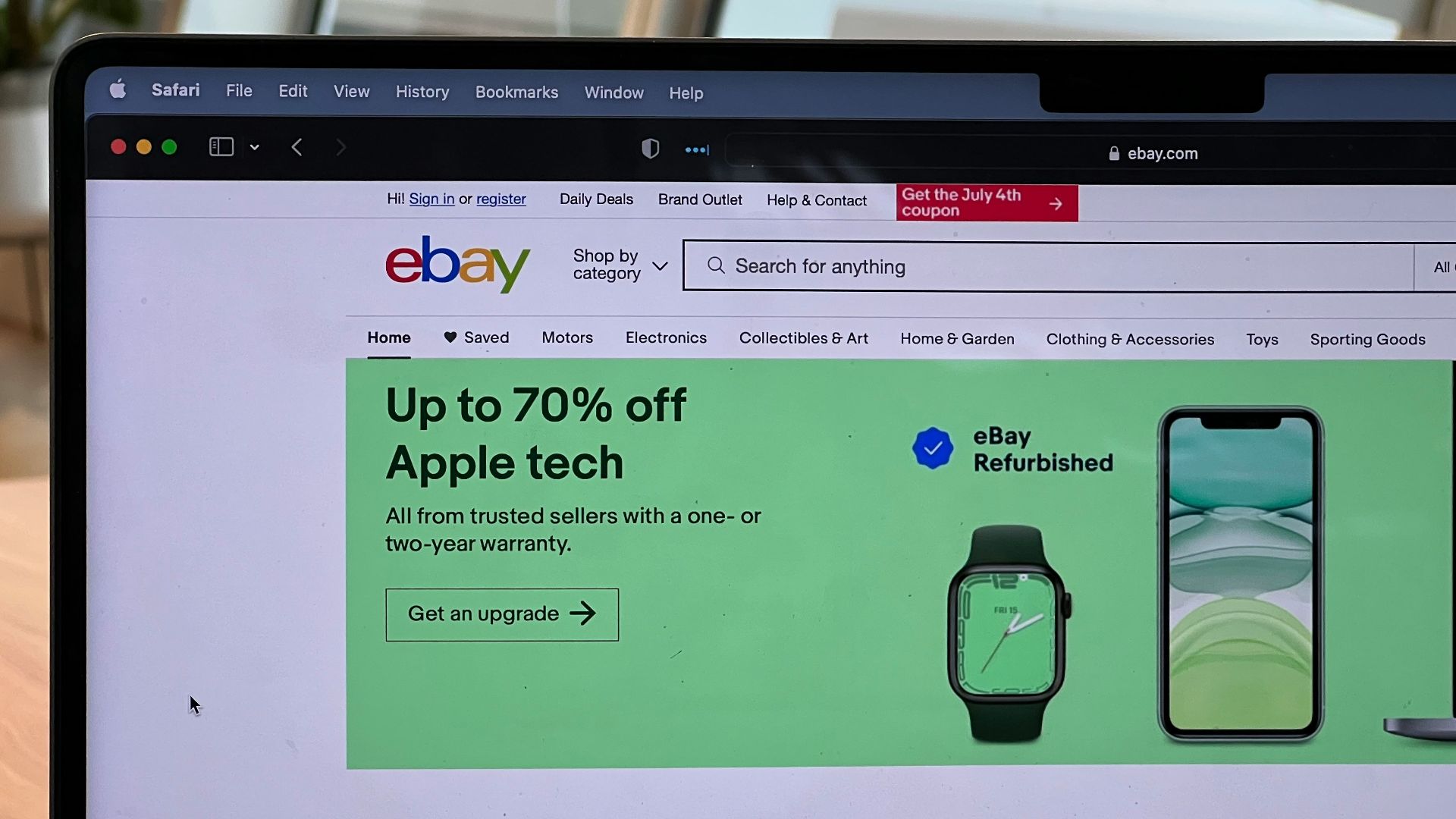
If your title misses the brand, model, size, color, or key keyword, you’re basically hiding your listing from the right people. Buyers search with specific terms, and eBay’s search can’t reward what you didn’t include. Think like a shopper and build titles that answer “What is it?” in one glance.
 Oberon Copeland @veryinformed.com on Unsplash
2. Dark, Blurry, or Too-Few Photos
A single fuzzy photo tells buyers you might be hiding flaws, even if you aren’t. Show the front, back, tags, labels, serial numbers, and any wear so people feel safe buying from you. Clean, well-lit photos reduce questions and boost confidence fast.
3. Pricing Like You’re the Only Option
If your price ignores recently sold listings, you’ll lose shoppers to the seller who did their homework. Buyers compare in seconds, and an overpriced item feels like a hassle before checkout even starts. Price competitively, then justify it with conditions, extras, or faster shipping.

4. Surprise Shipping Costs
A decent deal can instantly look terrible when shipping suddenly adds a huge extra fee. People hate feeling tricked, and they’ll abandon the cart instead of doing math. Set realistic shipping, consider free shipping when it makes sense, and keep it simple.

5. Slow Handling Time
Long handling times make buyers worry they’ll be waiting forever or chasing you for updates. Even if you ship eventually, the doubt alone can destroy the sale—and prospects. Shorter handling times improve trust and can help your listing stand out.

6. Descriptions That Skip Details
If you don’t clearly state the condition, measurements, flaws, and what’s included, buyers assume the worst. A strong description saves you from endless messages and prevents returns caused by misunderstandings. Give specifics so shoppers can buy confidently without playing detective.

7. Ignoring Item Specifics and Category Choices
Choosing the wrong category is a big no-no. eBay uses those details to match your listing to buyer filters, which means fewer impressions when you skip them. Fill out every relevant field so your item shows up where people are actually looking.

8. Not Accepting Returns
Even if your item is perfect, buyers often want the safety net of a return option. When they compare similar listings, the one with returns can feel less risky and more professional. If returns aren’t realistic for you, make your condition notes extra clear to reduce hesitation.

9. Letting Messages Sit Too Long
When a buyer asks a question, they’re basically raising their hand to buy, and silence sends them elsewhere. Fast replies build trust and can turn a “maybe” into a quick sale. Set up notifications and answer politely, even when the question feels obvious.

10. Running a Store Without Any Promotion or Activity
If you list once in a while and never send offers, your account can feel stale to shoppers. Regular activity helps you stay visible, and offers give watchers a nudge to finally purchase. Treat your store like a living thing—keep it updated, keep it responsive, and keep it moving.
With some of those pesky mistakes out of the way, let’s dive into some super-easy tricks that land sales every time!
1. Research Sold Listings Before You Pick a Price
Start by checking what similar items actually sold for, not what people are hoping to get. That sold price tells you what buyers are willing to pay when it’s real money on the line. Once you know the range, you can price confidently instead of guessing and crossing your fingers.

2. Write Titles That Sound Like a Buyer’s Search
Think of your title as a mini roadmap that helps the right shopper find you quickly. Include any standout detail that someone would type into the search bar. A clear title also filters out the wrong buyers, which saves you time later.
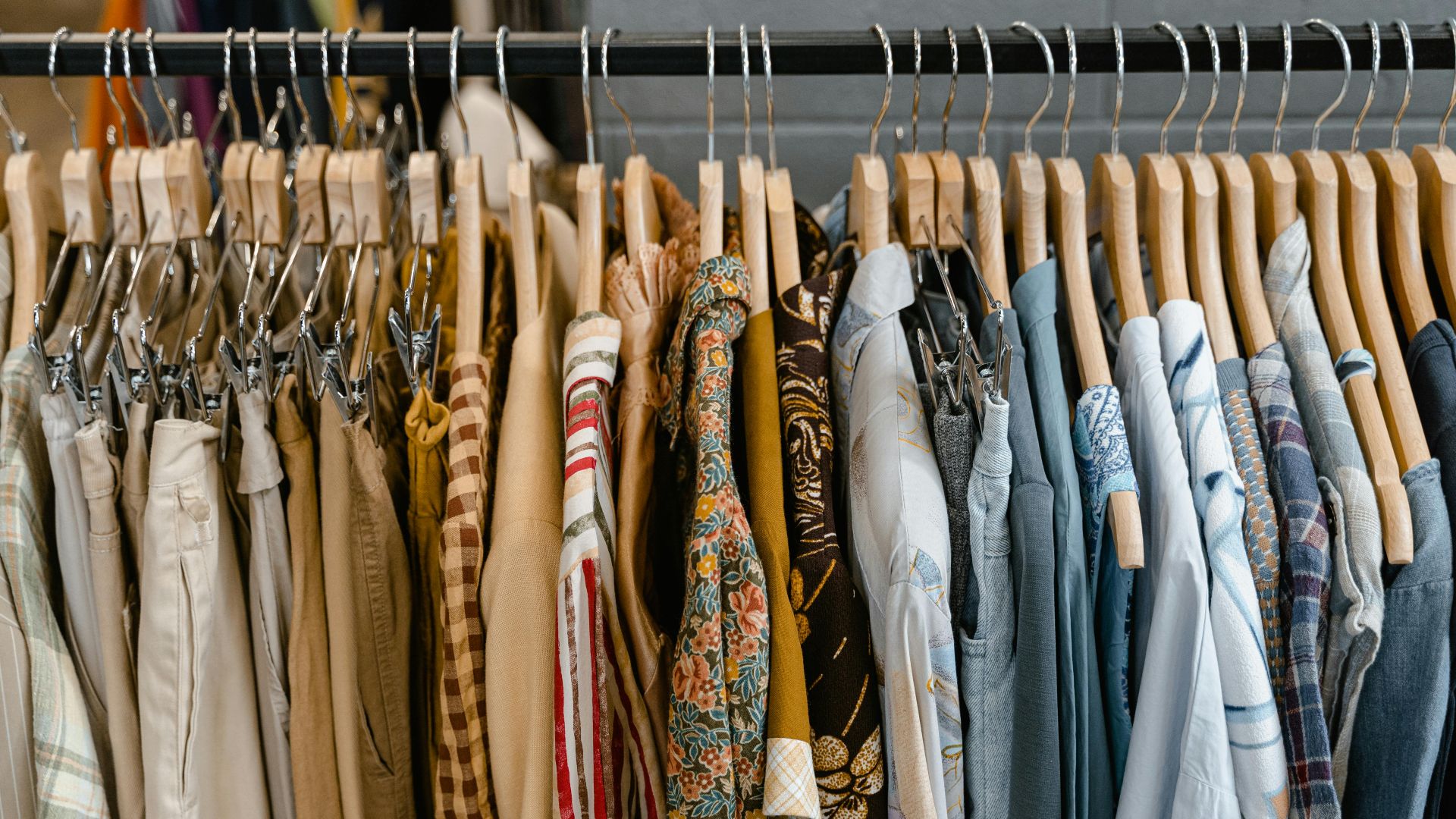
3. Take Bright Photos That Answer Questions Up Front
Good lighting makes your item look honest, and honesty sells. Snap multiple angles and zoom in on tags, labels, and any wear so buyers don’t feel like they’re gambling. When photos do the explaining, your messages and returns usually drop.

4. Describe Condition Like You’re Talking to a Friend
Use your description to set expectations. Mention flaws clearly, list measurements when relevant, and say what’s included so nothing feels ambiguous. Buyers appreciate straight talk, and it helps you avoid annoying back-and-forth later.
5. Fill Out Item Specifics Like You Want to Be Found
Those little fields like size, material, and style aren’t busywork; they’re how buyers filter results. The more specifics you complete, the more chances you have to appear in the right searches. What’s boring for two minutes becomes profitable for weeks!

6. Offer Competitive Shipping
Shipping can make or break a sale, especially when buyers compare similar listings. Choose a shipping option that’s fair, predictable, and clearly stated so nobody feels surprised at checkout. If you can offer free shipping without losing your shirt, it often helps items move faster.
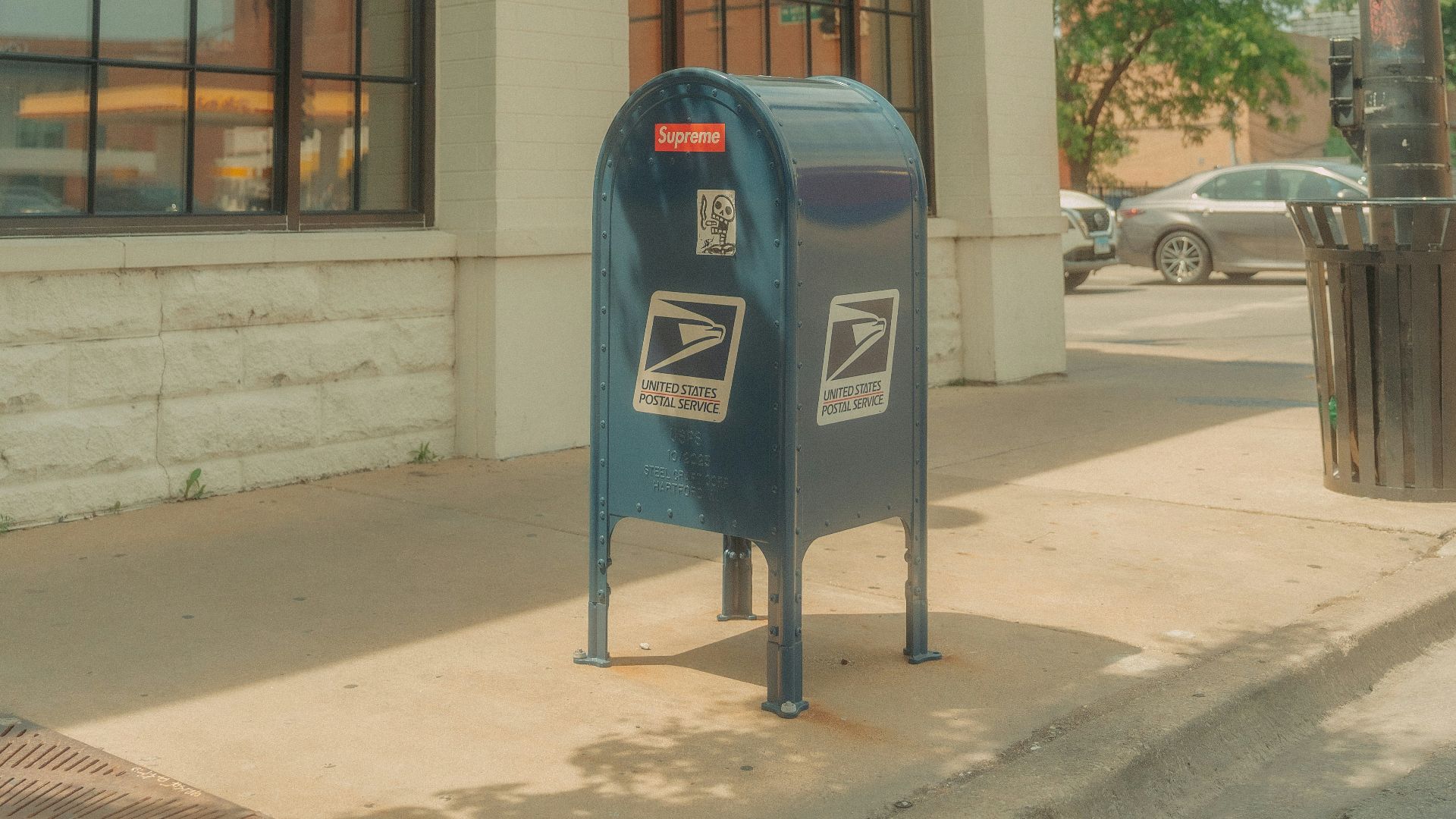
7. Ship Fast and Pack Like You Actually Care
Buyers love seeing movement right after they pay, but it’s not just about how fast you pack—it’s about whether you pack with care. Use sturdy packaging and protective padding so your item arrives in the same shape it left your hands. Fewer damages mean fewer refunds, which is a win for both parties. It doesn’t hurt to toss a thank-you note in there, either!

8. Use Offers and Promotions
Watchers are interested, but many need a little push to stop browsing and start buying. Sending an offer can turn into a sale without you having to slash your price. Even small discounts feel special when they’re personal.

9. Answer Messages Quickly and Politely
A question often means someone’s already halfway to buying, so speed matters. Respond clearly, stay friendly, and don’t take weird questions personally. Buyers can be cautious, so a helpful reply can be the difference between a sale and someone vanishing forever.

10. List Consistently
Regular listing keeps your store active, which can help you stay visible and build momentum over time. It also trains you to get faster at photos, titles, and shipping, so each new listing takes less effort. Even a few listings a week can outperform one huge burst followed by silence.