
Three's a Crowd
There's nothing like hanging out with two of your friends (or maybe even your lovey-dovey parents), only to realize that you're not actually wanted or needed there. One minute you're enjoying a casual outing, and the next you're watching one of them gaze lovingly at the other one while you awkwardly glance off to the side to make it not so obvious you were staring. Whether you got roped into a couple's date unknowingly or you're watching a friendship slowly morph into something else right in front of you, the signs are usually pretty unmistakable once you know what to look for. Here are 10 awkward signs that you've become the odd one out, along with 10 (graceful) ways to make your escape.

1. They Keep Having Conversations You Can't Join
The conversation repeatedly drifts toward shared memories, private jokes, or people you've never met, leaving you with very little to contribute. You might ask a question or try to steer things toward something everyone can discuss, only for the subject to circle right back. When most of the evening consists of listening to stories that require background information you don't have, you're probably third-wheeling.

2. You're Suddenly the Designated Photographer
At some point, one of them hands you a phone and asks if you'll take a picture of the two of them. Then another photo is needed, followed by one from a slightly different angle because, you know, why not. What starts as a quick picture request soon turns into an entire photoshoot that has nothing to do with capturing the group hangout. You become the unofficial photographer, snapping shot after shot of the two of them while your food goes cold. Eventually you start wondering if you were invited for your company or your photo-taking skills...

3. They Suddenly Care a Lot About Where the Other Person Sits
Nobody officially planned the seating arrangement, yet somehow they always end up next to each other. One of them might save a seat, shift over when the other arrives, or choose a spot that makes it easier for them to talk. When you're repeatedly left taking the remaining chair while they naturally pair off, the dynamic is starting to speak for itself.

4. You're Always Walking at the Wrong Pace
You leave the restaurant together, but somehow the two of them naturally end up side by side while you're trailing behind or in front. They may hold hands, lean toward each other, and continue talking without noticing that the group has effectively split into two parties. When you're repeatedly trying to catch up rather than walking with them, the social dynamic isn't exactly balanced.

5. Every Decision Revolves Around What They Want
Where you eat, what movie you see, and when you leave all seem to be decided through a quick discussion between them. Your preferences might be acknowledged, sure, but they rarely affect the final choice. If you've gone from being part of the planning to simply agreeing with whatever they've already chosen, you're functioning more like an extra guest than an equal participant.

6. They Keep Giving Each Other Looks You Don't Understand
Couples (or friends who secretly like each other) often communicate through facial expressions and small gestures that make perfect sense to each other. When those exchanges happen occasionally, there's nothing particularly strange about them. If they spend the whole evening trading knowing looks, laughing without explaining why, and carrying on an unspoken conversation you can't follow, however, you're clearly outside part of the interaction.

7. You Spend More Time on Your Phone Than Talking
Reaching for your phone becomes increasingly tempting when there's nowhere natural for you to enter the conversation. You start checking messages you've already read, browsing apps without much interest, or responding to notifications immediately just to have something to do. When your screen becomes your main source of entertainment during a social outing, the company probably isn't including you very well.
 https://kaboompics.com/ on Pexels
8. You're the Only One Noticing Their Prolonged Eye Contact
They keep looking at each other when someone tells a joke, when something awkward happens, or when nobody has said anything particularly important at all. The eye contact lasts just a little longer than you'd expect between two people who supposedly have no interest in each other. After a while, you may start wondering whether they realize how obvious they're being.

9. You Start Feeling Like They'd Rather Be Alone
Nothing openly romantic may have happened, but the atmosphere has shifted enough that you can tell your presence is affecting how they interact. They seem to have more to say to each other, keep gravitating toward one another, and might even become slightly restrained whenever you rejoin the conversation. When you catch yourself thinking that they'd probably have a very different evening if you left, there's a good chance you've become the accidental third wheel.
 Priscilla Du Preez 🇨🇦 on Unsplash
10. You Wonder Why They Even Invited You
By the end of the outing, you can't identify much that would have changed if you hadn't been there. The couple has mostly talked to each other, made decisions together, and spent the evening focused on their own interaction. Once you're mentally reviewing the invitation and trying to determine what role you were supposed to play, the answer is usually pretty clear.
At some point, you probably realize you've had enough and want to get the heck out of there before your friends start doing the devil's tango in front of you. But how, you ask? Don't worry, here are 10 graceful ways you can make your exit...

1. Blame an Early Morning Commitment
Claiming you have somewhere to be bright and early the next day works because it's believable and doesn't require much explanation. Nobody questions a friend who mentions a work meeting or an early workout class, and it gives you a clean, guilt-free reason to head home. This excuse works especially well if you use it toward the tail end of the outing when energy is naturally starting to wind down anyway.
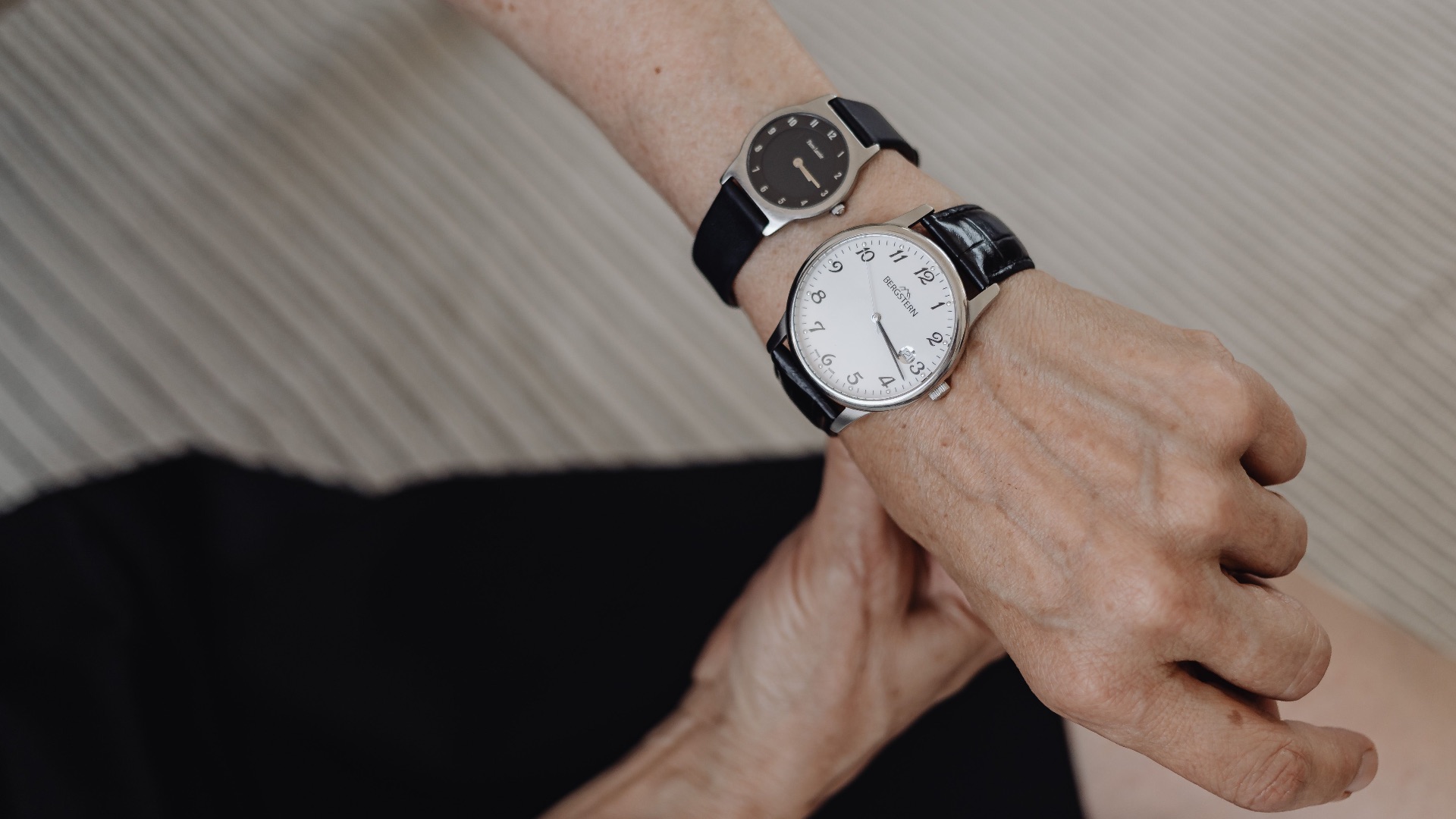 https://kaboompics.com/ on Pexels
2. Suddenly Remember an Errand You Forgot
Pretending you just remembered something urgent, like picking up a package before a store closes, gives you a legitimate reason to dash off. This works particularly well if you deliver it with a bit of urgency, since it discourages anyone from suggesting they tag along. Just make sure your errand sounds specific enough to be believable rather than vague enough to raise suspicion.

3. Offer to Grab the Check and Leave Right After
Stepping up to pay for your portion of the bill gives you a natural transition point to wrap things up. Once the check is settled, it becomes much easier to stand up and say your goodbyes without lingering awkwardly at the table. This approach also leaves a good impression, since nobody minds a friend who's generous with the bill.

4. Fake a Phone Call and Step Outside
Excusing yourself to take a call gives you a believable reason to step away, and you can use those few minutes outside to plan your actual departure. When you come back in, you can simply explain that something came up and you need to head out. This trick works especially well in loud restaurants or bars where nobody can verify whether your phone actually rang.

5. Mention You're Not Feeling Well
A simple headache or upset stomach excuse rarely gets questioned, especially if you play it cool rather than overly dramatic. People tend to respect health-related exits without pushing back or asking too many follow-up questions. Just be careful not to overuse this one too often, or your friends might start worrying about you unnecessarily.

6. Suggest You All Head Out Together
Sometimes the easiest escape is proposing that everyone wraps up the night at the same time rather than singling yourself out. You can mention that it's getting late or that you're all probably ready to head home anyway, which takes the pressure off making a solo exit. This approach also avoids any awkwardness, since nobody feels like they're being abandoned mid-date.

7. Use a Roommate or Pet as Your Excuse
Claiming that your roommate needs help with something or that your dog has been alone too long works as a foolproof exit strategy. These excuses tap into responsibilities that most people understand and rarely question further. Plus, nobody wants to be the reason your poor dog is stuck waiting by the door.

8. Let Them Know in Advance You Have a Hard Stop
Rather than scrambling for an excuse later, you can mention at the start of the outing that you can only stay for a certain amount of time. This sets clear expectations from the get-go and makes your departure feel planned rather than sudden. It also gives you the flexibility to leave whenever you feel like the timing is right without needing to explain yourself further.

9. Text Yourself a Fake Emergency
Sending yourself a message that pops up during dinner gives you a visual prop to reference when explaining why you need to leave. You can glance down at your phone, sigh, and mention that something's come up that requires your immediate attention. This method works well because it feels spontaneous rather than pre-planned, even though you orchestrated the whole thing yourself.

10. Just Be Honest About Needing Some Alone Time
Sometimes the simplest approach works best, and telling your friend that you're feeling a little tired and want to head home early is completely acceptable. Most people appreciate honesty over elaborate excuses, and your friend will likely understand without taking any offense. Being upfront also means you won't have to keep track of a fake excuse or worry about it unraveling later on.