A Difference In Priorities
There's a moment in every late-in-life relationship where something comes up. Maybe it's an ex who still texts about the kids. Maybe it's a house someone refuses to sell. Maybe it's a Sunday afternoon spent driving a parent to a doctor's appointment instead of going on a second date. To a 25-year-old, that might look like a red flag waving furiously in the wind. To someone who's been around the block a few times, it's just... life. The stuff that happens when you've actually lived long enough to accumulate a past. Dating doesn’t get easier with age, especially if you and your new partner aren’t in the same stage of life. Here are 20 things that younger folks will read as baggage, but are just a regular part of life to someone with a few more years under their belt.
1. A Previous Marriage
In a dating pool where plenty of people have never walked down the aisle, a divorce can feel like a loaded piece of history. Was it messy? Are there leftover feelings? What does it mean for you? Later in life, having an ex-spouse is more common than not.

2. Kids From Another Relationship
Dating a parent means dating a schedule too: school runs, custody swaps, holidays split down the middle, and a co-parent who's still in the picture. If you've never navigated that, it can feel overwhelming.

3. An Ex Who's Still Around
Exes don't vanish the way movies suggest, especially once children enter the picture. Phone calls about school pickups, appearances at graduations, and shared holiday plans can keep two former partners in each other's orbit for years. Blended families often mean stepkids, former in-laws, and all sorts of connections that outlast the marriage itself.

4. A Late Spouse
Losing a partner isn't the same as breaking up with one. Someone who's been widowed might still hold on to parts of their life before their partner passed. None of that means they're not ready for you. Grief just isn’t linear.
5. A Complicated Family Tree
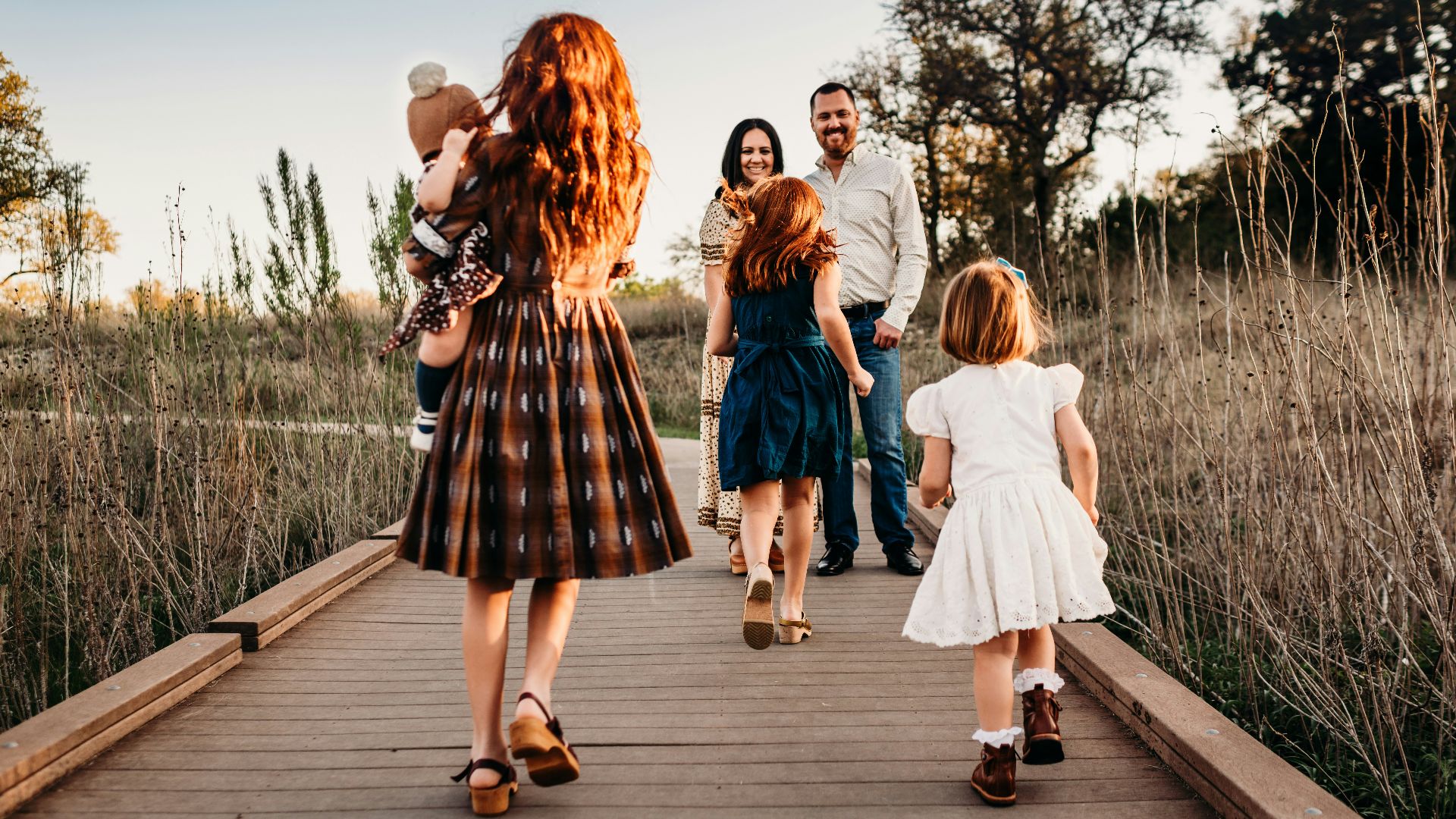
After a few decades of divorce, remarriage, and blended households, family trees start looking more like family forests. Someone might have adult children, stepkids, former in-laws, and grandchildren who are all still very much part of the picture. Holiday planning might require a spreadsheet.
6. Caregiving Responsibilities
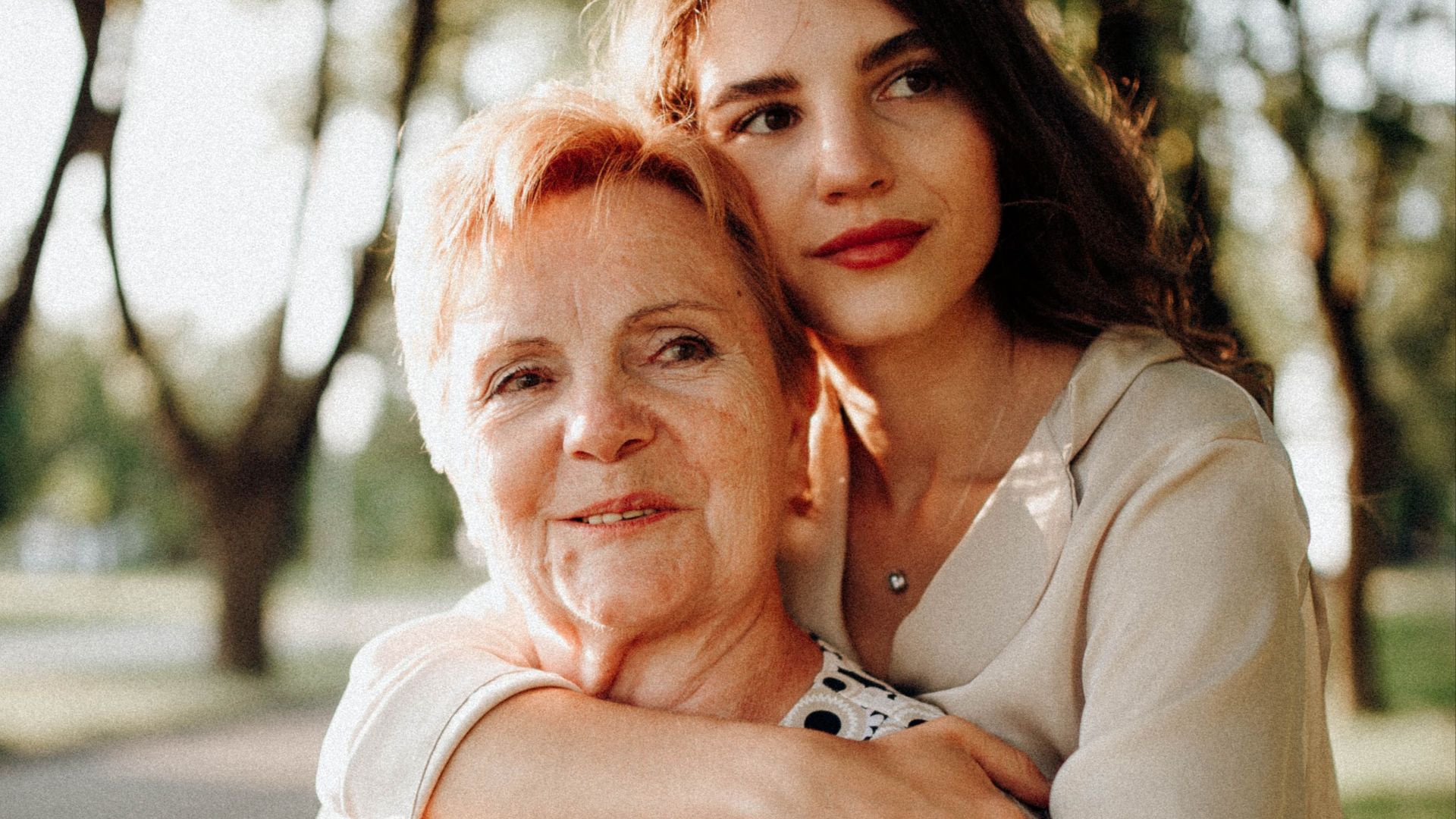
Plenty of adults spend part of their week caring for a parent, sibling, or close friend. That can mean a canceled dinner because Mom needed a ride to the ER, or a weekend that gets rearranged without warning. It's not the most spontaneous version of dating, but someone who's already been a caregiver themselves usually understands, instinctively, that family sometimes has to come first.
7. Ongoing Health Issues
The body starts sending more memos as the years go by. Medications, specialist appointments, food restrictions, and chronic conditions can become part of someone's everyday life. None of that has to define the relationship.

8. A Home They Don't Want to Leave
Getting serious about someone doesn't automatically mean moving in together. Someone might have spent years turning a house into a real home, settling into a neighborhood, and building a routine they genuinely love. Wanting your own space isn't a lack of commitment.

9. Financial History
Money gets more layered with age, simply because there's more of it to account for: home equity, retirement accounts, debt, or financial obligations tied to a late spouse. It also means older daters tend to be less forgiving of major red flags around money.

10. A Life That's Hard to Rearrange
Packing up and moving in with someone is harder once you've spent 20 years building a life somewhere. Doctors you trust, friends who feel like family, grandkids nearby, a neighborhood that knows your name: all of that is on the line if you relocate. Someone who hesitates to uproot everything isn't trying to be difficult.
 https://kaboompics.com/ on Pexels
1. Clearer Financial Dealbreakers
Years of managing money tend to make financial conversations feel less optional. An older dater might want to know how someone handles debt and spending well before things get serious. That kind of bluntness can feel unromantic, but it's necessary.
 micheile henderson on Unsplash
2. Stronger Personal Boundaries
Life has a way of teaching you exactly what you can live with and what you absolutely cannot. Over time, people tend to get firmer about communication, money, how much family involvement feels comfortable, and how they expect to be treated in an argument.

3. Less Pressure to Pair Up
Younger daters often feel a not-so-subtle push from family and friends to lock things down: get engaged, get married, hit the milestones on schedule. That pressure tends to fade with age. Older singles are often more comfortable walking away from a relationship that isn't working, precisely because staying single doesn't feel like falling behind anymore.
4. Commitment Without One Address
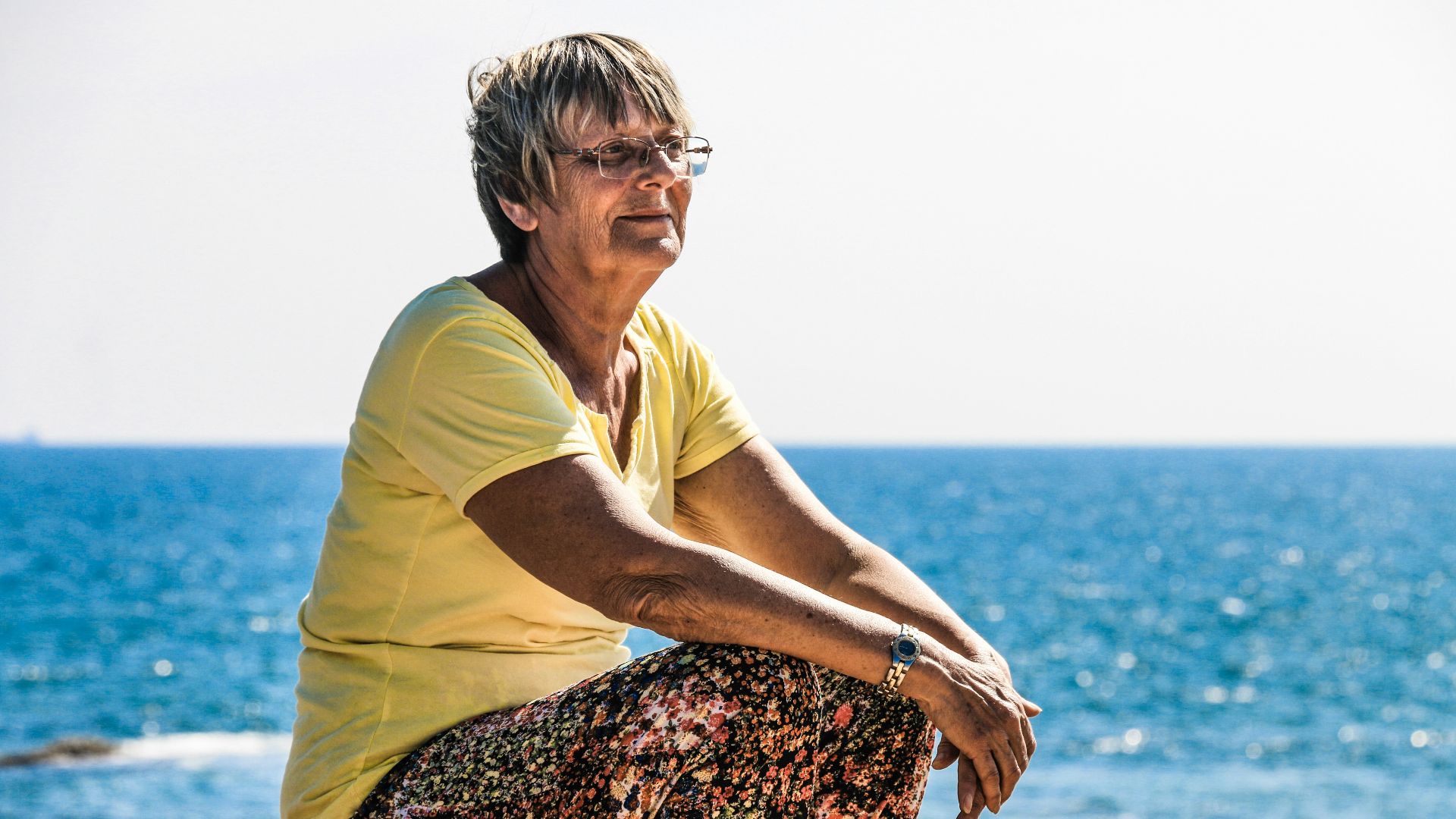
Some of the most solid couples never combine households at all. They spend time together while keeping their own kitchens, closets, and daily rhythms intact. After running your own home for decades, merging everything into one isn't automatically the goal.
5. More Selective Social Lives
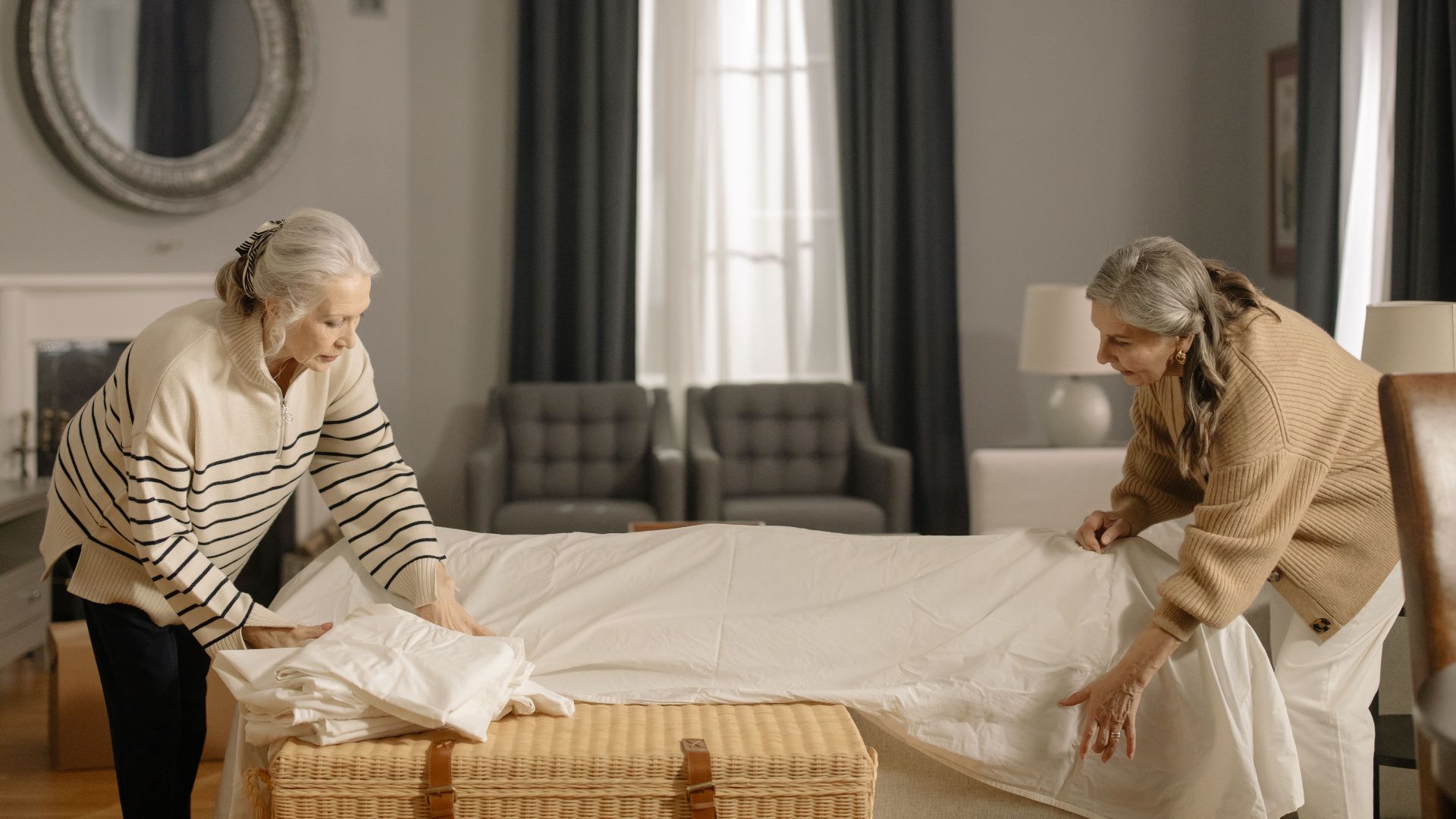
People tend to get pickier about where their time and energy go as they age, which includes who they spend time with. That same instinct often shows up in dating too, where chasing lots of options starts to matter less.

6. Lessons From Past Relationships
Having a dating history doesn't automatically make someone wise. Plenty of people repeat the same mistakes for years without noticing. Still, divorce, long relationships, and starting over all offer chances to spot your own patterns.

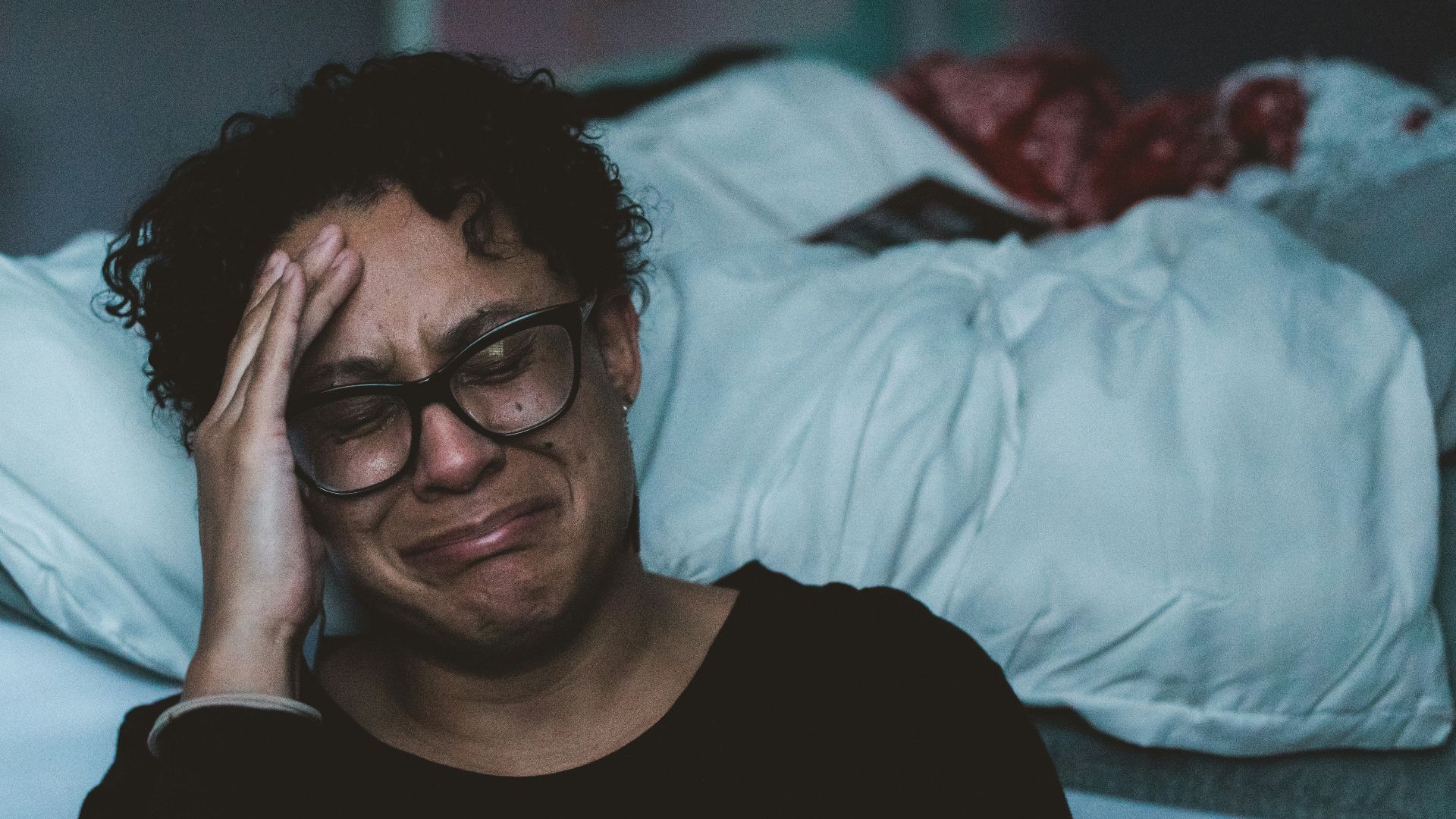
7. Grief
Losing someone you love reshapes routines, relationships, and how you think about the future. Someone might still have hard days and hold onto memories of a person they lost while fully continuing to live their own life. People can heal, reconnect, and fall in love again without ever forgetting what came before.
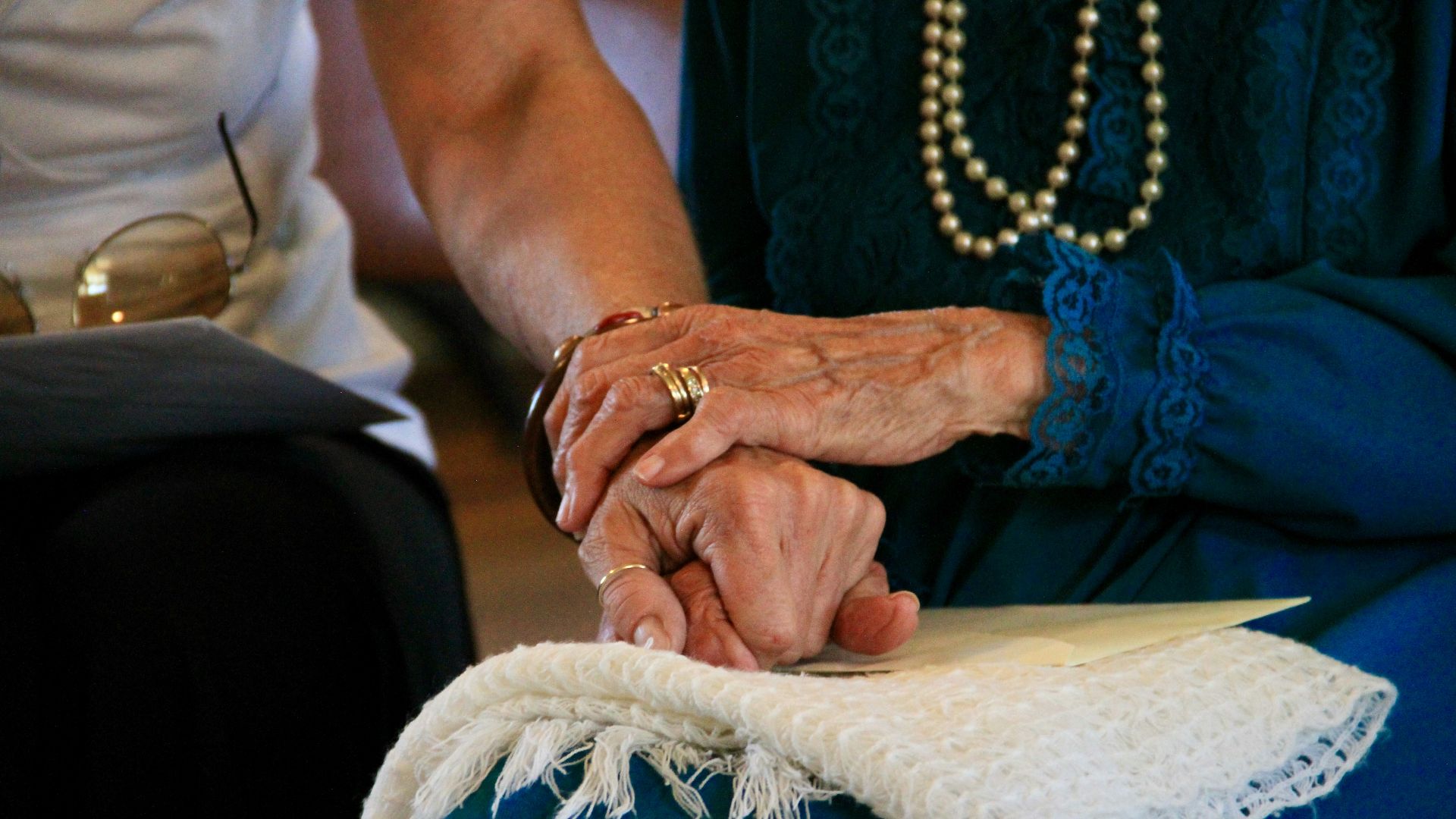
8. A Realistic View of Caregiving
Long relationships eventually run into illness, recovery, or stretches where one partner needs more support than the other. Older daters have often already lived this, so the topic doesn't feel taboo or terrifying to them. That experience tends to make conversations about caregiving feel practical, and helps both people be honest about what they can realistically offer.
9. A Life That Already Works
Not every older single is looking for someone to merge homes, finances, friend groups, and free time with. Many already have solid friendships, favorite routines, hobbies, and a home they genuinely enjoy living in alone. Dating, moving in together, marriage, or keeping separate addresses can all still leave plenty of room for real intimacy.
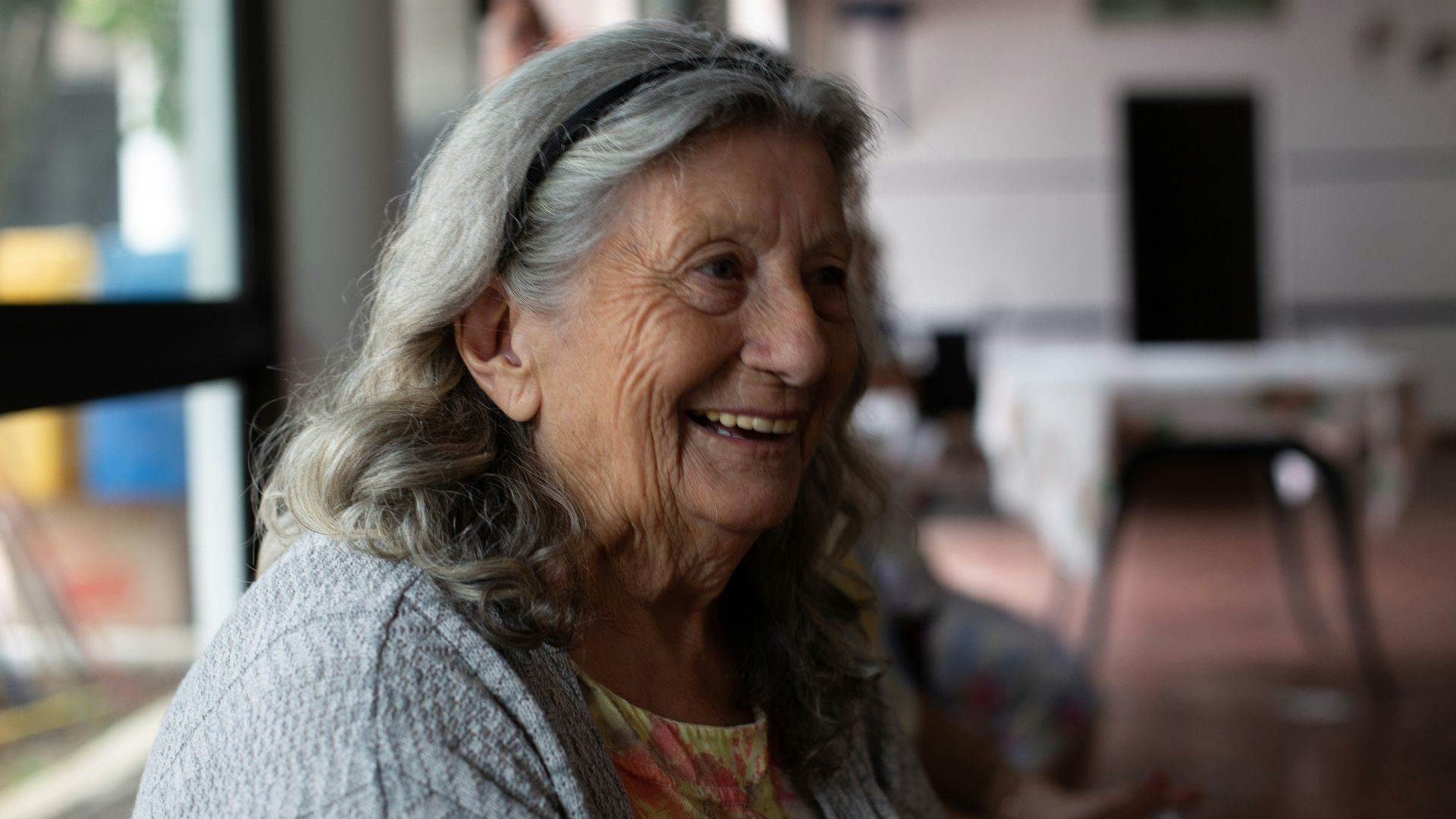
10. A Higher Bar for Who Gets In
The older people get, the choosier they tend to become about who earns their time and energy. Relationships that feel draining, uncertain, or unlikely to go anywhere start to lose their appeal. A younger daughter might read that as pickiness. But after years of relationships and the life changes that come with them, knowing exactly which connections are worth making room for isn't optional.