
Use Discipline Without Creating Distance
Discipline is most effective when it helps children understand expectations, practice better choices, and feel secure around you. Kids need limits, consequences, and correction, but those tools don’t have to be based on fear, humiliation, or anger. The goal is to guide behavior while preserving communication and emotional safety, which makes understanding 10 ways to discipline kids without damaging trust and 10 mistakes that can especially important.

1. Set Clear Rules
Children are more likely to follow expectations when they understand the rules before something goes wrong. Outline household rules that are simple, specific, and appropriate for your child’s age from the start instead of introducing standards during an argument. Clear expectations also make consequences feel less arbitrary because your child already knows what behavior is acceptable.

2. Use Logical Consequences
A consequence works best when it connects directly to the behavior that caused the problem. If a child deliberately misuses a toy, temporarily putting that toy away is easier to understand than removing an unrelated privilege. This keeps discipline focused on choices instead of making your authority feel unpredictable.

3. Always Follow Through Consistently
Delivering a consequence one day and ignoring the same behavior the next can make boundaries confusing. You don’t need to respond perfectly every time, but predictable follow-through helps children understand that rules have meaning. Consistency also reduces the temptation to make threats you won't enforce.

4. Praise Good Behavior
Correction matters, but children also benefit from hearing exactly what they’re doing well. Praise, such as noticing that they put something away without being asked, makes the desired behavior clear. Positive attention can reinforce cooperation while preventing discipline from becoming the main way your child gets attention.
5. Use a Calm and Firm Voice
You can be serious without shouting. A calm tone makes it easier for your child to hear the instruction instead of becoming focused on your anger. If you’re too frustrated to respond constructively, taking a brief moment to steady yourself can keep the situation from becoming more heated.

6. Present Limited Choices
Giving children two acceptable options can encourage cooperation without handing over control of the rule. You might ask whether they want to brush their teeth before or after putting on pajamas, while still requiring both tasks. Choices can support independence and reduce unnecessary power struggles.

7. Redirect Younger Children
Toddlers and preschoolers often respond better to redirection than to a long explanation about why a behavior is unacceptable. Moving them toward a safe activity can stop the problem while showing them what they can do instead.

8. Use Short and Appropriate Time-Outs
A short time-out can help some young children when it’s predictable, calm, and tied to a clear rule. It shouldn’t become prolonged isolation or an angry banishment from the family. Used appropriately, it creates a simple pause from reinforcement while keeping the consequence limited and understandable.
9. Talk Once Everyone Is Calm
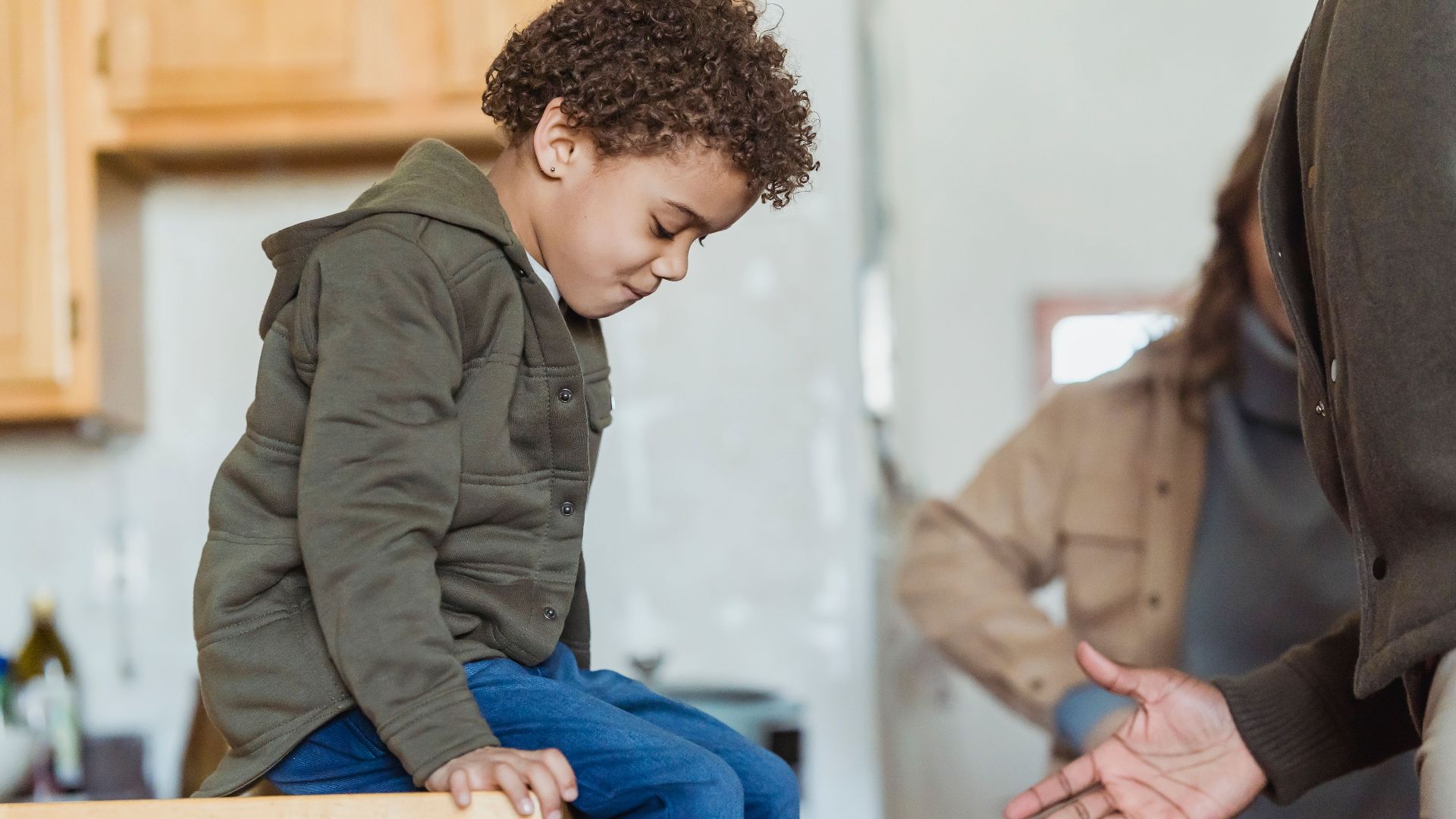
The best teaching often happens after the immediate conflict has passed. Once emotions settle, briefly discuss what happened, why the rule is important, and what your child can do differently next time. This gives them a chance to learn without turning the conversation into another round of punishment.

10. Repair the Relationship Once Conflict is Diffused
Parents lose patience sometimes, and acknowledging your own mistakes can strengthen rather than weaken your authority. If you yelled or reacted unfairly, apologize specifically while keeping the original boundary intact.

1. Spanking or Hitting
Physical punishment may stop behavior in the moment, but pediatric guidance advises against it because it doesn’t teach lasting self-control. Research has also linked corporal punishment with increased aggression and more negative outcomes. Discipline is more useful when it conveys to children what to do differently instead of relying on pain.

2. Yelling as a Default
It's human to be occasionally frustrated, but frequent yelling can make children focus on avoiding your anger instead of understanding the lesson. Harsh verbal discipline can also make communication feel less safe.
3. Humiliation
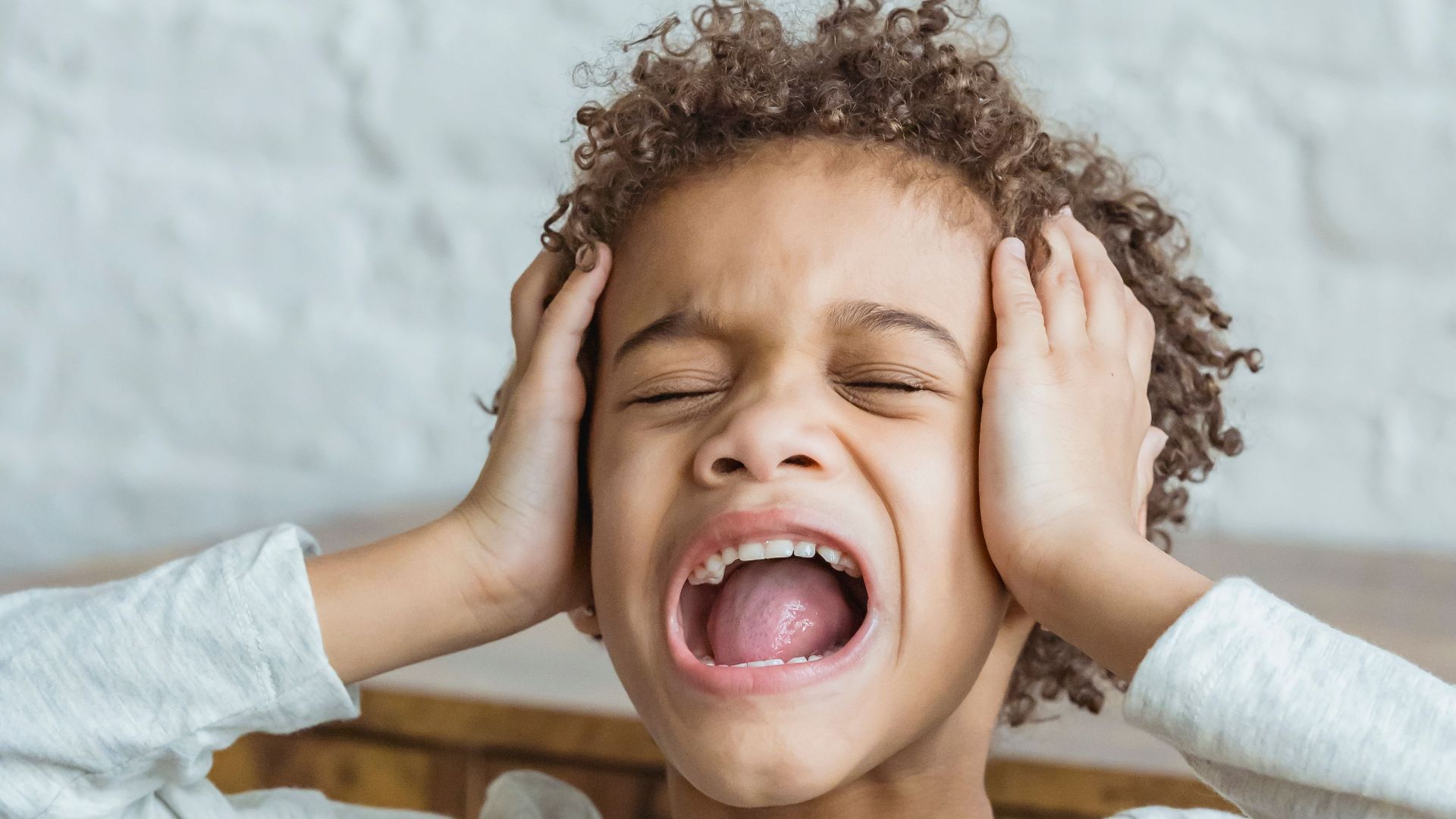
Embarrassing a child in front of siblings, friends, or other adults may produce compliance, but it can also damage dignity and openness. Discipline should address the behavior rather than turn the child into the problem.

4. Relying on Insults or Negative Labels
Calling a child lazy, selfish, bad, or difficult turns one behavior into a judgment about who they are. That language doesn’t explain what needs to change and can make criticism feel personal instead of instructive. A better approach is to describe the action, then state the expectation you want followed.
 Georgina Vigliecca on Unsplash
5. Making Threats Without Follow-Through
Threats can appear effective during a tense moment, but they lose credibility when everyone knows they won’t happen. Choose reasonable consequences you can enforce, then follow through without warnings.

6. Punishing Accidents Like Deliberate Misbehavior
Spilled milk, homework not completed, and intentional rule-breaking aren’t automatically the same thing. Before assigning a consequence, consider your child’s age, intent, skills, and whether the behavior was within their control.
7. Changing the Rules Based on Your Mood
A rule that matters only when you’re tired, stressed, or annoyed is difficult for children to understand. Stable expectations give children a clear standard and reduce arguments about what counts today.

8. Withholding Affection
Children need to know that a consequence doesn’t cancel the relationship. Refusing affection, ignoring a child for extended periods, or suggesting that love depends on good behavior can create unnecessary insecurity.

9. Comparing Siblings Against Each Other
Telling one child that a sibling is better behaved may seem motivating, but comparisons can create resentment without teaching a specific skill. Each child should understand the rule based on their own behavior.

10. Refusing to Listen
Listening doesn’t mean removing every consequence or accepting an excuse. It shows your child that they can explain what happened without being automatically dismissed, which can help you respond more fairly.