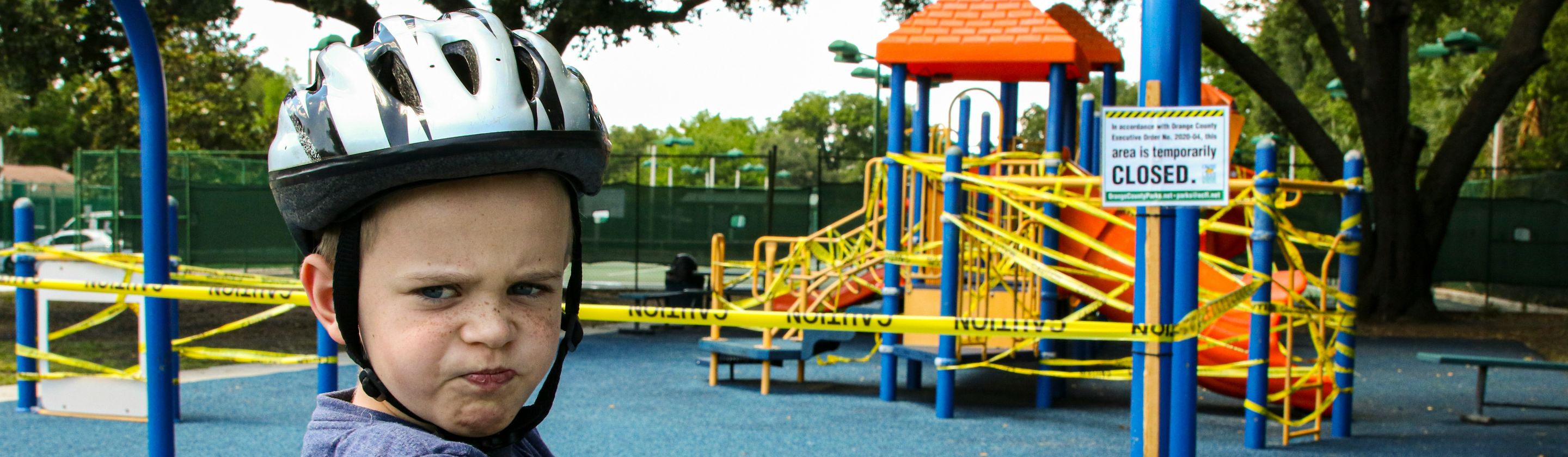

Modern parenting treats punishment like it's borderline abusive. We’re told that timeouts and lost privileges are traumatic, and that prior to dishing out consequences, we should explain our reasoning to children as if they're tiny philosophers waiting to be persuaded by logic.
Meanwhile, parents everywhere are watching their kids ignore every gentle redirection while the neighbor's kid who gets grounded actually stops hitting his sister. There's a disconnect between what the experts recommend and what actually changes behavior when you need it to change today, not after six months of therapy.
Incentives Shape Behavior Faster Than Understanding
Behavioral psychology has known for decades that consequences reliably work to stop bad behavior. B.F. Skinner demonstrated this with rats and pigeons back in the 1930s, and human beings aren't actually that different when it comes to basic operant conditioning.
Kids don't need to understand why hitting is wrong to stop hitting. They need to know that hitting results in something they want to avoid. You can spend twenty minutes explaining empathy and perspective-taking to a five-year-old who just punched his classmate, or you can take away screen time for the day.
This doesn't mean explanation is worthless. Eventually, we want kids to internalize values and develop moral reasoning. That process takes years, though. The research on immediate consequences versus delayed reasoning consistently shows that temporal proximity matters enormously for behavior change.
Positive Reinforcement Alone Creates Entitlement

The contemporary parenting culture loves positive reinforcement. This largely entails rewarding good behavior and ignoring the bad stuff whenever possible. This sounds great until you're living with a seven-year-old who expects praise and prizes for basic tasks like brushing their teeth or not screaming in restaurants.
Psychologist Roy Baumeister's research on self-esteem found that constant positive feedback without earned achievement actually correlates with narcissistic tendencies and poor resilience. Kids who grow up getting rewarded for everything develop unrealistic expectations about how the world works. Your employer doesn't give you a gold star for showing up on time. They might fire you for chronic lateness, though. Learning that dynamic early seems useful.
Natural Consequences Are Often Too Distant or Severe
Parenting experts love natural consequences. Let your child forget their lunch and experience hunger. Don't nag about homework and let them face the teacher's disappointment. The theory is that reality itself teaches better than any imposed punishment could.
Sometimes natural consequences are perfect; however, sometimes they're wildly inappropriate. The natural consequence of running into traffic is getting hit by a car. The natural consequence of not studying might be failing out of school and limiting your future opportunities. We don't let these things play out because the stakes are either catastrophic or so delayed as to be useless as life lessons.
Imposed consequences bridge that gap. Taking away dessert tonight because they refused to eat vegetables creates an immediate connection between choice and outcome that a child can actually process.
Consistency Matters More Than Method

The research on discipline effectiveness consistently points to one factor mattering more than any other: consistency. It doesn't matter whether you use time-outs, loss of privileges, or extra chores. What matters is that the consequence happens every time the behavior happens, and it happens predictably.
Inconsistent positive-only approaches fail for the same reason inconsistent punishment fails. If sometimes hitting gets ignored or receives a gentle talk, your child learns nothing except that rules are arbitrary. They'll keep testing to see which version of you shows up today.
The Alternative Often Looks Like Permissiveness
Walk into any restaurant and you can spot the families practicing gentle parenting versus those using old-school discipline. The gentle parenting table has the kid standing on the booth and screaming while the parents explain in strained calm voices why we use inside voices at restaurants. The other table has kids sitting relatively still because they know acting up means leaving immediately or losing something they care about.
The fear of traumatizing our children through punishment has made some parents allergic to any form of discipline that causes discomfort. The reality is we can't shield kids from negative feelings forever without leaving them completely unprepared for a world that absolutely will impose harsher consequences than anything a parent would choose.