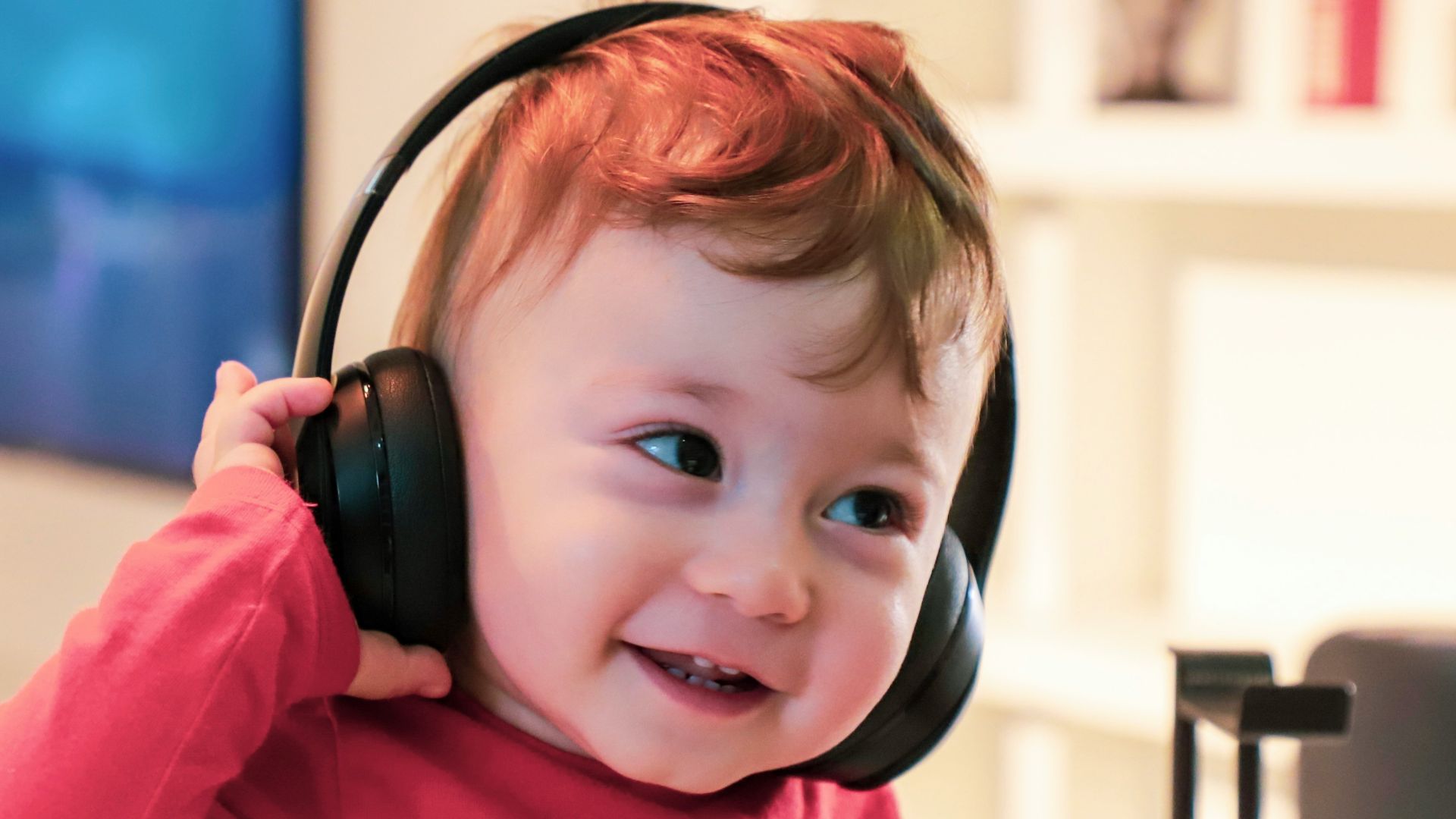
It's a myth often repeated that if you want your listening to classical music will make your child smarter. The sooner you do it, the better—allegedly. This led to a mid-90s craze of expectant mothers rushing out to be Eine Kleine Nachtmusik on CD as soon as their babies started kicking.
This theory even had a name to lend it an air of reputability: the Mozart Effect. After all, Mozart was one of the most famous child prodigies of all time, performing for royalty at the tender age of 5. Mozart would go on to compose more than 800 pieces during his short life.
The Mozart Effect
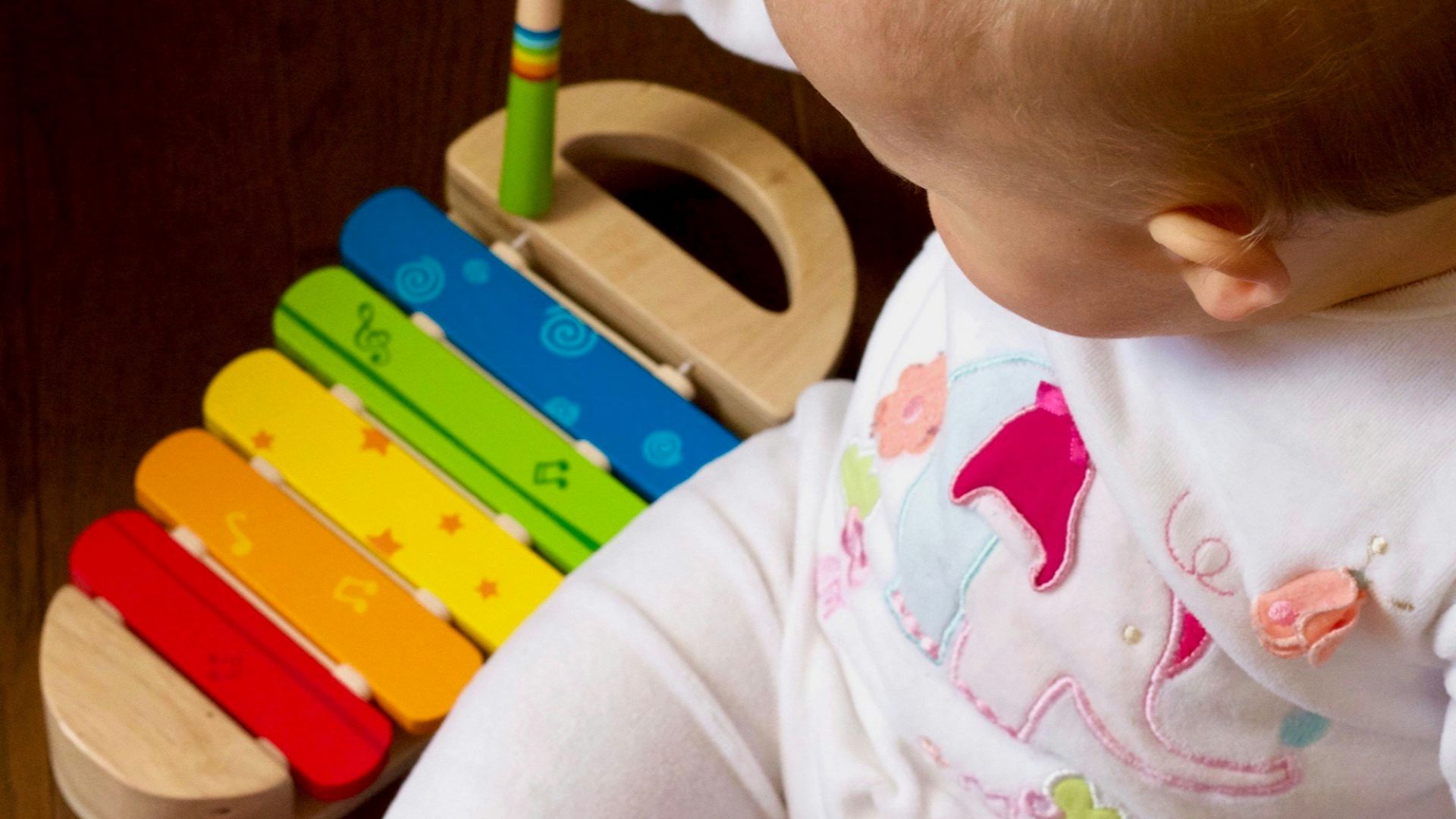 Jelleke Vanooteghem on Unsplash
It would make sense, then, that playing Mozart's music would stimulate function when a child's brain is at its most malleable. Introducing your baby to Mozart as early as possible was believed to not only get those creative juices flowing, but also boost IQ, and increase overall intelligence. Unfortunately, this theory didn't have any evidence to back it up.
The Mozart Effect was based on a 1993 study which investigated spatial reasoning rather than general intelligence. College were given simple tasks such as mazes or origami after experiencing one of three listening conditions: silence, verbal instructions, or Mozart, The study showed that participants who listened to Mozart saw a temporary improvement on their performance, but no lasting impact.
The initial study never claimed to be anything it wasn't. Once the results were released, the public widely misinterpreted them as indicating that listening to Mozart increased your IQ. Several popular science and quack psychology books spiraled out of this misunderstanding
The Mozart Effect Debunked

Soon, it wasn't just Mozart that would make you smarter, but all classical music (though Mozart was still preferred). And, it wasn't only your spatial awareness that would be impacted, but your whole brain. Theories even posited that classical music could treat ADHD, dyslexia, and autism.
In response to this research, the governor of Georgia proposed a $105,000 annual budget to provide every newborn with classical music. Though, the governor also thought that Mozart composed "Ode to Joy"....Maybe he should have listened to some Mozart as a kid.
While the Mozart Effect has been thoroughly debunked, there are a few reasons why you should consider classical music for your child. It may not raise their IQ, but, then again, IQ tests have been debunked as well.
Benefits Of Classical Music

Depending on what you play, classical music can soothe and calm your baby. Classical music can just as easily upset and agitate your baby. Grieg's "Morning Mood" may help a child sleep, but Shostakovich's 10 Symphony is likely to upset them.
Just like the original study showed, classical music can temporarily stimulate creative energy and spatial intelligence. Calming pieces can help develop memory and concentration, while complex pieces can help them understand patterns and develop their senses. It all depends on what pieces you choose.
Waltzes and other dances can also help your child develop motor skills as they take their first steps. However, it isn't just classical music that can aid in infant development. Listening to any music can help their brain develop.
There's one last benefit of classical music that may seem inconsequential when compared to the rest. By introducing your child to classical music at a young age, you may be inspiring a lifelong appreciation of it. Who knows, maybe your child will grow up to become the next Mozart!