Curiosity is a natural part of childhood, and it plays a major role in how kids learn, think, and grow. Research shows that curious children are more engaged, retain information better, and often perform more strongly in school over time. At the same time, curiosity doesn’t develop well under pressure, especially when it feels forced or overly structured. When it’s nurtured properly, it becomes a long-term advantage rather than a short-term trait.
As a parent, your role isn’t to create curiosity from scratch, but to protect and guide what’s already there. That means giving your child space to explore while still offering support when they need it. Finding that balance can feel tricky, but it’s entirely possible with the right approach.
Let Their Questions Lead the Way
When your child asks questions, it’s easy to jump in with answers right away. However, research suggests that curiosity grows stronger when kids are encouraged to think through their own ideas first. Asking open-ended questions like “What do you think?” helps them develop critical thinking rather than just memorizing facts. This approach also helps them feel more involved in the learning process.
You don’t need to have all the answers, and that’s actually a good thing. When you admit uncertainty and explore the answer together, you’re modeling curiosity in a real and honest way. This shows your child that learning is an ongoing process, not something that stops once you grow up.
It’s also important to create an environment where questions are welcomed, not rushed or dismissed. Children are naturally inclined to ask “why” and “how,” and that habit is tied to deeper understanding. Supporting those questions helps build confidence and encourages them to keep exploring new ideas.
At the same time, try not to overwhelm them with too much information all at once. Giving just enough guidance allows them to stay engaged without feeling overloaded. When curiosity feels manageable, kids are more likely to stay interested and motivated.
Create Space for Exploration Without Control
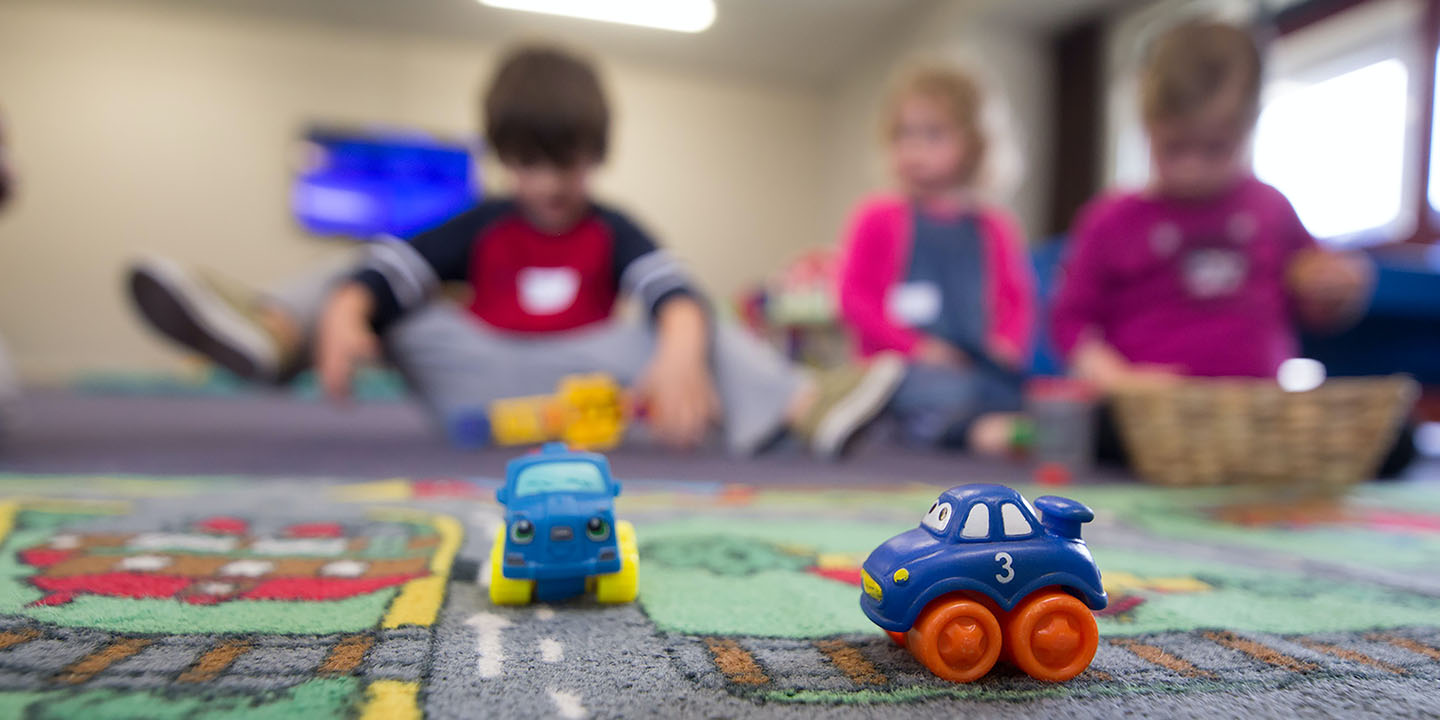
Curiosity thrives when children have the freedom to explore their environment in their own way. That doesn’t mean a lack of structure, but rather a balance between guidance and independence. Unstructured play, for example, gives kids the chance to experiment, imagine, and discover without constant direction. It also allows them to develop problem-solving skills at their own pace.
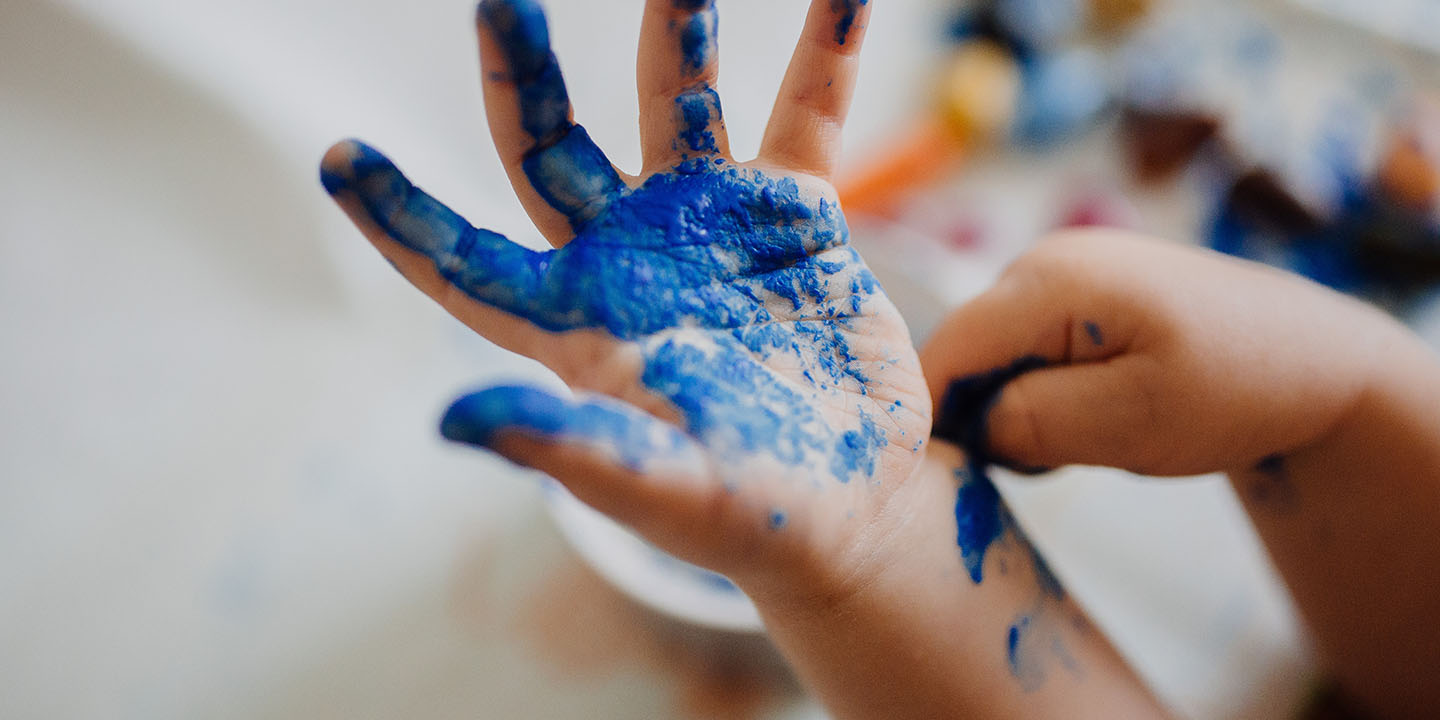
Providing access to a variety of materials like books, art supplies, or simple science tools can make a big difference. These resources don’t need to be expensive or complex to be effective. What matters most is that they invite creativity and allow your child to follow their interests. Even everyday household items can become tools for exploration.
It’s also helpful to connect learning to everyday experiences. Simple activities like cooking, walking outside, or observing nature can spark meaningful questions. When children see how things work in real life, their curiosity becomes more relevant and engaging. These moments often lead to a deeper understanding than structured lessons alone. Real-world connections help reinforce what they’re learning. They also make curiosity feel practical rather than abstract.
At the same time, avoid the urge to direct every activity or outcome. Too much control can make learning feel like a task rather than a discovery. Giving your child ownership over their exploration helps build independence and a genuine desire to learn.
Encourage Effort Without Overloading Expectations
It’s natural to want your child to succeed, but pushing too hard can actually reduce curiosity. When kids feel pressured to perform or get things right, they may become more focused on outcomes rather than exploration. This can limit their willingness to take risks or try new things. Over time, that pressure can make learning feel like an obligation rather than an opportunity. It may also discourage them from asking questions altogether. Creating a low-pressure environment helps keep curiosity alive.
Instead, focus on effort and interest rather than results. Encouraging your child to keep trying, even when something feels challenging, helps build resilience and confidence. This kind of support promotes a growth mindset, where learning is seen as a process rather than a fixed outcome.
You can also support curiosity by exposing your child to a variety of experiences and then observing what captures their attention. Research suggests that children develop stronger motivation when they pursue activities they genuinely enjoy. This approach allows curiosity to grow naturally rather than being forced.
Curiosity doesn’t need to be pushed to grow. It just needs the right environment to thrive. When you listen, give space, and support your child’s natural interests, you’re helping them build skills that last far beyond childhood. These habits can shape how they approach learning for the rest of their lives.