
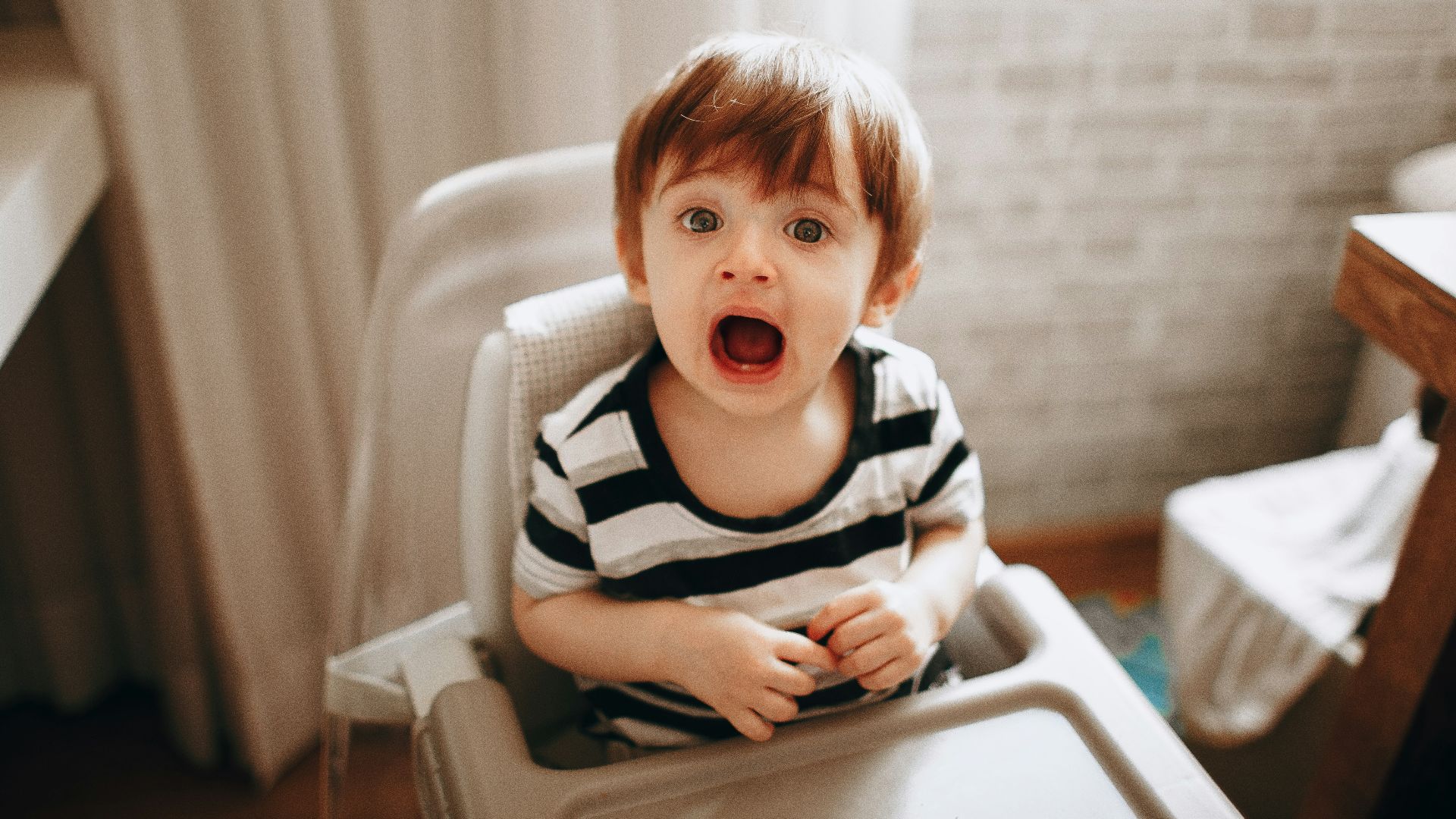
Every child has tantrums, especially when they’re toddlers or very young and learning how to express their feelings. Tantrums are often triggered by frustration, hunger, tiredness, or a feeling of being misunderstood, and can be exhausting for parents. That said, they are not always a sign of a behavioral issue or bad parenting.
Understanding that most tantrums are merely a form of communication from someone who hasn’t developed these skills yet can help demystify the experience. In fact, it’s the first step to handling them calmly and successfully.
Let’s explore some effective tactics to handle your child’s tantrums in a way that will reduce your stress and frustrations.
Stay Calm and Grounded
When your child is in the middle of a tantrum, emotions can run high on both sides. It’s important to remain calm, as children look to adults for cues on how to react in tense situations. This means if you respond with anger or panic, things will most likely escalate.
The best strategy is to take a deep breath, use a calm voice, and adopt relaxed body language. This will help your child feel safe and supported, even at the peak of their anger. It’s also good to remember that logic doesn’t really work during a tantrum. When emotions are overwhelming, a child is not ready or willing to reason. Try to validate their feelings instead of rationalizing them.
Set Clear Boundaries and Be Consistent
Of course, empathy is important, but clear boundaries that are also consistent are equally as crucial. Children with clear and consistent boundaries can feel more secure, and tantrums shouldn’t shift these boundaries. For instance, if your child is angry about sharing a toy, you can acknowledge their feelings while still urging them to share.
Consistency teaches children what to expect, which can help reduce tantrums and outbursts over time. If boundaries are treated as moving targets, tantrums can become more frequent. Be firm but kind to teach your children that their feelings are valid, but certain behaviors are not. This will help them learn to regulate their emotions.
 Hoi An and Da Nang Photographer on Unsplash
Teach Emotional Skills
It’s best to teach children how to handle their big emotions when they aren’t having a meltdown. After a tantrum or during a calm moment is a great time to help them name their feelings and suggest alternative ways to express them. This can include using certain words, asking for help, or taking a short break.
Modeling emotional regulation is also a powerful tool at your disposal. When children witness adults effectively managing their stress, they can pick up on their example. Some methods to help your children regulate their emotions include playing emotion-based games or reading books about feelings.
Handling tantrums isn’t about stifling your child’s emotions. Rather, it’s about guiding them through their emotions in a way that will help them. With patience, calm responses, and teaching emotional regulation, you can give your child the tools they need to stop their tantrums before they happen. Over time, these skills will lower emotional outbursts and help your child in other parts of life.