
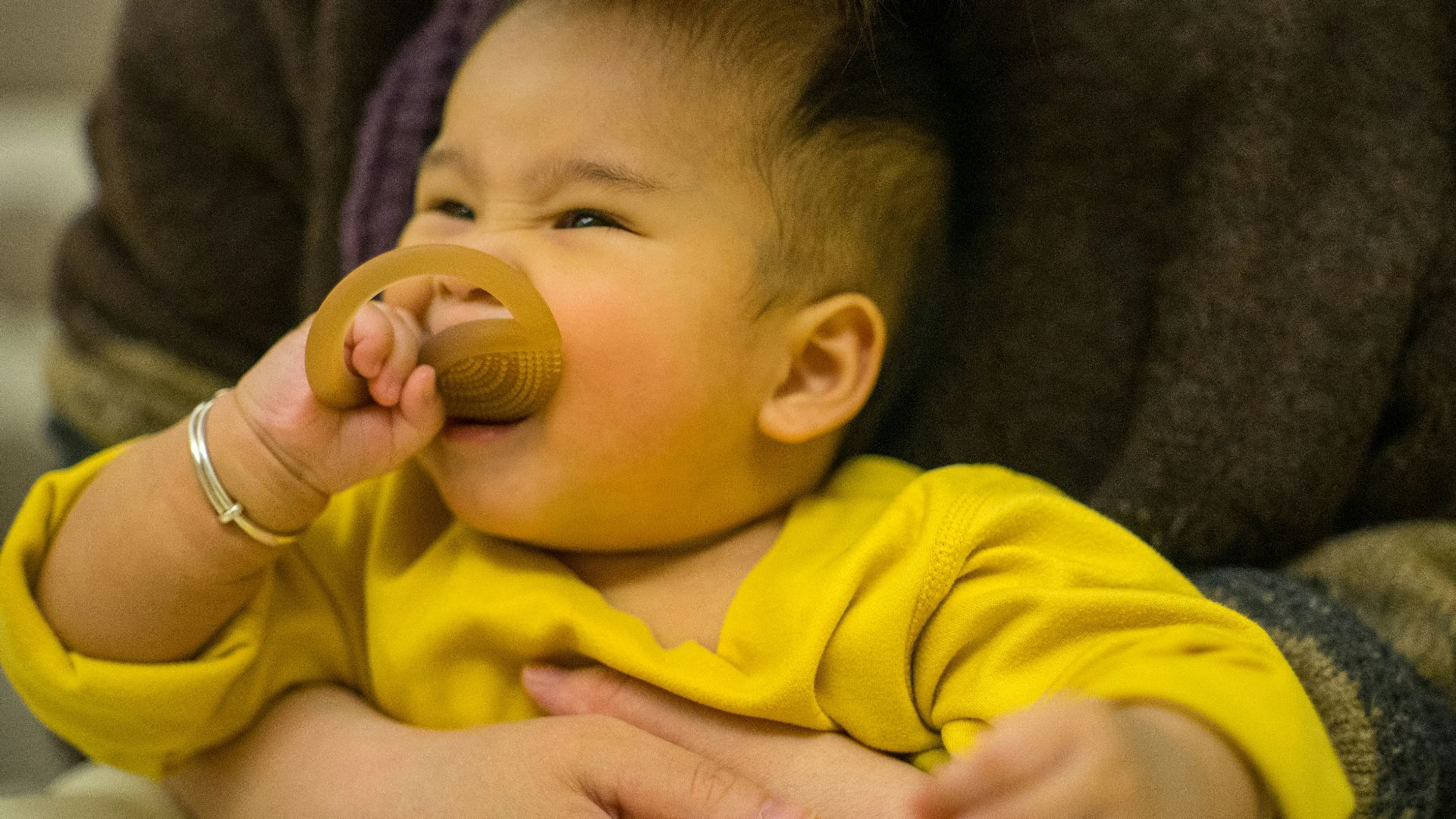
It is a common parental experience. One moment, your child is playing quietly, and the next, there’s a sharp cry, a set of teeth marks, and a rush of confusion. Biting can feel alarming, even personal, but it’s one of the most common behaviors in early childhood. To understand it, you have to step into how young children experience the world before impulse control and emotional regulation fully develop.
At this stage, children aren’t being aggressive in the way adults interpret aggression. Instead, biting is communication. It’s an effective way of getting a response. Once you see it that way, the behavior becomes easy to address.
What Biting Really Signals In Early Childhood
Most biting appears between 12 months and 3 years, marked by rapid brain growth and limited verbal ability. Children feel big emotions long before they can name them. When frustration or sensory overload hits, the body often reacts faster than the brain can stop it.
For some children, biting is tied to teething or oral exploration. Their mouths are a primary way of learning, and pressure can help regulate. For others, biting emerges during moments of competition, like sharing toys. Here becomes a quick way to assert control or express distress.
There’s also the attention factor. Children are keen observers. If biting reliably produces a big adult reaction, even a negative one, the behavior can unintentionally reinforce itself. This means they’re learning cause and effect in real time. Most importantly, biting is rarely about malice. So, seeing it as a developmental signal, rather than a moral failure, shifts how you respond and sets the stage for change.
Why Common Reactions Often Make It Worse
The instinct to stop biting quickly is understandable, but certain reactions can prolong the behavior. Yelling, shaming, or delivering long explanations in the heat of the moment often overwhelm a child whose nervous system is already activated. Instead of learning, they may become more dysregulated.
Similarly, asking young children to apologize immediately doesn’t teach empathy yet. Empathy develops gradually and requires repeated modeling over time. In the moment, a child who bites is usually not capable of reflecting on someone else’s pain. Another common misstep is inconsistency. Responding strongly one day and lightly the next creates confusion.
How To Respond In Ways That Actually Reduce Biting
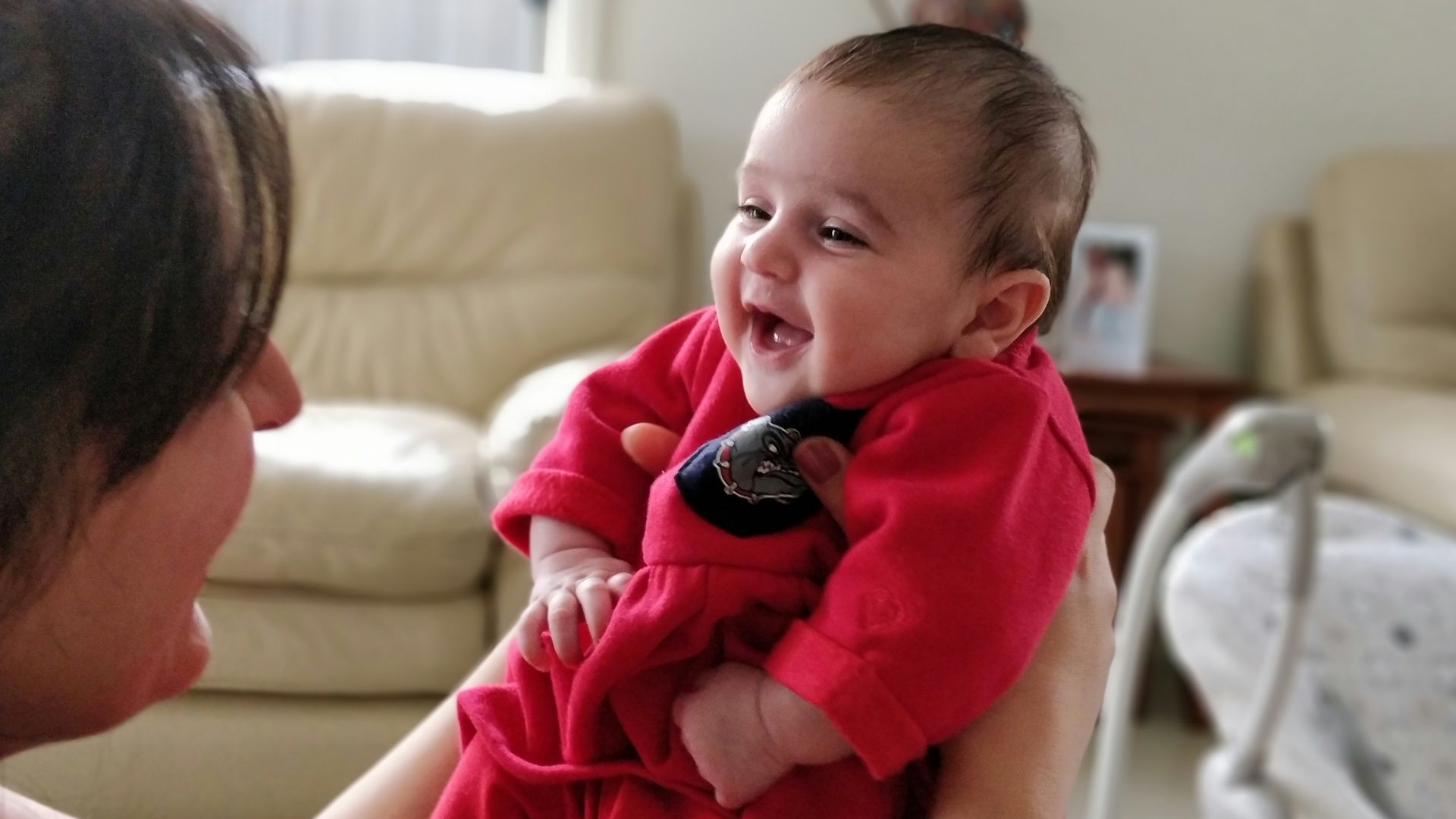
The most effective response to biting is calm and brief. First, ensure safety. Separate the children if needed, attend to the child who was bitten, and state the boundary clearly: “I can’t let you bite.” This communicates limits without adding emotional fuel.
Next, connect the behavior to the feeling behind it. Naming emotions builds language pathways over time. Simple phrases like “You were really mad” or “That was too much for your body” help children begin to link sensations to words. This doesn’t excuse the behavior, but it teaches an alternative to using teeth.