10 Mistakes Parents Make That Kids Never Forget & 10 That Aren't a Big Deal
The Stuff That Sticks and the Stuff That Slides
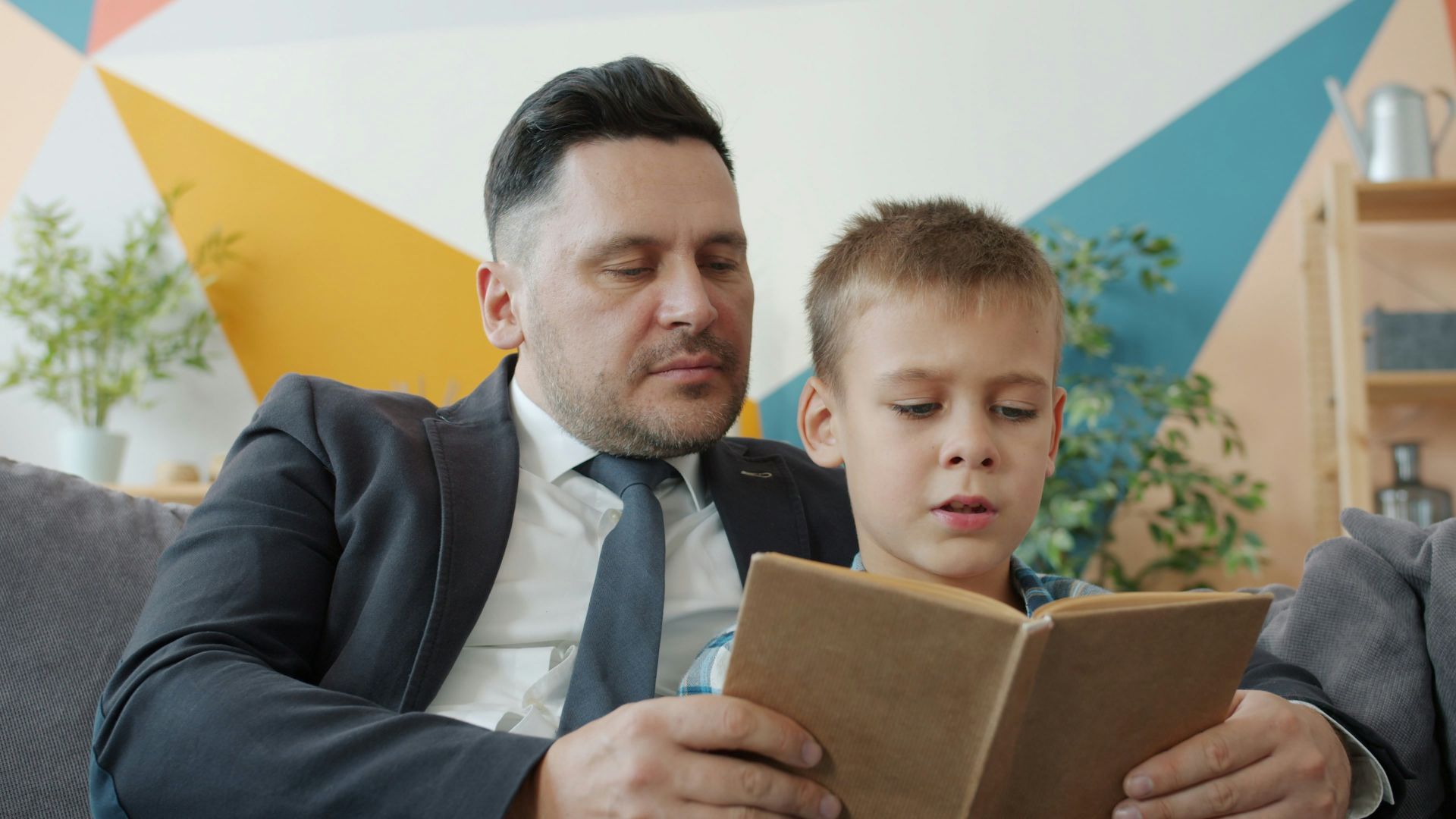
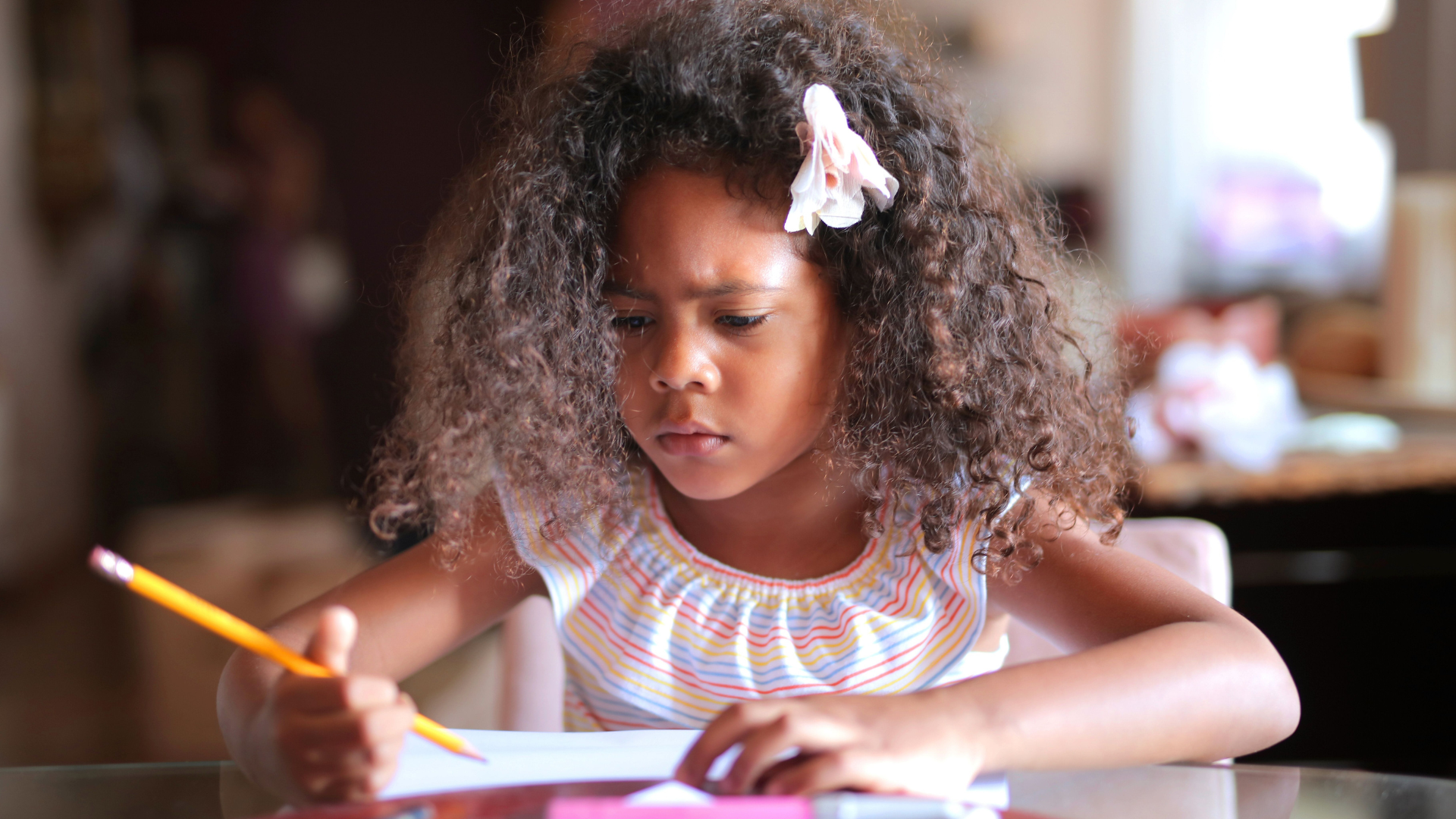
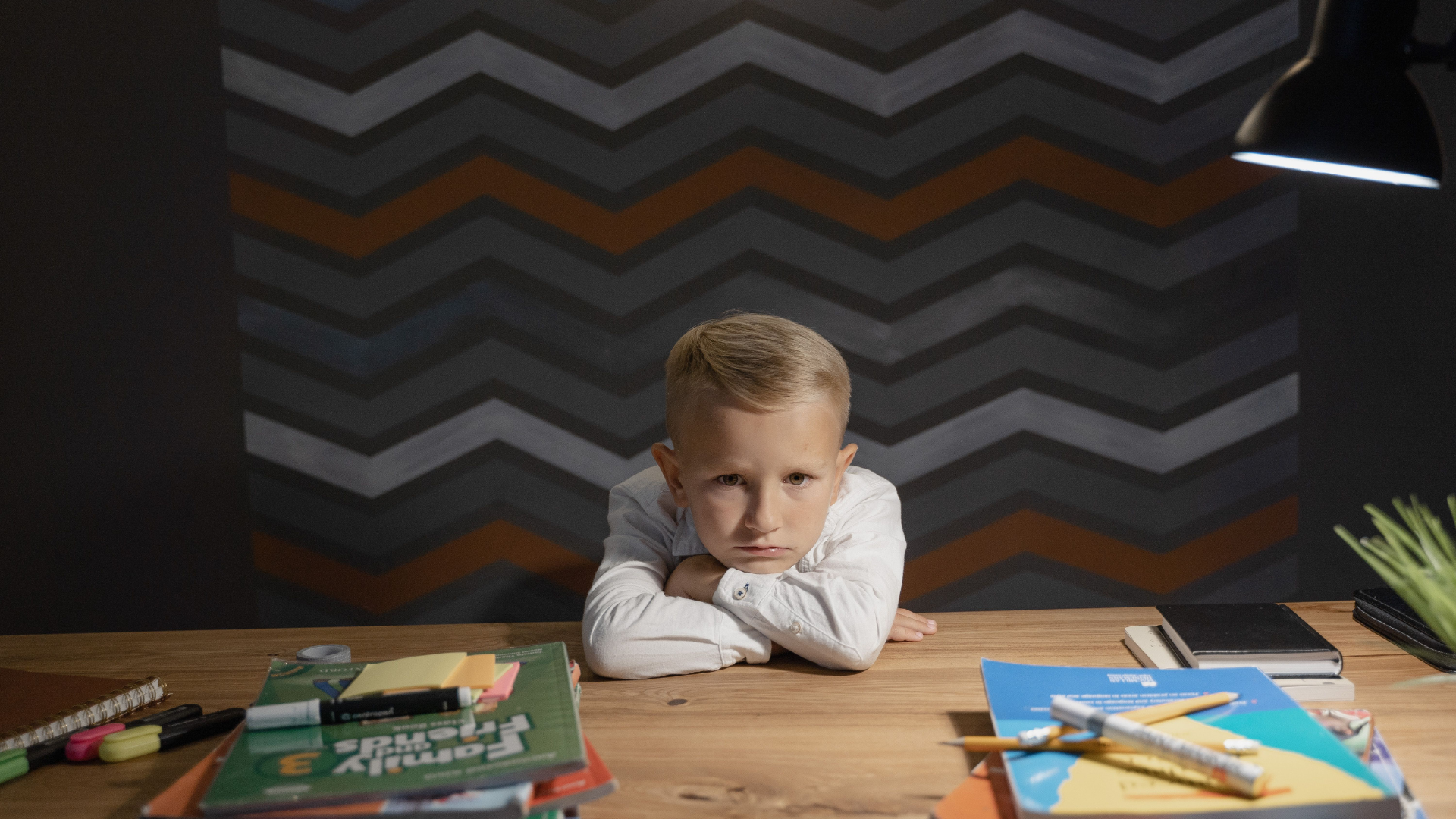
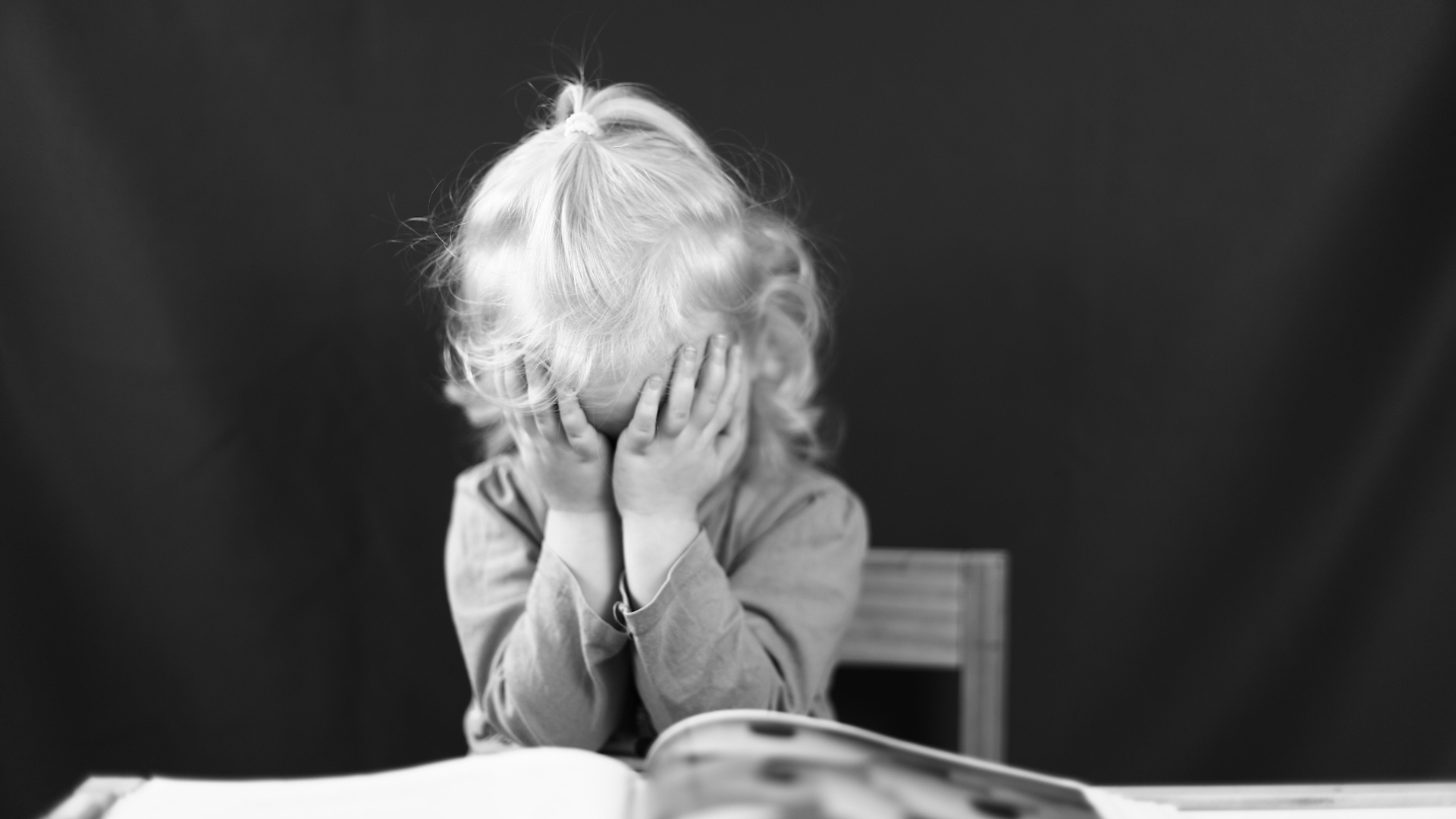
Parenting has a funny way of magnifying everything, especially when you’re worried about messing up your kid for life. You might replay small moments in your head while completely overlooking the things that actually matter most to them. The truth is, some choices leave a lasting impression, while others barely register once the moment passes. Here are 10 parenting mistakes that stick for life and 10 that are easily forgiven and forgotten.

1. Breaking Promises
When you promise something and don’t follow through, kids notice more than you think. They might not say anything in the moment, but it quietly teaches them whether your word can be trusted. Years later, that feeling of disappointment can stick around.
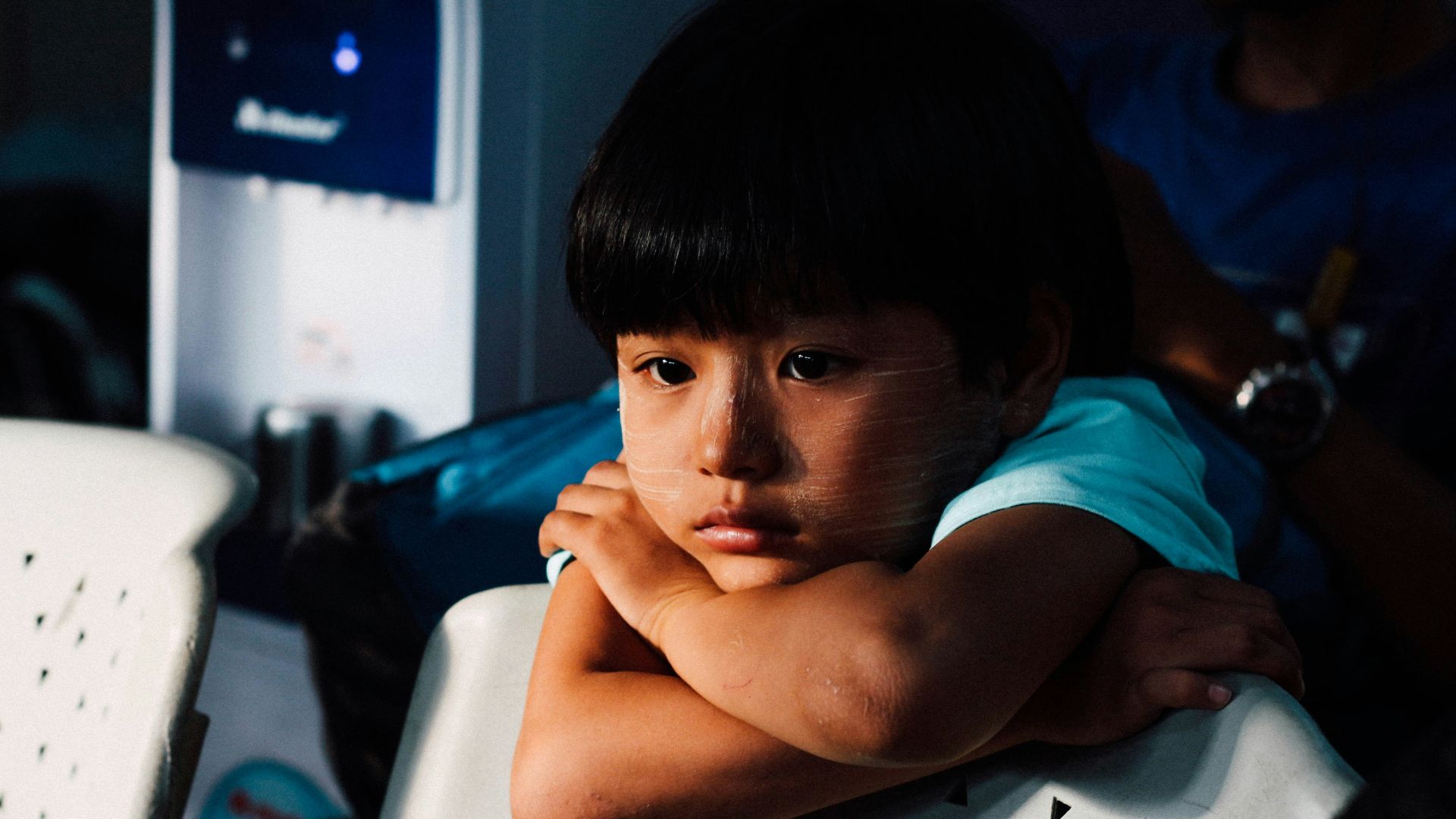
2. Making Fun of Their Fears
Laughing off a child’s fear can feel harmless, especially if it seems silly to you. To them, though, it sends the message that their feelings aren’t worth taking seriously. That memory often shows up later as hesitation to open up.
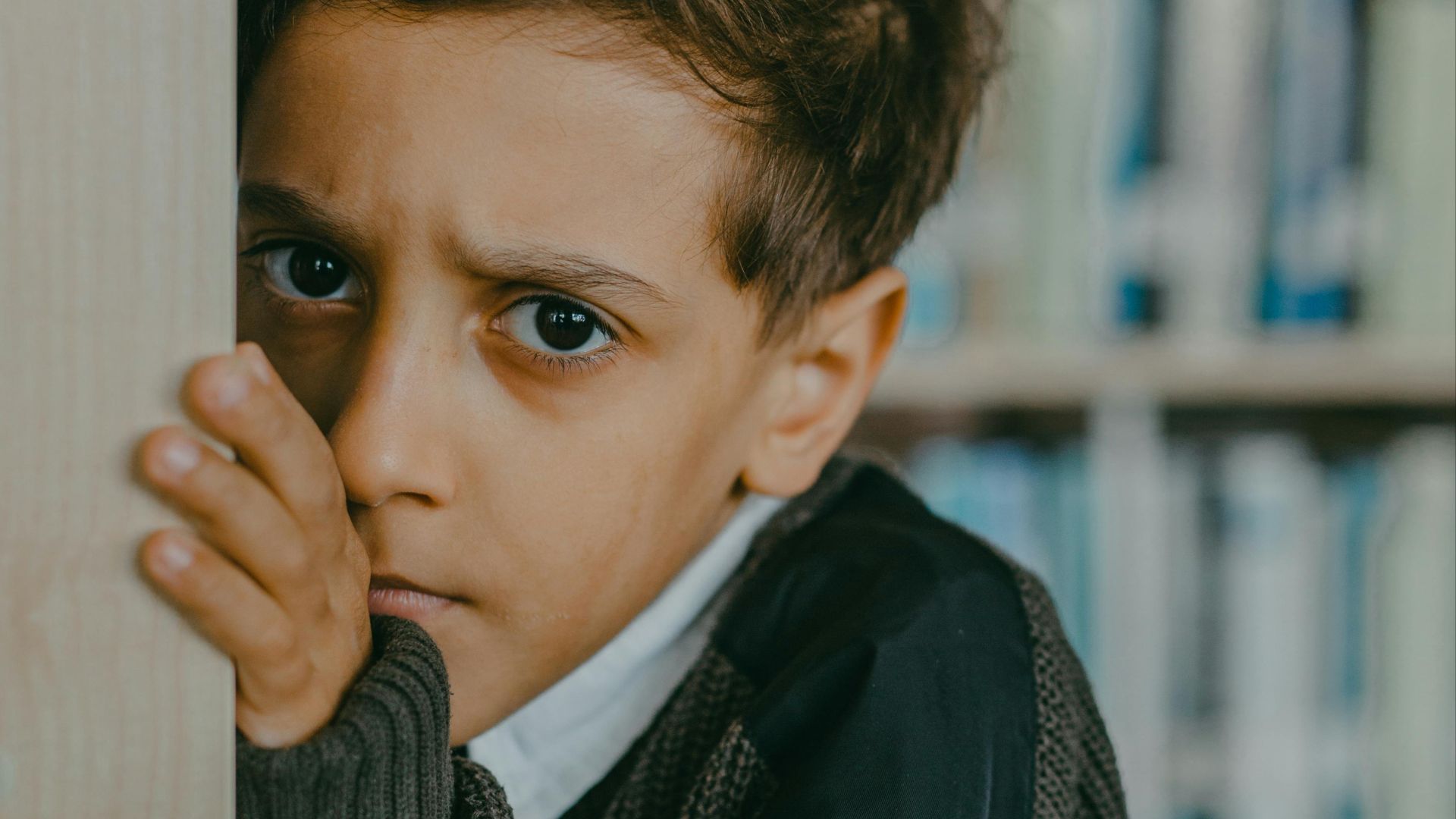
3. Comparing Them to Others
Comparing siblings or classmates is a fast way to bruise a kid’s confidence. Even casual remarks can turn into an internal scoreboard they never asked for. Those comparisons tend to echo well into adulthood.

4. Yelling as a Default
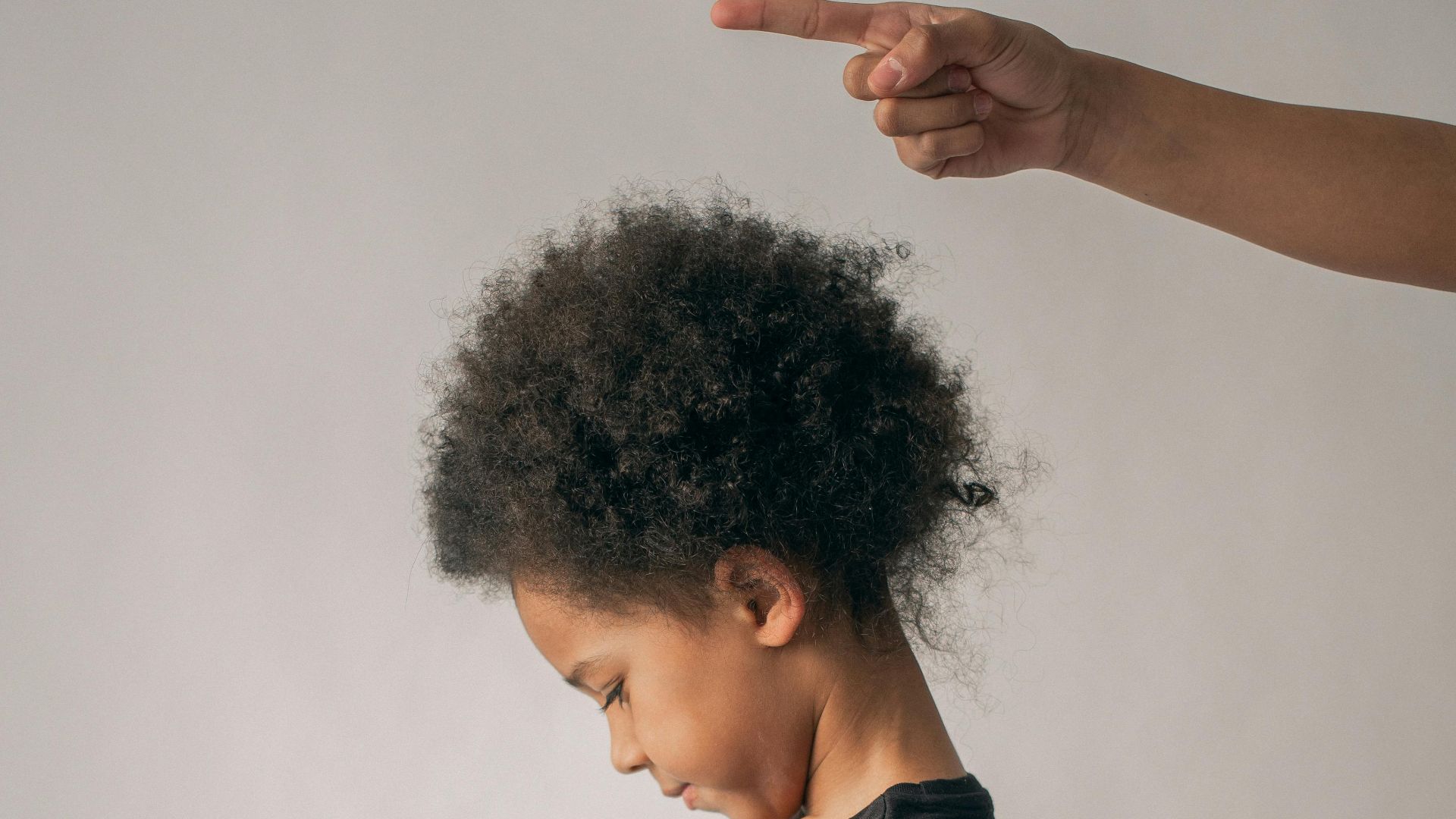
Yelling when you’re overwhelmed happens, but constant shouting leaves a mark. Kids remember the tone and tension long after the words fade. It can shape how safe they feel around big emotions.
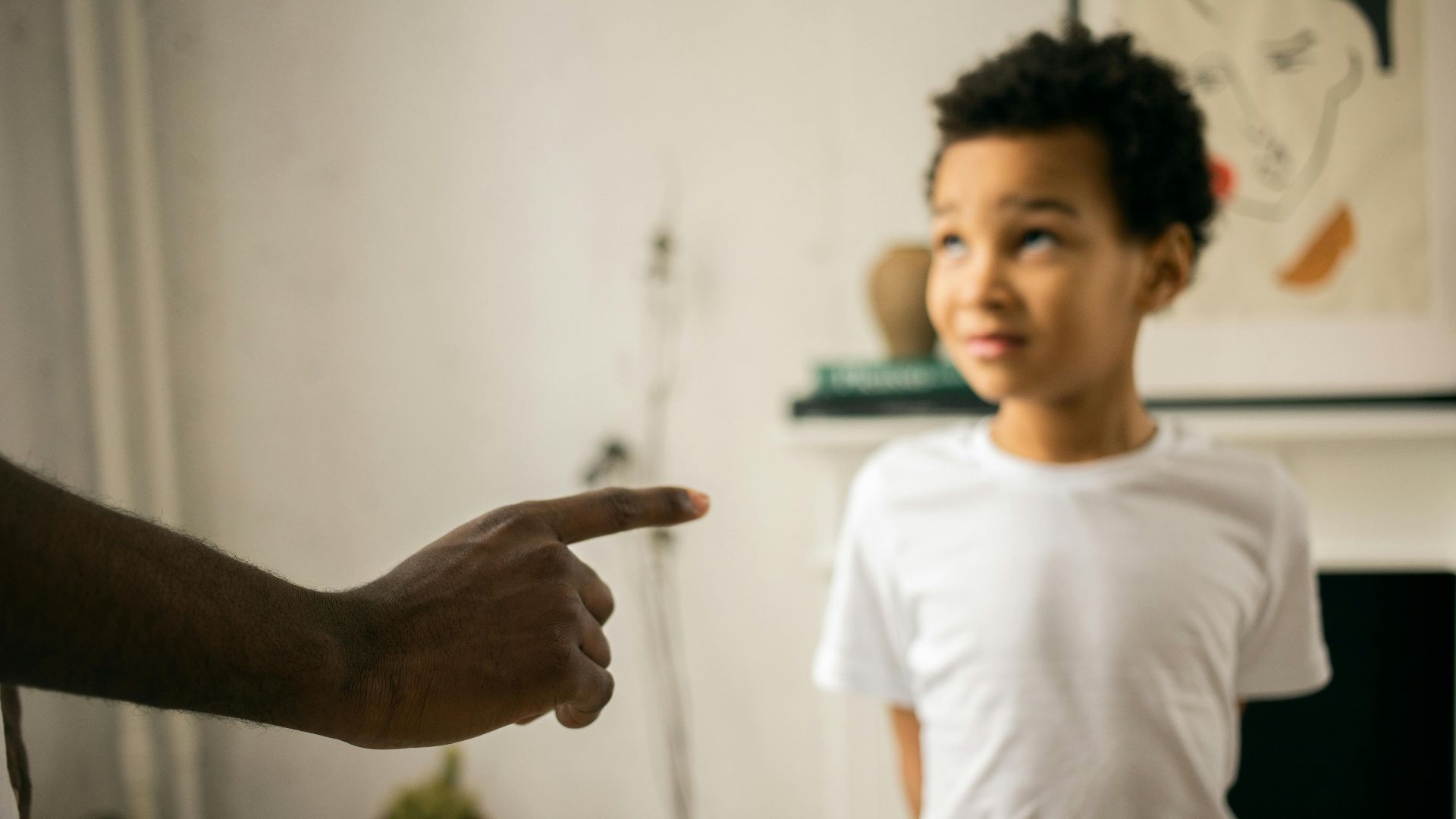
5. Being Emotionally Absent
Ignoring a child when they’re trying to connect can hurt more than you realize. Whether you’re on your phone or just distracted, they often read it as rejection. That feeling can linger far longer than the moment itself.

6. Invading Their Privacy
Breaking privacy by reading journals or messages crosses an invisible line. Even if your intentions are protective, the sense of betrayal can be powerful. Trust is hard to rebuild once it cracks.

7. Embarrassing Them in Public
Publicly embarrassing your kid might seem like a joke at the time. For them, it can feel like being exposed without consent. Those moments tend to replay in their mind for years.

8. Dismissing Their Opinions
Dismissing their opinions teaches kids that their voice doesn’t matter. Over time, they may stop sharing ideas altogether. That silence often starts at home.

9. Refusing to Apologize
Apologizing is something many parents skip, even when they mess up. Kids remember when you refuse to own a mistake. It shapes how they learn to handle accountability themselves.

10. Making Love Feel Conditional
Conditional affection can be incredibly confusing for a child. If love feels tied to behavior or achievement, insecurity tends to grow. That uncertainty can follow them long after childhood ends.
Now that we've talked about the potentially unforgivable mistakes parents make, let's talk about the ones that can feel big in the moment, but usually fade.

1. Serving the Same Meals
Serving the same boring dinner on repeat usually isn’t traumatic. Kids might complain, but they’re more focused on feeling fed and safe. Most won’t remember the menu at all.

2. Saying No to Small Requests
Saying no to an extra toy, snack, or screen time can feel heavy in the moment. Kids might throw a little tantrum, but those feelings usually fade quickly. What tends to stick instead is the sense that boundaries exist, not the specific thing they didn’t get.

3. Being a Little Late
Being a few minutes late to pick up can feel like a parenting fail. However, as long as it’s not a pattern, kids tend to brush it off. Consistency matters more than perfection here.
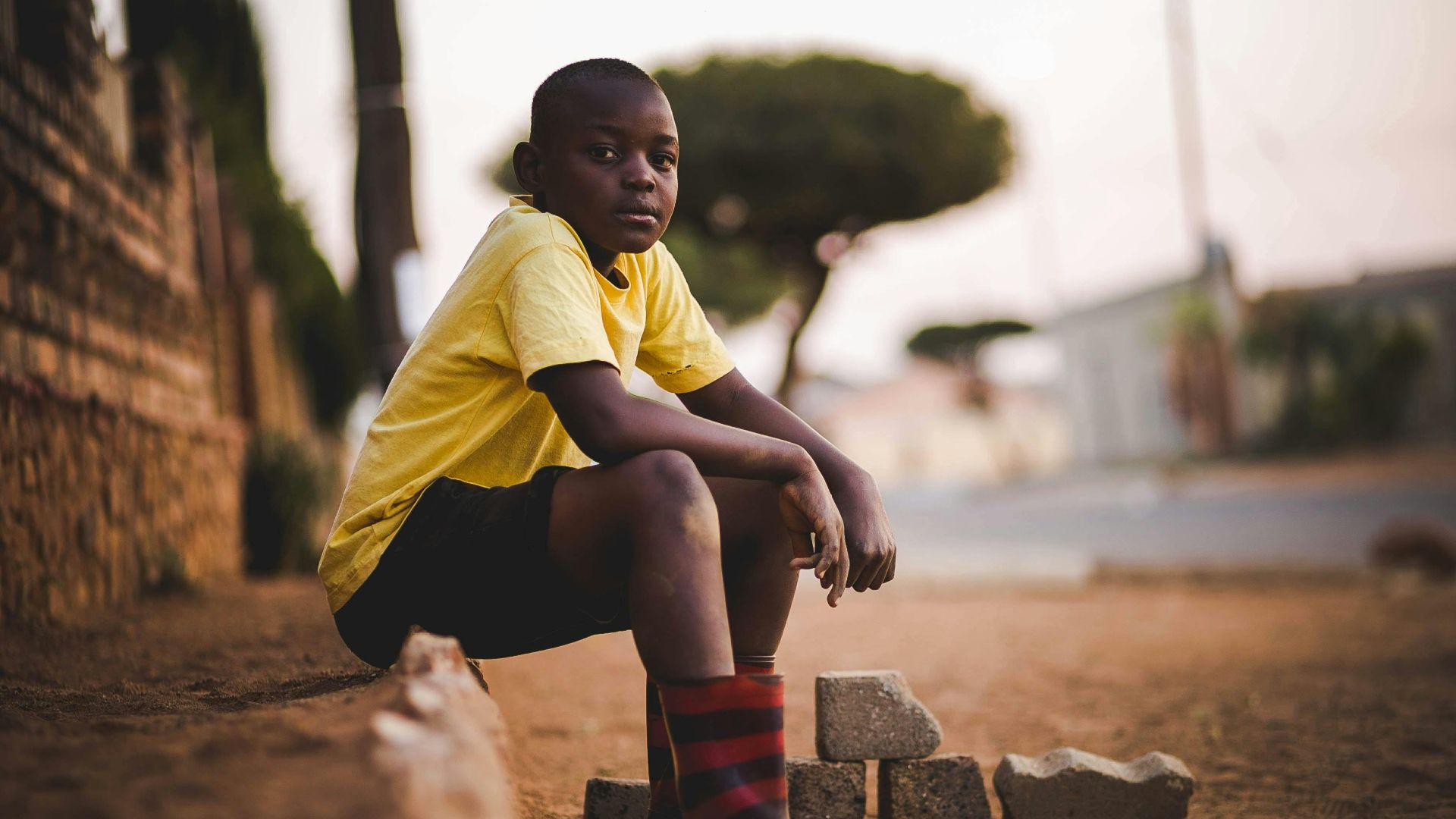
4. Letting Them Get Bored
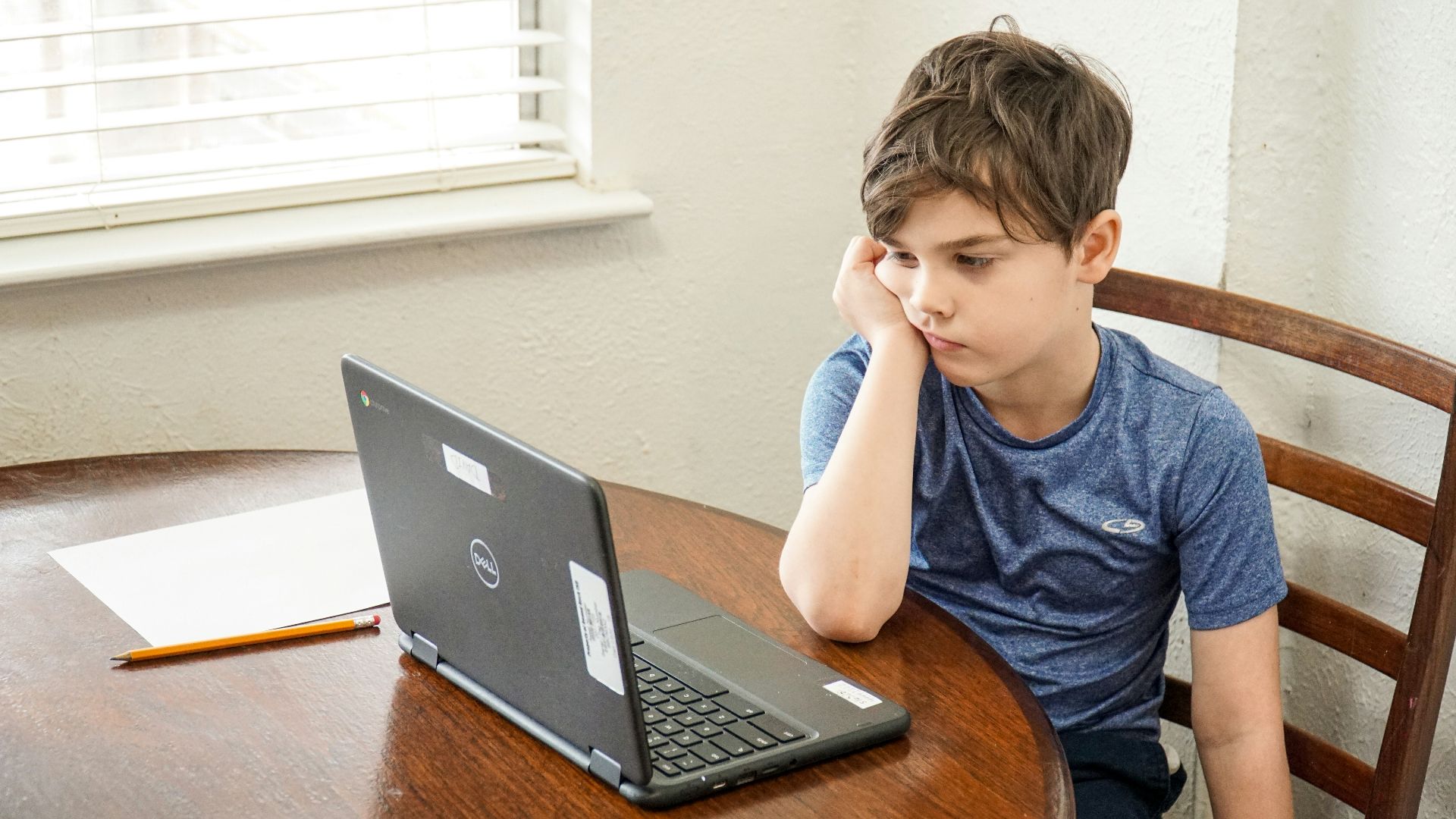
Letting kids feel bored from time to time isn’t harmful. In fact, boredom often sparks creativity and independence. They won’t resent you for not providing constant entertainment.
5. Changing Rules Occasionally
Making an occasional parenting rule on the fly is pretty normal. Kids are adaptable and usually roll with small inconsistencies. What counts is the overall sense of fairness.

6. Raising Your Voice Once
Raising your voice once in a while doesn’t automatically scar a child. When it’s followed by calm repair, the moment loses its weight. They learn that conflict can be resolved.
7. Buying Store-Bought Treats
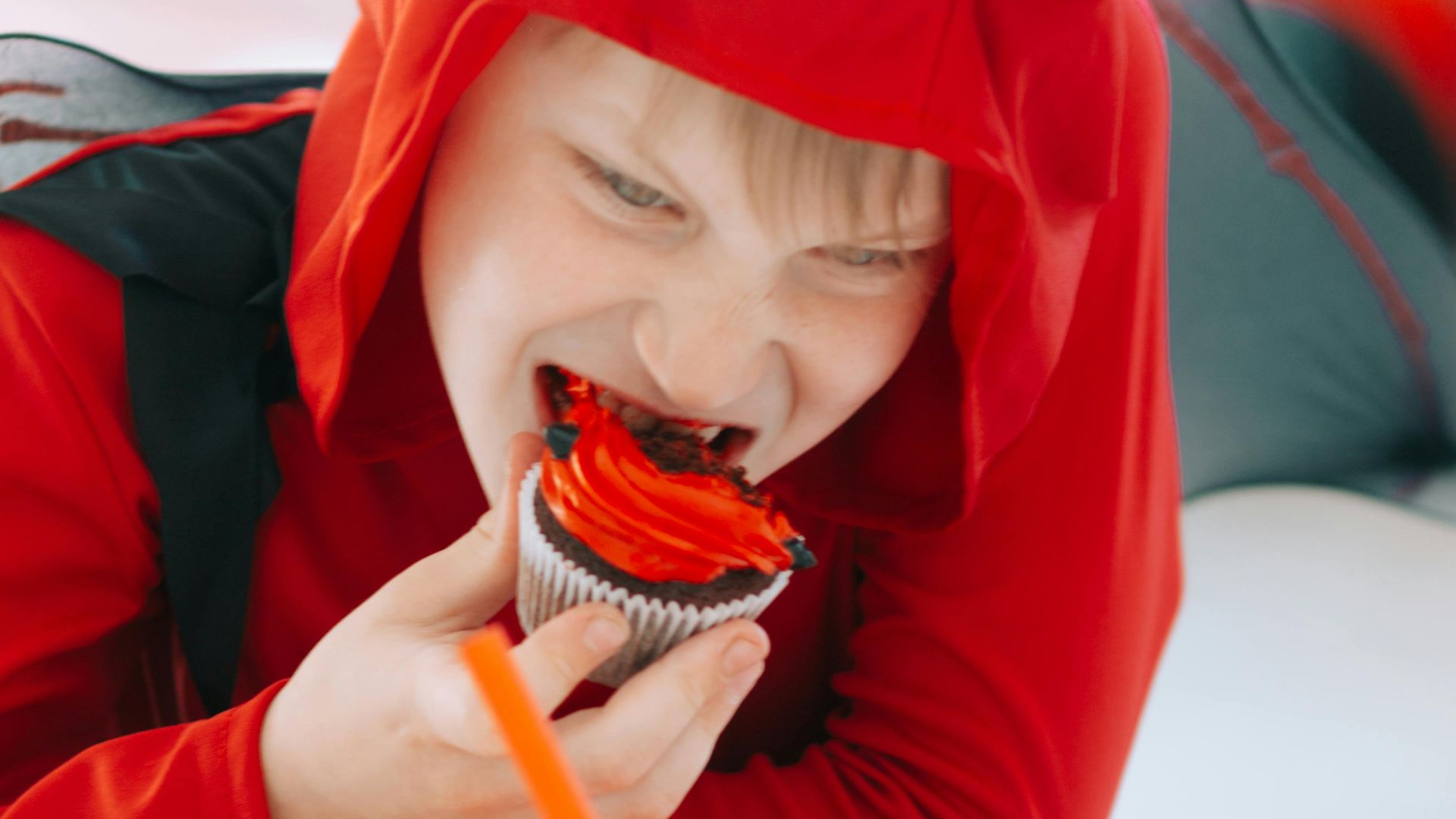
Although it's a little sad if a child never experiences homemade baked goods, choosing store-bought cupcakes instead of homemade ones is rarely a dealbreaker. Most kids care more about celebrating than the effort behind it.
8. Letting Them Dress Themselves
Although they may cringe at the photographs later in life, letting your kids wear questionable outfits is usually harmless. It gives them a chance to explore independence in a low-stakes way. Those fashion choices often become funny stories later.

9. Missing Small School Details
Missing a homework detail or school email happens. Kids benefit from seeing adults make small mistakes and recover. It teaches flexibility more than failure.

10. Not Knowing Everything
Not having all the answers doesn’t make you a bad parent. Kids rarely expect perfection, even if you think they do. Besides, not knowing something allows you to learn together.