Unlock Your Child's Curiosity
The best thing you can do to give your child a leg up in lift isn't sending them to a private school or limiting screentime. The best thing you can do is nurture your child's sense of curiosity. Teaching a healthy sense of wonder in childhood will bring your child success later in life.

1. Increased Empathy
If your child is curious about the world and the different people who live in it, they're more likely to be empathetic towards others. Curiosity encourages kids to think outside their bubble and consider how others see the world. In an increasingly diverse society, empathy is more important than ever.

2. Excellent Social Skills
In addition to being more empathetic, a curious child is more likely to have better social skills overall. Curiosity encourages active listening and thoughtful questions. Meaningful conversation is the first step towards genuine connections.
3. An Active Mind
Your brain is a muscle and it needs to be worked out just like any other. Keeping your mind active not only helps you retain knowledge and skills, but it can help you solve problems. Encouraging curiosity will help you kid stand on their own two feet.

4. Sets Kids Up For Success
Studies have linked that people whose curiosity was fostered in childhood with adult success. This takes many forms, from striving for perfection to being a more emotionally intelligent partner. Additionally, curious people are less likely to be materialistic, which can lead to a more fulfilling life.

5. Happiness On The Job
Curiosity is just as important in the workplace as it is in the classroom. Not only do curious people seek to better themselves and play a meaningful role, but they're more likely to be happy as well. Don't encourage your kids to settle for a life they're unhappy with.

6. Less Boredom
Two words any parent dreads to hear are "I'm bored"—especially in the first hour of a roadtrip! Curiosity may not erase all boredom from your child's life, but it can certainly act as a balm. Curiosity encourages kids to be self-sufficient and entertain themselves.

7. Persistence
If at first you don't succeed, try, try again. This axiom isn't just empty advice, it's a solid foundation for life. Children whose curiosity is not nurtured are more likely to give up when they don't immediately succeed at a task.

8. An Open Mind
Curiosity can encourage your child to see things in a new light and be open to new experiences. A kid who isn't encouraged to think about the world may turn their nose up at broccoli because of the color. Meanwhile, a curious child is more likely to try to eat their greens, even if they may not like them.

9. Fearlessness
A curious kid is a fearless kid. We're not talking about the type of fearlessness that makes people jump out of airplanes, but rather a fearlessness of failure and a willingness to fail. Your child will take more risks if they're unafraid to fail, and those risks can pay off!

10. Higher Academic Performance
Curious kids often have higher academic performances than others. Why? Well, for starters, they're more likely to actually be engaged with what they're learning. Additionally, they're more likely to do research on their own so they can put their best academic foot forward.

Now that we've covered some benefits of raising a curious kid, let's look at a few ways you can foster that curiosity.
1. Make Learning Fun
Learning doesn't have to be dull and it doesn't have to be restricted to the classroom either. Even before your child can write their name, you can encourage them to learn about the world in an engaging way. A trip to the zoo, for example, is a wonderful way to learn about animals.
2. Treat Them With Respect
Children are people like everyone else, they're just a little smaller. Treating your child with respect is an important step in encouraging their curiosity. If you show that you take them seriously, they'll be more likely to ask questions and take chances.

3. Answer Questions Thoughtfully
Kids ask a lot of questions and most of them—at least during the terrible twos—are why? Thoughtful responses to questions shows your child you respect them rather than brushing them off with "Because I said so". If you don't know, you can admit that and learn the answer together.

4. Welcome Questions
While these questions may feel like an avalanche, it's important that children feel safe asking them. Curiosity and a willingness to ask questions can create a strong foundation for parent-child relationships. Even the most banal questions so that your child's brain is developing.
 Juliane Liebermann on Unsplash
5. Let Kids Be Kids
Those designer baby kids may look cute on Instagram, but they're not very practical for daily life. Let your kids get messy and be silly; let them make mistakes and learn lessons. Treating them with respect doesn't mean treating them formally.

6. Encourage Creativity
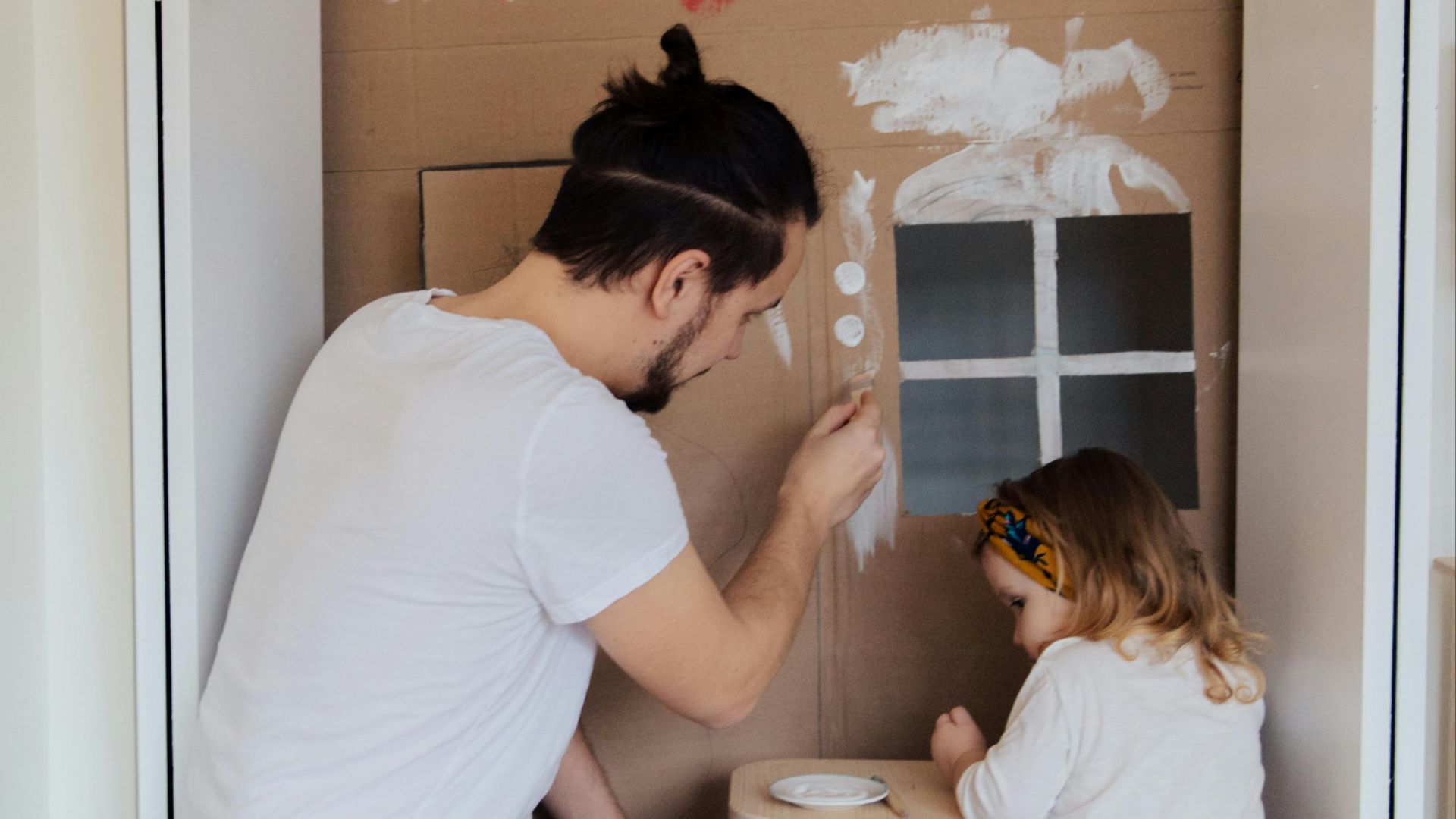
If curiosity encourages encourages kids to develop ideas, creativity allows them to get those ideas out of their head. Writing, dancing, singing, and making art all allow your child to engage with the world on their own terms. If they want to draw on the walls, well, washable chalk markers may save you some grief.
7. Encourage Reading
Reading is the best thing for a curious child. It allows them to explore hundreds of different worlds and answers questions they might not even know they have. Get a library card and make friends with a librarian for the best recommendations.

8. Have Hands-On Experiences
Some problems are best solved in person rather than on paper. Just like how a trip to the zoo is an excellent way to learn about animals, combining learning with play will help those lessons stick. A great way to do this is to seek out cultural festivals in your area.
9. Be Excited
Early childhood development is one of the most exciting stages of life for both you and your child. Nothing will dampen their curiosity faster than being met with a lukewarm response to something they were clearly excited to share with you. Sharing in your child's excitement will bring joy to both of your lives.

10. Provide A Good Example
Children are excellent mimics, especially in their most formative years. Your child idolizes you and wants to be just like you. If you exhibit curiosity in the world around you, they'll be sure to follow in your footsteps.