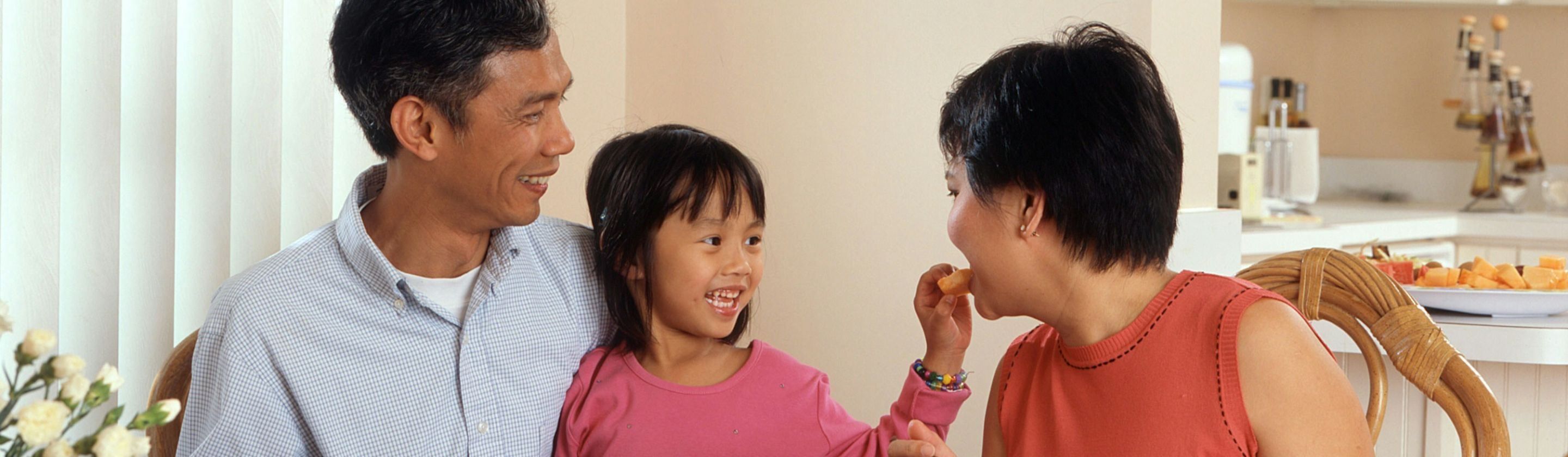
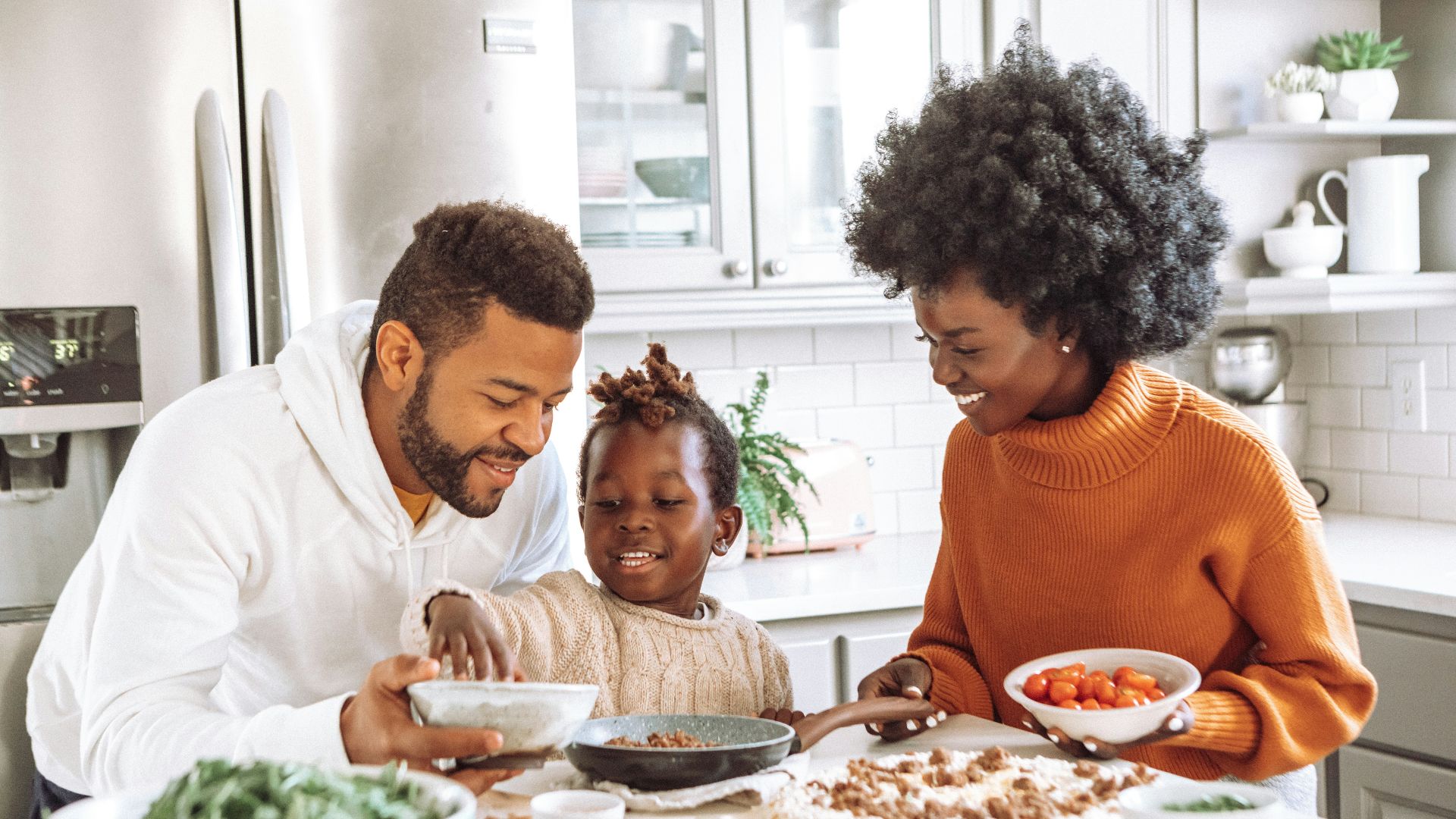
Shared family meals are becoming a rarity at American dinner tables. Between soccer practice, late meetings, and the siren call of our screens, families are eating together less than ever before. According to research from Columbia University's National Center on Addiction and Substance Abuse, the frequency of family dinners dropped significantly over the past two decades.
This shift affects more than just logistics; it's reshaping how children develop emotionally and socially. Those 20 minutes around a table may seem trivial, but they matter more than you'd think.
Language Development Happens Over Mashed Potatoes
Kids learn authentic vocabulary at the dinner table in a way that isn’t possible with educational apps or flashcards. Good luck finding a software program that replicates the diversity of words used when parents are discussing how the water heater broke or the weird thing that happened at work.
Research from Harvard found that dinnertime conversations boost children's vocabulary even more effectively than reading aloud to them.
Younger children especially benefit from hearing older siblings and adults navigate complex ideas. They're picking up syntax, tone, conversational rhythm, as well as subtle social cues like how to disagree politely or jump into a conversation without interrupting. These aren't skills you can teach from a picture book.
Emotional Regulation Gets Practice Runs

Sitting through a meal requires self-control that doesn't come naturally to kids. It’s also full of teachable moments like how to eat politely with your mouth closed and how to manage disappointment when a sibling gets the last roll.
These micro-moments may feel like small stakes, but they teach children how to regulate their emotions in social contexts. A study published in the Journal of Adolescent Health found that regular family meals correlate with lower rates of depression and anxiety in teenagers.
Knowing that dinner happens at roughly the same time every day is a comforting source of stability for children. Kids thrive on routine even when they complain about the obligation. When everything else in life feels chaotic, having a daily anchor at the dinner table can hold us steady in the storm.
Social Skills Are Built, Not Born
Keeping a four-year-old calm in a restaurant is sometimes like wrangling a feral animal. Learning to eat with other humans takes years of practice, and family meals provide that training ground. Passing dishes, saying please and thank you, and chewing with your mouth closed are cultural norms that must be actively taught.
Older kids learn more nuanced skills like understanding that sometimes you listen even when the topic doesn't interest you because that's what families do. Empathy develops through repeated exposure to other people's experiences and feelings.
Columbia University research also found that teenagers who eat with their families at least five times per week are less likely to use drugs or alcohol. The correlation arises through the connection, the conversations, and the feeling of being known and appreciated.
Academic Performance Gets an Unexpected Boost

Kids who regularly eat family dinners tend to perform better in school. A University of Illinois study found these children have larger vocabularies, better reading skills, and higher grade point averages than peers who eat alone or in front of screens.
The mechanism isn't mysterious: they're discussing more ideas and receiving more dedicated parental attention.
There's also the practical aspect that parents who eat with their kids are more likely to know what's happening in their academic lives. These check-ins happen naturally over chicken and rice.
Schools can't replicate this. Teachers have thirty students and forty-five minutes, whereas parents have undivided attention and unlimited follow-up questions.
Identity Formation Needs Stories
Families who eat together tell stories. They revisit grandpa's terrible sense of direction, or the time Aunt Maria accidentally dyed the dog purple with what she thought was shampoo. These narratives help children understand where they come from and who they might become.
"Intergenerational self" is what psychologists label the identity that kids develop through their family history. Knowing that your grandfather survived a civil war and immigrated with nothing or that your mother struggled with math too provides context for children’s own struggles and strengths.
Those stories also transmit values without lecturing. When Dad talks about sacrifice and choosing the honorable way over the easy way, kids absorb that moral framework. When parents discuss helping out a struggling neighbor, children internalize those priorities. Values are often more impactful when they’re caught rather than taught.