Make Learning Fun And Engaging
You want to help your kids succeed in school, but figuring out how to actually support learning at home can feel overwhelming. The good news is that it doesn't require hours of extra work every day. Understanding what actually helps versus what just adds pressure changes everything about how you approach education. Check out these 20 practical ways to support your child's learning without burning them out completely.

1. Build Consistent Study Routines
Children thrive when learning feels predictable. A steady routine helps them focus and manage time without stress. Some families make schedules colorful or use music-filled breaks to keep things fun. Realistic expectations matter most, so schedule the study time according to your child’s pace.
2. Design A Distraction-Free Study Space
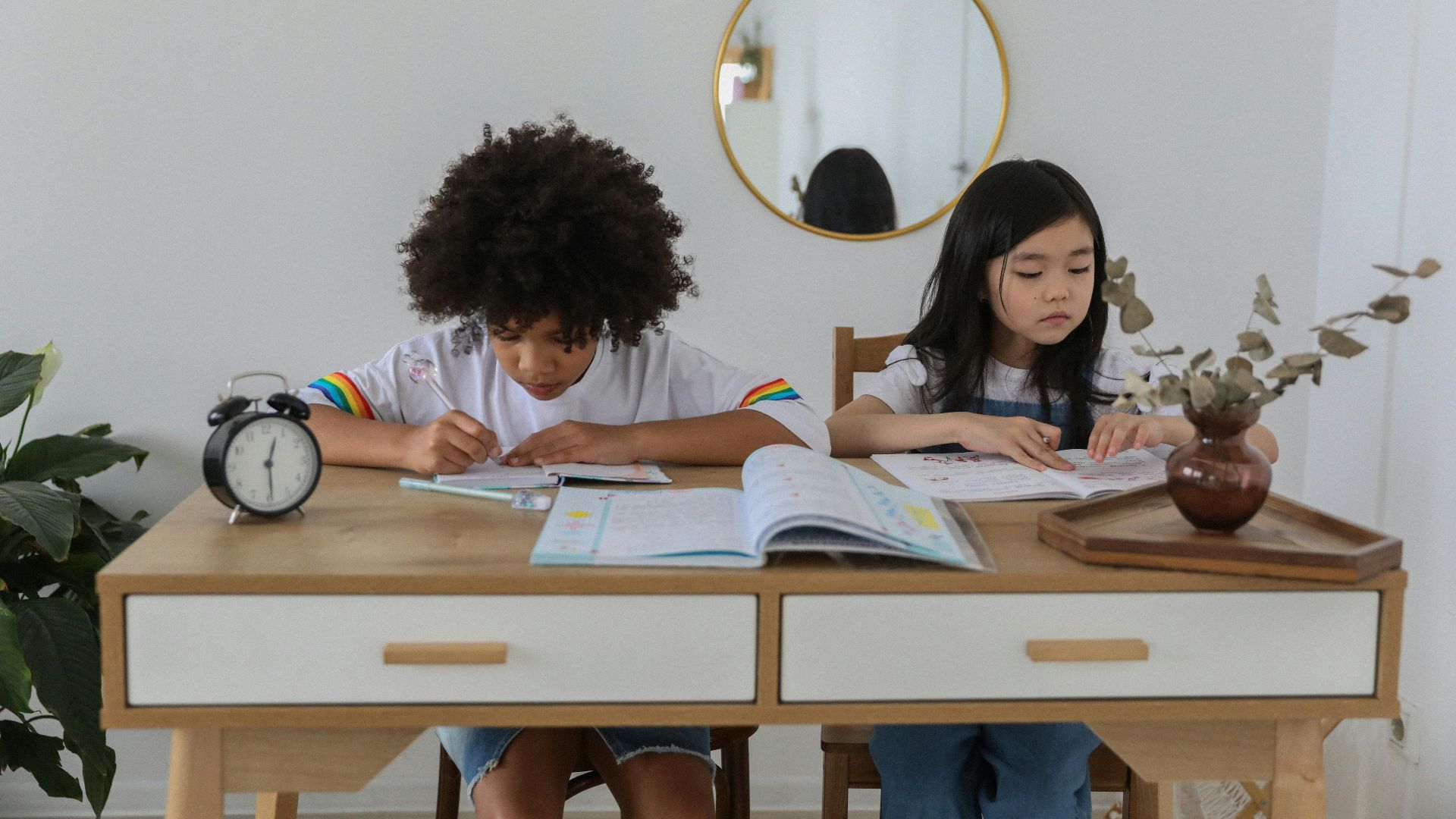
A focused space can transform how your child studies. Good lighting and minimal clutter create a calm mindset for learning. Try adding small touches—maybe a favorite quote or soft background noise. When kids feel comfortable and inspired in their environment, their attention naturally strengthens.

3. Provide Easy Access To Learning Resources
Everything your child needs should be within reach. Keeping supplies like books or calculators organized cuts down interruptions and helps study sessions flow smoothly. Families also use rolling carts or labeled shelves for a touch of fun while studying.
4. Encourage Daily Reading
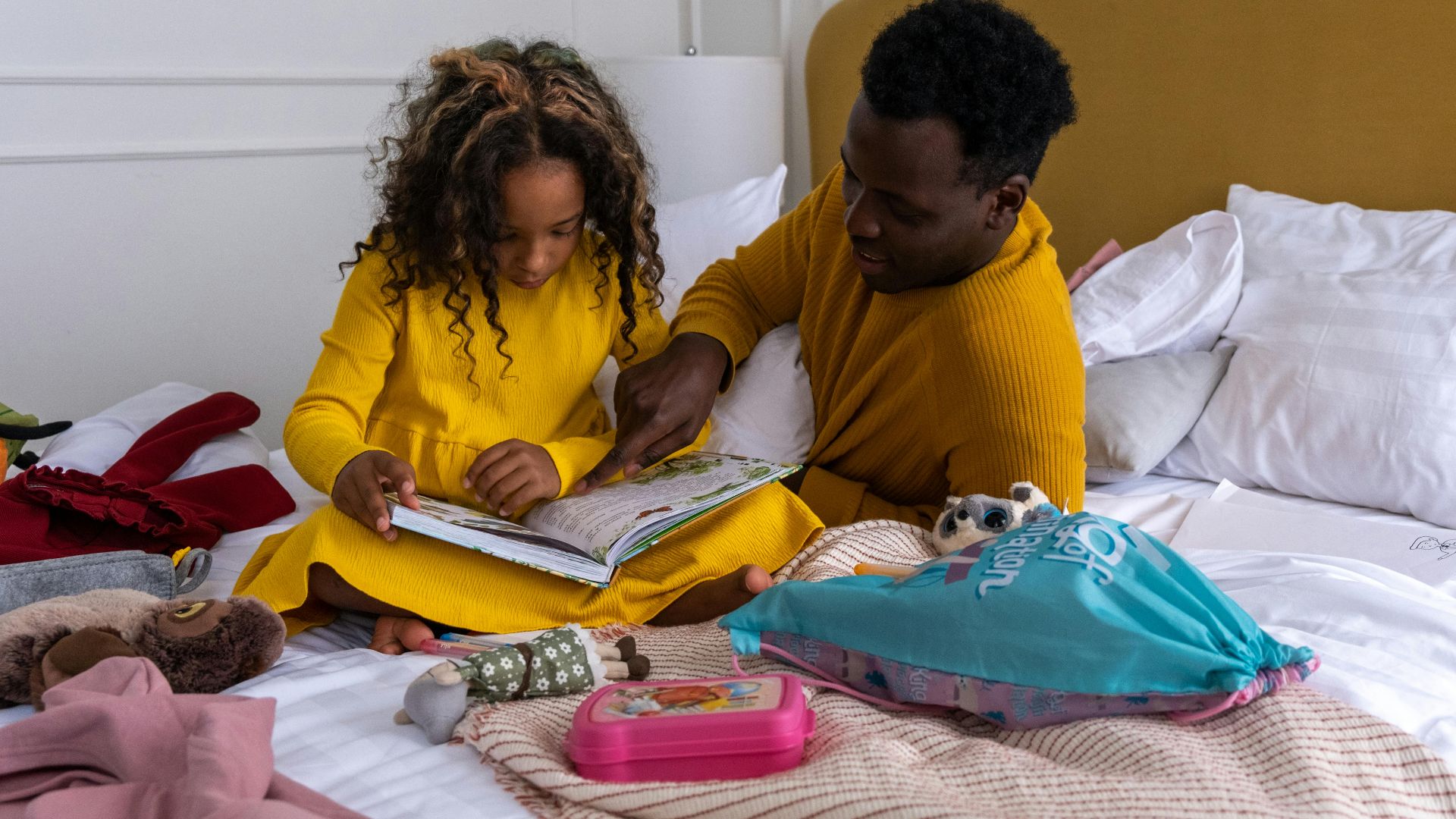
Reading opens worlds beyond the classroom. A daily reading habit expands vocabulary, sharpens focus, and nurtures imagination. Create cozy reading spots with pillows or soft lights, and try themed nights like "Adventure Tuesday." These small rituals make stories feel magical and help learning feel like play.

5. Set Academic Goals
Kids feel empowered when they know what they're working toward. Clear goals provide structure, while smaller milestones boost motivation. Families sometimes track progress with sticker charts or "goal bingo" cards for a playful twist.

6. Inspire Curiosity Through Conversations
Learning doesn't stop after school. Keep asking your child open-ended questions at dinner or during car rides to spark curiosity and creative thinking. Some families keep a "question jar" to pull random topics for fun talks. Whether it's about space or inventions, natural conversations make education feel alive.
7. Give Positive Feedback
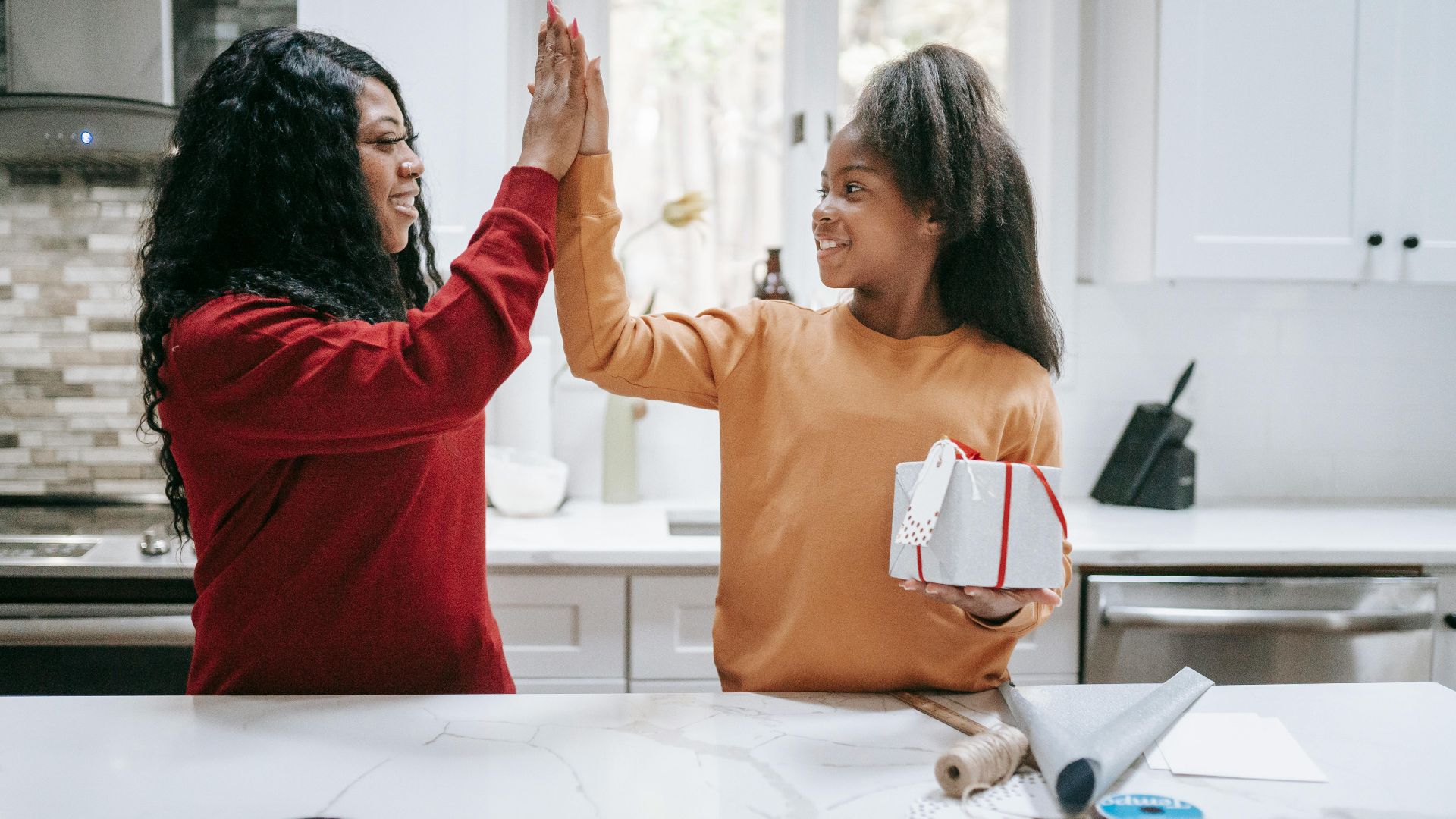
Timely feedback matters more than grand rewards. When parents respond soon after effort, kids understand what worked and why. Simple notes or doodles on homework turn feedback into celebration, shaping confidence that keeps them eager to try again.
8. Collaborate Closely With Teachers For Guidance
Teachers offer helpful insights that can ease learning at home. A quick chat or message keeps parents aligned with classroom goals. Families who stay in touch with educators often experience smoother progress and fewer frustrations throughout the school year.

9. Model Lifelong Learning
When parents show excitement for learning, children mirror it naturally. Reading alongside your child or sharing what you've learned from a podcast sparks curiosity in them, too. Try themed family learning nights, where each person shares something interesting they’ve learned—like a mini TED Talk at home.

10. Set Healthy Screen Boundaries
Screens have their place, but structure keeps them helpful. So create clear time limits to encourage balance and better rest. Some households use "tech tickets" or decorate screen-free corners with artwork and books. If kids enjoy their offline spaces, they discover new ways to stay curious and creative.

11. Rotate Subject Focus Throughout The Week
A different subject each day keeps children alert and motivated. Monday for math, Tuesday for science, Wednesday for creative projects. This schedule creates variety while habits stay consistent across all areas. Kids remain interested when each day offers fresh content instead of repetitive tasks that drain energy and focus.
12. Play Critical Thinking Games
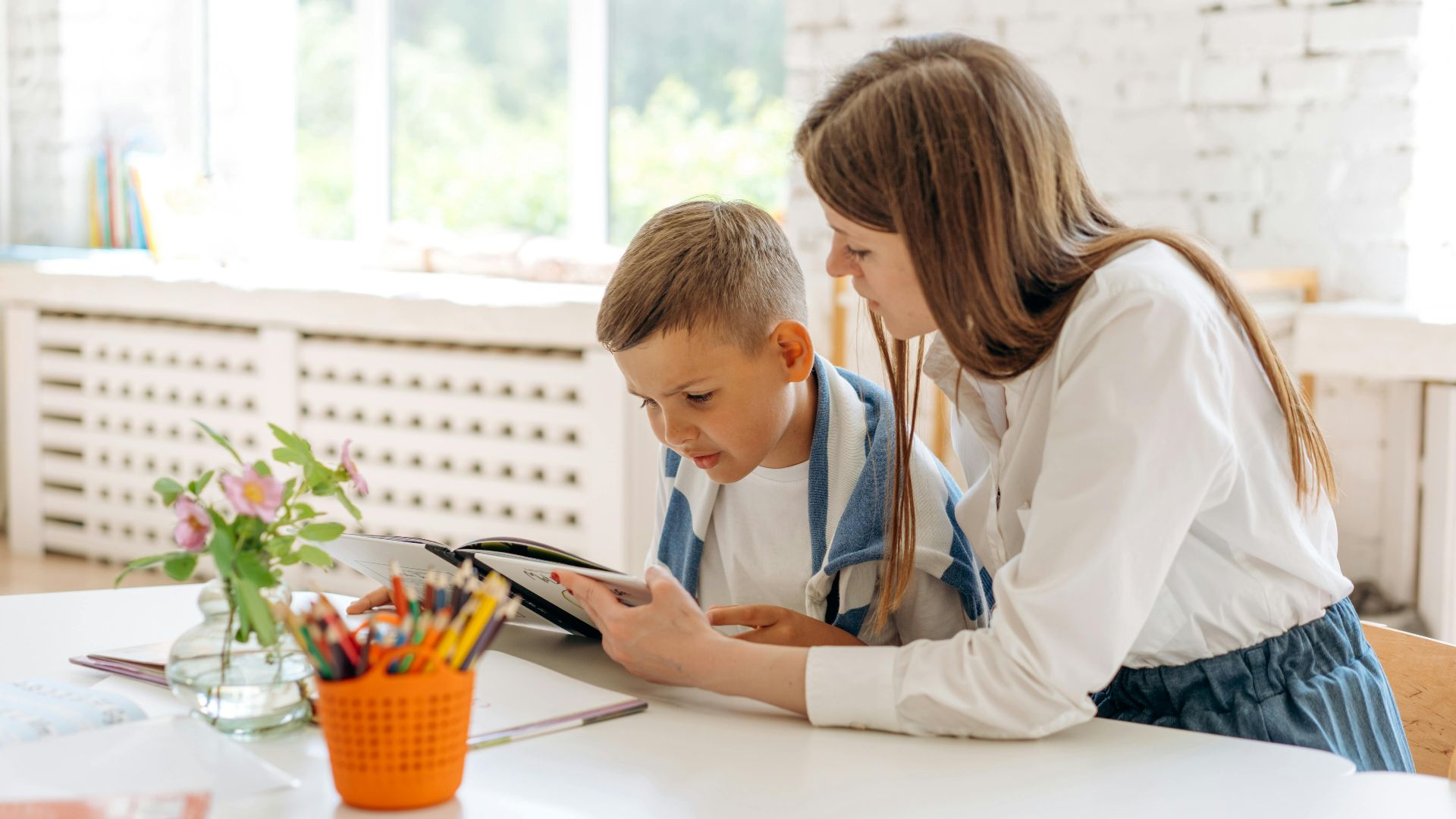
Games teach lessons that textbooks can't. Chess sharpens patience, while riddles stretch reasoning skills. You can even invent new games to keep things exciting. These playful exercises boost problem-solving naturally and help children think beyond the surface and approach challenges with confidence.
13. Collaborative Family Learning
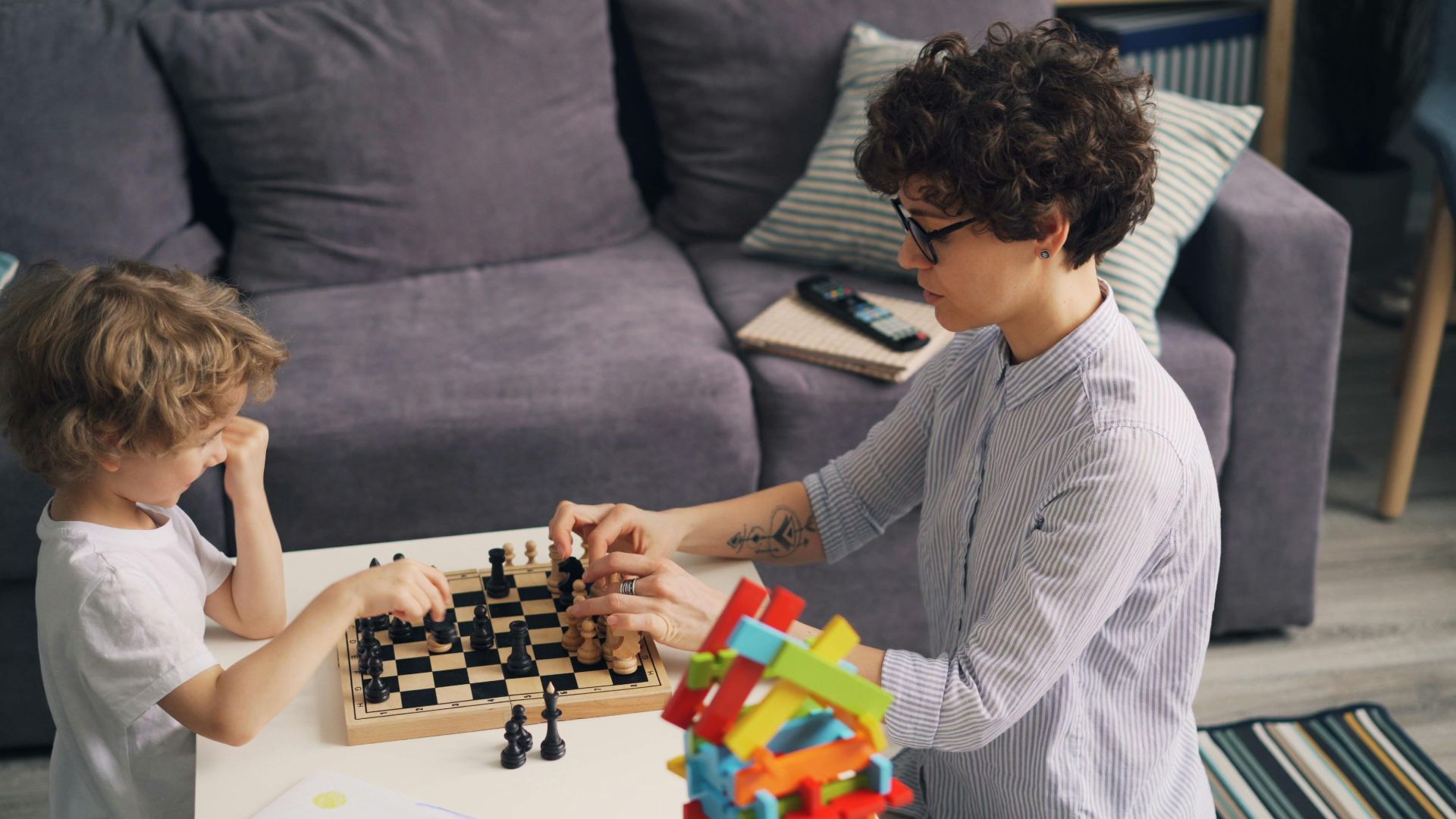
Family learning can feel like teamwork more than tutoring. Cooking or researching a fun topic teaches cooperation and communication. Parents often discover something new right alongside their kids. That shared discovery builds stronger bonds and turns education into a shared family story.

14. Support Independent Study
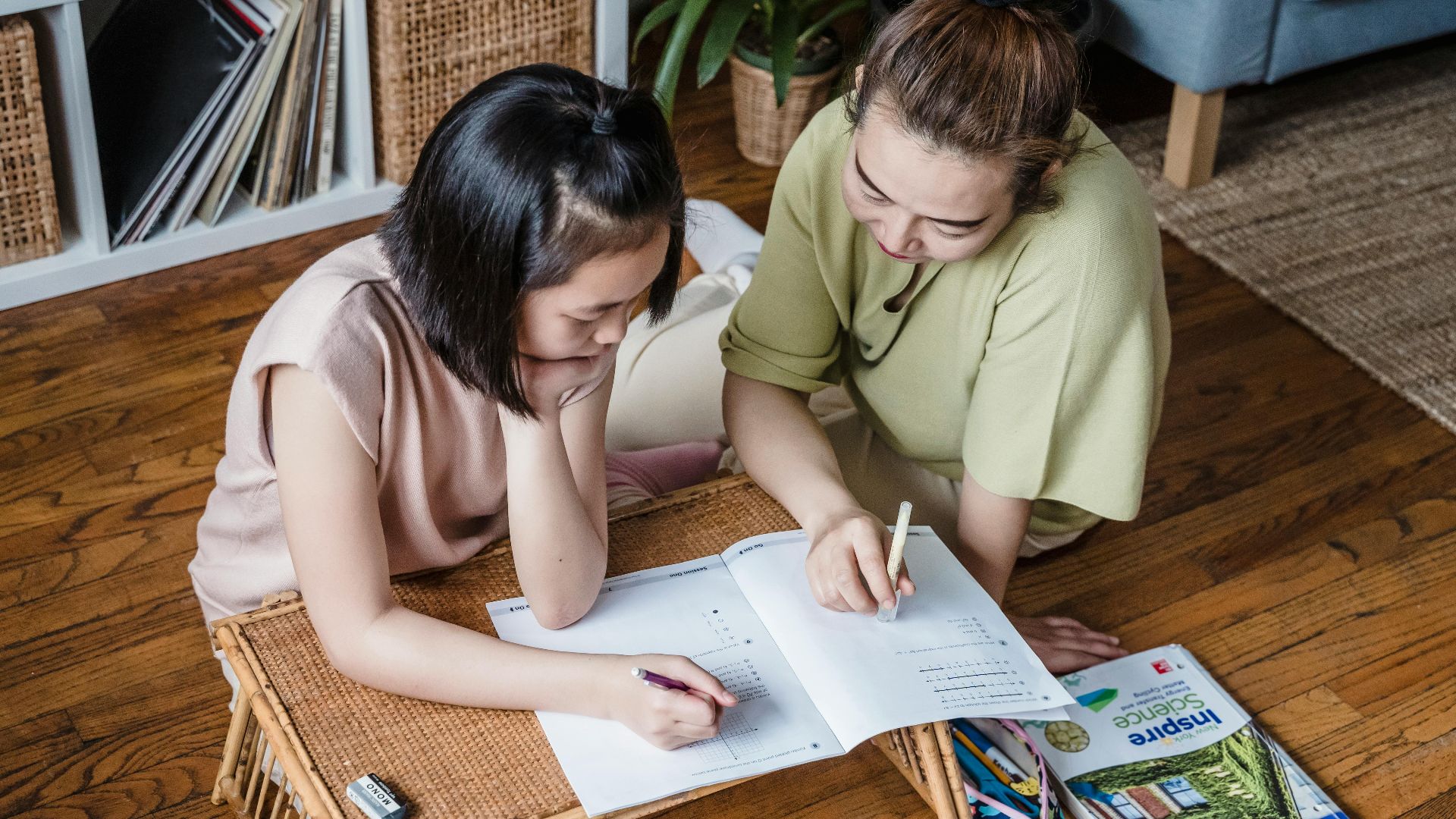
Sometimes, stepping back shows the most support. Giving children space to manage their own study time fosters independence and responsibility. They decorate their desks, choose playlists, and take pride in progress. Gentle guidance instead of constant direction encourages growth and self-trust.

15. Encourage Journaling For Reflection
Provide children with a notebook where they can explore thoughts and record learning experiences. Writing regularly promotes self-awareness, strengthens communication skills, and helps kids engage more deeply and meaningfully with their learning at home.

16. Rotate Learning Roles At Home
Let kids take the lead sometimes—teach a sibling, explain a concept, or quiz a parent. Role reversal boosts confidence and deepens understanding. It also helps children feel ownership over their learning and builds communication skills naturally.

17. Build Discipline
Focus isn't built overnight—it grows through small daily habits. Short study sessions with music or timers can train steady attention. Parents who praise focus instead of perfection see lasting results. Over time, those routines turn discipline into a natural, empowering rhythm.

18. Encourage Creative Problem-Solving
Ask a child to design a bridge out of straws or solve a riddle before dinner, and watch them light up with ideas. These mini-challenges build adaptability and courage to try new things. Creative problem-solving becomes a skill they carry into every subject and stage of life.
 Photo By: Kaboompics.com on Pexels
19. Link Academic Lessons To Real-Life Examples
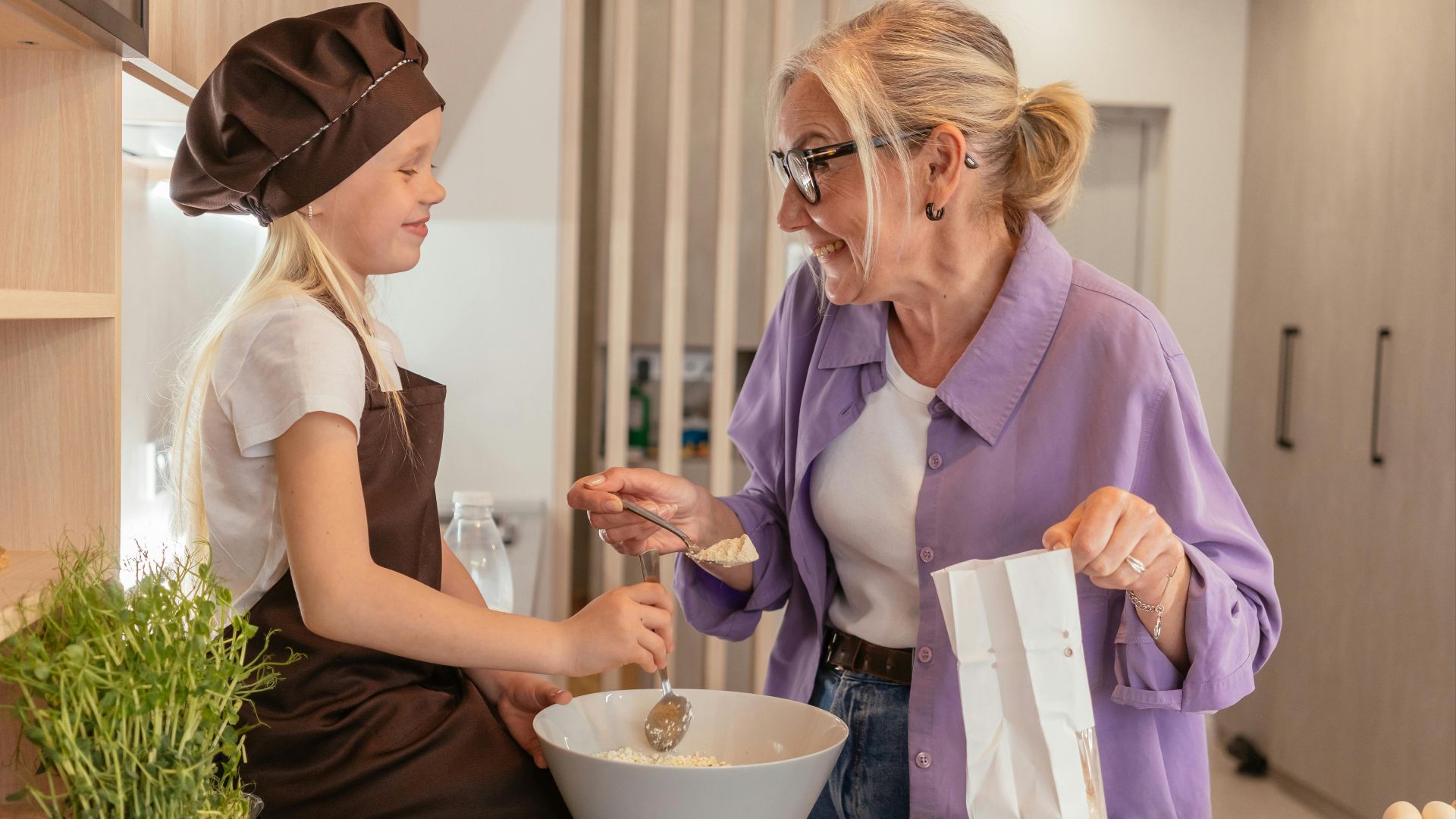
Lessons become memorable once they leave the page. Measuring flour turns into a math lesson, and a backyard garden becomes a living science lab. When studies connect to real experiences, they build understanding and help curiosity thrive beyond school hours.
20. Use Educational Technology
A tablet can turn equations into puzzles and history into discovery. The key lies in using apps with purpose, not as fillers. When parents explore new tools beside their kids, technology becomes a shared adventure that fuels curiosity without taking over daily life.