Lunar New Year At Home: Simple Traditions Kids Actually Enjoy
Lunar New Year, also known as Chinese New Year, is one of the most widely celebrated holidays in the world, observed by over a billion people across East and Southeast Asia as well as in communities around the world. You don't need elaborate decorations, expensive outings, or a deep knowledge of every tradition to make this celebration feel meaningful and fun. A few well-chosen activities can introduce children to the symbolism behind the holiday while keeping the whole experience enjoyable.
What makes Lunar New Year so well-suited for family celebrations is that its core traditions already revolve around things kids love: making things by hand, eating good food, and moving around. The holiday's themes of luck, family reunion, and fresh beginnings translate naturally into activities that feel like play rather than lessons. According to Bright Path Kids, even simple crafts and symbolic foods can spark meaningful conversations about heritage, giving children both cultural pride and a sense of belonging.
Crafts and Decorations
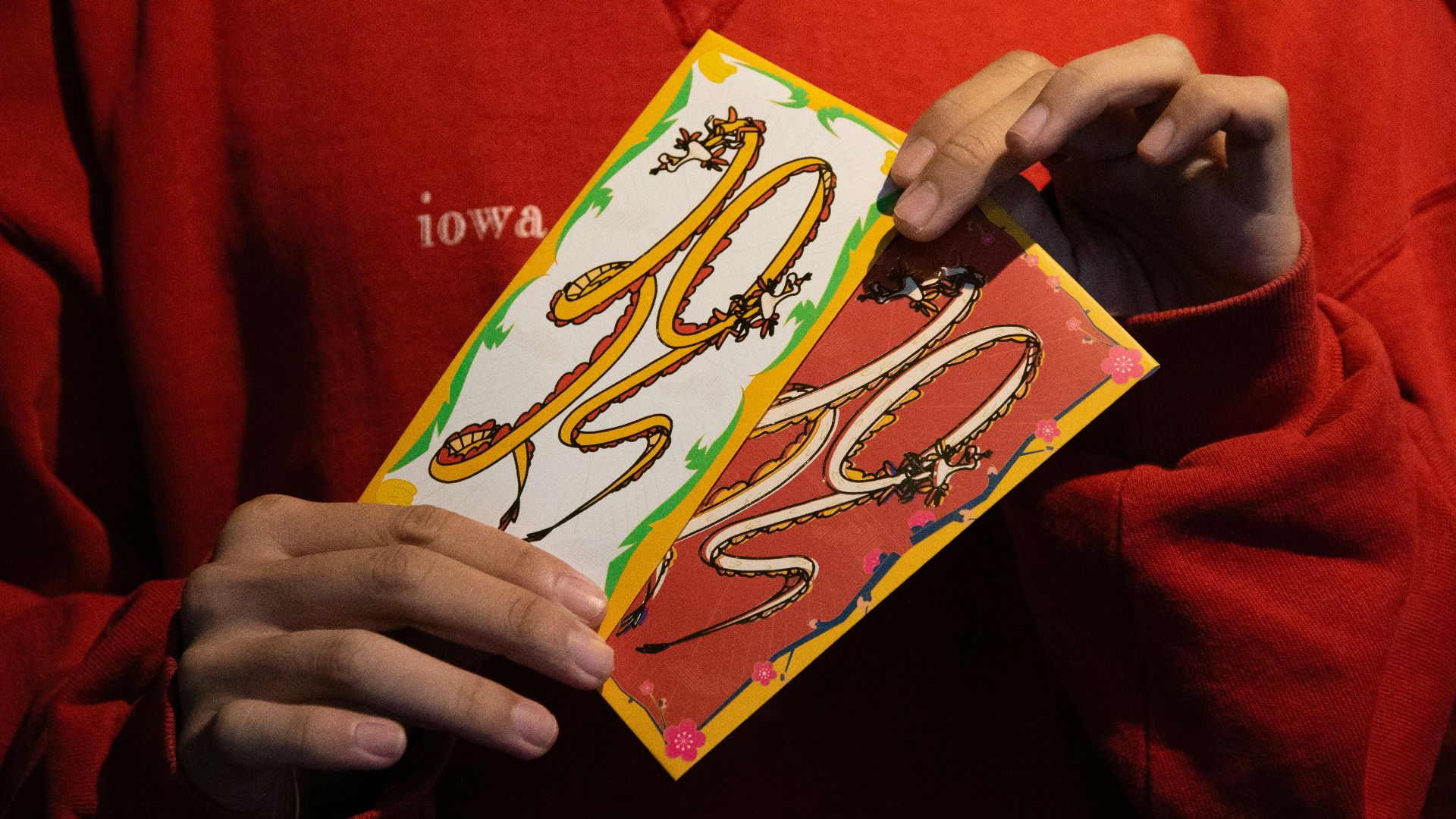
One of the most beloved Lunar New Year traditions for children is decorating red envelopes, called hongbao. Kids can personalize plain red envelopes with stickers, markers, or cut-out gold shapes, fill them with a few coins or small candies, and practice the ritual of giving them to family members. The act of gifting, even on a small scale, teaches the symbolism of prosperity and generosity in a way that particularly resonates with younger children.
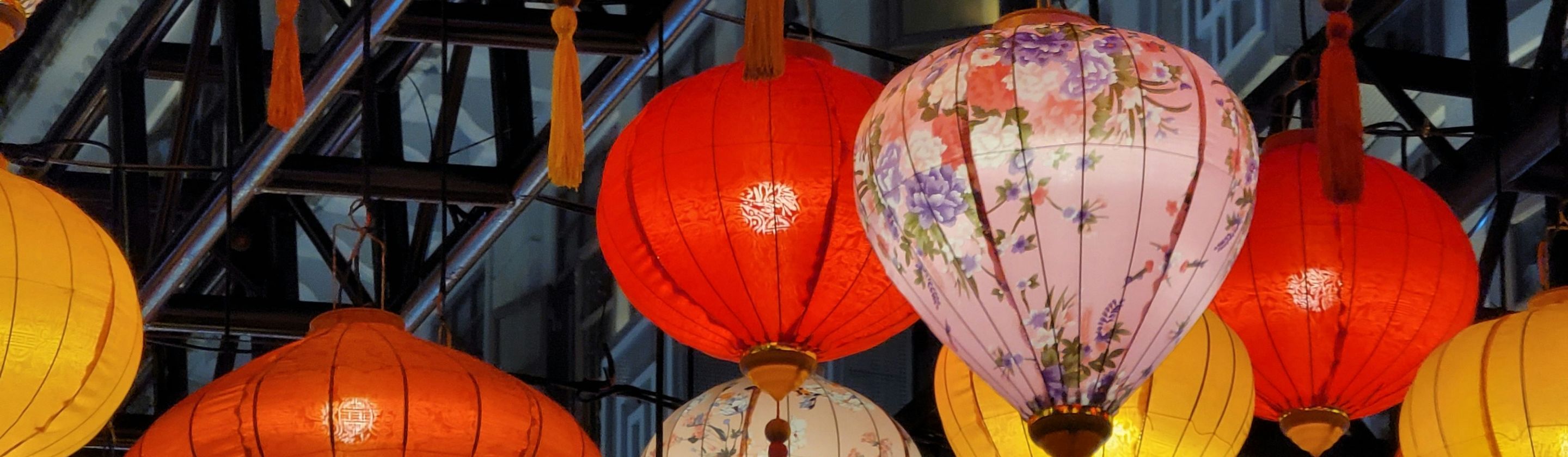
Paper lanterns are another craft that children take to quickly. Red paper folded and cut into lantern shapes can be strung together and hung around a doorway or window, turning a plain room into something truly festive. Lanterns traditionally represent hope and light for the coming year, and explaining that symbolism while crafting gives the activity a natural storytelling element.
Zodiac animal crafts round out the decorating activity nicely, especially since 2025 is the Year of the Snake. Kids can draw, paint, or cut out snake designs and talk about the traits the snake represents in Chinese astrology, including wisdom and intuition. Bright Path Kids also recommends starting the day with the classic clean-house ritual, where children help sweep the floors to symbolically sweep away bad luck from the previous year. It’s a tradition, but also a sneaky way of getting kids more accustomed to doing chores.
Foods Worth Making Together
Cooking together is one of the most effective ways to teach children about any culture, and the Lunar New Year has a particularly rich food tradition built around symbolism. Dumplings are a great option, as kids can help stuff and fold them. Their resemblance to ancient gold ingots connects them to themes of wealth and good fortune.
Tangyuan, or sweet glutinous rice balls, are another hands-on option where kids roll the dough into round shapes before they're cooked in a sweet broth. The round form represents family unity and reunion, and even very young children can participate in the rolling process. Go Au Pair notes that this food tradition is particularly meaningful because the act of making something round and whole together mirrors the holiday's emphasis on togetherness.
For families who want the symbolic food experience without the cooking, the Tray of Togetherness is an accessible alternative. You fill a box or tray with items like nuts, dried fruits, chocolates, and seeds, each of which carries its own meaning related to health, fertility, or fortune. Newy With Kids highlights this as a crowd-pleasing option that requires no cooking at all while still sparking conversation about what each item represents.
Games, Movement, and Storytelling
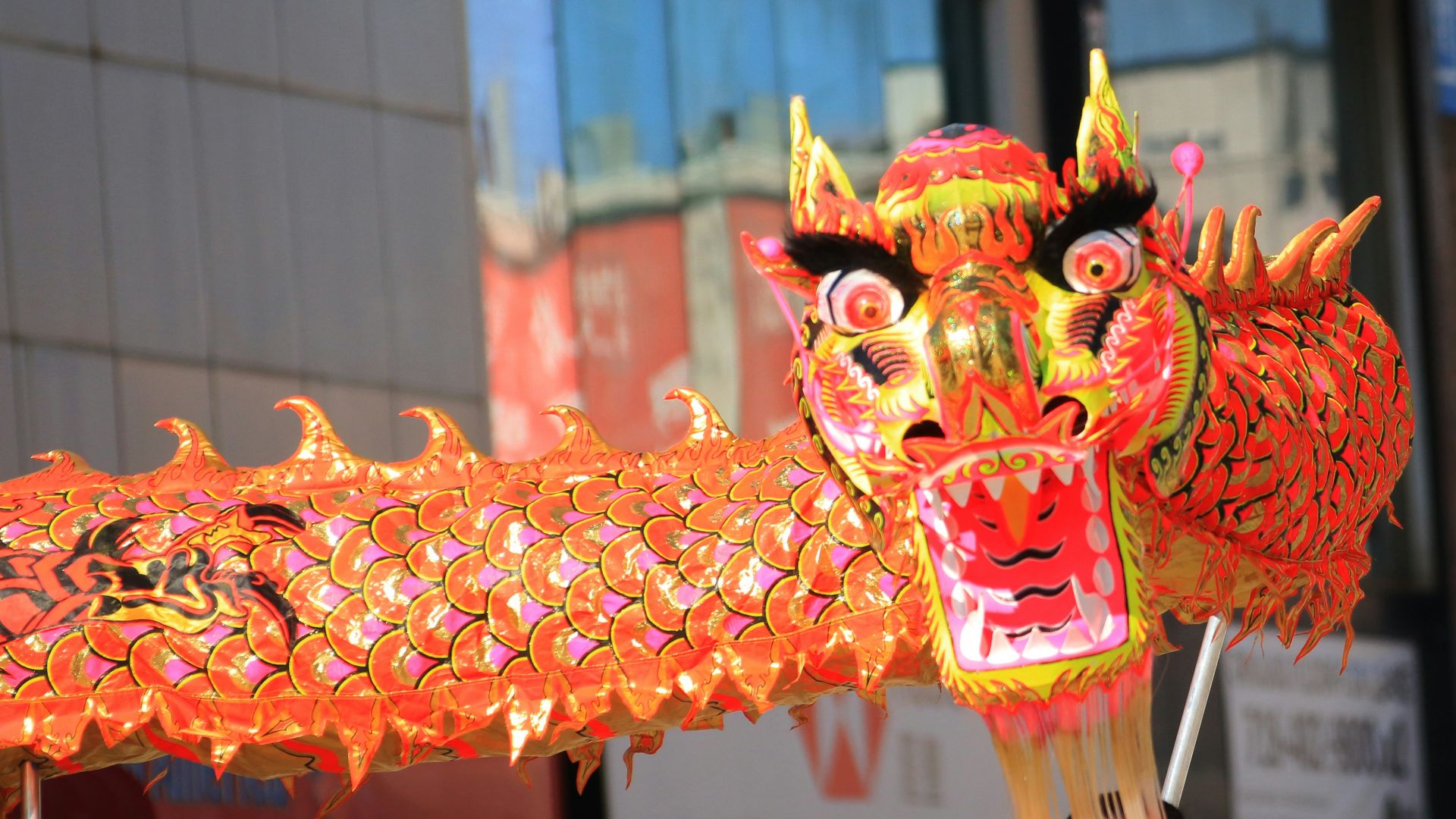
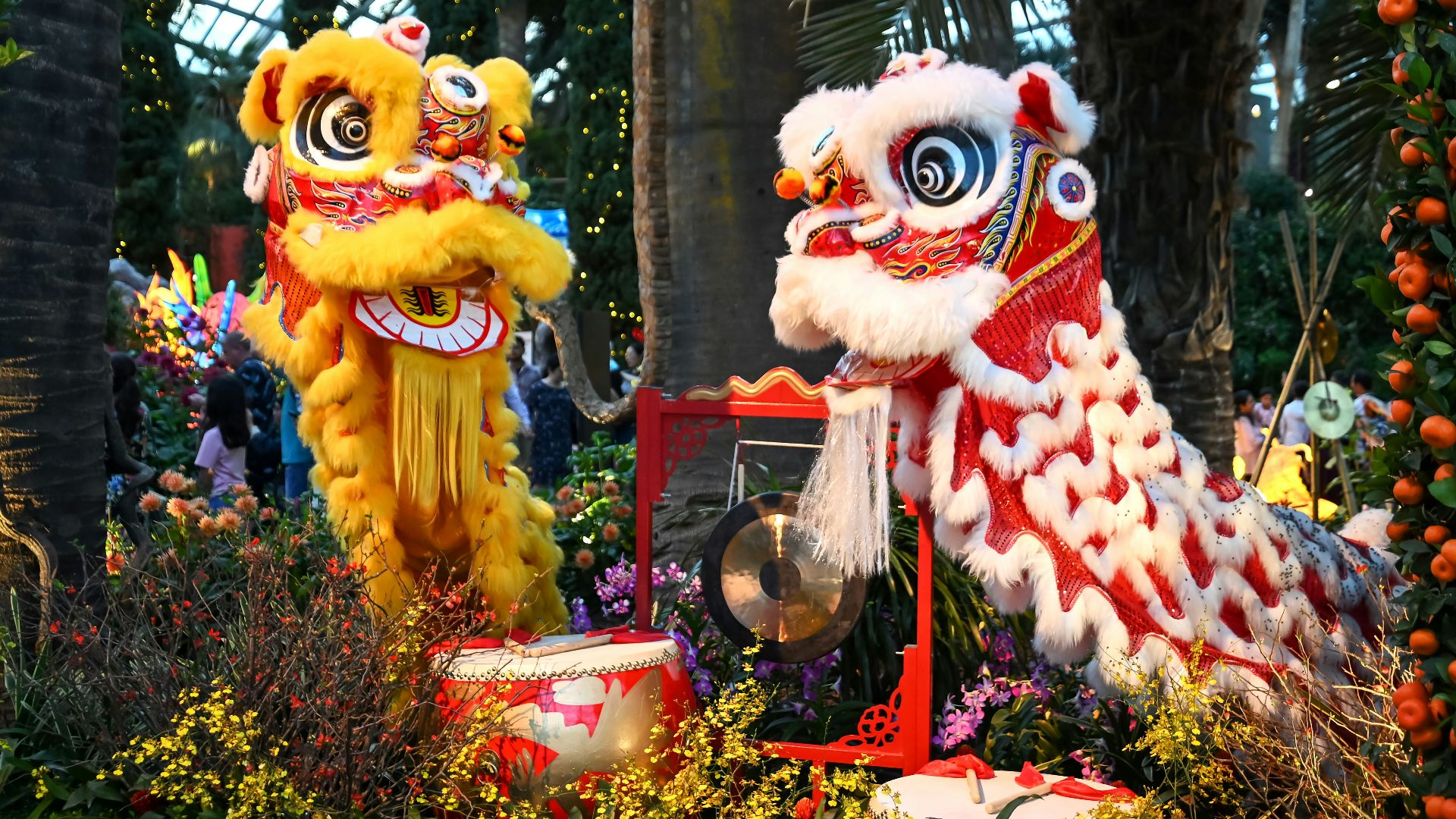
Active play keeps energy moving throughout the celebrations. A mini dragon dance is one of the most memorable activities you can do at home, with kids wearing paper masks and holding a homemade paper dragon tail while parading through the house to music. Gigwise explains that dragon dances traditionally ward off evil spirits, and even a living room version of this tradition carries a contagious sense of joy and spectacle.
A wish tree is another activity that works well after kids’ energy wears off. You write personal hopes for the new year on strips of red paper, then hang them on a bare branch set in a vase or propped in a corner. UCMAS recommends this as a reflective ritual that encourages children to articulate their goals in an age-appropriate, low-pressure way, and it doubles as decoration you can keep up for the season.
Storytelling brings everything together and gives the holiday its narrative backbone. The legend of the Nian monster, a creature driven away by loud noises and the color red, explains the fireworks, red decorations, and general enthusiasm that define Lunar New Year celebrations worldwide. Go Au Pair suggests ending the day by teaching kids a simple greeting like "Gong Xi Fa Cai," which roughly means "wishing you prosperity," as a way to connect the day's activities to a living, spoken tradition.