Not Every Bestseller Deserves a Spot on Your Nightstand
The pregnancy book industry pulls in over $50 million annually, which means publishers have figured out that anxious expectant parents will buy just about anything promising answers. Walk into any bookstore and you'll find entire shelves dedicated to gestating humans. While some of these books genuinely deliver wisdom that'll stick with you through labor and beyond, others are expensive doorstops wrapped in pastel covers. Here are ten that are worth reading and ten that you’d be better off skipping.
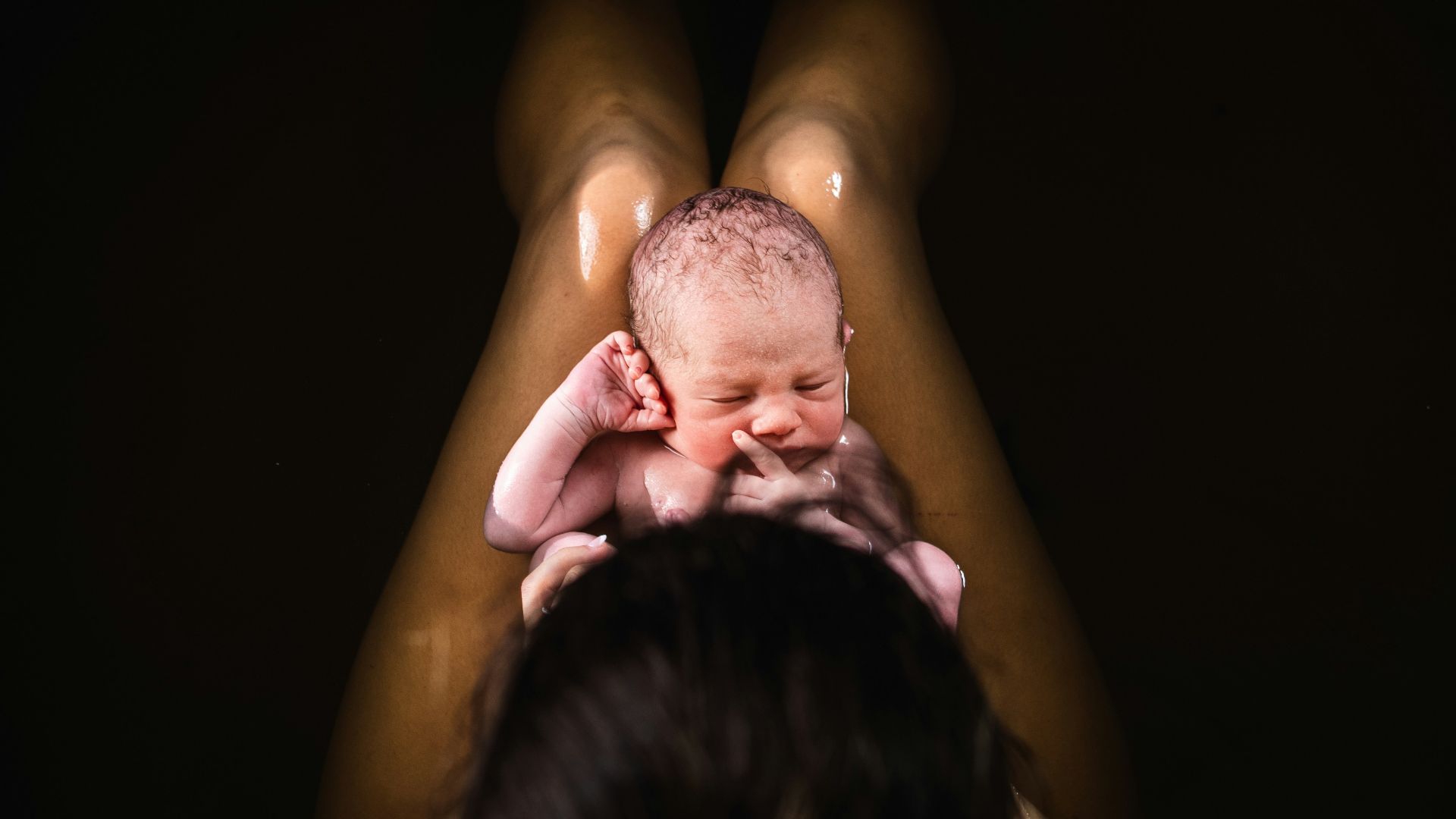
1. "Expecting Better" by Emily Oster
Oster, an economist, does something radical and actually reads the studies behind all those pregnancy rules. She answers such burning questions as whether or not you can have that glass of wine or if sushi is truly a risk. Instead of pearl-clutching, she presents data.
2. "The Birth Partner" by Penny Simkin
Simkin, a doula who's attended thousands of births, writes with the kind of practical specificity that only comes from real experience. She includes actual comfort measures with illustrations on how exactly to apply counterpressure during back labor and what position helps when the baby’s stuck.
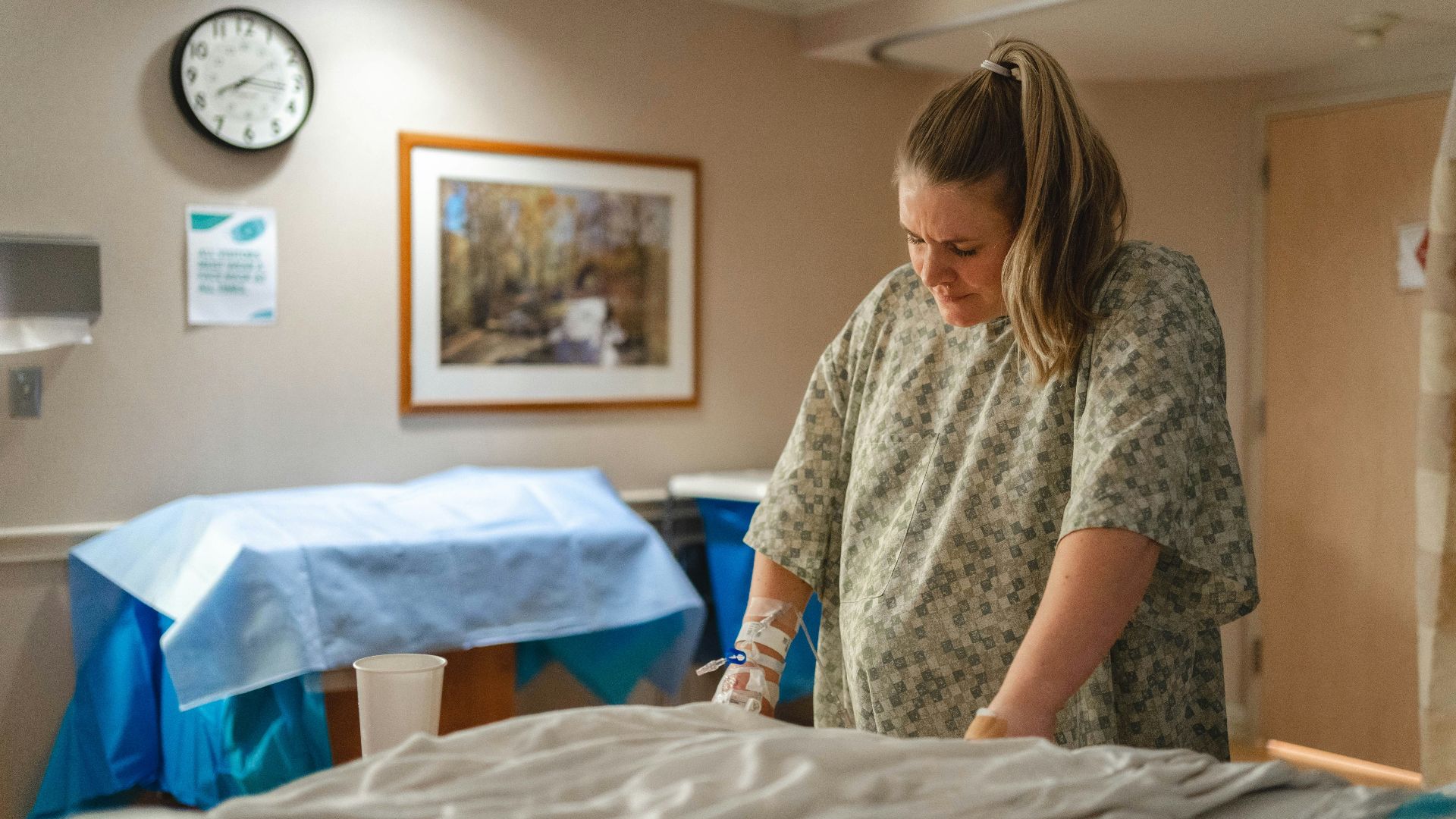
3. "Ina May's Guide to Childbirth" by Ina May Gaskin
Gaskin has attended over 1,200 births, and her cesarean rate hovers around 1.4%, compared to the U.S. national average of 32%. The second half of her book gets into physiology and explores the idea that the cervix, like other sphincters, doesn't perform well under observation.
4. "The Mama Natural Week-by-Week Guide" by Genevieve Howland
Howland has the natural birth credentials, and her book is full of home remedies and packaged for people who also want trimester-by-trimester breakdowns and pretty graphics. What makes this guide work is that Howland actually includes both conventional and alternative options without getting preachy.
5. "Nurture" by Erica Chidi
Chidi, a doula and educator, writes like she's talking to you over coffee. The book covers everything from conception through postpartum, with illustrations that show actual diverse bodies. She includes a whole section on perineal massage that's detailed enough to be useful but not so clinical that you can’t understand it.
 Mohammad Hossein Farahzadi on Unsplash
6. "Pregnancy, Childbirth, and the Newborn" by Penny Simkin and others
Originally published in 1979 and now in its fifth edition, it's essentially an encyclopedia that acknowledges you might want different things than your neighbor. Medical interventions get explained without judgment, and home birth gets covered without evangelizing.
7. "The Positive Birth Book" by Milli Hill
Hill founded the Positive Birth Movement in the UK, and this book reflects her belief that all births can be positive experiences, regardless of how they unfold. That includes cesareans, which often get left out of empowering birth narratives. The hypnobirthing techniques she describes are stripped of the woo-woo language that sometimes surrounds them.
8. "Bringing Up Bébé" by Pamela Druckerman
Technically this is a parenting book, but it provides interesting insights into how French pregnancy culture differs from that of America. French women gain less weight during pregnancy—about 26 pounds versus the American 30–35—partly because their doctors still recommend strict limits.
9. "Real Food for Pregnancy" by Lily Nichols
Nichols, a registered dietitian, challenges conventional prenatal nutrition advice with thorough research citations. She argues for more protein than typically recommended and questions whether folate supplements prevent as many neural tube defects as we think. Her meal plans actually account for first-trimester nausea and third-trimester heartburn.
10. "The Fourth Trimester" by Kimberly Ann Johnson
Most pregnancy books end when labor does. Johnson starts where they stop. She's a postpartum doula and somatic therapist who writes about birth recovery. Her chapter on pelvic floor rehab includes exercises with modifications. The section on emotional processing acknowledges that birth can be traumatic.
And now, here are ten books that aren’t as helpful.
1. "What to Expect When You're Expecting"
The bestselling pregnancy book of all time, with over 20 million copies sold since 1984. Every chapter lists dozens of possible symptoms and complications, organized by likelihood but still terrifying. It’s like reading WebMD cover to cover while gestating.
2. "The Girlfriend's Guide to Pregnancy" by Vicki Iovine
Published in 1995, this was revolutionary for admitting pregnancy could be gross and uncomfortable. Now it reads like a relic. Iovine's humor hasn't aged well, and the medical information is outdated. Nostalgia doesn't make it worth reading when better alternatives exist.
3. "HypnoBirthing" by Marie Mongan
Mongan coined the term "hypnobirthing" and seems determined to remind readers of this repeatedly. Her insistence that pain doesn't exist and is only a “sensation” is dismissive of actual experiences. It’s better to learn these techniques from an instructor or find a less dogmatic book on the same topic.

4. "The Womanly Art of Breastfeeding" by La Leche League
Their book promotes breastfeeding with such fervor that formula becomes the enemy. The newest edition softened some of the judgment, yet the underlying message remains: breast is not just best, it's the only acceptable option.
5. "The Baby Book" by William and Martha Sears
Sears invented the term "attachment parenting," which sounds sweet until you discover it involves constant babywearing, co-sleeping, and mandatory breastfeeding. The research they cite is selective, and their tone suggests any other approach damages children.
6. "Spiritual Midwifery" by Ina May Gaskin
The birth stories in this book include details about the couples' sex lives and spiritual experiences that veer into too-much-information territory. The medical advice is dated, with her even suggesting kissing during labor can prevent tearing. The psychedelic hippie language might charm some readers but alienates plenty of others.
7. "Belly Laughs" by Jenny McCarthy
McCarthy writes about pregnancy mishaps in a self-deprecating way that's occasionally amusing. The problem is that anecdotes about hemorrhoids and gas don't actually prepare you for anything. It's the literary equivalent of empty calories.
8. "Precious Little Sleep" by Alexis Dubief
Dubief's book promises a no-nonsense approach to newborn sleep training with humor and practical tips, appealing to exhausted parents desperate for rest. Critics argue it oversimplifies sleep science, downplays safe sleep risks like SIDS, and pushes methods that may not suit all babies or family dynamics.
9. "The Whole 9 Months" by Jennifer Ashton
Ashton is an OB-GYN and ABC News correspondent, so her credentials seem solid, but her book reads like a greatest hits compilation of conventional wisdom without adding much new. She recommends standard prenatal vitamins, standard weight gain—basically standard everything.
 Jennifer Kalenberg on Unsplash
10. "Supernatural Childbirth" by Jackie Mize
This Christian book promises that faith eliminates pain during labor. Mize claims she had painless births through prayer and wants the same for readers. The theological implications that pain indicates insufficient faith are troubling. Women who follow this advice and then experience painful labor face not only physical challenges but spiritual crisis.