

We’ve said it time and again: this is the year we’re going to lose weight. It’s a fine New Year's resolution to have, and a common one at that, but it’s also one of the biggest challenges we need to overcome. Many people assume that weight loss is a one-and-done deal; they’ll work out a little, they’ll eat a bit better, and voila! But weight loss is a lifelong commitment, and that’s what trips most people up.
To really succeed with your resolution, you need to understand the intricacies of weight loss and build a plan that works for you. You can watch all the influencers you like—their main goal is to sell you on a lifestyle (and the items that go with it); they’re not going to help you push through. However, if you want to lose weight and keep it off, let’s dive into the real advice!
Build a Sustainable Plan

Just about everyone has fallen into the trap of work hard, lose fast. It seems smart on the surface; the less we eat and the more we exercise, the quicker those pounds are shed. The worst part is that the theory works in most cases! Sure, you’ll lose a ton of weight, and you’ll gain it back just as quickly. Why is that?
The thing with crash dieting is that it isn’t sustainable. It isn’t healthy, either. Remember what we said about a lifelong commitment? Well, do you truly plan on eating 1,000 calories a day for the rest of your life? Are you going to burn 600 calories four times a week? Our bodies need time to catch up with the new normal, and eating too few calories puts you at a greater risk of overeating to compensate for the inevitable hunger. Exercise also makes you hungry, so the more strenuous your regimen, the more fuel you’ll need.
The sad truth is that we often rely on nasty advice or outdated methods that have since been debunked. This isn’t the ‘90s—to lose weight and keep it off, you need a plan forward that not only sheds fat, but mainly keeps you strong. Just because you’re skinny doesn’t mean you’re healthy!
Teach Yourself to Read Calories
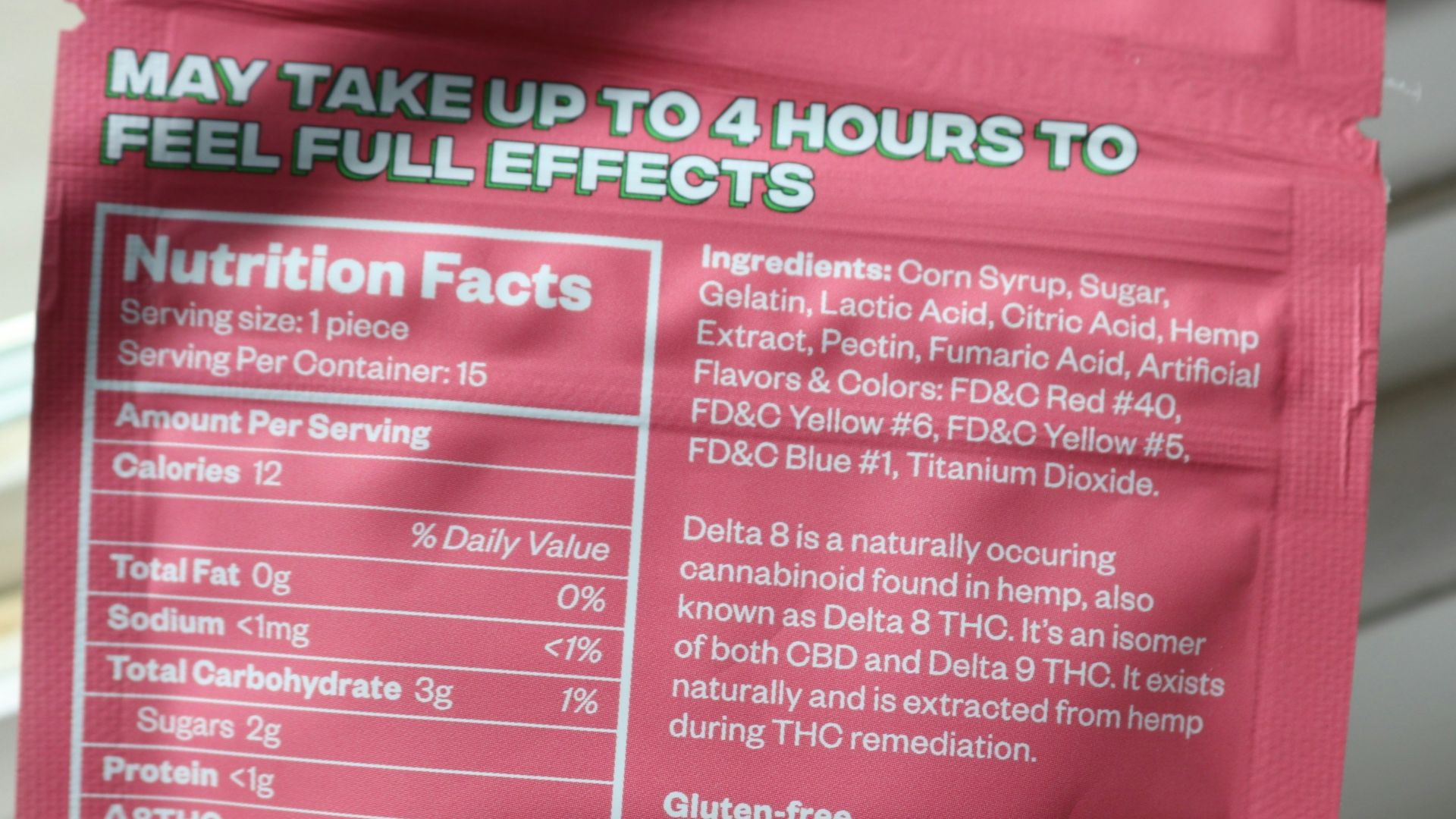
Like it or not, weight loss comes with all kinds of information. You don’t need to become a whiz at calorie counting or macros, but you should learn about nutrition. That means reading food labels, upping your protein, and consulting with your physician about how many calories you truly need in a day.
Calorie-counting apps are also your best friend moving forward. It’s a rude wakeup call to see just how much we consume in a day, but without that information, we won’t make the necessary cuts to our diets! To make things more complicated, reading labels is half the battle. The other half is accurately monitoring what you eat, which is a common enough problem with many adults. (Remember that different calories burn in different ways, too, impacting weight loss over time.)
That’s why speaking with a dietician is a smart move; they’ll help you build a proper plan and guarantee long-lasting success. Recruiting professionals also ensures that you stay healthy in the long run. The last thing you want is to fall for some influencer’s advice, fall off the wagon, and get upset with yourself for “failing.” You didn’t fail—you just need to speak to the right people!
Neglecting Your Overall Health

For decades, weight loss was peddled as the ultimate form of self-care. Obviously, weight loss is important, but it’s a far cry from being the only component of healthy living. Everything from your sleep schedule, your stress levels, and even your daily water intake contributes to your overall health. So, to actually succeed on your weight loss journey, you need to focus on the “small” stuff, too.
For example, let’s look at ditching breakfast. Skipping meals seems smart at first, but it’s actually a huge detriment to your journey! Your body needs fuel to stay energized; without it, you’re looking at crashes, poor mood, and weight fluctuations. Studies show that skipping meals doesn’t have the positive effect we once thought it would, and instead, can hurt our health over time—especially when skipping breakfast. As opposed to skipping, focus on what you consume throughout the day.
Your weight loss journey is about so much more than shedding a few pounds. Your main goal should be protecting your health, and you’ll never truly see long-lasting results without speaking to your doctor, building a proper nutrition plan, and sticking with the right workouts. (Exercise is its own can of worms anyway, so it’s always better to consult a professional!) This new year, it’s time to prioritize what really matters.