
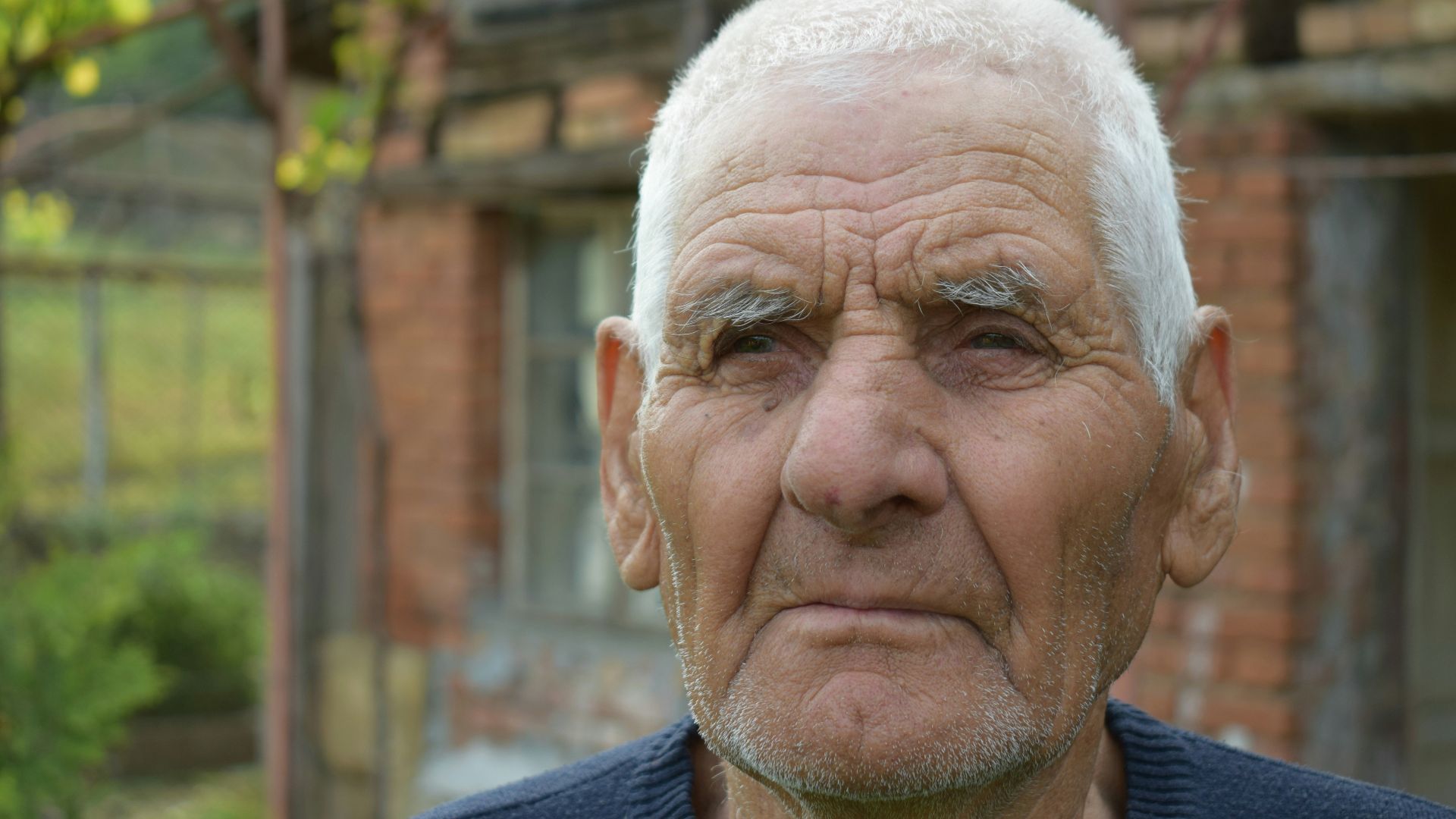
Ever notice how your grandfather seems perpetually annoyed by everything from loud music to how you hold your fork? Turns out, there's actual neuroscience behind the "get off my lawn" phenomenon. As we age, the prefrontal cortex—the brain's emotional regulation center—experiences reduced activity.
This means older adults literally have a harder time suppressing negative reactions and managing frustration. But here's where it gets interesting: it's not just about brain changes.
Science Behind The Scowl
Research from Stanford University found that older adults show decreased activity in the amygdala when viewing negative images compared to younger people. You'd think this would make them less grumpy, right? Wrong. The catch is that while they process negative emotions differently, they also become less tolerant of inefficiency and disorder.
After decades of life experience, your brain develops strong patterns about how things "should" work. When reality doesn't match these expectations—which happens constantly in our chaotic world—irritation spikes, it's like having a detailed instruction manual for life, then watching everyone ignore it.
Hidden Culprits Nobody Talks About
Pain changes everything. Chronic discomfort, which affects many adults over sixty, significantly impacts mood and patience. When your knees ache every time you stand or your back throbs when you sit too long, the world becomes an obstacle course. That "grumpy old person" might just be someone managing constant physical discomfort that younger people can't see.
Sleep disruption plays an equally massive role. Older adults spend less time in deep sleep and wake more frequently during the night. Even if they're in bed for eight hours, they might only get five hours of quality rest. Sleep deprivation doesn't just make you tired—it affects your emotional resilience, amplifies adverse reactions, and makes minor annoyances feel catastrophic.
Combine poor sleep with hearing loss, which affects one in three people over sixty-five, and you've got a recipe for crankiness. When you can't hear conversations clearly, social interactions become exhausting rather than enjoyable, leading to withdrawal and irritability.
Breaking The Grumpy Cycle

Grumpiness isn't inevitable. Physical activity stands out as the most powerful intervention. Research published in Social Cognitive and Affective Neuroscience shows that just thirty minutes of moderate-intensity aerobic exercise can enhance positive mood in older adults, with effects particularly pronounced in those experiencing sleep disturbances.
Cultivating curiosity acts as a psychological reset button. When you approach new experiences with genuine interest rather than judgment, your brain shifts from threat-detection mode to exploration mode. This could mean learning a language, taking up pottery, or simply asking "why" more often instead of "that's wrong."
Finally, addressing the physical issues matters enormously. Treating chronic pain, getting hearing aids, or working with a sleep specialist isn't just about comfort—it's about preserving your emotional well-being. Social connection buffers against grumpiness, too.
People with strong friendships and community ties maintain better moods regardless of age, probably because positive interactions flood the brain with oxytocin, counteracting stress hormones that fuel irritability.