Tracing American Heritage
Last names are like fingerprints of history, marking where families came from and what they once did. Medieval England gave us occupational names. Spain contributed patronymic traditions. These naming patterns crossed oceans and centuries to land in American culture. What seems ordinary today actually tells extraordinary tales. These 20 common surnames in America belong to millions of people who've probably never thought twice about their meaning.

1. Smith
Picture a medieval blacksmith hammering away at red-hot iron, sparks flying in every direction. That's where America's most common surname began its journey. English settlers brought this occupational name across the Atlantic, where it stuck like glue to American identity.
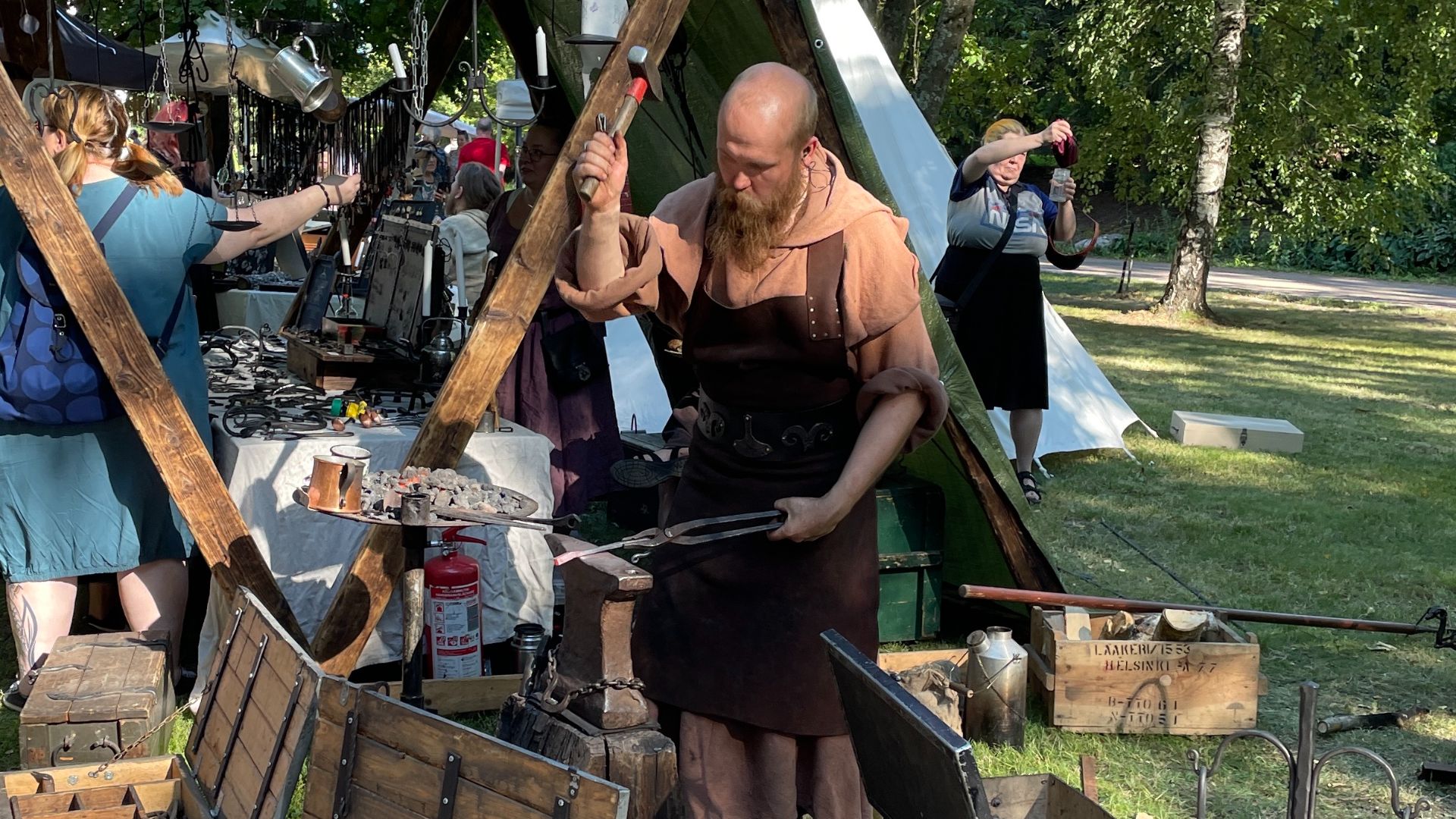 Ypsilon from Finland on Wikimedia
2. Johnson
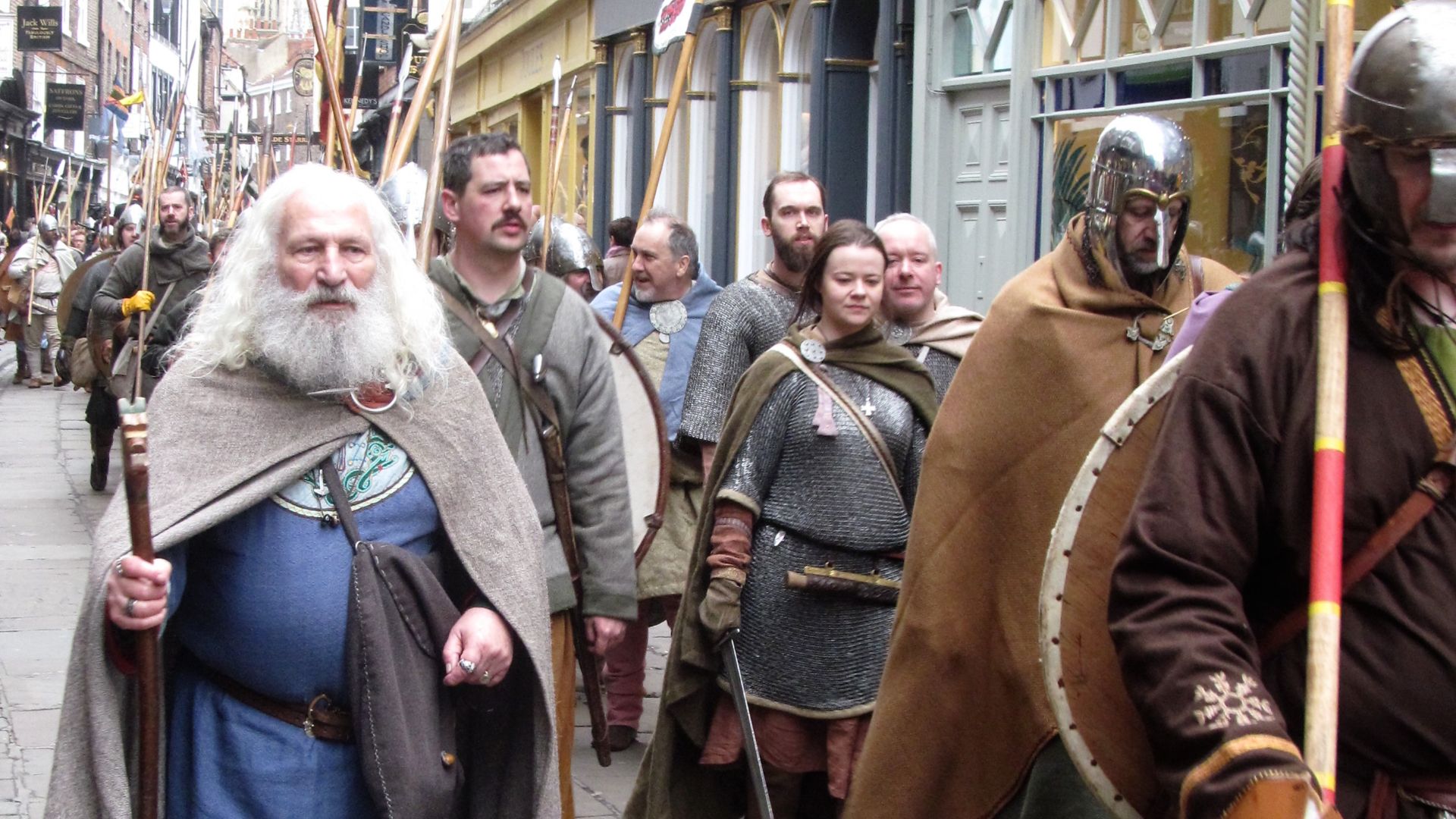
Scandinavian Vikings left more than just folklore when they invaded Britain centuries ago. They planted naming traditions that would eventually sail to American shores. Johnson simply means "son of John," following the old Norse pattern of adding "son" to a father's first name.
3. Williams
The Germanic root "will" meant desire or protection, combined with "helm" for helmet. William the Conqueror made this first name wildly popular in England after 1066. Welsh naming customs added an "s" to show possession, creating Williams as a way to say "belonging to William's family."
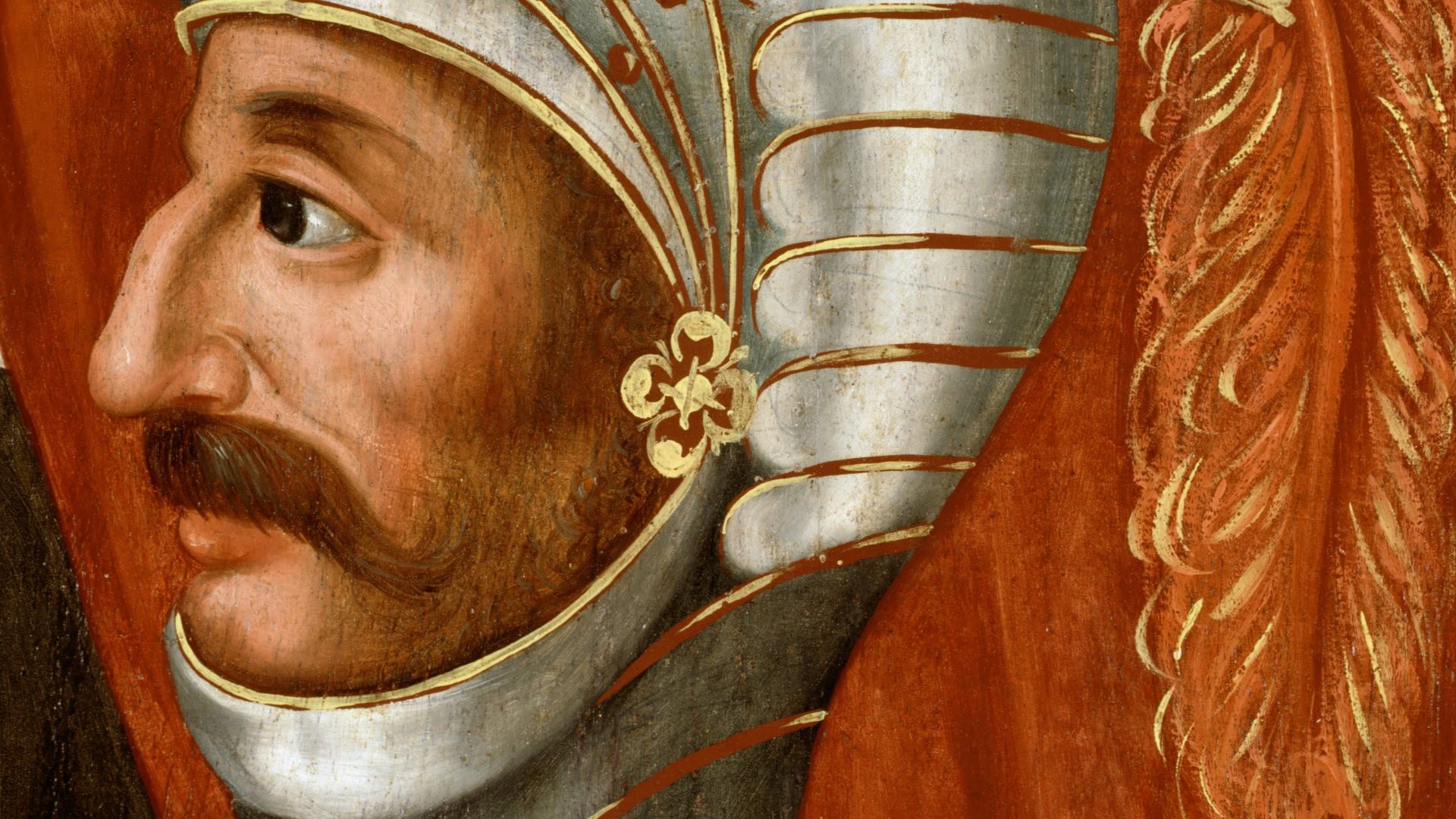 British – School Details on Google Art Project on Wikimedia
4. Brown
Not all surnames came from jobs or fathers' names; some simply described what people looked like. Brown pointed to someone with brown hair, brown eyes, or deeply tanned skin from working outdoors. English and Scottish families carried this descriptive surname.

5. Jones
Medieval Wales turned the common first name John into one of America's most widespread surnames. The Welsh added an "s" to show family belonging, turning John into Jones across the countryside. This surname dominated Welsh communities so thoroughly that it became almost synonymous with Welsh heritage itself.
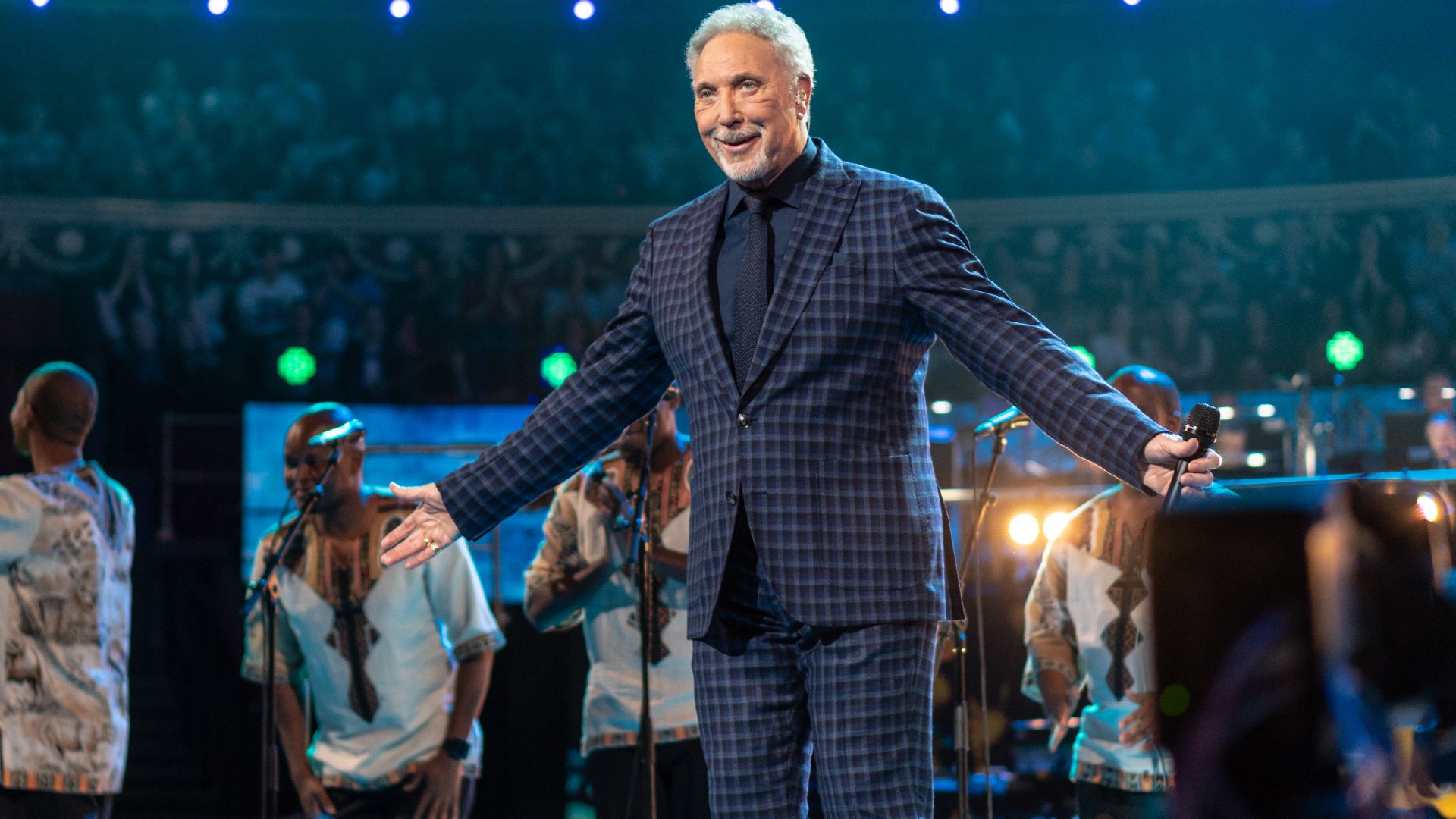
6. Garcia
Garcia is a surname of Spanish and Basque origin and is one of the most widespread Hispanic surnames in the United States. Linguists believe it derives from the Basque word “gartzia”, meaning “young” or possibly “bear”, though interpretations vary.
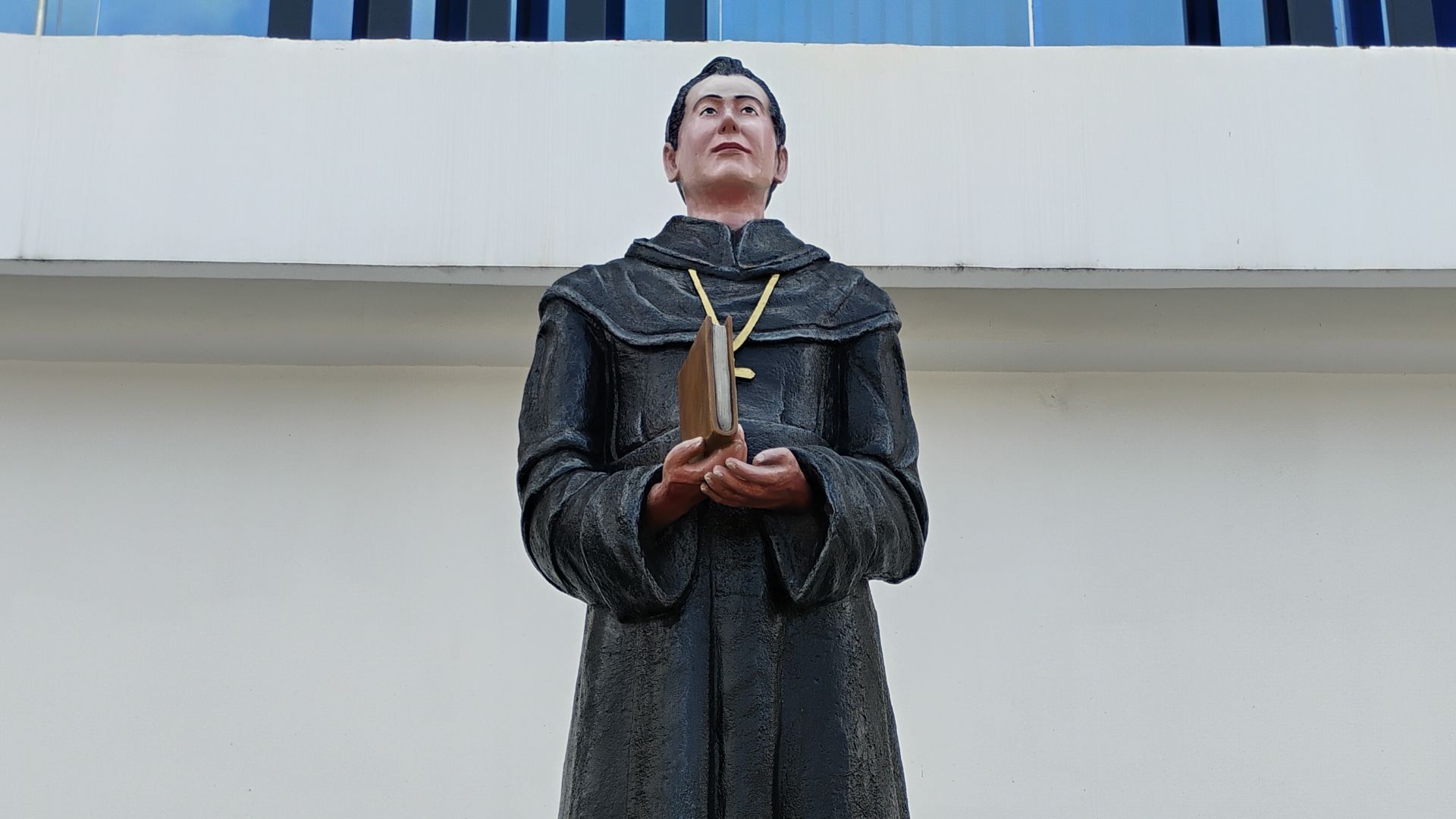 Ralff Nestor Nacor on Wikimedia
7. Miller
Every medieval village needed someone to grind grain into flour, making millers essential to survival. These craftsmen operated massive stone wheels powered by water or wind, producing the flour that fed entire communities. Multiple ethnic groups used similar names.

8. Davis
The beloved biblical name David spawned this patronymic surname that means "son of David" or "David's descendant." Welsh communities particularly favored this surname, converting the Hebrew name meaning "beloved" into a family identifier. Military leaders, farmers, and merchants all carried Davis into American history.
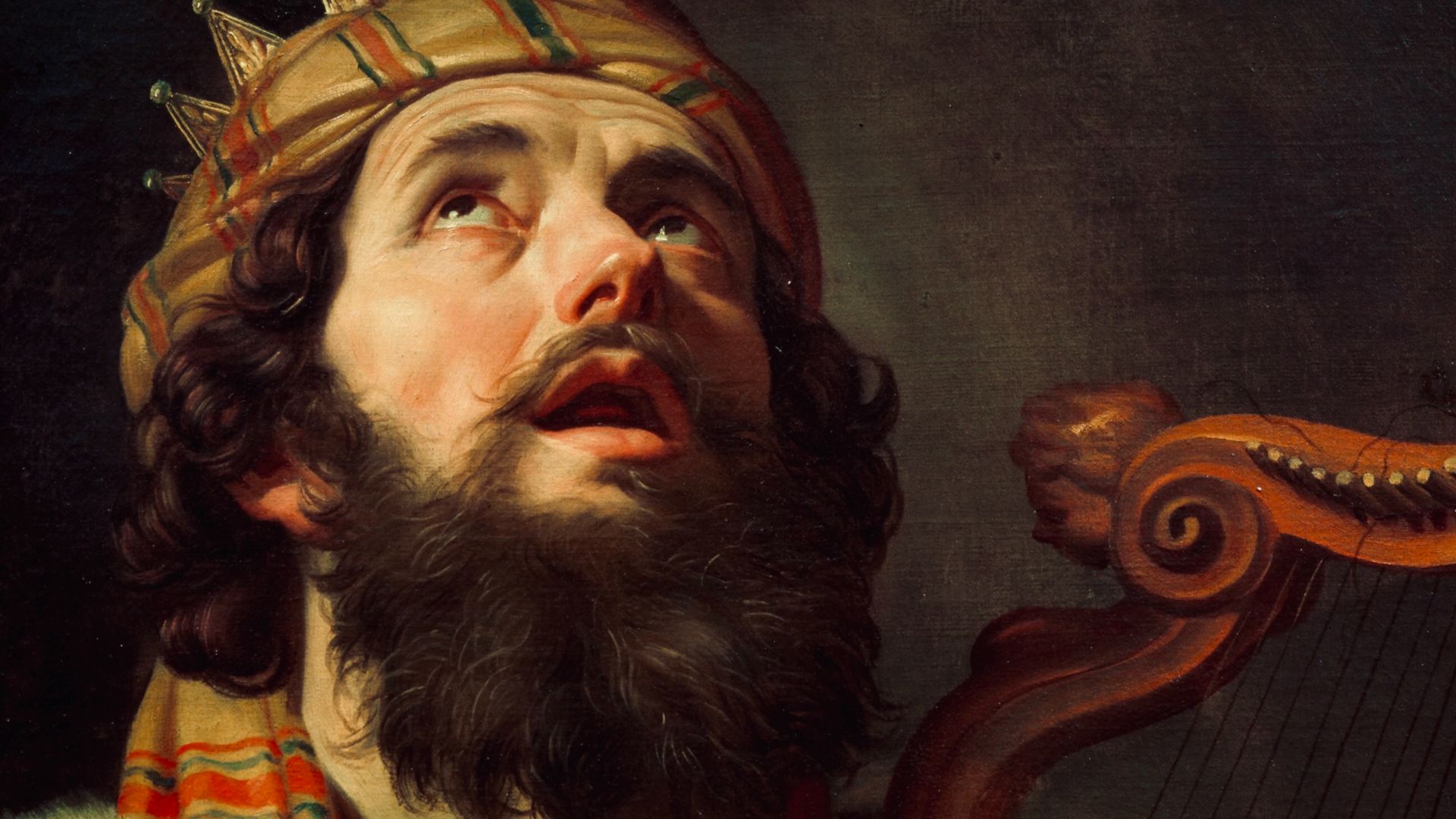 Gerard van Honthorst on Wikimedia
9. Rodriguez
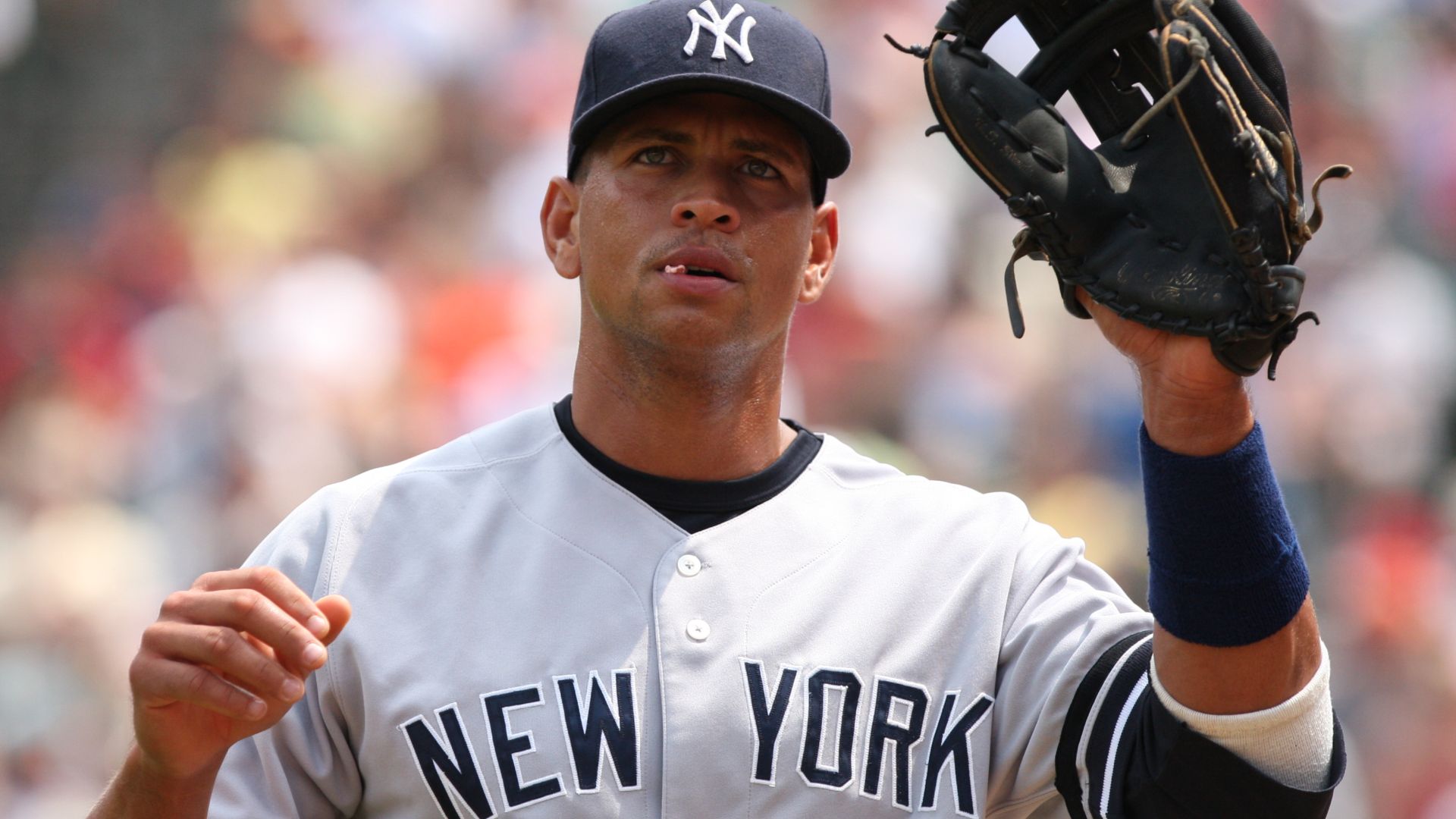
This name means "son of Rodrigo," with Rodrigo itself meaning "famous ruler" in ancient Germanic languages. Mexico's proximity to the United States and waves of immigration from Latin America have deeply embedded Rodriguez in American culture.
10. Martinez
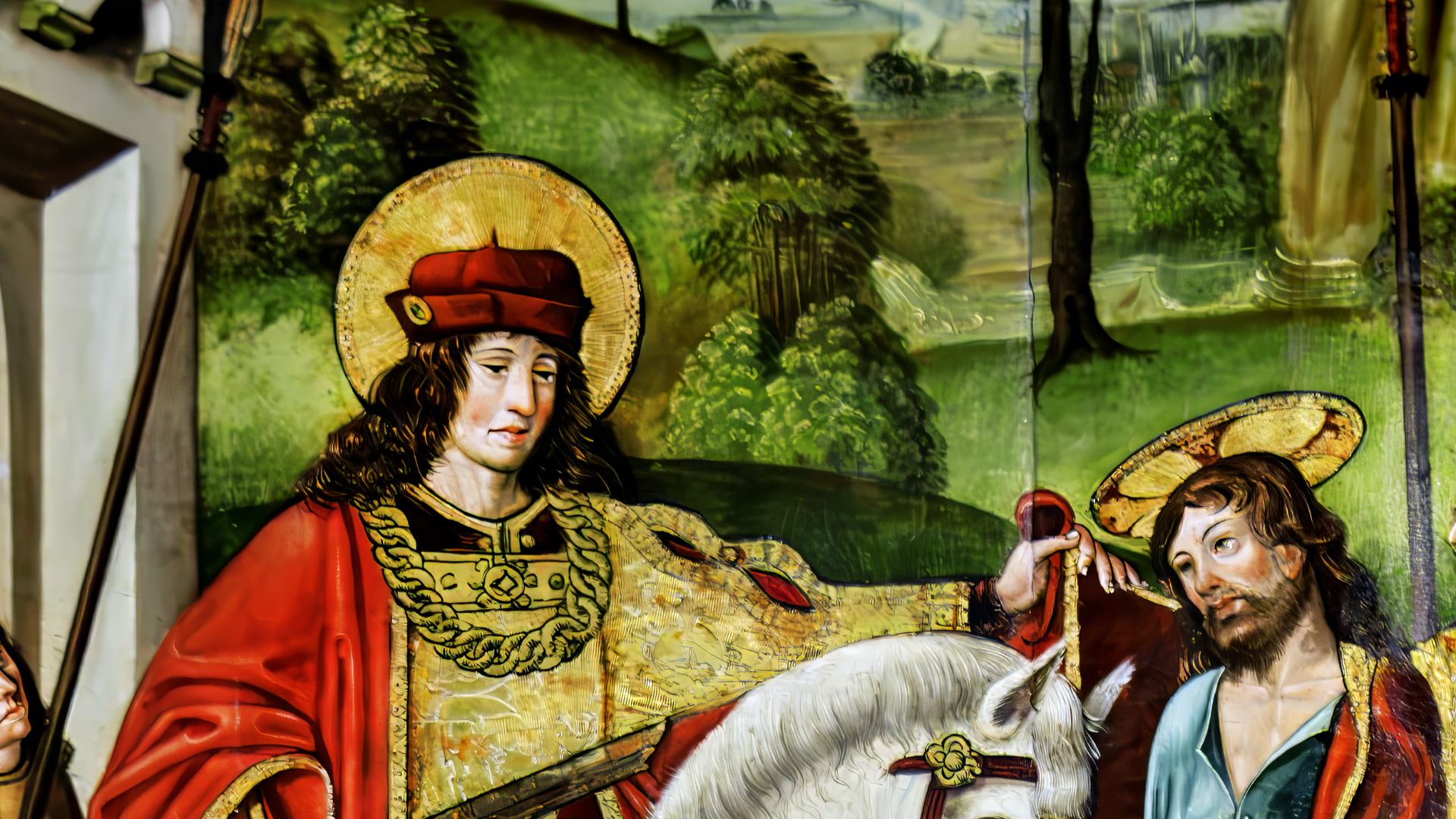
Ancient Rome gave birth to the name Martin, meaning "warlike" or "dedicated to Mars," the god of war. Spanish Christians later adopted Martin as a popular given name honoring Saint Martin of Tours. Adding "ez" created Martinez, meaning "son of Martin" in Spanish patronymic tradition.
11. Hernandez
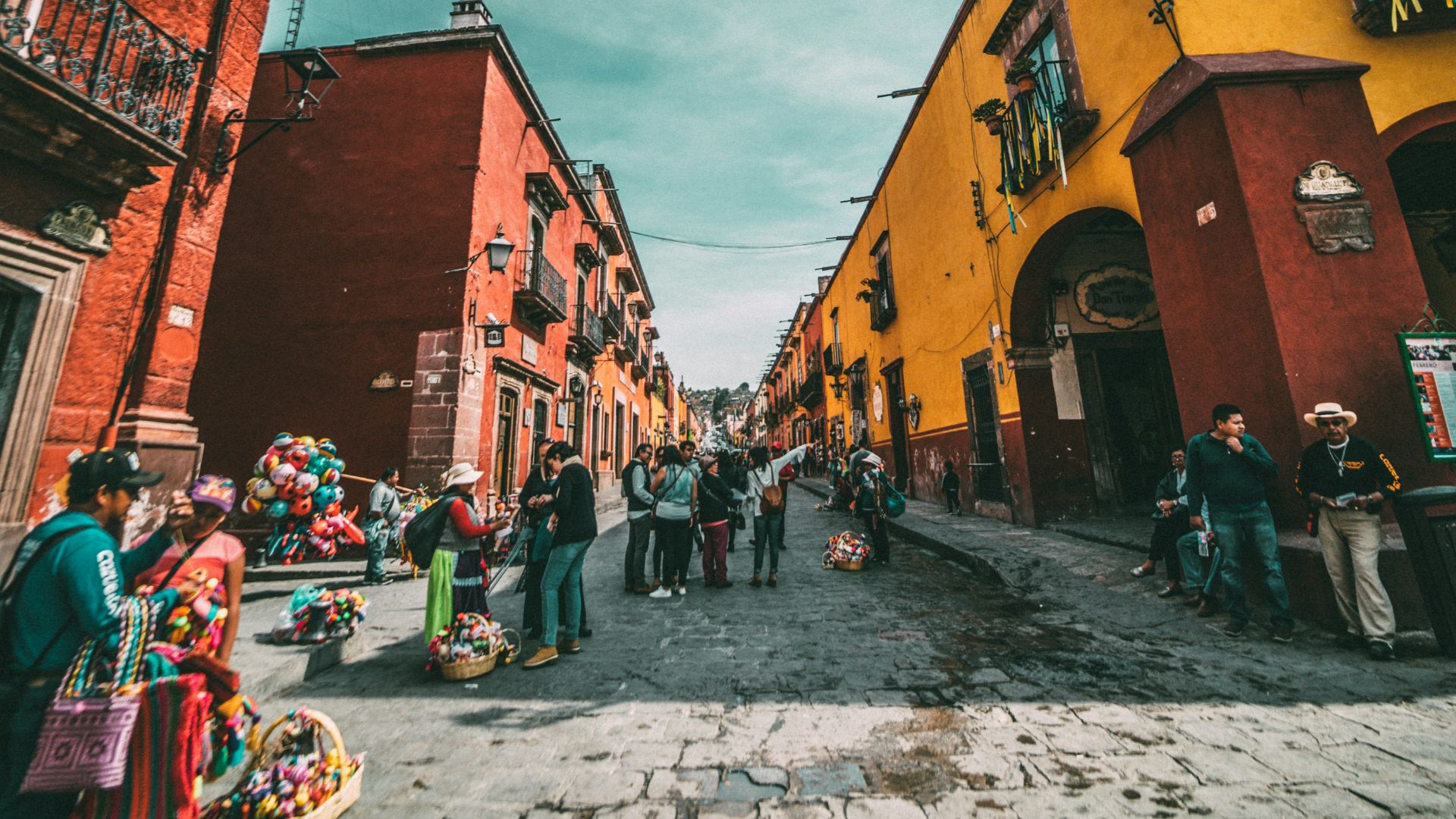
Hernandez means "son of Hernando" or "son of Fernando," names that trace back to Gothic warriors who conquered Spain. The Germanic root "fardi" meant "journey," combined with "nanthi" for "daring," creating a name for brave adventurers.
 Doha Stadium Plus Qatar on Wikimedia
12. Lopez
Wolves prowled medieval Spanish forests, inspiring a surname that would eventually reach millions of Americans. Lopez derives from "Lope," an old Spanish name meaning "wolf," symbolizing strength and cunning in ancient cultures. The "ez" suffix marked family lineage.
 Gage Skidmore from Surprise, AZ, United States of America on Wikimedia
13. Gonzalez
Immigration from Mexico, Puerto Rico, and other Spanish-speaking regions brought massive waves of Gonzalez families into the United States throughout the 20th century. Medieval battlefields shaped this surname's meaning, with "Gonzalo" deriving from Visigothic elements meaning “battle” and “elf” in the ancient Visigothic language.
14. Wilson
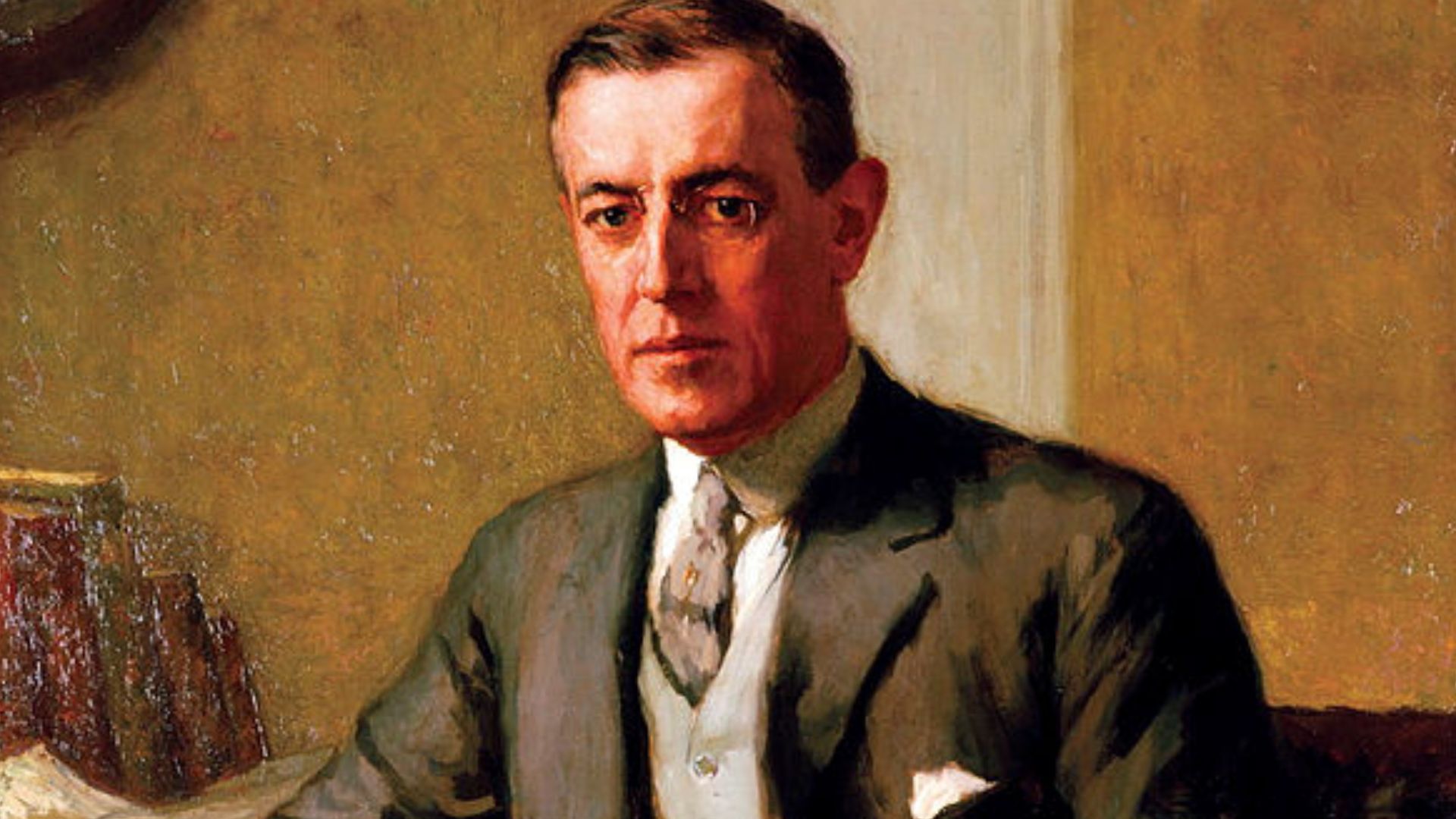
England's countryside echoed with variations of William for years. This patronymic surname emerged during medieval times when last names became necessary for tax collection and legal records. "Will's son" shortened naturally into Wilson, identifying entire family lines by their patriarch's first name.
 Stephen Seymour Thomas on Wikimedia
15. Anderson
Andrew was enormously popular among early Christians, meaning "manly" or "warrior" in Greek, inspiring countless families to adopt it. Scottish clans particularly favored adding "son" to Andrew, creating Anderson to mark family connections. Swedish and Norwegian immigrants later reinforced this surname in America.

16. Thomas
Aramaic fishermen spoke a word meaning "twin," which became Thomas in biblical translation and eventually an American surname staple. Early Christian reverence for Saint Thomas the Apostle spread this name across Europe like wildfire. Welsh communities turned Thomas into a surname by adding possessive markers.
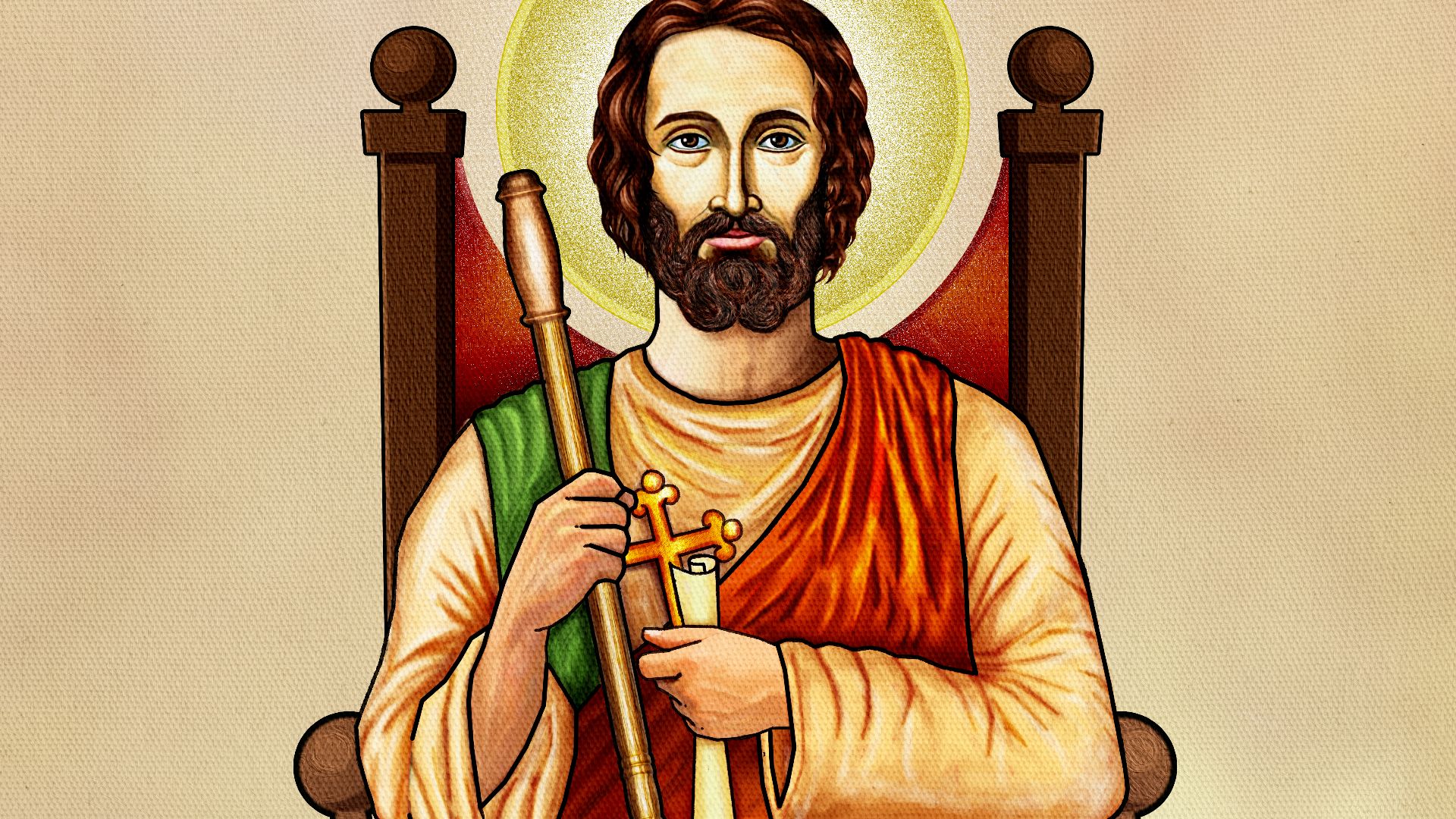 Rahul Payyappilly on Wikimedia
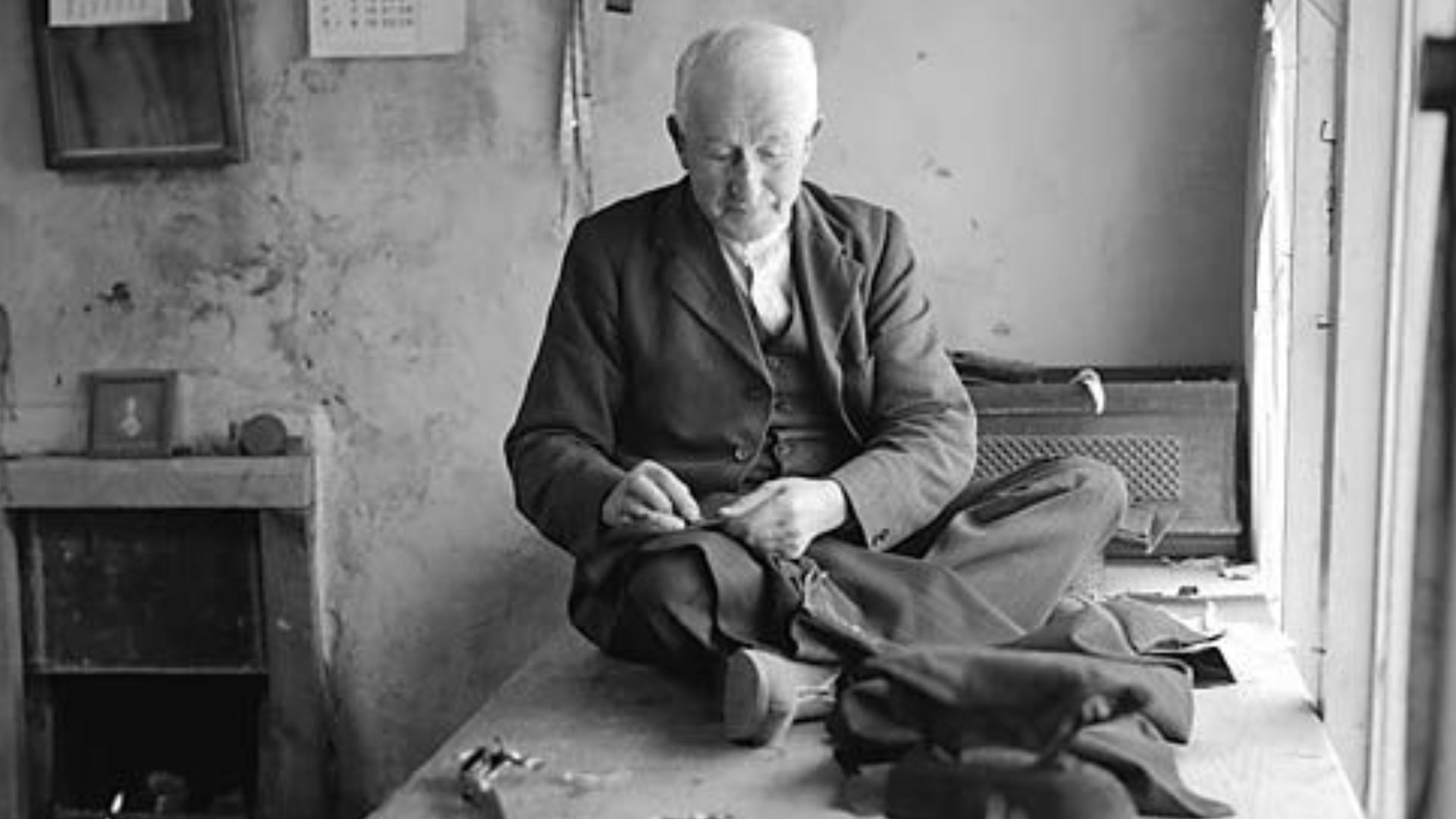
17. Taylor
Needles, thread, and fabric defined medieval economies, where tailors crafted clothing for entire communities from scratch. These skilled craftsmen measured, cut, and sewed garments for nobility and common folk alike, making them indispensable. English and French tailors bore occupational surnames.
18. Moore
Marshlands and open heathlands characterized the English and Scottish landscapes where this geographical surname took root. Families living near moors—those wild, treeless expanses of boggy ground—became known simply as Moore to distinguish them from neighbors.
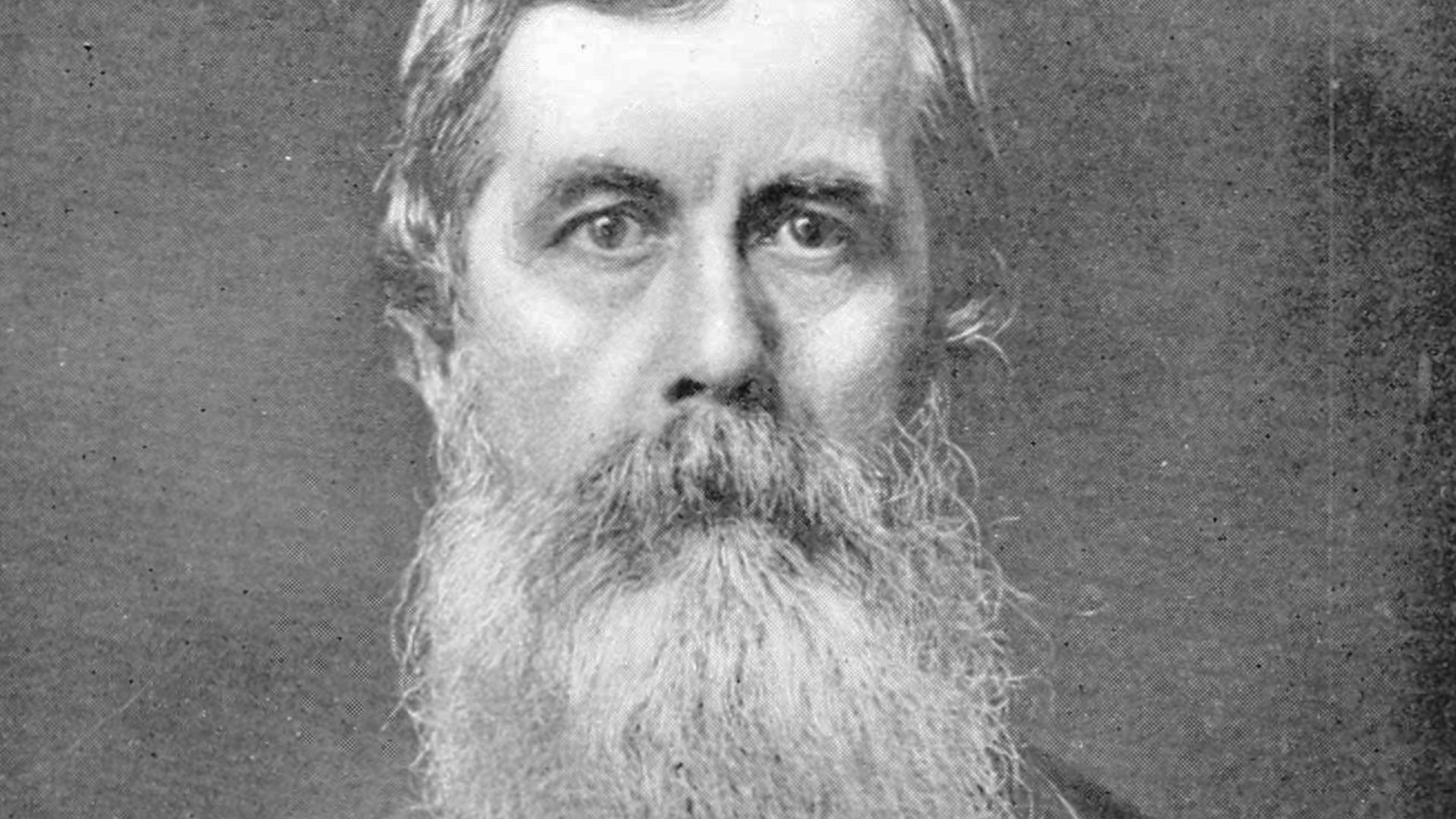 Unknown authorUnknown author on Wikimedia
19. Jackson
Presidential history intertwines with this surname, though the name existed long before Andrew Jackson commanded American attention. Jack emerged as a nickname for John in medieval England, spawned by French influence and linguistic evolution. "Jack's son" naturally contracted to "Jackson".
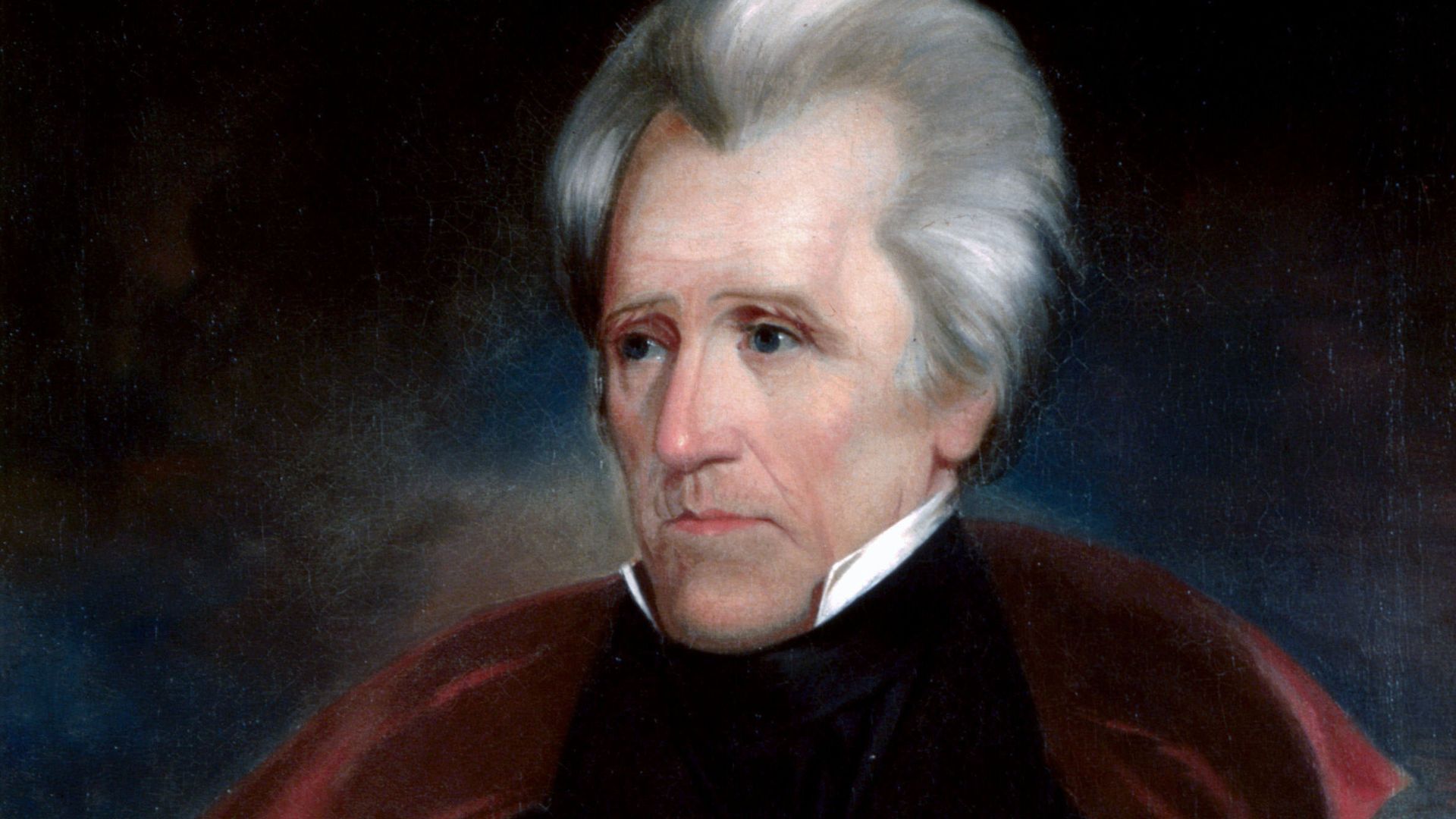 Ralph Eleaser Whiteside Earl on Wikimedia
20. Martin
Here’s something interesting. Roman soldiers worshipped Mars, their god of war, inspiring a Latin name that would endure for millennia. Early Christians converted "Martinus" into a popular given name, especially after Saint Martin of Tours became legendary for his charity.