No More Plastic
Sure, maybe you've swapped single-use plastic water bottles for an Owala or have a few reusable bags at your disposal for your weekly grocery runs, but if you're still saying "yes" to plastic utensils when getting takeout, you're still contributing to the problem. Of course, that's not to say it's always possible or realistic to eliminate plastic from your life entirely, given how embedded it is in everyday life, but that doesn't mean making smarter choices here and there won't help. From disposable razors to disinfecting wipes and even your daily coffee routine, here are 20 ways you're probably damaging the planet without realizing, and how to make better habits.
 Volodymyr Hryshchenko on Unsplash
1. Carry a Reusable Water Bottle
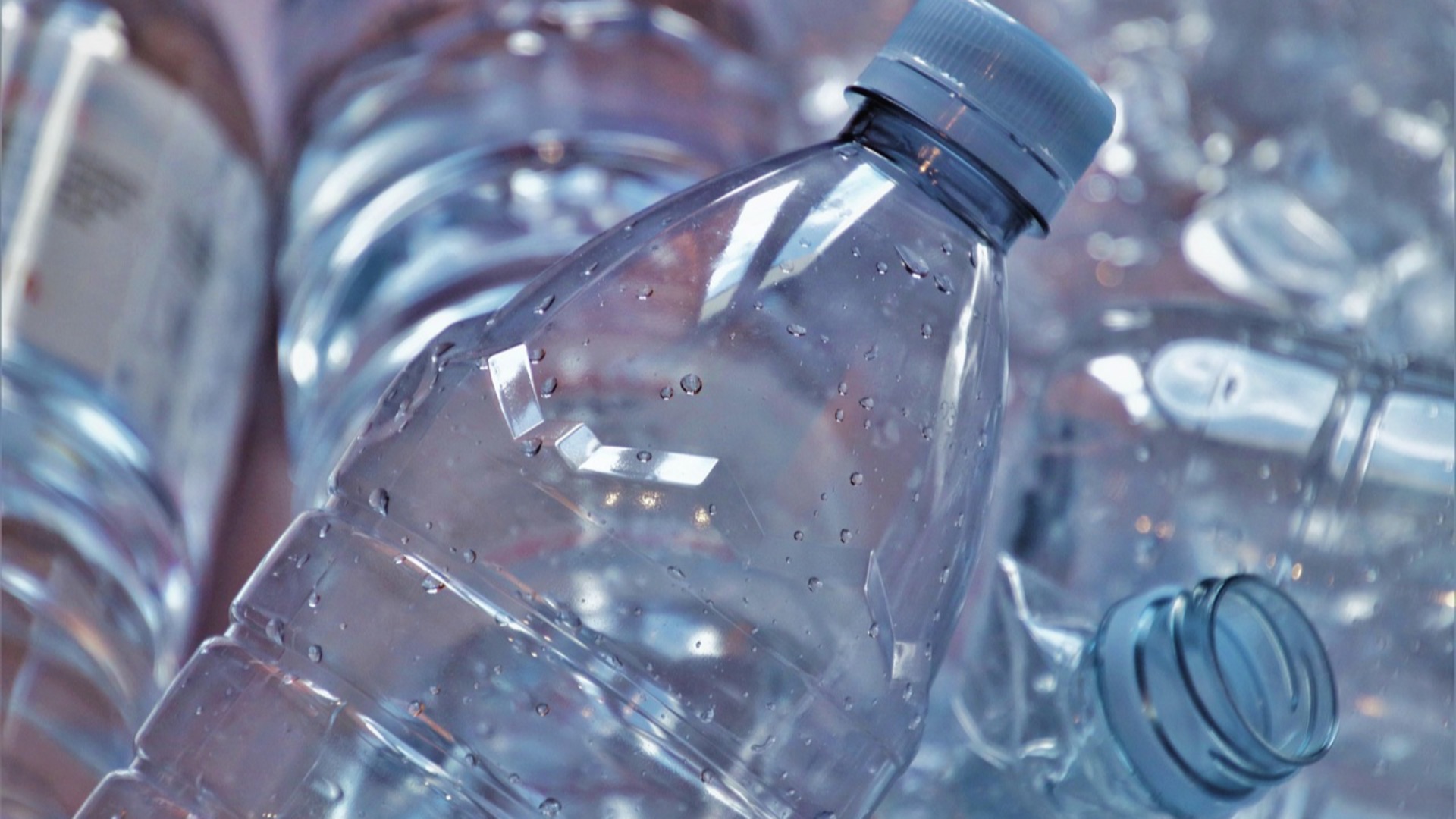
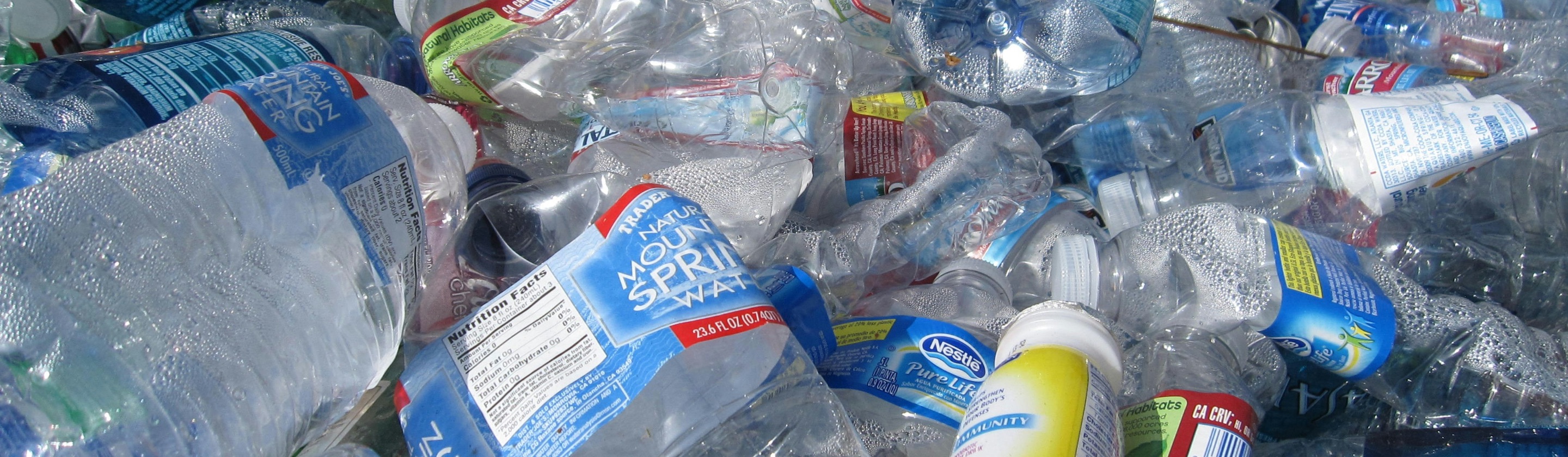
Buying bottled water might seem harmless when you're thirsty, but those single-use bottles add up quickly over the course of a year. Keep a reusable bottle in your bag, car, or workspace so you've already got an alternative when you need a drink. Stainless steel and durable glass bottles can last for years with basic care. Refilling what you already own also tends to cost far less than repeatedly buying individual bottles.

2. Bring Your Own Shopping Bags
Reusable shopping bags are one of the easiest plastic-saving habits because they require almost no change to the way you shop. Store a few near your front door or in your car so you're less likely to remember them only after reaching the checkout. Smaller reusable produce bags can replace the thin plastic ones offered in fruit and vegetable sections as well. The key is using the bags you already have repeatedly rather than continually buying new reusable versions.

3. Stop Automatically Accepting Plastic Utensils
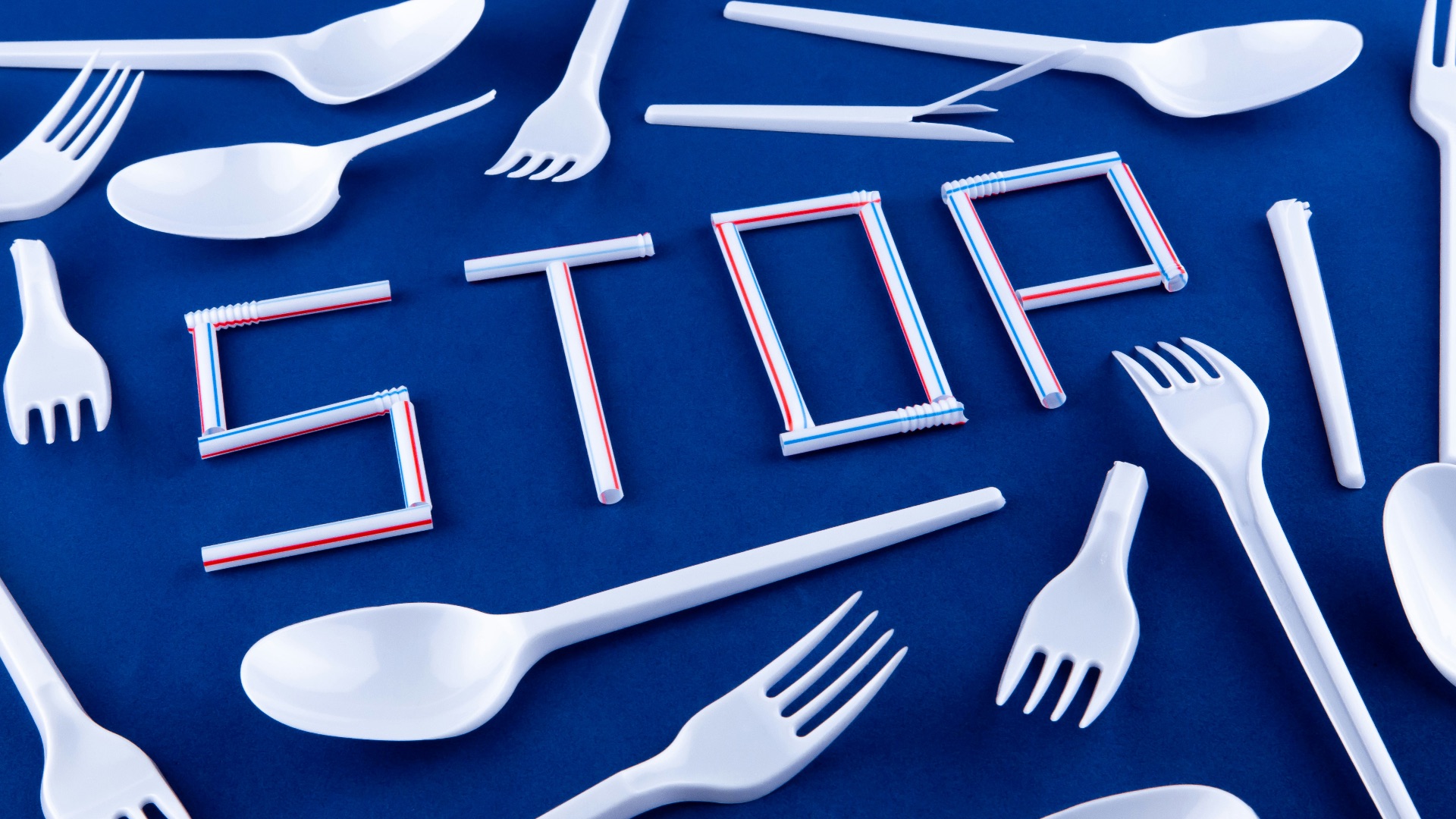
Takeout orders often arrive with forks, spoons, knives, straws, and condiment packets whether you need them or not. When ordering online or over the phone, ask the restaurant to leave these extras out if you're eating somewhere that already has utensils. Keeping a reusable cutlery set at work or in your bag can make this habit even easier. It prevents you from collecting a drawer full of plastic items that eventually get thrown away unused.
4. Choose Products with Less Packaging
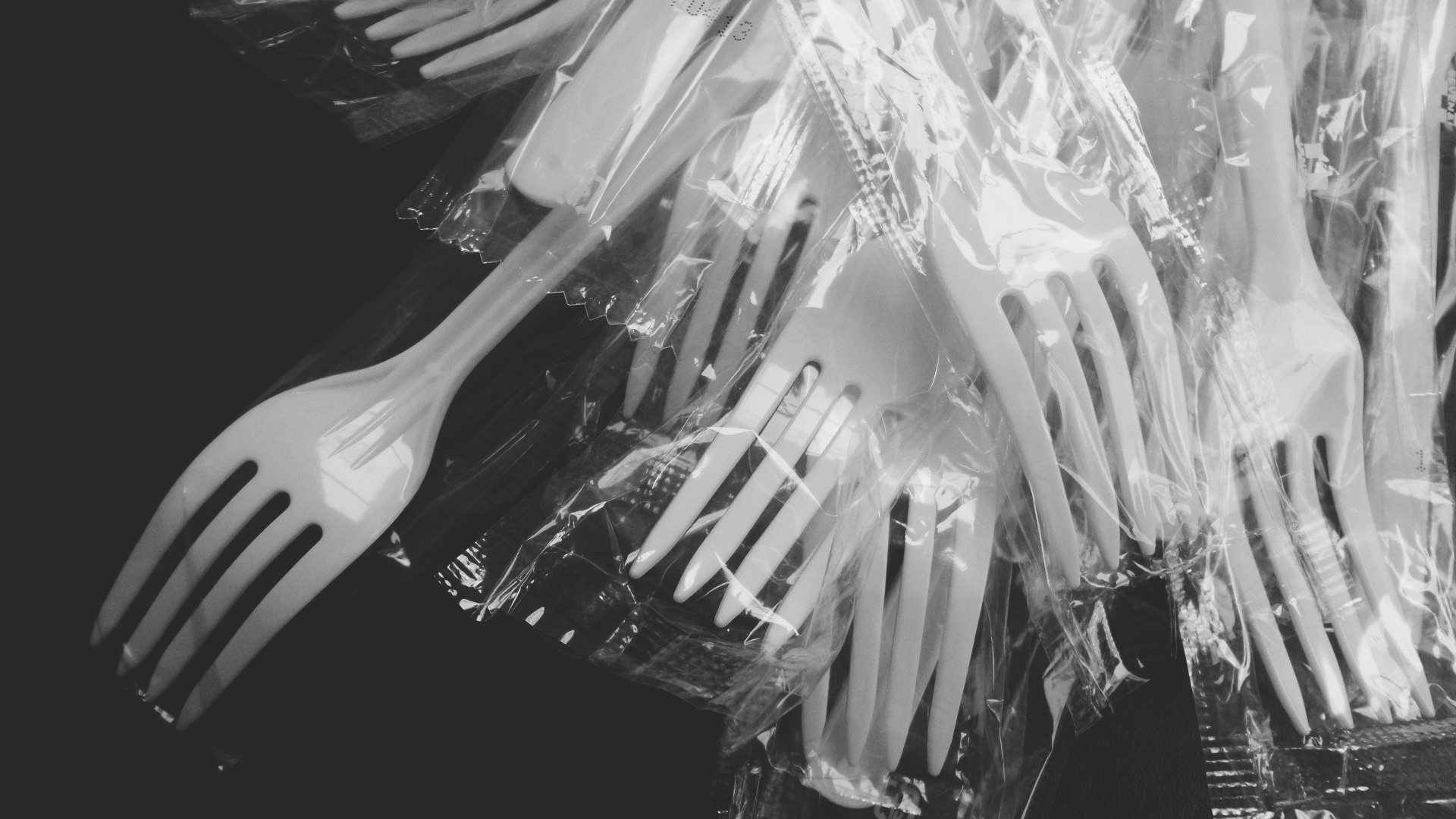
Two nearly identical products can come with dramatically different amounts of plastic surrounding them. When you have a choice, look for items packaged in cardboard, glass, metal, paper, or simply less material overall. This doesn't require memorizing complicated sustainability rules every time you shop. Just taking a few seconds to compare packaging can steer your purchases toward options that create less plastic waste.
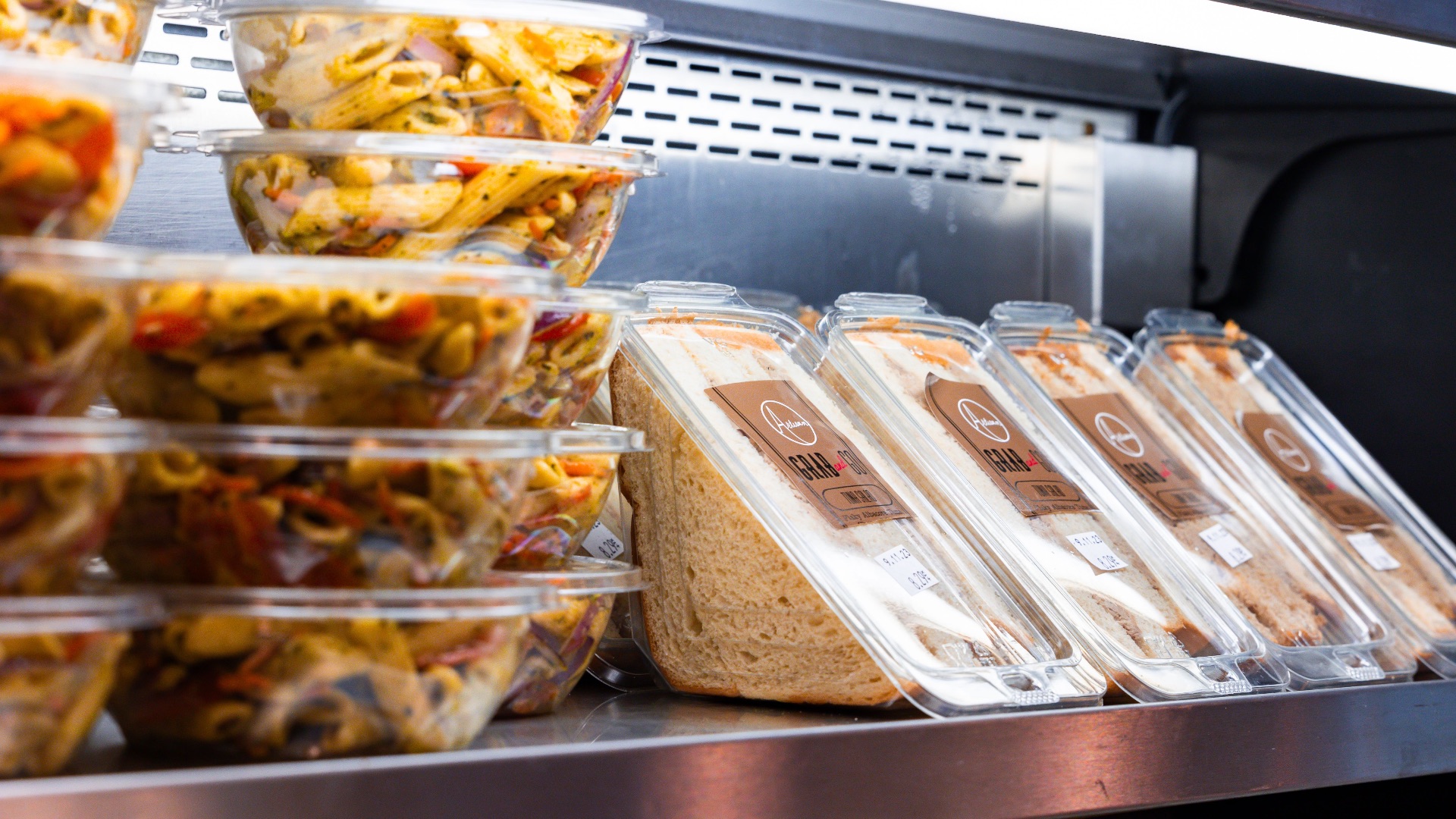
5. Buy Larger Sizes When It Makes Sense
Small packages are convenient, but they often use more packaging relative to the amount of product inside. If you regularly consume something and know it won't spoil, buying a larger container can reduce the number of bottles, tubs, or wrappers you discard. Pantry staples, cleaning products, shampoo, and certain snacks can all be good candidates. Don't buy more than you'll actually use, though, because preventing food and product waste still matters.
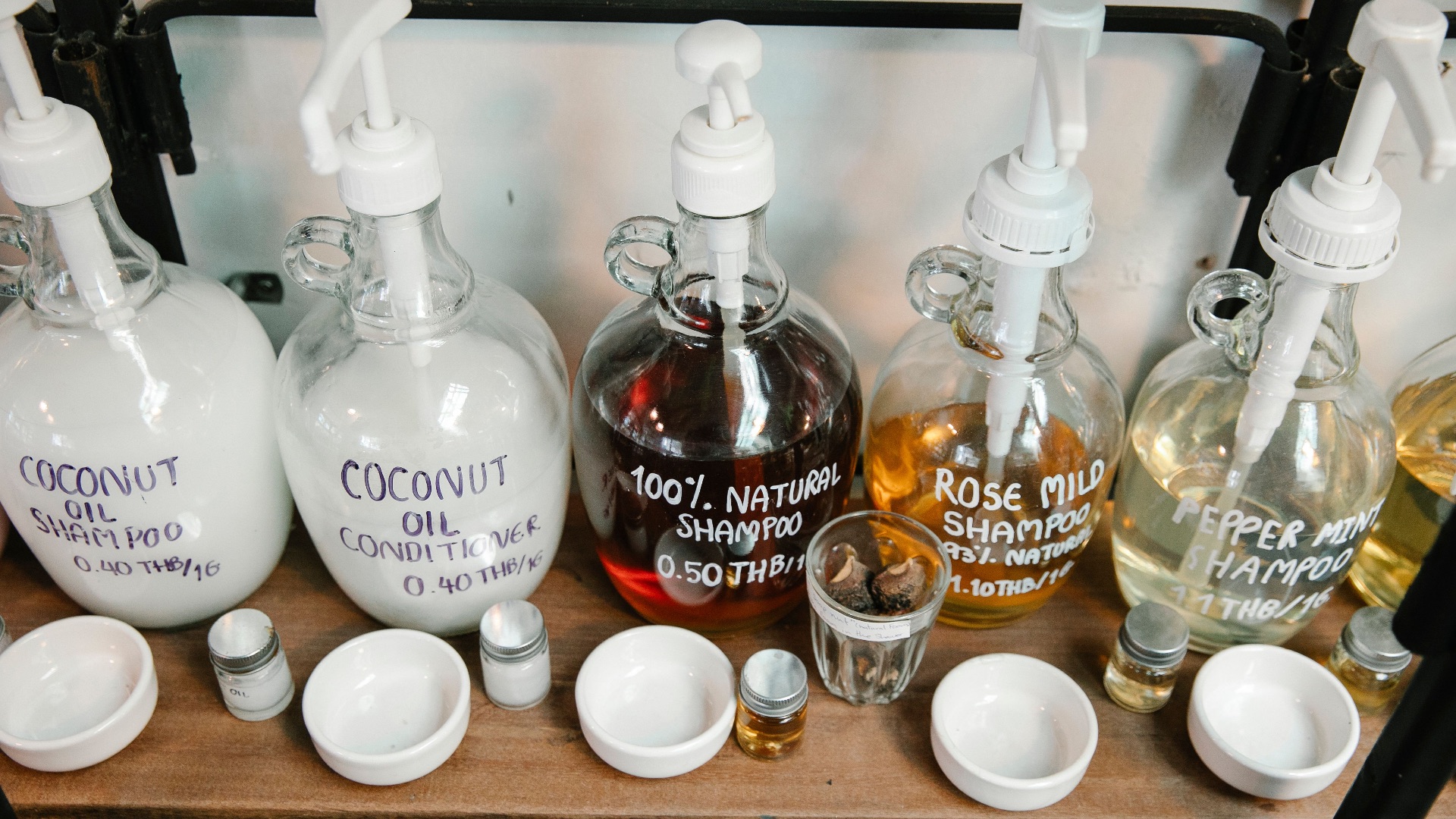
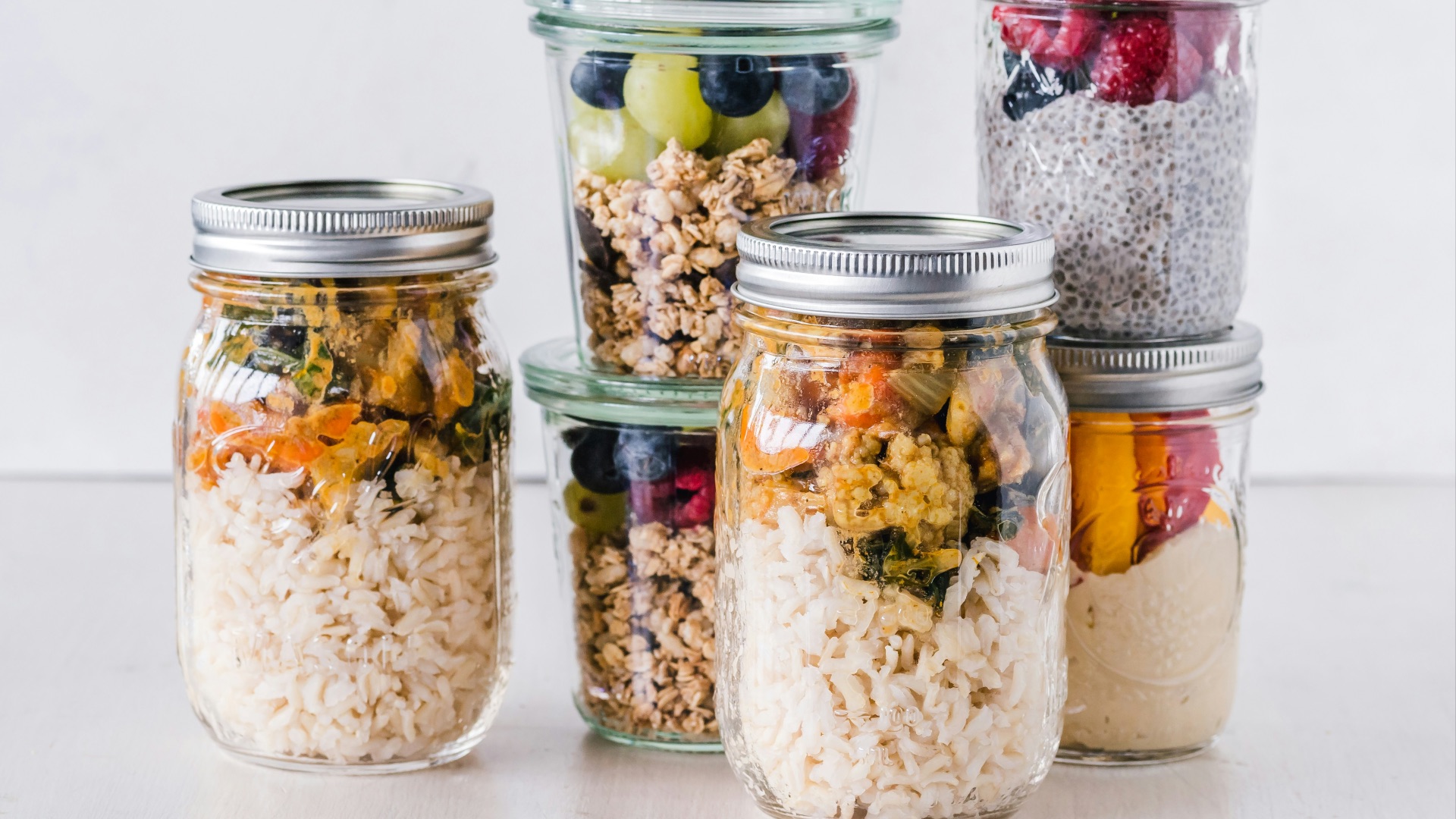
6. Use Reusable Food Containers
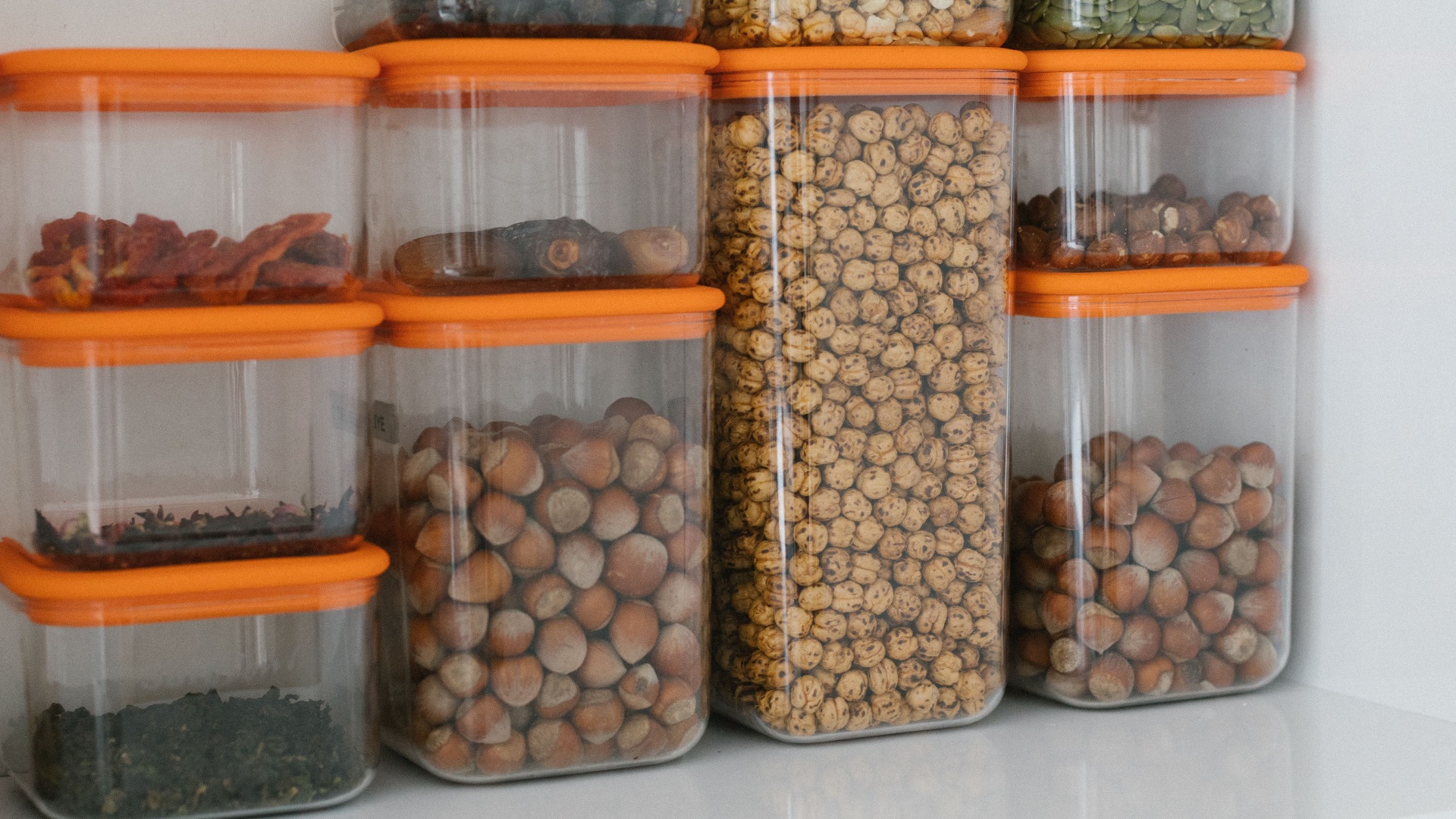
Plastic wrap and disposable sandwich bags are easy to reach for, but reusable containers can handle most of the same jobs. Pack lunches, store leftovers, and organize ingredients in containers you can wash and use repeatedly. Glass containers are particularly useful at home because they don't retain odors easily and can often go from the refrigerator to the microwave or oven, depending on the product. If you already own plastic food containers, keep using them rather than throwing perfectly serviceable items away simply to replace them.
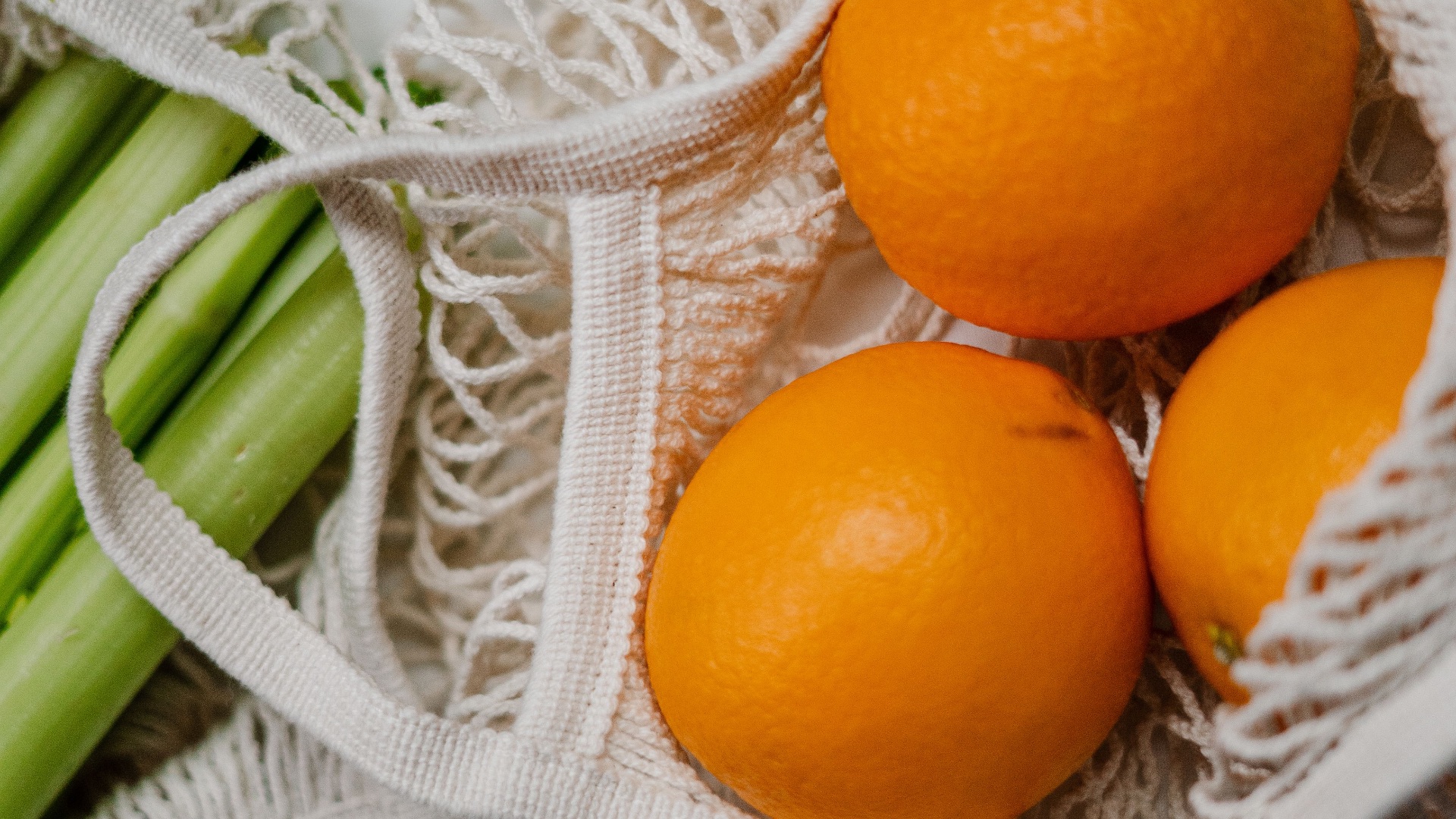
7. Skip Produce Bags When You Don't Need Them
A bunch of bananas, a single bell pepper, or a few onions usually don't need their own plastic bag for the short trip from the store to your kitchen. Place sturdy produce directly into your cart or basket when practical. For smaller items, reusable mesh produce bags are an easy option. Eliminating even a handful of thin bags during each grocery trip can make a noticeable difference over time.
8. Switch Away from Disposable Razors
Disposable razors typically combine plastic, metal, and multiple materials that aren't easy to separate for recycling. A durable razor with replaceable blades can dramatically reduce how much of the product you throw away. Some people prefer safety razors, while others choose reusable handles designed for cartridge replacements. Either approach can keep dozens of complete plastic razors out of the trash over the life of the handle.

9. Reconsider Your Coffee Routine
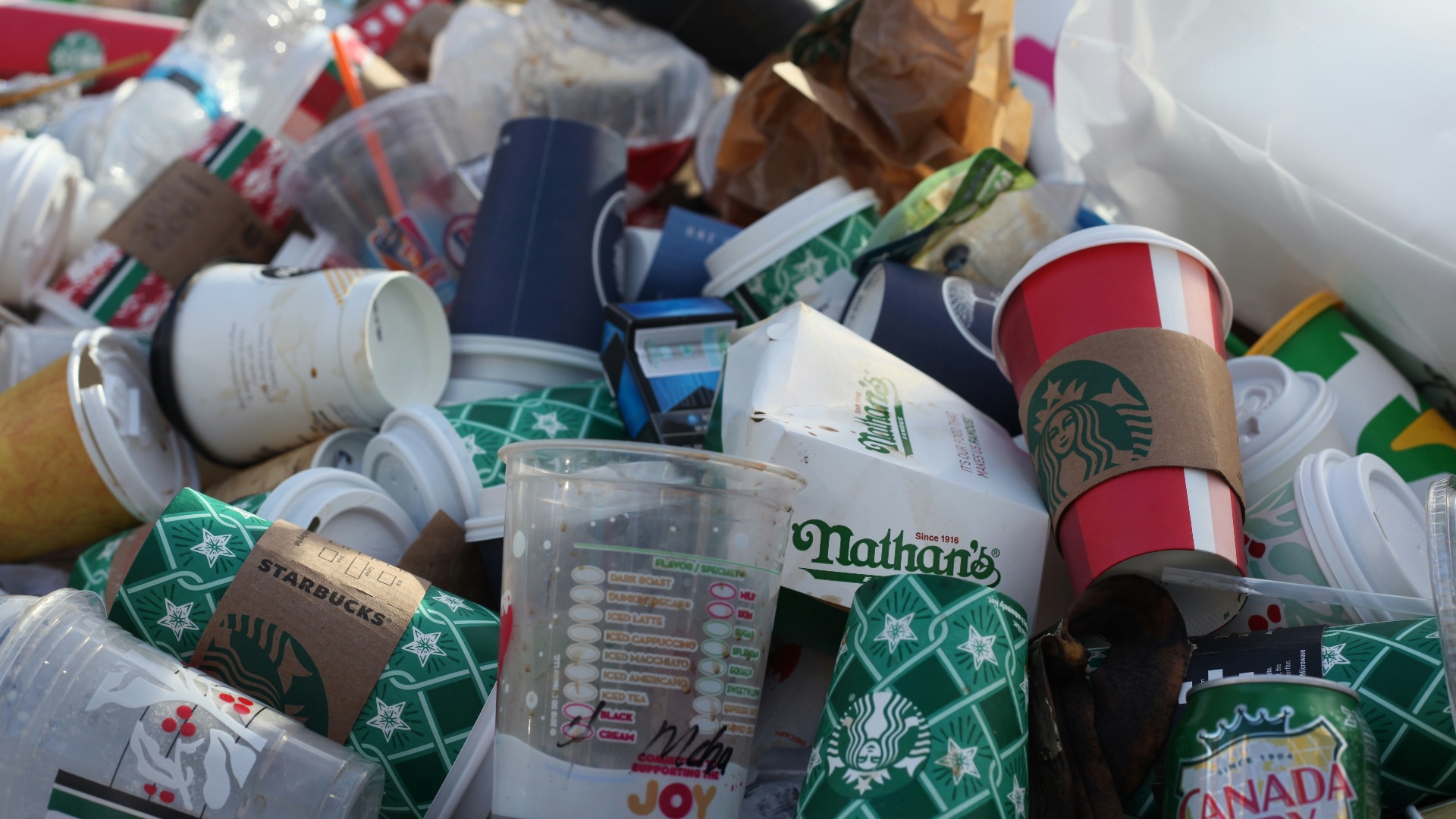
Takeout coffee can involve more plastic than the cup itself, including lids, stirrers, straws, and individual creamer containers. Drinking from a reusable travel mug can eliminate several of those disposable pieces at once when a café accepts personal cups. If you make coffee at home, consider reusable filters or brewing methods that don't rely on single-use plastic pods. You can still enjoy the same daily ritual without generating a small pile of waste along with it.
10. Look for Refill Options
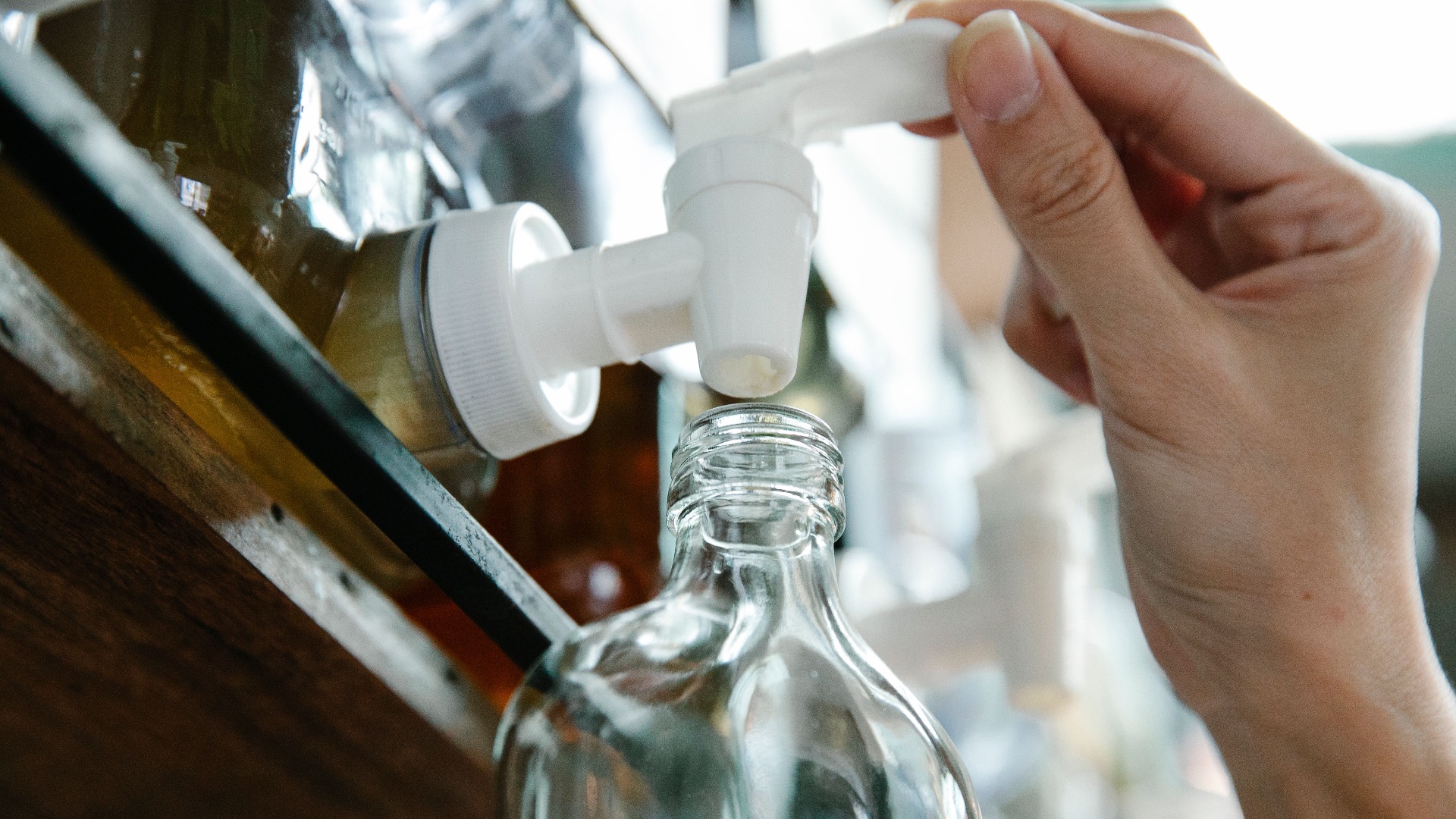
Refill stores and refill stations let you replenish products without purchasing a completely new container every time. Depending on what's available where you live, you may be able to refill soap, detergent, shampoo, cleaning supplies, or pantry staples. Some mainstream brands also sell concentrated refills that use considerably less packaging than a standard replacement bottle. Keeping the original container in circulation for longer is a straightforward way to reduce demand for new plastic.
11. Replace Disposable Cleaning Products
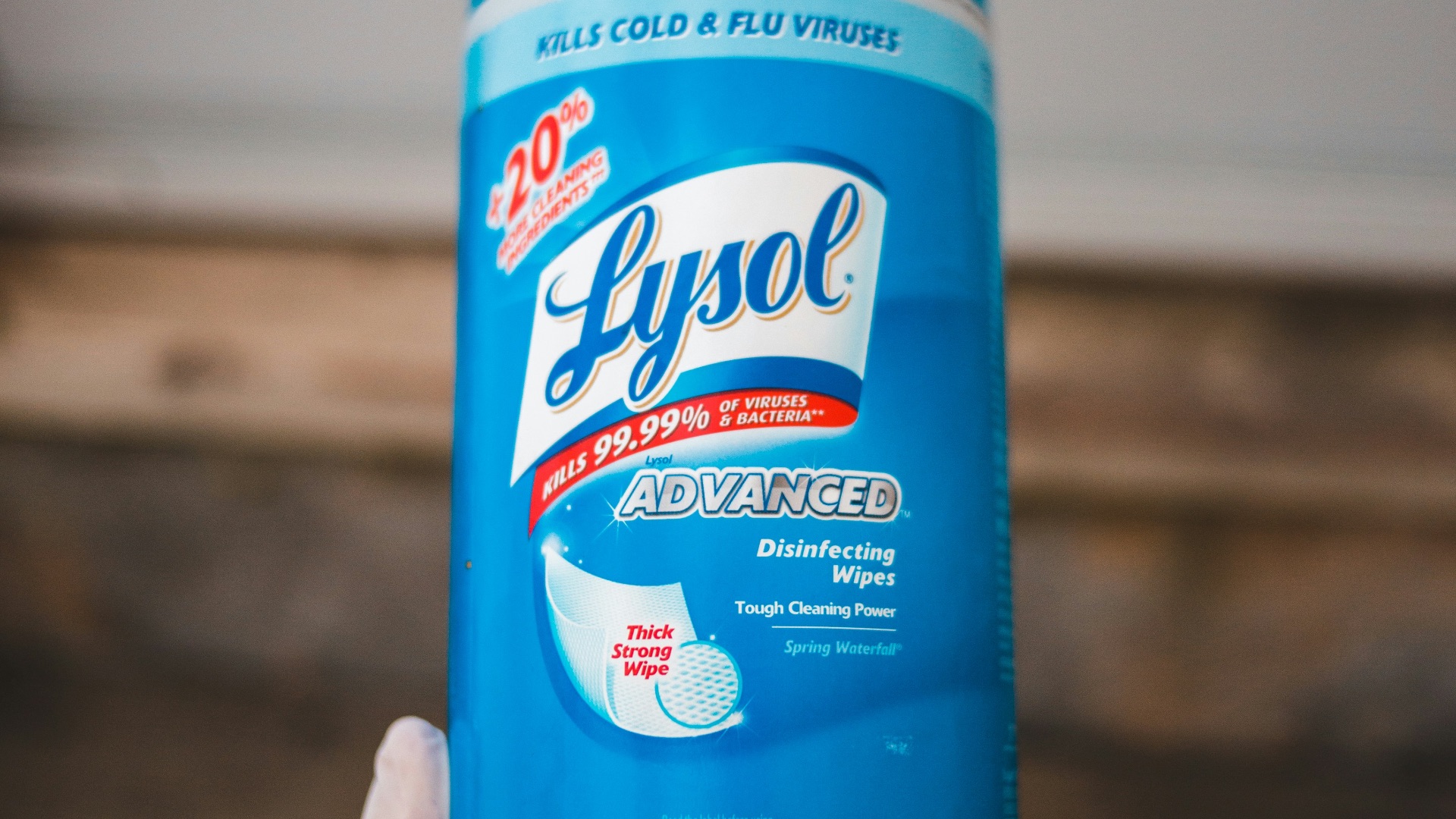
Many household cleaning routines depend on plastic bottles, disposable wipes, and single-use scrubbing products because they're convenient. Washable cloths, reusable mop pads, durable brushes, and refillable spray bottles can handle much of the same work without being discarded after a few uses. You don't need to replace everything in your cleaning cupboard immediately. Wait until disposable products run out or reusable items wear down, then choose lower-waste replacements as needed.
12. Buy Loose Fruits and Vegetables
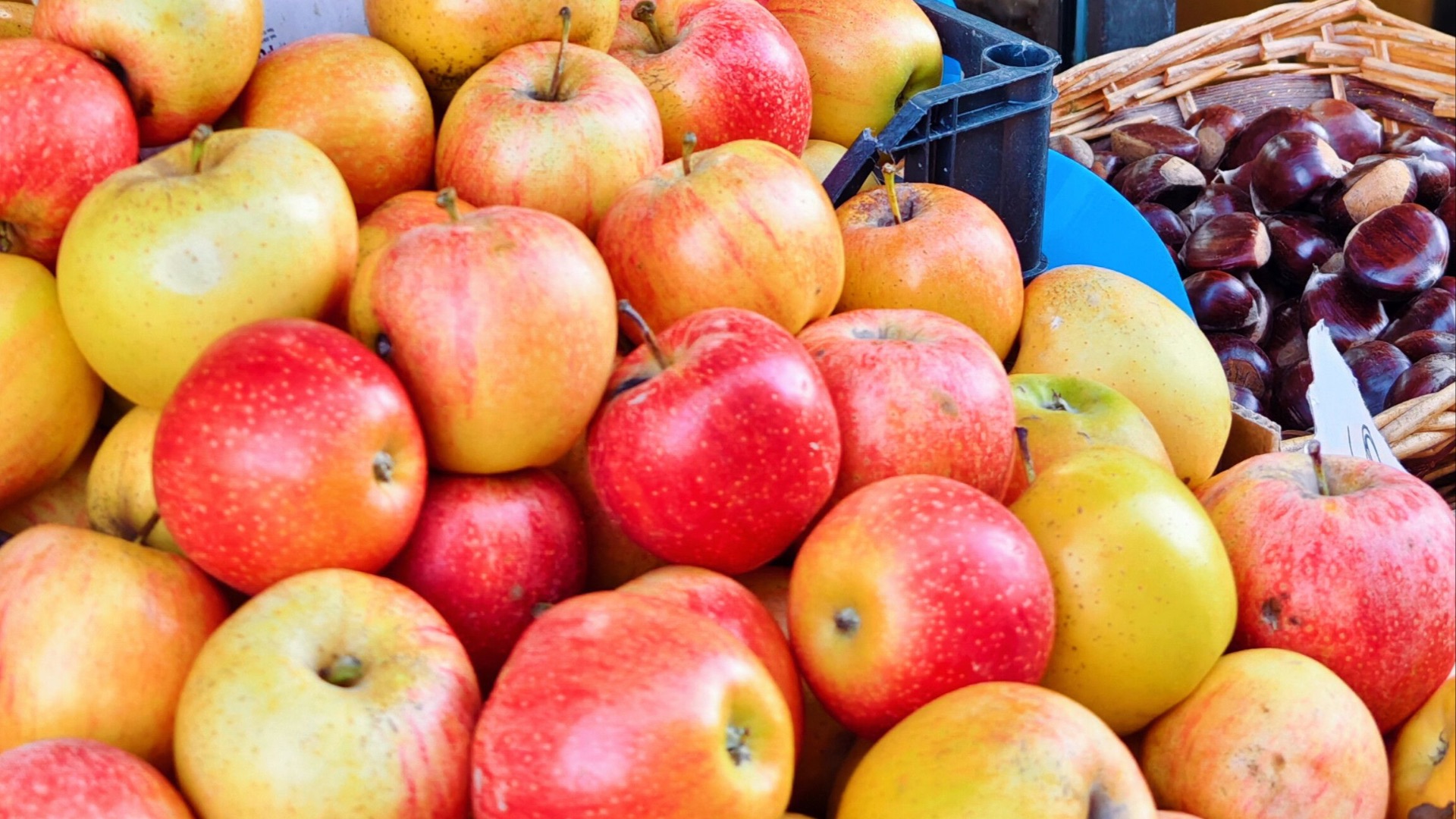
Precut fruit, individually wrapped vegetables, and produce displayed on plastic trays usually carry a packaging premium along with the convenience. Choosing loose, whole produce lets you decide exactly how much you want while avoiding much of that plastic. Preparing vegetables yourself can also give you more flexibility with portion sizes and storage. When convenience is important, look for minimally packaged options rather than assuming every ready-to-use product needs to come in plastic.
13. Stop Using Single-Use Straws by Default
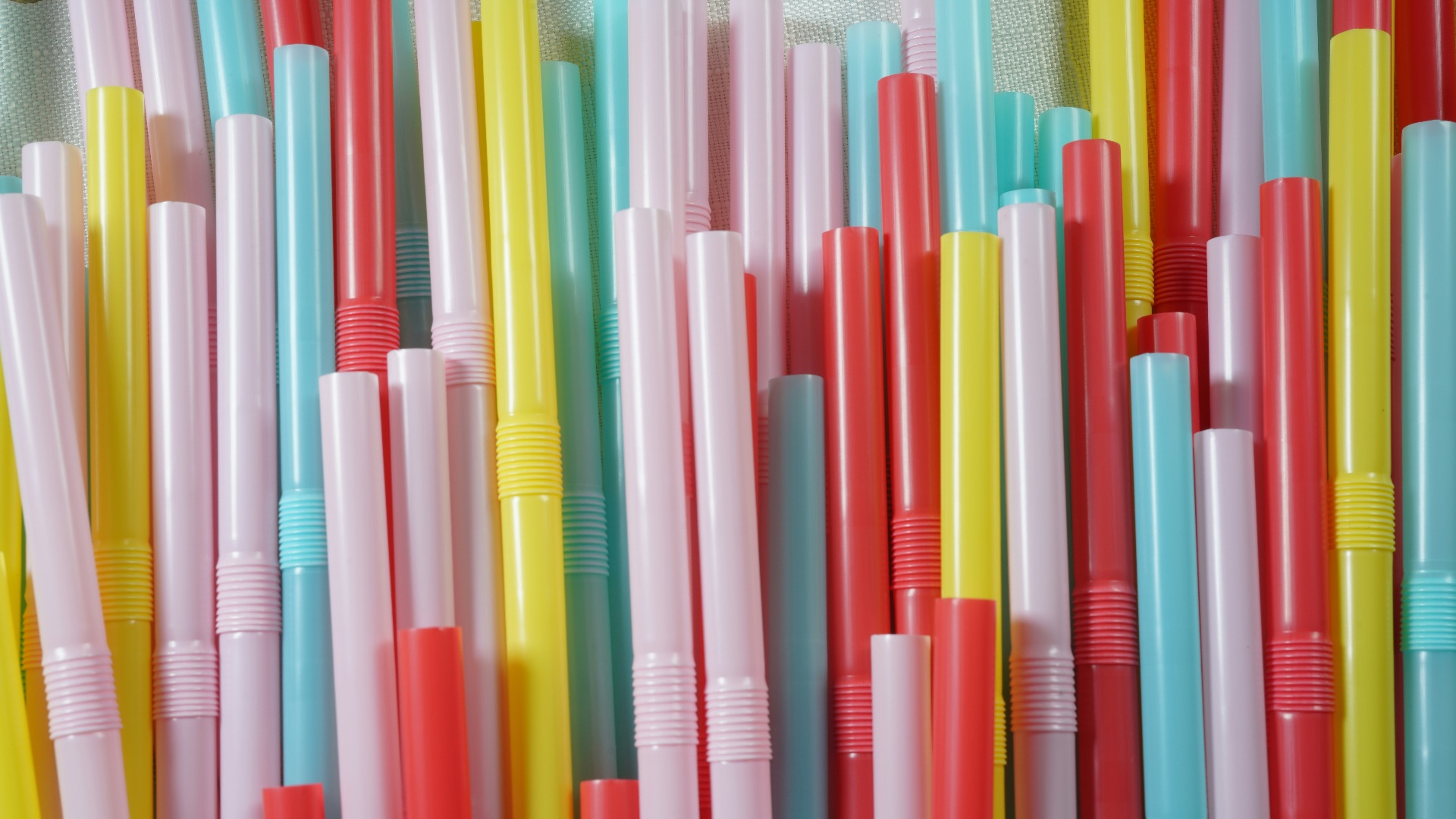
Not everyone can or should stop using disposable straws, since they're an accessibility necessity for some people. If you don't need one, however, skipping the automatic straw at restaurants and cafés is an easy change. Reusable metal, silicone, or glass versions can work well for people who still prefer drinking through a straw. The goal isn't to police an occasional piece of plastic but to stop using disposable items out of habit when they're unnecessary.
14. Choose Bar Soap and Solid Toiletries
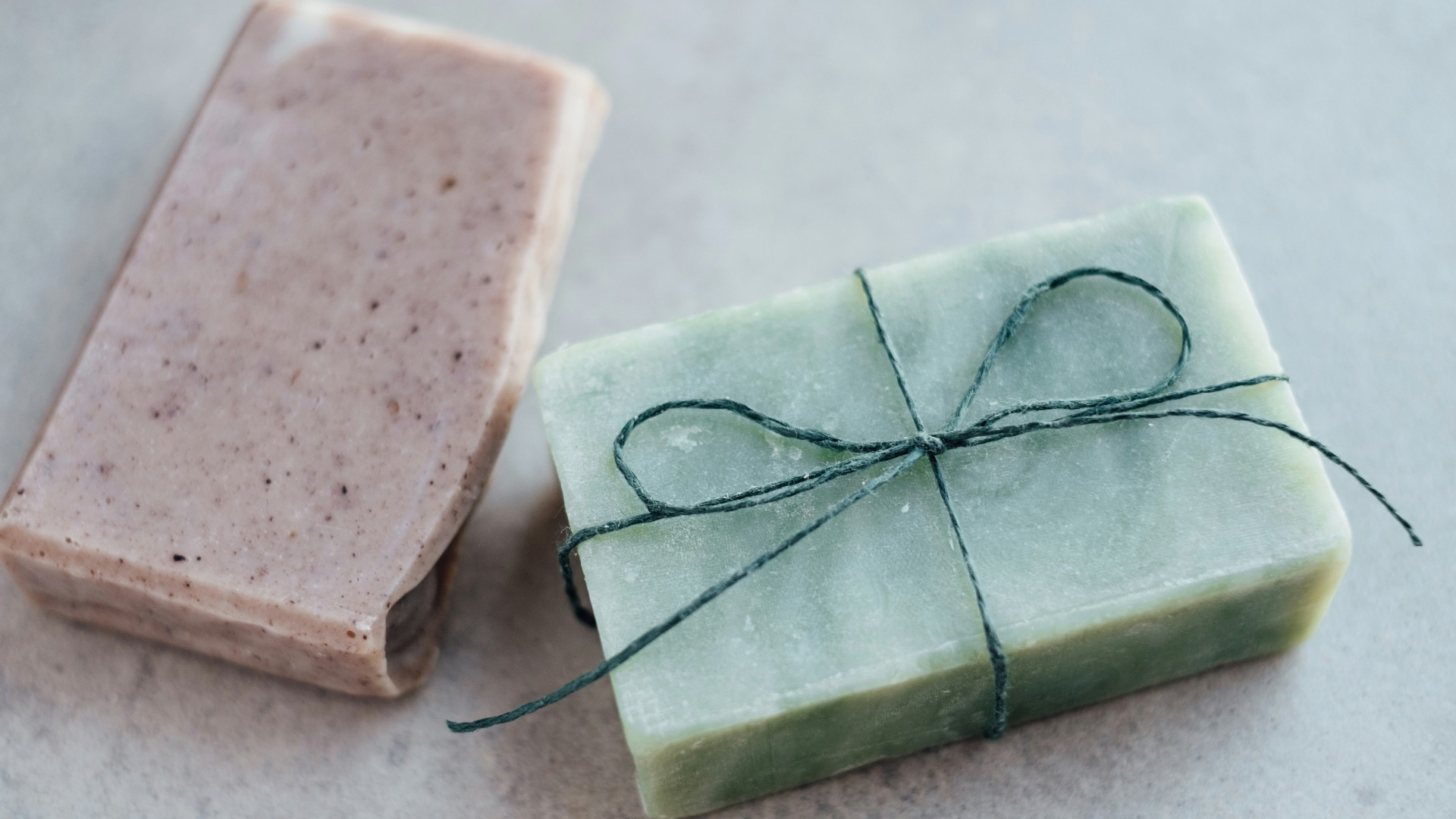
Bathrooms can accumulate an impressive number of plastic bottles between hand soap, body wash, shampoo, conditioner, and skin-care products. Bar soap, solid shampoo, conditioner bars, and other package-free or paper-wrapped toiletries can eliminate some of those containers entirely. Not every solid product works for every person's hair or skin, so there's no reason to force a switch that causes problems. Even replacing one frequently purchased bottled product can reduce your plastic use over the course of a year.
15. Store Leftovers Without Plastic Wrap
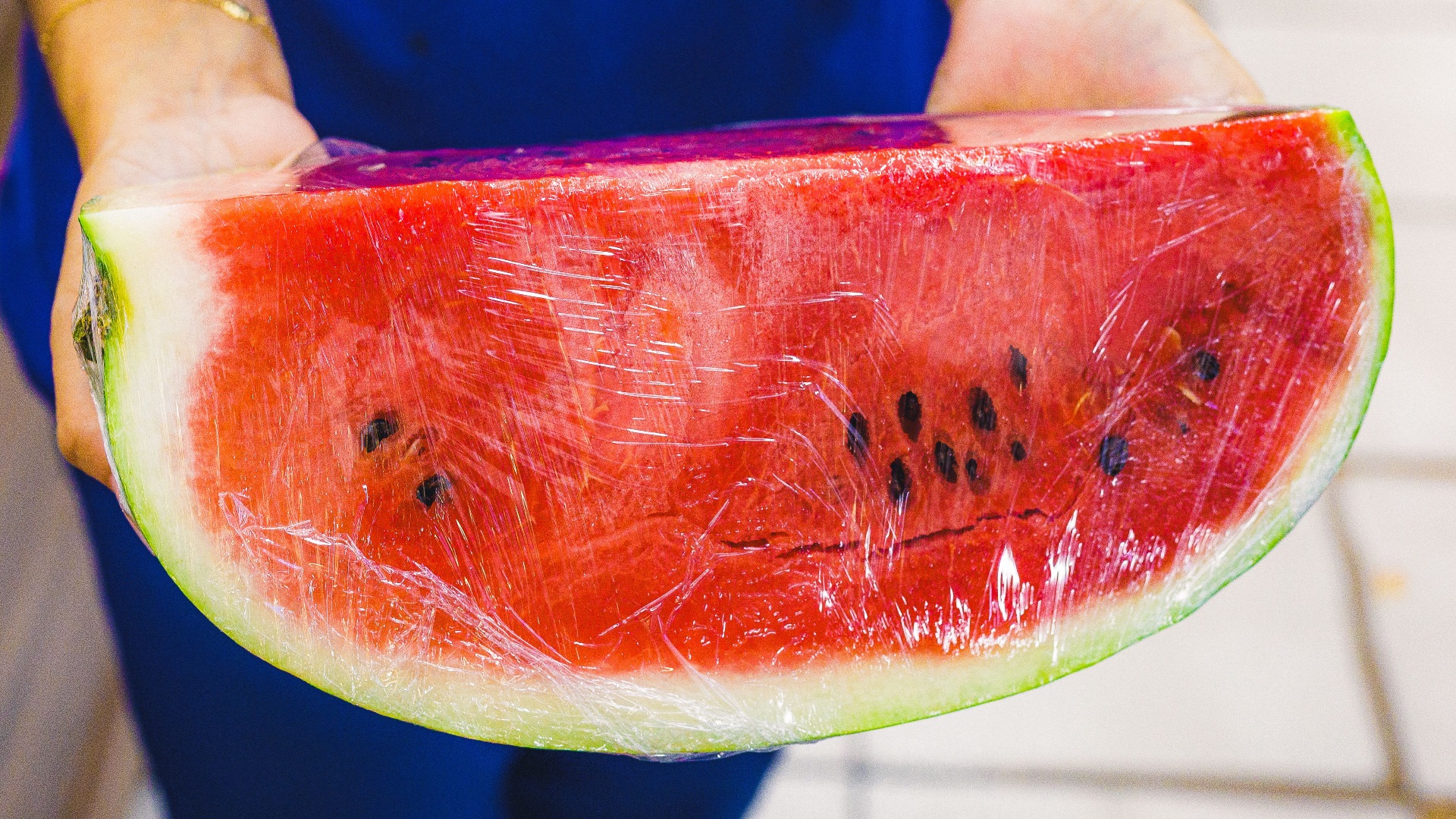
Covering a bowl with plastic wrap is convenient, but there are plenty of reusable ways to protect leftovers. Containers with lids, reusable bowl covers, plates placed over bowls, and suitable food wraps can all work depending on what you're storing. Getting into the habit of reaching for these options first means one less disposable product is consumed every time dinner goes into the refrigerator. It's a particularly simple change because most households already own containers and dishes that can do the job.
16. Pay Attention to Clothing Materials
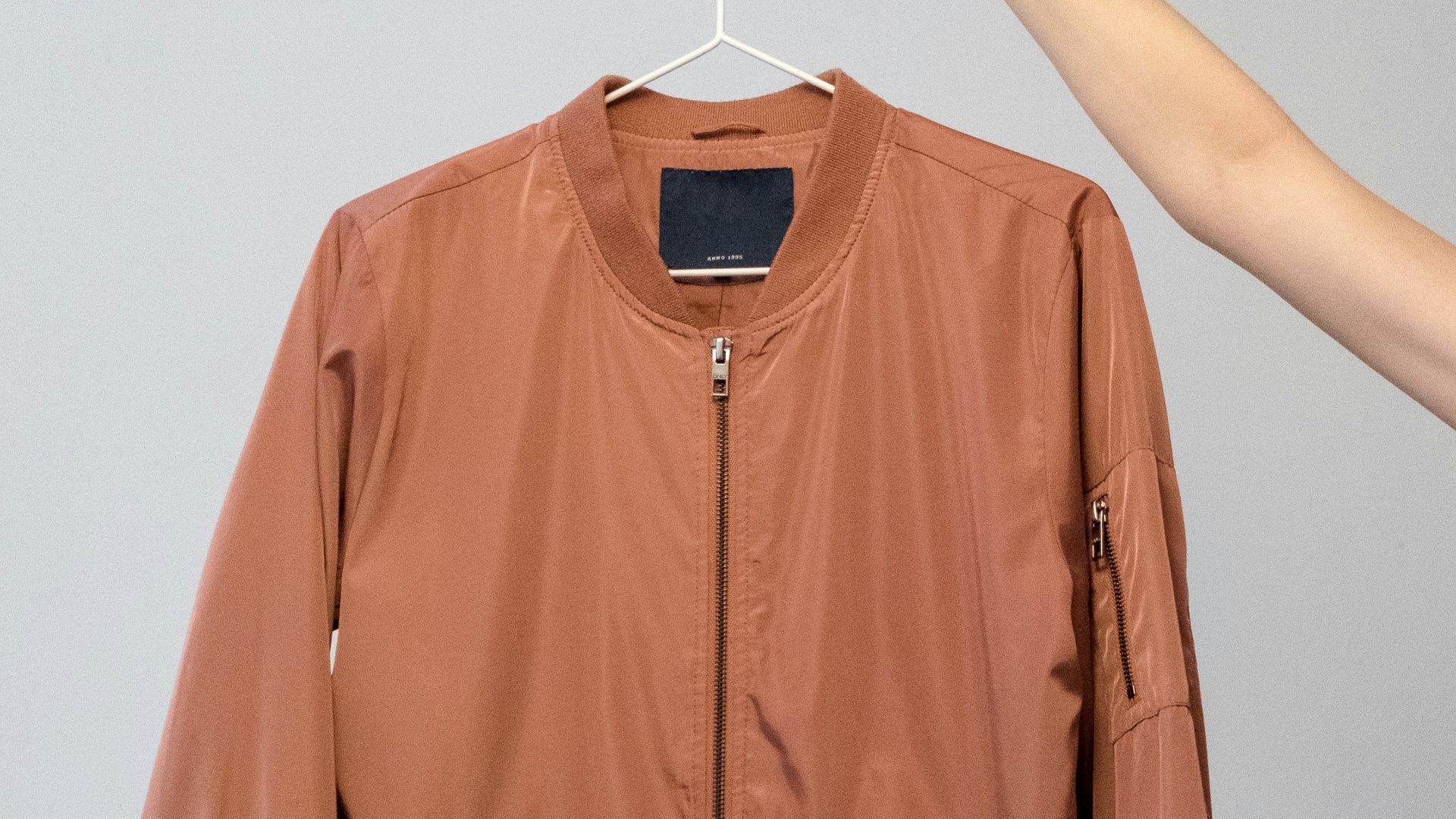
Plastic isn't limited to bottles and packaging; many synthetic fabrics, including polyester and nylon, are made from plastic-based materials. You don't need to purge your closet, and throwing usable clothes away would defeat the purpose of reducing waste. Instead, wear what you own for as long as possible and consider natural or lower-impact materials when you eventually need replacements. Buying fewer garments overall, especially low-quality pieces meant for short-term use, can reduce both material consumption and unnecessary waste.
17. Choose Durable Items Over Disposable Ones
Plates, cups, tablecloths, decorations, and serving utensils designed for one event can create an enormous bag of trash after only a few hours of use. For parties and gatherings, use washable items you already own whenever the situation allows. If you entertain regularly, keeping a basic collection of reusable party supplies can be more economical in the long run. It also saves you from buying another package of disposable plastic goods before every birthday or barbecue.

18. Don't Replace Plastic You Already Own
Reducing plastic doesn't mean immediately throwing away every plastic object in your home. A reusable plastic storage bin, lunch box, or kitchen tool that's already been manufactured is usually more useful in your hands than sitting in a landfill while you purchase a brand-new replacement. Keep durable items in service until they're damaged, unsafe, or no longer functional. When replacement time eventually arrives, that's when you can choose a longer-lasting or lower-plastic alternative.
19. Be More Selective with Online Orders
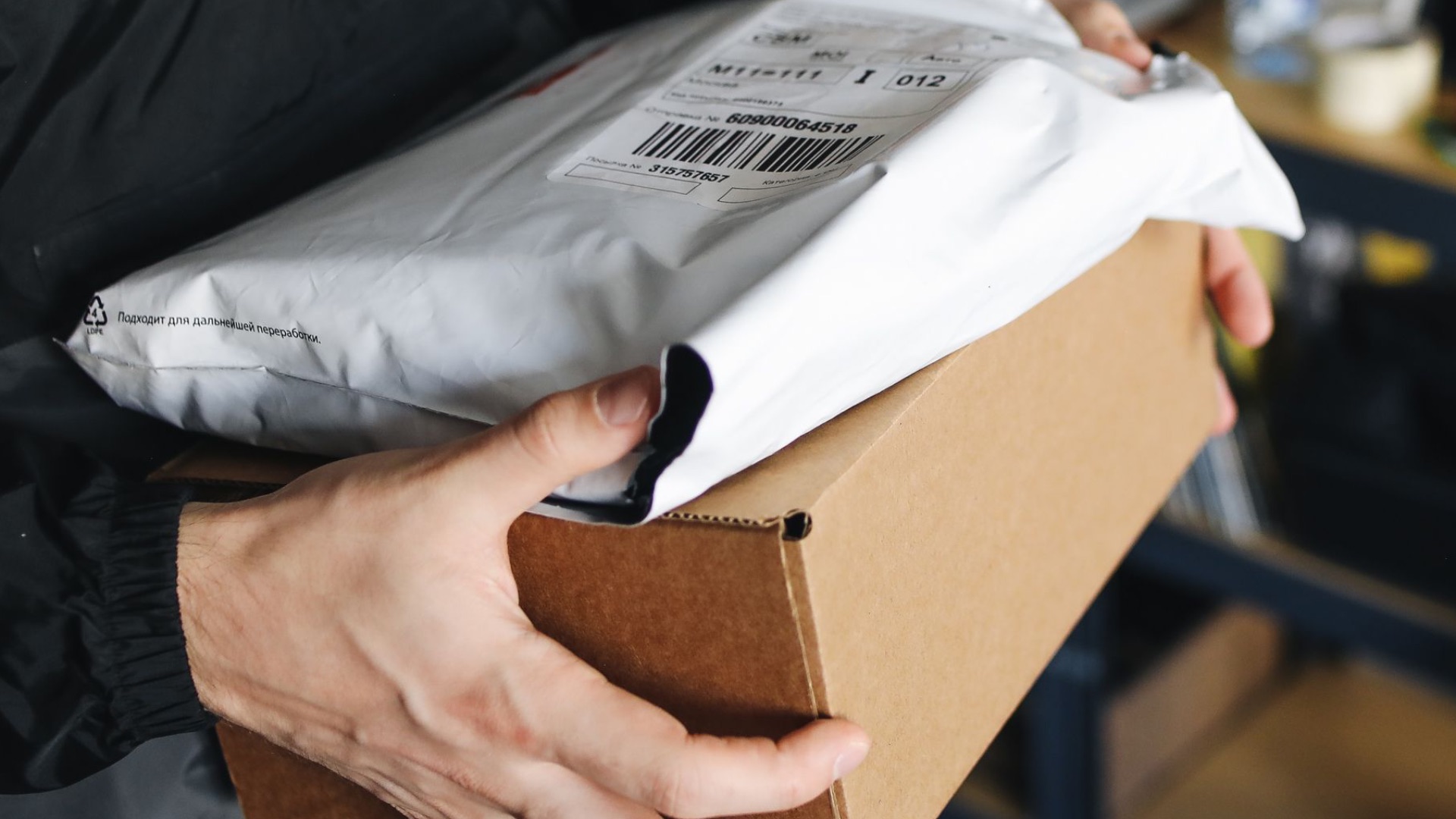
Online shopping can bring layers of mailers, protective wrapping, air pillows, and plastic packaging into your home along with the item you actually wanted. Combining purchases into fewer orders when possible can reduce the amount of shipping material involved. Some retailers also offer reduced-packaging options or let customers request consolidated delivery. Before clicking the purchase button for something minor, consider whether you could pick it up locally or include it with a future order instead.
20. Focus on What You Buy
Recycling can be useful, but it doesn't erase the environmental cost of continually producing and consuming disposable plastic. The most effective opportunities often happen before something enters your home, when you're deciding whether you need it and which version to purchase. Choosing reusable products, avoiding unnecessary packaging, and keeping existing belongings in use longer all reduce the amount of plastic requiring disposal in the first place.