You've made the decision to dine solo tonight. While getting dressed, you can picture the evening going perfectly: you'll step inside your favorite restaurant, order a filling meal, pair it with a fizzy beverage, and be on your merry way after you polish off your plate. But then you walk outside your door, and you start overthinking. What if people think it's weird that you're dining alone? What if you feel strange about it? Maybe it's best if you stay and cook at home, after all.
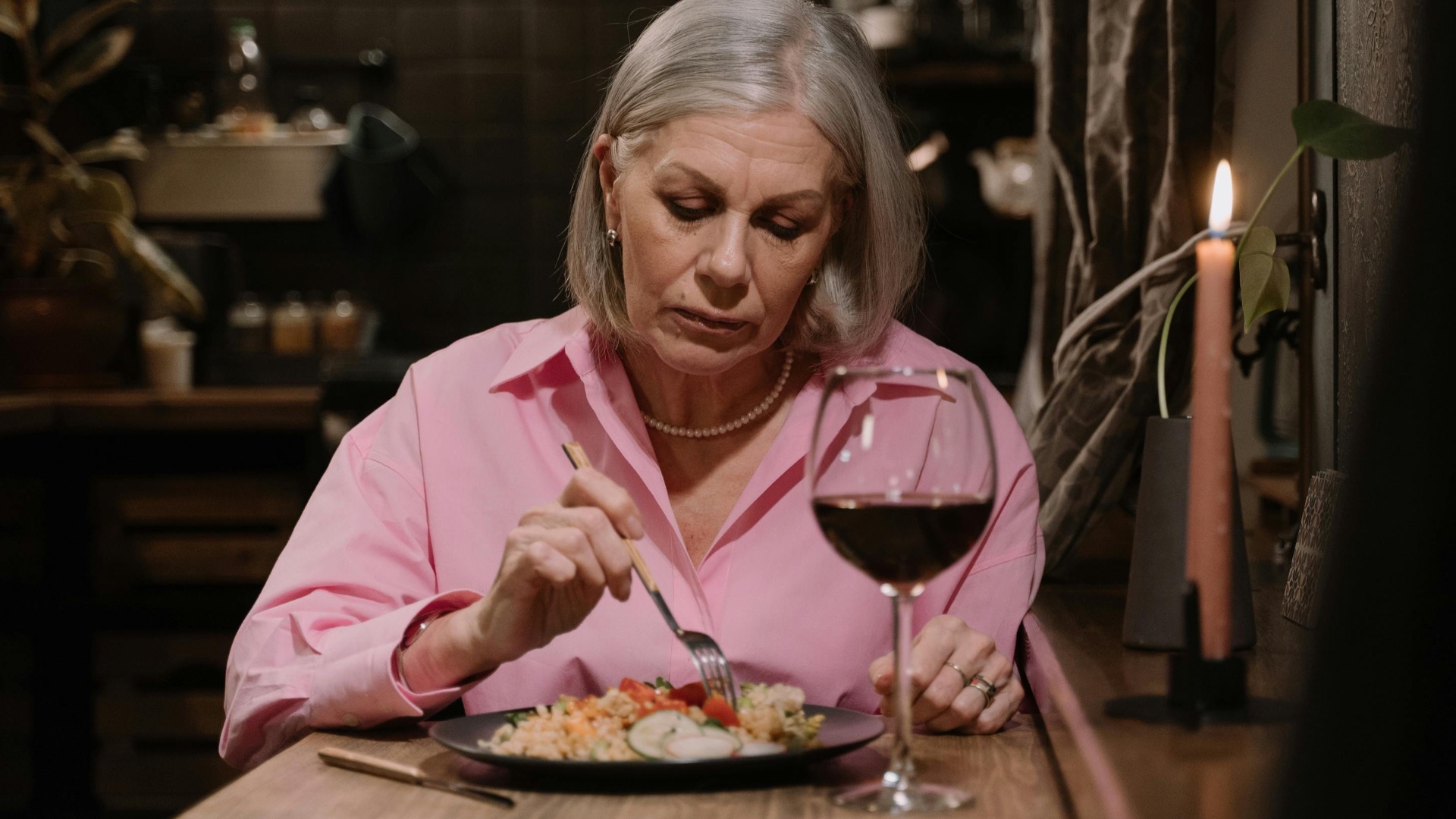
For many, eating out alone is an intimidating thing. Without a companion to chat with and enjoy your meal with, it can feel awkward, and even more so when everyone else around you is grouped in twos, fours, or more. Somehow, even though there's nothing wrong with it, solo dining can carry a kind of unspoken stigma that makes it so uncomfortable for people to just spend time alone, and enjoy it.
Social Anxiety
Not everyone can sit alone at a restaurant and happily ignore the attention they might get being a solo diner. Even if we say we don't care about what others think of us, deep down, we still prefer to fit in instead of going against social norms. And for those who have social anxiety, going out for a meal alone is a much bigger hurdle than it seems on the surface.
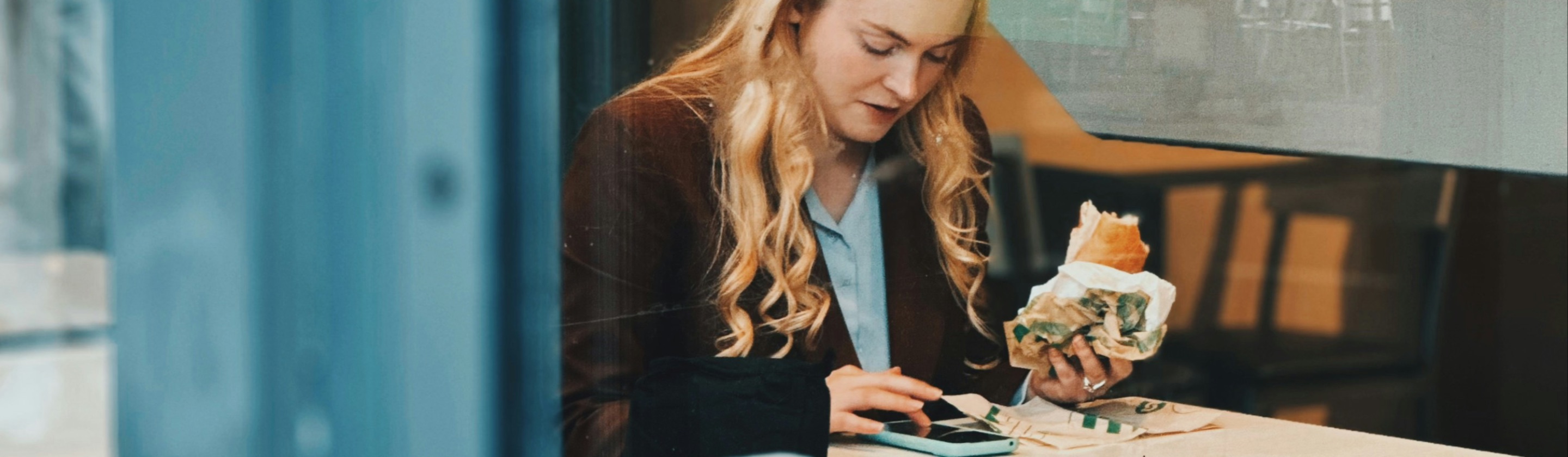
What should we do with our hands while we wait? What should we look at? Should we scroll on our phones for the entirety of the meal? Should we pretend to journal or work? When you're already nervous about being in public and surrounded by strangers without a familiar face to distract you, it might only make you feel more judged when eating alone, and you may make you need to do something to compensate to appear "normal."
We're Wired to Crave Companionship
It doesn't help either that we're wired to crave companionship. We're social creatures, and without connection, it can hurt our mental and physical health. While solitude can be healing and it can be great for self-care, research has highlighted more on the negative effects of social isolation, which may increase depressive symptoms and harm well-being. Dining alone, then, might only perpetuate this and add to the burden.
After all, there doesn't seem to be as much pressure to put on a performance—wondering what to do with our hands and eyes, pretending to be busy when we aren't—when we're eating with someone else versus when we're eating alone. And because that pressure is lifted off our shoulders, dining with a companion seems to be the more socially accepted thing to do, and the one many of us ultimately prefer.
It's Not About the Food
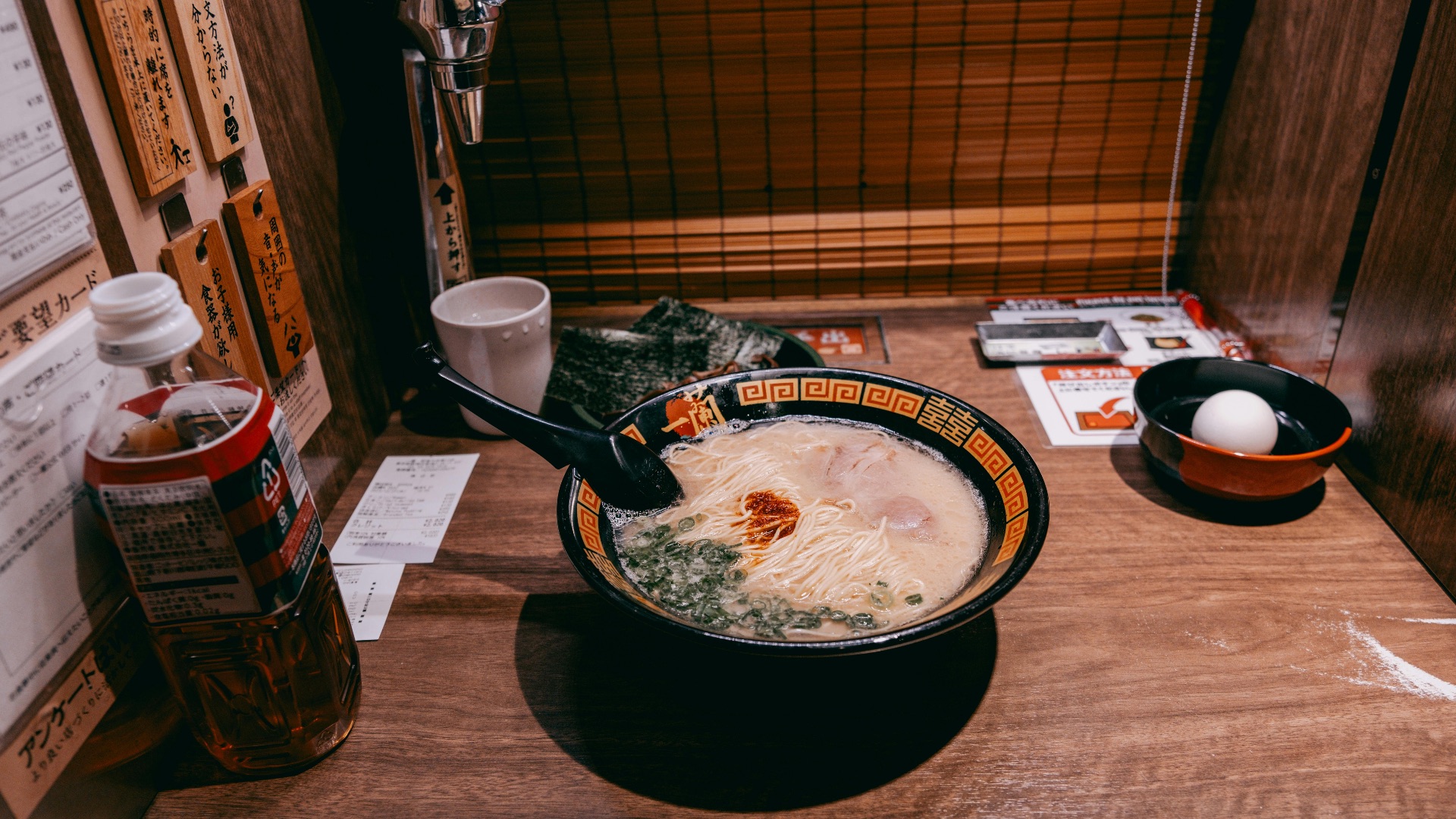
Depending on the restaurant and the type of cuisine, you may occasionally come across menus that offer mainly share plates. While you can still order these when dining solo, you might find them more challenging to finish, and you may even be given odd looks by the servers. If you want to order several plates to try, you might even be advised against it.
But it's not just the food and menus that seem to discourage solo dining—the whole environment can, too. Some countries may regularly welcome solo diners, such as Japan, but others may look down on those who dine for one, such as South Korea, which is known more for group culture. When the environment itself seems to signal that you don't quite belong if you're dining alone, it'll only feel more discomforting.
And yet, like with all things that seem awkward and unfamiliar at first, it takes experience to gain confidence and skill. Just because dining for one goes against the grain doesn't mean you should avoid doing it altogether. We're wired for connection, but spending time alone can still be empowering and even therapeutic.
Dining alone can feel liberating, too: instead of ordering for the table or a dish to share with a partner, you can choose whatever you like, from whichever cuisine you enjoy most. And when you're ready to leave, there's no need to compromise or wait for someone else's cue. You can simply stand up and go.