
Boomerang Kids: 10 Perks of Moving Back in with Your Parents & 10 Obvious Downsides
The Boomerang Trend Is More Common Than You Think
Having your own apartment is great, but what should you do when money is tight? Should you rent a cheaper space, sell your car, or, gasp, should you move back in with your parents? It might sound like the last thing you'd want to do, and heading back to your parents' place after living independently may feel like a step backward, but millions of adults are doing exactly that, and for good reasons. Whether it's crushing student debt, a rough job market, a breakup, or simply the desire to save money faster, the so-called "boomerang" phenomenon has become a defining feature of modern adulthood. Wondering if it's the right move for you? Let's take a closer look at what you stand to gain and what you'll likely have to give up if you go back to sharing a roof with your parents.

1. Your Savings Account Will Actually Grow
Rent is one of the biggest financial drains for young adults, and eliminating it entirely can free up hundreds, sometimes thousands, of dollars every month. That extra cash can go toward paying off student loans, building an emergency fund, or saving for a down payment on your own place. It's one of the fastest ways to get your finances back on track without taking on a second job.

2. Home-Cooked Meals Are Back on the Menu
There's something to be said for having access to a real kitchen and, if you're lucky, a parent who actually enjoys cooking. You'll likely spend far less on takeout and delivery, which adds up to significant savings over time. Even if you're the one doing the cooking, having a full kitchen stocked with pantry staples makes eating well a lot more affordable.

3. Built-In Emotional Support
Life can throw a lot at you, and having family nearby during a difficult period, whether it's a job loss, a health scare, or a breakup, can make a real difference. You're not coming home to an empty apartment after a hard day; instead, you have people around who are invested in your well-being. That kind of consistent emotional presence is something money genuinely can't replace.

4. Shared Household Expenses Lower Your Monthly Bills
Even if you contribute to the household costs, splitting utilities, groceries, and other bills among multiple people is almost always cheaper than covering everything on your own. Many parents don't charge rent at all, or they accept a modest contribution that's still well below market rate. The financial relief you get from shared living costs can give you serious breathing room in your budget.

5. You Can Take Career Risks You Couldn't Otherwise Afford
When your basic living expenses are covered, you have the freedom to pursue opportunities that might not pay off immediately. Starting a business, going back to school, freelancing, or taking an unpaid internship becomes a lot more feasible when you're not worried about making rent. Living at home can actually be the financial safety net that allows you to make bold, long-term career moves.

6. Your Relationship with Your Parents Can Deepen
Spending real, day-to-day time with your parents as an adult is a completely different experience from the dynamic you had growing up. You're more likely to connect with them as equals, have meaningful conversations, and understand them as people outside of their parental role. Many adults who've moved back home find that they leave with a much stronger relationship than they had before.

7. You Have Help Managing Everyday Responsibilities
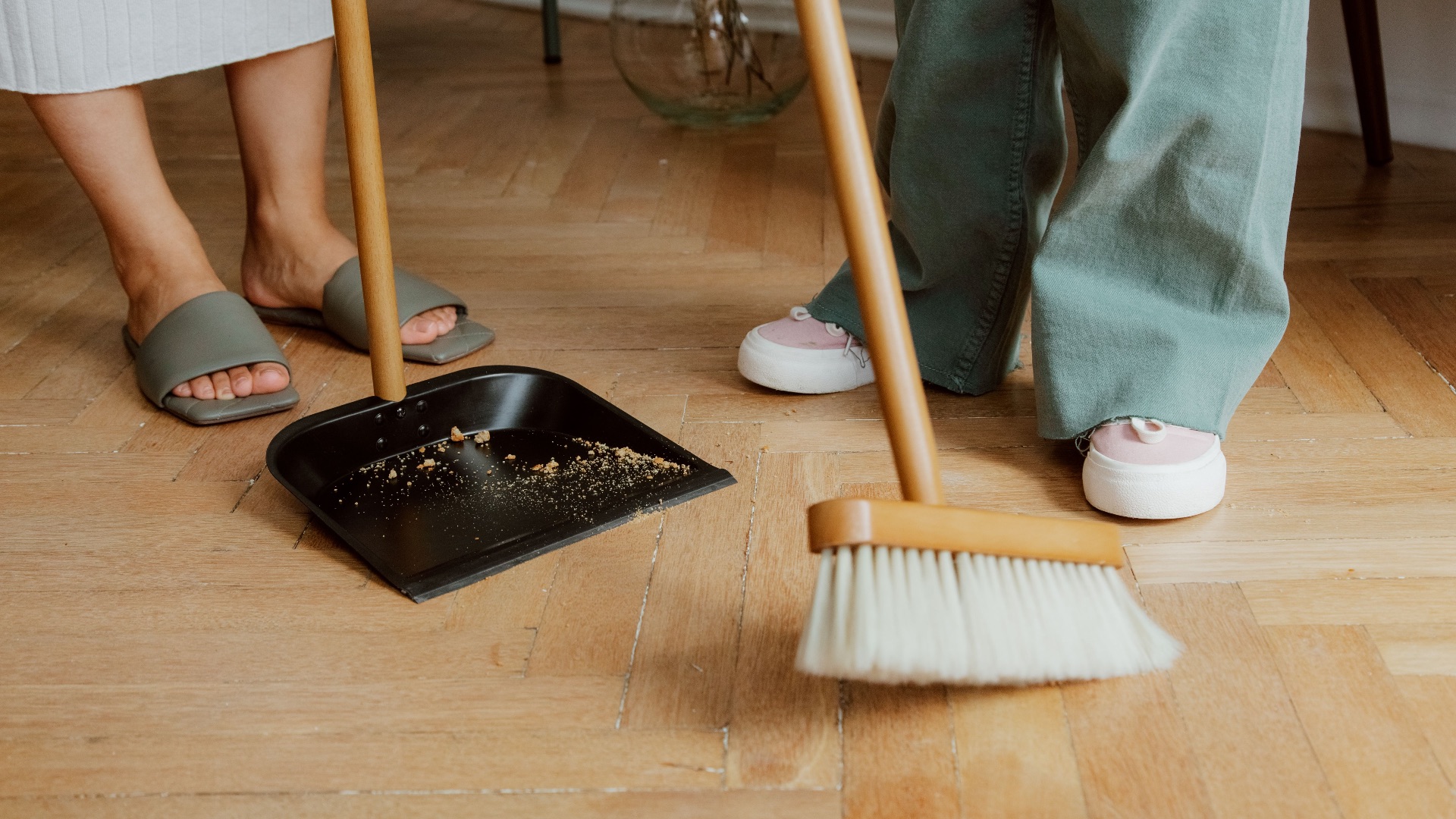
From sharing household chores to having someone who can sign for a package or let the plumber in, there are practical advantages to not living alone. If you have a demanding job or are juggling a lot, having another person around to share the domestic load can reduce your stress considerably. It's a level of day-to-day support that you simply don't have when you're living solo.
8. Pet Care Becomes Much Easier
If you have a pet or are thinking about getting one, living with family makes the logistics significantly less complicated. You're not scrambling for a dog walker or paying for boarding every time you travel for work or go on vacation. Having other people in the home who can help with feeding, walks, and companionship is a real advantage for both you and your pet.

9. You Can Pay Down Debt Much Faster
Without rent eating up a large chunk of your income, you can throw a much larger portion of your paycheck directly at any outstanding debt. Credit card balances, car loans, and student debt can shrink noticeably faster when you're not stretched so thin. Getting out of debt sooner has a cascading positive effect on your credit score, your stress levels, and your financial future.

10. Safety and Security Come Standard
Living alone in a city or unfamiliar neighborhood carries a certain level of risk that simply isn't present when you're back in a family home. Knowing that someone is aware of your schedule, that the home is occupied, and that there's another adult nearby if something goes wrong provides a level of security that's easy to take for granted. For many people, that peace of mind alone makes the transition worthwhile.
Of course, it's not all home-cooked meals and padded savings accounts. Moving back in with your parents comes with its own set of real challenges, and it's important to go in with your eyes open. Here are 10 downsides that tend to catch people off guard.

1. Your Privacy Takes a Major Hit
When you've been used to having your own space, adjusting to shared living can feel like a significant adjustment. Parents have a natural tendency to be curious about your comings and goings, your relationships, and your daily habits, even when they're trying to give you space. The walls are thinner, the schedules overlap, and the solitude you once had largely disappears.

2. Old Family Dynamics Have a Way of Resurfacing
No matter how much you've grown since you last lived at home, stepping back into that environment can trigger old patterns on both sides. Parents may slip back into treating you the way they did when you were a teenager, and you might find yourself responding accordingly. It takes conscious effort from everyone involved to maintain the adult-to-adult dynamic that makes the arrangement actually work.

3. Your Social Life May Suffer
Hosting friends, having a partner over, or simply coming and going on your own schedule gets more complicated when you're living under someone else's roof. You may find yourself declining invitations or feeling awkward about bringing people back to a house that isn't entirely yours. Over time, that social friction can start to wear on your relationships and your overall sense of independence.

4. Career Perception Can Be Affected
Right or wrong, there's still a social stigma attached to moving back home in some professional and social circles, and it can occasionally affect how colleagues or dates perceive you. Mentioning that you live with your parents can invite assumptions about your financial situation or your ambitions that may not be accurate at all. It's an unfair bias, but it's one worth being aware of as you navigate it.

5. Household Rules Don't Disappear Just Because You're an Adult
Even the most laid-back parents tend to have certain expectations about noise, guests, meals, and shared spaces that you'll be expected to respect. What felt perfectly reasonable when you were 16 can feel surprisingly restrictive once you've had a place of your own. Navigating these expectations without conflict requires a lot more patience and communication than most people anticipate.

6. Your Sense of Independence Can Erode Over Time
The longer you live at home, the easier it becomes to let others handle things you'd normally take care of yourself. If your parents are cooking your meals, handling household admin, and generally keeping the place running, it's easy to slip into a more passive role without realizing it. Maintaining your own responsibilities and routines is essential if you want to leave the arrangement stronger than when you arrived.

7. Romantic Relationships Face Extra Complications
Dating is more awkward when you don't have your own place, and some partners may find the situation off-putting regardless of the practical reasons behind it. Arranging private time, navigating parental opinions about who you're seeing, and simply having a normal adult relationship becomes harder when you're not on your own turf. It's a real source of tension that many people underestimate before they move back.

8. Saving Money Requires Actual Discipline
The financial perks of living at home only materialize if you're intentional about what you do with the money you're saving. Without a budget and a clear savings goal, it's surprisingly easy to spend the extra cash on lifestyle upgrades rather than building toward something meaningful. Having reduced expenses doesn't automatically translate to financial progress; it just creates the opportunity for it.

9. You May Feel Stuck in a Life That's on Pause
There's a psychological dimension to living at home as an adult that doesn't always get talked about. It can feel like you've pressed pause on your life while everyone else around you is moving forward, and that perception takes a toll on your motivation and self-esteem. Keeping a clear timeline and set of goals for your time at home is one of the most important things you can do to protect your mental outlook.

10. Conflict Over Household Contributions Is Almost Inevitable
Whether it's how much you're paying, how much you're helping around the house, or simply how you're using the shared spaces, disagreements are bound to come up. What feels like a fair arrangement to you may not feel the same way to your parents, especially if expectations weren't clearly defined at the start. Setting an honest and detailed agreement before you move in is the best way to minimize the friction that tends to build over time.