
 Laura Villela Beauty Designer | Brasil on Pexels
Scientists have long been stumped by the neurodegenerative condition, Alzheimer's disease, and have been working to understand it for more than a century. Doctors believe the cause to be a combination of genetic, lifestyle, and environmental factors that damage the brain over time. However, recent research is challenging previous assumptions. Several studies have found that the root of the disease may actually be found in the mouth.
The unexpected culprit
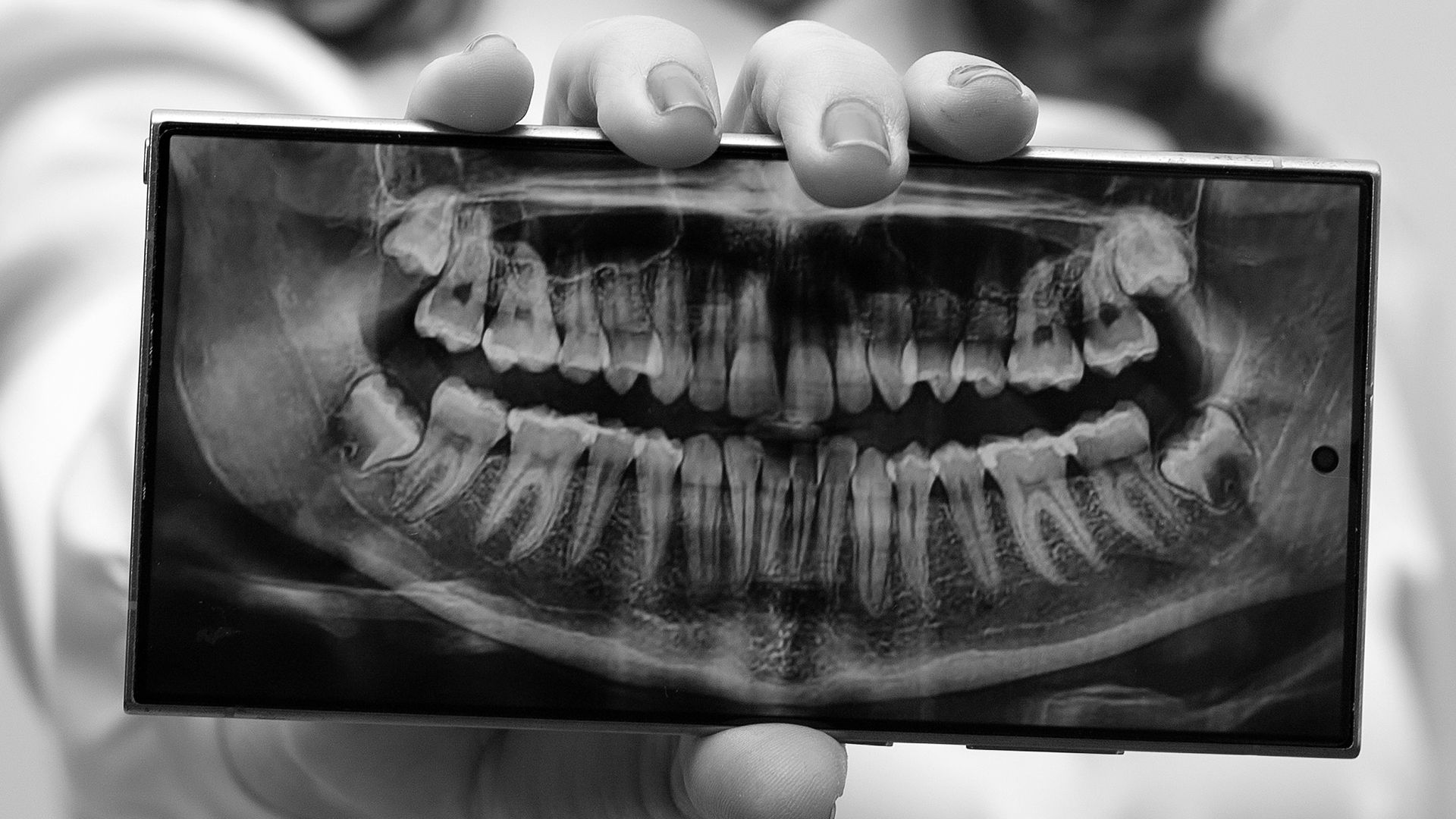
Periodontal disease is a chronic inflammatory condition affecting the gums that's caused by bacteria like Porphyromonas gingivalis. A study led by microbiologist Jan Potempa from the University of Louisville found gum disease in the brains of people who died from Alzheimer's disease.
Importantly, gingipains—toxic enzymes—were also found in individuals who hadn’t yet been diagnosed with dementia, suggesting that the bacterial infection might precede cognitive decline, and is not just a result of poor oral care after dementia begins.
How does oral bacteria reach the brain?
Scientists believe that harmful bacteria from chronic gum infections can enter the bloodstream through inflamed or bleeding gums and cross the blood-brain barrier, the protective shield that normally keeps pathogens out of the brain. Once inside, these bacteria and their by-products can trigger neuroinflammation, which is a key factor in Alzheimer’s disease.
Another study showed that older adults with a high ratio of harmful to beneficial gum bacteria were more likely to have amyloid beta—a key indicator of Alzheimer's disease—in their cerebrospinal fluid. Although this finding didn't prove direct causation, it further supports the idea that oral microbes may influence early disease pathways.
Inflammation and Alzheimer’s
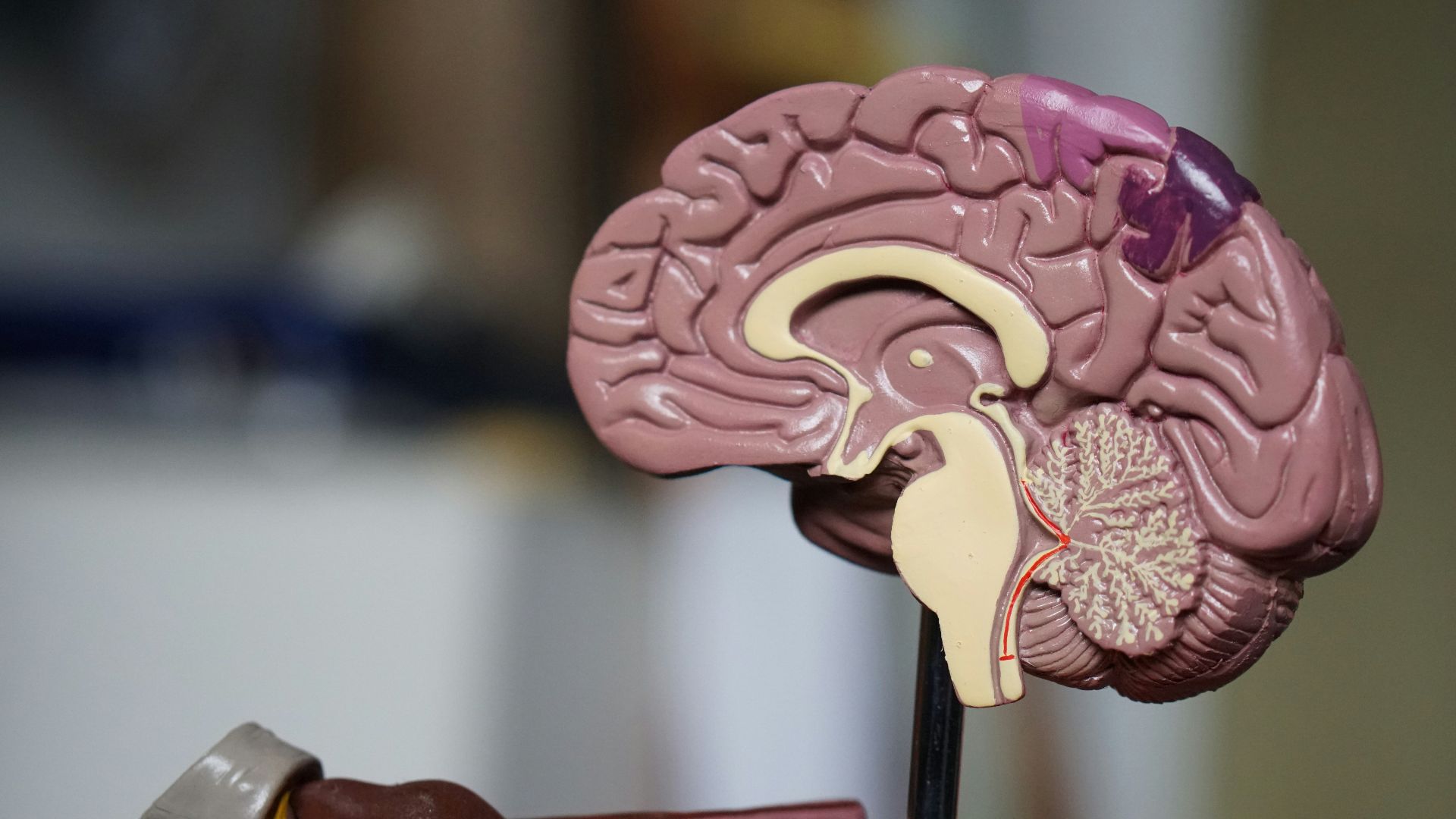
Beyond bacteria, gum disease also causes a prolonged inflammatory response throughout the body. Cells in the gums release inflammatory molecules that can travel and potentially increase inflammation in the brain.
Researchers are also studying how mouth bacteria might influence amyloid plaques and tau tangles: two key factors of Alzheimer's. These abnormal protein accumulations are thought to disrupt neuronal communication and eventually destroy brain cells. The presence of gingipains seems to correlate with markers associated with both of these pathological processes.
Is this the cause or just a clue?
Experts involved in Alzheimer’s research stress that while the evidence linking gum disease bacteria to Alzheimer’s is compelling, it does not yet prove causation. There's mounting evidence suggesting a strong association, but still, more research, including human clinical trials, is needed to determine whether gum infections actually cause Alzheimer’s or simply contribute to its progression.
What could this mean for prevention?
If oral bacteria do play such a significant role, it opens the door to new preventative strategies, like maintaining good oral health, including daily brushing, flossing, and regular dental check-ups. This may help reduce inflammation and limit the spread of bacteria. Some scientists are even exploring drugs that target the toxic enzymes produced by P. gingivalis as potential Alzheimer’s therapies—a completely different approach from most current treatment programs.
“Drugs targeting the bacteria’s toxic proteins have so far only shown benefit in mice, yet with no new dementia treatments in over 15 years, it’s important that we test as many approaches as possible to tackle diseases like Alzheimer’s," chief scientific officer David Reynolds from Alzheimer's Research said in a statement.