
You might think you’re being the ultimate supportive friend when you notice a woman looks smaller and decide to shower her with praise. It feels like a natural reflex in a culture that often equates thinness with success, health, and peak personal discipline. However, these comments can sometimes land with a thud because they carry a heavy weight of unspoken assumptions about her previous appearance. While your intentions are likely pure and kind, the impact of your words can be far more complicated than a simple "thank you" might suggest.
Stepping into this conversational minefield requires a bit of social grace and an understanding of the hidden battles people often fight behind closed doors. You aren't just commenting on a physical change; you’re unintentionally validating a specific aesthetic standard that she might be struggling to maintain. Before you open your mouth to celebrate a disappearing waistline, it’s worth considering why silence, or a different kind of praise, might actually be the more compassionate path. Taking a moment to reflect on the potential "why" behind her change can save you from a very awkward or even hurtful social blunder.
The Hidden Health Struggles Behind the Scale
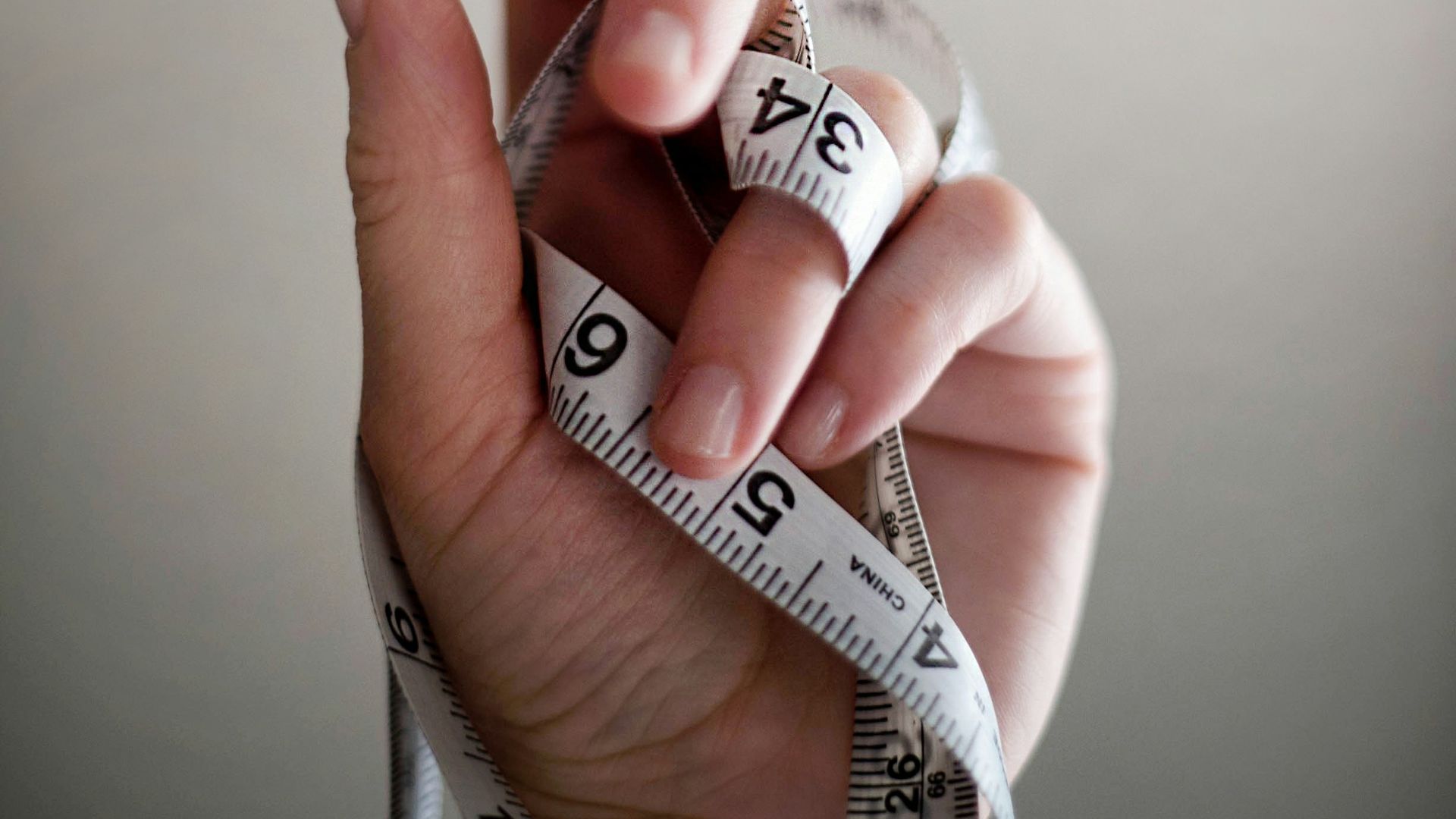
The biggest problem with complementing weight loss? You never know how hard someone has battled with their physical or mental health in order for the numbers on the scale to go down. There are thyroid conditions, gut issues, or even early stages of terminal diseases that women fight with every day just so they can see that lighter weight. Imagine being at your sickest, and you hear how “great” you look. Guess what your mind is thinking? Why do I feel so awful if I look amazing?
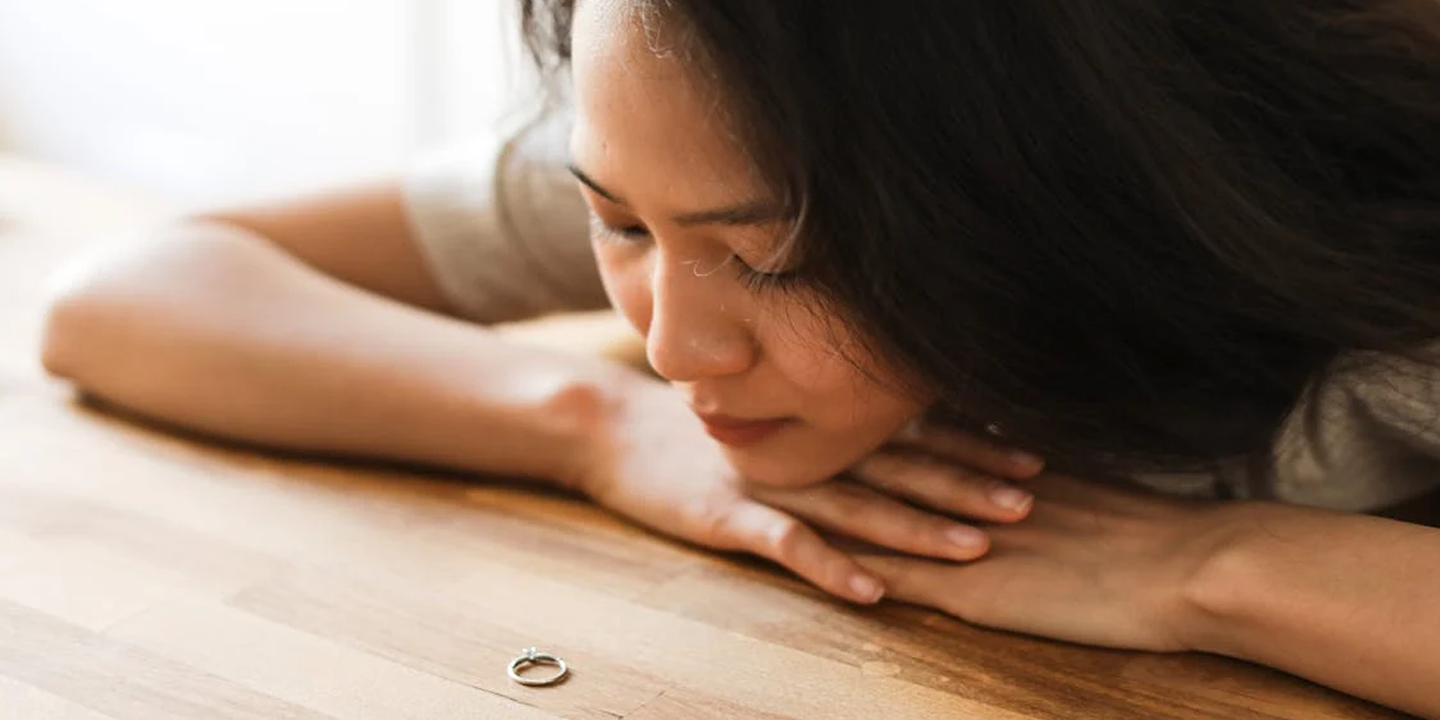
You should also consider that significant weight changes are frequently a side effect of intense psychological stress or deep-seated grief. When someone loses their appetite due to a heartbreaking loss or a high-pressure job, the resulting weight loss isn't a fitness achievement to be cheered. By focusing on the external "improvement," you’re essentially telling them that the silver lining to their suffering is a smaller clothing size. It's a tough pill to swallow when a person feels like they're falling apart, yet everyone keeps telling them how great they look.
Ok, so weight loss isn’t always linked to physical illness or loss. Ever heard of orthorexia? It’s a “healthier” way of saying someone has an eating disorder. Something as simple as “You look great!” can encourage them to continue their restrictive habits. It’s rewarding, and they feel as if people are noticing their hard work. When someone is struggling with an eating disorder, it can be hard for them to reach out because you, yes you, made them feel as if they need to look a certain way to receive that praise.
Celebrating the Person Beyond the Physical
Want to genuinely compliment a woman? Tell her she looks happy. Comment on how she lights up a room when she smiles. Tell her she seems like she's been getting great sleep as of late, or that she sounds proud of herself. If she opens up about what's been going on, awesome! You've created a safe space for her to tell you about her new hobby, how she's been focusing on self-care, or how she stepped out of her comfort zone this week. But if she doesn't, it's ok. Let her redirect the focus onto other things she loves. She'll appreciate you appreciating everything that makes her who she is so much more than you'll ever know by fixating on her dress size.
Sure, if she tells you she's been working out for the last few months, give her a congratulatory high five for sticking to something difficult and ask how she feels instead of telling her how great she looks. Ask her about the positive changes she's noticed in her strength and how she feels about herself, instead of how skinny her jeans are now or how you can finally see her collarbone. You're praising her for her commitment to her body and herself instead of how her body looks now. You're encouraging healthy habits that will benefit her far beyond how her body looks.
At the end of the day, the best thing you can do is allow women to speak for themselves when it comes to their bodies. If she doesn't mention it, don't bring it up. Talk to her about her career. Tell her you love how passionate she is about spending time with her family. Ask her what she's been reading lately. By not focusing on how a woman looks, you are taking away from the social construct that a woman's number one job is to be eye candy. You'll form deeper connections with your friends when you compliment things that mean way more to them than their weight or body shape.