
20 Workplace Phrases That Make Everyone Roll Their Eyes
Office Language Has a Way of Wearing People Down
Every workplace develops its own vocabulary, but some phrases have been repeated so often that they now produce an instant internal groan. They usually sound polished, positive, or collaborative, yet the real meaning can be vague, inconvenient, or quietly irritating. A request to “circle back” may be harmless, while “we’re all family here” can make people wonder what boundary is about to disappear. These 20 expressions prove that sometimes the fastest way to test office morale is to open your mouth and mention synergy.

1. “Let’s Circle Back”
This phrase usually means the conversation isn’t finished, but nobody wants to deal with it right now. The problem is that circling back often creates another meeting, another email chain, or another item sitting on everyone’s list. Saying exactly when the topic will be revisited would make the delay feel far less mysterious.

2. “Let’s Take This Offline”
Despite the wording, nobody is usually being asked to unplug a computer. It means two people should continue the discussion privately because everyone else has stopped benefiting from it. The phrase is useful, but it can sound slightly dramatic when the disagreement is about spreadsheet formatting.

3. “We’re Like a Family Here”
Workplaces that say this rarely mean everyone receives unconditional love and a home-cooked meal. More often, the phrase appears before a request for extra loyalty, unpaid effort, or unusually flexible boundaries. More than family vibes, most employees would prefer fair treatment, clear expectations, and coworkers who don’t steal their lunch.

4. “Think Outside the Box”
This is often said when someone wants a creative solution but hasn’t explained the actual problem very clearly. It also assumes everyone has been stubbornly sitting inside an imaginary box until management pointed it out. Specific guidance tends to produce better ideas than a slogan printed on motivational posters.
 Christina @ wocintechchat.com M on Unsplash
5. “It Is What It Is”
Few expressions shut down a useful conversation faster. It can acknowledge that a situation can’t be changed, but it’s also frequently used to avoid discussing why the situation became a mess. Employees usually hear it as, “Yes, this is frustrating, and no, we won’t be fixing it.”
 Christina @ wocintechchat.com M on Unsplash
6. “Can You Just…”
The word “just” has a remarkable ability to make a complicated task sound effortless. What follows may require three departments, several approvals, and information nobody has provided yet. If the request were genuinely tiny, it probably wouldn’t need such careful minimizing.

7. “Quick Question”
A quick question should take less time to answer than it took to announce. Instead, it often opens the door to a lengthy discussion, a new assignment, or a problem that has been quietly growing for several weeks. The phrase becomes especially alarming when it arrives five minutes before the end of the day.

8. “This Should Be Easy”
Nothing makes a task feel more dangerous than someone confidently declaring that it should be easy. The person saying it may not understand the work involved or may be hoping you won’t mention the obstacles. Once the project takes longer than expected, the original promise somehow becomes your problem.
 Christina @ wocintechchat.com M on Unsplash
9. “We Need All Hands on Deck”
This announcement usually means priorities are about to disappear, and everyone will be pulled into an urgent project. It can be appropriate during a real crisis, but some offices seem to experience an emergency every Tuesday. Constantly demanding maximum effort eventually makes genuine urgency much harder to recognize.

10. “Let’s Put a Pin in It”
Putting a pin in something sounds organized, but the topic often vanishes immediately afterward. Nobody records where the imaginary pin went or who is responsible for returning to it. A clear follow-up date would prevent the idea from spending the rest of its life buried in meeting notes.

11. “We Need More Synergy”
Synergy is supposed to describe people or departments working effectively together. In practice, it’s often used when leadership senses that cooperation is poor but can’t identify what needs to change. Employees are left wondering whether they should communicate more, attend another workshop, or simply nod with greater enthusiasm.

12. “I Don’t Have the Bandwidth”
This is a polished way of saying someone is too busy, and sometimes it’s completely fair. It becomes irritating when the same person continues assigning work to everyone else while protecting his own schedule. The phrase sounds technical, but the underlying problem is usually that there aren’t enough hours in the day.

13. “Going Forward”
“Going forward” often introduces a new rule created because something went wrong. It may sound neutral, but everyone in the room usually knows exactly which mistake inspired the announcement. The phrase becomes even more uncomfortable when the responsible person is sitting silently at the table.

14. “Per My Last Email”
On paper, this simply refers the reader to information already provided. In reality, it often carries the energy of someone who has explained the same thing several times and is losing patience. The words remain professional, but the frustration is rarely difficult to detect.

15. “Friendly Reminder”
A genuinely friendly reminder usually doesn’t need to announce how friendly it is. The phrase often appears in emails about missed deadlines, incomplete forms, or rules someone has repeatedly ignored. By the third reminder, nobody believes friendliness is still the main emotion involved.

16. “Let’s Touch Base”
Touching base can mean checking progress, sharing updates, or arranging a meeting without stating what the meeting is for. That vagueness is what makes the phrase mildly unsettling. A five-minute conversation can easily become half an hour once everyone begins searching for something meaningful to discuss.

17. “We’ll Revisit Compensation Later”
This phrase has a habit of appearing when someone receives more duties without receiving more money. “Later” may mean after the next review, after budgets improve, or after everyone forgets the conversation happened. Employees usually learn to request a date before the promise floats away entirely.

18. “There Are No Bad Ideas”
This sounds encouraging until someone offers an idea and watches the room become completely silent. While brainstorming should allow some freedom, offices still contain budgets, deadlines, and practical limitations. Pretending every suggestion is equally useful only makes the rejection stage more awkward.

19. “Work Hard, Play Hard”
This expression often appears in job descriptions that want long hours to sound exciting. The “play” may turn out to be an occasional pizza lunch, a forced team activity, or drinks scheduled after an exhausting day. Many employees would prefer to work reasonable hours and decide how to spend their own free time.
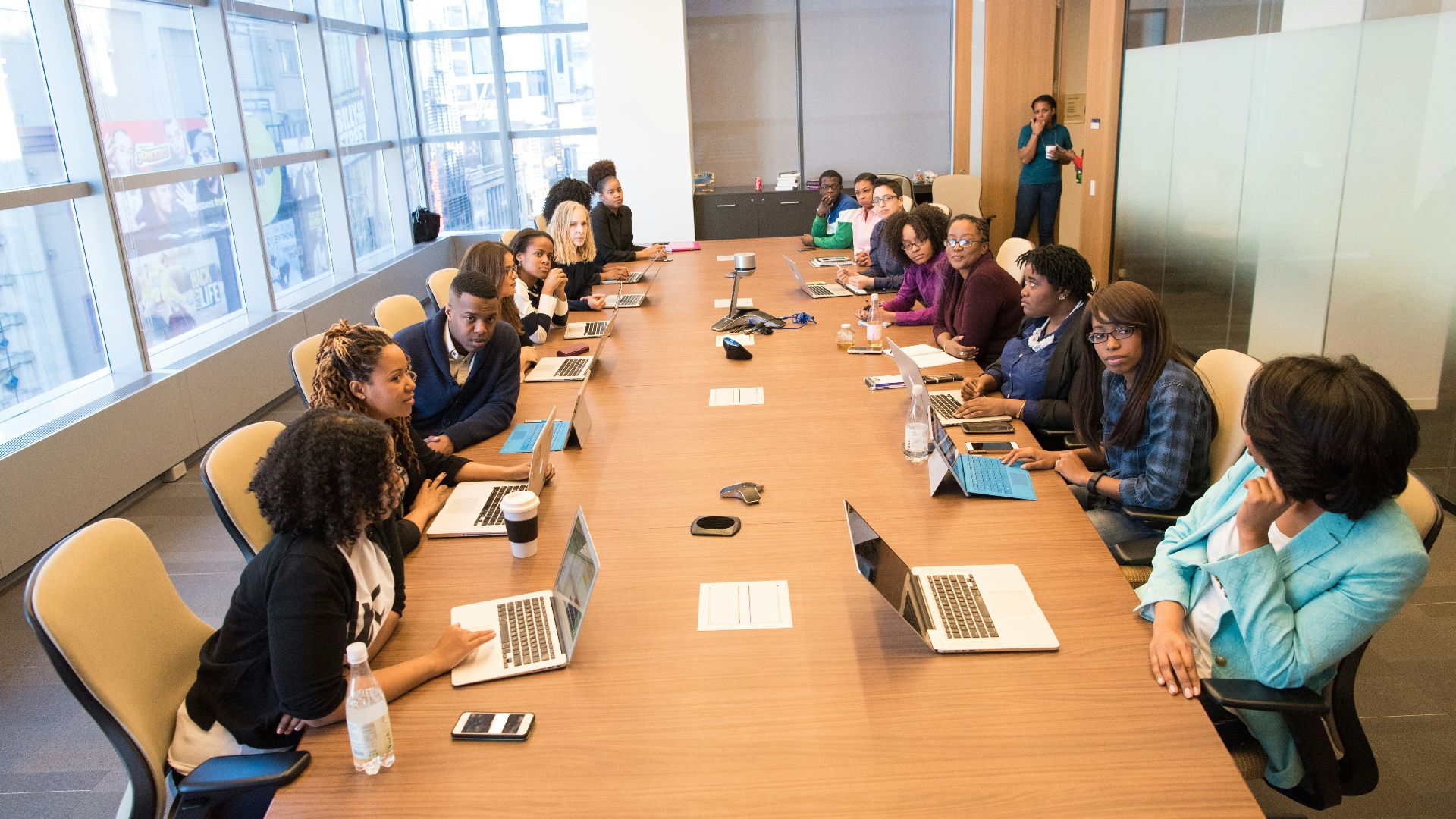 Christina @ wocintechchat.com M on Unsplash
20. “We Need to Do More With Less”
This usually means the workload is increasing while the staff, budget, or time available is shrinking. Leaders may present it as an inspiring challenge, but employees hear that they’ll be expected to fill the gap. Efficiency has limits, especially when “less” keeps becoming smaller and “more” never stops growing.