Actions Speak Louder Than Words
You've been following invisible rules your entire life without realizing it. Nobody handed you a manual on how to act in elevators or when to say "excuse me," but you somehow know. These unwritten social norms shape every interaction you have—skip one, and people notice immediately. Suddenly, you're the awkward person everyone's side-eyeing. To prevent any potential encounters, that's why we've broken down some of these silent commandments!
1. Queue Properly
We've all felt that surge of irritation when someone cuts in line. That gut-level anger reveals how deeply the queuing instinct runs in us. It's fascinating because there's no universal law about standing in single file, yet most of us automatically form orderly lines.

2. Face Forward in Elevators
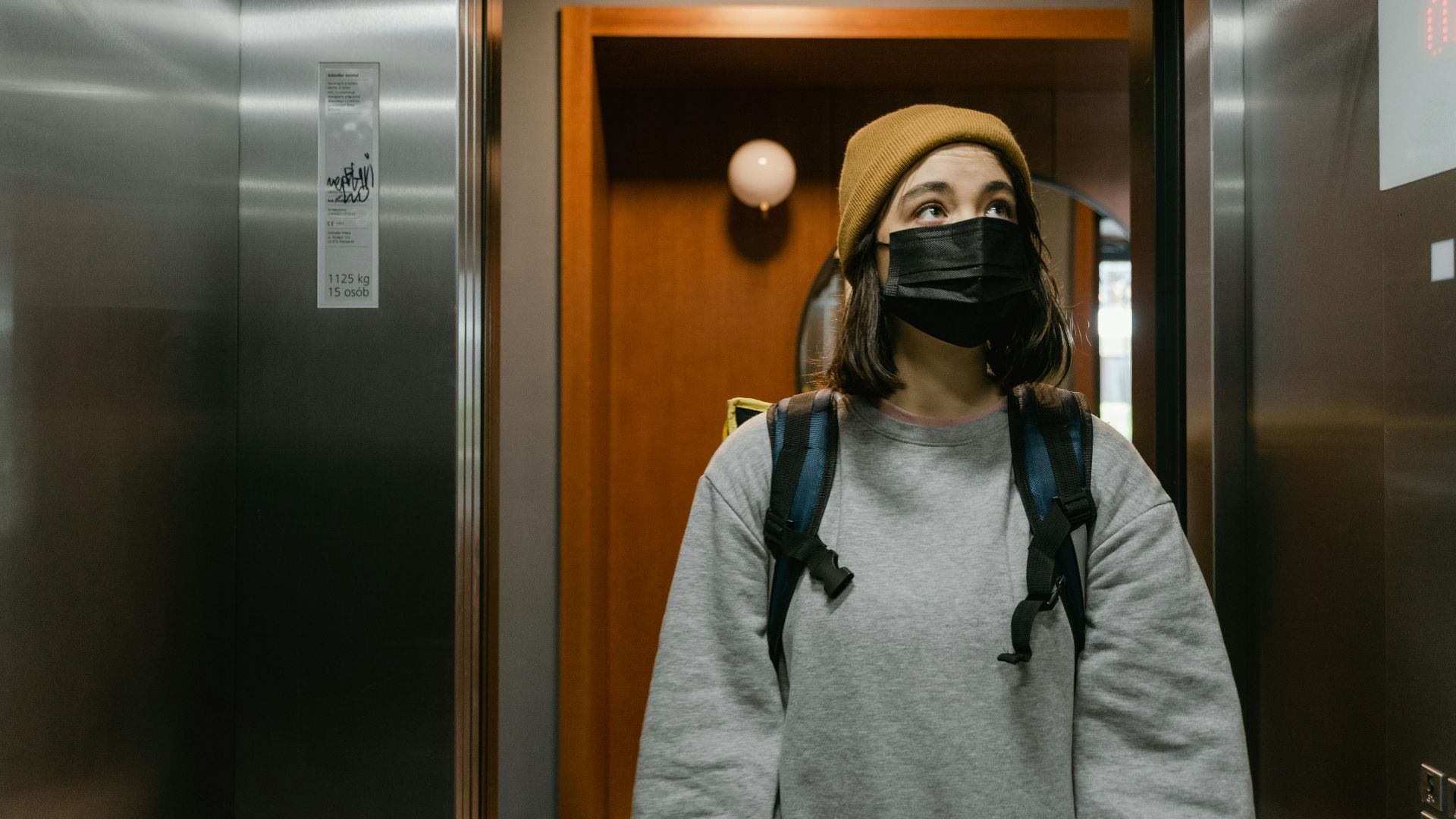
Step into any elevator and watch what happens—everyone pivots toward the doors like synchronized dancers. The elevator becomes this tiny social laboratory where we're packed together with strangers, desperately avoiding awkward eye contact by staring at the floor numbers.
3. Chewing Quietly
Your grandmother probably slapped your hand for chewing with your mouth open at Sunday dinner. In Western culture, watching someone masticate food with lips parted triggers visceral disgust in most people. We see the half-chewed bits, hear the smacking sounds, and suddenly lose our appetite.

4. Eye Contact
Locking eyes with someone creates instant connection, yet too much turns creepy fast. We navigate this delicate balance constantly without thinking about it. During conversations, humans glance at faces, look away, return their gaze, and dance through this pattern instinctively.

5. Firm Handshake
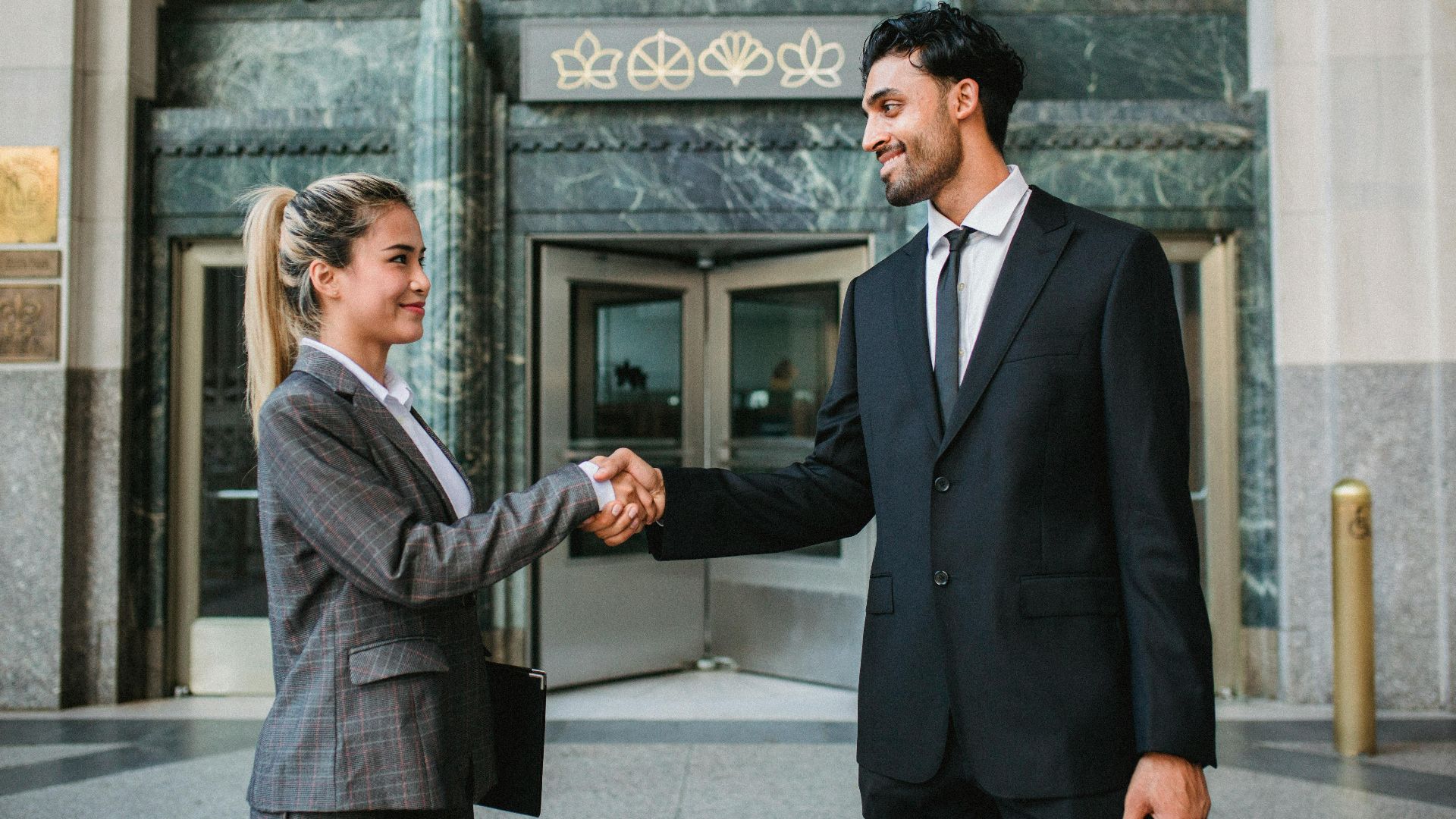
That moment when someone extends a limp, lifeless hand for a handshake—you immediately form judgments about their character. The "dead fish" handshake screams uncertainty or disinterest, but crush someone's fingers with an overpowering grip, and you're labeled aggressive.

6. Holding Doors
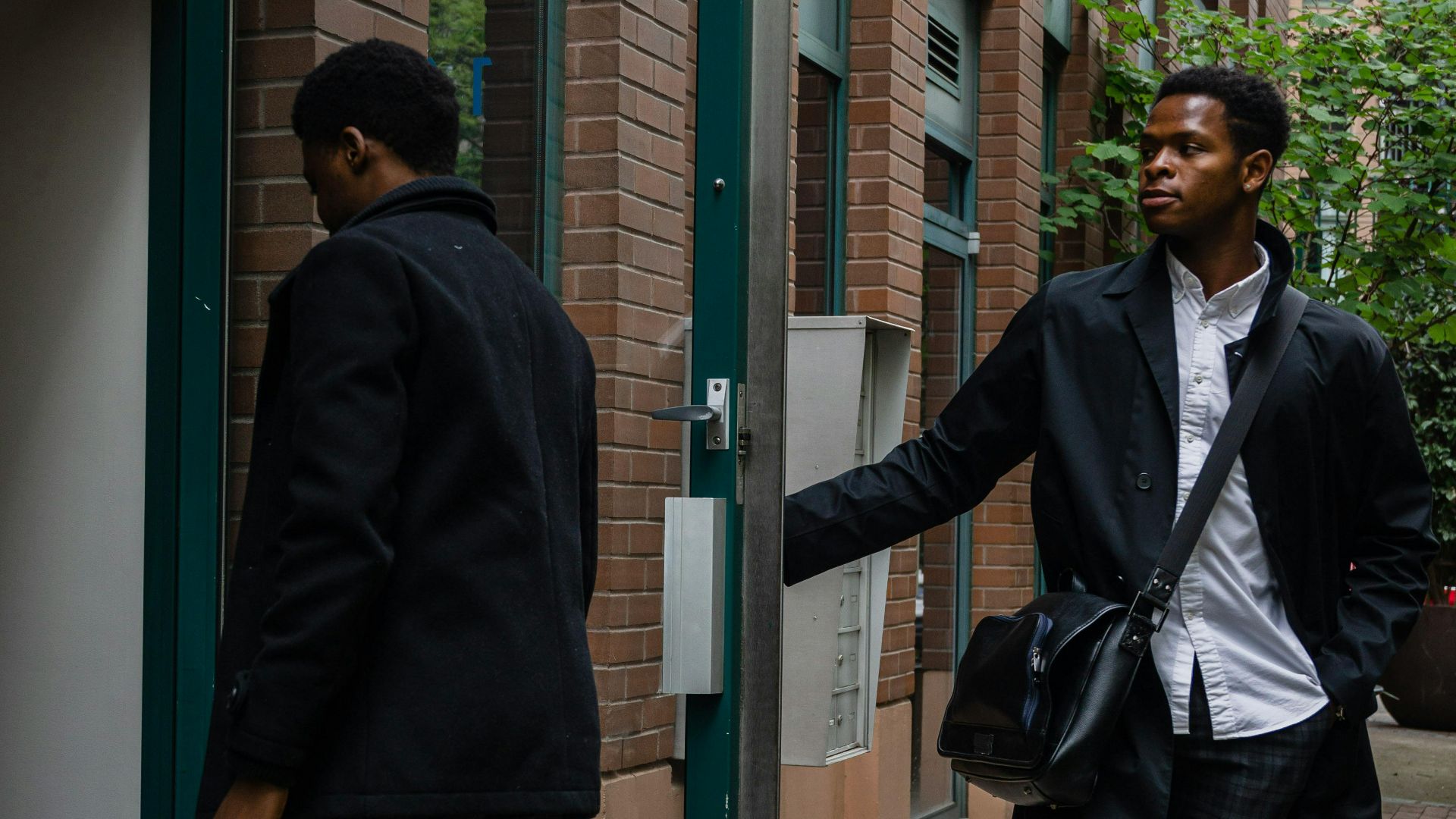
You're approaching a door with someone behind you. Do you hold it or let it close? That split-second calculation happens multiple times daily. The unwritten rule involves quick distance assessment and social context reading. We hold doors longer for people carrying packages or elderly individuals.
7. Personal Space
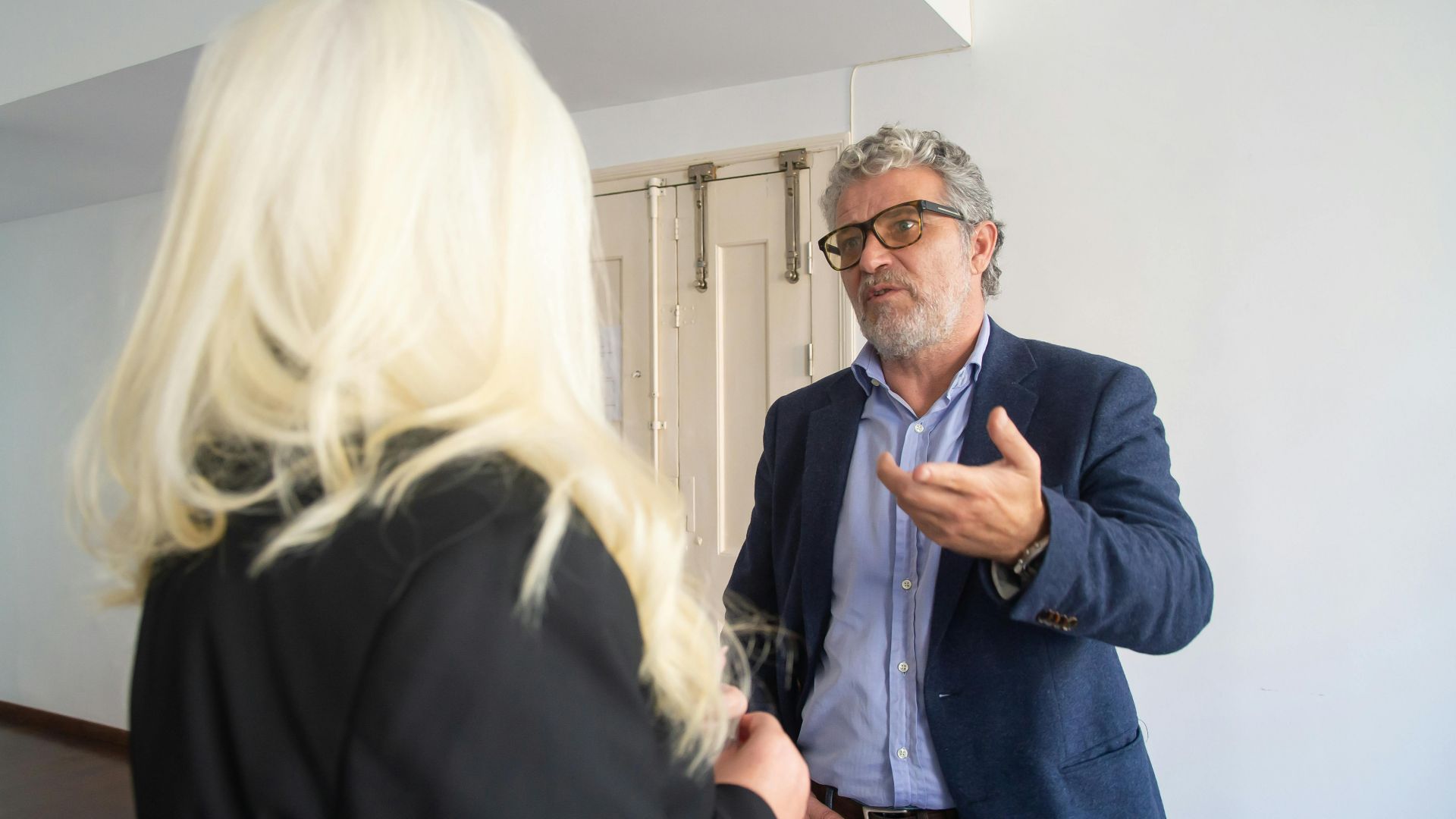
Americans maintain roughly arm's-length distance during casual conversations, which is close enough to chat comfortably and far enough to avoid invading personal space. Mediterranean and Latin American cultures stand much closer together in conversation than Northern Europeans do.
8. Lower Volume
Libraries, elevators, and movie theaters share one cardinal rule: shut up or speak quietly. The enclosed space amplifies every word, making normal conversation volume feel like shouting. We modulate our voices automatically in different settings, and people who don't stand out as socially clueless.

9. Excuse Yourself
Two simple words prevent so many social conflicts. "Excuse me" acknowledges you're about to violate someone's space—reaching across them, interrupting their conversation, squeezing past in a crowded room. Without this verbal warning, those same actions become rude invasions.

10. Return Things Clean
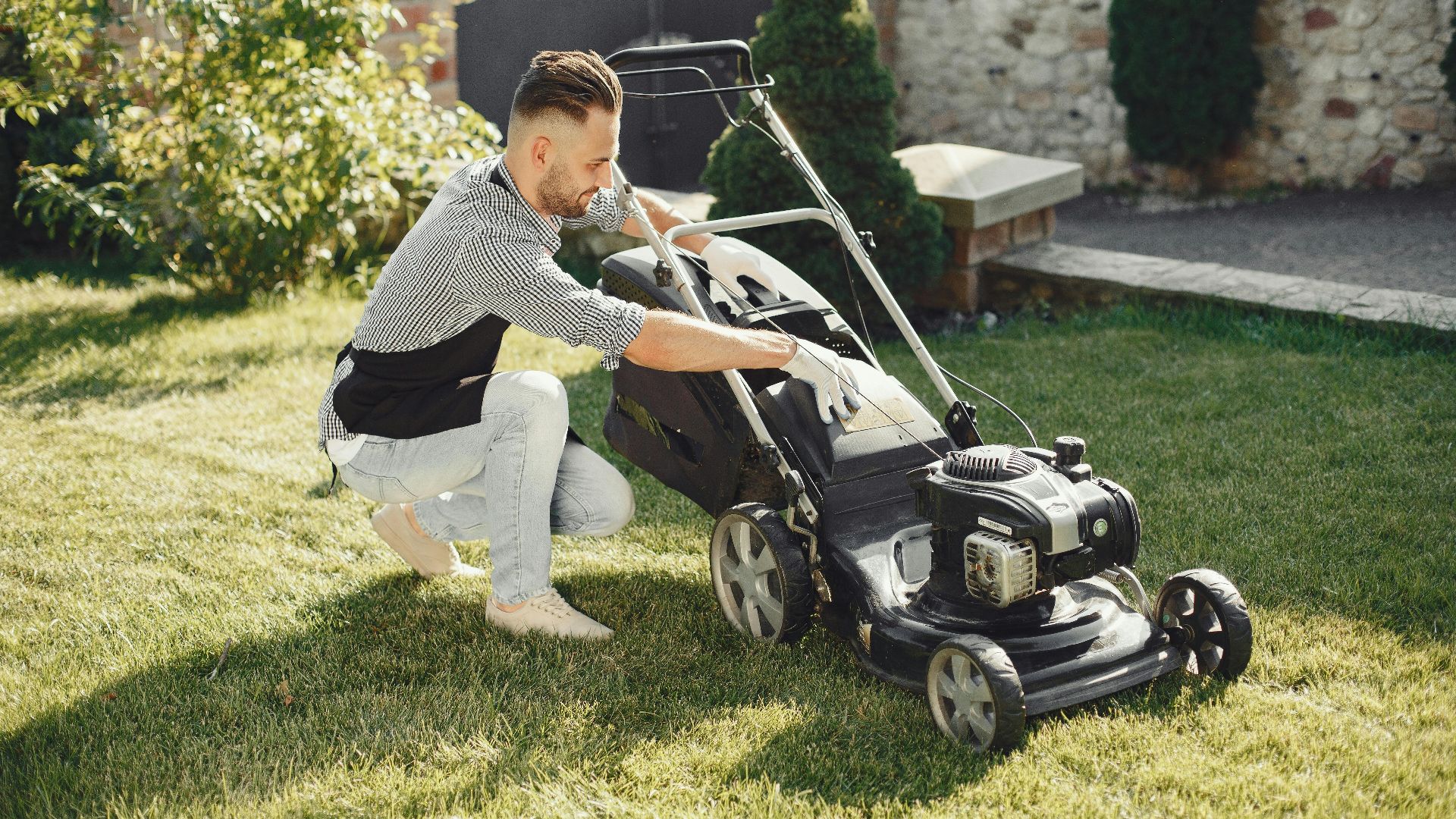
Borrow your neighbor's lawnmower and return it filthy with an empty gas tank. Congratulations, you'll never borrow anything again! The unspoken borrowing contract demands items come back promptly, in equal or better condition than received.
11. Cover Sneezes
The automatic hand-to-face movement when you feel a sneeze coming isn't just about hygiene. It's deeply embedded social programming. Sneeze openly into a room and watch faces contort in disgust, even if you're across the space.

12. Exit First
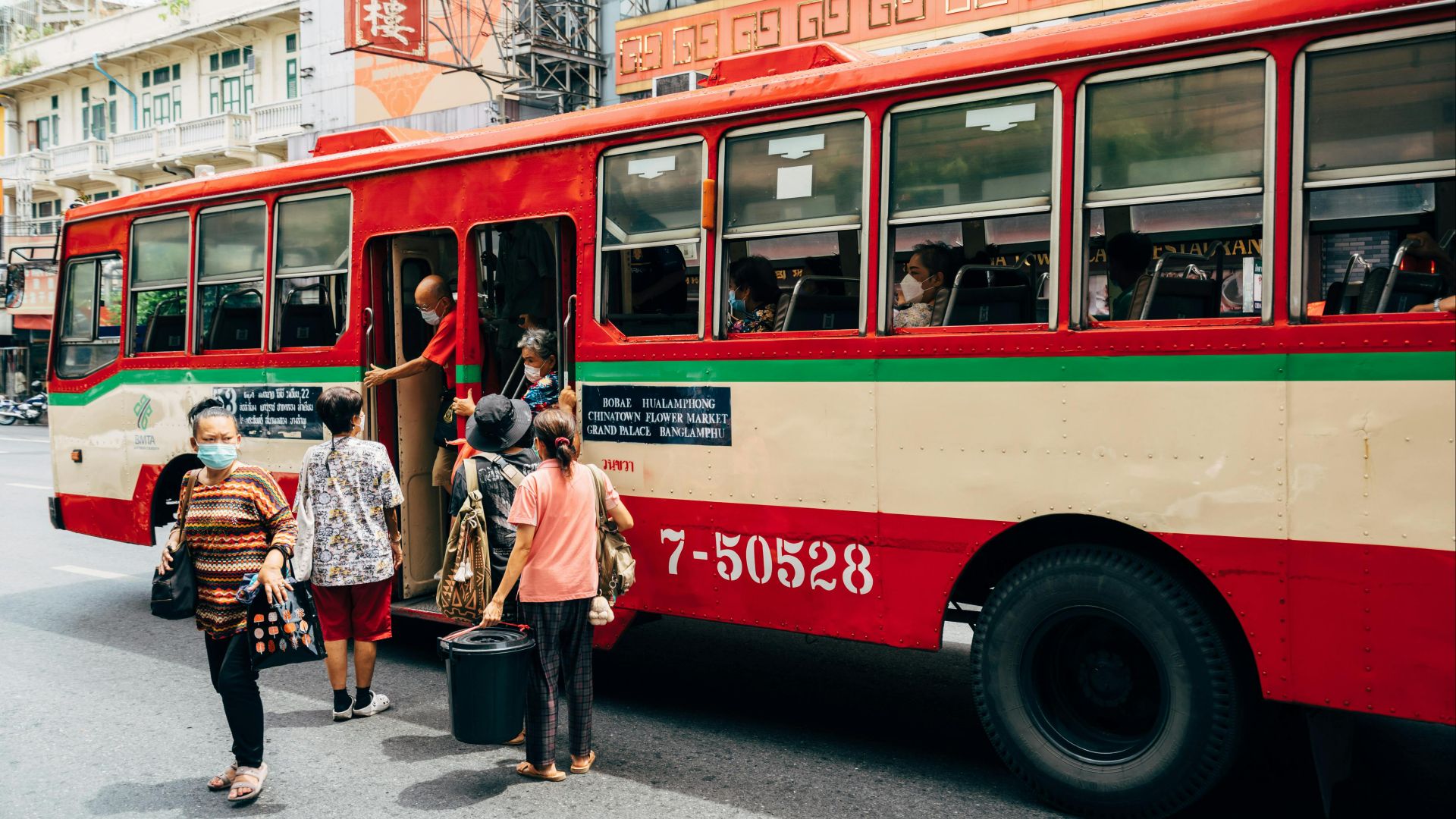
Buses, elevators, trains—the rule stays constant: let people off before boarding. It's pure logic, really. Trying to squeeze onto a subway while passengers fight to exit creates chaotic human gridlock that delays everyone. Yet some people ignore this norm completely, barging forward the instant doors open.
13. Say Please
One word turns demands into requests. "Pass the salt" versus "Please pass the salt," the difference is stark. We drill this into children relentlessly because adults who skip "please" sound entitled, commanding, or just plain rude. We all know that those two little words signal respect.

14. Say Thank You
"Thank you" closes the loop that "please" opens. Someone holds a door, lets you merge in traffic, and picks up something you dropped. Silence in response feels almost hostile, so the acknowledgment doesn't need to be elaborate, but a quick "thanks" does suffice.
15. Say “God Bless You”
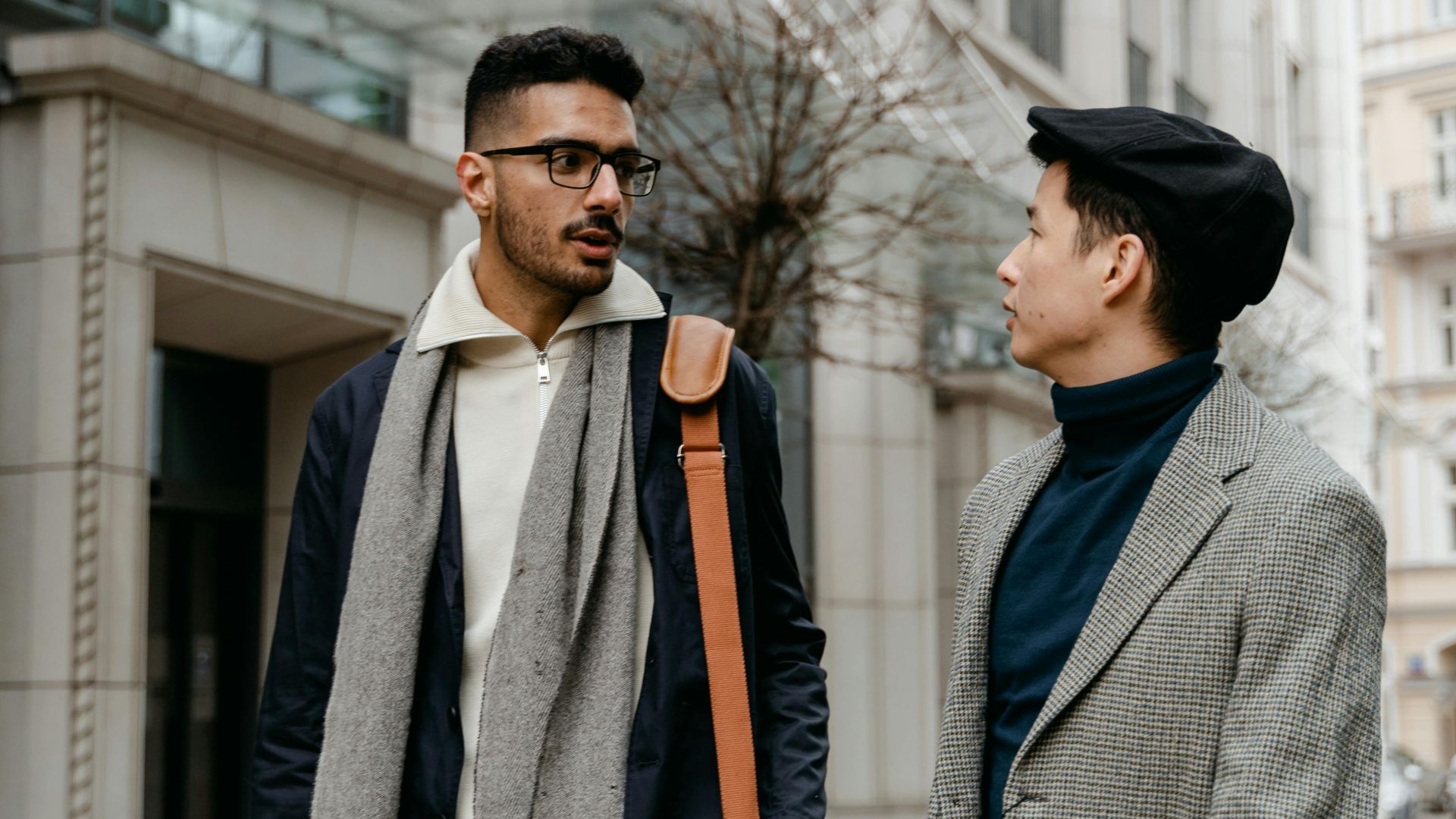
Someone sneezed. Okay, but now what do you do? Most people automatically say “God bless you” or “Bless you,” even if it’s just a reflex. It’s an old superstition turned polite habit, signaling care and acknowledgment.

16. Follow the Group's Pace
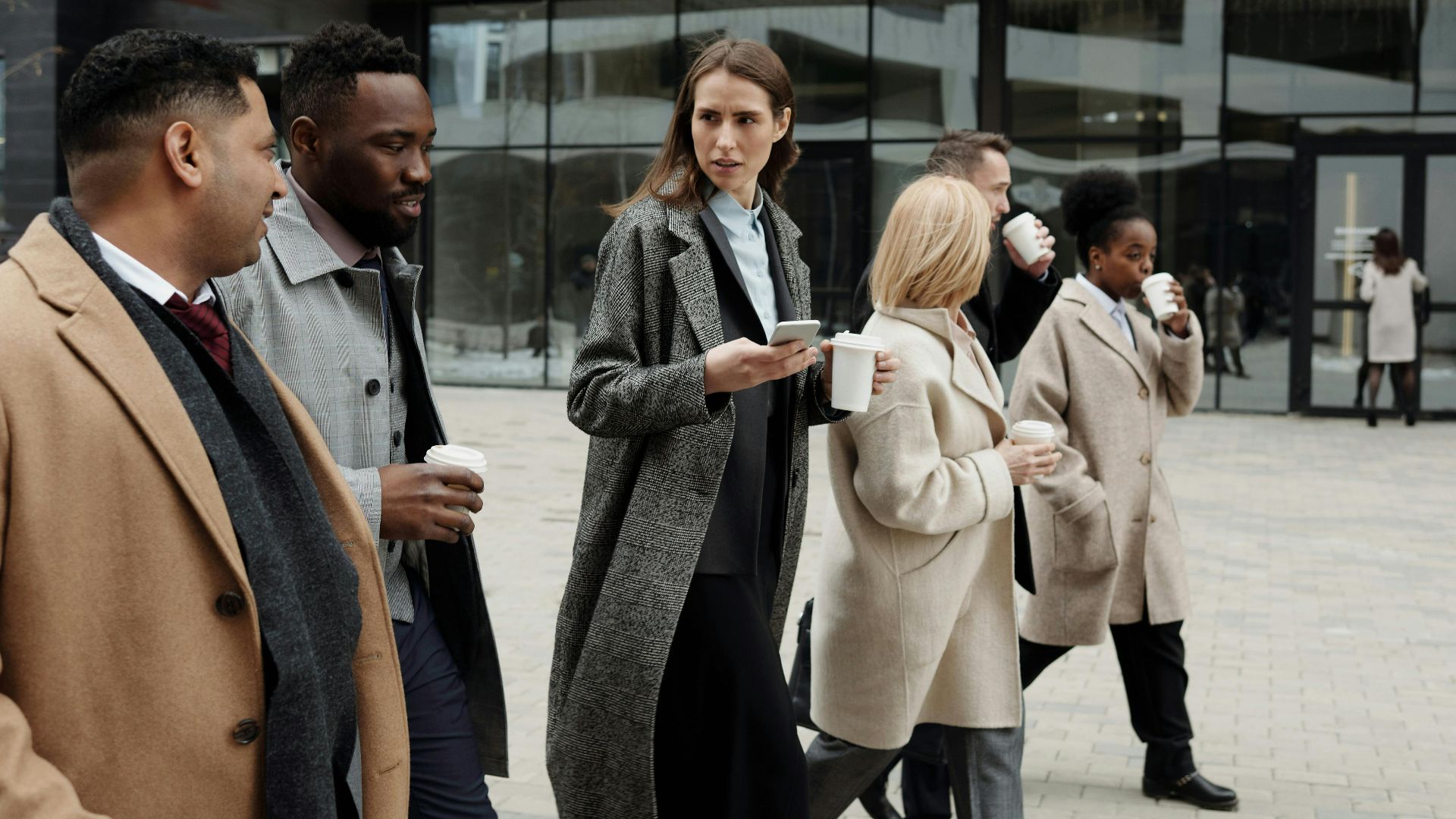
Walking noticeably faster or slower than everyone else creates quiet tension. Moving ahead can even seem impatient or dominant, while lagging behind feels disengaged. Matching the group’s pace shows awareness and respect, signaling you’re socially in sync.
17. Laugh Politely at Unfunny Jokes
We often laugh even when a joke falls flat, not because it’s funny, but because silence feels cruel. Polite laughter smooths social interactions, spares embarrassment, and signals cooperation. It’s especially common with bosses or strangers where honesty risks awkwardness.

18. Reciprocate Gestures
Your coworker brings homemade cookies to the office. You're now socially obligated to contribute something eventually. Not immediately, not identically, but reciprocation is expected. Friends who always pay for dinner create awkward debt; the unspoken rule demands taking turns treating.

19. Acknowledge Greetings
Basic greetings require basic responses. Ignoring someone's "hello" signals either that you're incredibly rude or you're actively snubbing them. Neither is good. Workplace greetings establish minimal social lubrication; even if you dislike a colleague, the morning "hey" maintains civility.

20. Apologize For Bumping
Accidentally knock into someone on a crowded sidewalk? "Sorry" should be automatic. The collision might be completely accidental, even unavoidable in packed spaces, but the apology serves critical social repair. It also signals respect for their personal space.