Decoding The Boomer State Of Mind
Younger generations often wonder why Boomers see the world so differently. Their choices grew out of a time when stability mattered more than speed, and people relied on effort instead of convenience. What feels confusing today once felt natural. The values that shaped them still echo in subtle ways. Want to understand the mindset behind it all? Read on to discover 20 things younger generations rarely grasp about Boomers.

1. The Fear Of Nuclear Annihilation
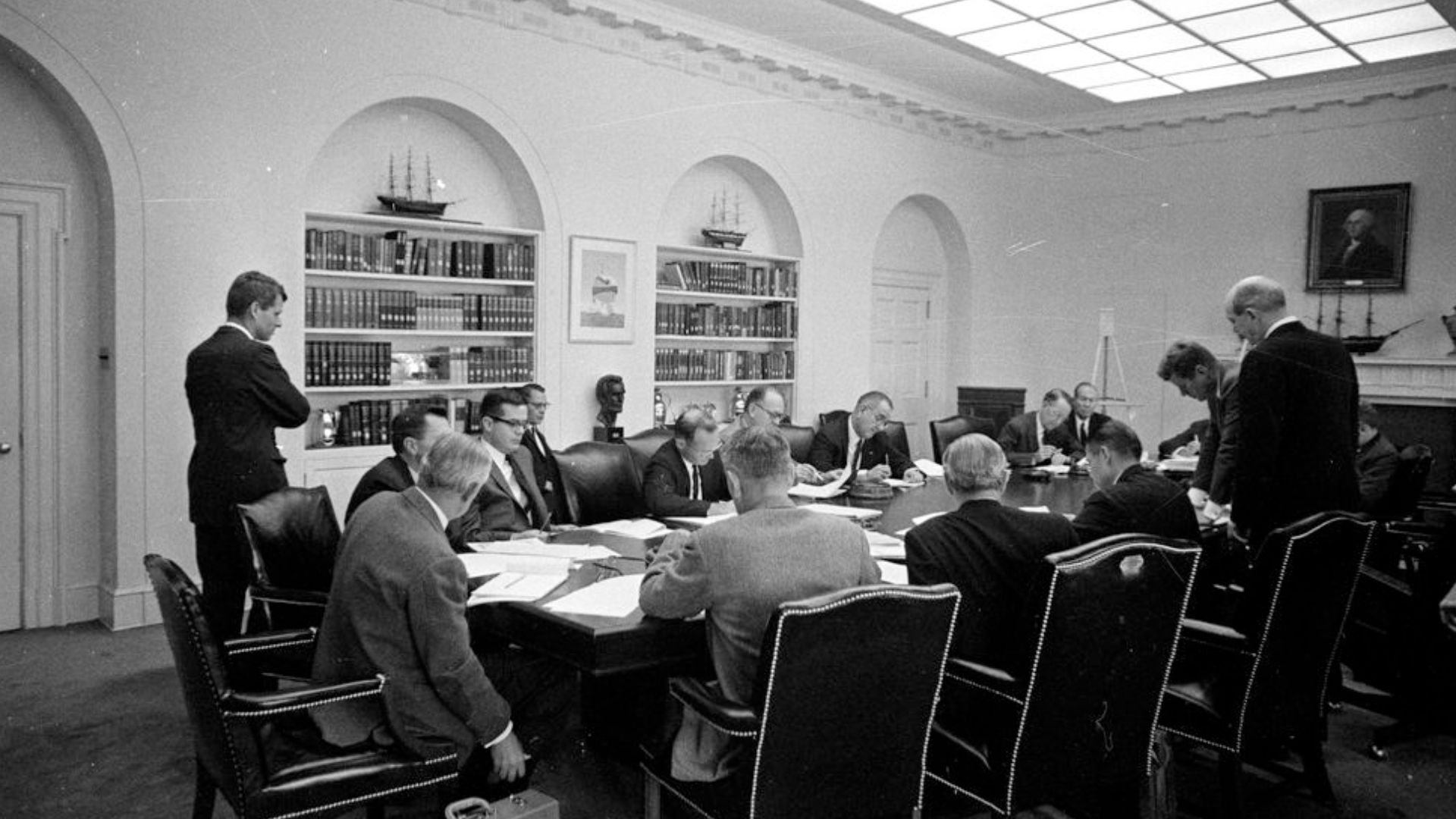
Boomers lived under a threat of nuclear war. Schools held “duck and cover” drills, families built fallout shelters, and news anchors fueled anxiety. That fear reached its highest point in 1962 when the Cuban Missile Crisis nearly turned deadly.
 Cecil Stoughton. White House Photographs on Wikimedia
2. The Thrill Of The Moon Landing
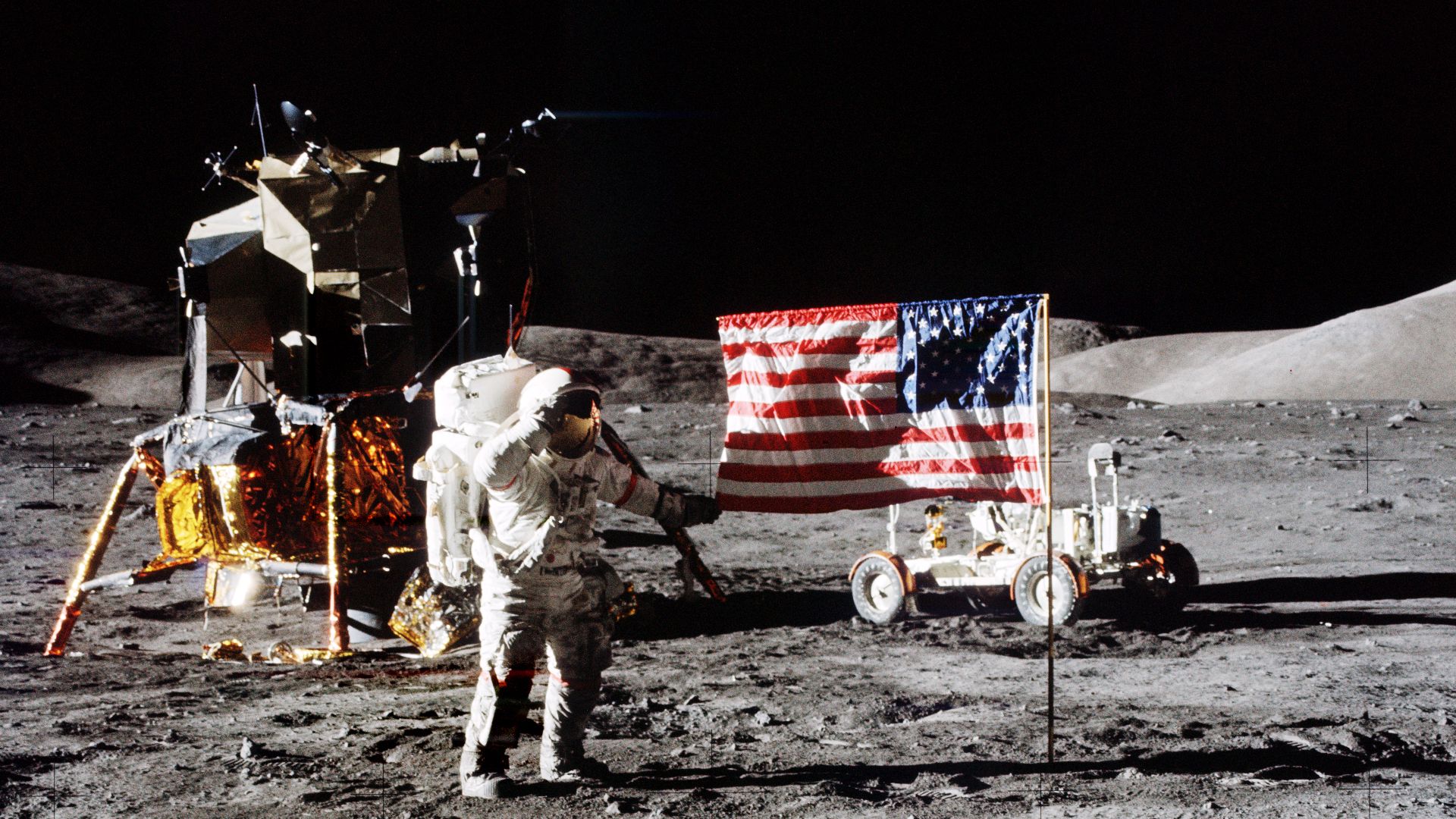
Neil Armstrong’s first step on the moon united millions. Families gathered around televisions, watching history unfold together. His simple words—“one small step for man”—reminded everyone that human imagination could reach far beyond the divisions of Earth.
 Harrison Schmitt / Apollo 17 on Wikimedia
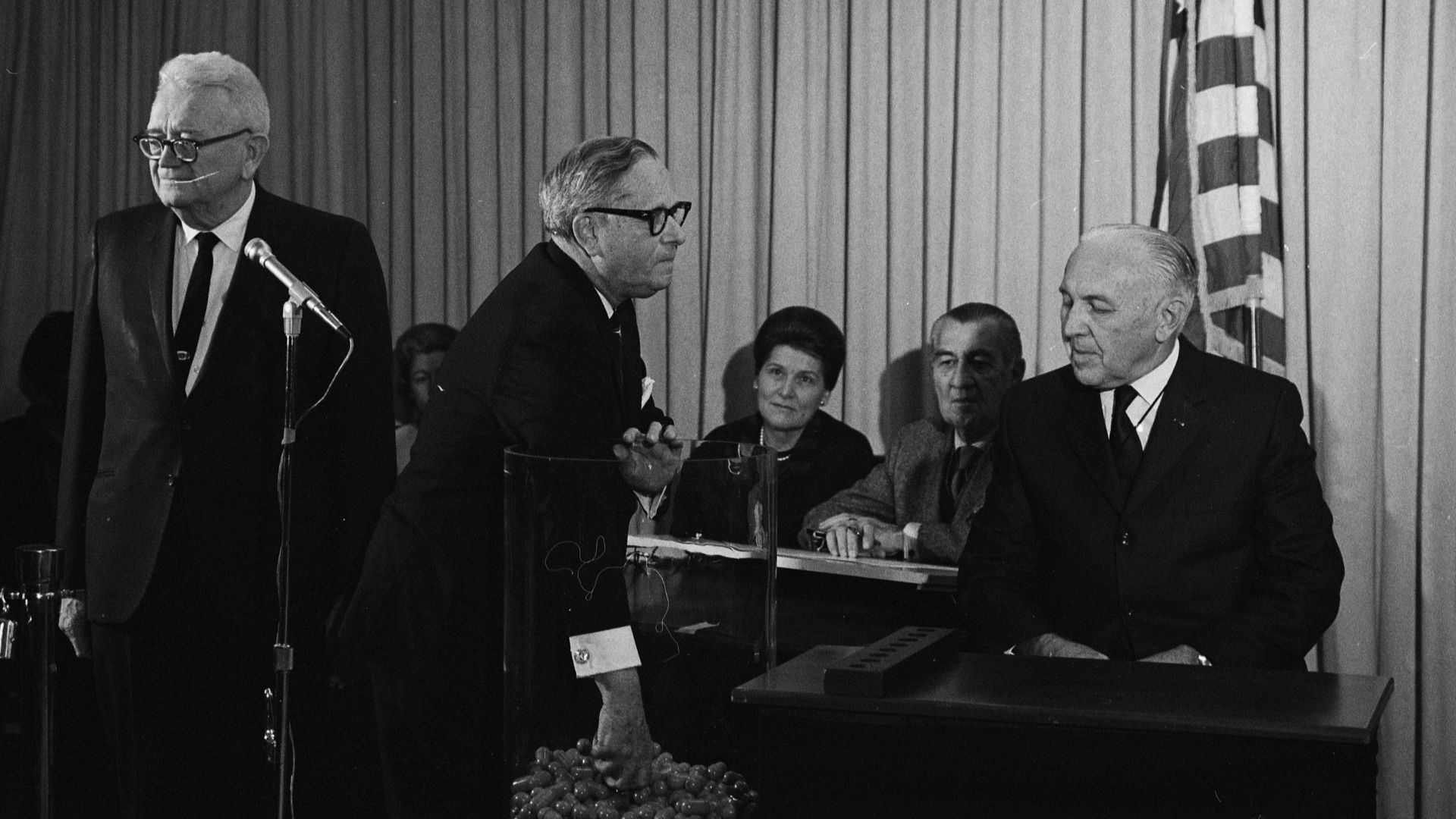
3. Draft Lotteries And The Personal Stakes Of The Vietnam War
The 1969 draft lottery brought the Vietnam War into living rooms nationwide. Each birth date read on television decided someone’s fate. Many saw the system as unfair since men could be drafted before they were old enough to vote.
4. Analog Research In Libraries Without Search Engines
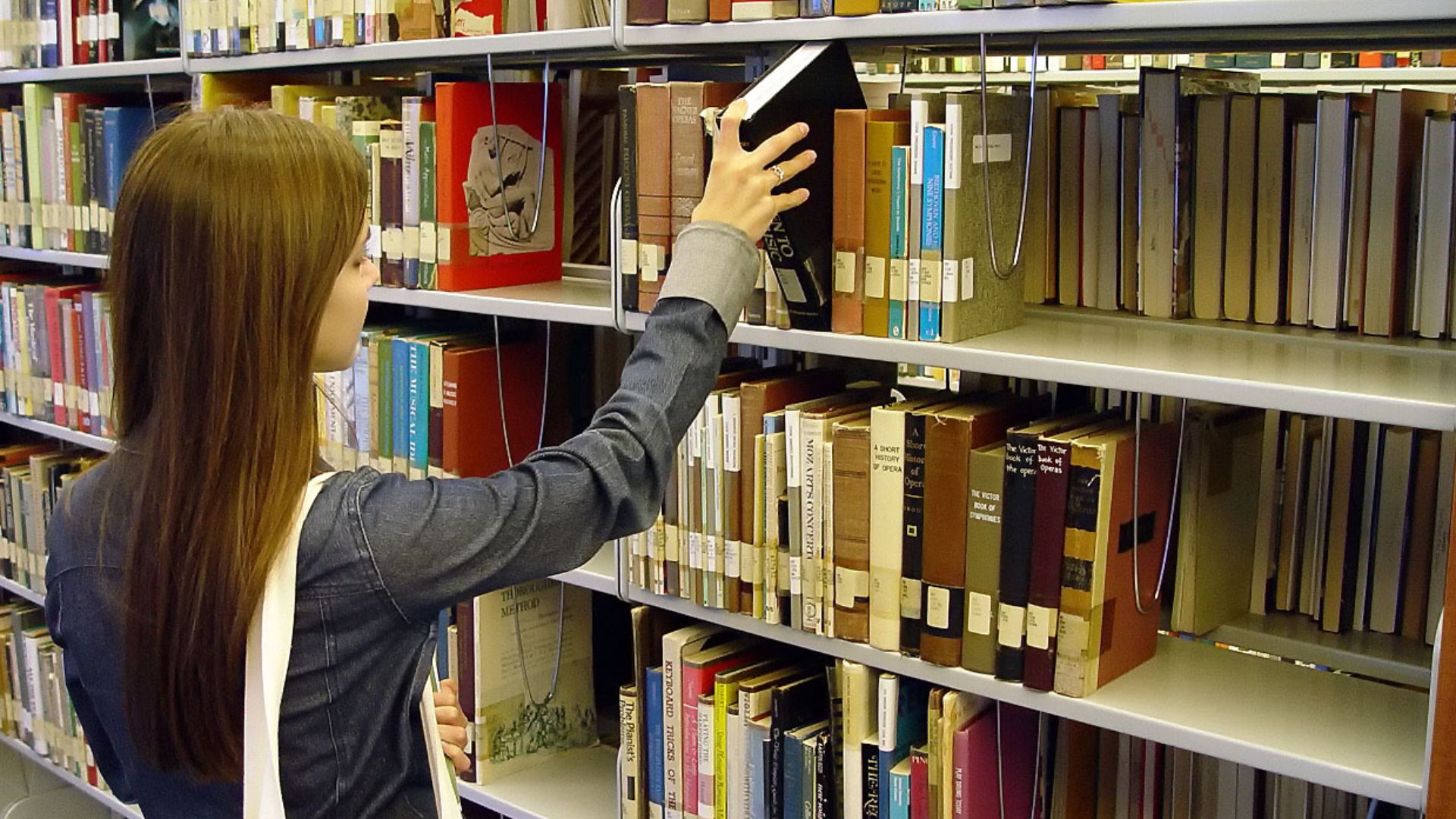
Research meant hours at the library with only card catalogs and shelves of books. Every fact had to be tracked down by hand. What now takes seconds online once demanded patience and plenty of handwritten notes.
 Joe Crawford from Moorpark, California, USA on Wikimedia
5. Y2K Preparations And Millennial Tech Anxiety
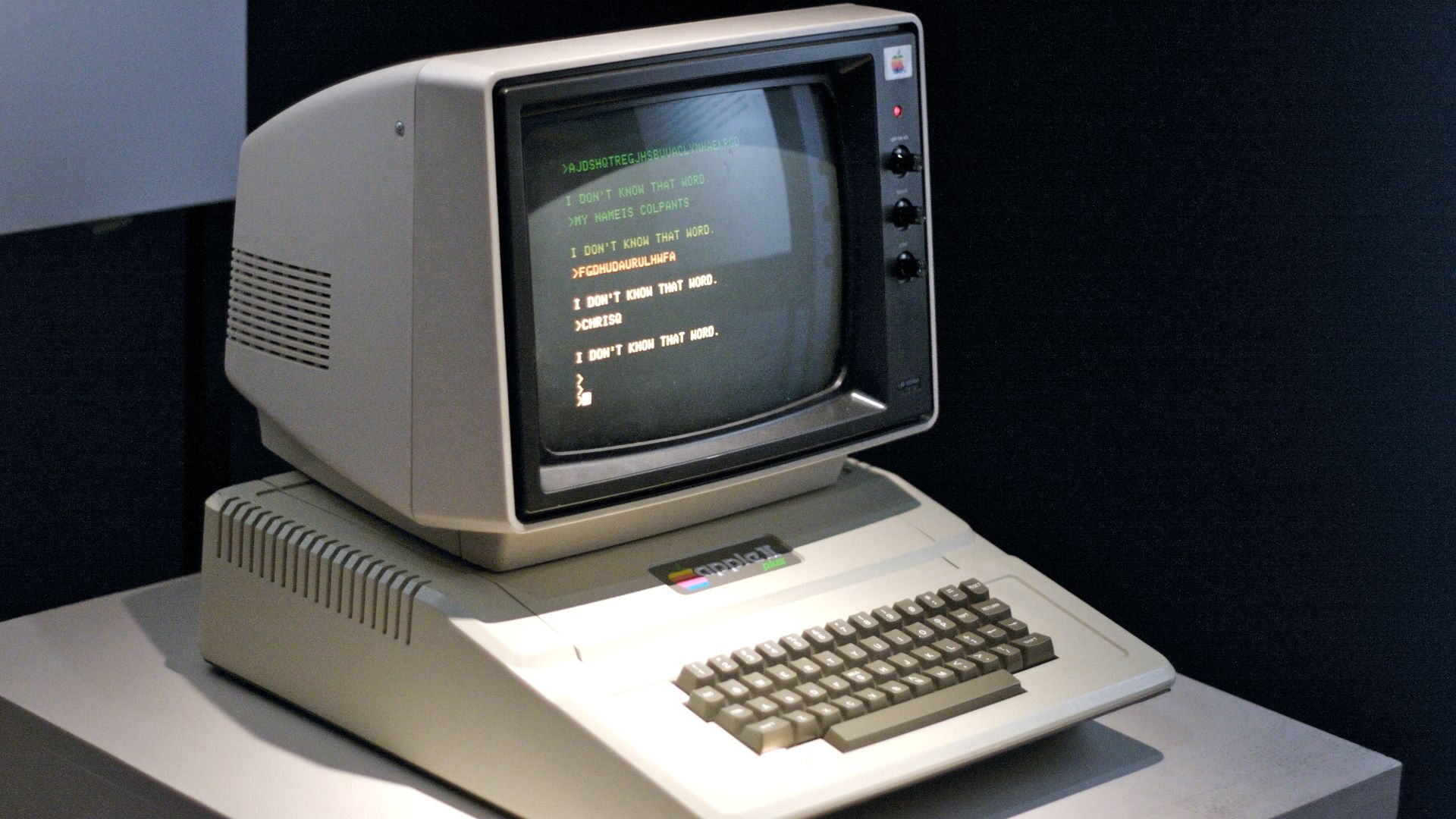
As the year 2000 neared, fears of computer failure spread fast. Companies spent billions fixing code, and households stocked up on supplies. Midnight arrived without disaster, turning panic into relief and leaving a strange mix of laughter and exhaustion.
6. Loyalty To A Single Employer For Lifetime Careers
Boomers often stayed with one employer for decades. Job stability promised growth and pride in long-term service. That deep loyalty created trust between workers and companies, a sense of permanence rarely seen in today’s flexible job market.

7. The Civil Rights Movement As Lived Activism
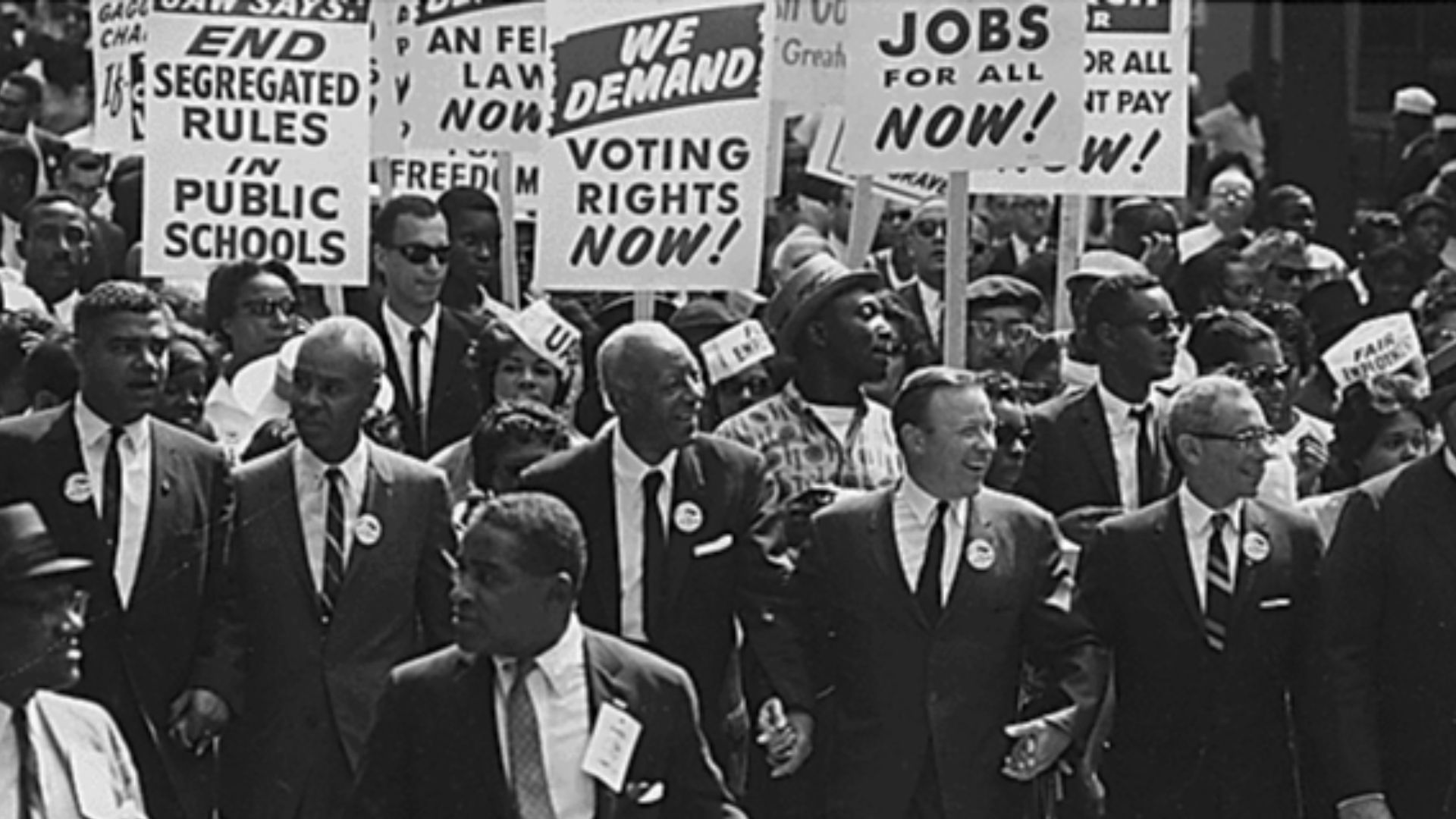
Rosa Parks’ decision to remain seated on that bus ignited a powerful surge of protest across the nation. Boomers watched young activists organize sit-ins and marches across the country. Their determination brought real change, culminating in the Civil Rights Act of 1964.
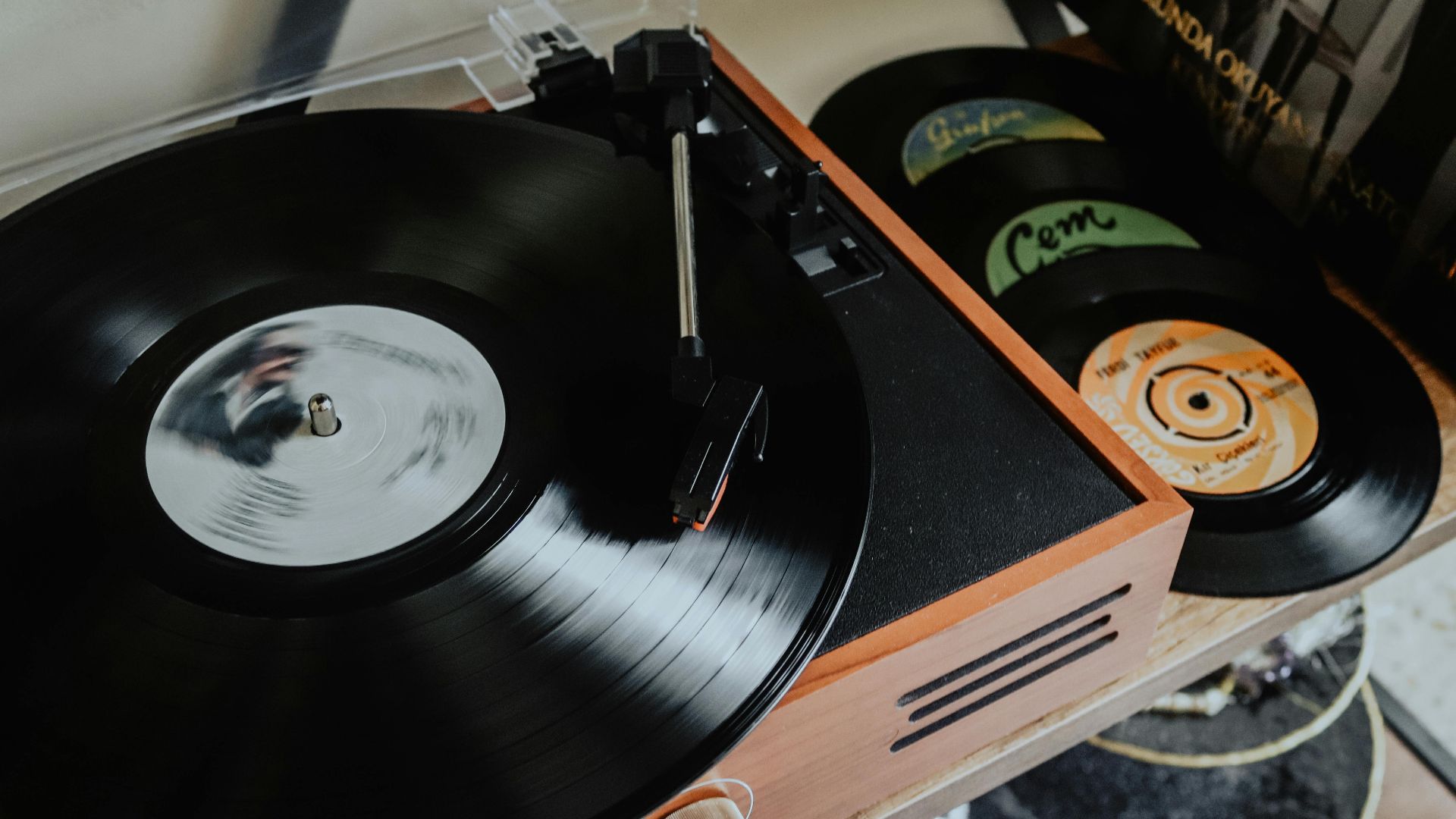
8. Vinyl Records And The Ritual Of Music Consumption
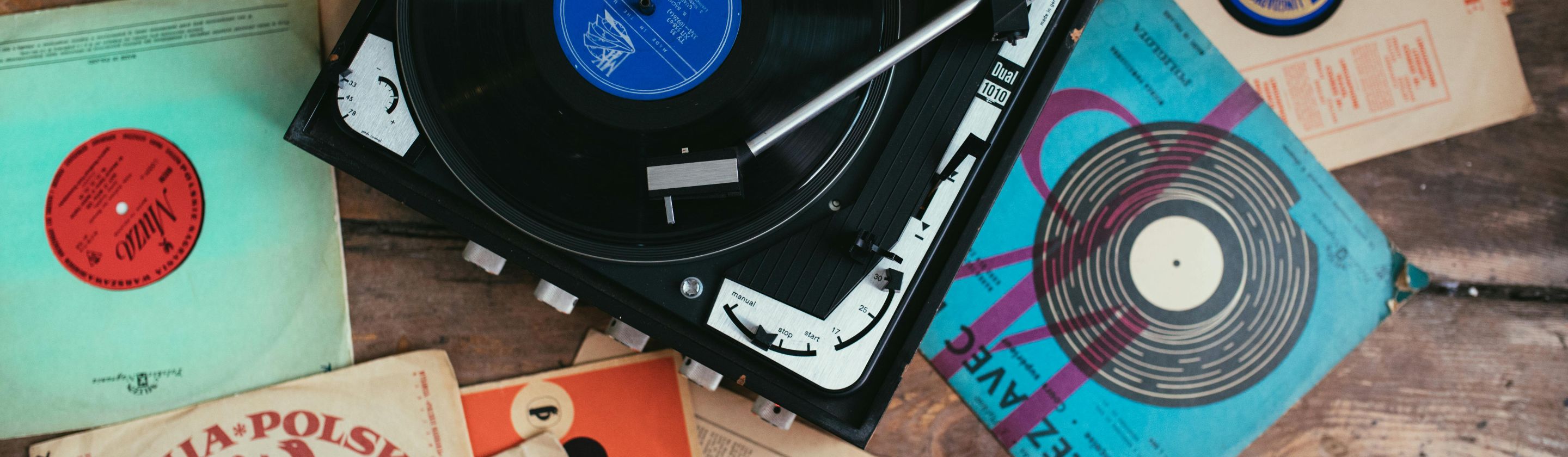
Playing a record required care. You slid it from the sleeve, placed it on the turntable, and set the needle precisely. That slow ritual made music an experience, unlike today’s instant streaming, which often loses that sense of presence.
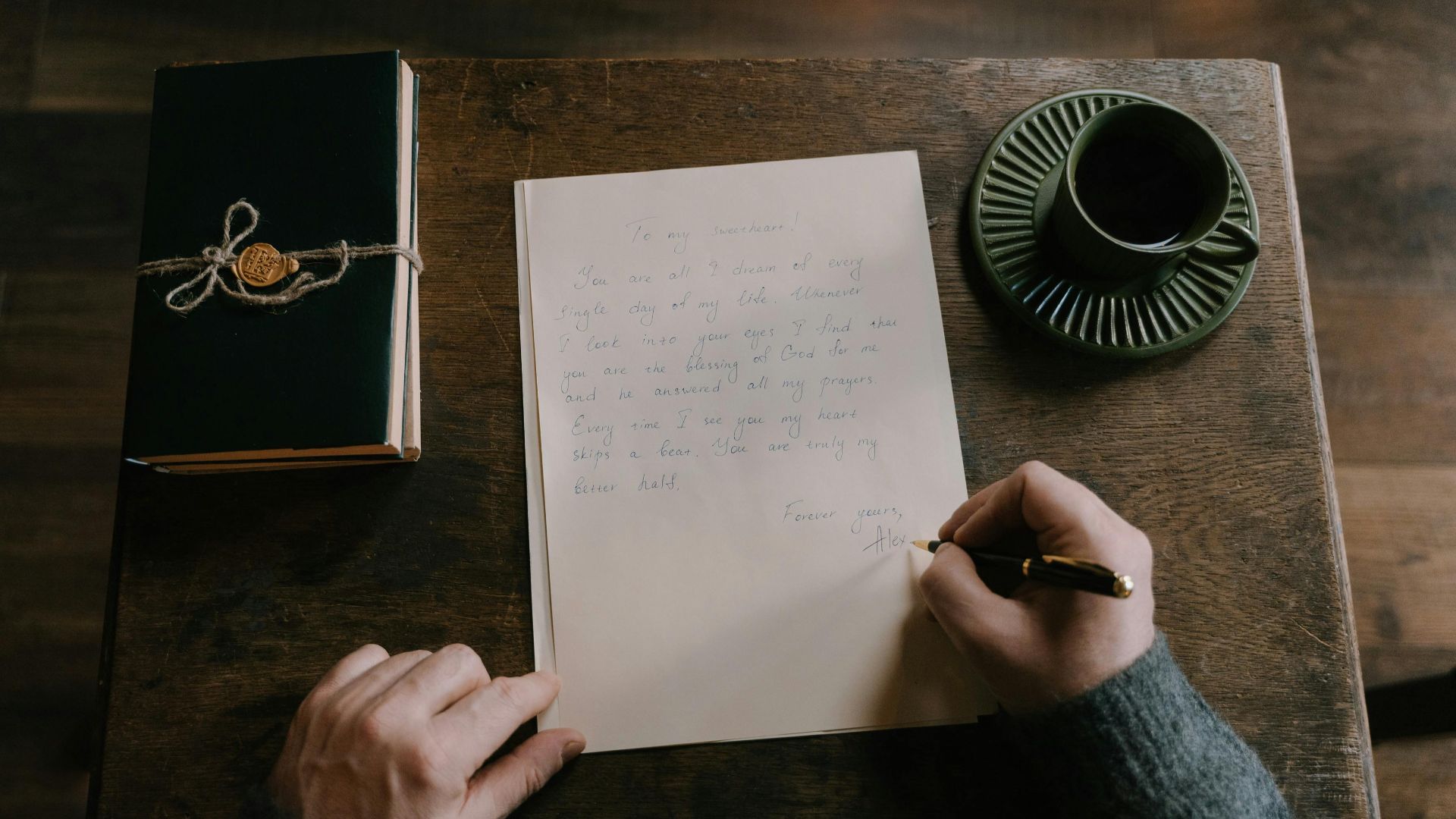
9. Handwritten Letters As Primary Long-Distance Communication
Boomers stayed in touch through letters written on crisp stationery and sent by mail. Every message took days to arrive, but carried emotion that words alone couldn’t match. Each delivery felt personal and worth saving, unlike today’s fleeting digital chats.
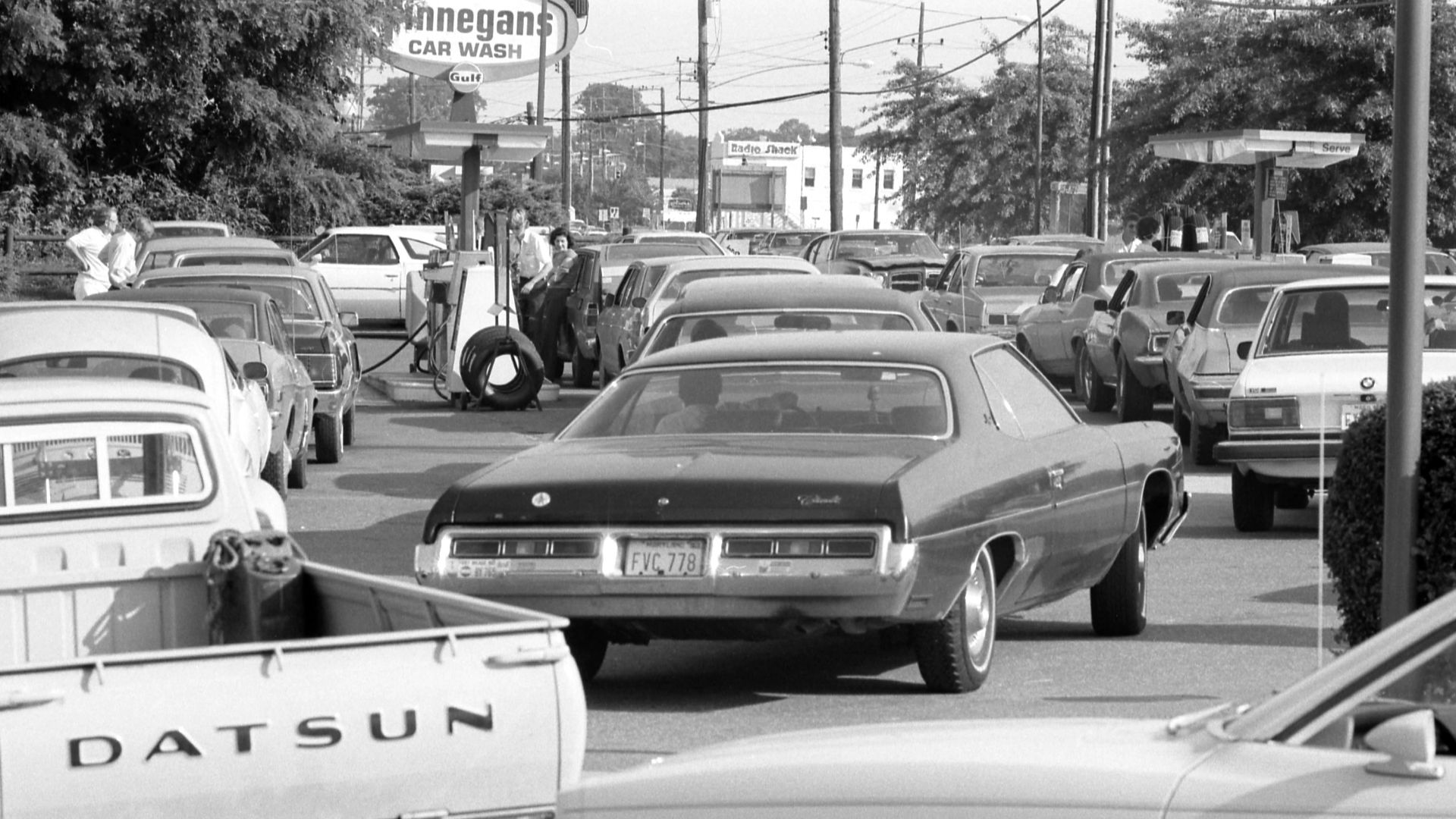
10. The 1970s Energy Crisis And Rationed Resources
During the 1973 oil embargo, gas lines wrapped around city blocks. Odd-even license plate rules tried to ease chaos as supplies vanished. That shortage changed how Boomers viewed energy, dependence, and the limits of America’s postwar confidence.
 Warren K. Leffler on Wikimedia
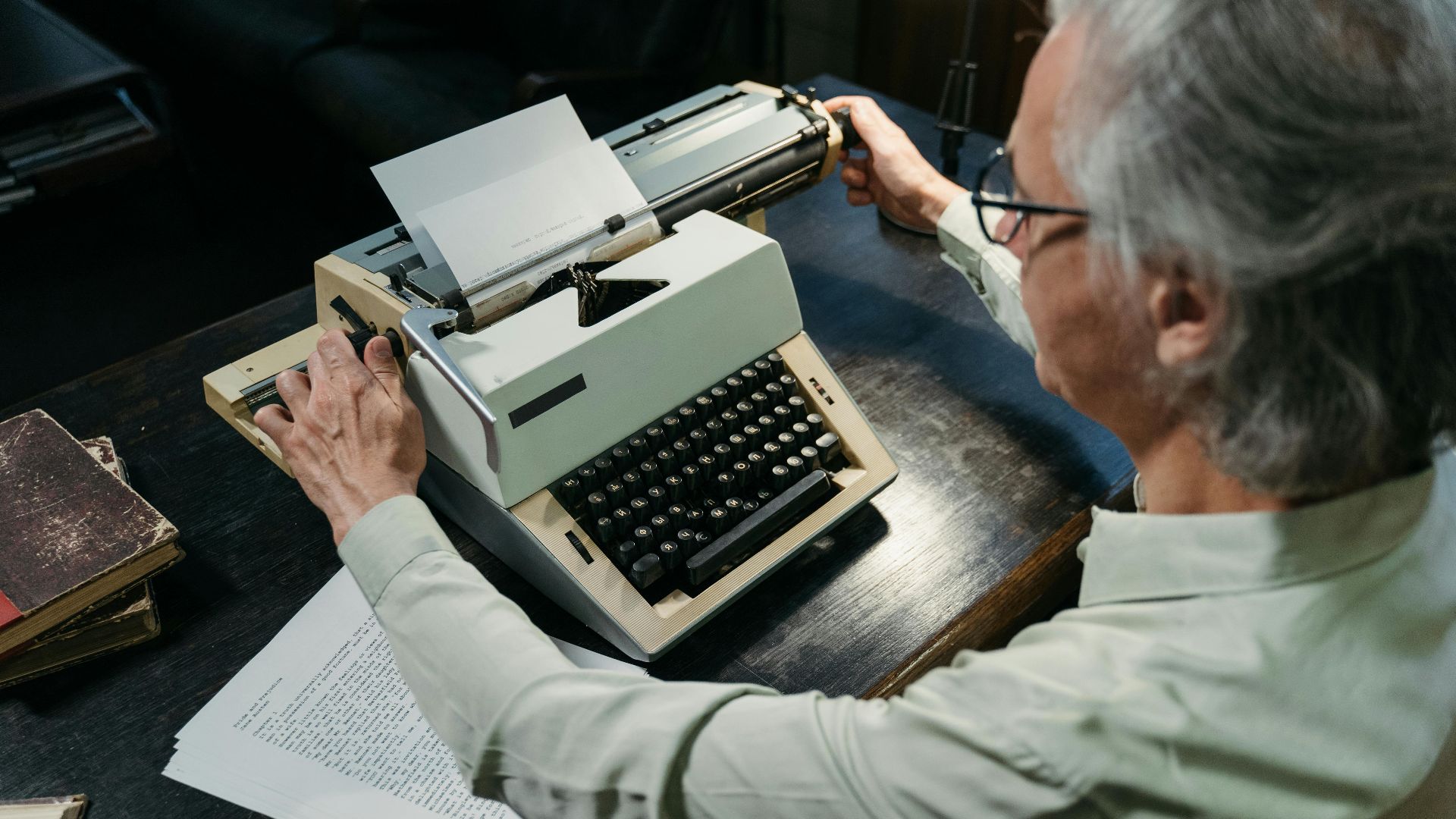
11. Typewriters And The Irreversibility Of Written Errors
Boomers learned precision through typewriters that punished mistakes. Each error meant using correction fluid or retyping an entire page. The process demanded focus and care, teaching habits of accuracy that digital editing tools no longer require.
12. Saturday Morning Cartoons As Scheduled Entertainment
Kids in the Boomer era woke up early every Saturday to watch cartoons like Scooby-Doo and The Jetsons. Episodes aired once a week, so missing one meant waiting days for another. That ritual made weekend mornings feel special.
 Cartoon Network India on Wikimedia
13. Polio Vaccinations And The Relief From Epidemic Fears
Polio haunted families until Dr. Jonas Salk’s vaccine offered protection in 1953. Children lined up in schools for sugar-cube doses, and parents finally exhaled. The disease’s rapid decline became one of science’s most hopeful success stories.
 Centers for Disease Control and Prevention on Wikimedia
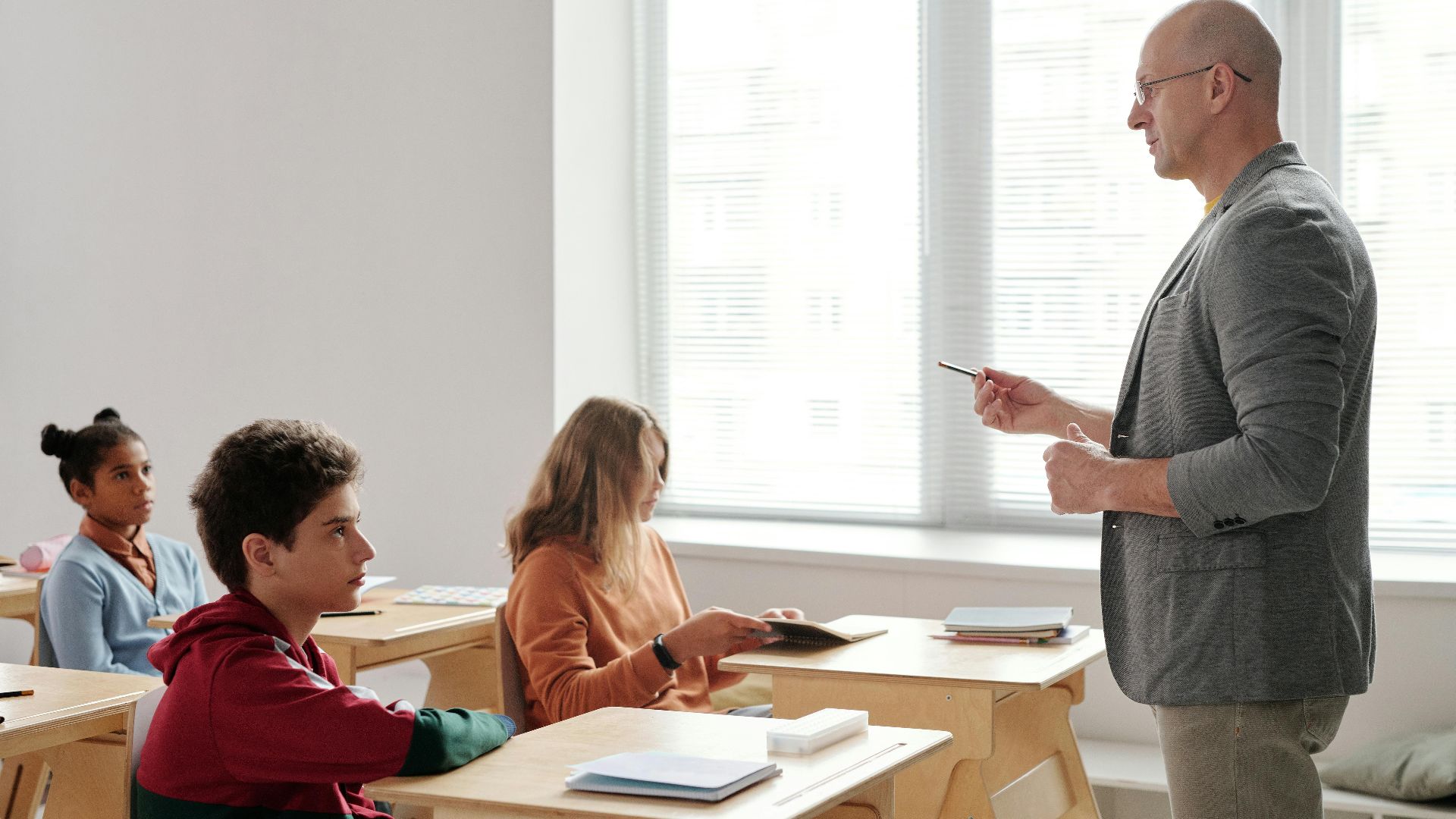
14. Rigid Gender Roles In Education And Careers
At their time, schools divided students by gender rules. Girls wore skirts and took home economics, while boys studied shop or science. Women were guided into a few accepted jobs, while other professional paths remained largely closed.
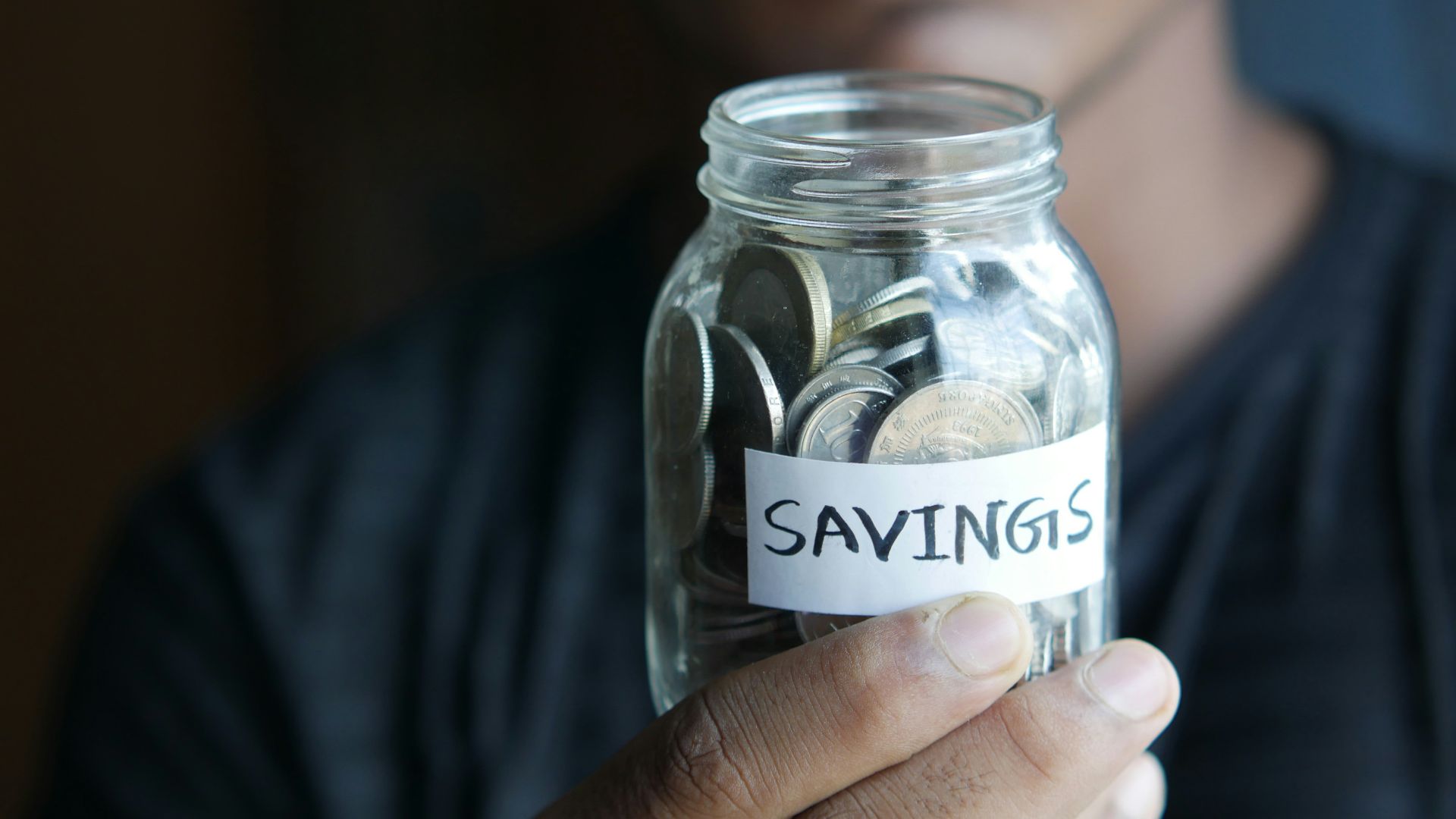
15. Manual Bank Transactions And Physical Savings
Banking once meant standing in line to speak with a teller. Each deposit or withdrawal was written by hand in a passbook. The process was slow but personal, turning money management into a small social exchange.
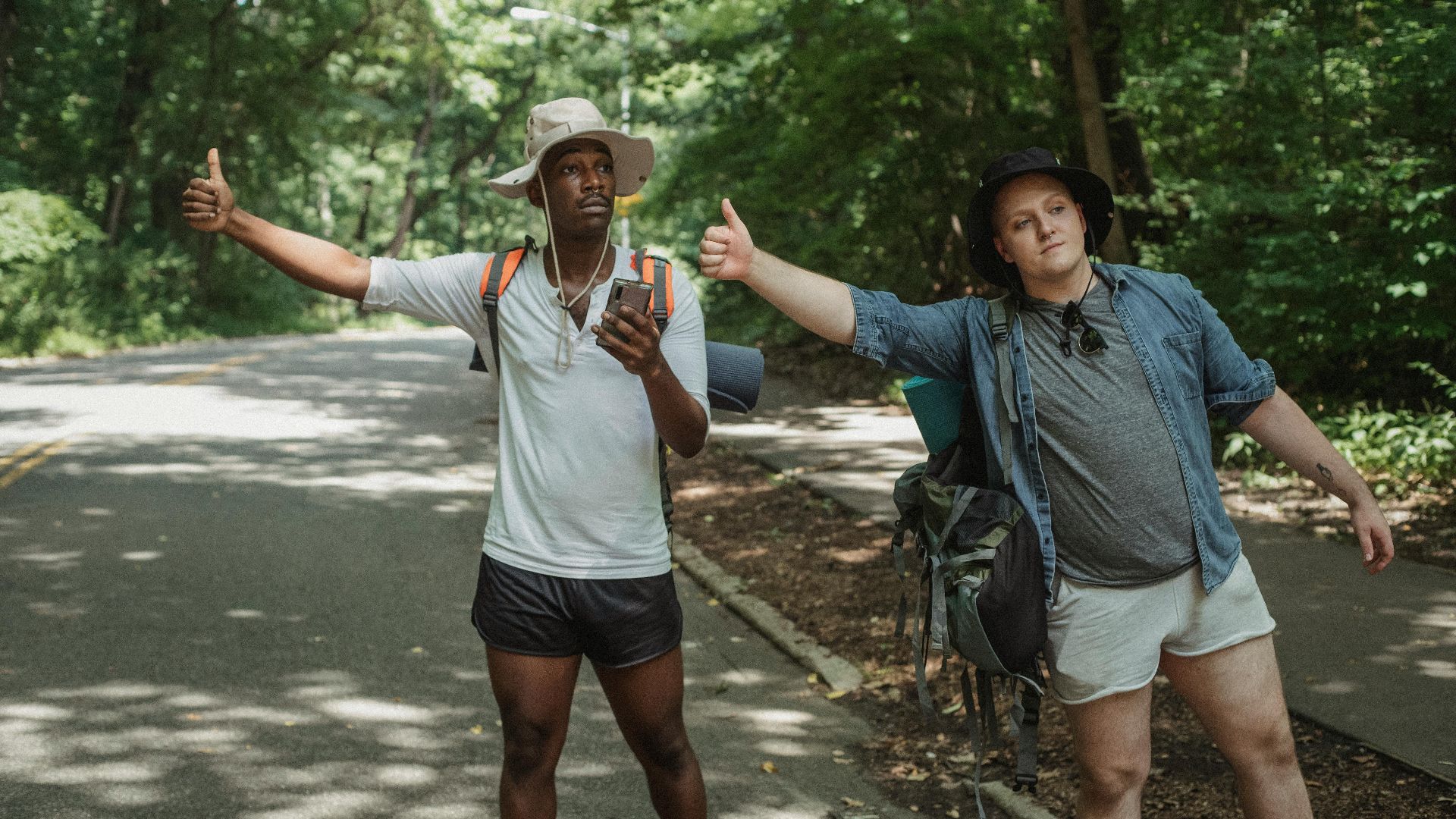
16. Hitchhiking As A Safe, Common Mode Of Travel
Freedom for young travelers meant hitchhiking. Sticking out a thumb was enough to find a ride. By the late 1970s, rising crime and fear changed public opinion, and the open road became a symbol of risk instead.
17. The Birth Of Environmentalism With The First Earth Day
Earth Day in April 1970 signaled a new awareness of pollution and conservation. Crowds filled parks and campuses, calling for cleaner air and water. Their activism helped push environmental laws forward and inspired lifelong stewardship.
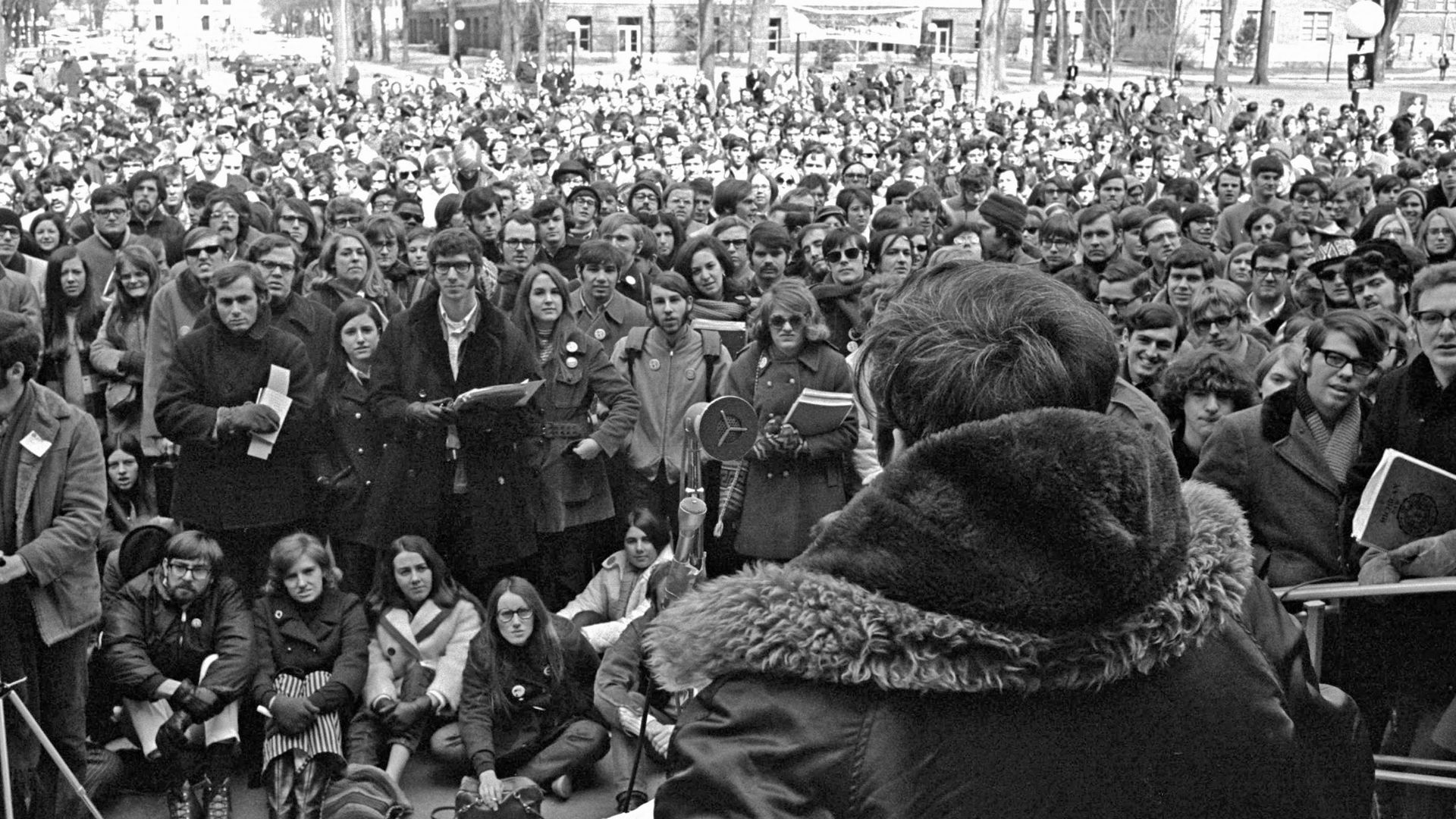 University of Michigan School for Environment and Sustainability from Ann Arbor on Wikimedia
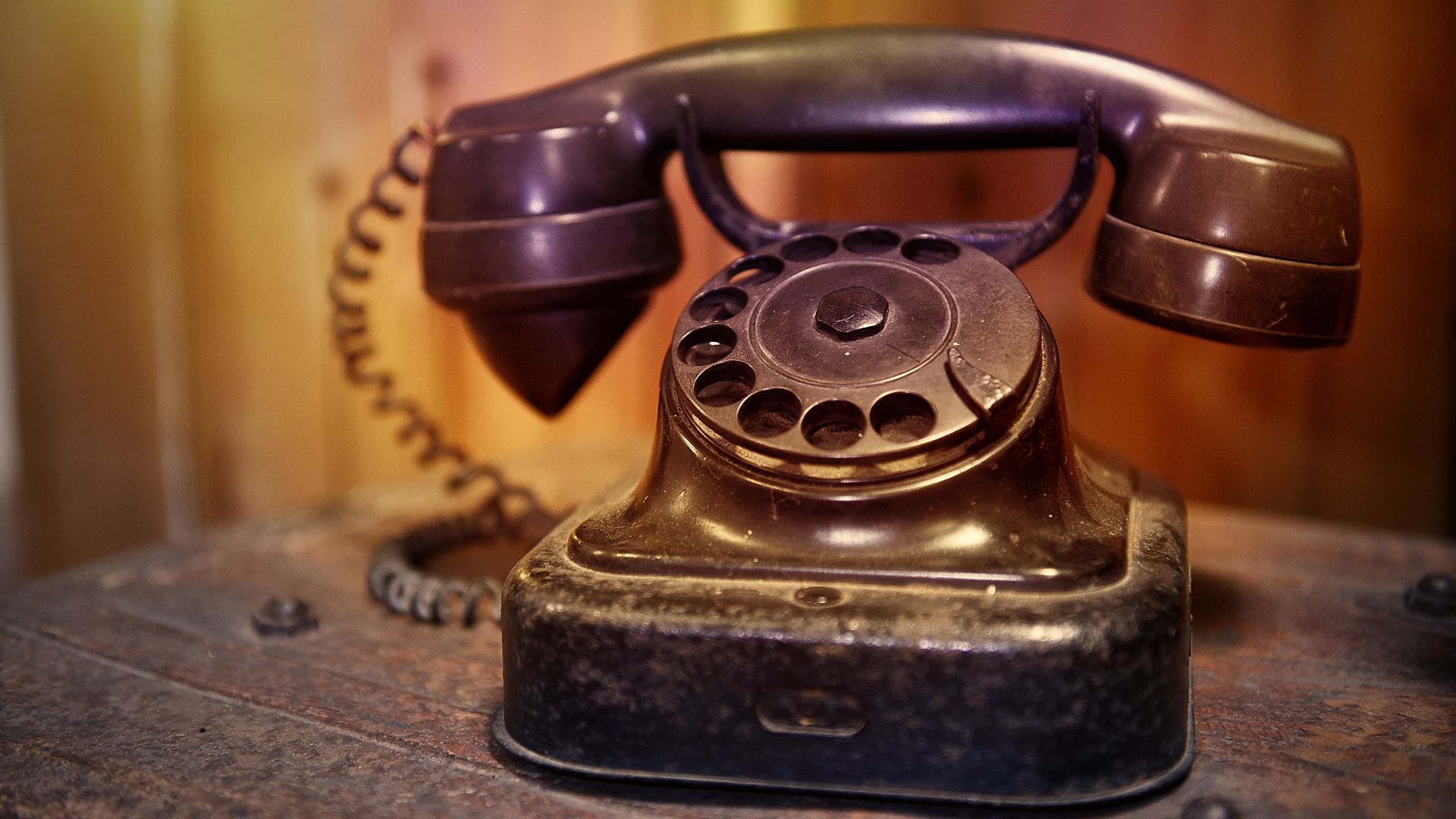
18. Rotary Phones And The Effort Of Dialing
Making a call took patience. Each number required a full spin of the dial, followed by a pause as it returned. That deliberate process turned every phone conversation into a small act of effort and intention.
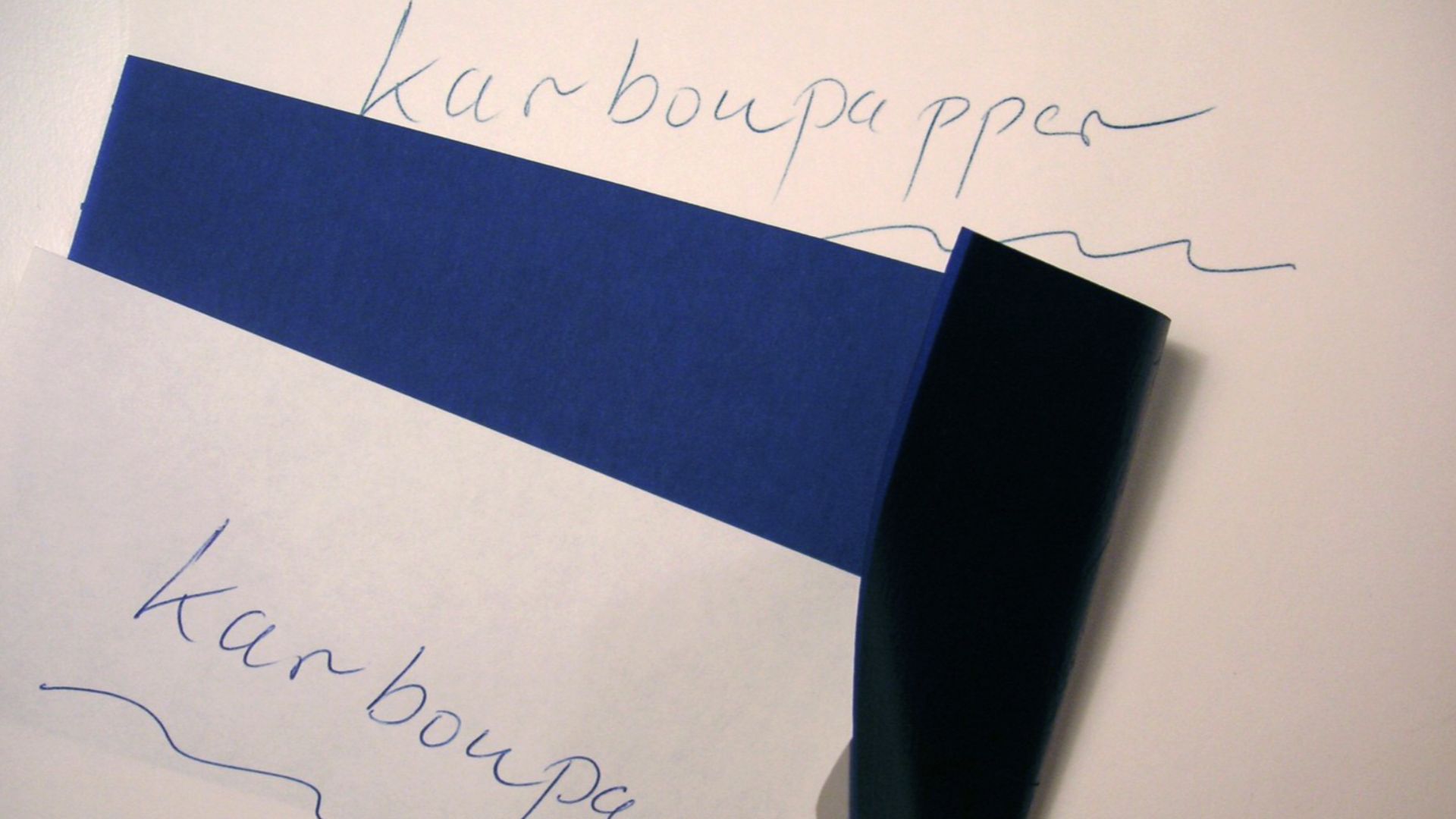
19. Carbon Copies And Duplicating Documents Manually
Office workers used carbon paper to copy documents before photocopiers existed. Each keystroke pressed ink onto extra pages, leaving fingers stained but work complete. The method was messy, yet its influence lives on in the familiar “cc” field of emails.
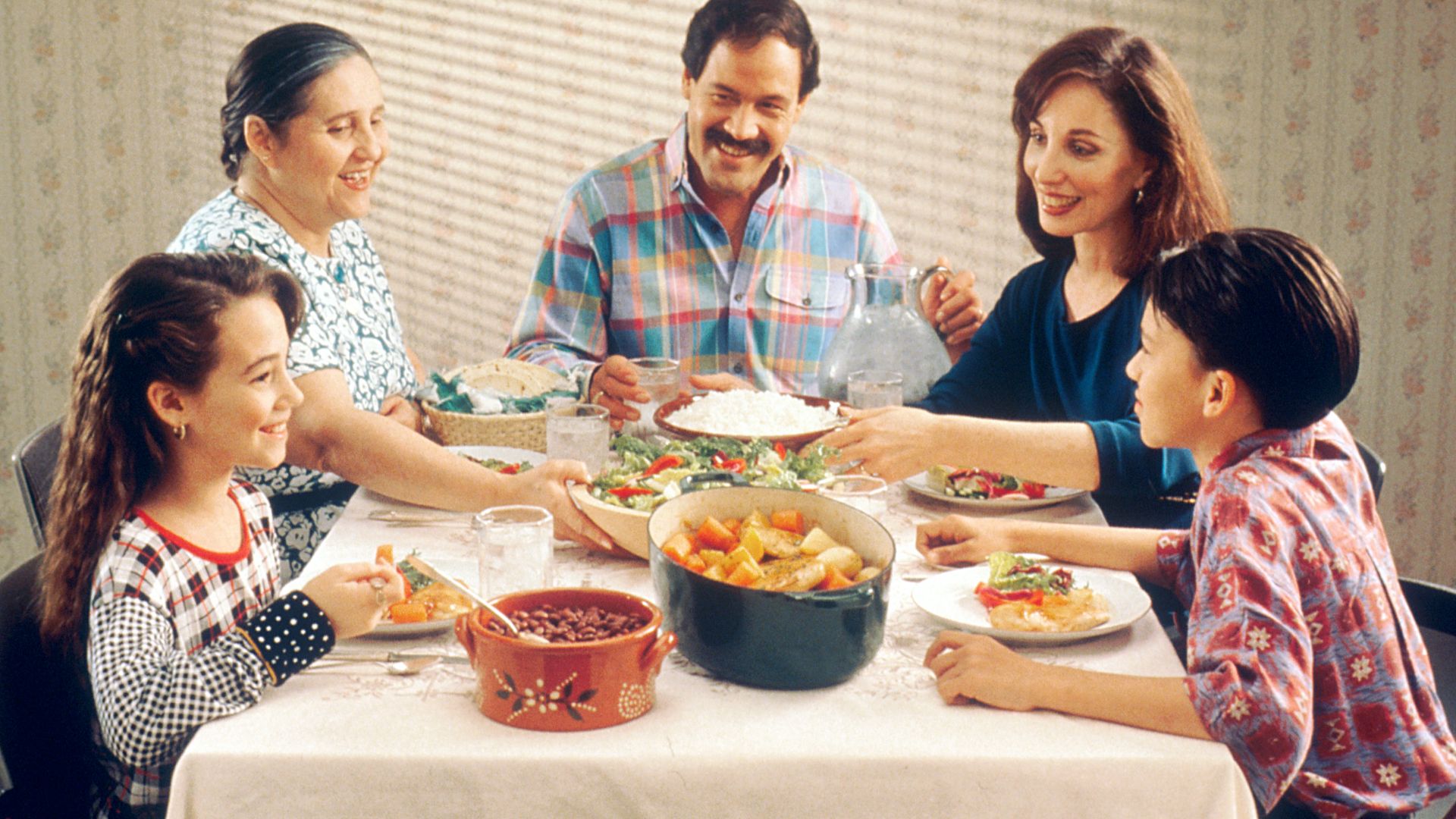
20. Nuclear Family Dinners Without Digital Distractions
Family dinners once held a sacred place in Boomer households. The table encouraged real talk without phones or screens competing for attention. Even when the TV was on, shared meals built closeness that shaped family life for decades.
 National Cancer Institute on Wikimedia