
20 Things That Used To Signal Normal Masculinity But Would Now Be Seen As Unattractive
20 Things That Used To Signal Normal Masculinity But Would Now Be Seen As Unattractive
The Definition of Masculinity Has Changed
For generations, men were encouraged to prove their masculinity through toughness, authority, independence, and a carefully maintained lack of emotion. Plenty of behaviors that once seemed perfectly normal, or even desirable, haven't aged particularly well as expectations around relationships and adulthood have changed. Traits such as confidence and resilience are still attractive, but some of the old ways men were expected to demonstrate them can now come across very differently. Here are 20 things that used to be considered masculine but would now strike a different chord.

1. Never Talking About Your Feelings
There was a time when keeping every emotion firmly to yourself was treated as a sign of strength. Men were expected to deal with sadness, fear, and insecurity privately rather than discussing them with anyone else. Today, refusing to communicate emotionally can make relationships exhausting because the other person is constantly left guessing what's going on.

2. Expecting Your Wife to Handle the Housework
A man coming home from work and immediately putting his feet up once seemed completely ordinary in many households. Cooking, cleaning, laundry, and childcare were widely treated as women's responsibilities, even when the workload was enormous. These days, acting helpless when faced with dirty dishes isn't exactly the display of masculinity it once was.

3. Refusing to Ask for Directions
Getting lost rather than admitting you needed help became such a familiar masculine habit that it turned into a cultural stereotype.
Asking someone for directions could supposedly suggest that a man wasn't independent or capable enough to figure things out himself. Now, stubbornly driving around for another 40 minutes because you won't ask for help mostly tests everyone's patience.

4. Drinking Until You Can Barely Stand
Being able to put away an impressive amount of alcohol was once treated as proof that a guy could keep up with the boys. Drinking competitions and wild nights were often celebrated rather than questioned. Someone who routinely gets completely hammered is more likely to raise concerns today than earn admiration.

5. Starting Fights to Defend Your Pride
Walking away from an insult wasn't always considered the masculine response. A man might have felt pressure to confront someone physically if he believed he'd been disrespected, especially in front of other people. These days, being able to control your temper usually looks far more confident than throwing punches over a bruised ego.

6. Never Going to the Doctor
Ignoring pain and refusing medical attention were once strange sources of masculine pride. Some men would brag about working through injuries or avoiding doctors for years because admitting something hurt supposedly showed weakness. Taking care of your health now tends to look considerably more responsible than pretending that mysterious chest pain will sort itself out.

7. Treating Cooking as Women's Work
Older advertisements and sitcoms regularly portrayed men as completely useless in the kitchen unless they were standing beside a barbecue.
Knowing how to prepare dinner wasn't necessarily considered an important skill for a husband to have. A grown man who genuinely can't feed himself without ordering takeout doesn't have quite the same charm anymore.

8. Being Proud of Working Constantly
Spending every waking hour at work once helped establish a man's reputation as a dedicated provider. Missing dinners, vacations, and family events could even be framed as evidence of ambition. Career success is still appealing, but having absolutely no life outside your job can make you seem unavailable rather than impressive.

9. Making Every Decision for the Family
The phrase "man of the house" once carried an expectation that the husband would have the final say on major decisions. Money, purchases, travel, and even where the family lived might ultimately be considered his call. Modern relationships usually place much more value on making important choices together instead of having one person automatically outrank the other.

10. Refusing to Cry
Generations of boys grew up hearing some version of the message that men weren't supposed to cry. Even grief could come with pressure to remain composed so that nobody questioned their toughness. Today, someone who can openly show emotion without becoming embarrassed by it often comes across as much more secure.

11. Acting Jealous to Show You Care
Possessiveness used to get dressed up as romantic devotion surprisingly often.
A boyfriend questioning what his partner wore or getting angry about other men speaking to her could be interpreted as evidence that he cared deeply. Today, that same behavior looks more controlling.

12. Bragging About How Many Women You've Been With
Having lots of romantic conquests was once a reliable way for men to earn approval from other men. Stories about hookups could become part of someone's reputation, with bigger numbers supposedly demonstrating greater masculinity. Constantly talking about your dating history today can make you seem insecure, disrespectful, or simply incapable of keeping private matters private.

13. Avoiding Anything Considered Feminine
Some men once went to extraordinary lengths to avoid colors, hobbies, drinks, or clothing that might be viewed as feminine. Even ordering the "wrong" cocktail could invite jokes from friends. Being terrified of a pink shirt now tends to suggest considerably less confidence than simply wearing whatever you like.

14. Hiding How Much You Care About Your Appearance
Men certainly cared about looking good in previous generations, but they weren't always supposed to admit how much effort went into it. Skin care, grooming routines, or spending too long choosing an outfit could supposedly threaten someone's masculine image. Nobody's particularly shocked anymore when a man owns moisturizer and knows what conditioner does.

15. Doing All the Driving
Driving the family car was traditionally treated as another small symbol of male authority.
Even when his wife was perfectly capable behind the wheel, the husband taking the driver's seat could simply be assumed. Insisting that you're always the one who has to drive now feels less masculine and more unnecessarily territorial.

16. Refusing to Apologize
Backing down could once be interpreted as weakness, particularly when men were encouraged to remain firm and authoritative. That made apologies difficult for anyone who believed admitting a mistake meant surrendering control. Being able to say "I was wrong" now shows a level of confidence that endless defensiveness rarely manages.

17. Having No Close Male Friendships
Men were often encouraged to keep friendships centered on activities rather than personal conversations. Two friends might spend decades fishing, watching sports, or working on cars without ever discussing what was actually happening in their lives. Today, having meaningful friendships and people you can genuinely confide in tends to be seen as emotionally healthy, not unmanly.

18. Leaving Childcare Almost Entirely to Mom
Fathers were historically expected to provide financially, while mothers usually handled the overwhelming majority of everyday parenting. Changing diapers, preparing bottles, or knowing the children's schedules wasn't always considered Dad's territory.

19. Believing Household Repairs Must Be Done Yourself
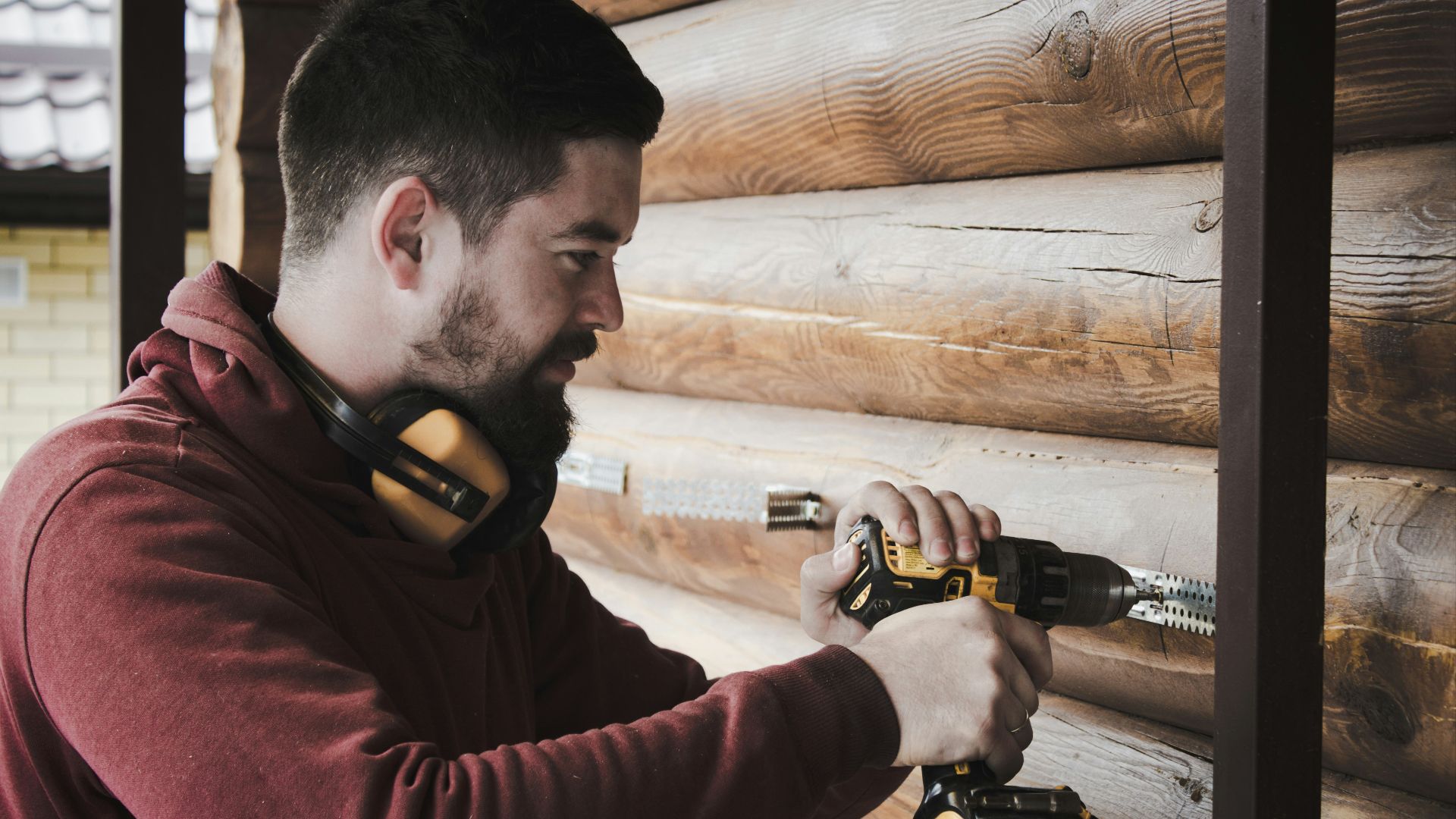
A man was traditionally supposed to know how to fix practically everything under his own roof. Calling a professional could feel embarrassing if the problem seemed like something a capable husband should supposedly handle himself.
However, there's nothing particularly attractive about flooding the basement because pride wouldn't let you call a plumber.
20. Thinking Toughness Means Never Needing Anyone
Perhaps the biggest old-school masculine ideal was complete self-reliance. Men were taught that they should solve their own problems, provide for everyone else, and rarely admit when they needed support themselves. Independence still matters, but being comfortable asking for help when you need it can show far more maturity than struggling alone simply to prove you can.