
20 Things People Used to Do at Work That HR Would Hate Today
The Office Used to Have Very Different Rules
Workplaces have never exactly been famous for letting anything go, but plenty of behavior that once seemed completely normal would make a modern HR department deeply uncomfortable. Offices were smokier, professional boundaries were much looser, safety standards could be questionable, and bosses often had far more freedom to comment on employees’ personal lives. Here are 20 things people once did at work that would probably lead to a very awkward meeting with HR today.
 Boston Public Library on Unsplash
1. Smoke Right at Their Desks
For decades, smoking indoors wasn't just permitted in many workplaces; it was simply part of the daily office routine. Employees could light cigarettes at their desks, during meetings, or while chatting with coworkers. Ashtrays were standard office supplies, and nonsmokers usually had little choice but to share the same smoky air.

2. Keep Alcohol in the Office
Keeping a bottle tucked into a desk drawer wasn't especially shocking in certain workplaces, particularly among executives. Business lunches might involve several drinks, and some offices even kept fully stocked bars for entertaining clients. Drinking during the workday was often treated much more casually than it is now.

3. Ask Women When They Planned to Have Children
Employers once routinely questioned female workers about marriage, pregnancy, and whether they planned to start families. These were often treated as reasonable questions about whether a woman would remain committed to her job long-term.
Some managers openly favored unmarried women or candidates they assumed were less likely to become pregnant. Modern HR departments know that asking questions like these can create serious legal problems.
 Christina @ wocintechchat.com M on Unsplash
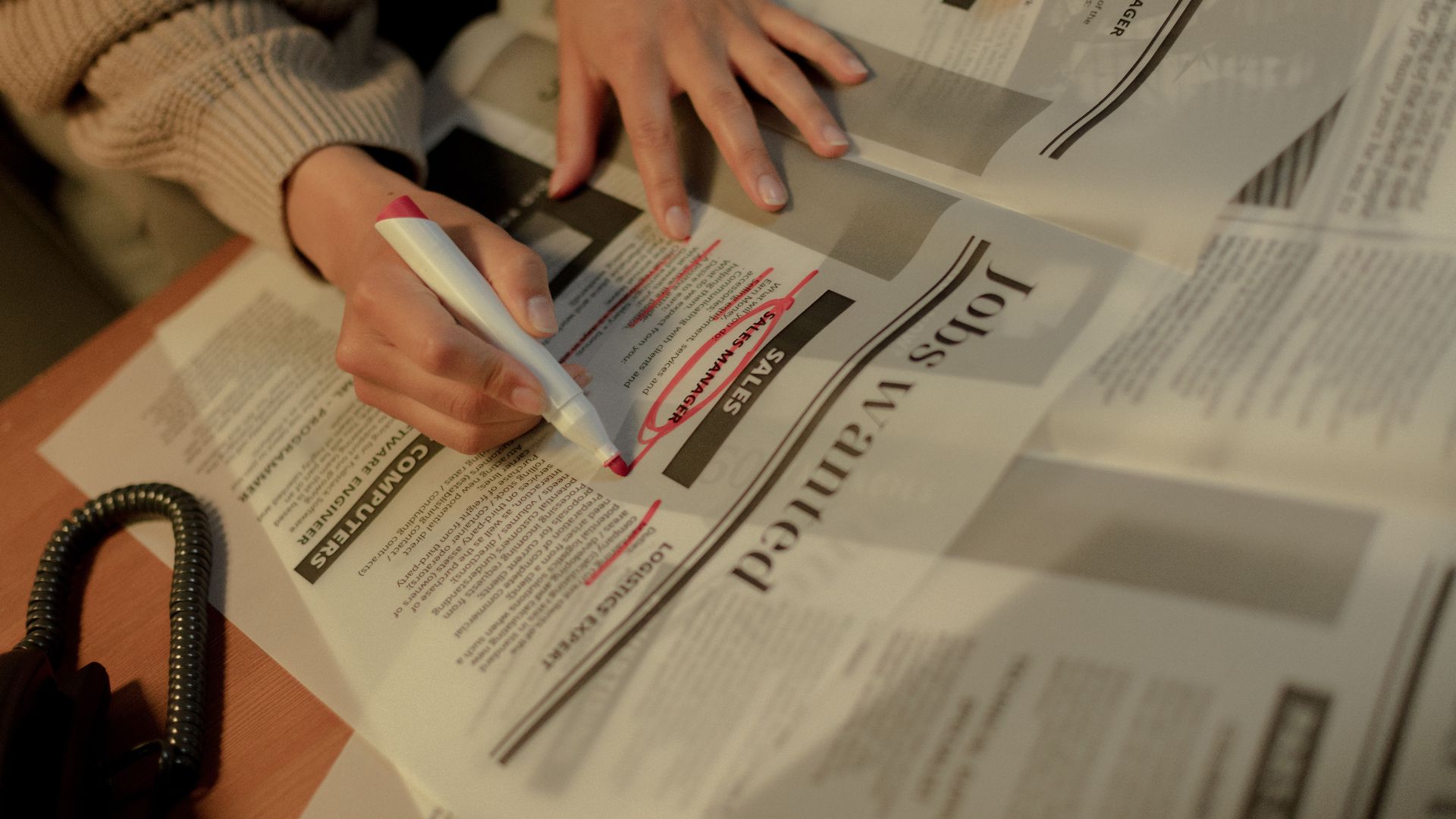
4. Put Job Listings in Separate Male & Female Sections
Newspaper classified ads once divided job openings into categories specifically for men and women. Certain careers were openly advertised as men's work, while secretarial, clerical, and domestic jobs were frequently aimed at women. Employers didn't always bother hiding these preferences because gender discrimination was widely accepted in hiring. A recruiter trying the same thing today would have quite a lot of explaining to do.
5. Call Female Employees “Girls”
Adult women working in offices were regularly referred to as “girls,” even in professional settings where their male coworkers were called men. Secretaries and administrative workers were especially likely to hear the term, regardless of their age or experience. At the time, many managers probably didn't think twice about the wording. Today, repeatedly calling grown employees “girls” can easily sound dismissive and unprofessional.

6. Comment Freely on Coworkers' Bodies
Comments about someone's weight, clothing, attractiveness, or figure could once pass as everyday office banter. Employees weren't always expected to keep personal observations to themselves, even when those remarks made someone visibly uncomfortable. What one coworker considered a harmless compliment could easily cross a line for someone else.
HR departments now have plenty of reasons to discourage people from publicly evaluating each other's appearances.

7. Hire Secretaries Based Partly on Their Looks
Some employers openly considered appearance when hiring women for secretarial and receptionist positions. Being young, attractive, fashionable, or considered “well-groomed” could matter alongside typing speed and organizational ability. Job advertisements sometimes made those expectations surprisingly clear. Modern employers are generally far more careful about keeping someone's physical attractiveness separate from their professional qualifications.
8. Have the Office Secretary Handle Personal Errands
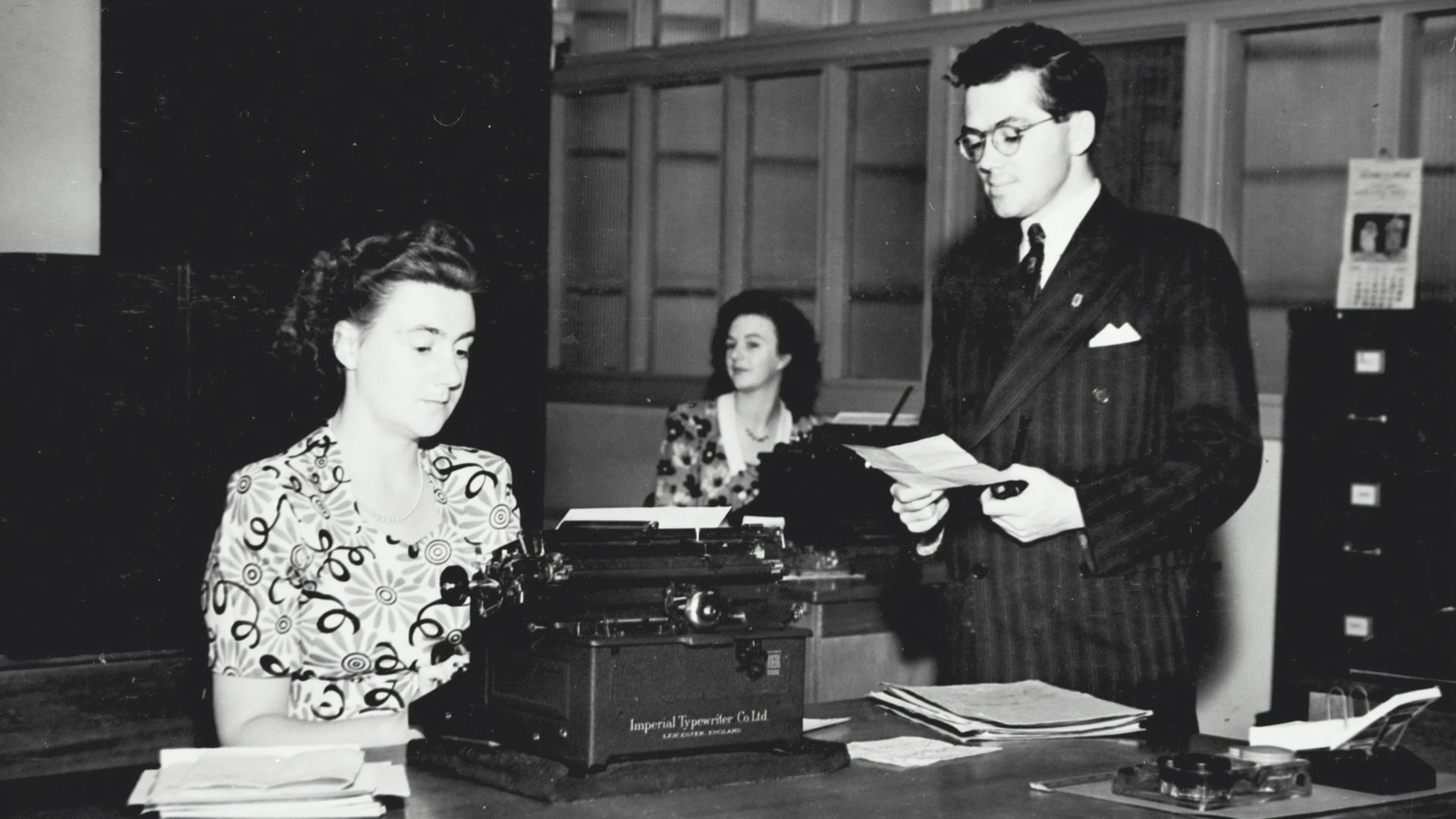
Secretaries weren't always expected to stick strictly to company business, especially when they worked for powerful executives. They might be asked to buy gifts, schedule family appointments, pick up dry cleaning, or take care of other personal chores. Refusing could be uncomfortable when the same boss controlled their salary and future opportunities. Today, HR might reasonably wonder why someone's job description suddenly includes running their manager's personal life.
9. Play Practical Jokes That Went Way Too Far
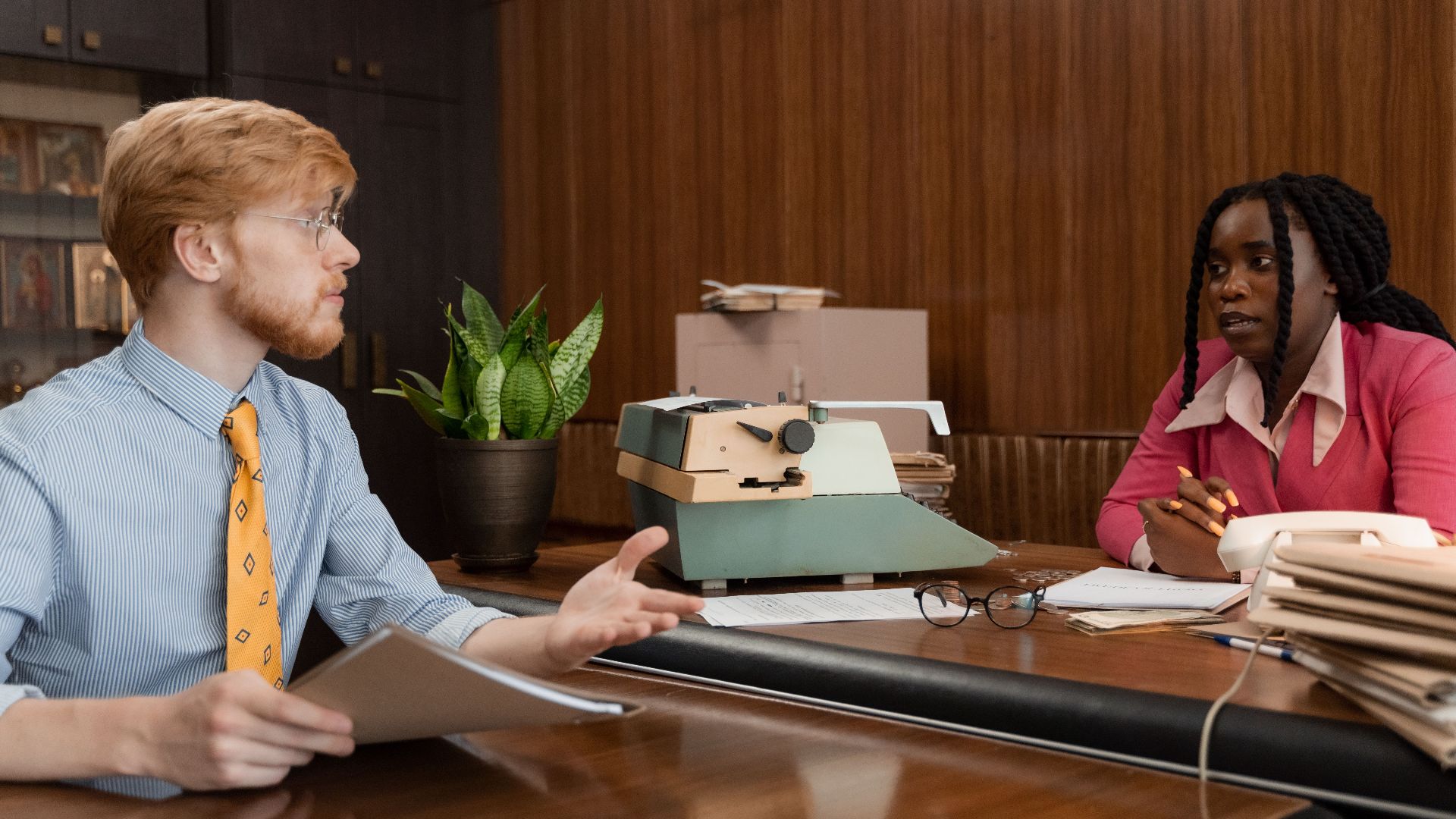
Workplace pranks could once range from hiding someone's belongings to humiliating them in front of the entire office. There wasn't always much thought given to whether the person on the receiving end actually found any of it funny. Some old traditions would now fall pretty clearly into bullying, harassment, or workplace safety territory. If your prank leaves a coworker furious, it's probably not doing much for team morale.

10. Settle Arguments by Yelling
Managers with explosive tempers weren't always treated as a workplace problem. Shouting across the office, slamming doors, or chewing out employees in front of everyone could be brushed off as the behavior of a demanding boss. Workers were often expected to simply tolerate it, but a supervisor who regularly screams at employees today may quickly find themselves having a conversation with HR about communication.

11. Expect Employees to Work While Sick
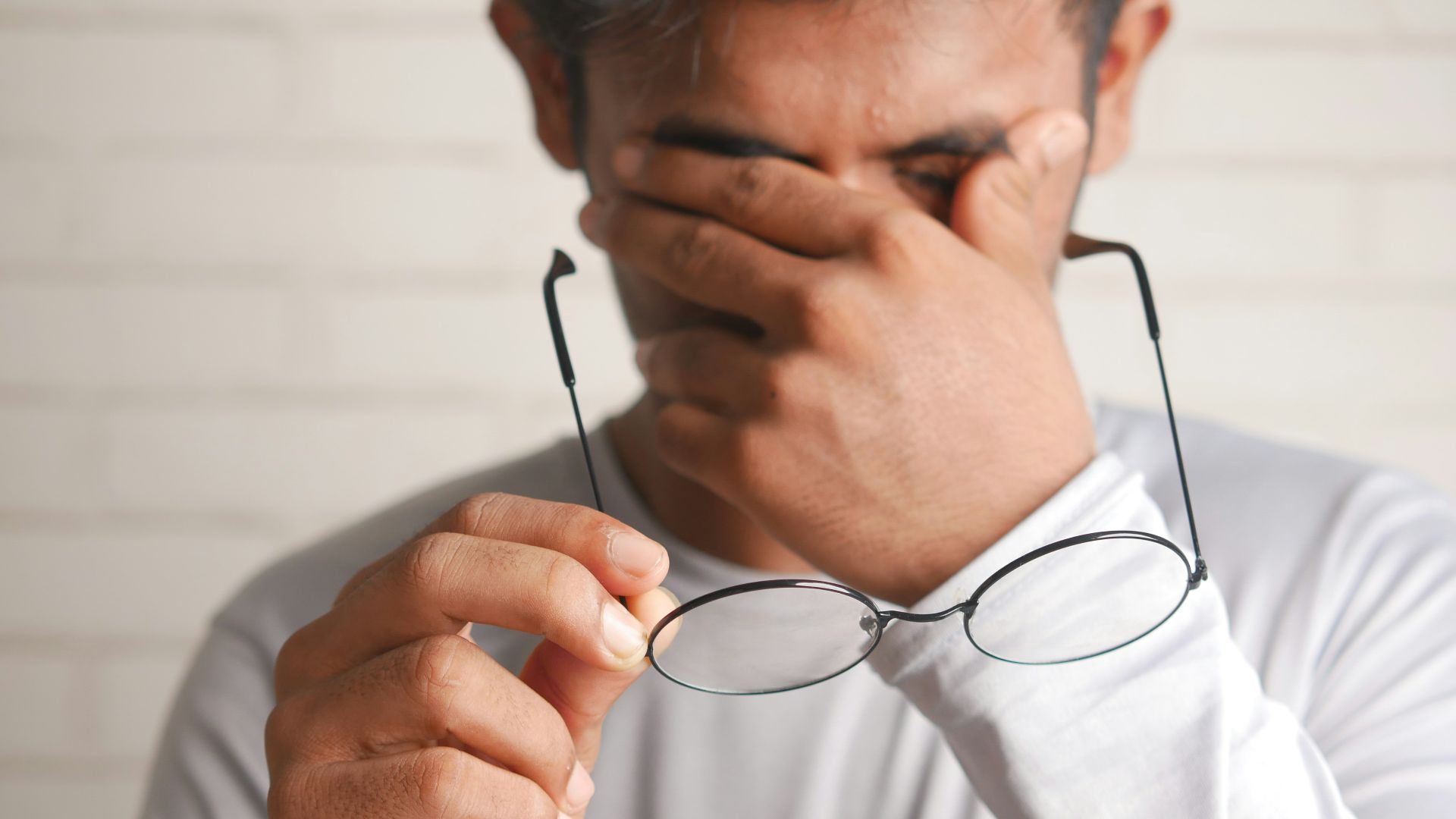
Calling out sick wasn't always greeted with much sympathy, especially in workplaces where attendance was closely tied to someone's reputation. People regularly showed up coughing, sneezing, and feeling awful because they didn't want to seem unreliable. Working through an illness could even be praised as a sign of dedication. Modern workplaces are generally more aware that spreading germs around the office isn't exactly productive.
12. Operate Equipment With Minimal Safety Gear
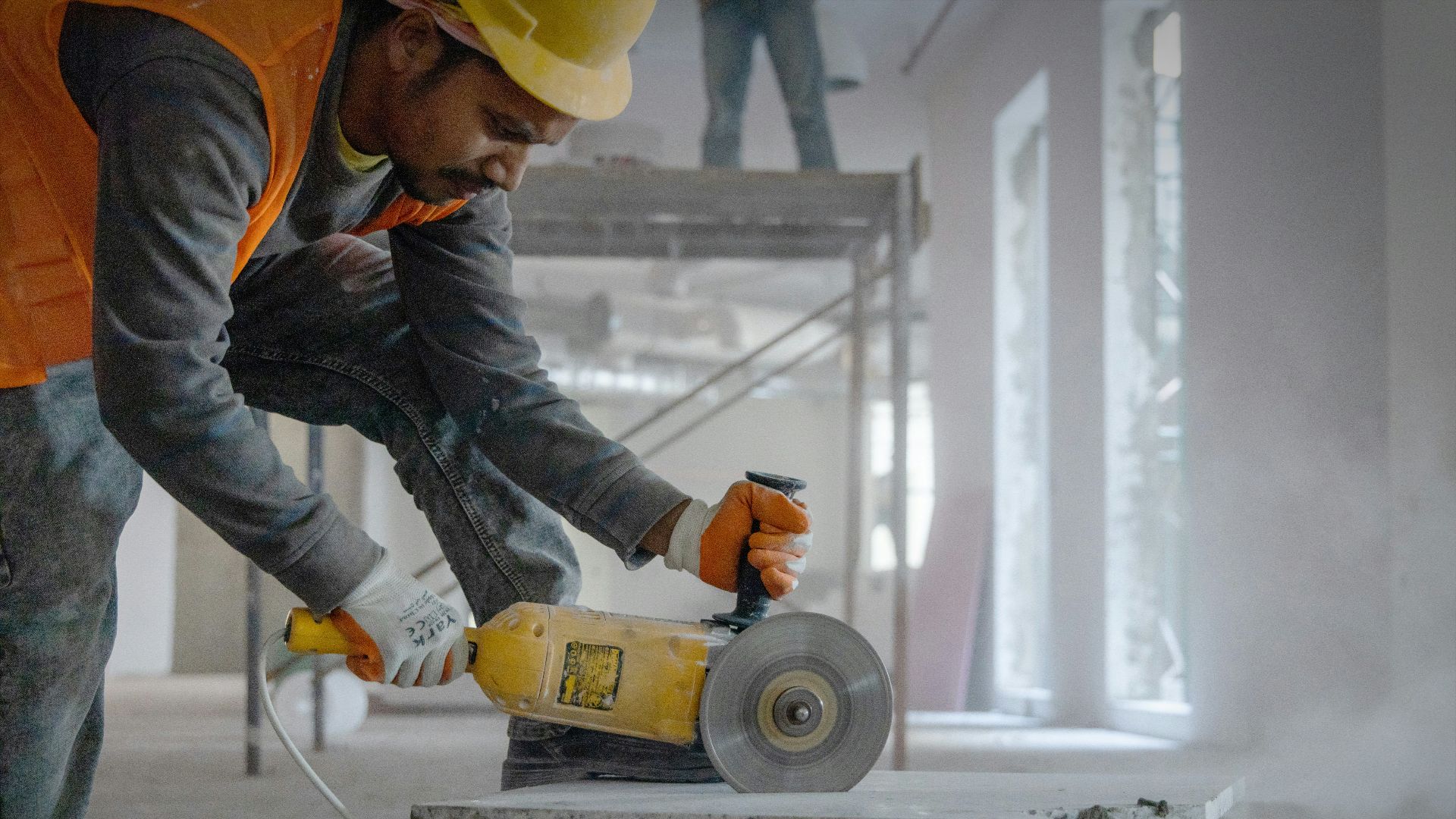
Factories, construction sites, warehouses, and workshops could be far more dangerous before modern safety regulations became standard. Employees sometimes worked around loud machinery, hazardous chemicals, or moving equipment without proper protective gear. Training could also be remarkably informal compared with what many jobs require now. A modern safety officer watching old workplace footage would probably have a long list of concerns.
13. Date Subordinates Without Much Scrutiny
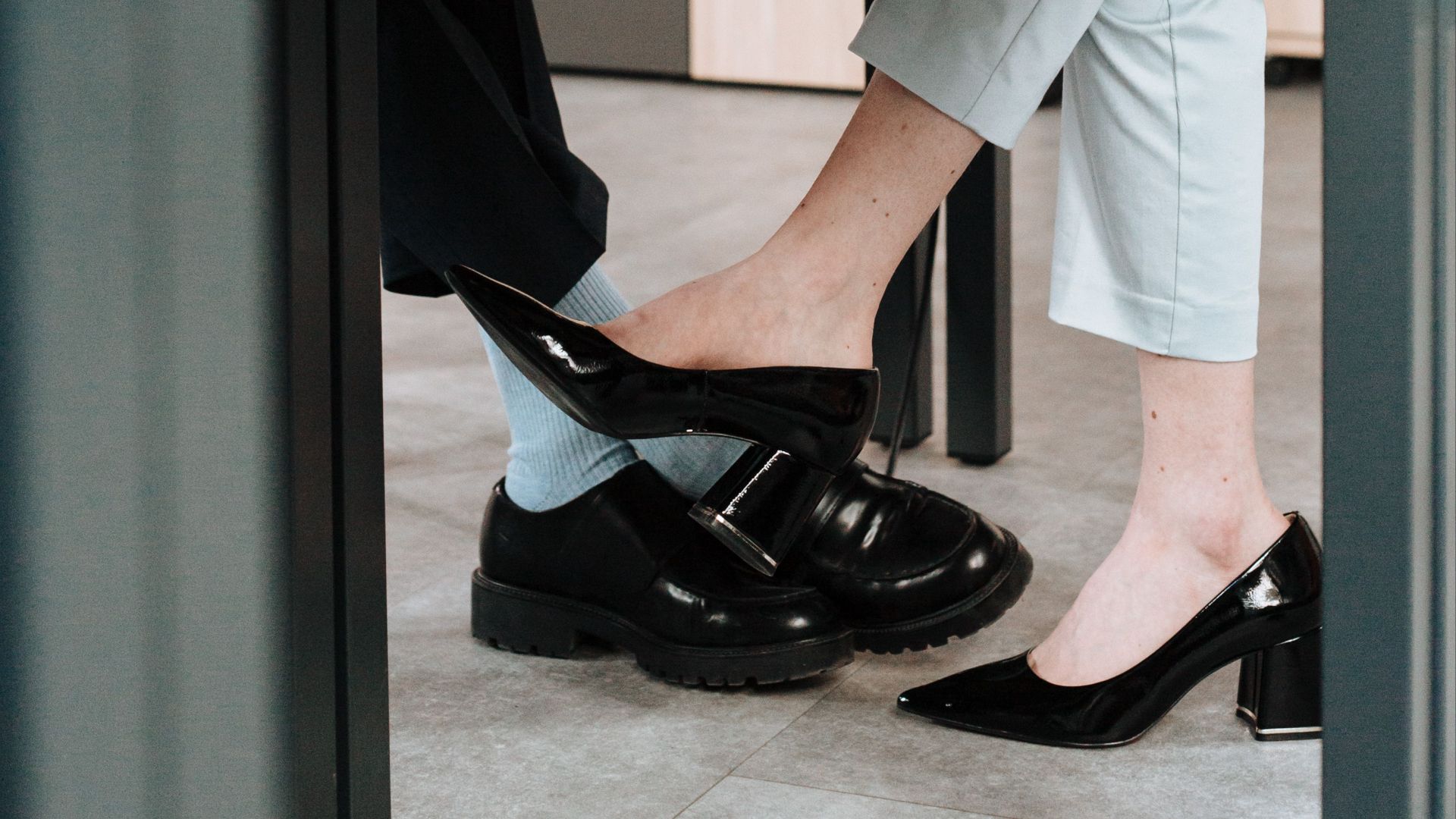
Office romances certainly haven't gone away, but relationships between managers and direct reports once received far less formal attention.
Many companies had few or no policies covering conflicts of interest, favoritism, or the power imbalance involved. Coworkers might gossip about the relationship, but management wasn't necessarily expected to step in. Today, it could require disclosure, reassignment, or a careful review of company policy.
14. Display Pinup Calendars Around the Workplace
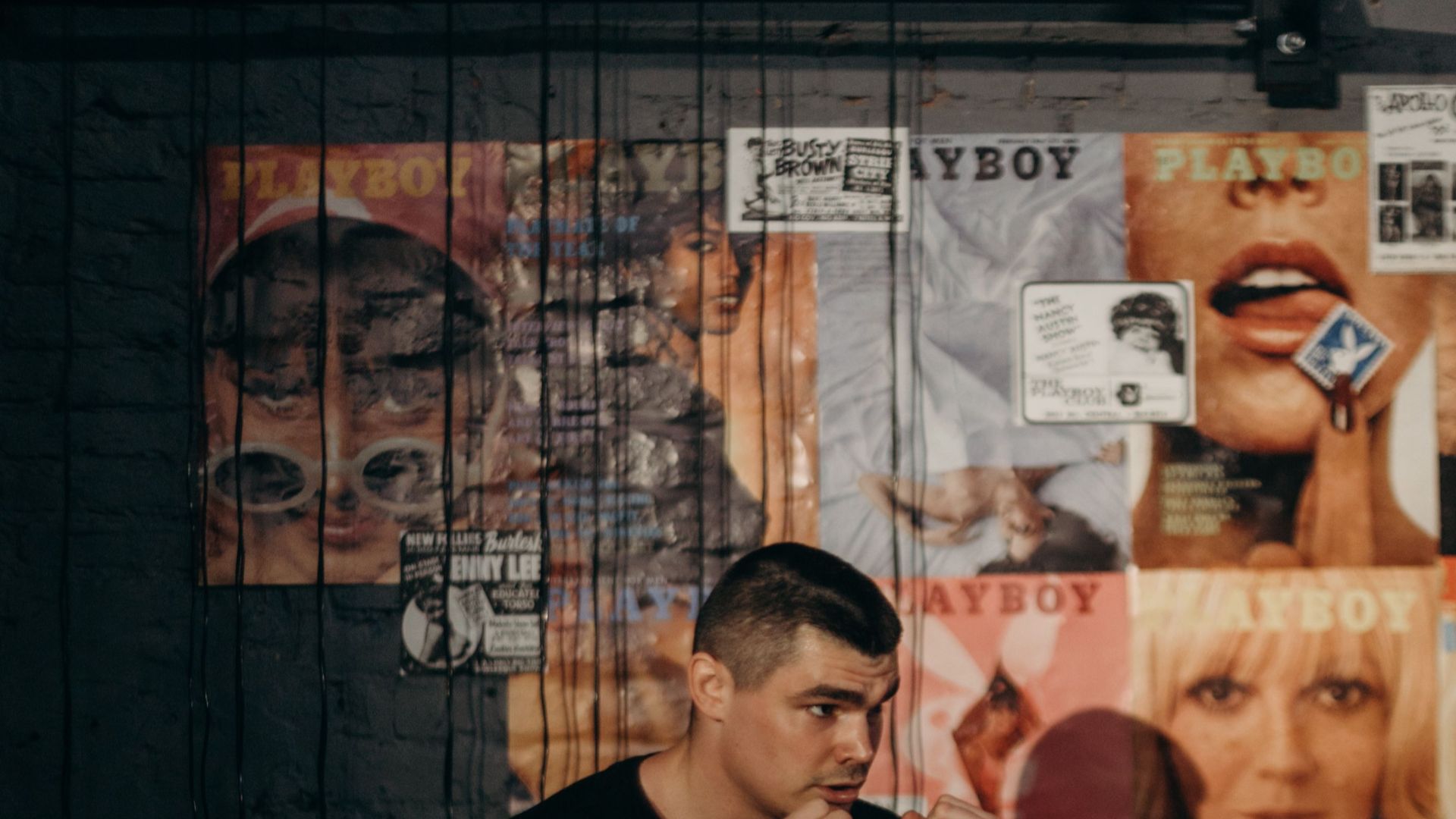
Garages, factories, workshops, and even some offices once commonly displayed calendars featuring scantily dressed models. Few people stopped to ask whether every employee or visitor was comfortable seeing that material at work. Changing expectations around professionalism gradually pushed those displays out of many shared spaces. Hanging one beside the break room fridge today could generate a complaint very quickly.
15. Tell Off-Color Jokes During Meetings
Humor in older workplaces could become surprisingly personal, crude, or offensive without anyone officially stepping in. Jokes about gender, race, religion, age, or sexuality were more likely to be waved away as harmless fun. Employees who objected sometimes risked being labeled overly sensitive instead of being taken seriously. Modern workplace policies give HR far more reason to pay attention to what's being said around the conference table.

16. Fire Someone With Almost No Explanation
Workers didn't always receive formal performance reviews, improvement plans, or detailed warnings before being dismissed. Depending on the workplace, someone might simply be told one day that their services were no longer needed.
Managers often had much more freedom to make personnel decisions informally. Today, many organizations carefully document performance issues before ending someone's employment.

17. Pressure Employees to Socialize With the Boss
After-work drinks, company dinners, and weekend gatherings could sometimes feel much less optional than employers claimed. Turning down an invitation from a supervisor might be seen as lacking ambition or failing to fit in with the company culture. That could put employees with children, caregiving duties, or other responsibilities in a difficult position. Modern companies are more aware of the problems that arise when career advancement seems tied to joining the boss for drinks.

18. Use Offensive Nicknames at Work
Nicknames based on someone's appearance, background, age, or personality were once common in workplaces where people stayed with the same company for decades. Some were affectionate, but others could be embarrassing, insulting, or downright cruel. Employees didn't always feel comfortable objecting because doing so might make them an even bigger target. HR today would usually prefer that everyone stick to their coworkers' actual names rather than let a questionable nickname become office tradition.

19. Treat Workplace Injuries as No Big Deal
Cuts, burns, falls, and other injuries were sometimes accepted as part of having a physical job. Employees might patch themselves up and return to work instead of formally reporting every incident. That made it much easier for unsafe conditions to continue without anyone looking at the bigger issue.
Modern workplaces are generally expected to document injuries and determine how to keep the same thing from happening again.

20. Let the Boss Control Nearly Everything About Office Culture
In many older workplaces, company culture was basically whatever the owner or senior manager decided it should be. If the boss liked smoking, drinking, yelling, flirting, or running the office according to personal preferences, employees often had few formal ways to push back. Dedicated human resources departments weren't always there to create consistent policies or handle complaints. For all the jokes people make about HR today, having somewhere to report serious workplace problems is a pretty significant change.