
The Soft Exit Nobody Admits To
Some breakups get announced outright. Others get engineered slowly by someone who wants out but can't stand the idea of being the one to say it, so they hand you lines that sound almost caring on the surface, each one nudging you a few inches closer to the door. The point is to get you to make the call, so the guilt lands somewhere other than on them. Here's 20 things people say when they'd rather you did the hard part.

1. I Just Need Some Space
Space is a reasonable thing to ask for, and often it means exactly that. But when the request keeps expanding with no plan attached for what happens after, it's a slow exit with better manners on it. Listen for whether they ever name a day when the space is supposed to end, or whether the dates keep sliding to the right.

2. You Deserve Better Than Me
On the surface this reads as humility, and it can even land like a compliment. What the line does is hand you the argument for leaving, then wait to see whether you pick it up. Someone who truly believed you deserved better would be busy trying to become that, instead of narrating the problem to you.

3. I'm Not In A Good Place
Struggling is real, and someone going through a rough stretch deserves patience. But pay attention to whether that stretch is temporary or whether it has become the permanent explanation for everything they no longer do. People working their way out of a bad period usually show some sign of movement, even if the progress is slow.

4. Do Whatever You Think Is Best
Handing you the decision looks generous right up until you notice you've been handed every decision for months. They stay perfectly neutral while you carry the entire weight of choosing. If you walk, the story afterward gets to be that you were the one who wanted out, and they were only being accommodating.

5. I Don't Know What I Want
This one has the exact shape of honesty, which is what makes it such a good stall. It buys them weeks of not deciding while you do the emotional accounting alone. Most people who claim they don't know what they want know at least one thing they no longer want.

6. You'd Be Happier Without Me
Framing your happiness as something that lives outside the relationship points at the door without them ever walking through it. It also leaves you arguing for your own misery just to keep the thing alive. Notice how little effort goes into making you happier inside it.

7. I've Been Really Busy Lately
Work gets heavy sometimes, and nobody should be punished for a rough quarter. Busy people who want to see you still find twenty minutes, and they tell you when the crunch ends. When the busyness has no shape to it and no finish line anywhere in sight, it's doing a different job.

8. Maybe We Rushed Into This
Rewriting the beginning is often how an ending starts to feel inevitable. The moments they were once most excited about get recast as mistakes the two of you made while caught up in the moment. Once someone starts revising the story of how you got together, it usually does not take long before they start revising how they feel about the relationship now.

9. I'm Just Not Myself Right Now
Temporary language can hide a lot. “Right now” stretches into months, while the version of them you fell for stays just out of reach. Ask when they last felt like themselves, and pay close attention to how far back they have to go to find the answer.

10. Whatever You Want To Do
Total flexibility sounds easygoing until it starts covering absolutely everything, including the things that ought to matter to them. Dinner plans and the shape of your future both get the same weightless answer. Somebody who cared about the outcome would have an opinion about one of them.
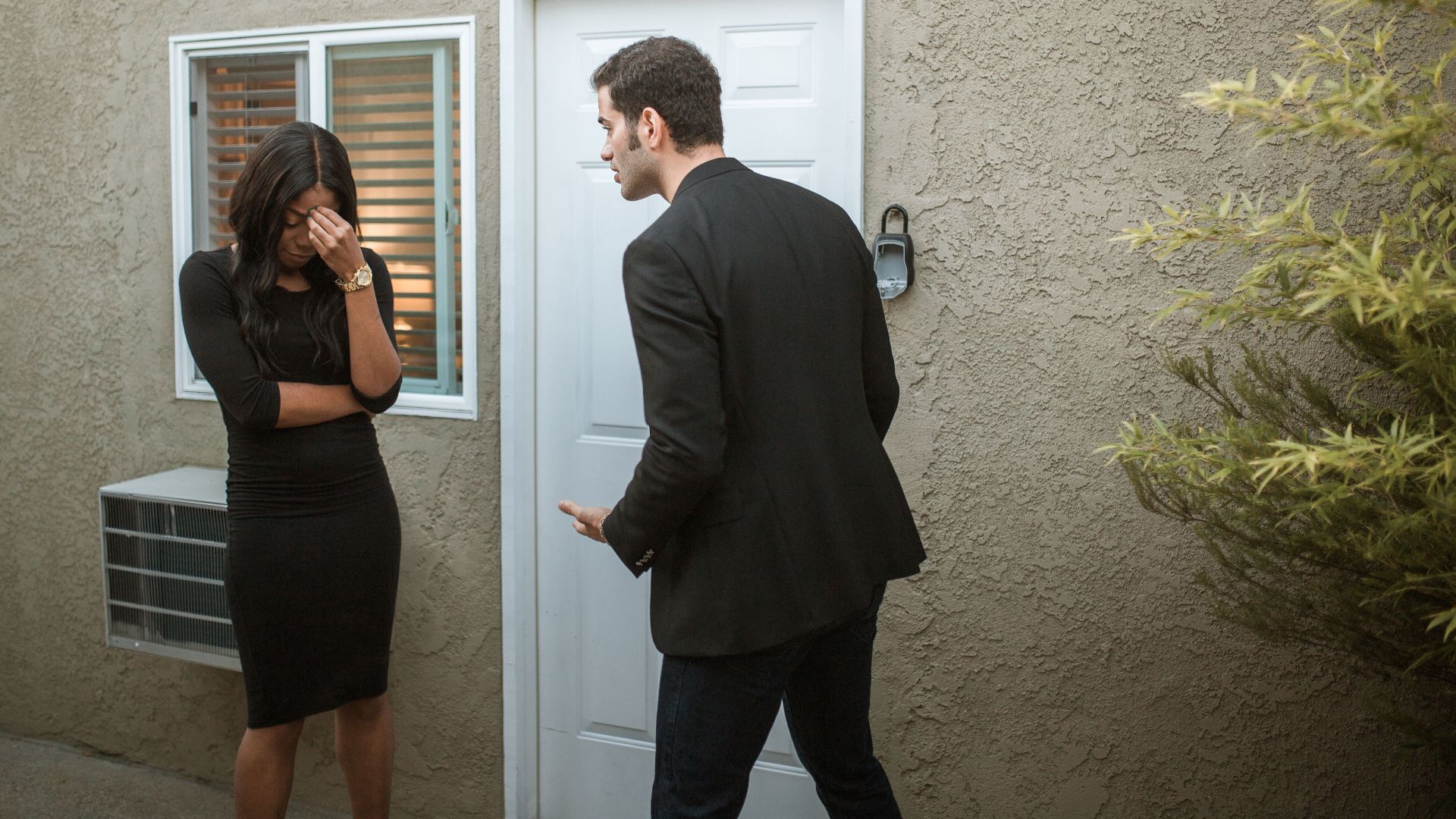
11. I Don't Want To Hurt You
The sentence assumes hurting you is already on the schedule. It works less like a promise and more like a warning delivered in advance, with a soft tone applied to take the edge off. People who don't want to hurt you generally handle that by avoiding the thing that would hurt you.

12. We Should Take A Break
The break is usually a trial run for the real thing. It gives them the distance without the conversation, and the door stays propped open behind them. Very few breaks end with both people walking back through the same door.
 Viktoria Slowikowska on Pexels
13. I'm Bad At Relationships
This one lands as self-awareness. What it does is pre-excuse every failure still to come, so you end up consoling them about the exact behavior that's hurting you. Being bad at something is usually a reason to work at it.

14. You've Been Distant Too
Pulling your name into the ledger evens the score without requiring either of you to fix anything. There may even be some truth in it, since distance tends to spread after a while. But the timing usually gives away what the accusation is really doing.

15. I Can't Give You What You Need
It sounds like an honest admission of their limits, and in the right moment it can even sound reasonable. Read it again and it sounds less like self-awareness and more like a decision they have already made. They have settled it privately and left you to deal with what comes next.

16. Let's Just See What Happens
Refusing to make a decision doesn't resolve anything. Nothing gets agreed to, and nothing moves forward, so eventually the lack of movement becomes the answer. “Waiting to see what happens” can be a way of avoiding a decision they may already have made.

17. I Think You've Outgrown Me
Very few exits arrive dressed as flatteringly as this one does. You get told you're too good for the situation, which makes your leaving sound like a natural next step. The praise is real enough, but it arrives with a suitcase already packed by the door.

18. I'd Understand If You Left
There's no honest way to hear this line except as an invitation. They've told you the door is open and that nobody will hold it against you for walking through. Someone who wanted you to stay would be saying something a lot closer to please stay.

19. Nothing's Wrong, I Promise
Being told everything is fine while everything clearly isn't leaves you without a single concrete thing to point at. That's the whole function of it, since a vague unease is much harder to argue against than a stated problem. Eventually you get tired enough of guessing to end it yourself.

20. Are You Still Happy With This?
On a good day this is a real question from someone who actually wants to hear the answer. On a bad one it's a test run to see whether you'll be the first to admit the thing you've both been circling for weeks. Pay attention to whether they ever offer an answer of their own.