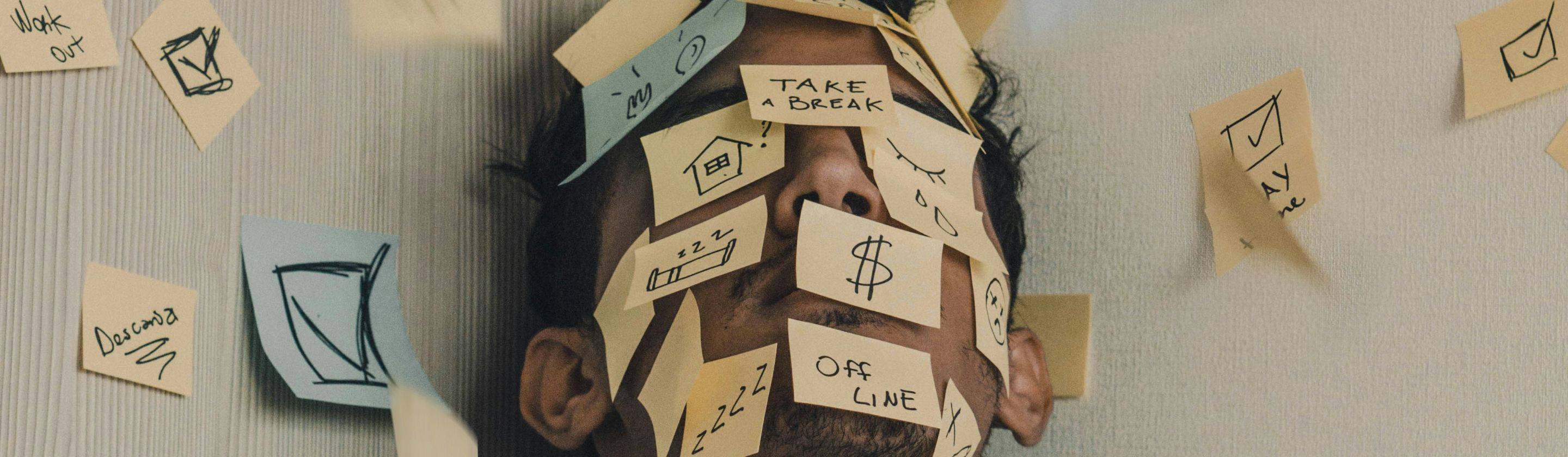
Retirement Has a Way of Making the Past Look Different
Retirement can feel like a finish line when you’re still working, but once you actually get there, plenty of people start thinking about what they wish they had done sooner. Some regrets involve money, while others have more to do with health, relationships, travel, or simply making better use of time. If you’re still a few years away, there’s probably more you can do now than you realize. Here are 20 things people regret not doing before retirement.

1. Saving More Earlier
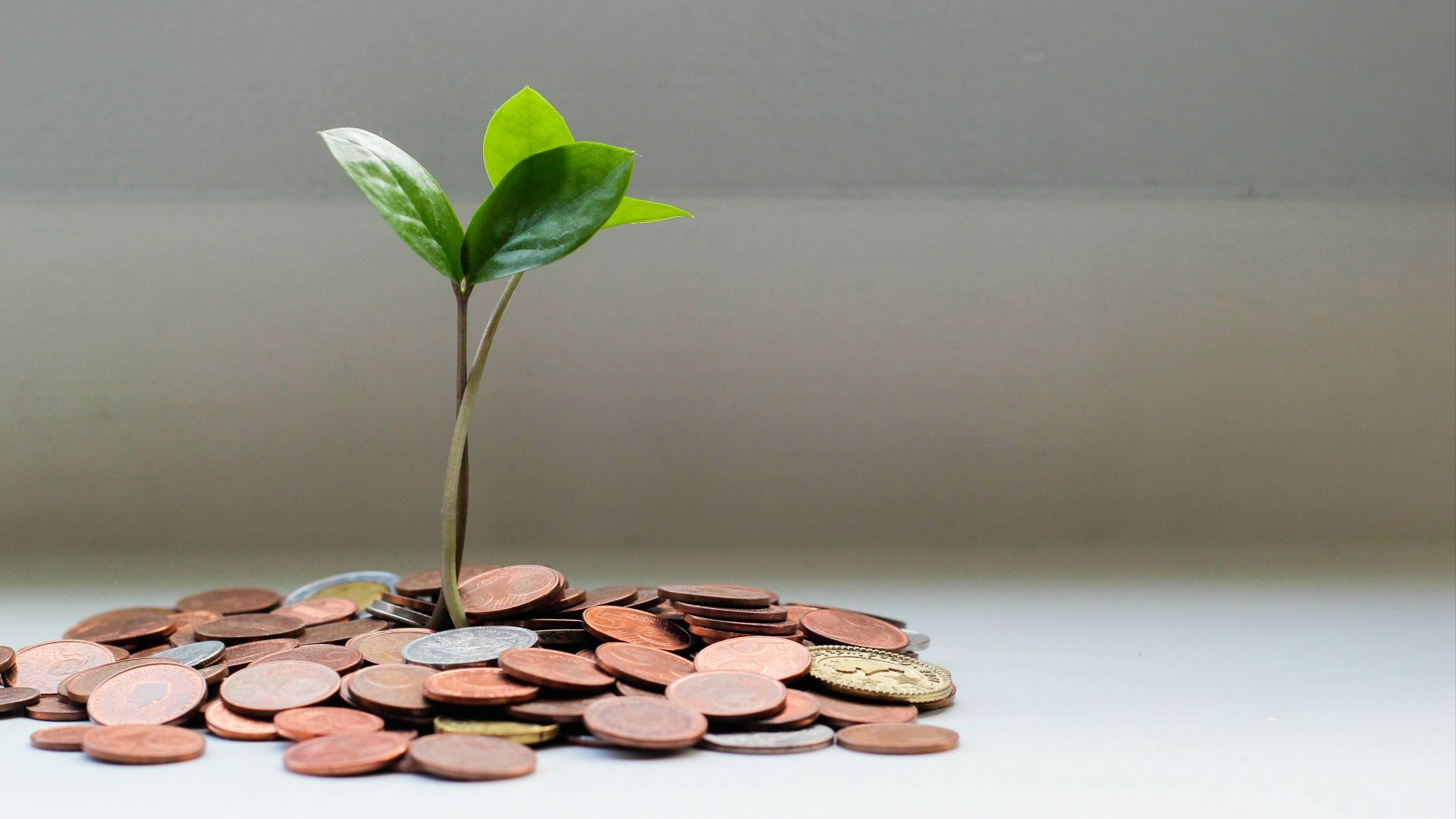
One of the most common regrets is wishing retirement savings had started sooner. Even modest contributions have more time to grow when you begin early, and catching up later can feel much harder. People often realize too late that waiting for the “right time” to save usually means losing valuable years.

2. Paying Off More Debt
Car payments, credit cards, and other debts can feel much heavier once a regular paycheck disappears. Many retirees wish they had entered retirement with fewer monthly obligations hanging over them. Reducing debt beforehand can give you more freedom to spend your income on things you actually enjoy.

3. Testing a Retirement Budget
It’s easy to guess what retirement will cost until you actually try living on that amount. Some people wish they had spent a few months practicing with a smaller budget before leaving work. This can reveal whether your estimates are realistic or not at all.

4. Traveling While They Had More Energy
A lot of people save their biggest travel dreams for retirement, only to discover that health or mobility can change unexpectedly. Long flights, packed itineraries, and adventurous trips may be easier in your 50s or early 60s than later on. If there’s somewhere you’ve always wanted to go, it may be smarter to seize the opportunity while you're younger.

5. Taking Better Care of Their Health
Retirement is much more enjoyable when your body lets you do the things you planned. People often regret not exercising regularly, eating better, or keeping up with preventive care while they were still working. Health habits built before retirement can make a real difference to how active those later years feel.

6. Developing Hobbies Outside of Work
When your job takes up most of your week, it can quietly become a major part of your identity. Some retirees are surprised by how empty their schedules feel once work suddenly disappears. Having hobbies, clubs, or creative interests already in place can make the transition much easier.

7. Spending More Time With Friends
Busy careers have a way of pushing friendships lower on the priority list. Once retirement arrives, people sometimes realize that old friendships have faded because nobody made the effort to stay connected, which can lead to feelings of isolation. Rebuilding a social circle later can be harder than maintaining one along the way.

8. Talking More Openly With Their Partner
Couples can have very different pictures of what retirement is supposed to look like. One person may imagine constant travel while the other wants to stay close to home and see family. Discussing those expectations beforehand can prevent a lot of tension once both people suddenly have much more time together.

9. Learning How Their Benefits Actually Work
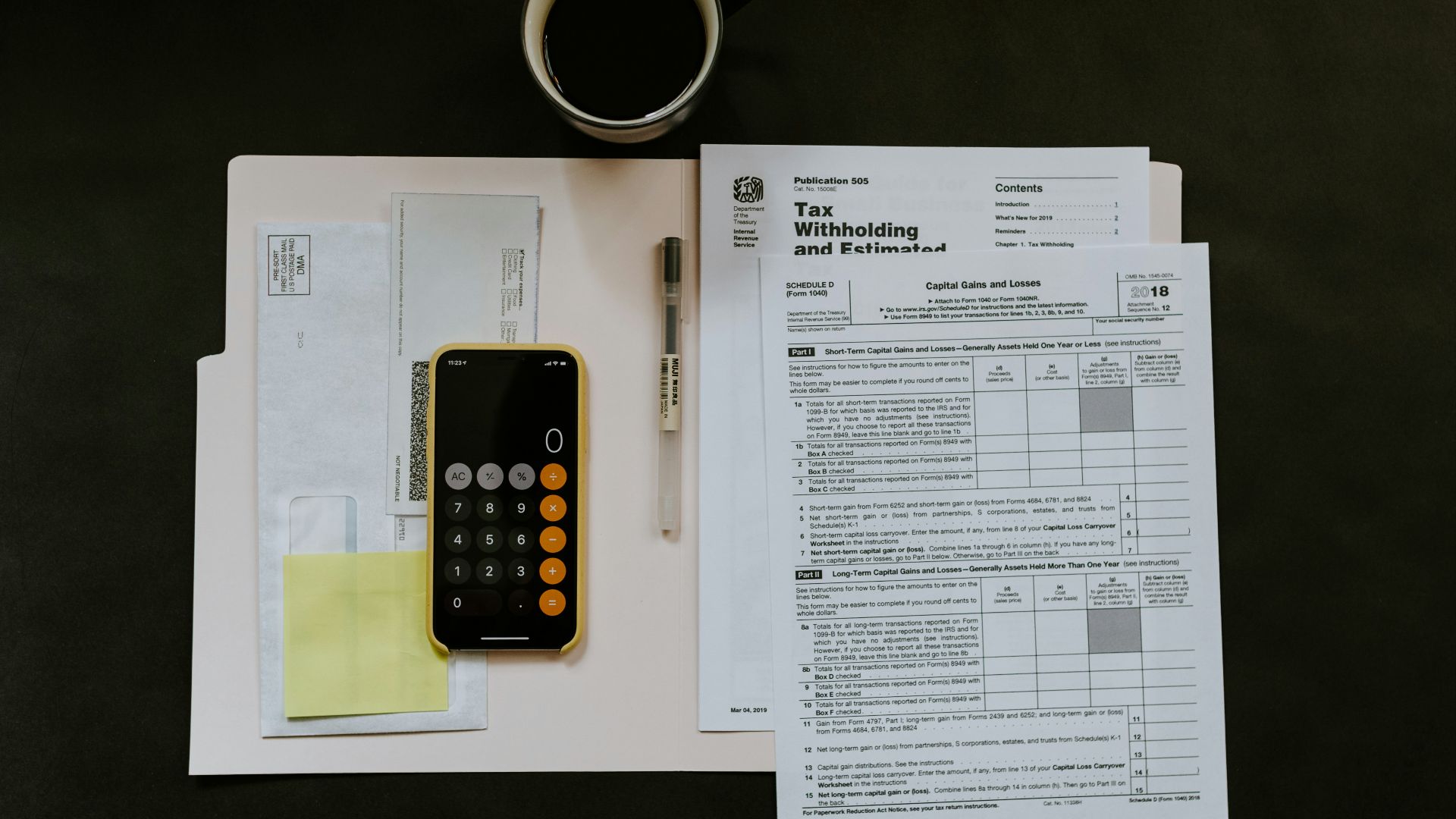
Retirement accounts, pensions, Social Security, health insurance, and taxes can get complicated quickly. Some people wish they had understood the details before making irreversible decisions. A little research ahead of time can help you avoid surprises when income sources start changing.
10. Downsizing Before It Became Urgent
A large home can feel wonderful while you’re working and raising a family, but it may become more expensive or tiring to maintain later. People sometimes wish they had downsized while they had the energy to sort, sell, donate, and move without pressure. Making the decision early also gives you more control over where you end up.

11. Decluttering Their Home
Decades of belongings can pile up without anyone noticing just how much has accumulated. Retirement often brings the sudden realization that closets, garages, and basements are packed with things nobody really needs. Clearing some of it out before retirement can make everyday life feel simpler.

12. Building a Life Beyond Their Career
People who love their jobs can struggle when that role disappears overnight. Titles, routines, coworkers, and daily responsibilities provide more structure than you realize. Creating a sense of purpose outside of work can make retirement feel like a new chapter rather than an abrupt ending.
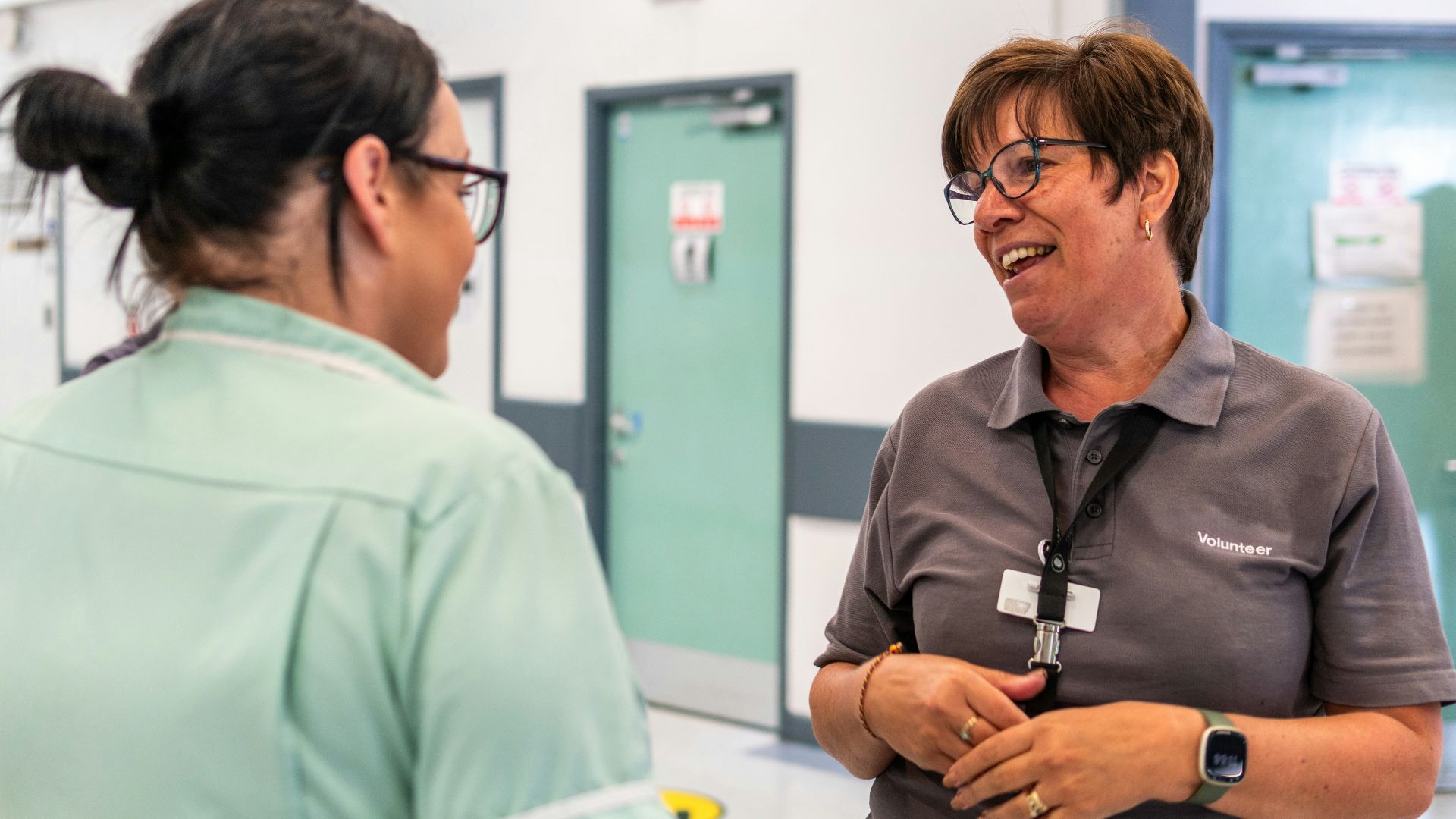 Centre for Ageing Better on Unsplash
13. Spending More Time With Their Children
Work schedules can make family time feel endlessly postponable. Later on, many people look back and wish they had taken more weekends, vacations, or ordinary evenings to be present with their children. If you wait until you retire to do that, you've already missed too much.
 National Cancer Institute on Unsplash
14. Making Memories With Their Parents
Retirement planning tends to focus on the future, but older parents may not be part of that future forever. Some people regret assuming there would always be another holiday, visit, or family trip. Making time earlier can matter far more than squeezing in a few extra days at the office.

15. Learning Basic Home & Money Skills
Retirement often means spending more time managing your own household and finances. People who relied heavily on others for budgeting, cooking, repairs, or paperwork can feel unprepared when circumstances change. Picking up practical skills beforehand can make you more independent later.
 micheile henderson on Unsplash
16. Creating a Plan for Their Time
Having nothing scheduled sounds wonderful when you’re working full time. After a few months, though, unlimited free time can start to feel surprisingly repetitive. Many retirees wish they had thought more about volunteering, part-time work, classes, travel, or regular social activities before leaving their jobs.
17. Trying Part-Time Retirement First
Going from a packed workweek to no work at all can be a bigger adjustment than expected. Some people wish they had reduced their hours gradually or tried consulting before fully retiring. A slower transition can help you figure out what you actually enjoy about retirement without changing everything at once.

18. Taking More Vacation Time
Unused vacation days may look impressive on a work record, but they don’t create memories. Retirees sometimes regret skipping trips, family gatherings, or simple breaks because they felt too busy to step away. No one looks back wishing they had spent more weekends checking their email.

19. Thinking Seriously About Where They Wanted to Live
Where you live can shape nearly every part of retirement, from taxes and health care to weather and access to family. Some retirees move quickly and later realize the destination doesn’t fit their daily life as well as they imagined. Visiting for extended periods before making a permanent move can reveal things a vacation never will.

20. Enjoying the Years Before Retirement More
It’s easy to spend years counting down to retirement as though life will finally begin afterward. People sometimes discover that they rushed through perfectly good years because they were so focused on reaching the next stage. Planning for retirement matters, but enjoying the present is important too.