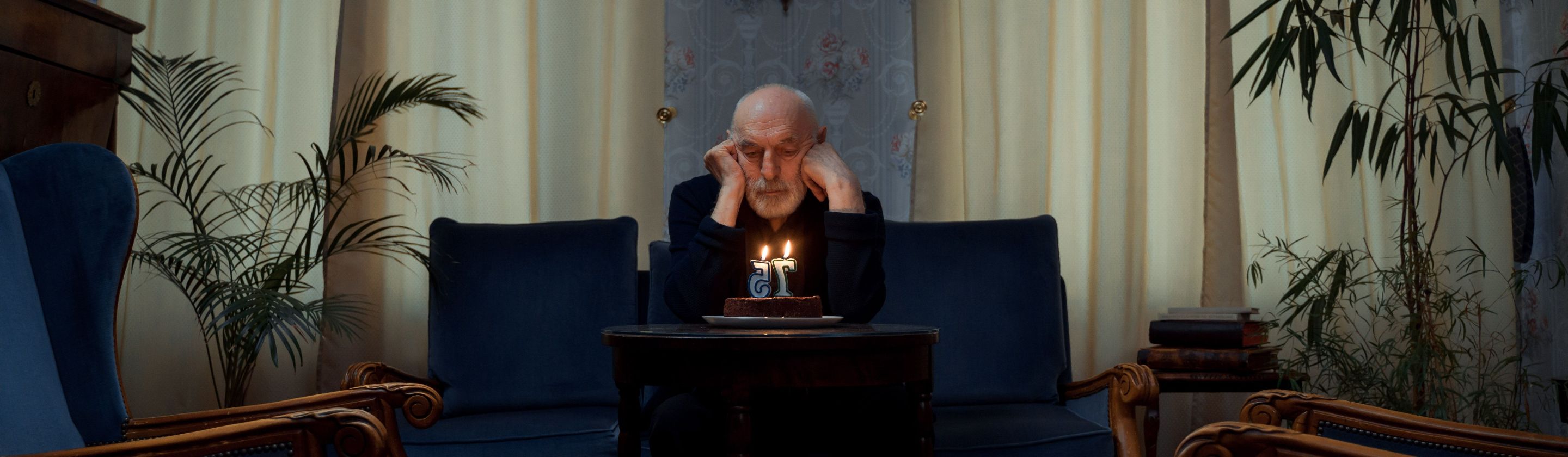
They Were Right and We Weren't Ready to Hear It
There is a specific kind of humility that happens in your late twenties or thirties when you catch yourself repeating something your parents said, word for word, with full conviction. You swore you wouldn't. You rolled your eyes when you first heard it. And yet here you are, telling someone younger that sleep is not optional and that a good mattress is worth the money. The older generation has a reputation for being out of touch, and sometimes that reputation is earned. But a lot of what they said turns out to be completely, frustratingly correct. Here are 20 things older people have been saying for years that hold up better than most of us would like to admit.

1. Sleep Is Not Something You Can Catch Up On
Sleeping in on weekends does not balance the equation the way you think it does, and every doctor and exhausted adult eventually arrives at that same conclusion. The body keeps a more honest ledger than you do, and chronic sleep deprivation compounds quietly until you can't ignore it anymore.

2. Sunscreen Every Day
This gets dismissed as vanity advice, but it's really about tissue-level damage that accumulates over decades without any visible warning. The people who look ten years younger than their age almost always have one habit in common, and it is not a complicated skincare routine.

3. You'll Miss It When It's Gone
At the time this sounds like a guilt trip, and sometimes it is. But the human brain is genuinely not wired to appreciate the present tense nearly as well as it appreciates the past, and you rarely know how good a season of your life was until you're clearly outside of it.

4. Cheap Things Cost More in the Long Run
The budget option feels like the smart financial decision until you've replaced it three times and spent more than the good version would have cost to begin with. This applies to shoes, cookware, tools, and almost anything else you use every day.

5. Credit Card Debt Is a Trap
The minimum payment structure is designed to keep you in the cycle, and the interest rate ensures that a $400 purchase can quietly become a $600 one if you're not paying attention. The warning was always real, even when it felt like a lecture.

6. Nobody Is Paying as Much Attention to You as You Think
The self-consciousness that makes you replay embarrassing moments for weeks is operating on a false premise. Everyone else is too busy managing their own internal narrative to spend much time analyzing yours, and recognizing that is genuinely freeing.

7. Write It Down
Memory is not a filing system. It is a reconstruction process, and it is unreliable in ways that feel surprising every single time. Writing things down immediately is not a sign of limited mental capacity. It is a realistic accounting of how human memory actually works.

8. Cooking at Home Saves Real Money
A home-cooked meal costs a fraction of the same meal eaten out, even accounting for groceries and time. Cooking regularly is one of the more meaningful financial differences between people who have savings and people who wonder where the money went.

9. A Phone Call Solves What a Text Thread Makes Worse
A five-minute phone call can resolve something that would take forty-five minutes of back-and-forth messaging and still leave both people uncertain about the tone. Older people defaulted to calling not because they were behind the times, but because they understood that some conversations need a voice.

10. Time Moves Faster as You Get Older
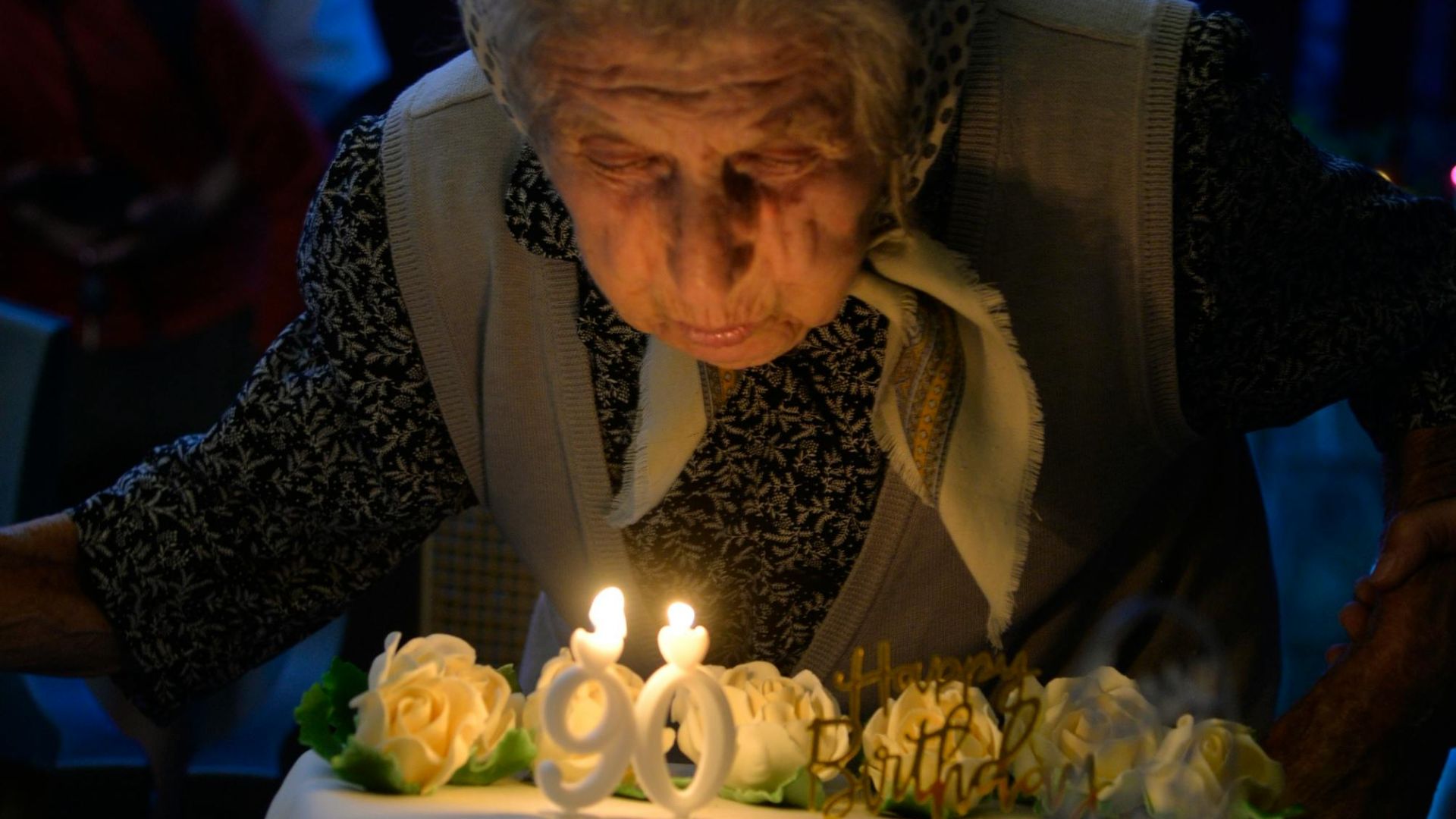
There's genuine cognitive science behind this: as you age, each year represents a smaller fraction of your total experience, so it registers as shorter. The childhood summers that felt endless were endless, proportionally. Take that seriously while you still can.
11. Your Reputation Follows You
In smaller industries and tighter professional communities, how you treat people and whether you follow through gets remembered and repeated. The world is less anonymous than it appears when you're young, and burning bridges has a longer blast radius than most people realize at the time.

12. Plants and Sunlight Make a Difference
This was considered old-person decorating advice for a long time, and now there is an entire wellness industry built around it. Natural light and greenery do measurable things to mood and focus, and the person who told you to open the curtains was not wrong.

13. Sitting All Day Will Hurt You Eventually
Every generation has been warned about this by the one before it, and every generation has ignored it until their back started giving them trouble around age 35. The body is not designed for eight hours of chair-sitting, and it will make that known.

14. Boredom Is Good for You
The instinct to fill every quiet moment with a screen or a podcast is relatively new, and the older generation's comfort with sitting quietly is worth recovering. Boredom is where a lot of creative thinking happens, and the brain needs unscheduled time the same way a muscle needs rest.

15. Relationships Require Maintenance
The friendships and partnerships that feel effortless early on still need regular attention to stay alive. Showing up, checking in, and making plans are not optional extras. They are the relationship, and people who understand this early tend to have much better ones.

16. Learn to Cook a Few Things Really Well
You do not need to be a chef. You need five or six dishes you can make confidently, from memory, without a recipe, and that covers most of what daily life actually requires.

17. The News Will Stress You Out More Than It Informs You
Consuming news passively and continuously, especially the kind designed to provoke reaction, produces anxiety without producing proportional understanding. Being informed and being constantly plugged in are not the same thing.

18. Gratitude Is a Practice, Not a Feeling
The advice to count your blessings used to sound dismissive, but the deliberate habit of noticing what is going well trains the brain to weight positive information more accurately. It is not toxic positivity. It is calibration.

19. Things That Seem Urgent Usually Aren't
Most of what feels like a crisis in the moment will be completely irrelevant in six months. The nervous system tends to assign emergency-level priority to things that don't deserve it, and learning to pause before responding saves a lot of unnecessary damage.

20. It Goes By Fast
This is the one that lands last, always, because you cannot really understand it until you've lived enough to look back over a meaningful stretch. The urgency older people bring to saying it is not nostalgia. It is the specific clarity of having already watched something irreplaceable pass. You don't get the years back. That's not a cliché. That's just how it works.