
20 Things Kids Used to Get in Trouble For That Parents Now Encourage
Times Have Certainly Changed
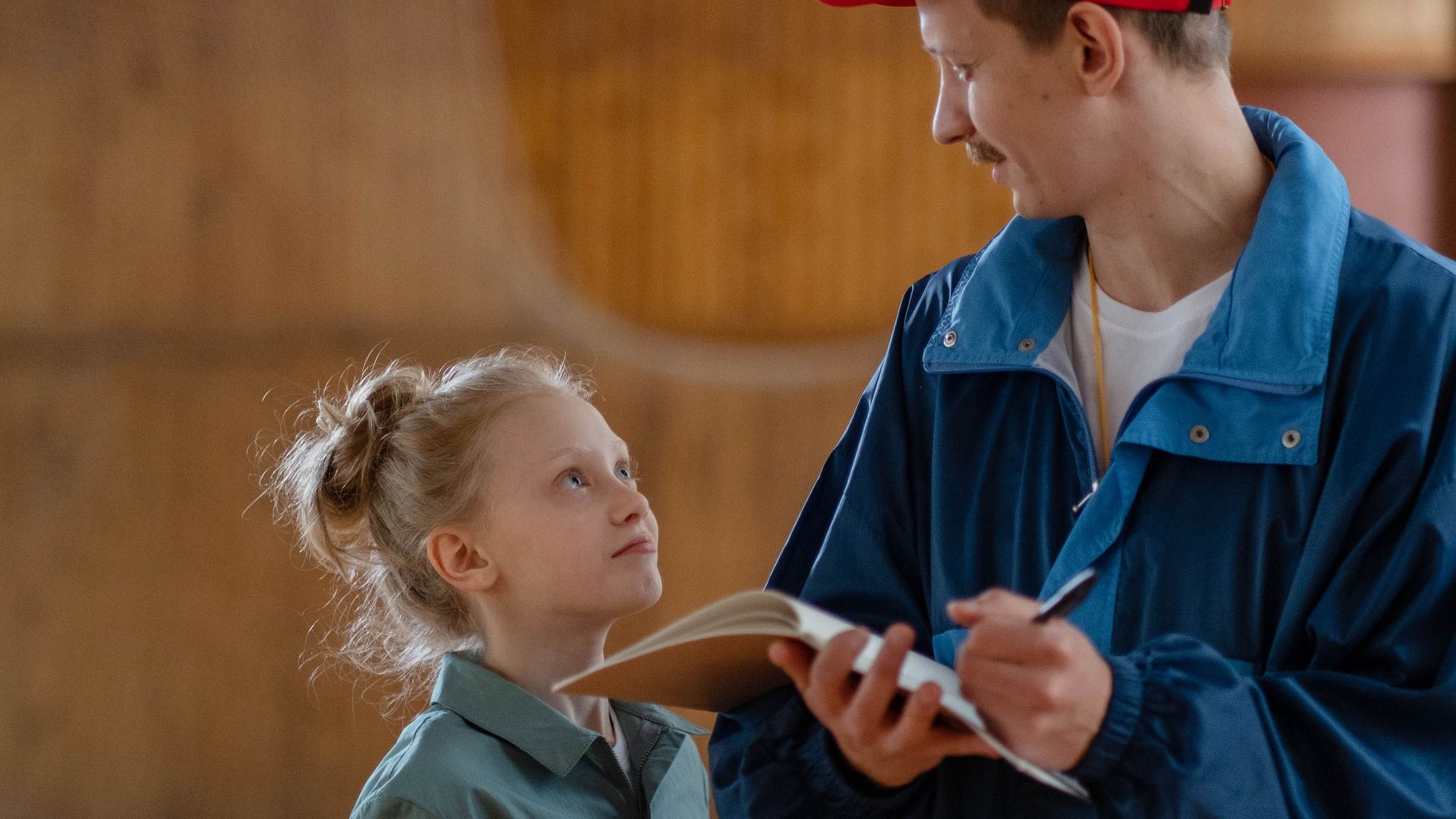
If you grew up a few decades ago, there's a good chance you got scolded for doing things that parents now actively encourage their children to try. Whether it was questioning an adult, expressing your feelings, or spending too much time on a computer, plenty of behaviors that were once considered disrespectful or unproductive are now viewed very differently. Parenting attitudes have changed a lot over the years, and things that once earned kids a stern lecture might now receive enthusiastic praise. Here are 20 things that used to get children in trouble but have since become acceptable, and sometimes even encouraged.

1. Talking Back to Adults
There was a time when disagreeing with an adult was practically guaranteed to get you sent to your room, even if you had a perfectly reasonable argument. These days, many parents encourage their children to express different opinions and explain their reasoning respectfully. What older generations often dismissed as talking back is now sometimes recognized as developing critical thinking skills and learning to stand up for yourself.
2. Questioning the Rules
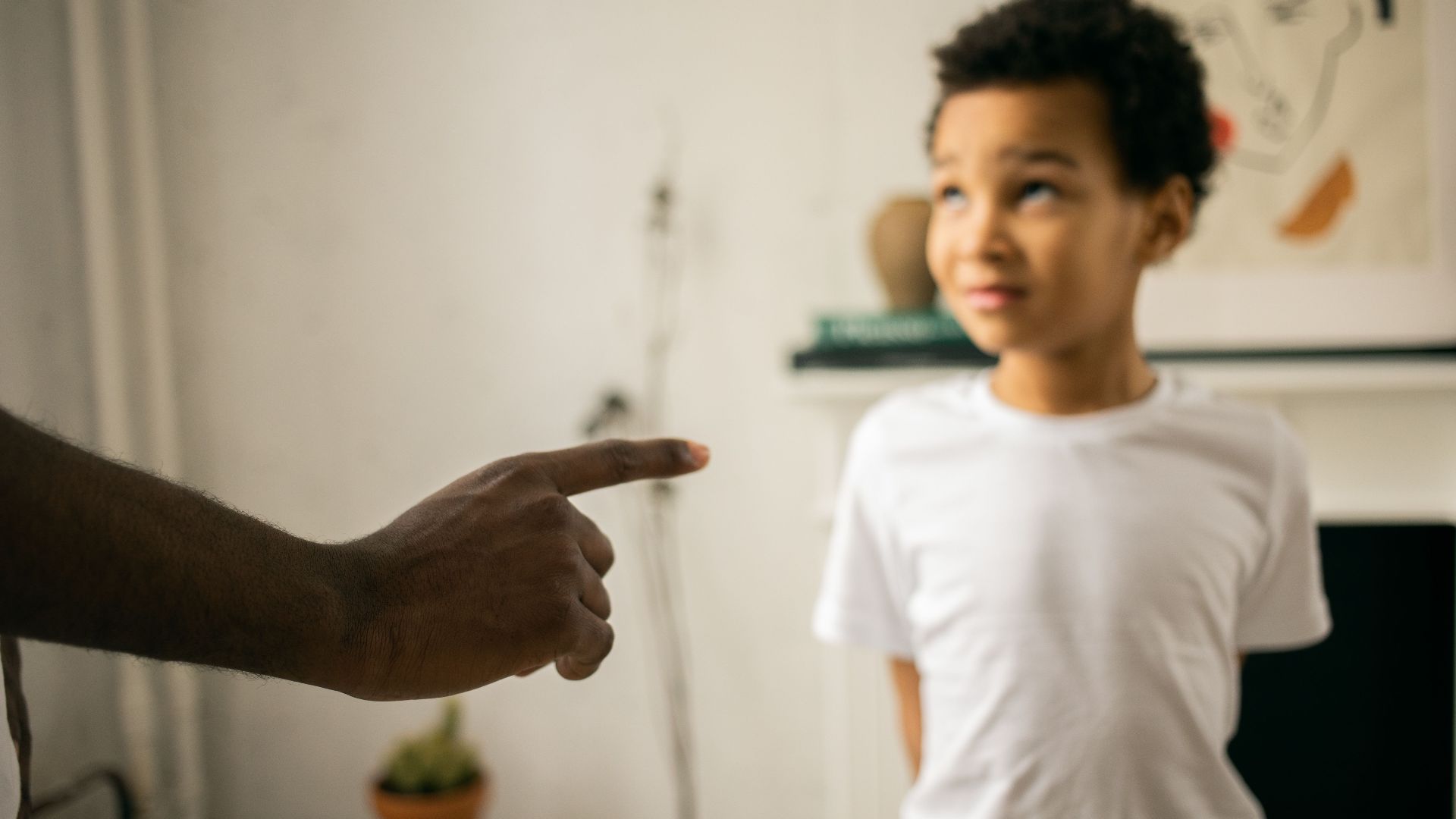
Children used to hear "because I said so" whenever they asked why a particular rule existed, and continuing to question it usually only made things worse. Nowadays, plenty of parents prefer explaining their decisions so kids can understand the reasoning behind certain expectations. Simply asking why something is necessary isn't automatically considered disobedience anymore, as long as the conversation remains respectful.

3. Saying No to Hugs & Kisses
Refusing to hug a relative at a family gathering could once result in an embarrassing lecture about manners and respect. Modern parents are increasingly teaching children that they have control over their own bodies and shouldn't feel obligated to show physical affection just to please someone else. Even Grandma might have to settle for a friendly wave these days, and there's nothing wrong with that.

4. Playing Video Games for Hours
If you spent an entire Saturday playing Nintendo in the 1990s, there's a decent chance your parents eventually ordered you to turn it off and go outside. While excessive gaming still raises concerns, many families now recognize that video games can encourage problem-solving, creativity, and social interaction. Some parents even support their children's gaming interests through coding lessons, organized competitions, and supervised online communities.

5. Expressing Anger
Getting visibly angry used to earn children instructions to calm down, stop complaining, or go to their rooms until they could behave themselves. Today, many parents make a greater effort to acknowledge their children's frustration and help them understand what's causing it. The idea isn't to encourage screaming or throwing things, but rather to teach kids that anger is a normal emotion they can learn to manage.

6. Spending Time Alone
In some households, a child who regularly retreated to their bedroom might have been accused of being antisocial or having a bad attitude. Parents are now more likely to recognize that children sometimes need privacy and quiet time, especially after a long day at school. Rather than expecting constant family participation, they might encourage their kids to pursue independent activities and learn to enjoy their own company.
 Fermin Rodriguez Penelas on Unsplash
7. Correcting Their Parents
Pointing out that Mom or Dad had made a mistake was once a pretty reliable way to find yourself in trouble for being disrespectful. However, many parents now want their children to speak up when something doesn't seem right, even if that means correcting an adult. Admitting that your child knows something you don't can also show them that making mistakes isn't something to be embarrassed about.
8. Making a Mess While Playing
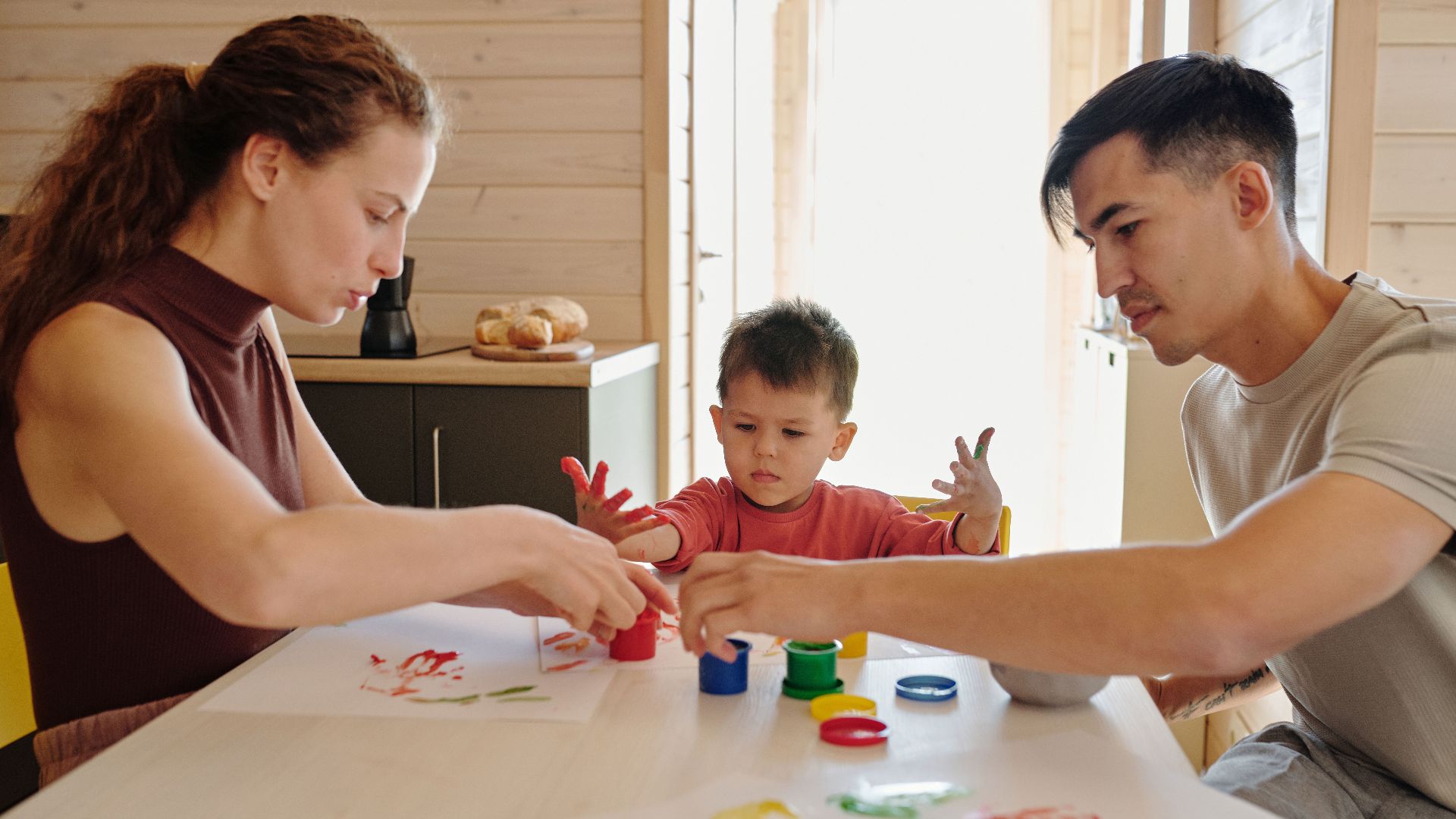
Remember being scolded for getting paint on the table, dirt on your clothes, or flour all over the kitchen? While parents still appreciate a clean house, messy play is now widely encouraged as a way for young children to explore textures, experiment, and develop motor skills. Sensory bins, finger painting, and muddy outdoor adventures have become perfectly respectable ways to spend an afternoon, even if there's a lot of cleanup afterward.
9. Talking About Their Feelings
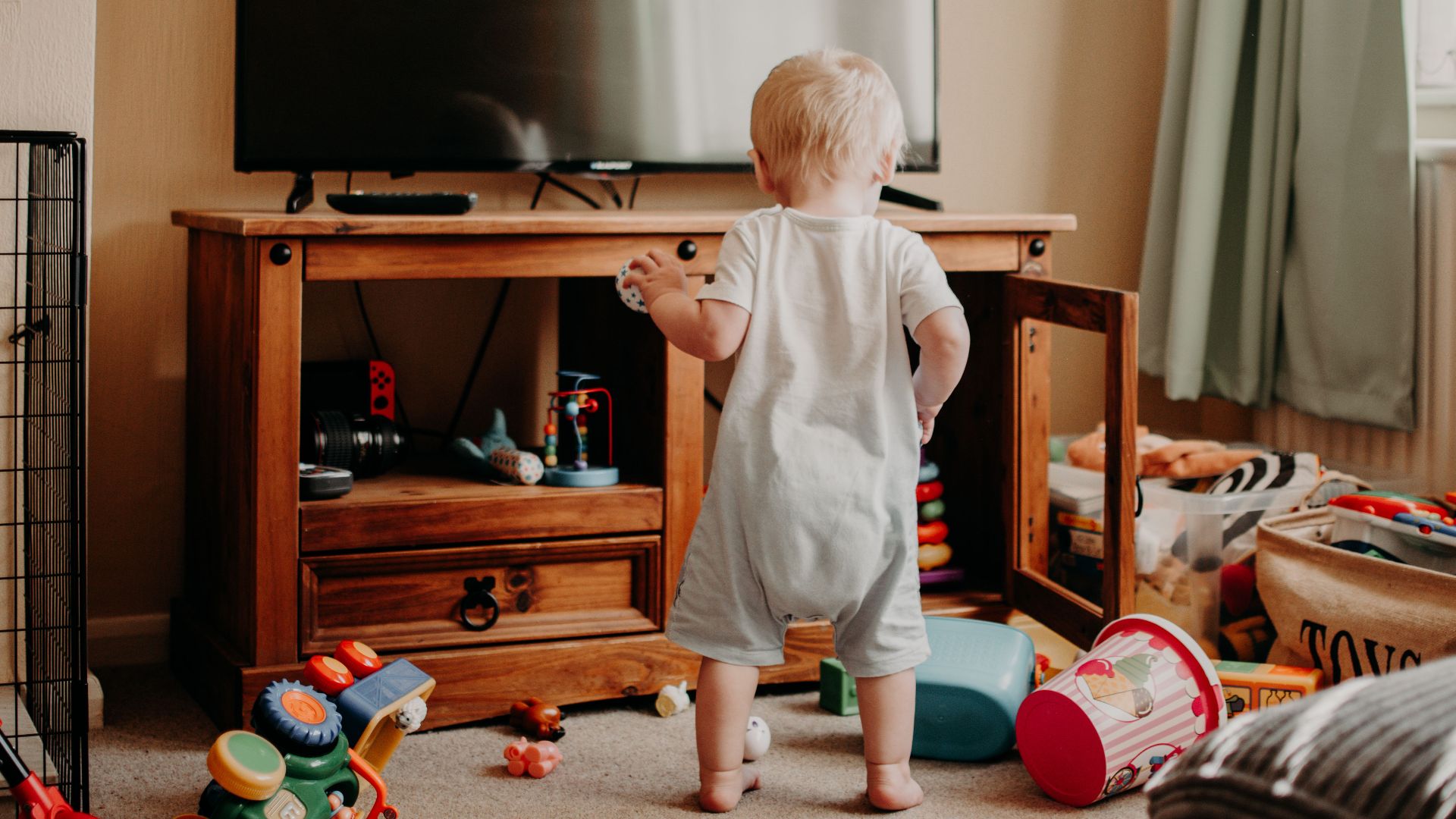
For generations, children were frequently told to stop crying, toughen up, or keep their personal problems to themselves. Modern parenting approaches place much greater importance on emotional communication, with many families encouraging kids to discuss sadness, anxiety, and disappointment openly. What might once have been dismissed as unnecessary complaining is now often seen as an opportunity to develop emotional awareness and understanding.

10. Arguing Their Point
Trying to negotiate with your parents used to be considered a sign that you didn't know when to take no for an answer. Today, some families encourage respectful debate because it helps children develop communication skills and consider different perspectives. A kid who can explain why they deserve a later bedtime might receive a genuine discussion rather than an immediate punishment, although that doesn't necessarily mean they'll get their way.

11. Spending Time on the Computer
Parents once complained endlessly about children spending too much time staring at computer screens instead of doing something more productive. These days, digital skills are increasingly valuable, and many families actively encourage kids to explore programming, graphic design, and other computer-based activities. Of course, there's still a pretty big difference between creating your first video game and watching random videos for six consecutive hours.

12. Choosing Their Own Clothes
Walking downstairs wearing mismatched socks, an unusual color combination, or an outfit your parents disliked could once lead to an immediate wardrobe correction. Nowadays, many parents encourage children to make their own clothing choices as a way of developing independence and discovering their personal style. As long as the outfit is appropriate for the weather and occasion, an eccentric fashion decision probably isn't worth starting an argument over.

13. Talking About Mental Health
Children who complained about feeling overwhelmed or anxious were sometimes accused of being dramatic, especially when adults believed they had nothing serious to worry about. Fortunately, conversations about mental health have become much more common in families, schools, and everyday life. Many parents now encourage children to recognize when they're struggling emotionally, talk about their experiences, and ask for support when they need it.

14. Saying They Don't Want to Do Something
Older parenting styles often emphasized immediate obedience, meaning children weren't generally expected to voice objections when an adult gave them instructions. Although boundaries and responsibilities still matter, many parents now encourage kids to communicate when something makes them uncomfortable. Learning to express personal limits respectfully can be particularly important when dealing with peer pressure or situations where they don't feel safe.

15. Daydreaming
Teachers and parents once criticized children for staring out the window instead of paying attention to whatever they were supposed to be doing. While staying focused remains important, daydreaming is now sometimes recognized as a natural part of imagination and creative thinking. Rather than immediately telling a distracted child to snap out of it, parents might encourage them to turn those wandering thoughts into stories, drawings, or other creative projects.

16. Challenging Traditional Gender Expectations
A boy wanting to play with dolls or a girl showing interest in toy trucks could once attract plenty of unwanted criticism from adults. Today, many parents encourage children to explore different hobbies and interests without worrying about whether they're traditionally associated with boys or girls. Whether your son enjoys ballet or your daughter wants to become a mechanic, the emphasis is increasingly on personal interests rather than outdated expectations.

17. Asking Too Many Questions
Curious children who constantly interrupted adults with questions were sometimes told to be quiet and stop bothering everyone. These days, parents are generally more inclined to encourage that curiosity, especially when it involves science, history, or figuring out how the world works. Even an endless series of questions about why the sky is blue can become a valuable learning opportunity, although it certainly helps if you've got plenty of patience.

18. Keeping a Journal
In households where privacy wasn't always respected, children could be questioned about what they were writing or accused of keeping secrets if they refused to share their notebooks. Modern parents are increasingly encouraged to respect their children's personal thoughts, and journaling is frequently recommended as a healthy way to process emotions. Having somewhere private to write about friendships, frustrations, and everyday experiences can help children better understand themselves and their feelings.

19. Spending Money on Unusual Hobbies
Collecting trading cards, buying comic books, or saving money for expensive LEGO sets could once lead to complaints about wasting money on pointless things. Although parents still need to teach responsible spending, many now recognize that hobbies can help children develop useful skills and make friends with similar interests. A child who spends their allowance on Pokémon cards might even be learning about budgeting, collecting, and making thoughtful purchasing decisions along the way.

20. Standing Up to Authority Figures
Children were once frequently taught that teachers, coaches, and other authority figures deserved unquestioning obedience simply because they were adults. Today, many parents want their kids to recognize when they're being treated unfairly and feel comfortable speaking up or asking for help. Respecting authority is still important, but children are increasingly encouraged to understand that being older doesn't automatically make someone right about everything.