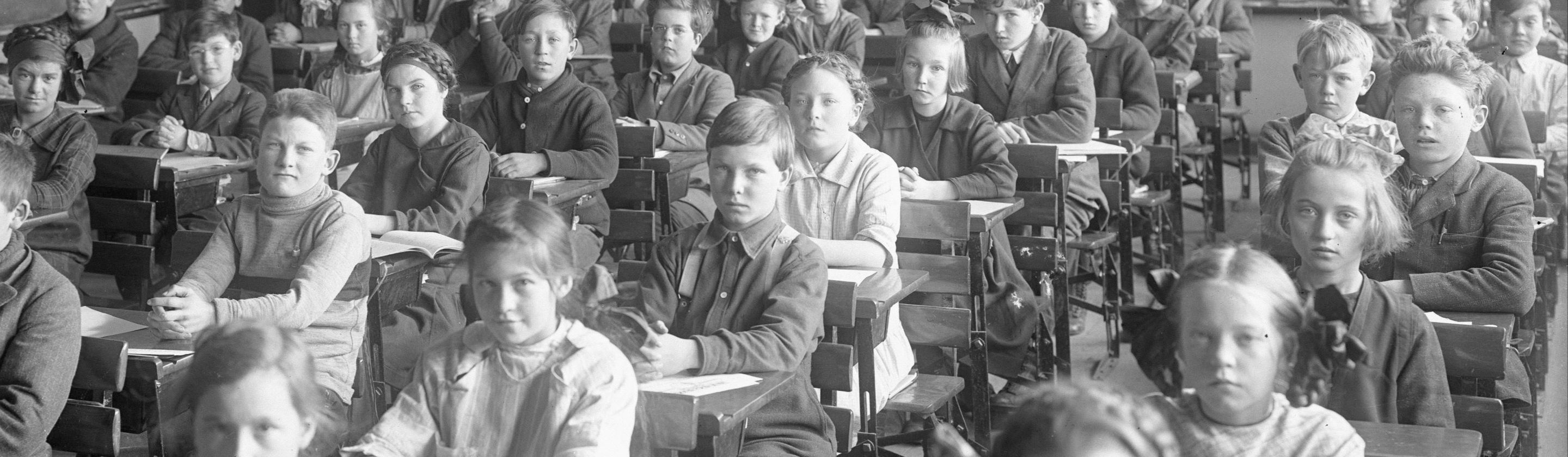
20 School Rules From the Past That Would Seem Insane Today
School Used to Be a Whole Lot Stricter
Complaining about school rules is practically a student tradition, but earlier generations dealt with restrictions that make today's dress codes and phone bans seem pretty mild. Depending on the era and location, students could be punished for speaking without permission, writing with the wrong hand, or simply dressing in a way teachers didn't approve of. Some rules reflected the social attitudes of their time, while others were supposed to teach discipline and obedience. Here are 20 old school rules that would cause an immediate uproar today.
 Boston Public Library on Unsplash
1. Speaking Without Permission Could Earn You a Punishment
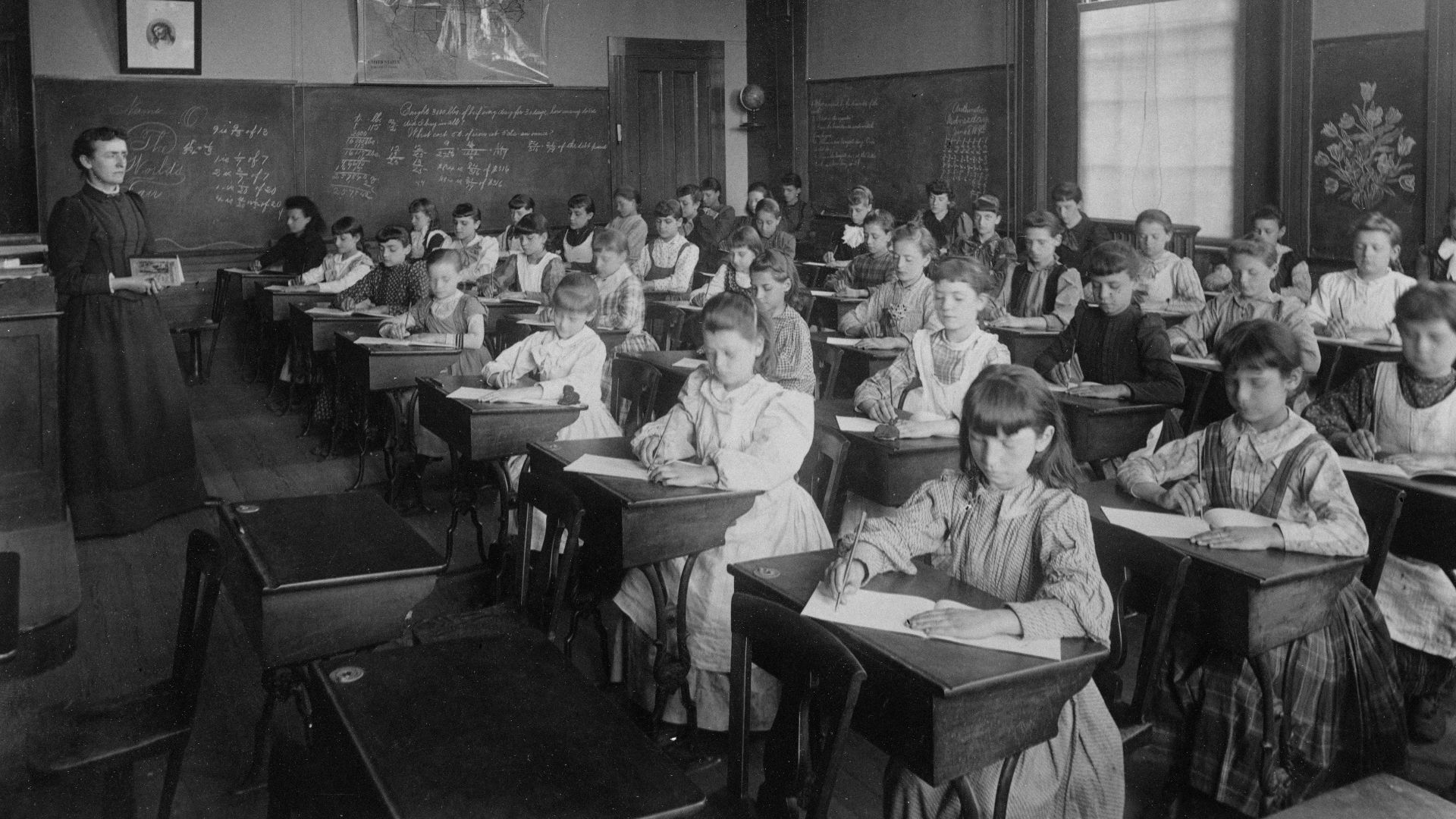
In many old-fashioned classrooms, students weren't expected to jump into a discussion whenever they had something to say. Talking without first raising your hand and getting permission could mean staying after school, writing lines, or facing another punishment. Teachers often valued silence and obedience far more than spontaneous discussion.

2. Left-Handed Students Were Forced to Write With Their Right Hand
For generations, many schools actively discouraged children from using their left hand. Teachers might repeatedly correct them, move pencils into their right hand, or even physically stop them from writing in the way that felt natural. Left-handedness was sometimes associated with poor manners, bad habits, or old superstitions. Today, forcing a child to switch their dominant hand would seem downright medieval.

3. Corporal Punishment Was Considered Normal
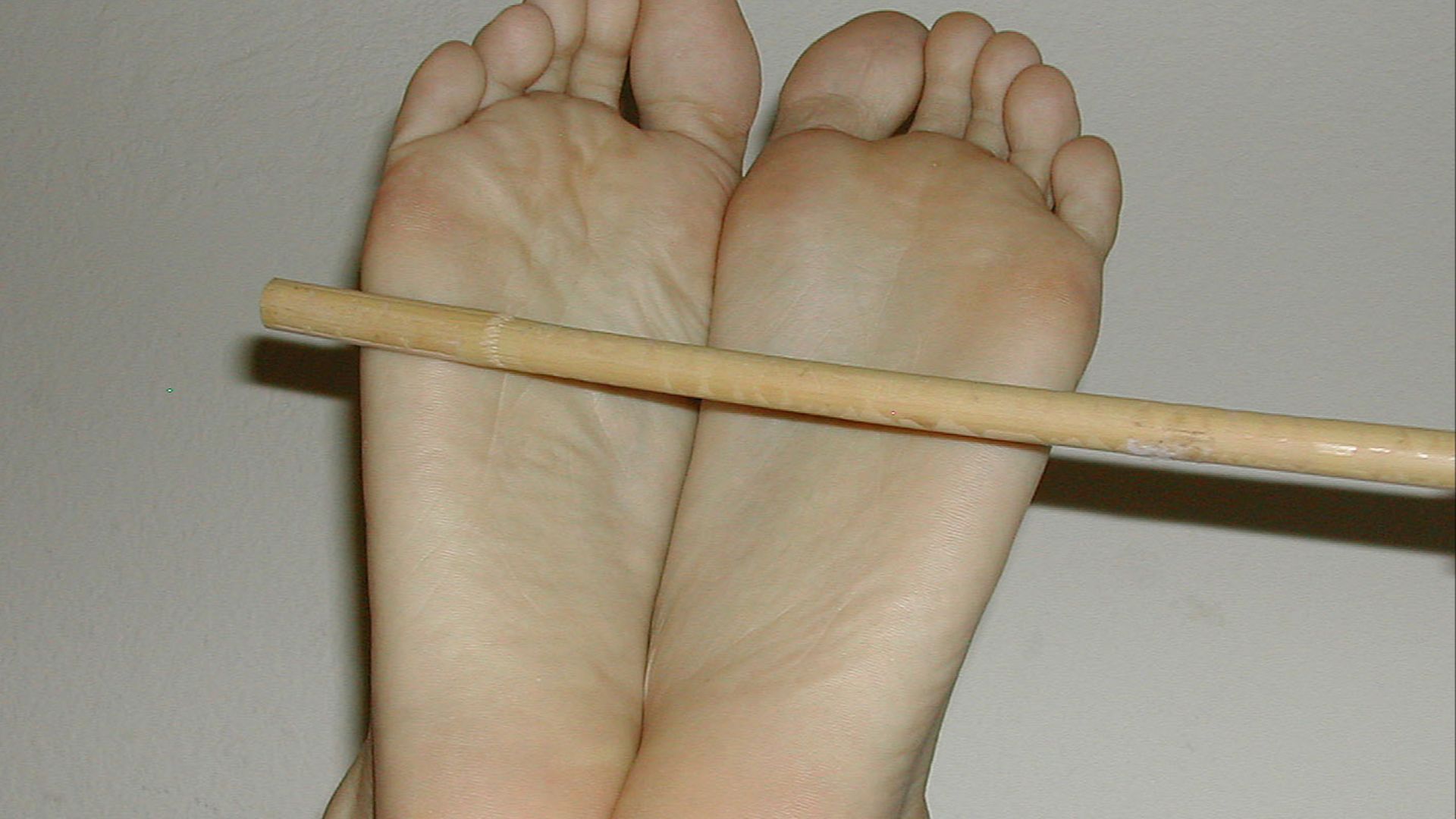
Getting in trouble at school once meant more than missing recess in many places. Teachers and principals could use paddles, rulers, straps, or other forms of physical punishment to discipline students. Parents often knew about the practice and, depending on the era, may have accepted it as a normal part of school life.
4. Girls Could Be Required to Wear Skirts or Dresses
For much of the 20th century, many schools had very firm ideas about what girls were supposed to wear. Pants might be forbidden entirely, even during cold weather, because dresses and skirts were considered more appropriate for female students. Dress codes could also regulate skirt length, stockings, shoes, and plenty of other details. Showing up in jeans wasn't always the harmless fashion choice it would be in most schools today.

5. Boys Could Be Punished for Having Long Hair
A boy's haircut once had the potential to turn into a surprisingly serious school issue. Particularly during the 1960s and 1970s, some schools enforced rules requiring boys' hair to stay above the ears or collar. Students occasionally challenged these restrictions in court as longer hairstyles became a bigger part of youth culture. Being sent home just because your hair touched your collar sounds pretty extreme now.

6. Students Had to Stand When the Teacher Entered
Respect for teachers wasn't merely encouraged in many schools. It came with a specific set of behaviors students were expected to follow every day. Entire classes might stand when the teacher entered the room and remain on their feet until they were given permission to sit. Forgetting the routine could make you seem disrespectful even if you'd done absolutely nothing else wrong.

7. Teachers Could Inspect Students' Hands & Fingernails
Personal cleanliness sometimes became an official part of classroom discipline. Teachers could check whether students had clean hands, trimmed nails, brushed hair, and tidy clothing before lessons even started. Children who failed the inspection might be embarrassed in front of classmates or sent away to clean themselves up. A surprise fingernail check would probably get some pretty interesting reactions from students today.

8. Bad Handwriting Could Mean Rewriting Everything
Penmanship wasn't simply about making assignments readable. Schools often treated neat handwriting as an important sign of discipline and education, with entire lessons devoted to forming letters correctly. Sloppy work could be handed back even when every answer was right. Students who now type most of their assignments would've had a serious adjustment to make.
9. Married Students Could Be Forced to Leave School
Getting married while still in school once carried consequences that had very little to do with academics. Some districts barred married students from attending regular classes because officials viewed marriage as incompatible with student life. Pregnant students faced similar or even harsher restrictions. Policies like these could effectively end someone's education simply because their personal life didn't match what administrators considered acceptable.

10. Pregnant Students Could Be Expelled
Pregnancy was often treated as a disciplinary or moral issue rather than simply part of a student's private life. Schools sometimes pressured pregnant teenagers to leave, transferred them to separate programs, or prevented them from returning altogether. Making it more difficult for a pregnant woman to finish school usually just exacerbated an already difficult situation. Meanwhile, the male student involved usually didn't face the same consequences.

11. Boys & Girls Could Be Separated for Everyday Activities
Schools once divided students by gender much more often than most do today. Boys and girls might sit in separate areas, enter through different doors, take different classes, or even use different parts of the playground. The assumption was that they needed different kinds of education and supervision. Even the most ordinary parts of the school day could come with a boys' side and a girls' side.
 C'Pho Ngondo R.Rouge on Pexels
12. Girls Were Sometimes Taught Domestic Skills Instead of Academic Subjects
A girl's school schedule could look noticeably different from a boy's because schools often assumed they were being prepared for completely different futures. Female students might spend a significant amount of classroom time learning sewing, cooking, housekeeping, and other domestic skills. Boys were more likely to be directed toward shop classes, mechanical work, or technical subjects. Students had far less freedom to ignore those expectations and simply choose the subjects they were actually interested in.

13. Students Could Be Punished for Speaking Their Native Language
Some schools, particularly those serving Indigenous, immigrant, or minority-language communities, demanded that students speak only the dominant language. Children could face punishment for using their own language even while talking among themselves. These policies went far beyond ordinary classroom management and could deliberately pressure students to distance themselves from their culture and identity. It's one of the darker examples of how school rules were sometimes used as tools of assimilation.

14. Memorization Could Matter More Than Understanding
Students were often expected to memorize huge amounts of material word for word. Poems, speeches, historical dates, multiplication tables, and textbook passages might all need to be recited perfectly in front of the class. Forgetting a line could hurt your grade even if you clearly understood the subject. Today's greater emphasis on analysis and critical thinking would've felt very different in classrooms centered so heavily on recitation.

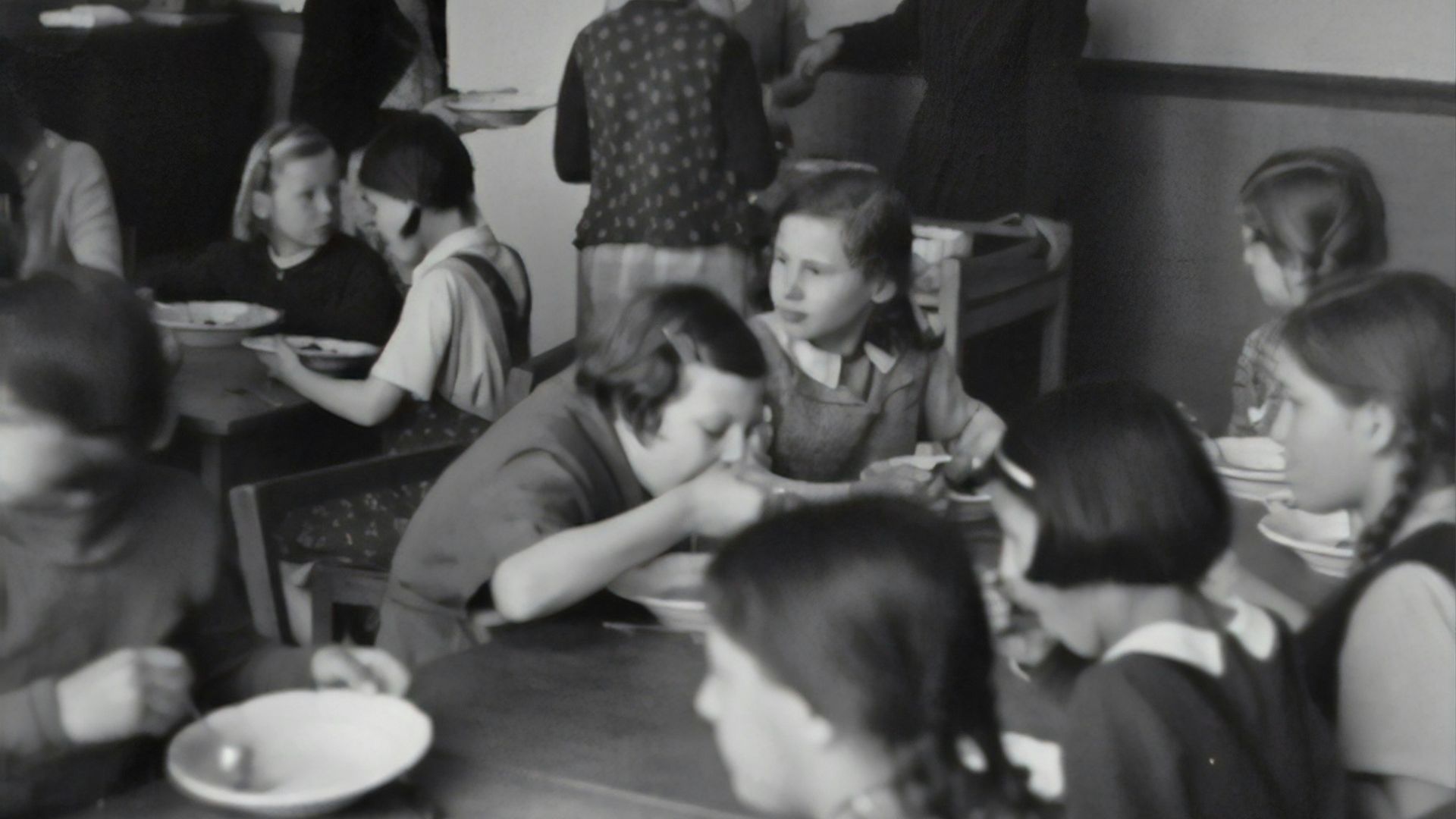
15. Talking During Lunch Could Be Forbidden
Lunch wasn't always the social break it is today. Some schools expected children to eat quietly, and teachers or monitors could enforce periods of complete silence in cafeterias. The goal was usually to keep order when large numbers of students were gathered in one place.
 Austrian National Library on Unsplash
16. Gum Chewing Could Bring a Surprisingly Serious Punishment
Chewing gum has annoyed teachers for generations, but some schools treated it as much more than a minor classroom nuisance. Students caught chewing could receive detention, write lines, or even face corporal punishment under especially strict disciplinary systems. Administrators worried about gum ending up under desks, distracting students, and encouraging poor manners. That's a surprising amount of trouble over something that cost a few cents at the corner store.

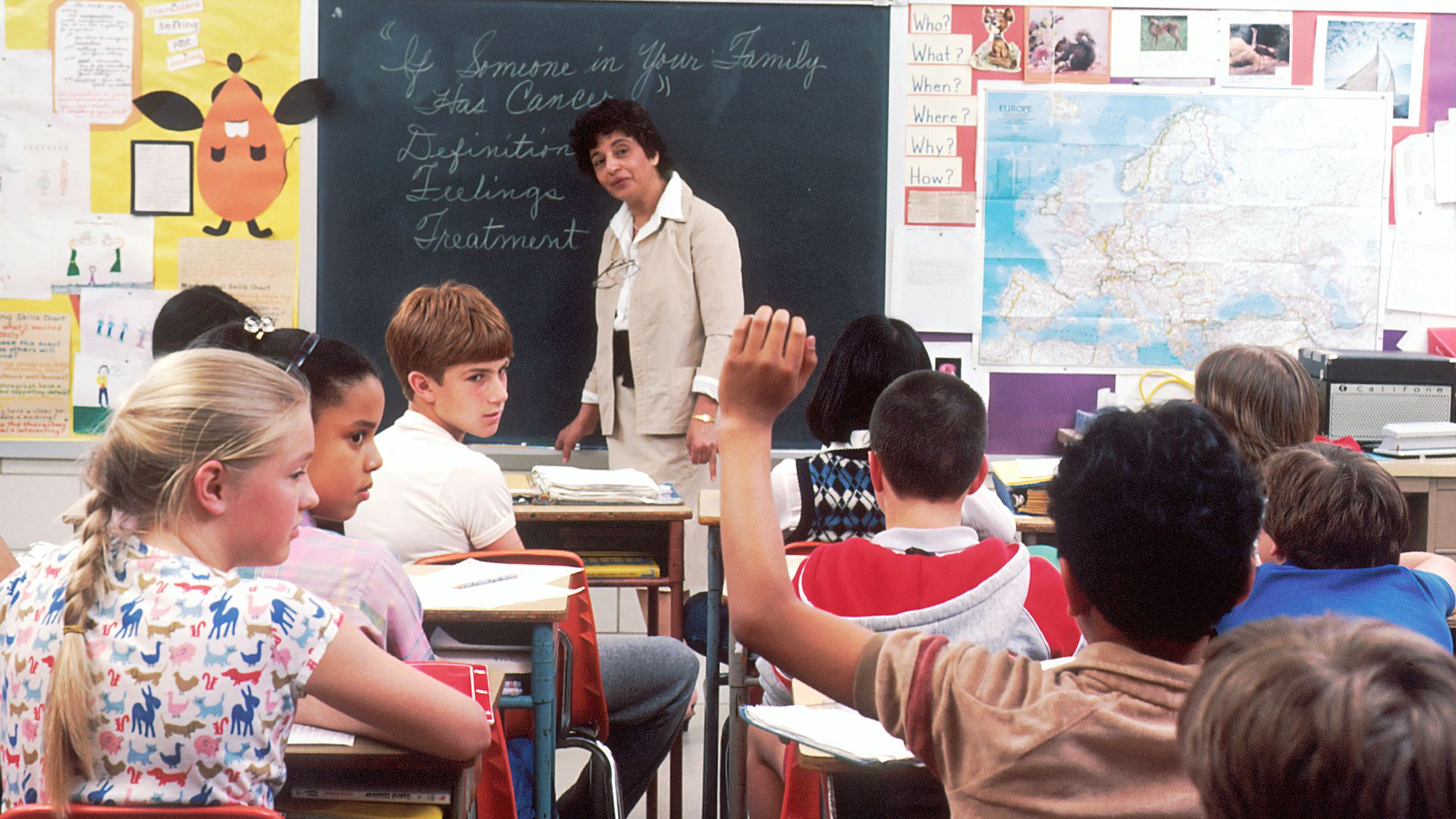
17. Students Could Be Required to Address Teachers by Formal Titles
Today it's quite commonplace, and many teachers actually prefer it, but calling a teacher by a casual nickname would've been unthinkable in many earlier classrooms. Students were expected to use formal titles such as "Sir," "Ma'am," "Mr.," or "Miss," and failing to do so could be taken as deliberate disrespect. Some schools also expected pupils to answer questions with equally formal responses rather than tossing out a quick "yeah." The relationship between teacher and student was meant to feel clearly hierarchical.
 National Cancer Institute on Unsplash
18. Uniform Violations Could Be Measured With a Ruler
Dress codes weren't always enforced with a quick glance from a teacher. Some schools reportedly measured skirt lengths or checked exactly how far clothing sat above the knee to decide whether a student had broken the rules. Socks, ties, shirts, shoes, and even the number of buttons left undone could also be regulated. Having an adult approach you with a ruler because your skirt looked slightly too short would definitely get attention today.

19. Students Could Lose Recess for Poor Academic Performance
Recess wasn't always viewed as an important chance for children to move around and reset between lessons. Teachers could keep students inside to finish incomplete work, practice handwriting, or repeat material they'd gotten wrong. That meant a child who was already struggling academically might lose the very break that could help them return to class feeling more focused. Plenty of schools still occasionally restrict recess, but attitudes toward its developmental importance have changed quite a bit.

20. Detention Could Mean Writing the Same Sentence Hundreds of Times
The classic punishment of writing lines wasn't just something invented for cartoons. Students really could be ordered to copy a sentence such as "I will not talk in class" again and again after breaking a rule. There wasn't necessarily much of an educational lesson involved beyond making the experience tedious enough that you wouldn't want to repeat the offense. By the hundredth identical sentence, though, the message was probably pretty hard to miss.