
Country Living Comes With Its Own Rules
If you've only ever known city life, visiting a rural home can introduce you to a few weird culture shocks. Things that seem perfectly normal to country homeowners, like keeping emergency water or having several pairs of boots by the door, will likely leave urban visitors scratching their heads. But even if these rules seem weird, they all serve a purpose, and we’re here to break down 20 you should familiarize yourself with!

1. Keeping a Second Freezer in the Garage
Having one fridge isn't enough for rural households—let alone only one freezer. When you’re out in the country, life isn’t as easy as a weekly trip to the grocery store, so families usually buy stuff in bulk, freeze it, or stock up when prices are particularly good. If you’re more accustomed to restaurants on every block, it can seem excessive!

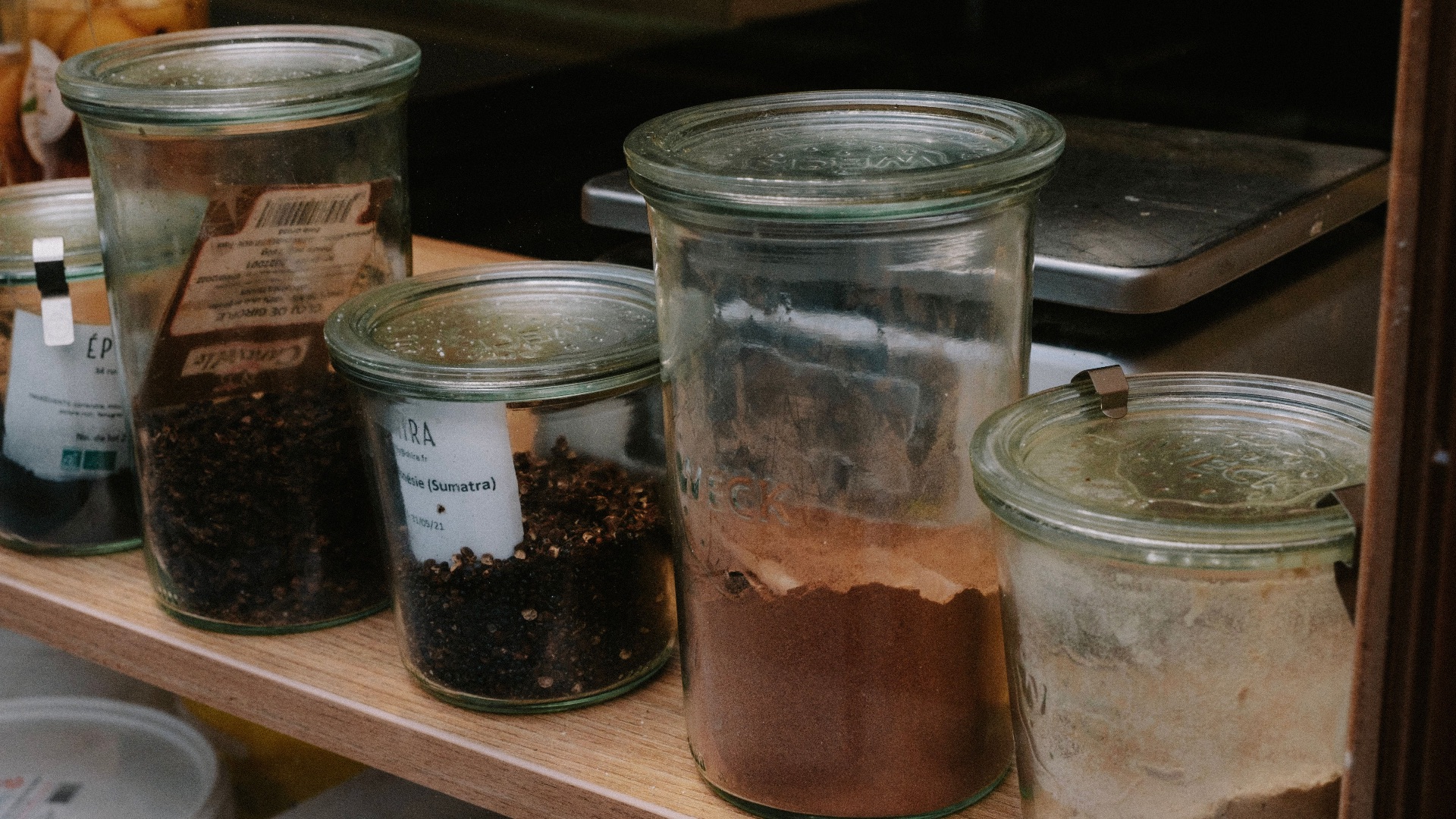
2. Saving Almost Every Glass Jar
Before you throw away that empty pickle jar, you might want to ask whether that rural homeowner has plans for it. Country households love reusing glass containers to store screws, dried beans, homemade preserves, and even just herbs from their garden. What looks like an unnecessary collection of old jars can actually be a surprisingly organized storage system.
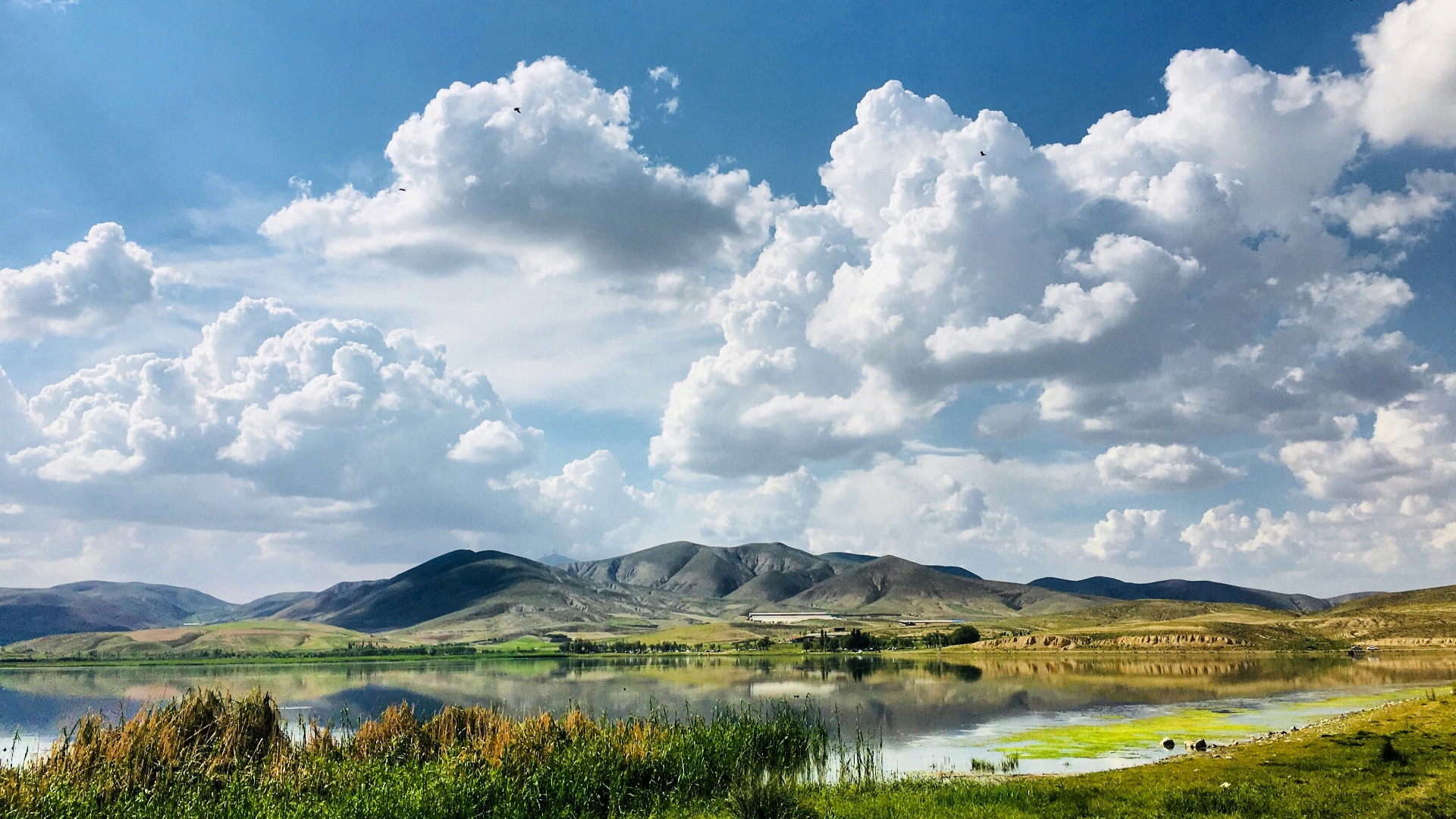
3. Checking the Weather Before Doing Anything
City residents casually consult the forecast, but rural homeowners take things further. Rain, wind, and freezing temperatures can determine when someone mows their lawn, cuts firewood, or schedules outdoor repairs. It can also make all the difference between whether or not you should venture into town.
4. Owning Several Pairs of Work Boots
You might find three or four pairs of shoes near the entrance to a country home—and each has a different purpose. Rubber boots are useful for muddy fields, insulated footwear tackles all those pesky winter chores, and sturdy leather pairs protect you during outdoor projects. It might seem crazy, but nobody wants to track manure or soil across spic and span floors.

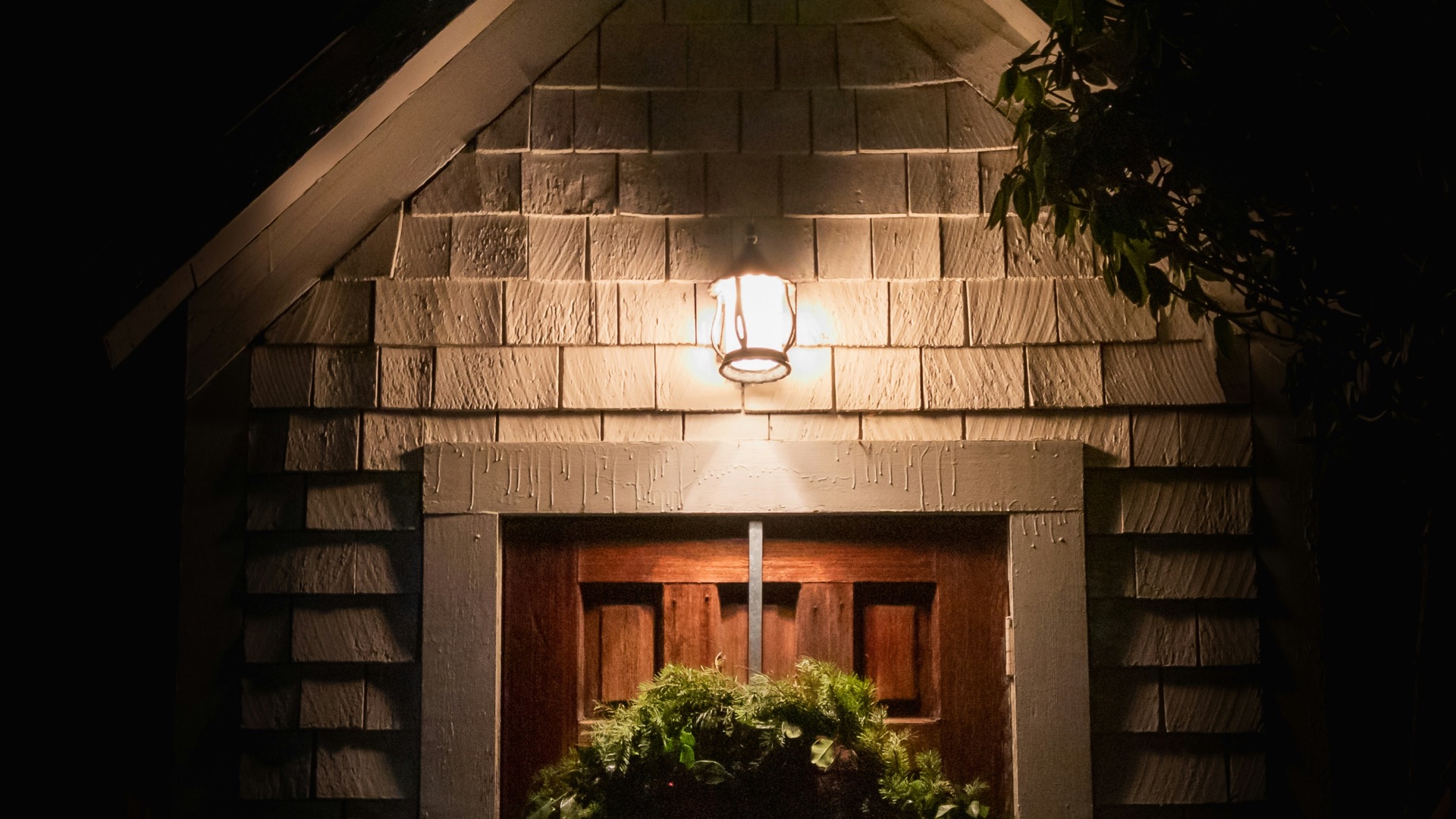
5. Leaving the Porch Light Off at Night
While urban homeowners appreciate bright lights on their porch, people in the countryside usually flick theirs off after sunset. Without nearby streetlights, you don’t have to worry about city pollution ruining a perfectly beautiful night beneath the stars. But do you know what ruins that? Porch lights.
6. Keeping a Flashlight in Every Room
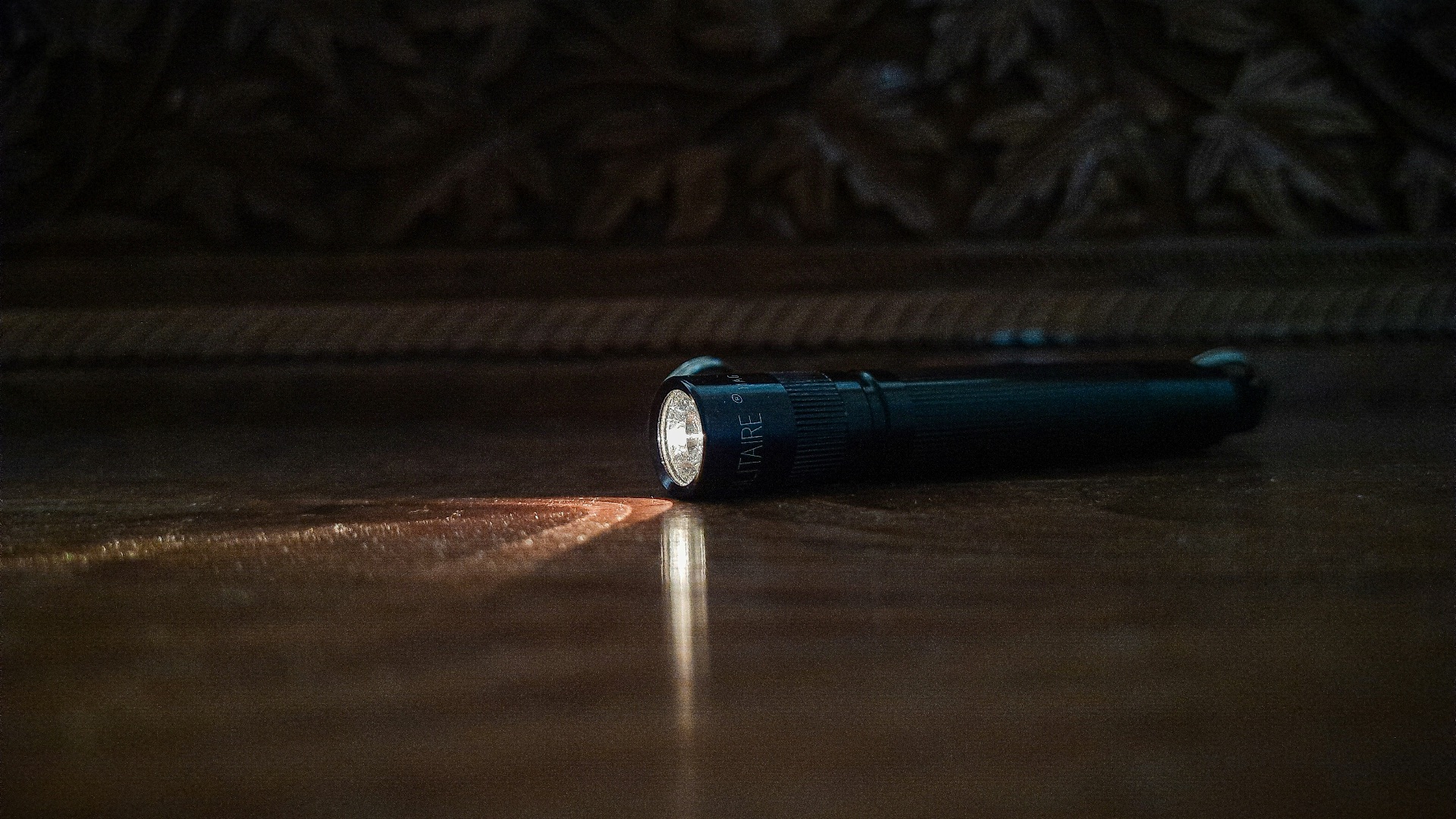
Power outages are a lot more inconvenient when you live in the middle of nowhere. You not only have to deal with limited infrastructure, but you have potentially lengthy repair times, too. That's why rural folk leave flashlights in every spot they frequent.
7. Having a Dedicated Mudroom
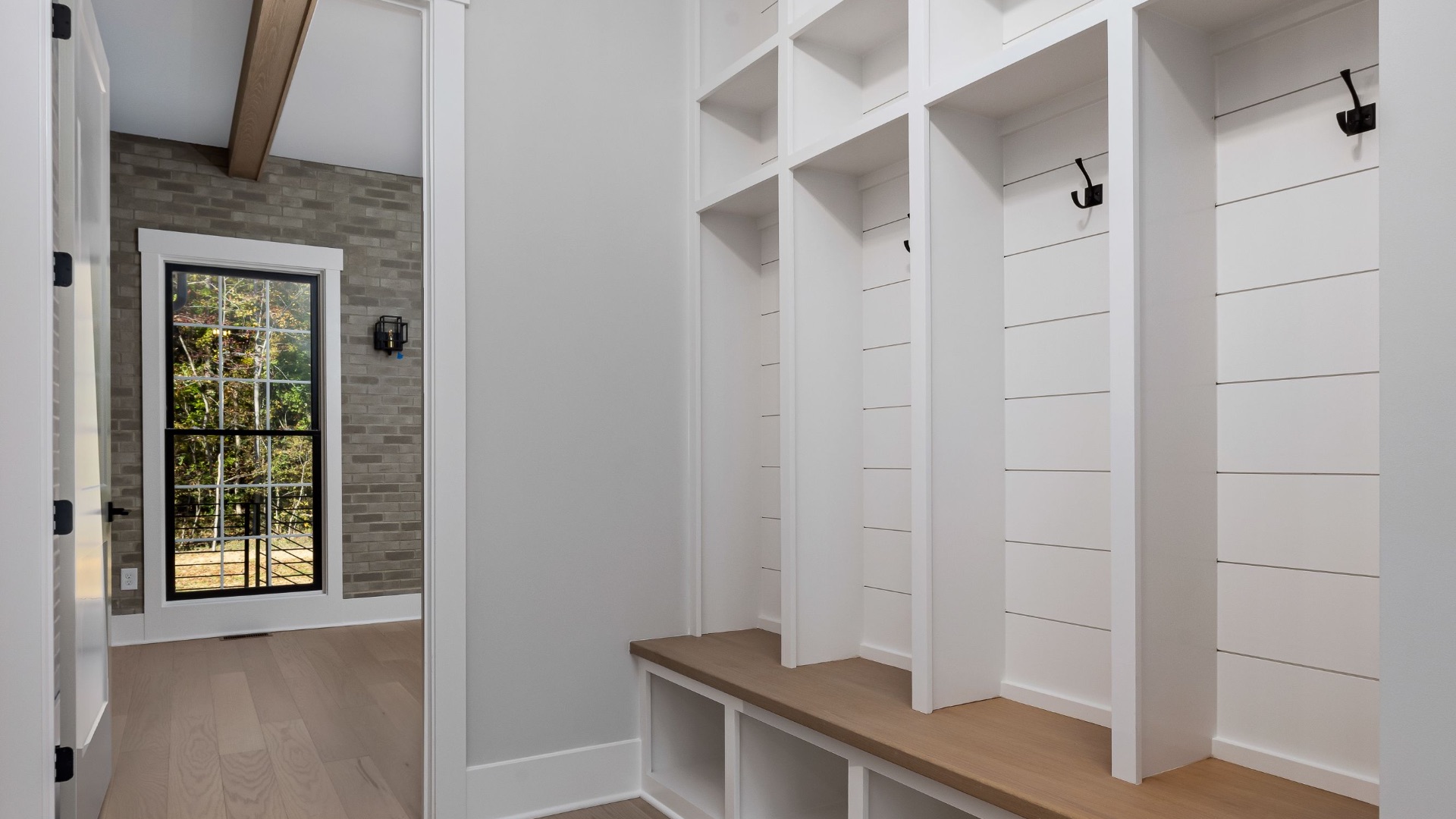
City people probably haven’t even heard of a mudroom! But they do, in fact, exist, and rural homes have an entire space designed to collect dirt. Coats, wet clothing, gardening gloves, and filthy footwear can all be removed before anyone enters the main living area. Bet you wish you had one now.
8. Collecting Rainwater in Barrels
Those enormous barrels beneath the gutters? They aren't decorative. Homeowners sometimes collect rainfall to water flower beds and vegetable gardens, especially during dry periods when outdoor water use becomes expensive or restricted. Depending on local regulations, a properly maintained rainwater collection system can actually be a smart investment.

9. Keeping Chickens in the Backyard
Imagine visiting someone's home and finding out that breakfast came from just outside. Backyard chickens may have their odors, but they also provide fresh eggs! Okay, yes, owners need to handle feeding, cleaning, and protecting the flock from predators, but that’s not for you to worry about.

10. Storing Firewood Inside the House
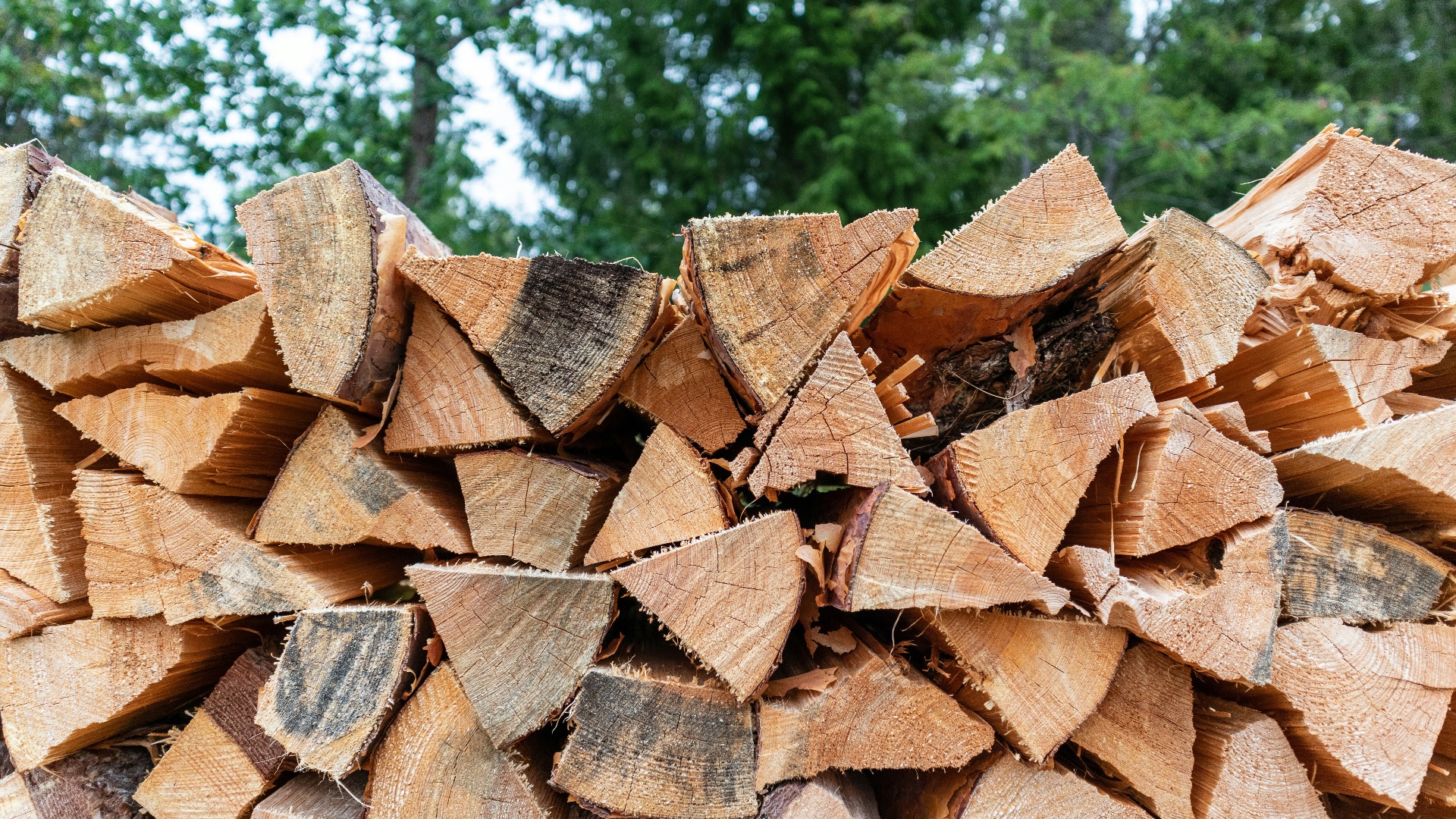
A neatly stacked collection of logs belongs in every rural house, and country mice are the first people to sing their praises. More often than not, wood-burning stoves are a primary or at least supplementary heating source, making a readily available indoor supply of wood very useful in the winter.
11. Emergency Drinking Water
You'll sometimes see several large containers of water stored in a rural basement, even when the household has functional plumbing. Why is that, though? Well, for homes relying on private wells, they may lose access to running water when outages disable their pumps. Keeping a supply handy ensures that a temporary interruption doesn't become a serious inconvenience.

12. Hanging Laundry Outside
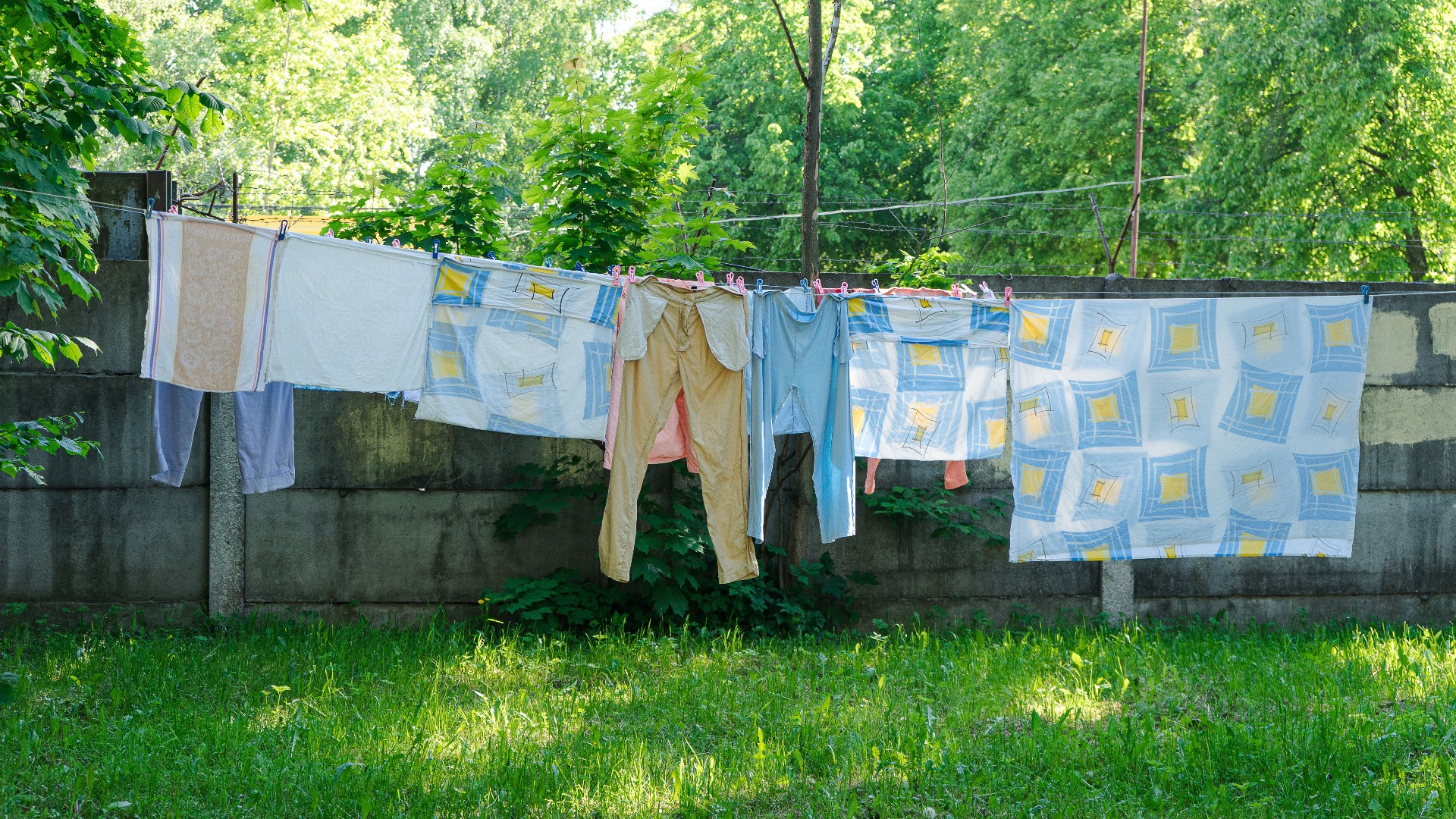
Dryers are convenient, but nothing freshens your clothes better than a gentle breeze. With enough yard space and favorable weather, sheets, towels, and clothing can dry naturally without using all that electricity. If you’re more accustomed to apartment laundry rooms, you’ll definitely be surprised by just how much washing fits on a long backyard line.
13. Having a Drawer Full of Random Hardware
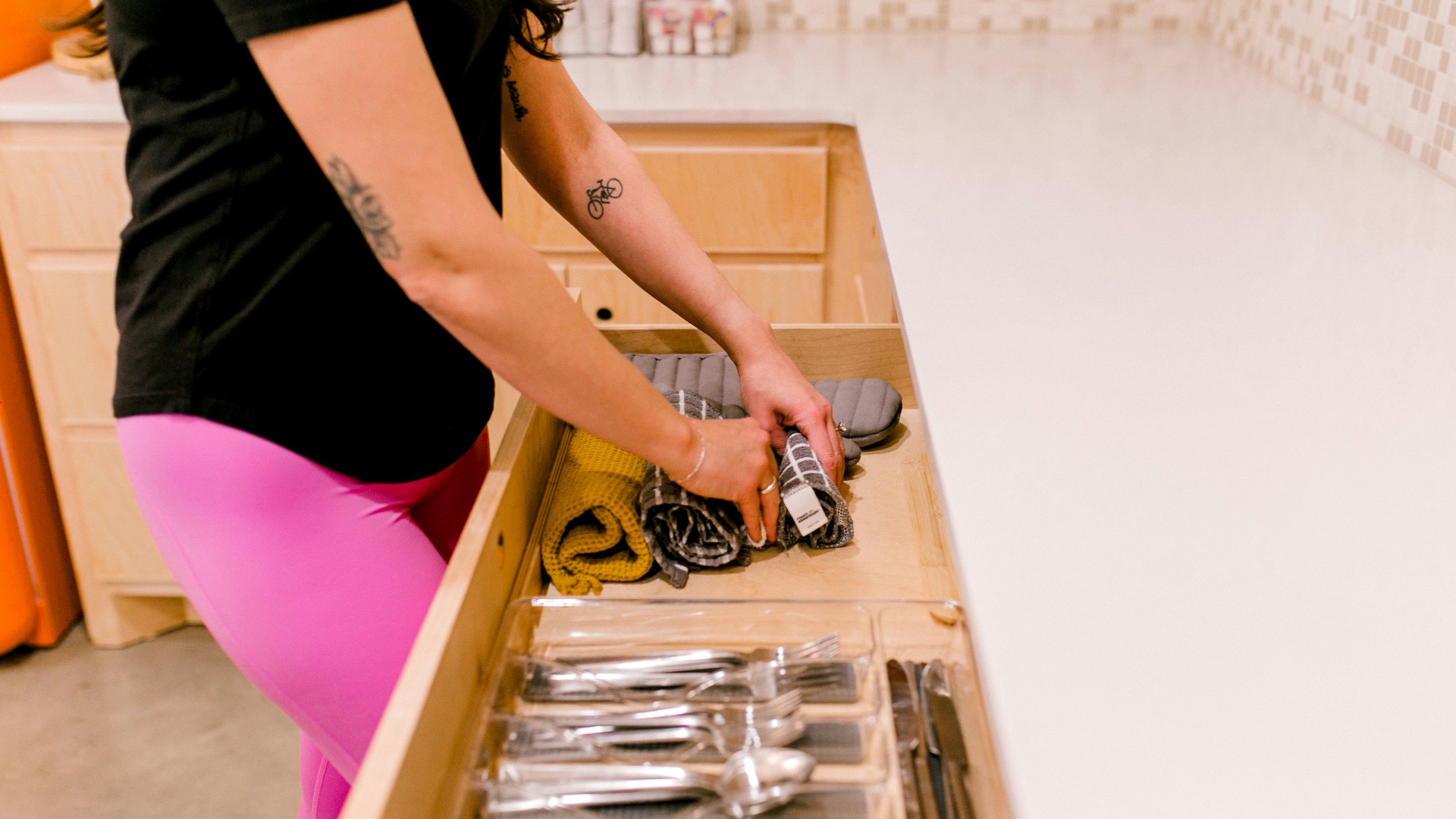
Somewhere in country homes, there's a drawer with mysterious metal. Think of it as a very specific junk drawer! Rather than discarding every leftover component after completing a repair, homeowners save useful pieces for future maintenance projects.
14. Keeping an Eye on the Propane Tank
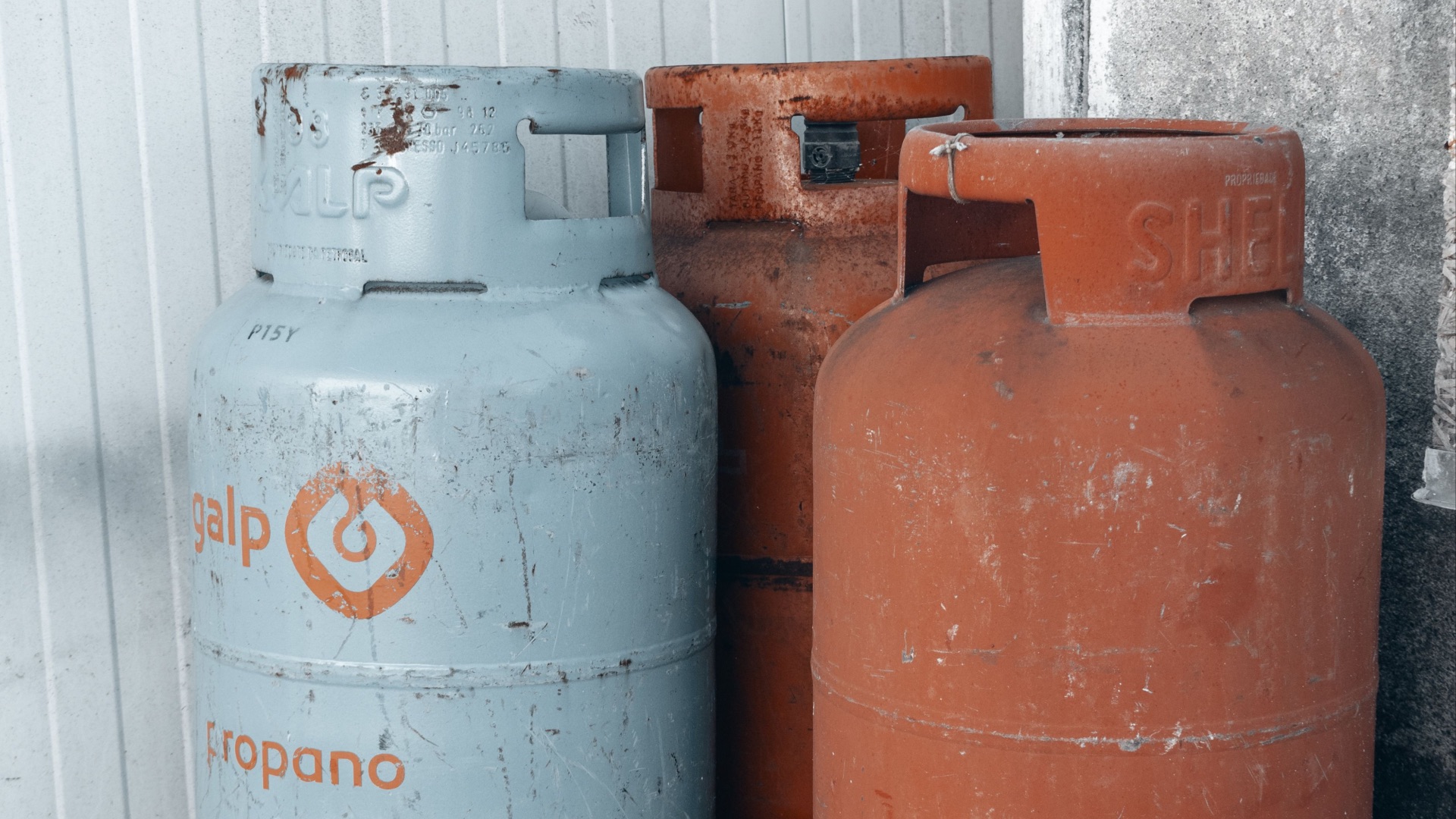
People connected to municipal gas rarely think about how much fuel is actually available for heating. Rural households using propane, however, regularly check their tank gauges. Running out during a cold stretch isn't really an option when the nearest supplier needs time to schedule another delivery.
15. Homemade Signs
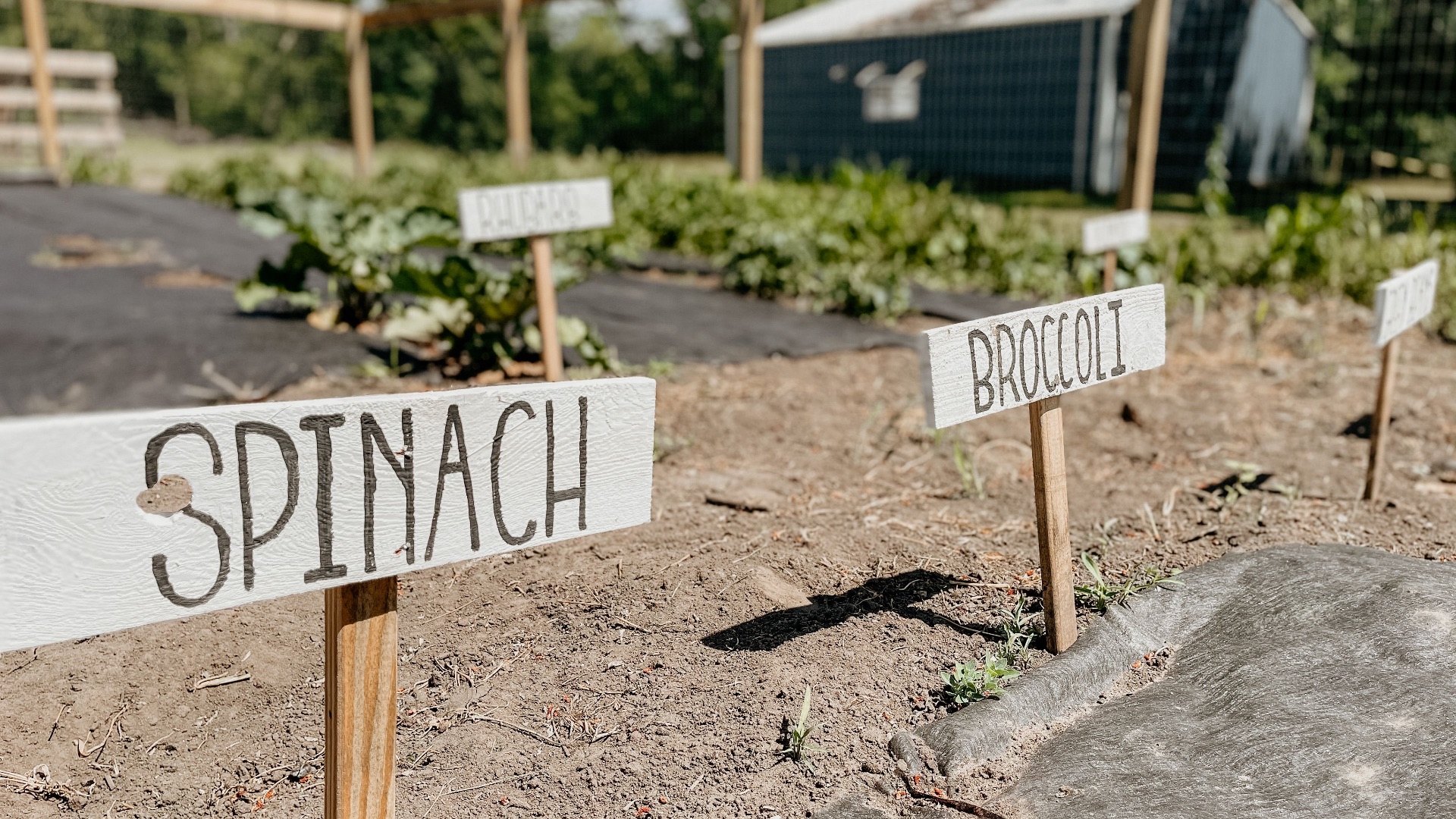
Country homes are usually packed with handmade signs warning you about electric fences, livestock gates, or dogs on the property. Unlike apartment building notices, rural signs address very specific conditions. A reminder to close the gate might seem weird until someone explains how easily livestock can break free.
16. Maintaining a Compost Pile
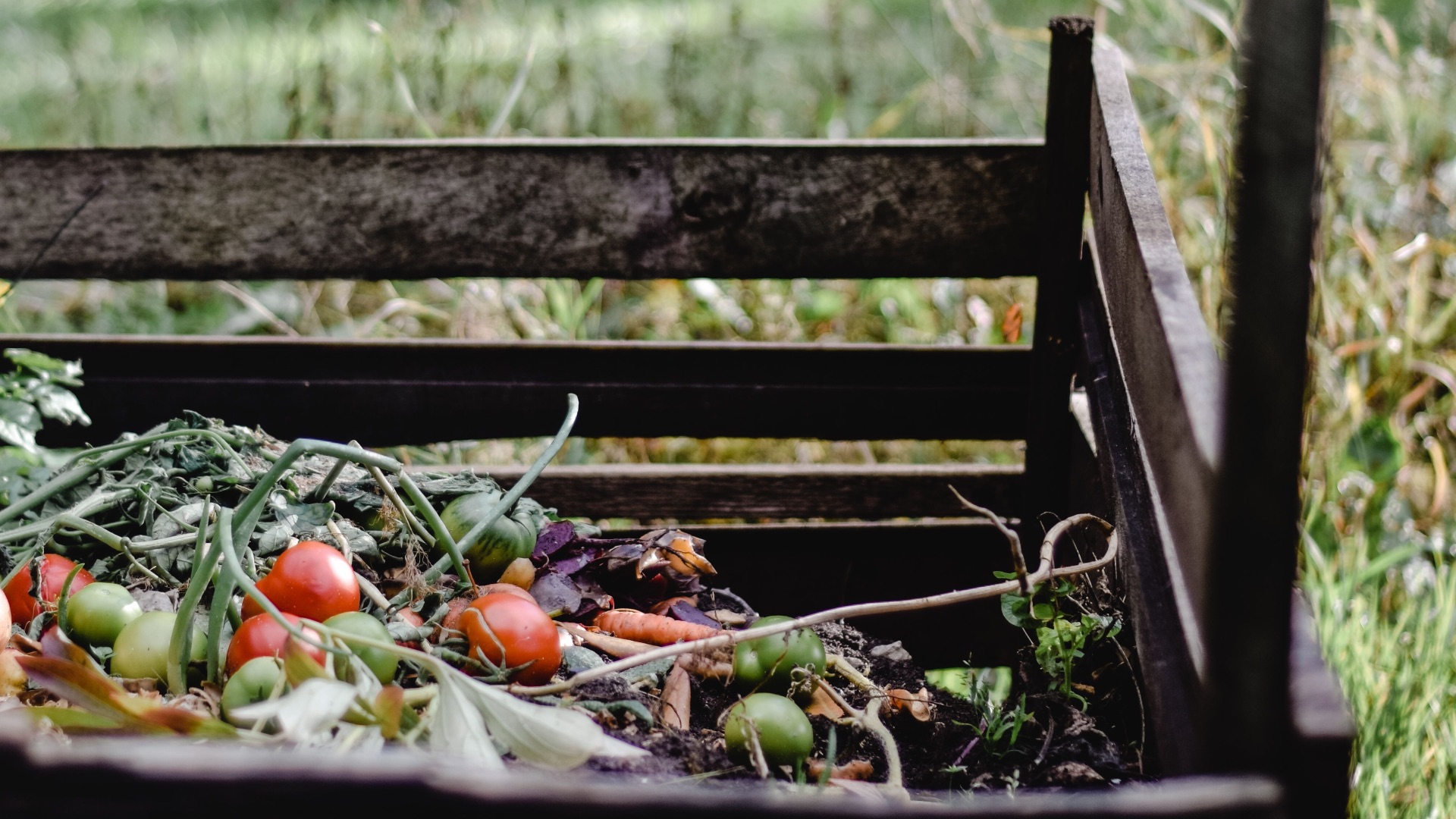
Instead of sending every vegetable peel to the garbage, rural gardeners usually have their own compost systems. It’s smelly work, but properly managed piles turn suitable scraps into compost that can actually enrich soil. Even though it’s useful, don’t be surprised if city mice look at you weirdly.
17. Using the Garage For Everything But Parking
You’ll rarely spot an actual vehicle inside a rural garage, especially when there's plenty of space in the driveway. No, country garages are for workbenches, lawn equipment, and gardening supplies! It’s not through a lack of organization, either. Homeowners with frequent outdoor projects value the storage and workspace more than covered parking.
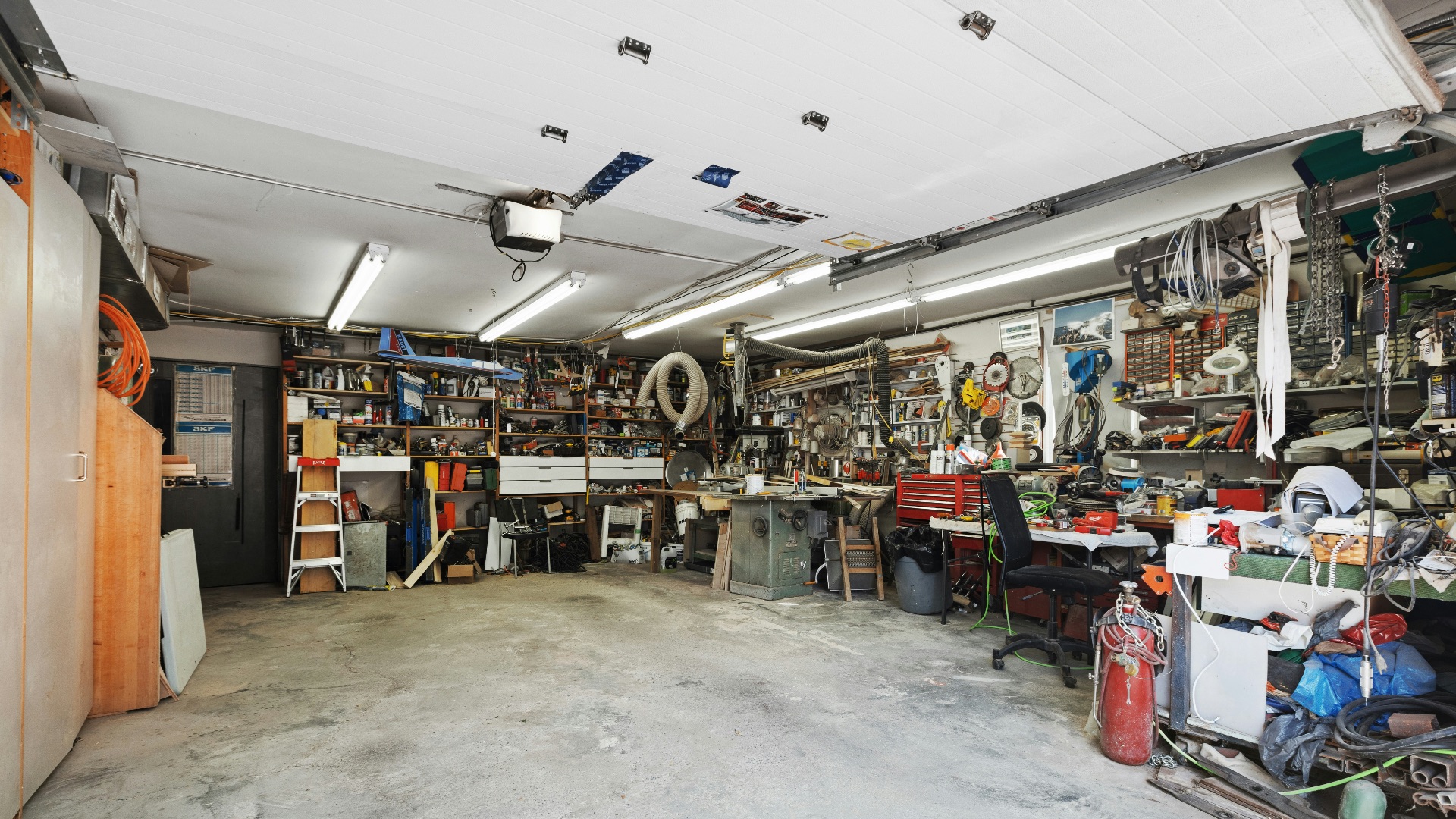 Point3D Commercial Imaging Ltd. on Unsplash
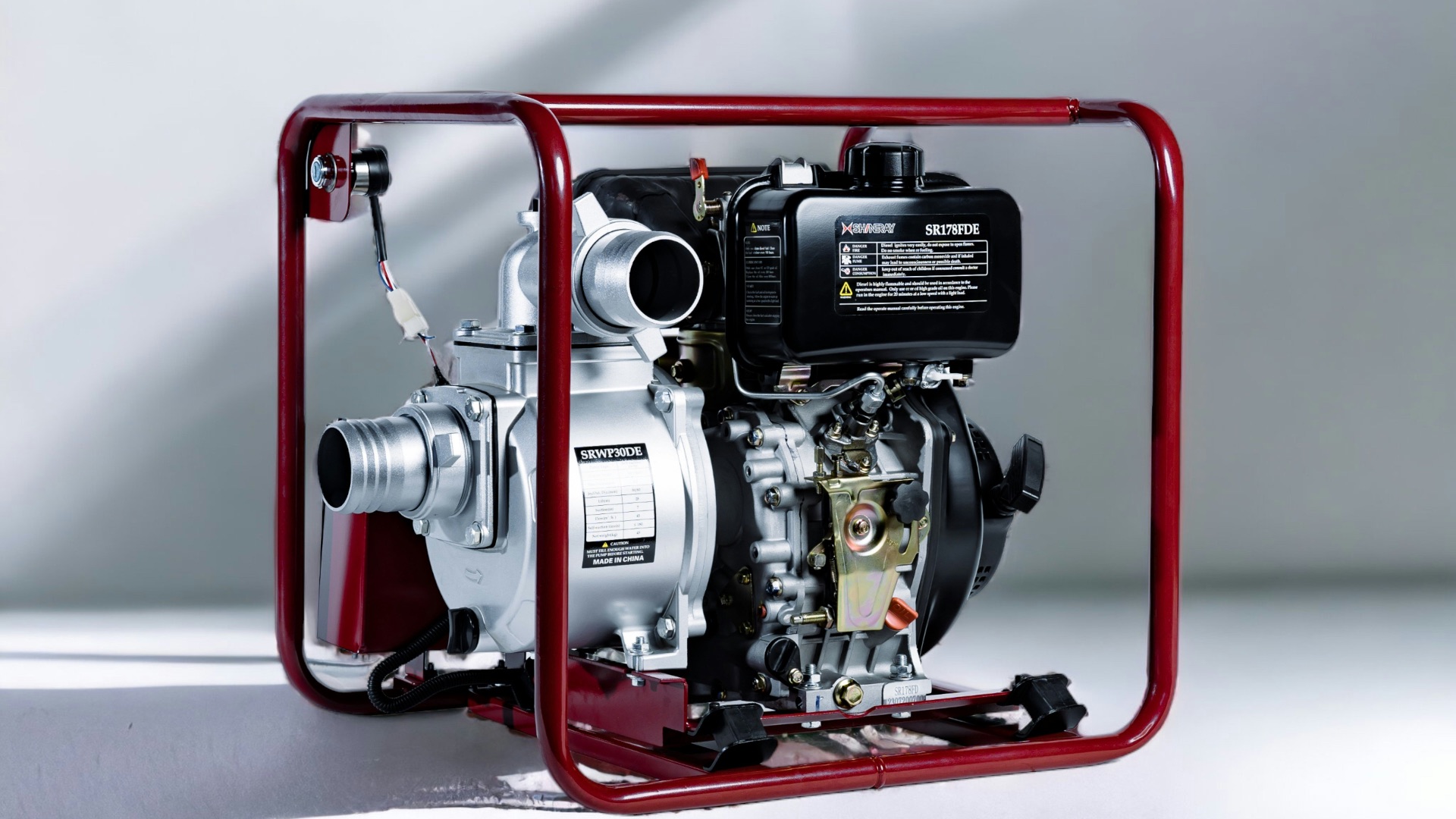
18. Keeping a Generator For Emergencies
A portable generator might seem like an extravagant purchase to someone who rarely experiences an electricity outage. But for country residents? Having one is sometimes a matter of life and death. Don’t forget that backup power can operate essential equipment, particularly sump pumps, refrigerators, or well pumps during emergencies.
19. Having Separate Indoor Shoes
Don’t be too shocked if you’re asked to remove your shoes when you visit—everyone else is wearing another pair around the house anyway. Dedicated indoor footwear helps keep dirt from spreading across floors, and it's especially useful when the driveway is gravel. Those yards absolutely get too muddy after every rainfall.

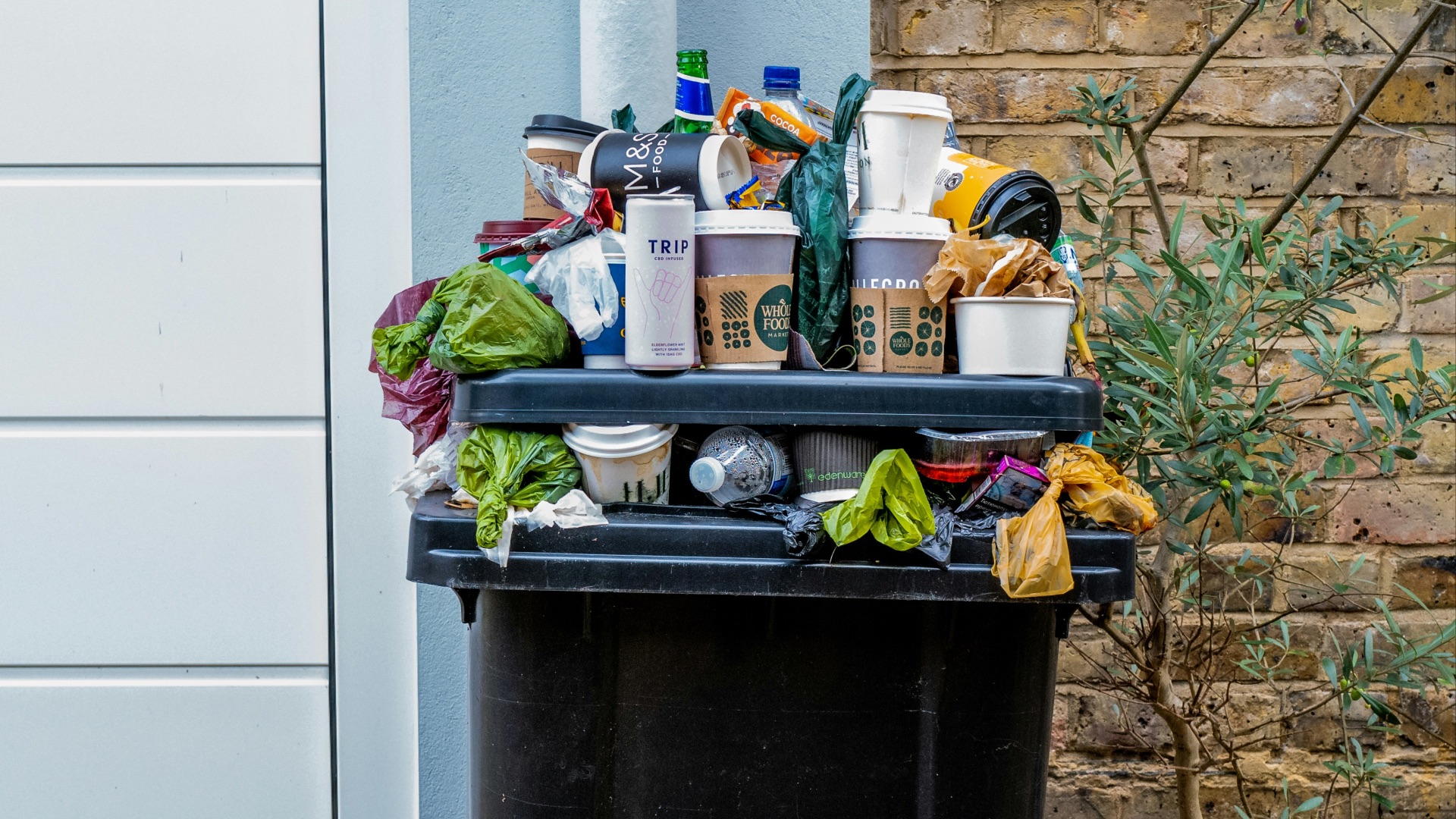
20. Tracking Trash Collection Dates
In the city, garbage disposal is as simple as carrying a bag to a shared dumpster. But some rural properties have scheduled collection with very specific requirements. Others depend on residents taking household waste to designated stations. Bottom line: missing collection day can mean storing your trash longer than expected.