

A Little Brainpower in Your Back Pocket
Some people spend their free time watching TV or doomscrolling, but what if some hobbies actually bettered your brain, not rotted it? Certain pastimes naturally appeal to curious minds that enjoy solving problems and understanding how things work, neither of which are bad skills to have in today’s day and age. From familiar favorites to surprisingly unusual activities, these 20 hobbies offer plenty of opportunities to put your brainpower to good use.

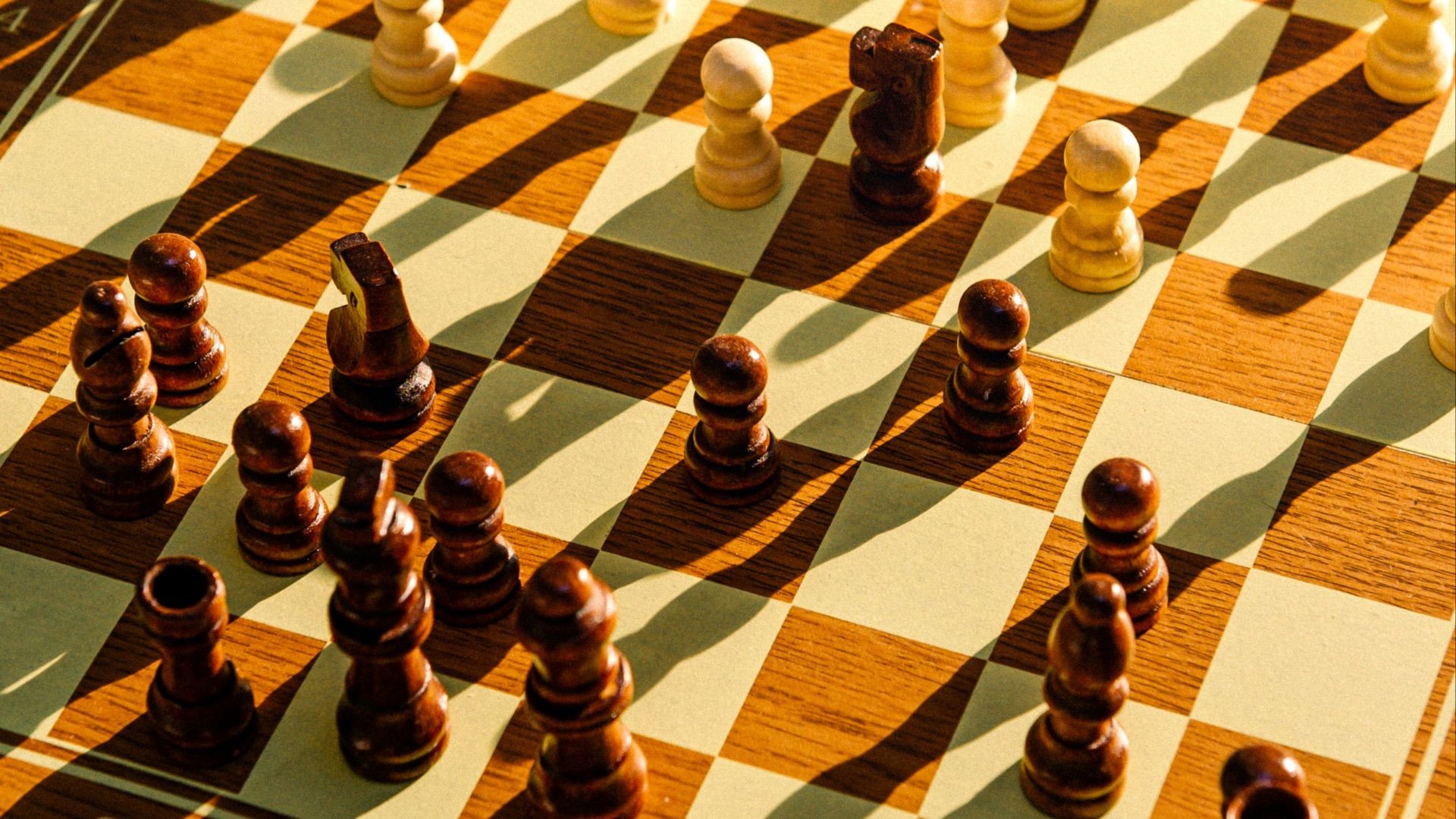
1. Playing Chess
Chess enthusiasts love a challenge, and they get it every time with this time-consumer. It’s all about strategizing, thinking several moves ahead while anticipating your opponent's strategy. There's also something satisfying about winning a game thanks to your brain and not to sheer luck.
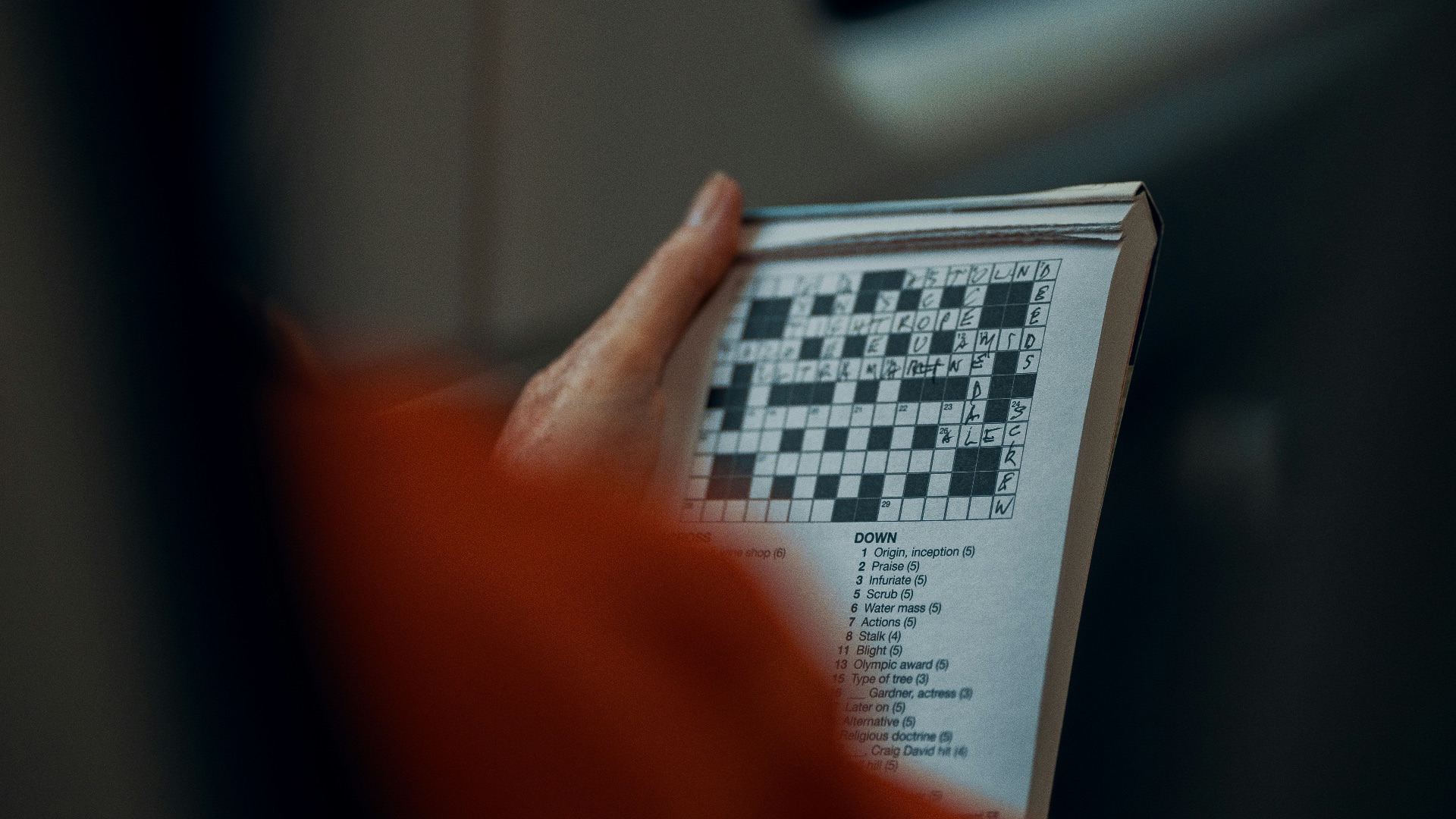
2. Solving Cryptic Crosswords
Regular crossword puzzles are challenging enough, but have you ever tried your hand at cryptic crosswords? If you’re looking to up your game, these introduce an entirely different level of difficulty. They use clever wordplay, hidden meanings, and unusual clues that demand a little more creativity to decipher.
3. Learning Dead Languages
Don’t get us wrong; there’s nothing wrong with learning Spanish or French, but not everyone wants something practical. Some people prefer the old stuff! There’s merit in it, too—understanding dead languages allows you to explore historical documents, classical literature, and the origins of modern vocabulary. It's a demanding pursuit, but it’s good for your brain.
 Gabriella Clare Marino on Unsplash
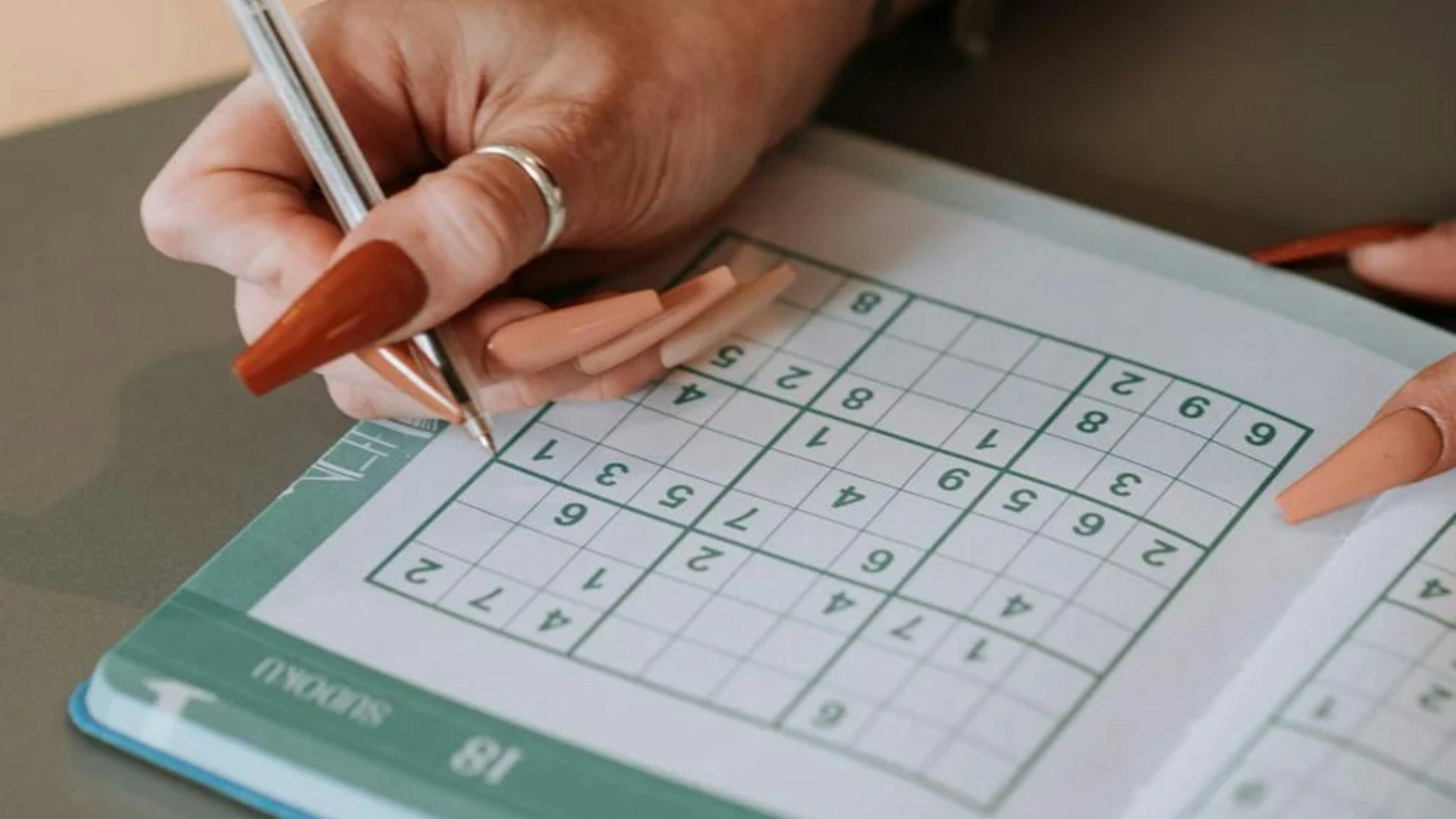
4. Playing Sudoku
Sudoku might look simple at first, but that’s only to people who have never played! Real players know that advanced puzzles require concentration and logic above all else. They also use techniques, not random guesses, to solve puzzles.
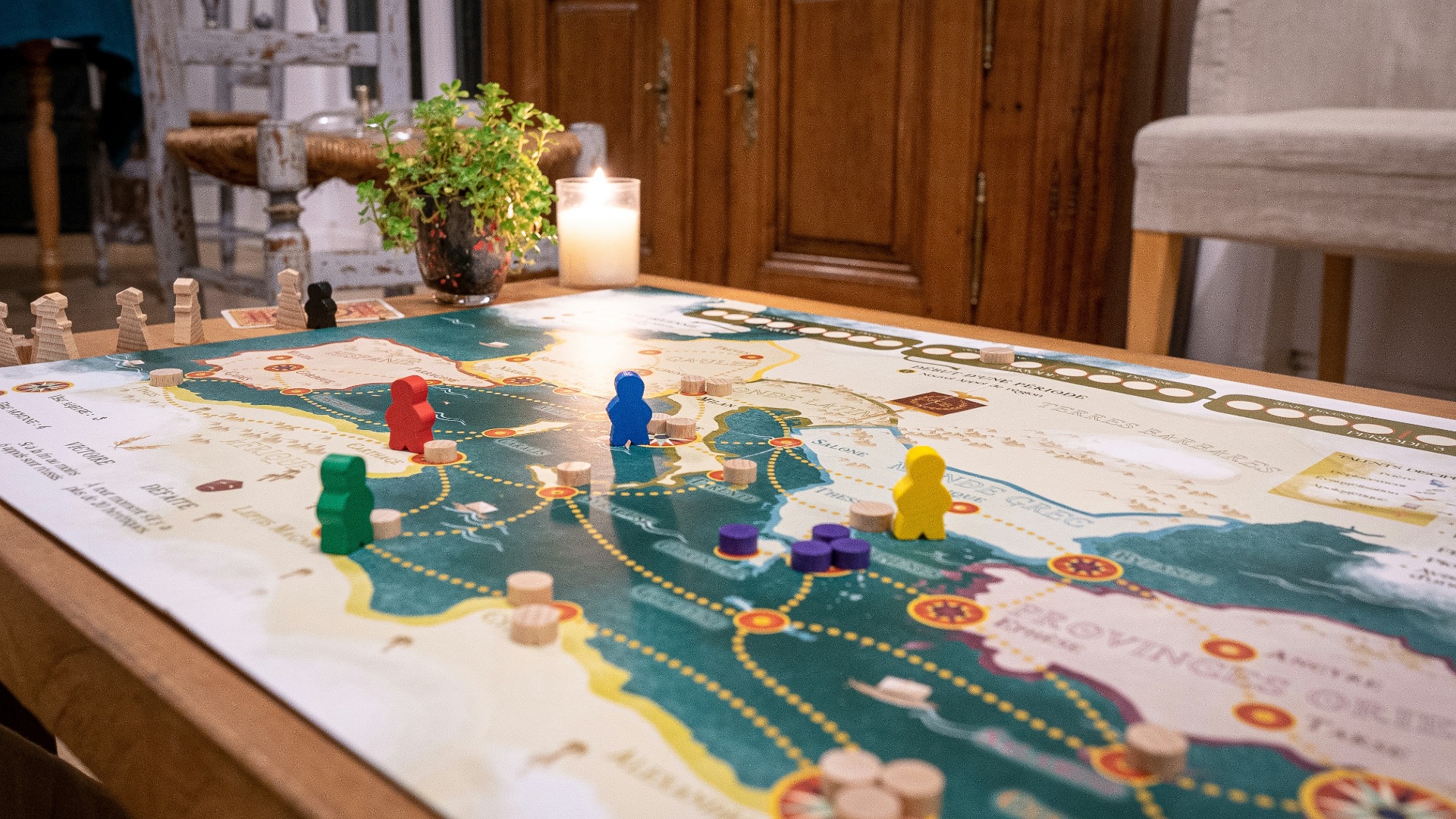
5. Playing Strategy Board Games
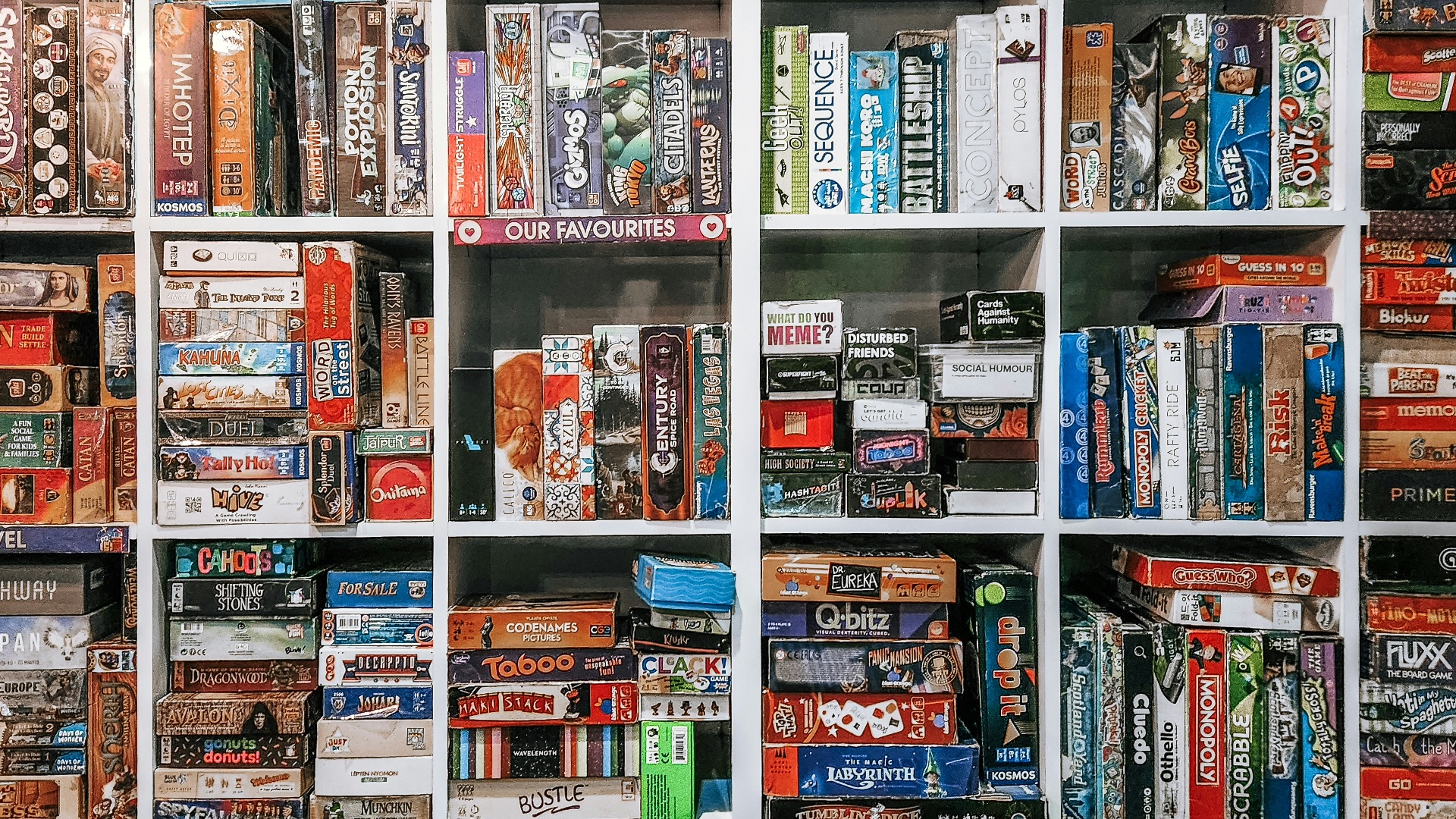
We love Taboo as much as the next guy, but some board games are all about brain power. Catan, Terraforming Mars, and Twilight Struggle offer more complexity than traditional family titles. You better pay attention, too; you’ll need to manage resources, negotiate with opponents, and adjust your strategy as circumstances change.
6. Practicing Amateur Astronomy
Don’t worry—you don't need an expensive observatory to enhance your sense of wonder. Amateur astronomers spend evenings pinpointing constellations and snapping photos using telescopes and equipment. The hobby rewards anyone who enjoys scientific discovery and doesn't mind staying awake.

7. Creative Writing
If you don’t write, you’ll never know how challenging it is. Worse still, you’ll never know how rewarding it is, either! Developing believable characters and convincing dialogue requires a lot of brain power; you’re trying to use observation and an understanding of human behavior to compel your reader. It’s harder than it looks, but that’s what makes it worth it.

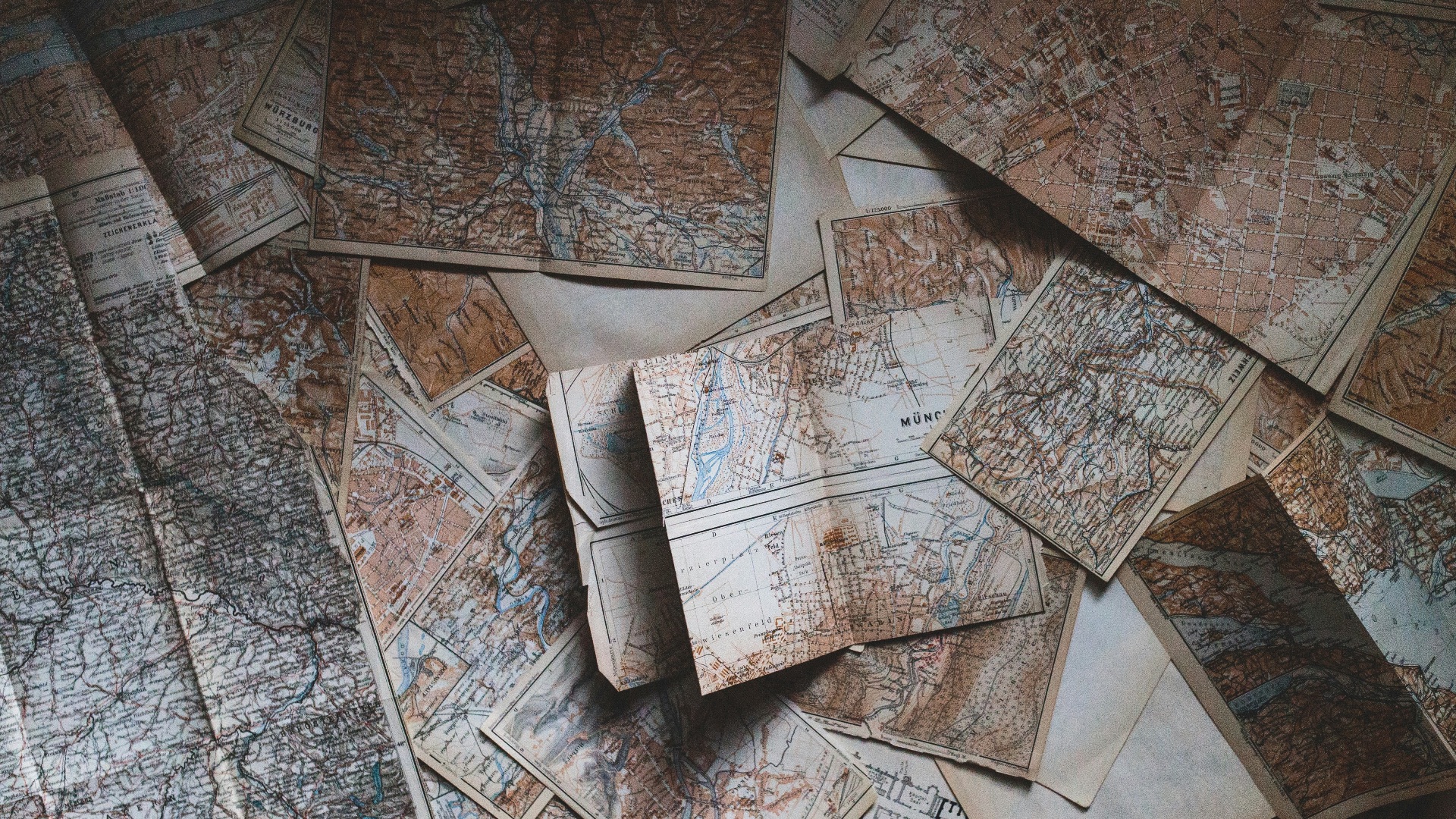
8. Collecting Antique Maps
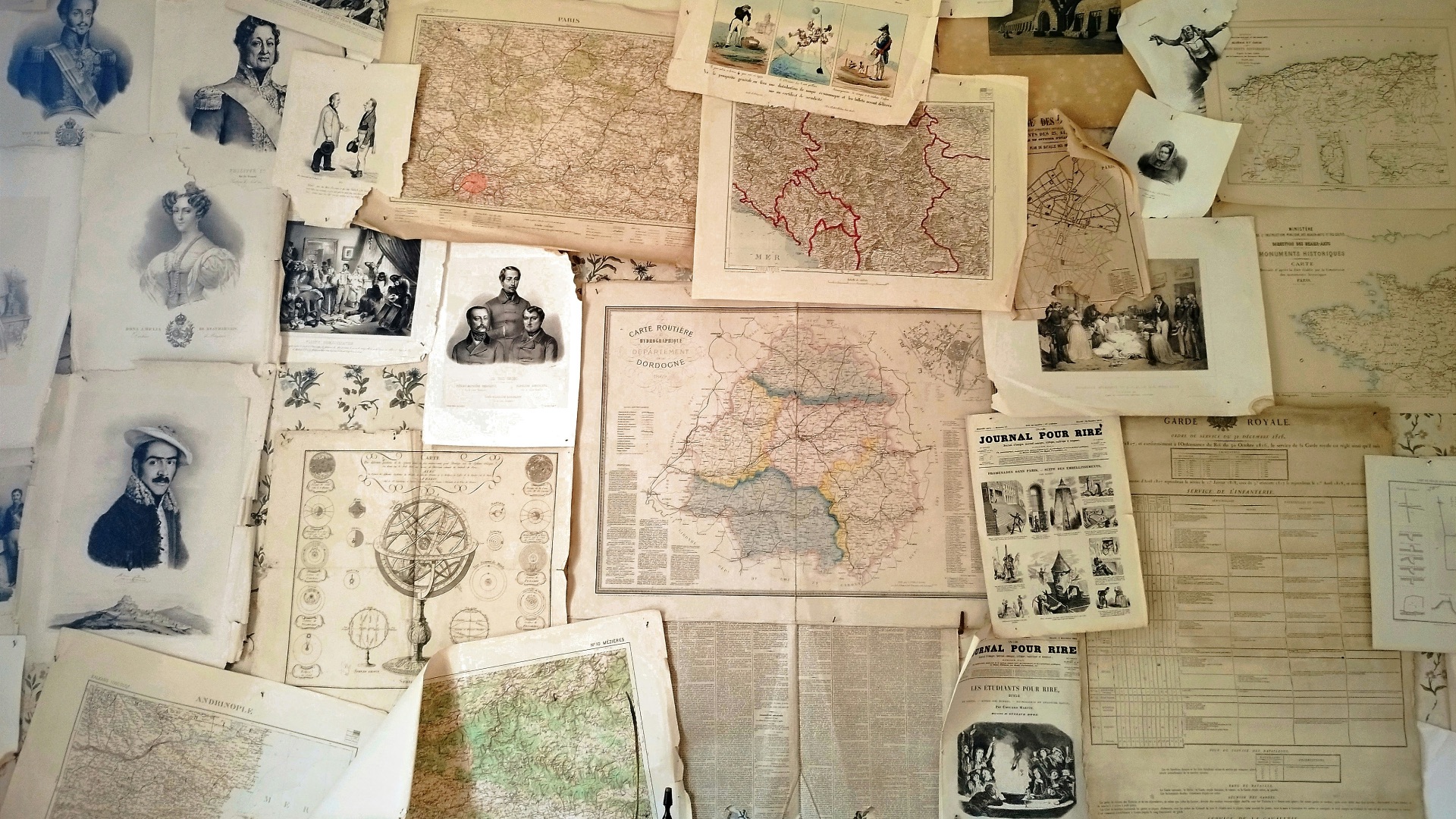
For some history enthusiasts, old maps offer way more entertainment than a phone. It’s hard not to see the appeal—collectors examine historical borders, outdated place names, and geographical inaccuracies to understand how we once saw the world. An eighteenth-century map of North America, for example, can reveal fascinating details about territorial claims and the geographical knowledge available at the time. You never know what rabbit hole you’ll find!
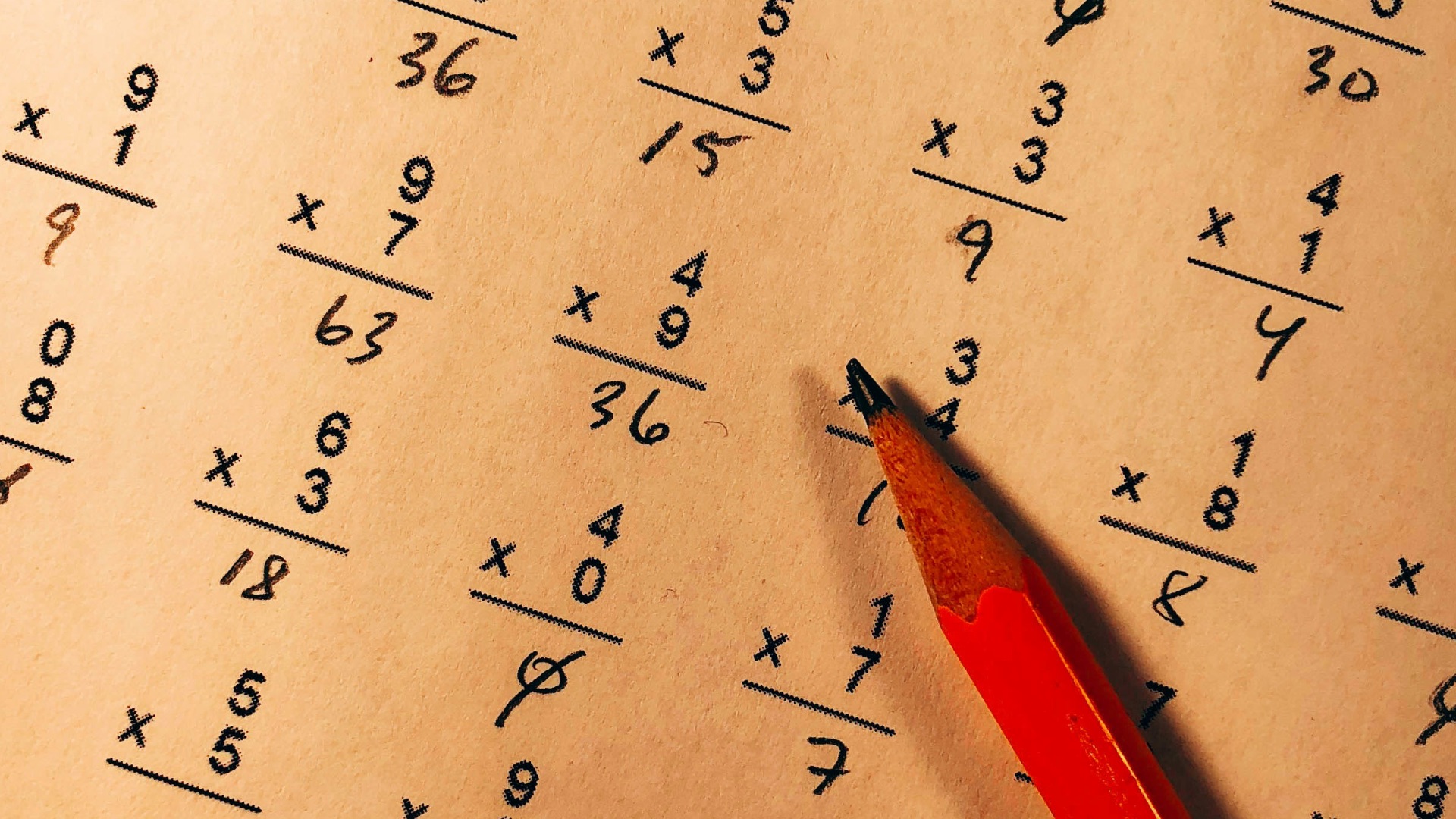
9. Solving Mathematical Puzzles
We know that math class was a nightmare for some people, but for others, mathematical riddles and logic problems are good, old-fashioned fun. You’ll be at it for a while, too; finding an unexpected solution often encourages you to investigate the underlying principles rather than simply moving on to another puzzle.
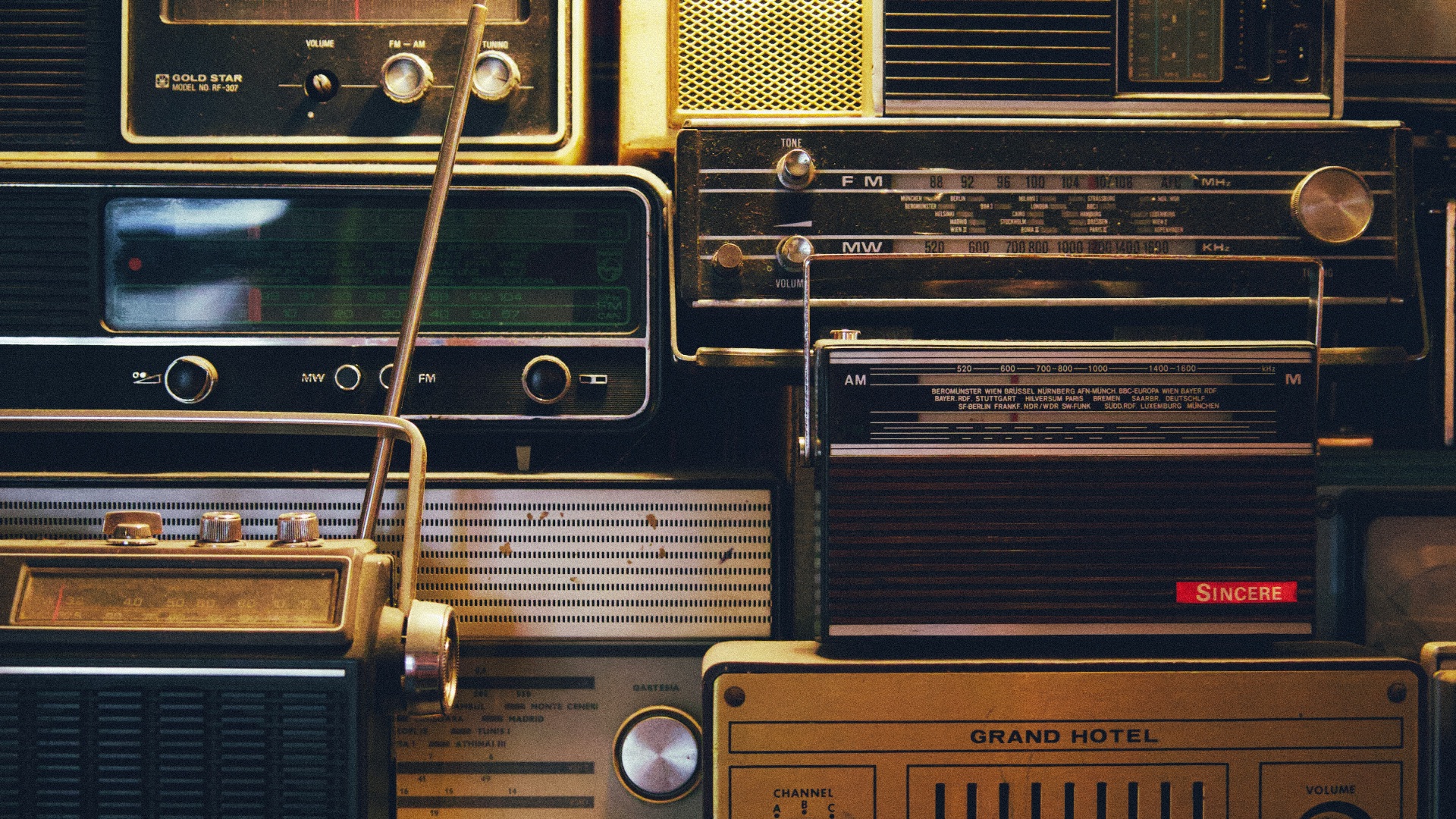
10. Restoring Vintage Electronics
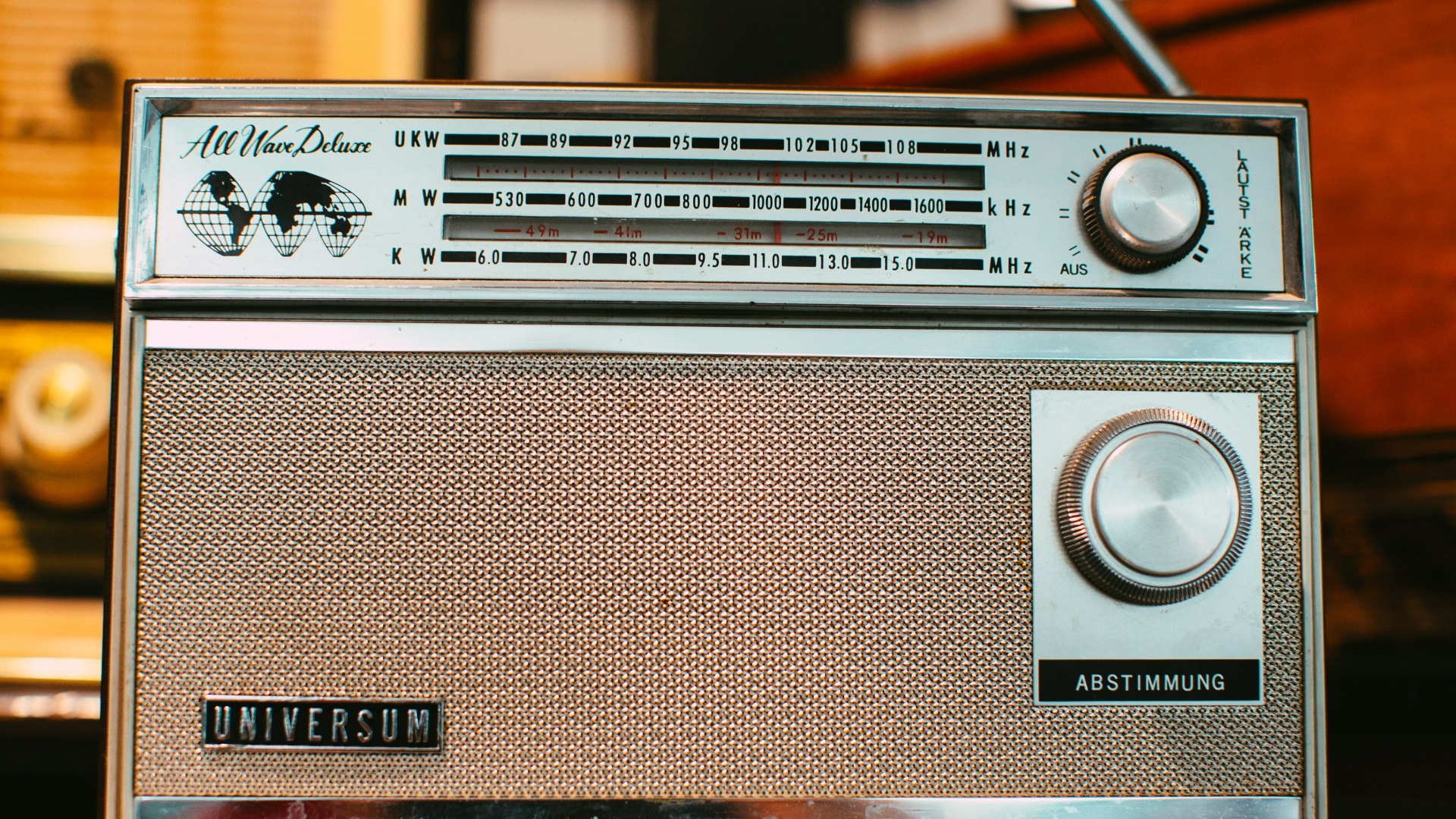
Repairing an old transistor radio or bringing a broken Commodore 64 back to life needs a lot more than everyday technical knowledge. Enthusiasts study circuit diagrams, test electrical components, and research obsolete technologies before even attempting repairs. The appeal comes from understanding exactly why something stopped working and figuring out how to make it functional again.
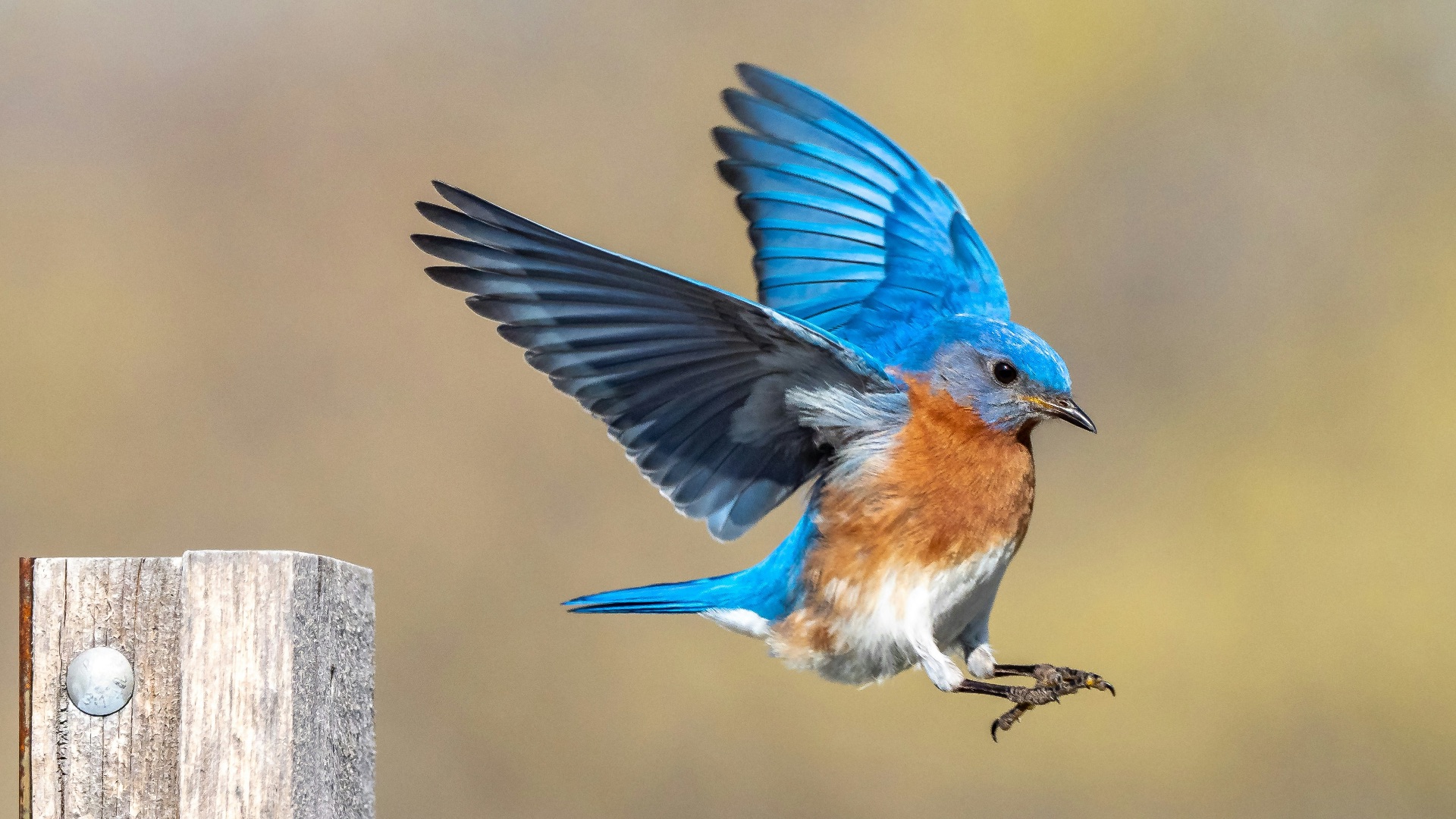
11. Birdwatching
At first glance, birdwatching might seem like an unusually quiet way to spend a weekend, but enthusiasts know all the benefits of their binoculars. With a few days in the forest, you’ll develop impressive identification skills. Dedicated birders also have records of their sightings, sometimes traveling considerable distances to observe rare species. So, now you get to travel as well!
12. Practicing Speedcubing
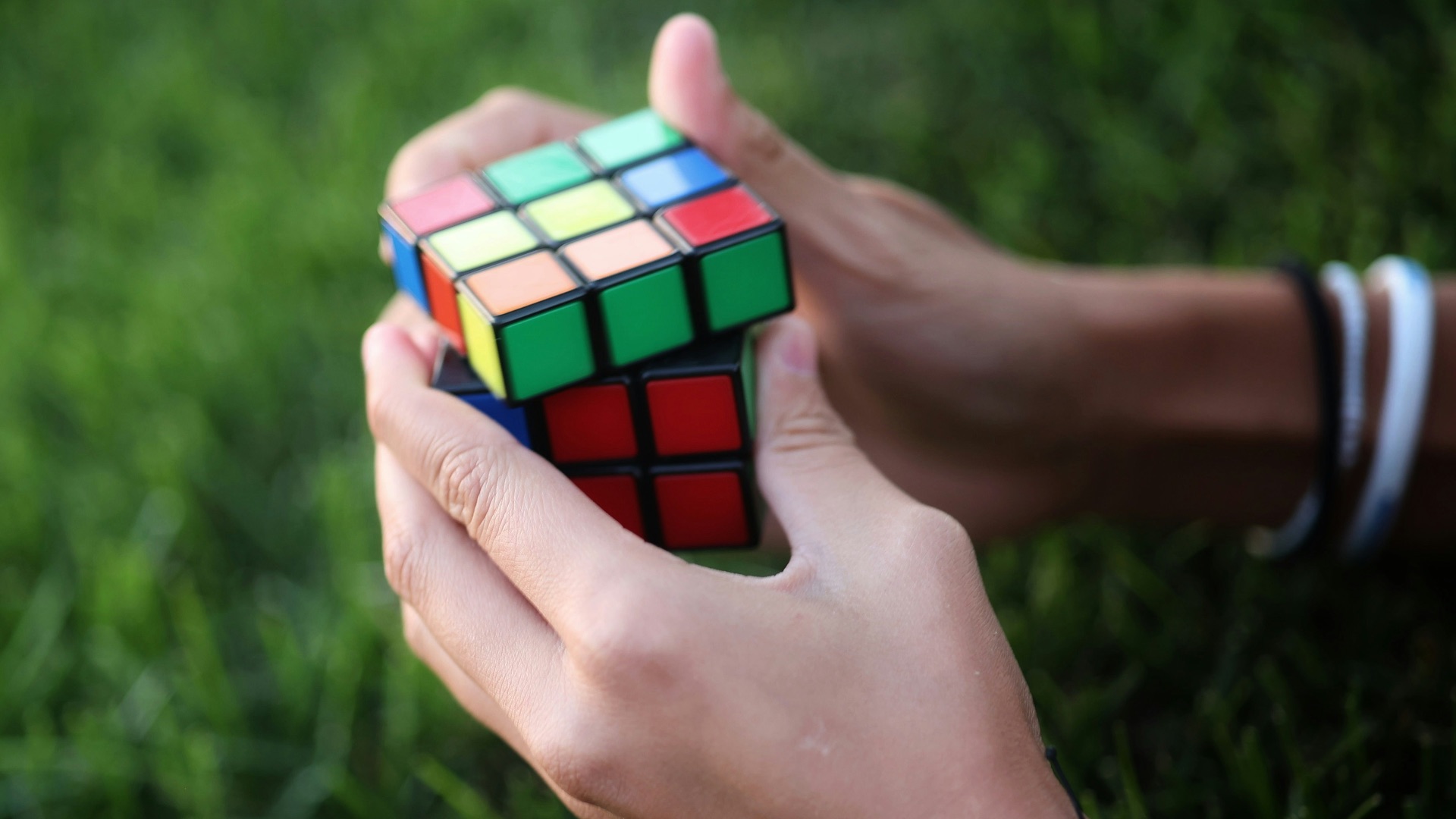
Most people struggle to solve a Rubik's Cube once, let alone doing it in remarkably short periods. Achieving those times pushes your brain to its max, forcing you to memorize algorithms, recognize patterns, and develop the coordination needed to execute movements quickly.
13. Studying Genealogy
Tracing your family history isn’t as easy as it looks. In fact, it’s not easy at all. Dedicated genealogists spend days combing through census records, immigration documents, historical newspapers, and old property deeds to reconstruct family connections. You never know what you’ll uncover, but you’ll need a lot of investigation to get there.
14. Creating Crossword Puzzles
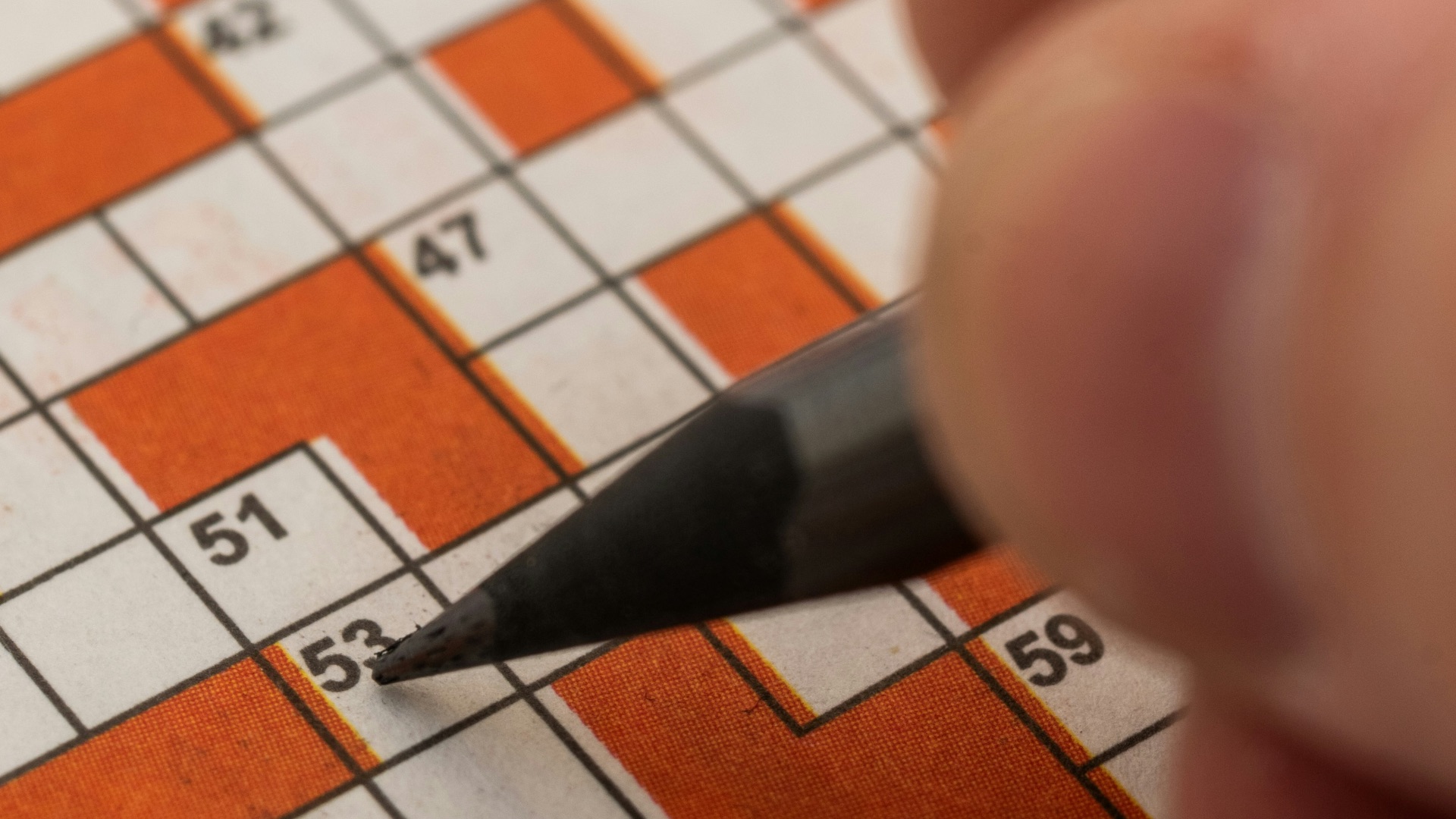
Solving a crossword is all about knowledge and patience, but constructing one? Now we’re talking about challenges that many people overlook. Amateur puzzle makers need to arrange intersecting words, develop original clues, and ensure the grid follows the rules. Designing a themed puzzle that's both clever and fair is a good, brain-building way to spend an evening!
15. Reading Nonfiction Books
People who enjoy nonfiction often spend their free time learning about subjects they never encountered in school. Whether they're reading a biography or exploring ancient battles, they're constantly exposing themselves to new information. It’s the kind of curiosity that encourages them to question what they already know and develop a broader understanding of the world.

16. Practicing Lockpicking as a Sport
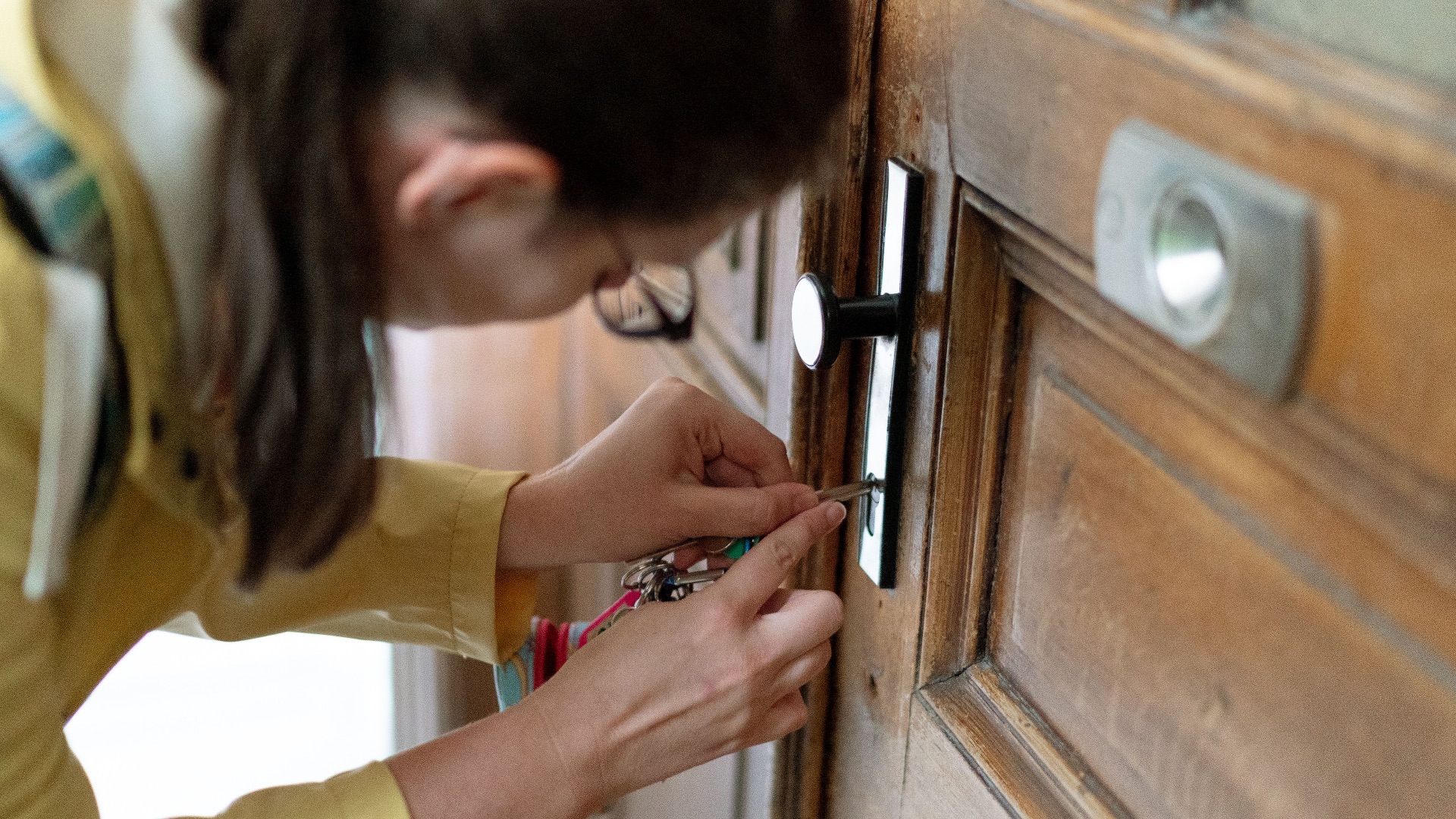
Now hang on just a minute—we’re not suggesting this for nefarious purposes! We are, however, saying that competitive lockpicking, sometimes called locksport, attracts anyone who enjoys solving puzzles. Enthusiasts practice on their own dedicated training locks, learning how different pin configurations and internal mechanisms function. It's a surprisingly technical hobby that rewards patience.
17. Studying Philosophy
Reading philosophy for pleasure isn't everyone's idea of a relaxing evening, but some people genuinely enjoy pondering life’s questions. Rather than expecting simple answers, enthusiasts appreciate subjects that challenge their assumptions and encourage careful reasoning. If anything, the hardest part is trying to figure out what these philosophers were even talking about.

18. Designing Board Games
Forget about playing board games—creating an original one takes things up a notch. Designers experiment with scoring systems, resource management, player interactions, and probability before testing different versions of their ideas. It’s not easy, either; a game that initially seems brilliant might require months of revisions to actually be something others enjoy.
19. Learning Amateur Radio
Amateur radio operators do a lot more than turn a dial. They spend their spare time communicating with people using specialized equipment! You’ll need a license first, but operating a station introduces practical lessons about frequencies, antennas, and signal propagation. Some operators even invent long-distance contacts or participate in communication exercises during simulated emergencies.
20. Solving Historical Mysteries
Not every history buff is happy with reading a book. No, some of them want to investigate. By comparing primary sources and researching archival material, you can get lost in the disappearance of the Roanoke colonists or in investigating an unidentified historical figure. Either way, the process demands curiosity and a willingness to reconsider established theories.