

When Being Nice Creates Work
Most rude behavior is easy to recognize. What's harder to spot are the things people do with good intentions that leave someone else in an awkward position. Some everyday manners create more work for the person receiving them, whether that means finding the right response, accepting an unwanted favor, or figuring out how to decline without seeming ungrateful. The gesture may be thoughtful, but the pressure it creates is easy to miss. Here are 20 polite habits that unintentionally put people on the spot.

1. Offering Open-Ended Help
Someone's in trouble and you tell them to reach out if they need anything. You mean it, and taking you up on it means inventing a task and asking a near-stranger to do it during the worst week of their year. People who show up with a lasagna and no questions get thanked for years.

2. Asking For Questions At The End
The meeting is already breaking up when someone asks if there are any questions. Raising a hand at that point means admitting in front of the room that you weren't following. The people who most need to ask are the ones who won't.

3. Insisting On Paying The Whole Bill
The check arrives and you grab it, which feels generous right up until the other person starts doing math about when they'll have to return the favor. A large bill settled without discussion leaves them holding a debt they never agreed to. Dinners between friends start turning into a ledger.
 https://kaboompics.com/ on Pexels
4. Holding A Door From Too Far Away
Hold a door when someone's still a long way back and you've set a pace for them. They can jog, which nobody enjoys, or walk normally while you stand there waiting and smiling. Letting the door go and not watching is the better call.

5. Calling On The Quiet Person
Pulling the quiet one into a discussion sounds like including them. It also asks for an opinion on demand in front of people who've had the whole meeting to form theirs. Most of them answer with something safe and forgettable.

6. Refusing To Pick The Restaurant
Saying you're easy and anything works hands over the entire decision, blame included. The other person now has to guess your budget and your tolerance for noise with nothing to go on. Two real options cost you nothing.

7. Giving Too Expensive A Gift
Generosity can become awkward when a gift is far more expensive than the occasion calls for. The recipient may feel grateful, but also pressured to spend just as much the next time around. What was supposed to be a thoughtful gesture can quietly turn into an obligation, especially between friends who previously exchanged modest gifts without giving the price much thought.
 Kira auf der Heide on Unsplash
8. Apologizing Too Much
An apology for something small obliges the other person to tell you it was fine. Do it twice in one conversation and they're spending more effort reassuring you than dealing with whatever you came to them about.

9. Going Around The Room For Introductions
Introductions that travel around a table ask everyone to perform a summary of themselves with no warning. The person between jobs gets the same slot as the one with the title and a much harder task. The summaries get worse as the table goes on.
 Priscilla Du Preez 🇨🇦 on Unsplash
10. Proposing A Vague Future Plan
Vague plans to get together often leave the follow-through to whoever is more interested. One person walks away feeling like they’ve made an effort, while the other is left figuring out when and how to make it happen. Suggesting an actual date and place, even if they need to change, makes the invitation easier to act on.

11. Offering Your Seat Out Loud
Standing up and announcing that a seat is free tells the whole car how you've read the person you're offering it to. They can take it and accept the reading, or decline and look stubborn. Either way the car has watched them decide.

12. Asking For Feedback On Finished Work
Asking for honest feedback on something that's already submitted puts the other person in an awkward position. If they notice a problem, pointing it out serves little purpose now that the work is done. They have to decide whether to be truthful or simply tell you it looks great. Most people choose the compliment, even when they have something useful to say.

13. Deflecting A Compliment
Brushing off a compliment can make the person who gave it feel obligated to repeat themselves. They were trying to say something nice, but now they're stuck convincing you they meant it. What should have been a simple, pleasant exchange turns into an awkward back-and-forth. A quick thank you is usually all that's needed.

14. Saying There's No Rush
Adding no rush to a request doesn't help much when there's an actual deadline involved. The other person is left guessing how soon you really need it, and may feel pressured to get it done immediately just to be safe. Giving them a clear deadline is more considerate than making them figure out how urgent the request is.

15. Asking Someone To Say A Few Words
A toast requested on the spot asks for a performance from someone holding a drink and no notes. What you get is whatever they can assemble while standing up, which is rarely what they'd have written. Warn them the day before.

16. Making An Introduction Without Asking
Connecting two people by email looks like a favor until you remember that one of them now owes a stranger a reply. Asking both sides first, separately, lets either one decline with nobody watching. A forwarded introduction takes away the chance to say no in private.
17. Announcing Someone Else's News
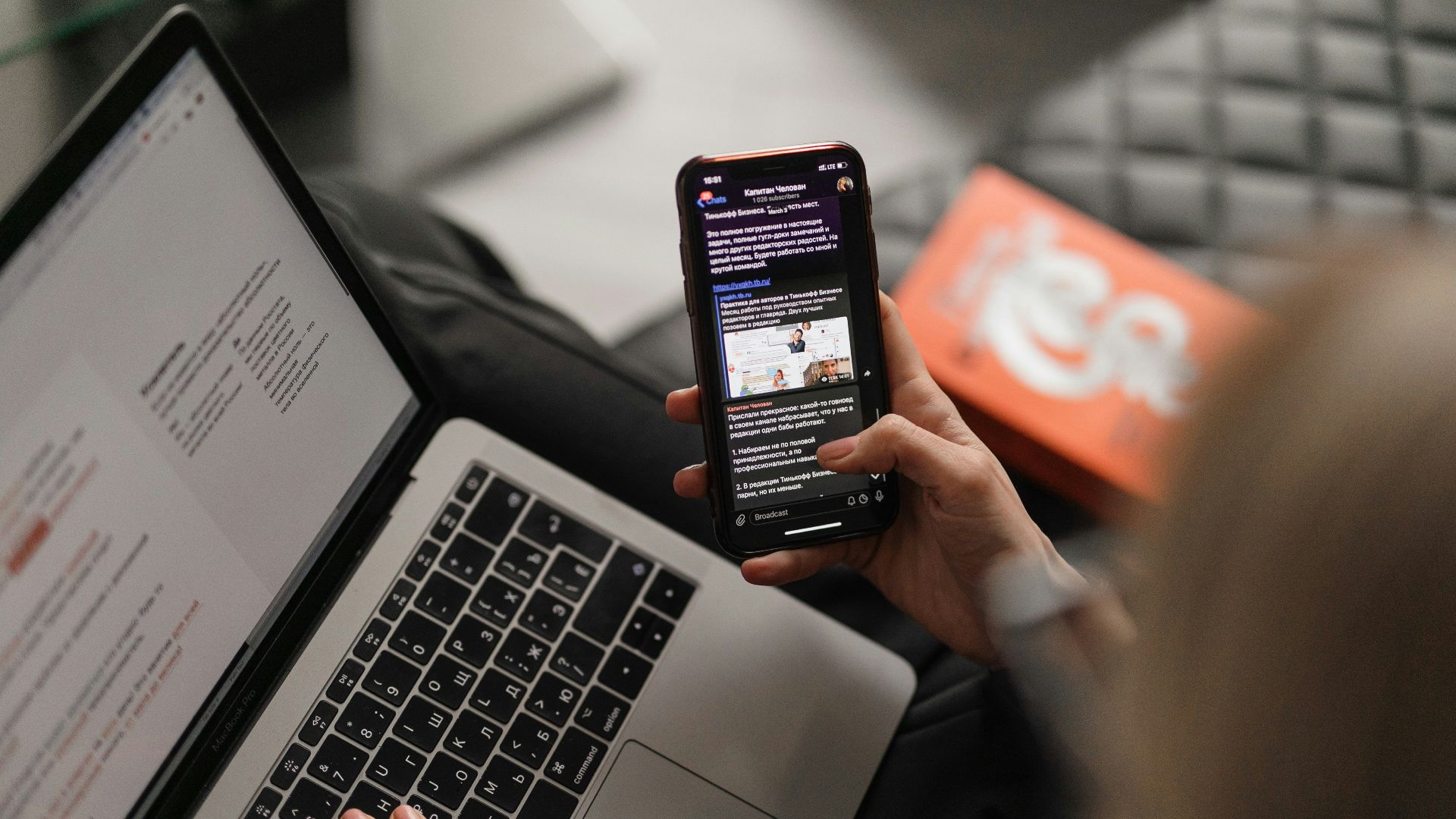
A friend's promotion might seem like good news worth sharing, but it should be theirs to announce. Telling people before they've had the chance takes away the pleasure of sharing the news themselves. They may end up walking into a room where everyone already knows, leaving them with little to say about their own achievement.

18. Telling A Guest Not To Help
Guests who offer to help with dishes usually mean it. Waving them off leaves them sitting alone in a room while you work twenty feet away. Handing over a small job is the actual hospitality.
19. Inviting Someone To Interrupt You
Telling someone to stop you if you're talking too much asks them to insult you on request. Nobody takes that offer, so the sentence accomplishes nothing except making them responsible for a conversation you're running. It's free to make and impossible to accept.

20. Asking Whether Someone Remembers You
Nobody wants to admit they've forgotten a face. Asking the question directly leaves them faking recognition or saying so out loud, and both are worse than not being asked. Giving your name and where you met skips the whole thing.