
What the Interview Says About the Company
It's no surprise that job interviews are nerve-racking. And yet, while you're busy worrying about whether you're good enough for the role, it's easy to forget that you should be evaluating the company, too. After all, being so caught up in your own head can blind you to how potentially unhealthy certain work cultures might be. Have an interview coming up? Watch out for these red flags.

1. Your Interviewer Shows Up Late
Even the best of us can be late sometimes. But still, if your interviewer shows a lack of organizational and time management skills, and neither acknowledges their delay nor offers an apology, you might want to reconsider working there. Their lack of consideration for your time could suggest bad things down the road.
2. They Ask You to Provide Your Resume Again
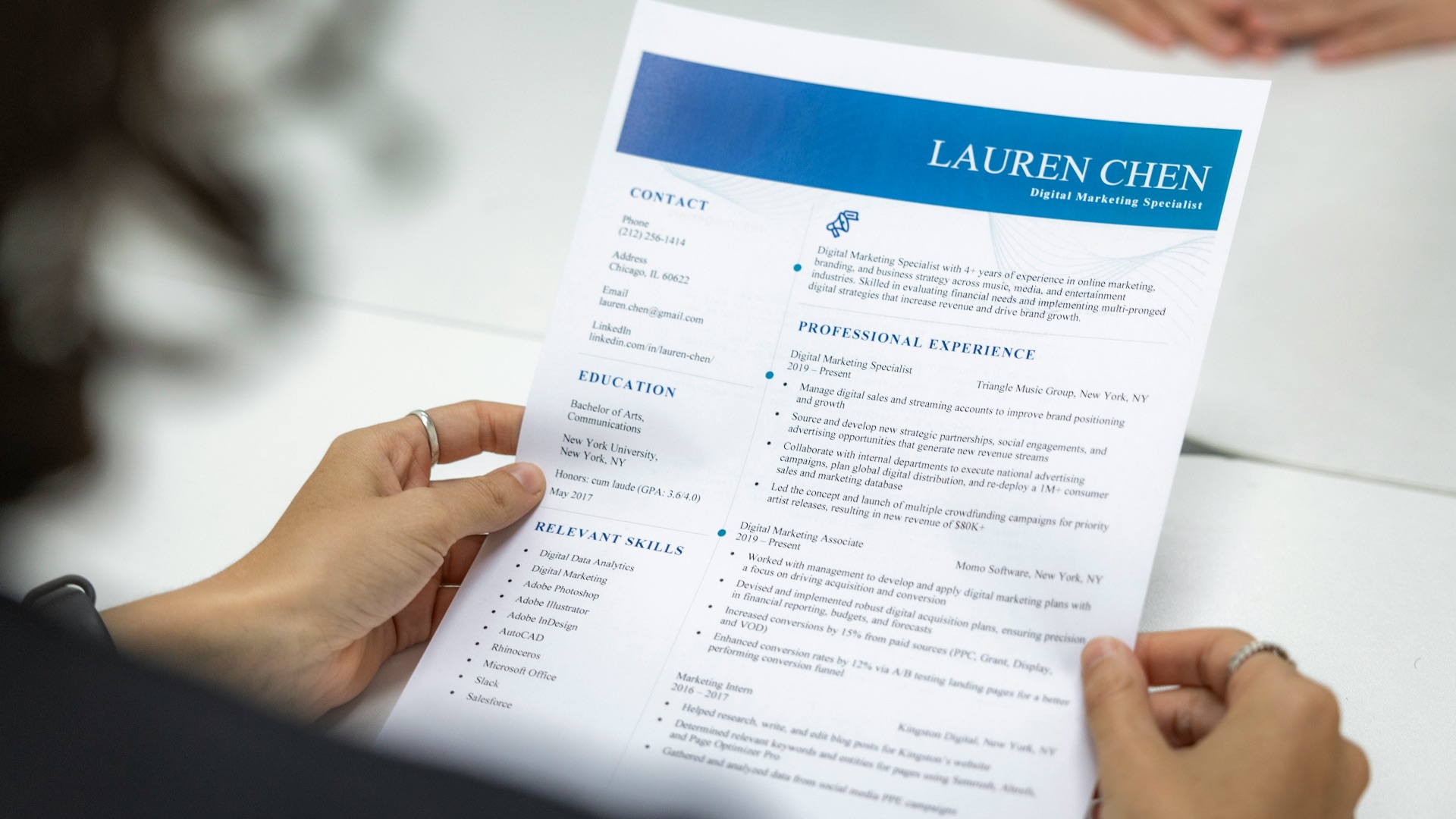
You've already submitted your resume, so your interviewer shouldn't be asking you to hand it over again. Sure, technical difficulties and scheduling mix-ups happen, but if they're completely unfamiliar with your application and show a lack of interest, you probably shouldn't get your hopes up.
3. They Constantly Interrupt You
Halfway through your answer, only to get interrupted? While occasional interjections are understandable, no interviewer should repeatedly prevent you from finishing your thoughts. Be wary: if they're the supervisor you'll be reporting to should you get the role, you might have a manager who won't bother listening to you.

4. They Make Condescending Remarks
If your interviewer makes comments that make you feel inadequate, it's time to walk. Saying things like, "you're actually not that experienced" or "you're not really what we're looking for" can be extremely discouraging. Plus, if they're comfortable talking down to you now, who knows how bad it'll get if you accept the job?

5. They Brag About How Stressful the Workplace Is
There's nothing wrong with a demanding job, but if your interviewer brags about how the company works their employees to the bone, you should probably run. Comments about employees constantly staying overtime to finish important projects mean they'll likely expect the same extreme dedication from you.

6. They Expect You to Have Ample Experience
Despite being an "entry-level position," your interviewer might paint a grisly picture: you're expected to have all the experience and skills of someone who's been in the industry for 10 years. What's more? The pay is measly, and the interview process is no less rigorous.
7. They Want You to Be Available Outside Working Hours
Sure, the job post might say you should expect a normal work week, but your interviewer might drop hints that say they want you to be available outside of the posted hours. Unless you're applying for an on-call role, these comments indicate an unhealthy approach to work-life balance.

8. They Speak Negatively About Former Employees
No matter how bad a previous employee was, a professional interviewer should never delve into gossip. If they keep bringing up former staff members, describing them as lazy or incompetent, that could suggest hidden management problems or poor responsibility. Would they speak negatively about you someday if you decide to leave the role?

9. They Avoid Discussing Salary or Benefits
Conversations about compensation will always feel a little uncomfortable, but interviewers shouldn't ever restrict discussion around it. Consistent avoidance of salary ranges, benefits, or compensation structures may mean they won't pay you what you deserve.

10. They Pressure You to Accept an Offer Immediately
Receiving a job offer is exciting, but make sure to think it through! A good employer should give you ample time to make a decision—what they shouldn't do is demand an immediate answer. Hiring deadlines exist, of course, but excessive pressure often spells out bad news.
Now that we've gotten the red flags out of the way, let's jump into the positive side. Here are 10 green flags you want to see in your interview:
 Cytonn Photography on Unsplash
1. Your Interviewer Has Clearly Read Your Resume
Nothing feels better than walking into an interview and knowing the person you're speaking with knows all that they need to know about your professional background. Thorough preparation demonstrates that they've invested time in understanding your qualifications and are interested in learning what you could bring to the team.
 Sebastian Herrmann on Unsplash
2. They Give You Enough Time to Answer Questions
A respectful interviewer should never interrupt you, even if they have to make a related comment. A green flag, therefore, is one who allows you to finish your thoughts, then asks follow-up questions after you're finished speaking. You want this respectful communication style—especially if they'll be your direct supervisor.
 Christina @ wocintechchat.com M on Unsplash
3. They Give Clear, Detailed Answers to Your Questions
A good interviewer should not only give you time to ask questions, but also not skimp on their answers. If they provide thorough explanations or specific examples to make it easier for you to understand what the job actually involves, that means they respect your concerns and your need to evaluate if it's the right role for you.

4. They Introduce You to Potential Coworkers
Getting to meet people you'd actually work with can offer valuable insight into the team. After all, these interactions allow you to observe the work culture and whether you can see yourself working alongside your potential coworkers. Plus, it'll give you a chance to get on good terms with them before the offer comes!

5. They Can Explain What Success Looks Like in the Role
Instead of being vague, a well-prepared interviewer knows exactly what they're looking for. They might outline what your day-to-day will look like, discuss performance goals, or explain how your work will be evaluated. This gives you a clearer insight into whether the role aligns with your skills and professional interests.

6. They Speak Positively About Employee Growth
You definitely don't want to work in a culture where no growth is expected! So, pay close attention when you ask about professional development, especially if you're looking for somewhere to build a long-term career. An encouraging interviewer might tell you more about mentorship programs or skill development courses that promise ample ways to learn and advance within the company.

7. They're Honest About the Job's Challenges
A good interviewer is also honest, and that means they won't sugarcoat the difficulties you might encounter in the role. If they're willing to discuss these challenges with you and explain how they're addressing certain hardships, that transparency, at the very least, allows you to set realistic expectations.

8. They Respect Your Time
It's not enough to just show up on time! Good employers won't think of themselves as people above you, meaning they respect your time and will do their best to communicate any scheduling changes promptly. Even when delays do happen, they'll never leave you hanging.

9. They Encourage a Healthy Work-Life Balance
When discussing workplace expectations, a supportive interviewer will be excited to discuss work-life balance with you. Rather than expecting everyone to work overtime, they might stress how important it is that staff members get their time off. Even better when they recognize that mental health should come first!

10. They're Interested in What You Want from the Job
A promising interview shouldn't focus exclusively on what you can offer them. Remember, you're evaluating them as much as they're evaluating you! If your interviewer is interested in what you're hoping to gain from the opportunity, that suggests that they're thinking of building a healthy two-way relationship that works for both of you.