
First Impressions Are Made in Silence
Before you open your mouth, people have already started forming an opinion. It happens fast, mostly without conscious thought, built from small signals most of us never think about. Body language plays a role, but so do things that feel mundane like how you hold a door, where your eyes go when you walk into a room, whether you seem comfortable in your own skin. Here's 20 little things people pick up on before you ever say a word.

1. Your Posture
How you carry yourself communicates confidence and self-awareness before anything else does. Slouched shoulders read as withdrawn or tired, while a straight back and relaxed stance reads as someone comfortable where they are. It's about whether you look like you belong in the space you're occupying.
 sippakorn yamkasikorn on Unsplash
2. Your Eye Contact
Whether you make it, avoid it, or hold it a beat too long all tells a story. People notice if you scan the room instead of meeting their gaze, and they notice if you can't look away. Most people can read the difference between genuine attention and a performance of it.

3. Your Walk
A purposeful stride signals that you know where you're going and feel okay about it. Shuffling or a hesitant gait suggests the opposite. The pace and rhythm of how you move through a space shapes how others read your energy before anything else happens.

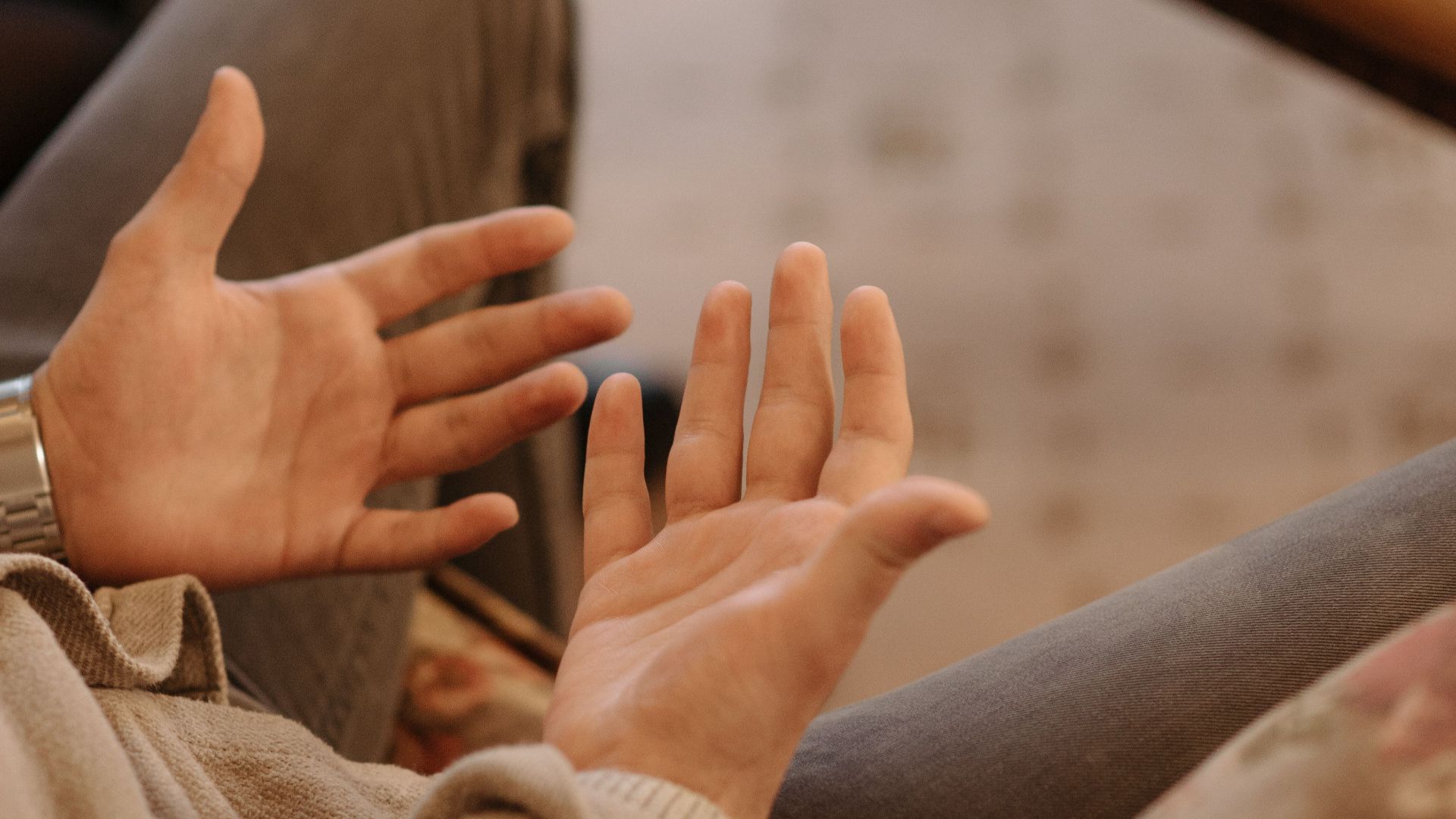
4. What You Do With Your Hands
Hands are expressive even when they're doing nothing. Fidgeting, crossed arms, hands stuffed in pockets, or hands relaxed at your sides all send different signals. People pick up on restlessness and tension without realizing they're doing it, and stillness, when it's natural rather than stiff, tends to read as calm and grounded.
5. Your Clothes
What people notice about your clothes isn't whether they're expensive but whether they're intentional. Even if your thought process was just "this is who I am," that registers. Clothes that fit and suit the context suggest someone who pays attention. Clothes that look like an afterthought can suggest the same thing, just in a different direction.

6. Whether You Smile
A genuine smile changes the entire read on a person, signaling openness and warmth faster than almost anything else. What people really notice is whether it reaches the eyes. A tight social smile and a real one look completely different, and most people can distinguish them even if they couldn't explain how.

7. Your Phone Habits
If you're looking at your phone when you enter a room or wait for someone, people notice. It signals a kind of low-level absence, and the person who puts their phone away and looks around is perceived very differently from the one who keeps scrolling. It registers as a signal about where your attention actually lives.

8. How You Treat People in Service Roles
If you interact with a server, a receptionist, or a barista before a conversation with someone else begins, they're watching how that goes. Warmth and basic consideration stand out, and so does dismissiveness. People make character assessments based on this quickly, often before you've even turned to face them.

9. Your Grooming
What people register about grooming isn't perfection, but effort. Clean, put-together grooming suggests self-respect and attention to detail, and you don't need a flawless appearance to convey it. The bar is low, but crossing it clearly matters.

10. Whether You Take Up Space Comfortably
Some people seem to own whatever room they walk into, not because of size or loudness, but because they're at ease. Others shrink and look for a corner. People notice which one you are, and comfort in your own presence has nothing to do with extroversion.

11. How You Enter a Room
Whether you push in confidently, hover at the door, or slip in quietly sends a signal before you've made contact with anyone. The way you cross a threshold tells people whether you're expecting to be welcome, and most people clock this without thinking, particularly in professional settings.

12. Your Facial Expressions at Rest
Your resting expression is something you probably never think about, but other people do. A face that looks neutral or slightly open tends to invite approach, while one that looks tense or guarded keeps people at a distance. Neither is a character flaw, but both shape the first read people get before you've done anything.

13. Your Energy Level
Energy is legible from across a room. Someone who looks awake and engaged pulls people in, and someone who looks drained or checked out does the opposite. People sense this before they consciously decide how they feel about you, which is why it shapes whether someone moves toward you or keeps their distance.

14. How You Handle Waiting
What someone does while they wait reveals a lot about their baseline state. People who look comfortable doing nothing seem settled in themselves, while people who can't stand stillness, checking their phone or shifting weight foot to foot, broadcast restlessness. Waiting is an unguarded moment, and people look their most natural in it.

15. Your Accessories
A watch, bag, or piece of jewelry communicates something about taste and intentionality before a word is exchanged. People register accessories faster than most clothing because they're chosen rather than required. What you put on that isn't strictly necessary says something about how you see yourself.

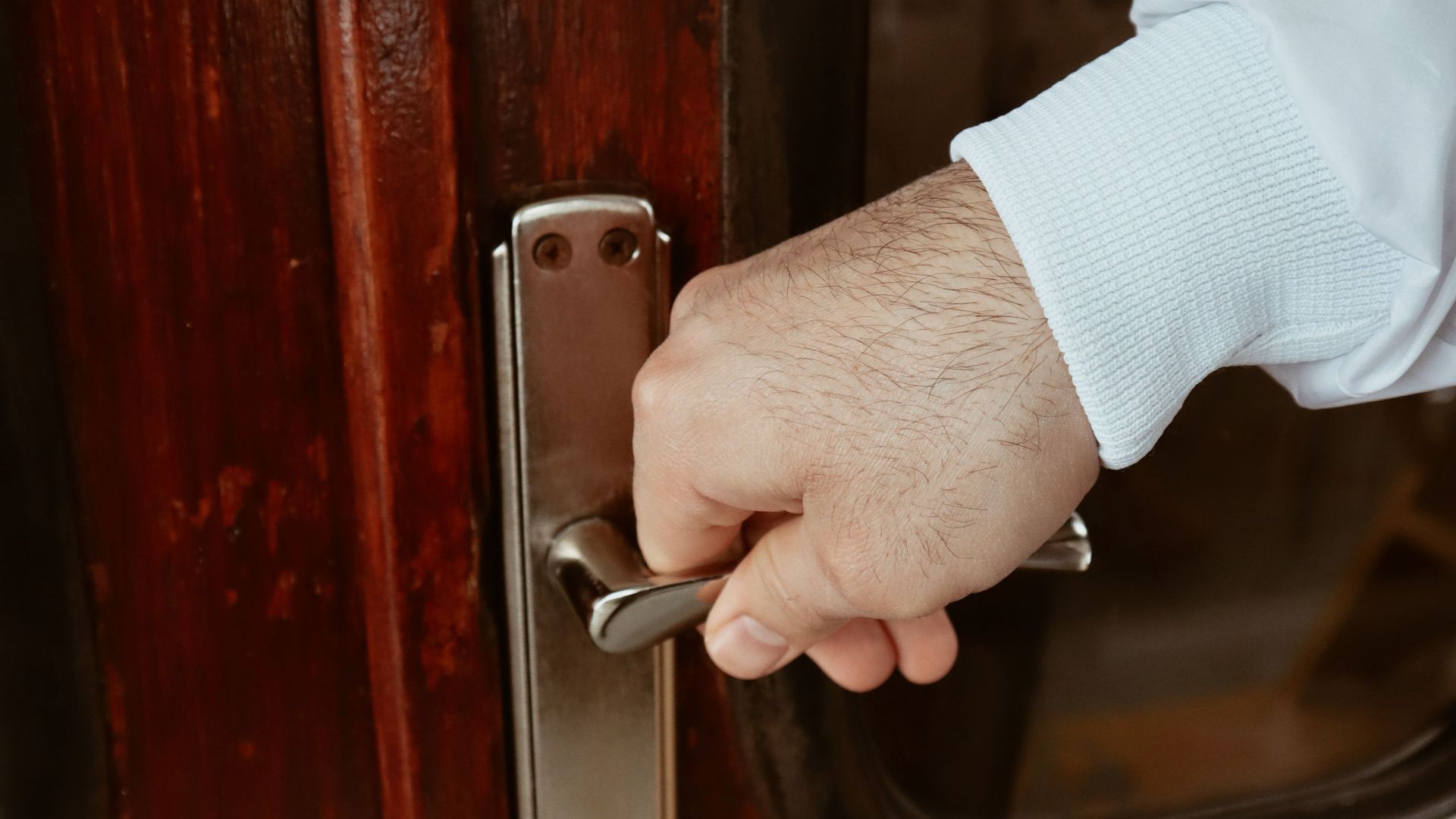
16. Whether You Hold Doors
Small acts of consideration get noticed, especially when they're not performed for an audience. Holding a door for someone behind you, or not, lands quickly and quietly, and it registers as a data point about basic social awareness.
17. Your Cleanliness
Beyond grooming, general tidiness makes an impression. Wrinkled clothes, a dirty bag, scuffed shoes that could have been wiped clean: these things accumulate into a picture. Not everyone has unlimited time or resources, and people calibrate for that, but treating cleanliness as optional tends to register as important to other people.

18. The Way You Listen Before You Speak
Even before you enter a conversation, people watch how you receive information. Whether you look genuinely interested or vaguely waiting for your turn to talk is visible from the outside. Good listeners have a quality of stillness that reads clearly, and it's one of the most appealing things a person can project.
 Mental Health America (MHA) on Pexels
19. How You React to Unexpected Things
How you respond to small disruptions tells people about your baseline temperament. Someone who takes a minor inconvenience in stride reads as easygoing. Someone who visibly tenses or sighs signals that their equilibrium is fragile. People around you in those moments are taking notes.

20. Whether You Seem Present
This is the one that ties everything else together. People have an almost uncanny ability to sense whether someone is actually in the room with them. Presence isn't about energy or extroversion. It's about attention and ease. The person who seems genuinely there makes an impression before they've done a single thing to earn it.