The Unseen Stressors Under Your Roof
While you might think your home is a total sanctuary, there are often tiny, invisible troublemakers hanging out in your living space that can mess with your mood. These hidden toxins don't just affect your physical health; they can actually trigger low-grade stress responses in your body without you even realizing what's happening. By taking a quick look at common household items, you can identify these chemical culprits and start making simple swaps.

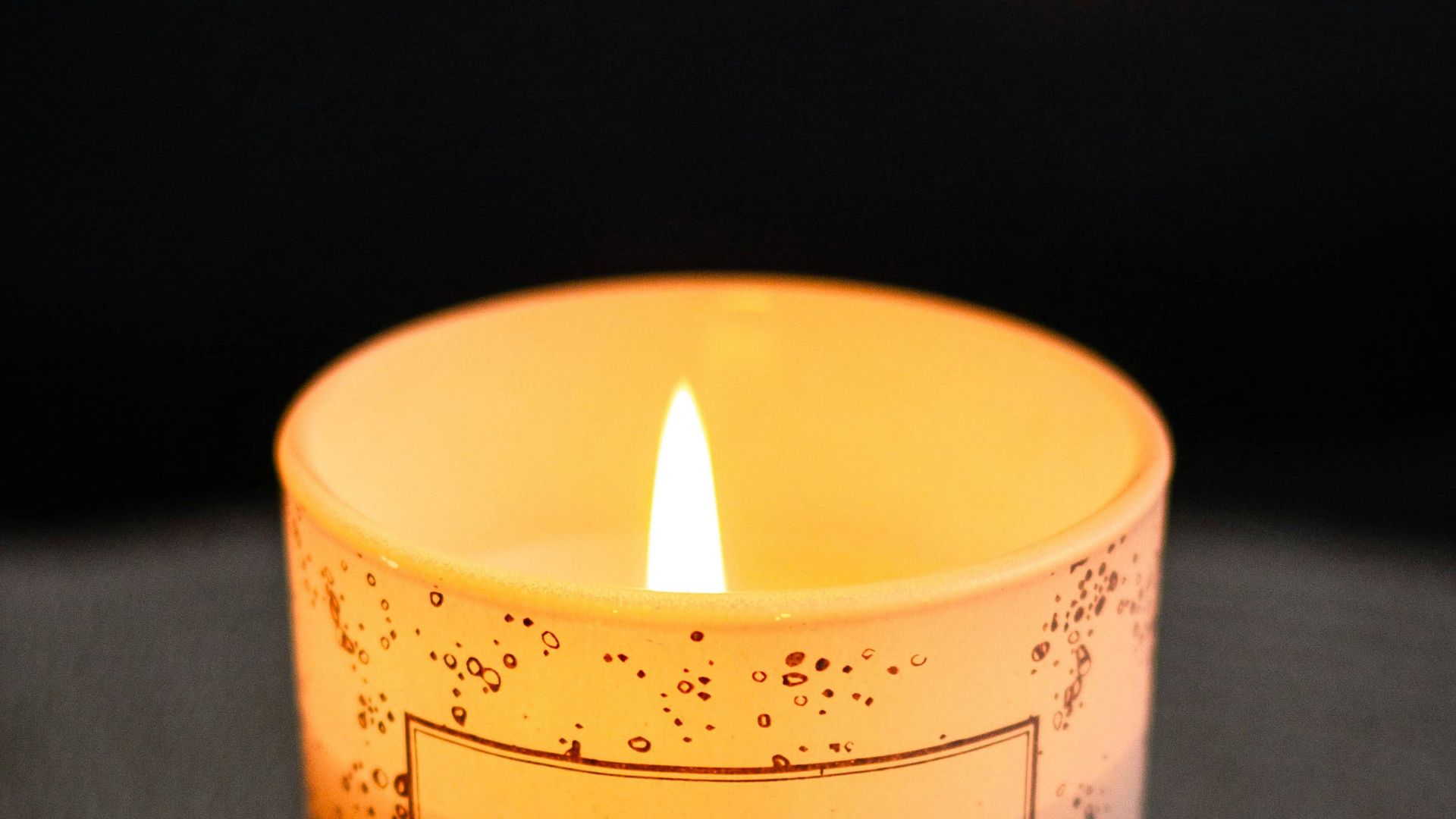
1. Scented Candle Soot
We know… your pumpkin spice candles smell amazing. But when they burn, they release paraffin byproducts and synthetic fragrances into your home. Not only are those pesky particles irritating to your lungs, but your body also goes into defense mode when it tries to filter them out.
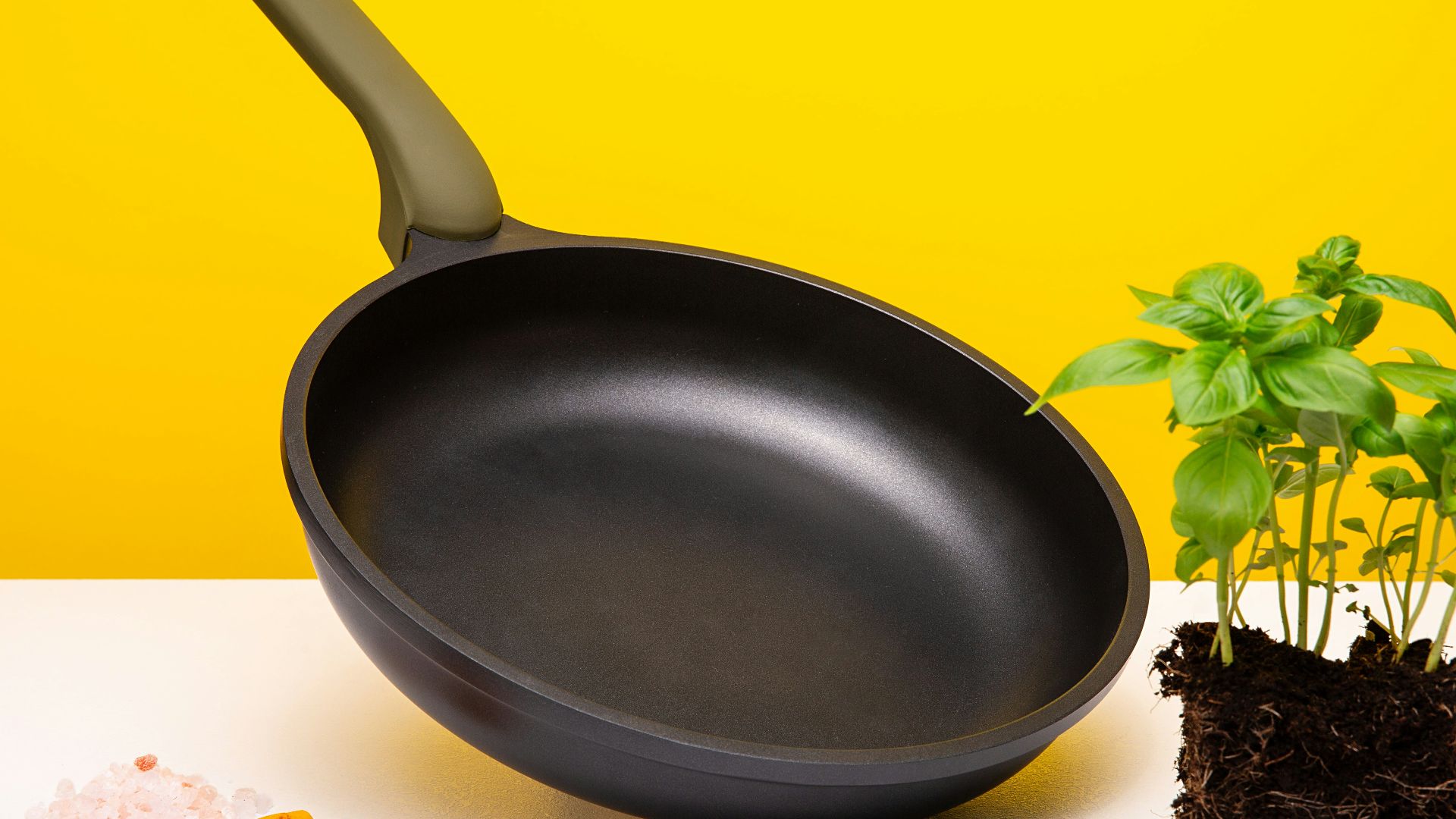
2. Microplastics in Non-Stick Pans
Tiny flakes of chemicals from your scratched-up Teflon pan find their way into your eggs. Once they’re in your body, these microplastics can throw off your hormones. Which means dealing with unexplained stress or exhaustion all day long.
 Alexander Sergienko on Unsplash
3. Artificial Air Fresheners
Did you know those plug-in air fresheners use phthalates to keep your orange grove scent smelling strong? Yup. These toxins are absorbed through your skin and act as endocrine disruptors, leaving you with an underlying feeling of physical stress.
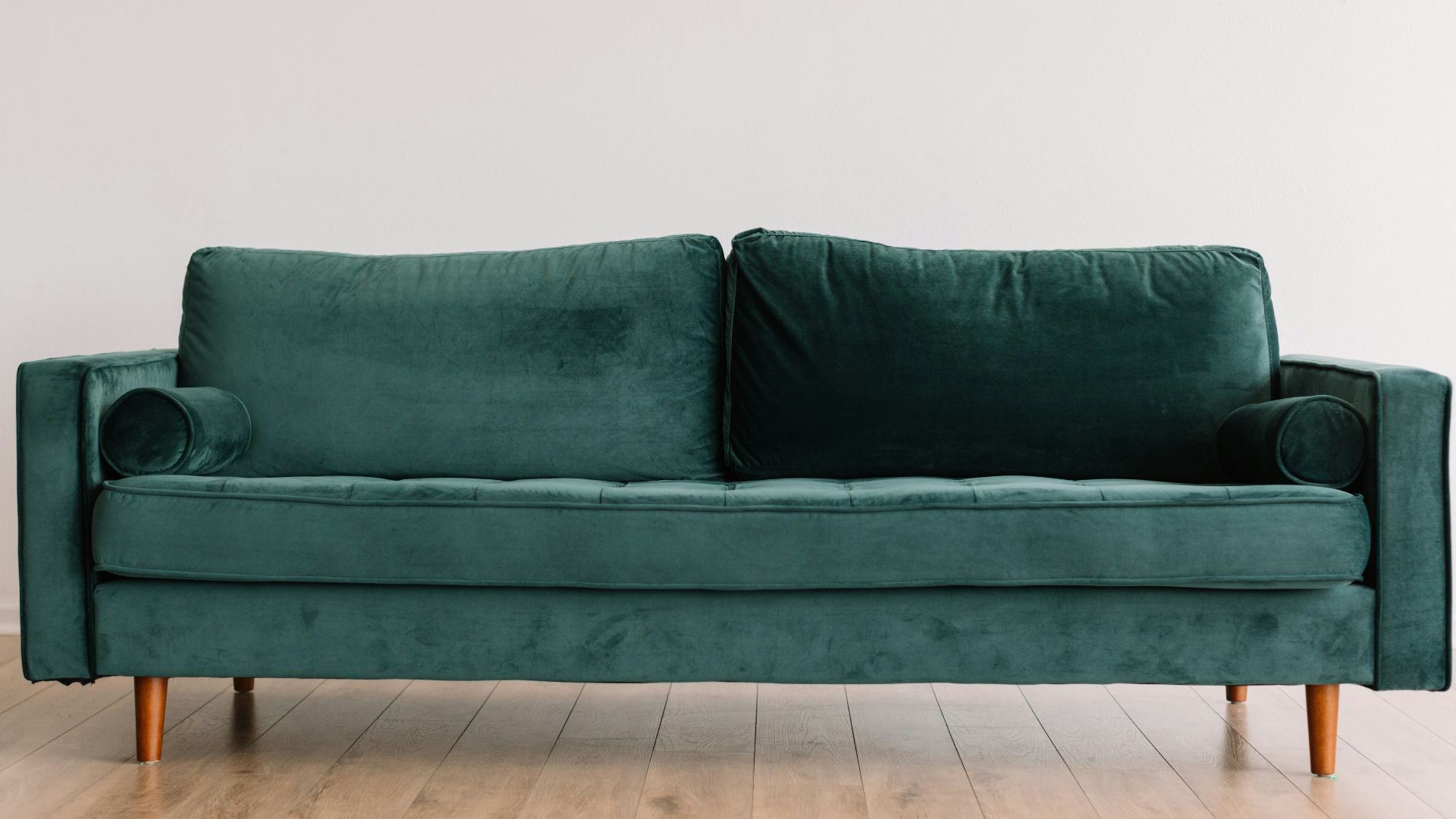
4. Flame Retardants in Old Couches
The foam inside your older sofa might be treated with chemicals designed to prevent fires, but they often off-gas into your living room dust. You end up breathing these in while you're trying to relax, which can lead to a build-up of toxins that stress out your neurological system. Vacuuming with a HEPA filter can help minimize your exposure to these sneaky particles.
 Phillip Goldsberry on Unsplash
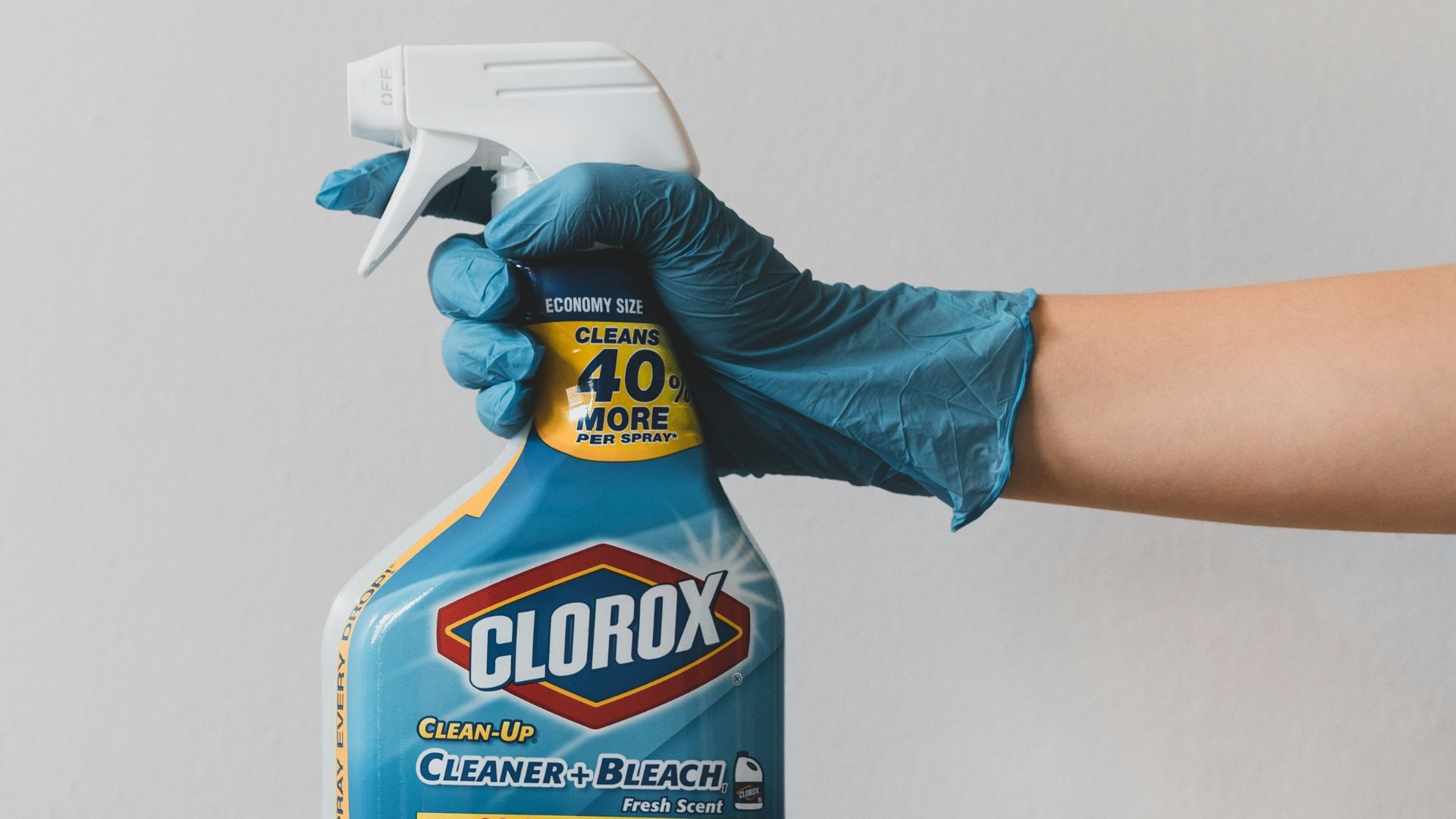
5. Harsh Bleach Fumes
Scrubbing your bathroom until it sparkles shouldn't leave you with a stinging nose and a foggy brain. The intense vapors from chlorine bleach are quite aggressive on your lungs and can trigger a physical "fight or flight" response. Opting for vinegar or hydrogen peroxide gets the job done without making you feel like you need to escape the room.
6. Pesticide Residue on Shoes
Every time you walk through your door, your shoes track in toxic lawn chemicals and city pollutants. Those toxins then settle into your carpet or hardwood floors. Which means anytime you’re sitting, standing, or lying on your floors, you’re absorbing them through your skin.

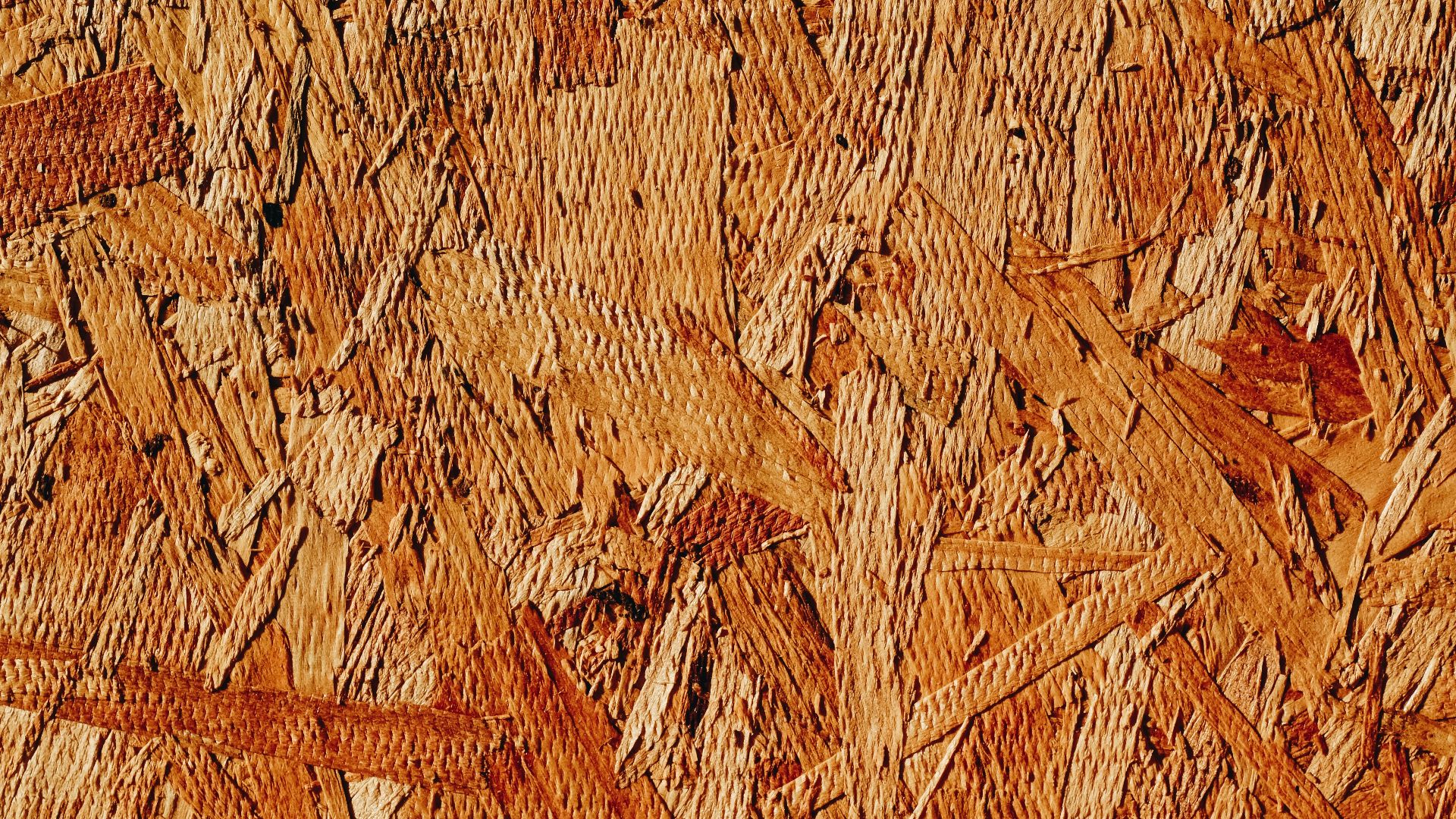
7. Formaldehyde in Pressed Wood
That cheap bookshelf or dresser likely contains glue filled with formaldehyde. Once it starts breaking down, it becomes airborne and can cause headaches and mood swings. So how can you relax on your comfy couch when your neurotransmitters are being disrupted? Buy furniture made from solid wood or labeled “low-VOC.”
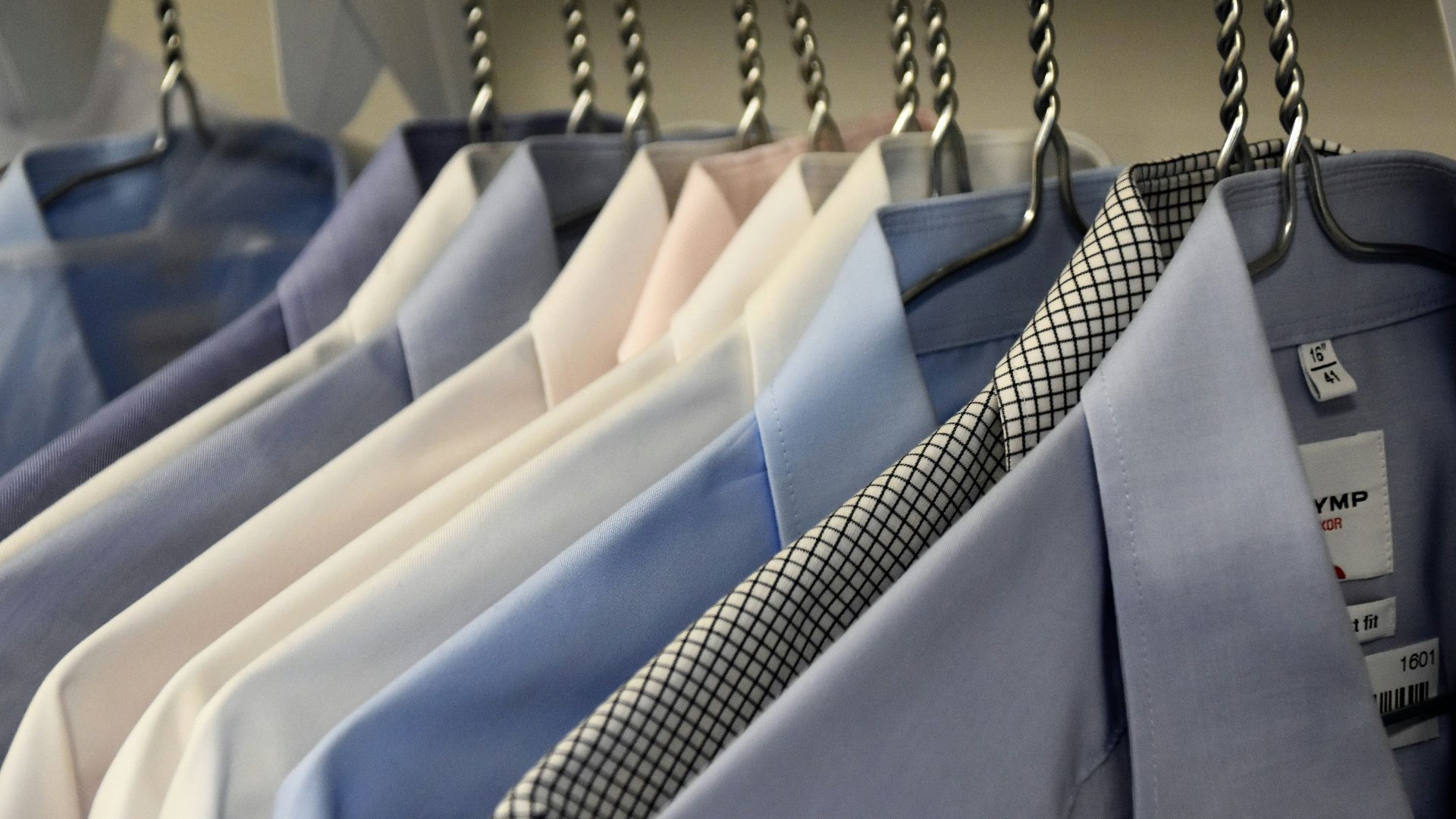
8. Dry Cleaned Chemicals
That crisp suit might look great, but the "perc" used by many professional cleaners often hitches a ride back to your closet. This solvent is a known neurotoxin that can leave you feeling dizzy or strangely out of sorts when you get dressed in the morning. Letting your dry cleaning air out in the garage for a day can help dissipate those lingering fumes.
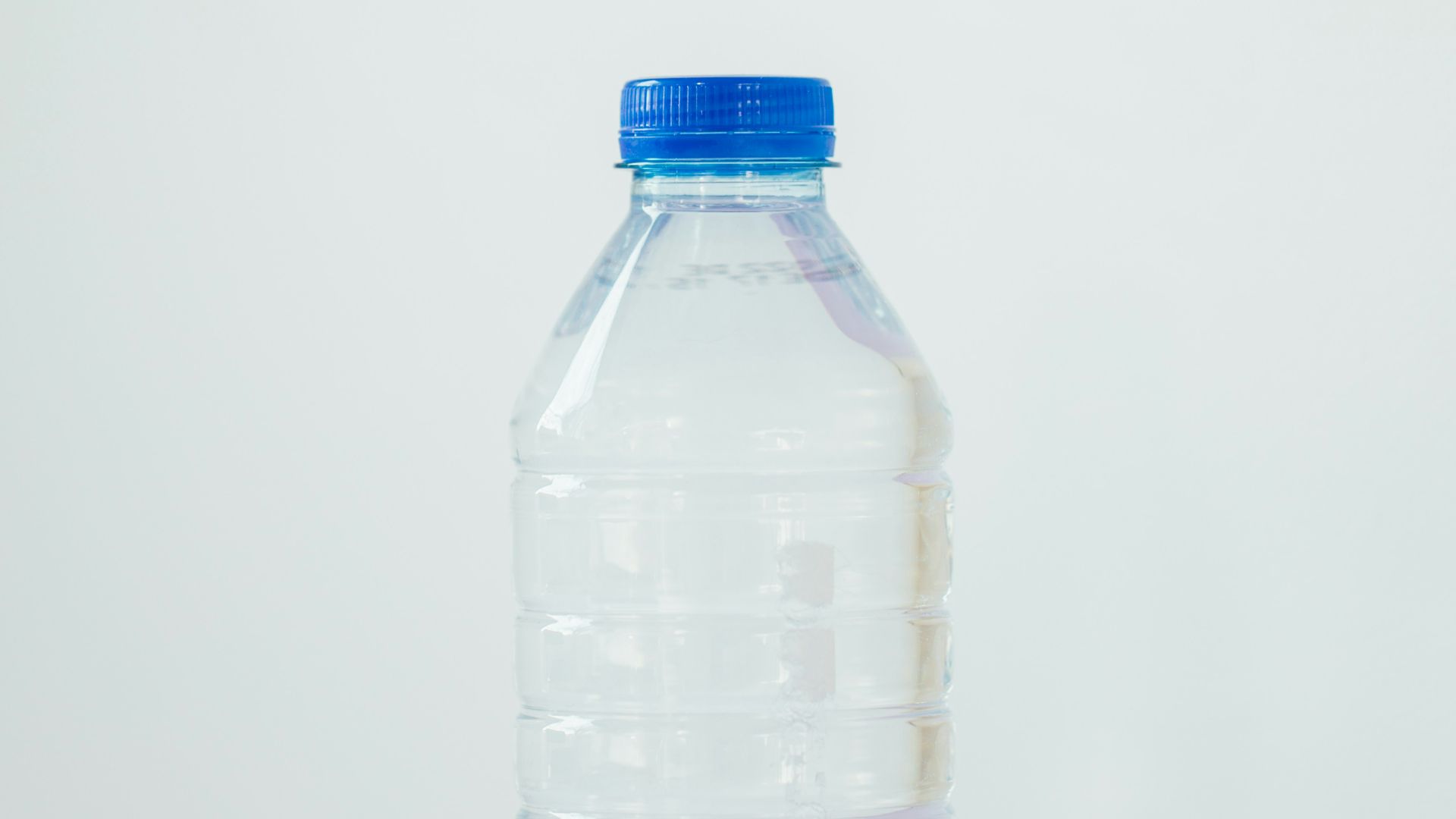
9. Plastic Water Bottles
Ever drink out of a plastic water bottle that’s been sitting in your hot car all day? You’re not only filling up on water. You’re also consuming Bisphenol A (BPA) or chemicals that mimic BPA, and when those estrogen-like chemicals enter your body, they can seriously impact your mood.
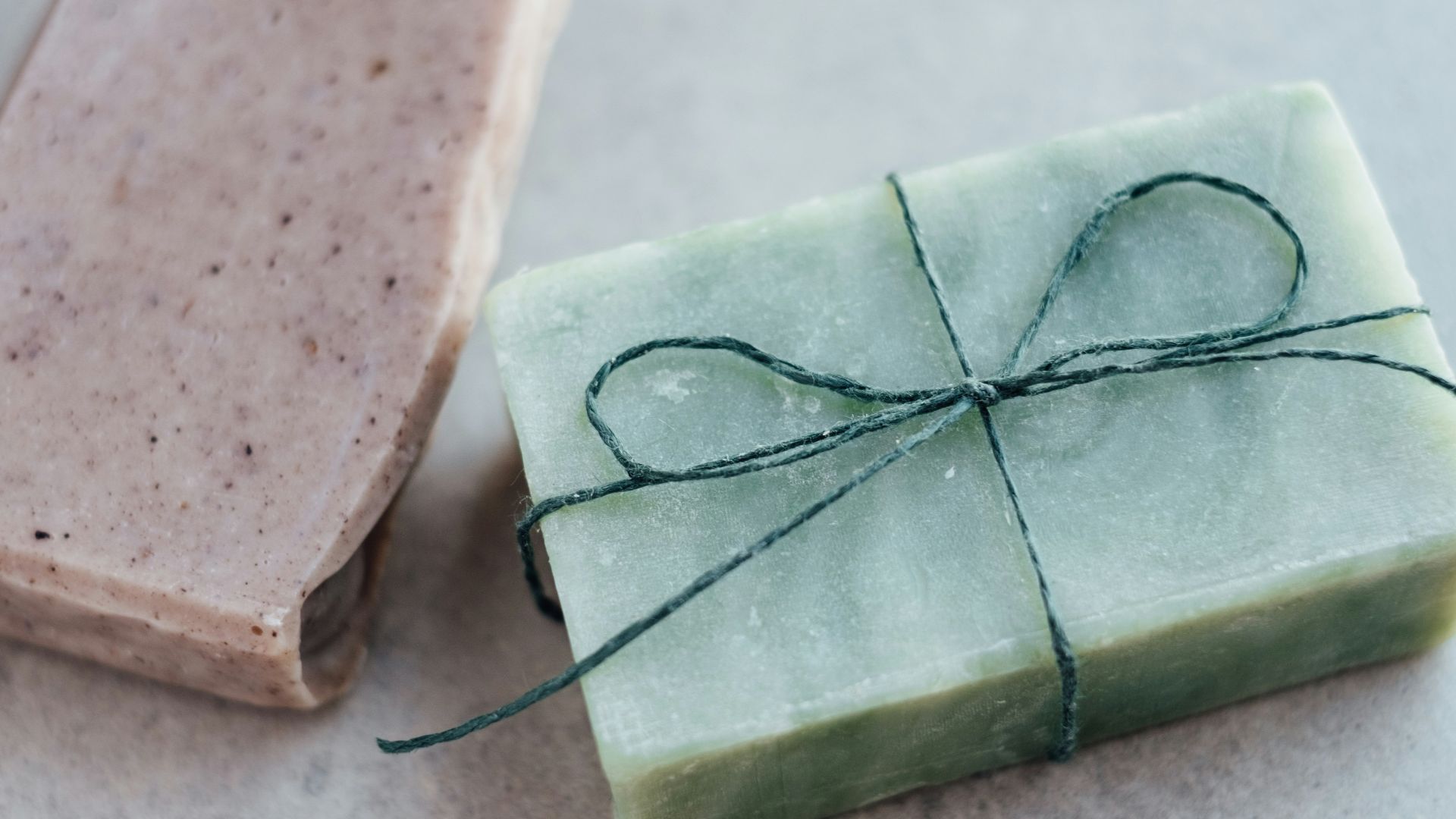
10. Antibacterial Soap Additives
Using heavy-duty antimicrobial soaps might seem like a good idea for destroying germs, but chemicals like triclosan can actually interfere with your thyroid function. Since your thyroid regulates your energy and mood, keeping it happy is essential for staying calm. Stick to plain old soap and water, which is just as effective without the hormonal drama.
11. Volatile Organic Compounds in Paint
Yes, that freshly painted wall in your toddler’s bedroom is beautiful. But did you know the paint is releasing VOCs into the air you’re breathing? Volatile organic compounds are chemicals that can lead to respiratory problems and fatigue.

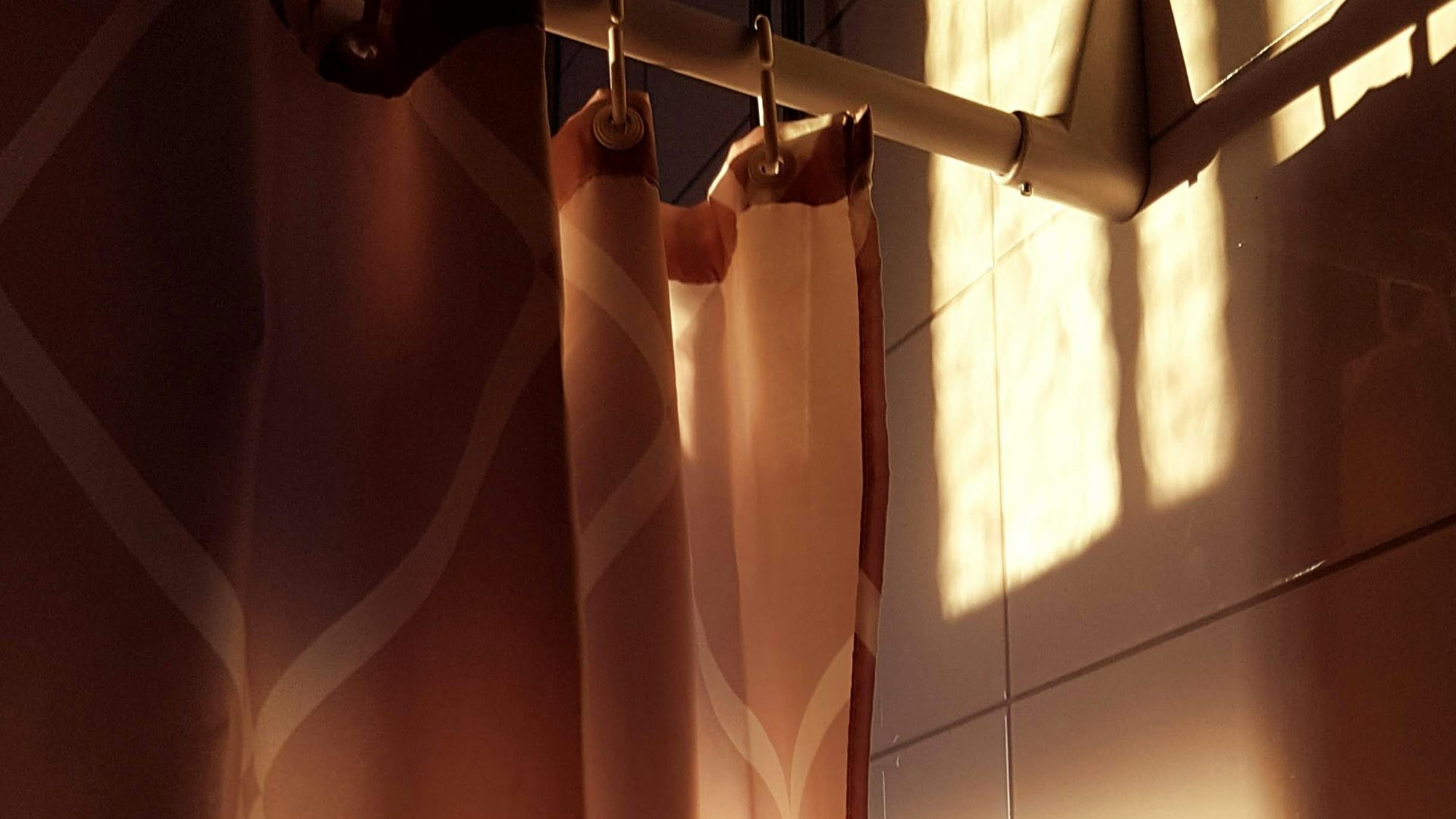
12. Phthalates in Shower Curtains
That “new shower curtain” smell is actually a chemical odor caused by phthalates evaporating into your bathroom. The steam from your shower releases the toxins faster and straight into your lungs. Hang a cloth shower curtain made from hemp or cotton instead.
 Trude Jonsson Stangel on Unsplash
13. Dryer Sheet Residue
Tossing a sheet into the dryer makes your laundry soft, but it also coats your clothes in a layer of synthetic fragrance and quaternary ammonium compounds. These substances stay on your skin all day long, which can cause subtle irritation and physical stress. Wool dryer balls are a much gentler way to reduce static and keep your fabrics fluffy.

14. Lead in Vintage Ceramics
Those old plates your grandma gave you are full of charm. But they can also leach lead into your food when those glazes break down. And when lead finds its way into your body, it causes irritability and crankiness.

15. Canned Food Linings
Most cans are lined with a resin that includes bisphenols. Every time you heat that soup or drink your vegetable protein shake, you’re consuming those toxins. This increases your body’s metabolic stressors and can make you feel tired or bloated.

16. Tap Water Contaminants
Depending on where you live, your kitchen faucet might be delivering trace amounts of heavy metals or chlorine byproducts. Drinking these daily can put an extra burden on your liver and kidneys, leading to a general sense of physical depletion. Installing a simple carbon filter can strip away those impurities and make your water taste much better.

17. Carpet Glue Vapors
New wall-to-wall carpeting often uses adhesives that release a variety of gases for months after the initial installation. This chemical load can be a major source of "sick building syndrome," making you feel poorly whenever you're hanging out at home. If you're replacing floors, consider floating hardwood or tile to avoid those heavy glues altogether.

18. Dirty Air Conditioning Filters
When your HVAC filters get clogged with dust and mold spores, they circulate those irritants throughout every room you inhabit. Breathing in poor-quality air makes your heart and lungs work harder, which naturally increases your internal stress levels. Swapping your filters every few months is a simple way to ensure you're breathing easy.
19. Naphthalene in Mothballs
Sure, mothballs keep those winter clothes smelling fresh all year long. But they also emit a poisonous gas when they evaporate. At high levels, naphthalene can cause skin irritation.
20. Microwaveable Plastic Trays
Heating your lunch in a plastic container can cause chemical stabilizers to migrate directly into your hot food. This creates a hidden dose of toxins that your body has to work overtime to process and eliminate. Moving your leftovers to a glass bowl before hitting the start button is an easy switch that protects your long-term health.